- What makes up a dual-fuel system?
- How does a dual-fuel system decide which source to use?
- What benefits can you expect?
- Is a dual-fuel system right for your home?
- What does a dual-fuel system cost?
- Which system options and installation steps should you know?
- What does research say about switchover controls?
- How do you keep a dual-fuel system healthy?
- Why we recommend a carefully tuned dual-fuel setup
- How we help you add dual-fuel comfort
- FAQ
- Sources
- Recommended

A dual fuel heat pump pairs an electric heat pump with a gas furnace, and the system switches between them based on outdoor temperature or smart controls. For homes that already have a working furnace, it is often the most practical upgrade. We base this guide on DOE field studies, ENERGY STAR tax-credit rules, and our own field work at LC Heating and Air Conditioning.
TL;DR:
- A field pilot reported annual operating cost savings of about $300 to $1,000 per site and payback periods under nine years.
- DOE demonstrations found optimized controls delivered modeled energy savings of at least 35% versus standard lockout logic, but commissioning is needed to realize them.
- Qualifying equipment must meet the highest CEE tier; the 30% credit is capped at $2,000, and 2025 claims require the manufacturer’s four digit QM code.
- Have an installer use an ACCA Manual J calculation to size the heat pump for your cooling load, then measure airflow and document switchover settings.
- A retrofit makes most sense with a sound existing furnace and usable ducts; in very mild climates, a standalone heat pump may suffice.
What makes up a dual-fuel system?
Think of it as two heat sources sharing one house. The heat pump handles mild weather, and the furnace steps in when it gets cold.
Here are the parts you will see:
- Outdoor heat pump: an air-source electric unit that moves heat in and out of your home.
- Indoor coil or air handler: the heat pump’s indoor half, usually mounted on or beside the furnace.
- Gas furnace: typically natural gas or propane, serving as the backup heat source.
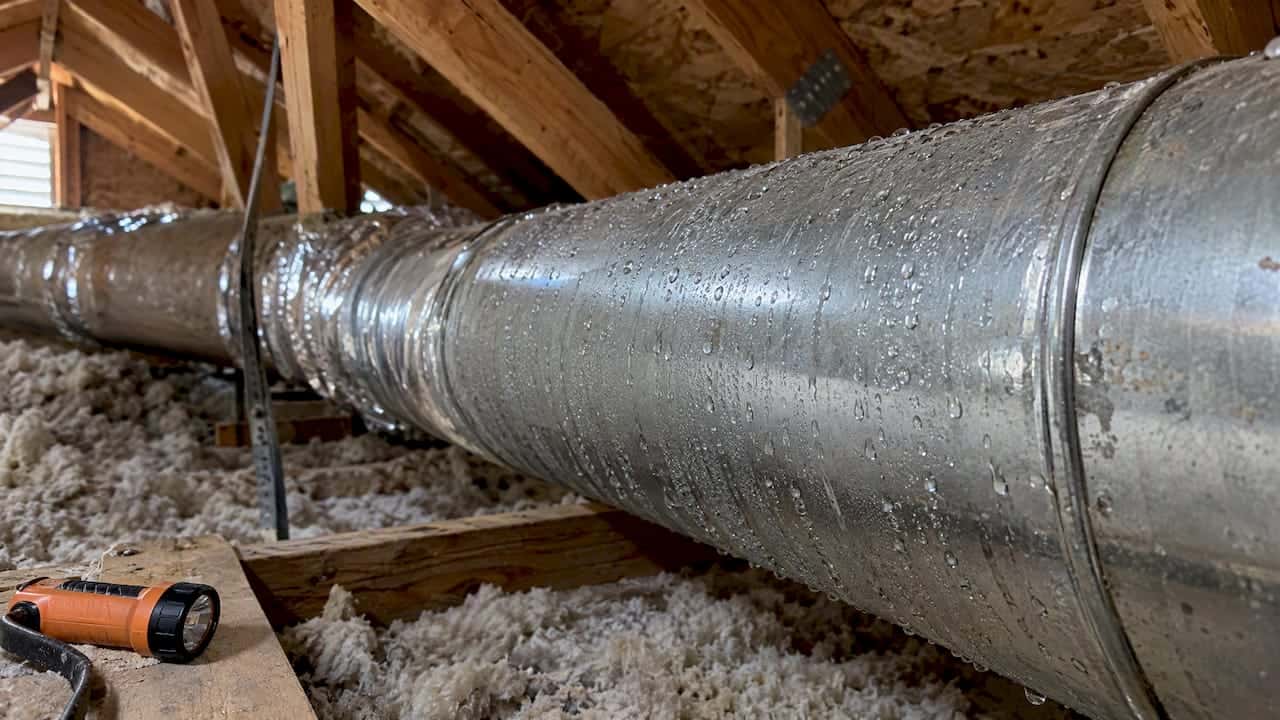
- Shared ductwork: one duct system delivers air from whichever source is running, as DOE describes.
Common setups include a full central system, a retrofit that adds a heat pump to an existing furnace, and a ductless unit tied to the furnace for part of the home. ENERGY STAR suggests adding a certified heat pump to a home with a relatively new furnace, for a modest extra cost.
How does a dual-fuel system decide which source to use?
The switch happens at a set outdoor temperature, often called the lockout or switchover point. Above it, the heat pump runs. Below it, the furnace takes over. Factory defaults often sit around 35–40°F, and they are a baseline, not a rule.
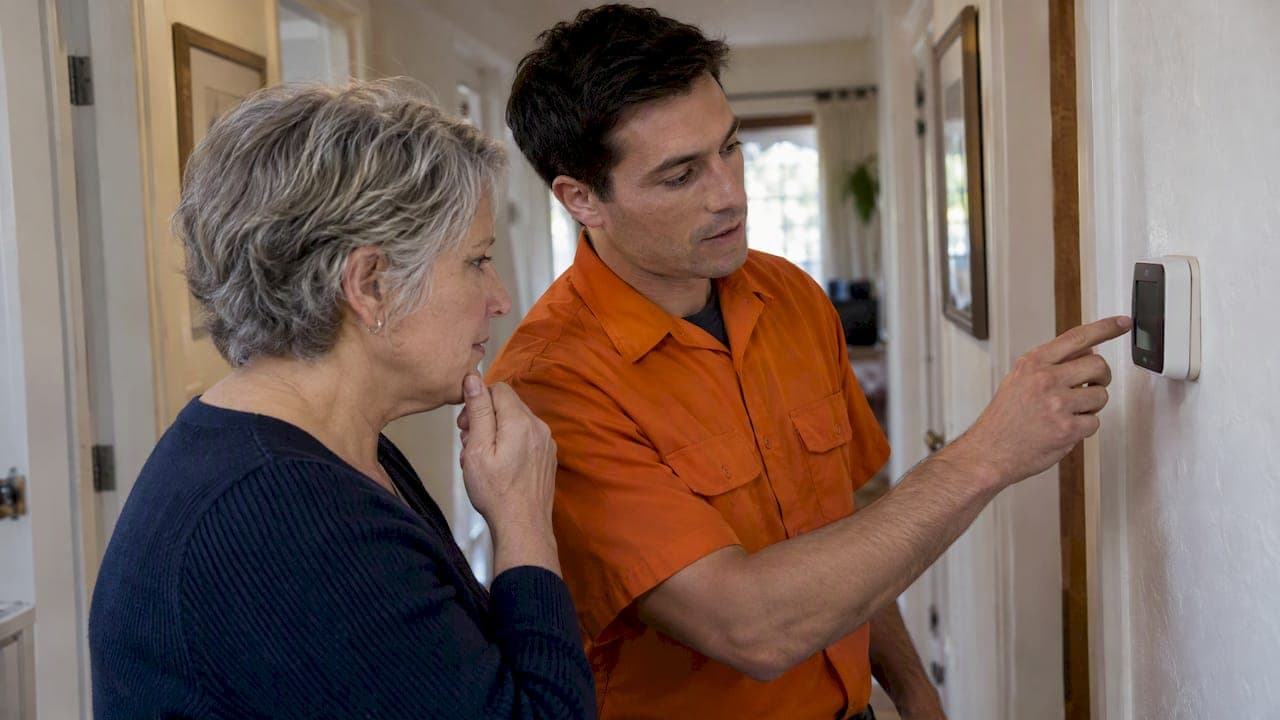
Your thermostat plays referee:
- Static setpoint: one fixed switchover temperature, simple and common.
- Programmable control: schedules shift behavior through the day.
- Advanced dynamic control: logic that weighs time-of-use electricity pricing and heat pump capacity before choosing a source.
Defrost cycles matter too. When the outdoor coil frosts over, the heat pump briefly reverses to melt it, and the furnace may run during that window. Field validation research shows defrost operation and backup heat can meaningfully affect total energy use.
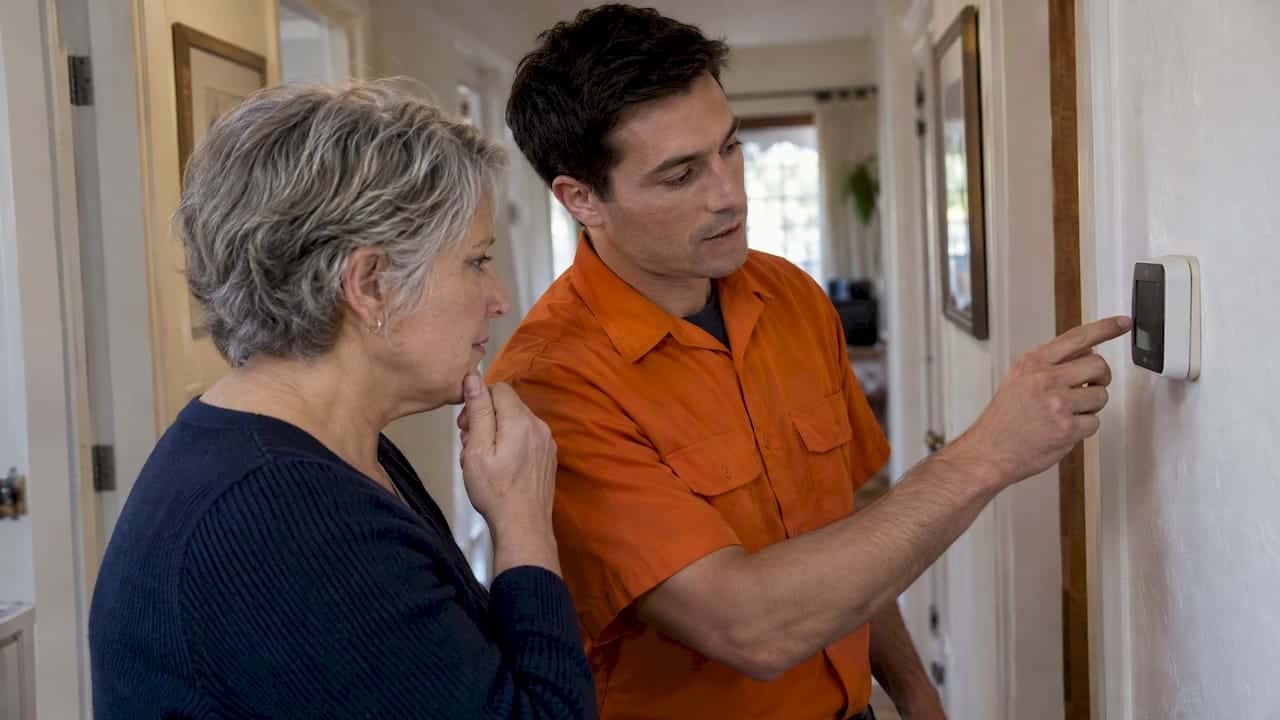
Pro Tip: Ask your installer to write down the switchover temperature they set, so you can compare it with your winter bills later.
What benefits can you expect?
A field monitoring pilot of ducted dual-fuel systems found real savings and happy homeowners.
The pilot reported annual operating cost savings of roughly $300 to $1,000 per site, with payback periods under nine years. Participants were also satisfied with comfort and fuel savings.
Beyond the bills, you get:
- Year-round comfort: the heat pump also cools your home in summer.
- Cold-weather assurance: the furnace keeps you warm on the coldest nights.
- Lower emissions potential: well-tuned controls let the cleaner source run more often.
- Better net cost: federal credits can offset part of the upfront price.
Is a dual-fuel system right for your home?
It fits best when you have an existing ducted furnace, a climate with mixed or cold stretches, and a wish for efficient heat plus cooling in one package.
Consider it when:
- Your furnace is in good shape and has years of life left.
- Your ducts are in decent condition.
- You want to cut gas use without giving up a backup.
It may not pay off in very mild climates, where a heat pump alone does the job. Homes without ducts can still work if you are open to ductless units.
Sizing matters most. Size the heat pump to your cooling load using an ACCA Manual J calculation, because an oversized unit cycles too often and loses efficiency. Our guide to HVAC load calculations walks through how that works. If you also care about broader efficiency, this homeowner resource covers efficiency benefits beyond heating and cooling.
What does a dual-fuel system cost?
National figures put installed cost at roughly $7,500 to $12,000, with an average near $9,500 for a typical 3-ton system, according to Fixr. Our own published price for heat pump installation is $5,500–$12,000 one-off, and you can review it on our financing page.

Retrofits usually cost less than a full replacement because your furnace and ducts stay in place. Common adders include ductwork changes and gas-line work.
Incentives help. ENERGY STAR lists a 30% federal credit, up to $2,000 per year, for a qualifying heat pump.
- The $2,000 credit is separate from the $1,200 limit for other home improvements.
- For installs in 2025, include the manufacturer’s four-digit QM code on your tax return.
- Equipment must meet the highest CEE tier.
Our post on the heat pump tax credit explains the paperwork in plain terms.
Which system options and installation steps should you know?
You can choose among three main layouts:
- Central ducted: a single heat pump paired with your existing furnace.
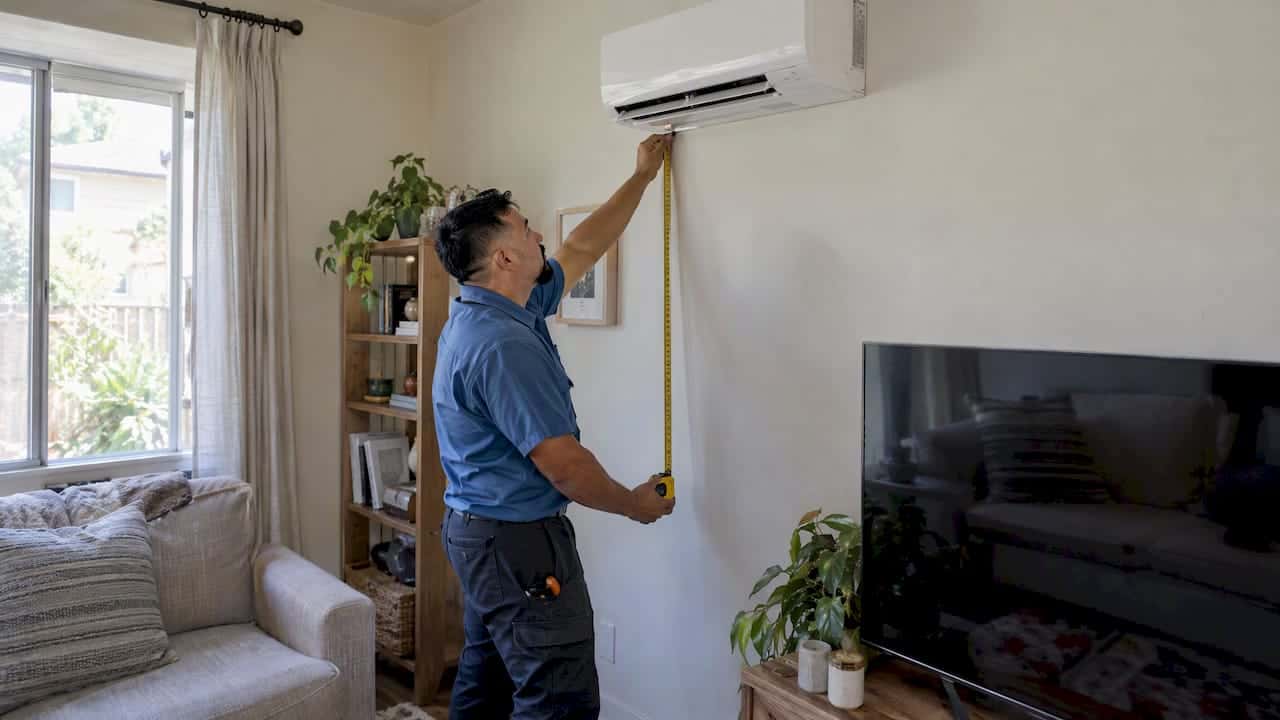
- Ductless plus furnace backup: mini-split units cover key rooms while the furnace handles the rest.
- Multi-zone: several indoor units for broader coverage, as the DOE sizing guide outlines.
Use this checklist when you talk to installers:
- Ask for a Manual J load calculation, not a rule-of-thumb guess. Our sizing guide shows typical ranges.
- Confirm the indoor coil layout, since placement affects static pressure and airflow.
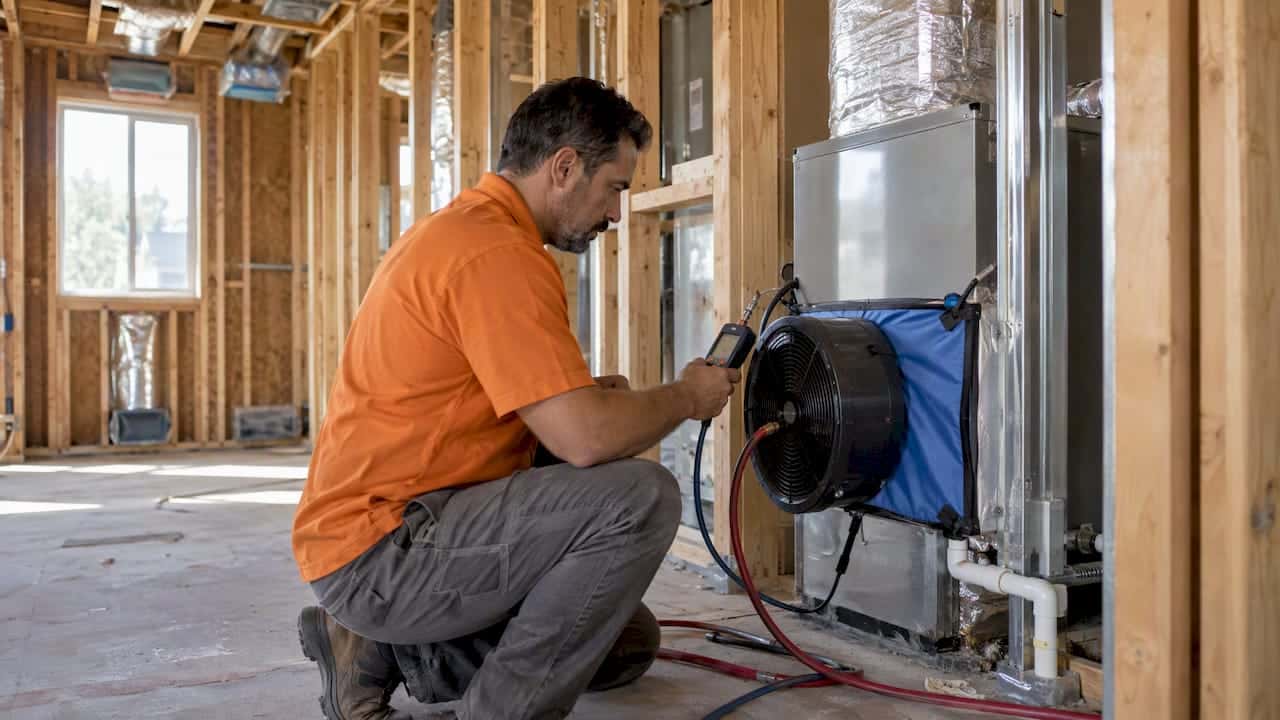
- Have the ducts sealed and airflow measured.
- Verify the refrigerant charge.
- Check the gas line and furnace connections.
- Commission the system and record the switchover settings.
Pro Tip: Airflow in the field often falls below listed specs, so ask for a measured number, not an assumed one.
What does research say about switchover controls?
The default lockout is not always the smartest setting. DOE field demonstrations found that optimized controls on dual-fuel retrofits delivered large energy savings and notable greenhouse gas reductions compared with standard lockout logic.
Control-optimized dual-fuel retrofits showed modeled energy savings of at least 35%, with notable greenhouse gas reductions versus standard lockout logic.
DOE demonstration of optimized controls for a dual-fuel heating retrofit
A fixed 35–40°F setting can be conservative. A modern heat pump may work efficiently at colder temperatures, and inverter-driven models run well into subzero weather, though performance varies by model and installation. Research on hybrid control strategies also shows switchover setpoints change cost and emissions, and commissioning is needed to realize the savings.
Here is what to ask your installer:
- Do you offer advanced or dynamic control options?
- Can you set up time-of-use-aware switchover?
- Will you document the switchover logic you commission?
How do you keep a dual-fuel system healthy?
Both halves need care. Change filters regularly, and schedule an annual tune-up for the heat pump and the furnace. Our heat pump maintenance service covers refrigerant and airflow checks.
Watch for these signs:
- Weak airflow, which cuts heat pump efficiency.
- The furnace running often in mild weather.
- A thermostat lockout set higher than intended.
- Long furnace runtimes around defrost cycles.
When you call for service, ask for a diagnostic that includes a load check, airflow measurement, and switchover verification. That way the fix targets the cause, not just the symptom.
Why we recommend a carefully tuned dual-fuel setup
In my HVAC work in Los Angeles, I have seen dual-fuel systems succeed or disappoint for one reason: setup. Correct sizing, careful commissioning, and smart controls turn a good idea into a system that really saves money. If you want an installation estimate, reach out and we will walk you through it.
— Leo
How we help you add dual-fuel comfort
We install heat pumps, handle dual-fuel retrofits, commission controls, and maintain both halves of your system. Ask us about diagnostic pricing, service availability, and help with rebate and tax-credit paperwork. You can also read our local reviews.

Ready for the next step? Book a heat pump service visit and we will size and plan your dual-fuel system with you.
FAQ
What is a dual fuel heat pump?
It is a heat pump paired with a gas furnace that share your ductwork. The system switches between them depending on outdoor temperature or control logic, as Lennox describes.
Is a dual fuel heat pump worth it?
For many homes with a working furnace, yes. Field monitoring found homeowners satisfied with comfort and fuel savings, and credits can lower your net cost.
What are the downsides of dual fuel heat pumps?
Two systems mean two sets of equipment to maintain. Results also depend on correct sizing and switchover settings, which is why we stress careful commissioning.
How much does a dual fuel HVAC system cost?
National estimates run about $7,500 to $12,000 installed. Your price depends on size, ductwork, and gas-line needs.
Sources
Recommended
Leo, Propietario y Técnico Principal en LC Heating & Air
Leo dirige LC Heating & Air como propietario-operador y tiene la licencia C-20 HVAC #1073586 de California. Sus guías se enfocan en diagnósticos prácticos, decisiones de reparación seguras y consejos claros para propietarios de Los Ángeles.