- Key Takeaways
- AC Unit Lifespan Ranges by System Type
- What Determines Whether Your AC Ages Fast or Slow
- Signs Your AC Needs Repair or Replacement
- How to Extend Your AC Unit’s Life
- The $5,000 Rule and Other Decision Tools
- What LC Heating and Air Conditioning Looks for on Every Diagnostic
- What the Data Gets Wrong About AC Lifespan
- Get a Straight Answer on Your System’s Remaining Life
- Sources
- FAQ
- Recommended
Most residential central air conditioners last 12 to 20 years, with a median lifetime of about 18 years according to appliance-lifetime research using national housing survey data. Heat pumps run a similar range, while ductless mini-splits can push past 20 years with good care. Before you decide anything about your own system, do three things this week.
Statistic to know: the median life expectancy for a central AC is 18 years, with a mean closer to 19 years, per appliance-lifetime analysis from the Department of Energy’s Oak Ridge lab.
- Find the manufacture date on the outdoor unit’s data plate (it’s usually a different, earlier date than your installation paperwork).
- Check whether your system uses R-22 refrigerant, since that alone changes the math on repairs.
- Pull together your last two years of repair invoices so you can see a real pattern instead of guessing.
Key Takeaways
A central AC unit’s real lifespan depends less on its age and more on installation quality, climate exposure, and whether repair costs still make financial sense against replacement.
| Point | Details |
|---|---|
| Typical lifespan range | Central AC units last 12 to 20 years, with a median of about 18 years per appliance-lifetime research. |
| Use the $5,000 rule | Multiply system age by repair cost; above $5,000 usually favors replacement. |
| Climate accelerates wear | Humidity, salt air, and heavy sun exposure speed up component degradation significantly. |
| Maintenance rhythm matters | Filter changes every 60 to 90 days plus an annual professional tune-up extend service life the most. |
| Get a transparent diagnostic | LC Heating and Air Conditioning offers flat-rate pricing and same-day service across Greater Los Angeles, with no pressure toward unnecessary replacement. |
AC Unit Lifespan Ranges by System Type
Your AC unit’s lifespan depends heavily on which type of system you have and which component you’re asking about. A central air conditioner typically runs 12 to 20 years, heat pumps land in a similar window since they share compressor technology, and ductless mini-splits often reach 20 years or more because they avoid the duct losses and cycling stress that wear down central systems faster.
Key figure: the OSTI appliance-lifetime study puts the median central AC lifespan at 18 years using shipment and survey data, a more reliable number than the rough estimates many contractors quote from memory.
Different parts of your system age at different speeds:
- Compressor: the heart of the system, often the first major part to fail, typically rated for 10 to 15 years of heavy cycling.
- Condenser (outdoor unit): exposed to weather and debris, generally matches the compressor’s lifespan closely.
- Evaporator coil (indoor): protected from the elements but vulnerable to corrosion and refrigerant leaks over 15 to 20 years.
- Air handler/blower motor: often outlasts the rest of the system when filters are changed regularly.
The ASHRAE Service Life and Maintenance Cost Database tracks these component-level figures across thousands of installed systems, and it’s the same reference engineers use when they design replacement schedules for large buildings. One trick worth knowing: check the serial number on the condenser, not your installation invoice. Contractors sometimes install equipment months after manufacture, so the unit could already be a year “older” than your paperwork suggests.
What Determines Whether Your AC Ages Fast or Slow
Two identical AC units installed on the same street can age at completely different rates, and the reason almost always comes down to four factors.
Installation quality sits at the top of the list. A system sized correctly according to ACCA Manual J load calculations runs fewer, longer cycles instead of short-cycling on and off, which is far easier on the compressor. Oversized units especially wear out fast because they cool the space too quickly without properly removing humidity, so they cycle constantly.
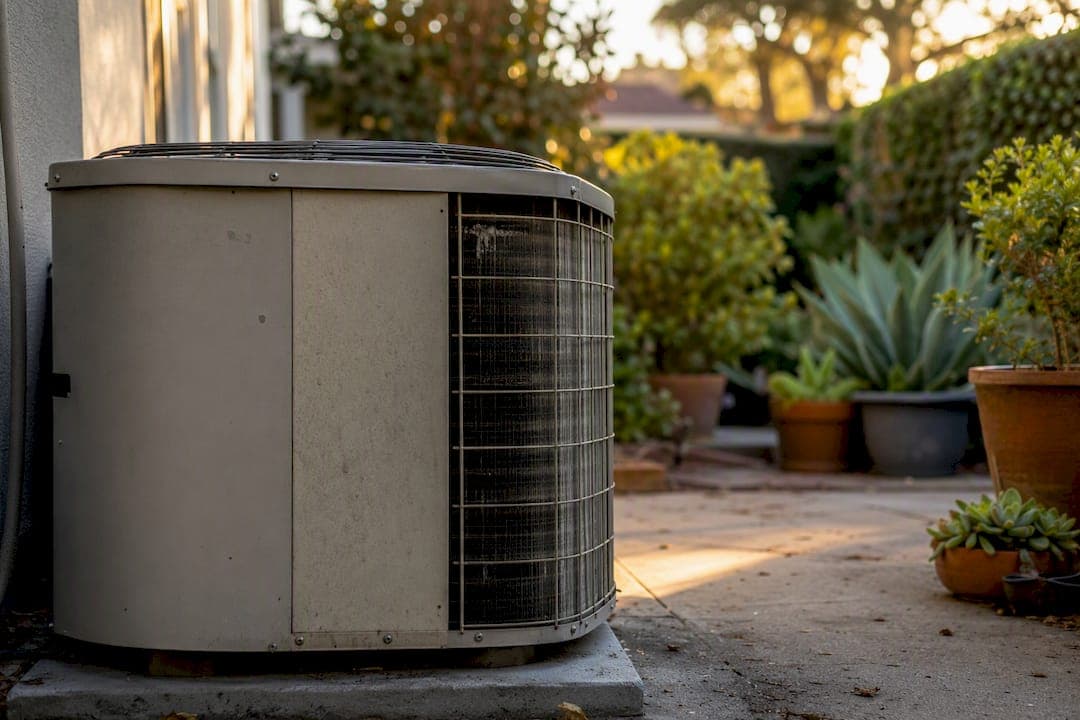
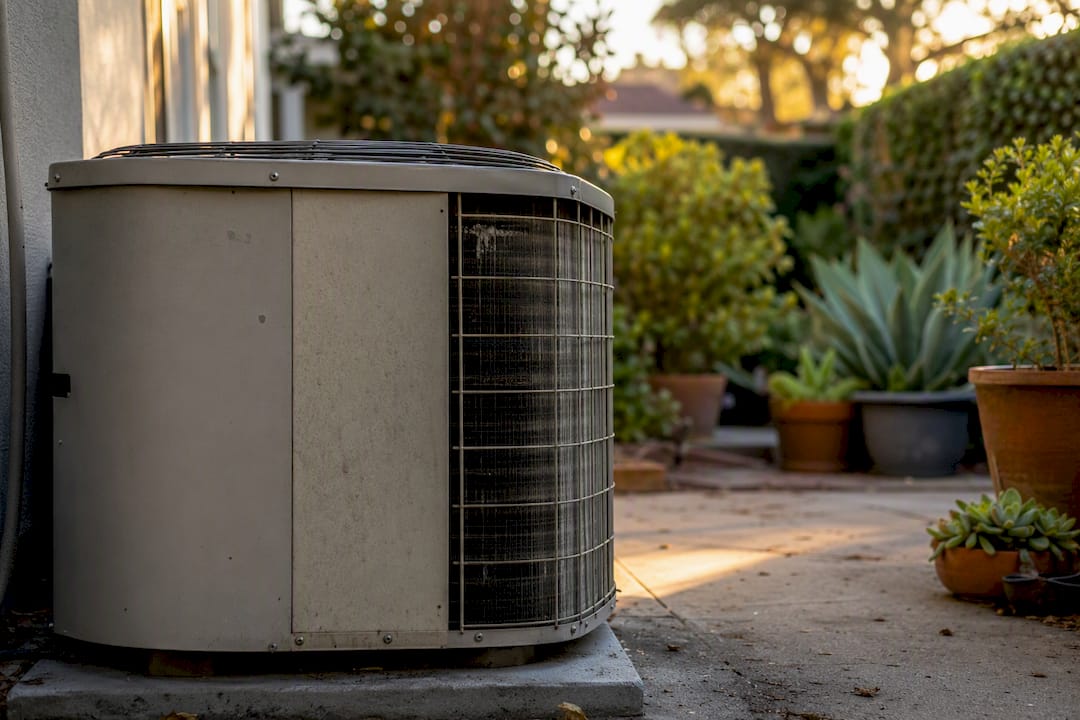
Climate and environmental exposure matter more than most homeowners realize. A study of HVAC systems across 49 U.S. locations found that high humidity, heavy precipitation, and intense solar radiation significantly speed up component degradation. Coastal salt air is particularly harsh on outdoor coils and cabinets.
Usage patterns and neglect compound over time. A dirty filter restricts airflow, forcing the compressor to work harder on every cycle. Refrigerant issues, including the ongoing R-22 phase-out, also shorten the practical service life of older systems since replacement refrigerant is scarce and expensive.
Mismatched components create a hidden trap. Installing a new condensing unit on an old, incompatible coil often causes the whole system to fail early, even though half the equipment is brand new.
Pro Tip: If you’re getting quotes for a repair, ask specifically whether the technician checked your coil and condenser for a matched system rating. Mismatched components void warranties and shorten lifespan on both sides of the pairing.
Signs Your AC Needs Repair or Replacement
Age alone doesn’t tell the whole story, but it’s still the fastest way to triage a decision.
- Under 10 years old: repair almost always makes sense, unless the damage is catastrophic (a cracked compressor housing, for example).
- 10 to 15 years old: evaluate case by case. Weigh the repair cost against remaining expected life and whether the unit still uses R-22.
- 15 years and older: lean toward replacement, especially if you’re facing a second major repair within 24 months.
Frequent breakdowns are the clearest warning sign, followed by energy bills that climb without a change in usage. That’s often a sign the compressor is struggling and pulling more current to do the same job. Compressor failure itself is usually a practical end-of-life signal since replacing just the compressor can cost close to half of a full system replacement.
Repair cost context: common repairs range from a $150 to $450 capacitor swap up to $2,500 or more for compressor replacement, figures that feed directly into the age×cost math covered next.
How to Extend Your AC Unit’s Life
The maintenance steps that matter most aren’t complicated, but skipping them is the single biggest reason systems die early.
- Replace filters every 60 to 90 days (more often if you have pets or live near construction dust). This single habit reduces strain on the blower motor and compressor more than almost anything else you can do.
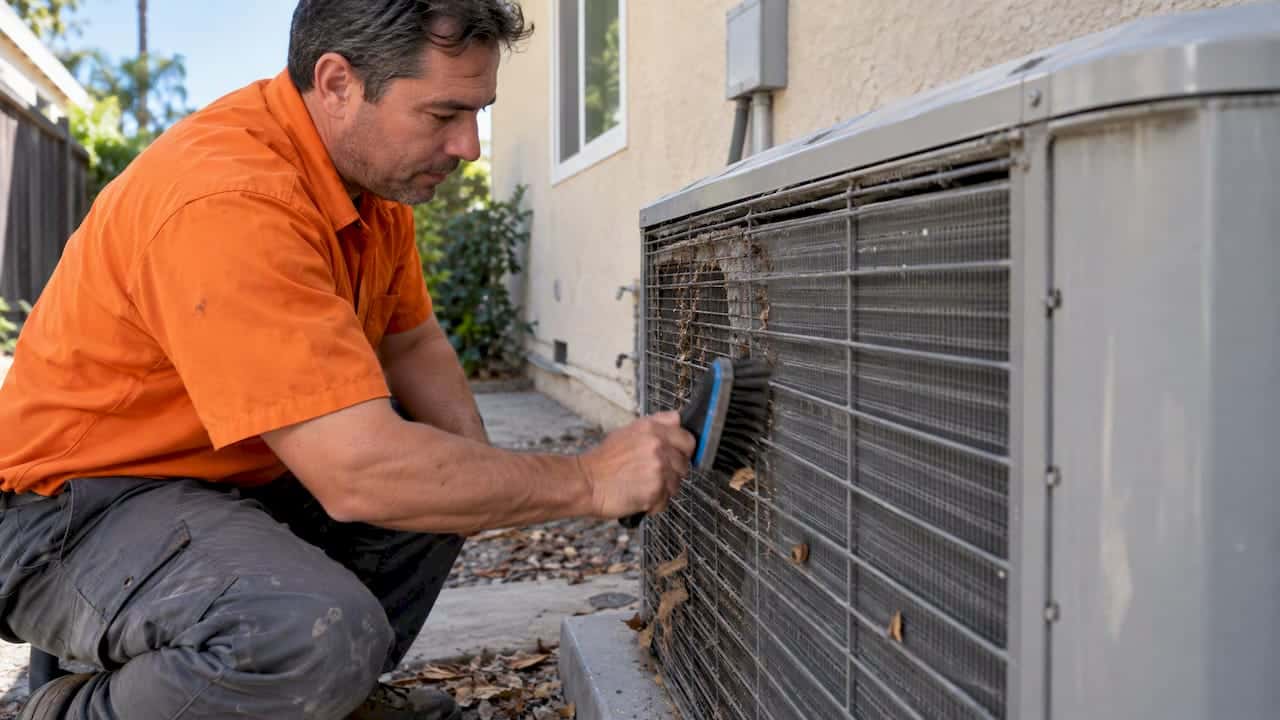
- Keep two feet of clearance around the outdoor condenser unit, clear of shrubs, leaves, and debris that block airflow.
- Clear the condensate drain line at least once a season to prevent water damage and mold growth that can force early component replacement.
- Calibrate or upgrade the thermostat so the system isn’t cycling more often than necessary.
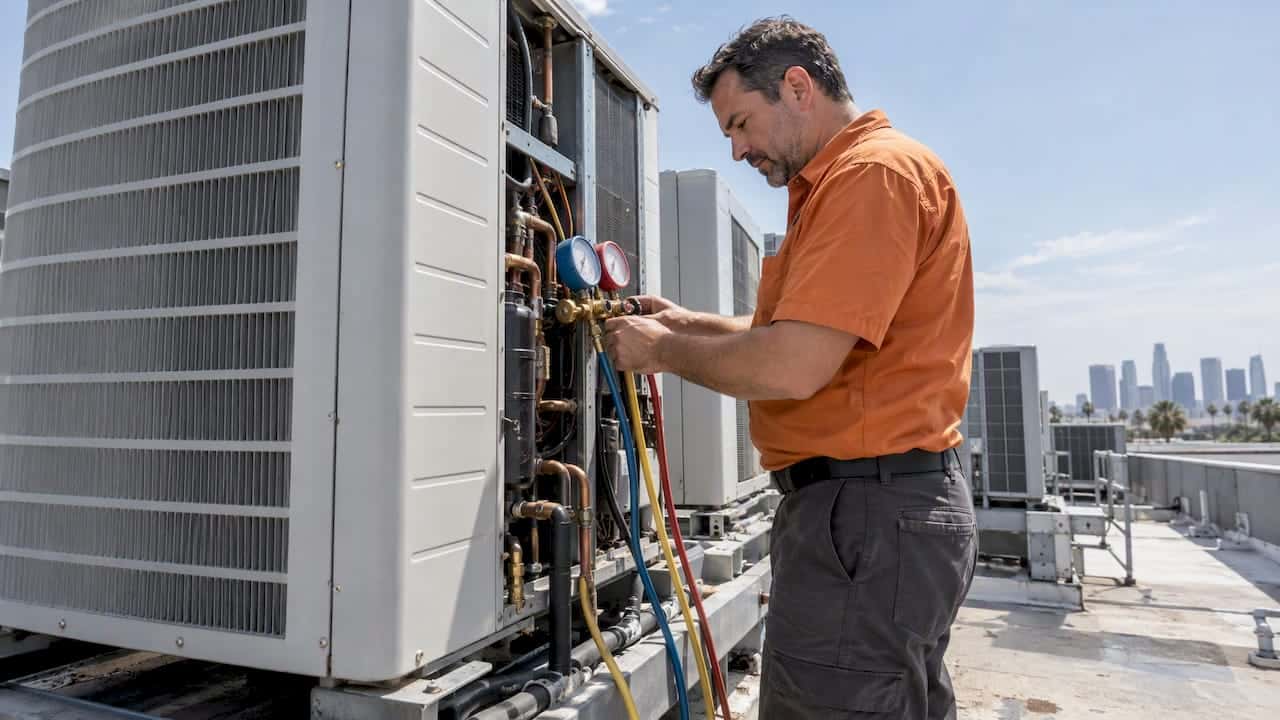
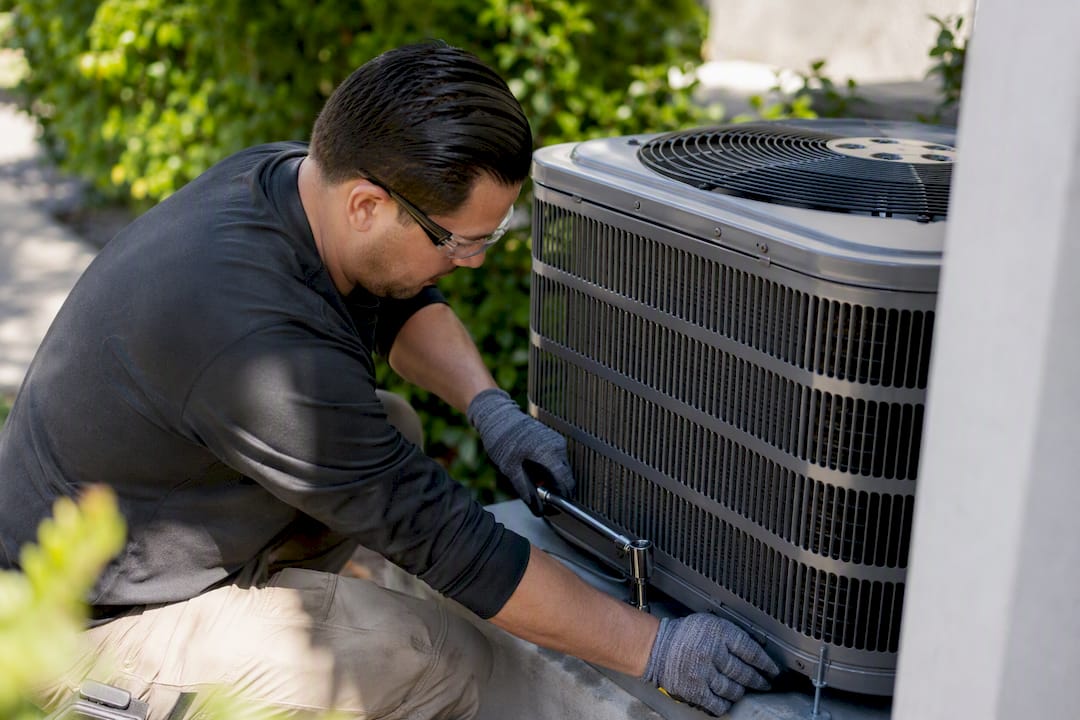
- Schedule an annual professional tune-up that includes coil cleaning, refrigerant charge and pressure checks, electrical connection inspection, and airflow measurement.
A professional tune-up catches the small, cheap problems, like a weak capacitor, before they cascade into compressor damage. That distinction matters when deciding between a temporary fix and a full repair: a capacitor replacement running $150 to $450 is a smart interim repair on an otherwise healthy system, while sinking money into a compressor on a 16-year-old unit usually isn’t.
Pro Tip: Ask your technician to write down the refrigerant pressure readings at every visit. A slow drop over successive tune-ups often means a slow leak, which is cheaper to find early than after it causes compressor damage.
The $5,000 Rule and Other Decision Tools
Here’s a workflow you can run through during any service call, in under five minutes.
- Find the manufacture date on the condenser’s data plate and compare it to your installation paperwork. They’re often different.
- Get the repair quote in writing before agreeing to anything.
- Multiply the system’s age in years by the repair cost. If that number is greater than $5,000, replacement usually makes more financial sense than repair.
- Example: a 12-year-old system with a $600 repair quote comes to 7,200, which points toward replacement. A 4-year-old system with the same $600 quote comes to 2,400, which points toward repair.
- Get a second opinion on any quote above $1,500, especially if replacement was recommended without a written diagnostic.
Small, cheap fixes (a $150 capacitor, a $200 contactor) are almost never worth abandoning a functional system over, regardless of what the age×cost math says.
What LC Heating and Air Conditioning Looks for on Every Diagnostic
Over 20 years of servicing homes across Greater Los Angeles, from century-old Hollywood bungalows to modern multi-zone heat pump setups, we’ve built our diagnostic process around one goal: give homeowners the real picture before they spend a dollar.
Our technicians check the same five things on every visit, and you can ask any contractor for these same data points:
- Manufacture date on the condenser plate (not just the install date)
- Refrigerant type and current charge level
- Measured airflow at the supply registers
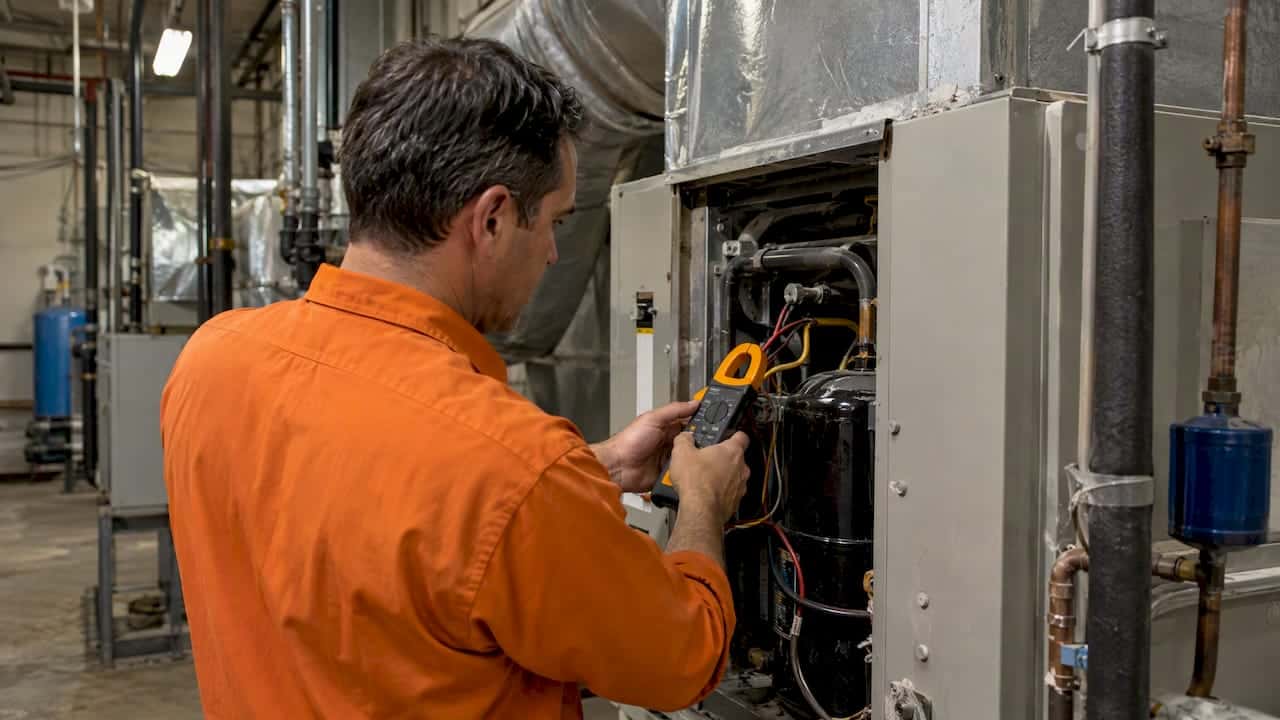
- Compressor current draw compared to nameplate rating
- Visible coil condition, including corrosion and debris buildup
If a technician recommends full replacement without checking refrigerant type, measuring airflow, or testing compressor current draw, that’s not a diagnosis. That’s a sales pitch wearing a tool belt.
Ask any contractor these six questions before signing anything: What’s the manufacture date? What refrigerant does it use? What’s the measured airflow? What’s the compressor’s current draw versus its rating? Is this a flat-rate quote? What’s the warranty on parts and labor? Walk away, or at least get a second opinion, if a contractor won’t put the diagnostic in writing, pushes replacement before testing components, or quotes a price range instead of a flat rate.
What the Data Gets Wrong About AC Lifespan
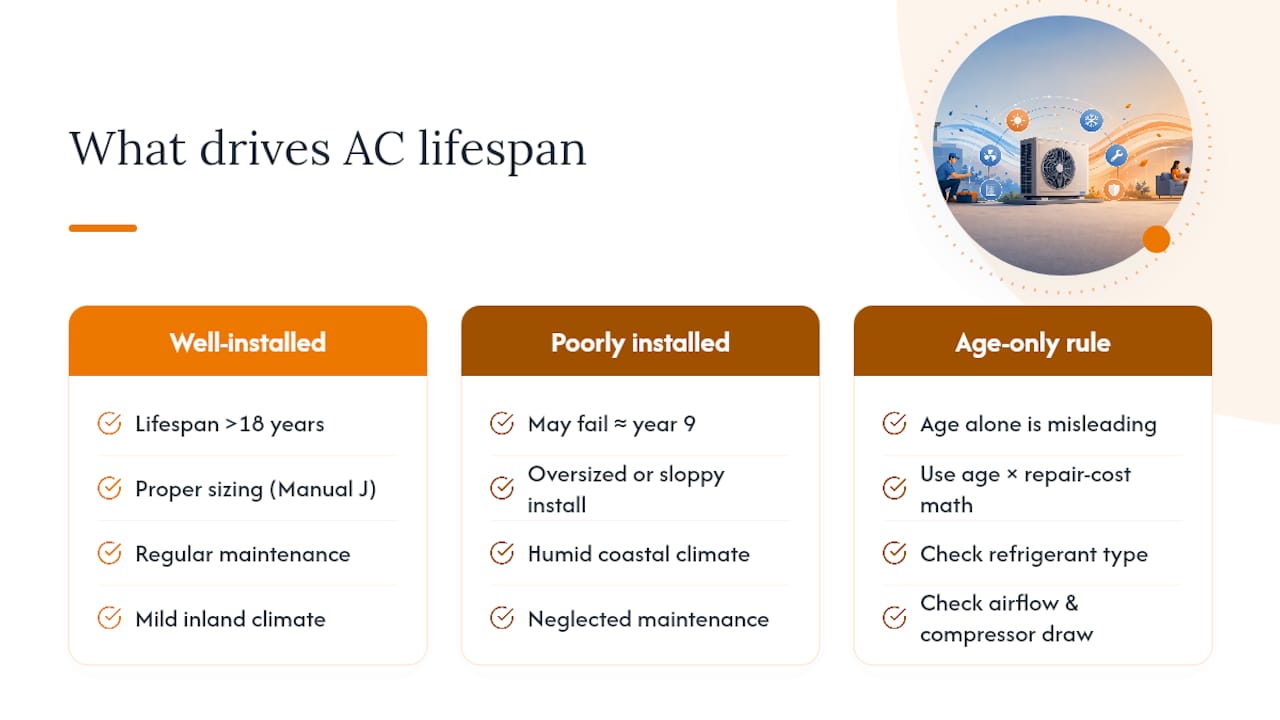
The conventional advice treats AC lifespan like a countdown timer: hit year 10, start worrying, hit year 15, start shopping. That framing misses the bigger variable. A well-installed, properly sized, regularly maintained system in a mild inland climate can beat the median 18-year mark by years. A poorly sized unit in a humid coastal zone can fail at year 9.
What gets underrated is installation quality. Homeowners obsess over brand names and SEER ratings, but a correctly sized system installed per Manual J calculations will outlast an oversized “premium” unit installed carelessly, every time. What gets overrated is age as a standalone metric. Age matters only in combination with repair cost and refrigerant type, which is exactly why the age×cost math works better than a birthday-based replacement schedule.
My honest read: most homeowners replace too early out of anxiety, or too late out of financial avoidance. The fix isn’t more worrying. It’s getting the actual diagnostic numbers (refrigerant, airflow, compressor draw) before making the call.
Get a Straight Answer on Your System’s Remaining Life
LC Heating and Air Conditioning gives Los Angeles homeowners something most HVAC companies won’t: a flat-rate diagnostic with no pressure to replace a system that still has years left in it. When a repair makes financial sense, we say so. When the numbers point toward replacement, including R-22 systems that are getting more expensive to service every year, we show you the actual age×cost math instead of a scare tactic.

Our technicians handle everything from historic Hollywood and Beverly Hills homes to modern multi-zone heat pump and commercial VRF systems, and same-day service means you’re not stuck without cooling while you wait for a callback. If your system is showing its age, schedule a diagnostic visit and get the manufacture date, refrigerant check, and airflow numbers in writing before you decide anything.
Sources
- OSTI — appliance lifetime estimation using RECS/AHS and shipment data
- ENERGY STAR — guidance on replacing heating and cooling equipment
FAQ
What Is the $5,000 Rule for AC Replacement?
Multiply your AC unit’s age in years by the repair quote in dollars; if the result exceeds 5,000, replacement is generally the smarter financial choice over repair.
Is a 10-Year-Old AC Unit Considered Old?
Not necessarily. A 10-year-old unit sits in the evaluate zone, meaning repair often still makes sense unless it’s using R-22 refrigerant or facing a major component failure.
Can an AC Unit Last 30 Years?
It’s uncommon. Median lifespan for central air conditioners is about 18 years, and reaching 30 would require exceptional installation quality, mild climate exposure, and consistent maintenance.
How Often Should I Replace My AC Unit?
Most units don’t run on a fixed replacement schedule. ENERGY STAR recommends considering replacement once equipment passes 10 years old, particularly if efficiency has dropped or repairs are becoming frequent.
How Do I Know If My AC Needs Repair or a Full Diagnostic?
If you’re facing a second breakdown within two years, rising energy bills without a usage change, or an aging refrigerant type, request a full diagnostic covering airflow, compressor draw, and coil condition rather than a quick repair quote.
Recommended
Leo, Propietario y Técnico Principal en LC Heating & Air
Leo dirige LC Heating & Air como propietario-operador y tiene la licencia C-20 HVAC #1073586 de California. Sus guías se enfocan en diagnósticos prácticos, decisiones de reparación seguras y consejos claros para propietarios de Los Ángeles.