- 1. How does replacing an old AC unit improve energy efficiency?
- 2. What are the financial advantages of replacing vs. repairing your AC?
- 3. How does a new AC improve comfort, air quality, and noise levels?
- 4. What should you expect during the AC replacement process?
- 5. How does replacing your AC unit increase home value?
- Key Takeaways
- What I’ve learned after twenty years of AC replacements in Los Angeles
- Ready to replace your AC? LC Heating and Air Conditioning can help
- FAQ
- Recommended

TL;DR:
- Replacing an old AC unit improves energy efficiency, reduces repair costs, and enhances home comfort and value. It offers significant savings, especially when upgrading to a modern, high-SEER2 system, while also providing better air quality and noise reduction. Proper installation and prompt warranty registration are crucial for maximizing performance and long-term protection.
Replacing an old AC unit delivers measurable gains in energy efficiency, home comfort, and long-term cost savings. The old ac unit replacement benefits go well beyond a lower electric bill. A system upgrade also improves indoor air quality, reduces repair risk, and adds real value to your home. Industry standards like SEER2 ratings give you a clear way to measure those gains before you spend a dollar. LC Heating and Air Conditioning has helped Los Angeles homeowners navigate these decisions for over twenty years, and the pattern is consistent: proactive replacement almost always outperforms reactive repair.
1. How does replacing an old AC unit improve energy efficiency?
Upgrading from a 10 SEER system to a modern 16–18 SEER2 unit reduces cooling energy consumption by 20% to 50%. That translates to roughly $120–$300 in annual electricity savings for a typical home. Over a 15-year lifespan, lifetime savings can exceed $4,000 based on an 18-SEER2 unit replacing a 10-SEER system. That is not a rounding error. That is a meaningful return on your investment.
SEER stands for Seasonal Energy Efficiency Ratio. The higher the number, the less electricity the unit uses to produce the same amount of cooling. SEER2 is the updated federal testing standard introduced in 2023, and it reflects real-world conditions more accurately than the original SEER scale. Modern compressors and refrigerants like R-410A and R-32 contribute directly to those efficiency gains by transferring heat more effectively with less energy input.
Replacing a 10 SEER system with a 16 SEER2 model can reduce cooling costs by 30% to 40%, especially in warmer climates like Los Angeles. That savings range is not theoretical. It shows up on your utility bill every month from june through september.
The table below shows how SEER ratings affect estimated annual cooling costs for a typical 2,000-square-foot home in a warm climate.
| SEER Rating | Relative Efficiency | Estimated Annual Cooling Cost |
|---|---|---|
| 10 SEER | Baseline (older unit) | ~$600–$800 |
| 13 SEER | 23% more efficient | ~$460–$615 |
| 16 SEER2 | 37% more efficient | ~$380–$500 |
| 18 SEER2 | 44% more efficient | ~$335–$450 |
| 20+ SEER2 | 50%+ more efficient | ~$300–$400 |
One important note: efficiency gains above 18–20 SEER2 tend to produce diminishing returns. The jump from 10 to 16 SEER2 delivers the biggest savings. Going from 18 to 24 SEER2 costs significantly more upfront for a smaller incremental gain. Knowing where the sweet spot is helps you choose the right AC unit for your budget and climate.
Pro Tip: Schedule your AC replacement in spring or fall. Shoulder season scheduling lowers total project costs and improves technician availability compared to peak summer demand.
2. What are the financial advantages of replacing vs. repairing your AC?
The $5,000 rule is the most widely used benchmark for this decision. Multiply your system’s age by the repair cost. If that number exceeds $5,000, replacement is the more cost-effective path. A 12-year-old unit facing a $450 repair scores 5,400 on that scale. Replacement wins.
The 50% rule adds a second check. If a repair costs more than half the price of a new system, replace the unit. A $1,800 compressor repair on a system worth $3,500 new crosses that line clearly. These benchmarks exist because aging systems do not fail once. They fail repeatedly. Each repair call adds up, and emergency service rates make that math worse fast.
Here is when replacement makes more financial sense than repair:
- Your unit is 15 or more years old and has had two or more repairs in the past three years.
- The repair cost exceeds 50% of the price of a new system.
- Your system uses R-22 refrigerant, which is no longer manufactured and now costs significantly more per pound to source.
- You are facing a compressor or heat exchanger failure, both of which are near-total-cost repairs.
- Your energy bills have climbed steadily without a change in usage habits.
- A new system comes with a manufacturer warranty that eliminates unexpected repair costs for 5–10 years.
New systems also carry manufacturer warranties that protect you from surprise expenses. Warranty registration within 60 days of installation extends parts coverage from a standard 5 years to 10 years. That extended protection alone has real dollar value when you consider the cost of a single compressor replacement.
Pro Tip: Get a written cost estimate for both repair and replacement before deciding. LC Heating and Air Conditioning offers flat-rate HVAC pricing so you know the full cost upfront, with no surprise fees.
3. How does a new AC improve comfort, air quality, and noise levels?
A new AC system delivers better temperature consistency and humidity control than an aging unit. Modern compressors and variable speed fans contribute directly to enhanced comfort and indoor air quality. Older single-speed systems blast cold air and shut off, leaving rooms with uneven temperatures. Variable-speed systems ramp up and down gradually, holding your home at a steadier temperature throughout the day.
Indoor air quality is a benefit that homeowners often overlook when thinking about replacement. New systems include superior filtration media that captures more dust, pollen, and particulates than older filter designs. Better filtration means less dust settling on surfaces and fewer airborne irritants circulating through your home. For households with allergy sufferers or young children, that difference is felt immediately.
Noise reduction is another real-world gain. Modern compressor designs and insulated fan housings run significantly quieter than units from 10 or 15 years ago. If your current system rattles, hums loudly, or cycles on with a jolt, a new unit will feel like a different appliance entirely.
New features available on current systems include:
- Variable-speed compressors that maintain precise temperature without constant on-off cycling.
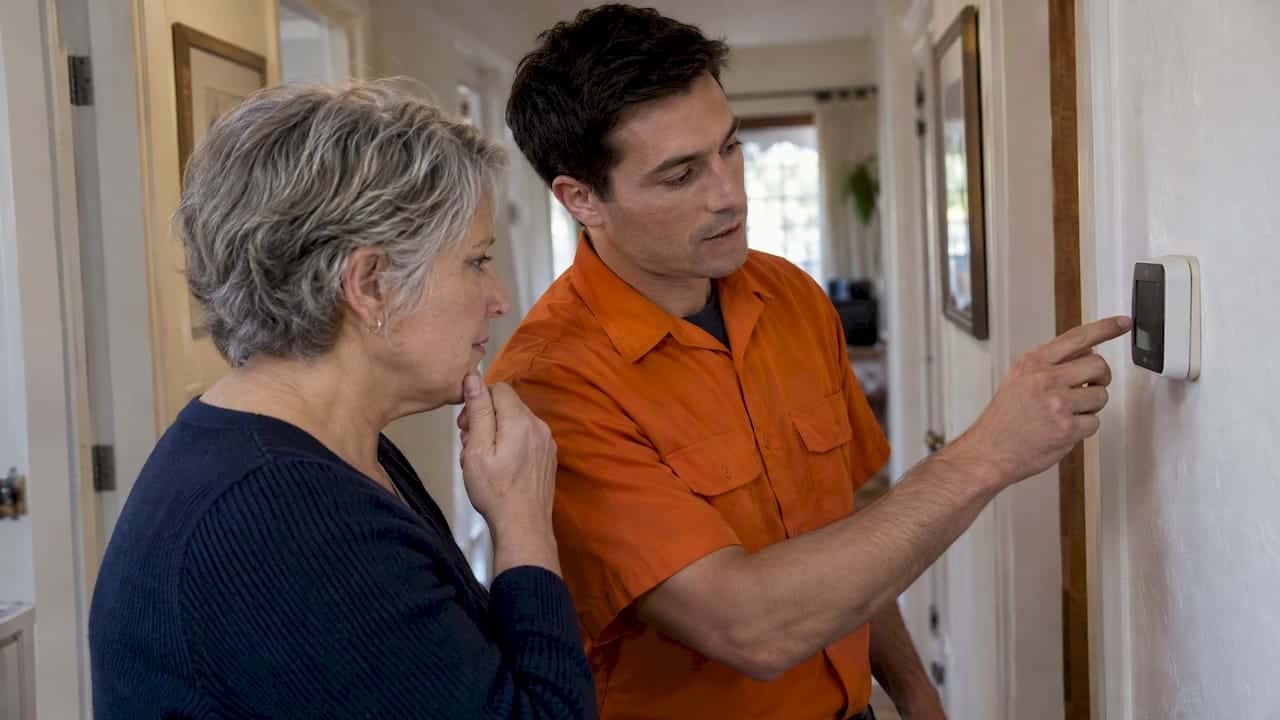
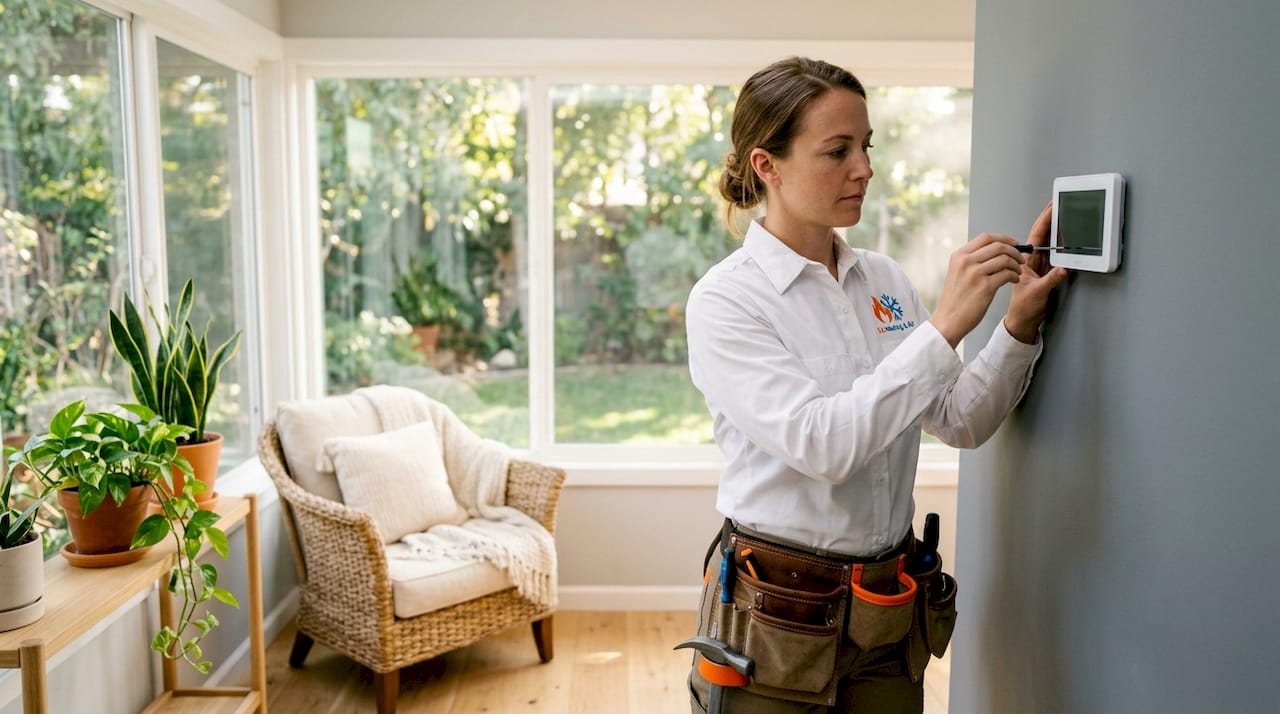
- Smart thermostat compatibility for remote control and scheduling via your phone. LC Heating and Air Conditioning also offers thermostat installation services to pair new units with the right controls.
- Two-stage cooling that runs at lower capacity on mild days, saving energy and reducing noise.
- Advanced humidity sensors that prevent the clammy feeling common with oversized or aging systems.
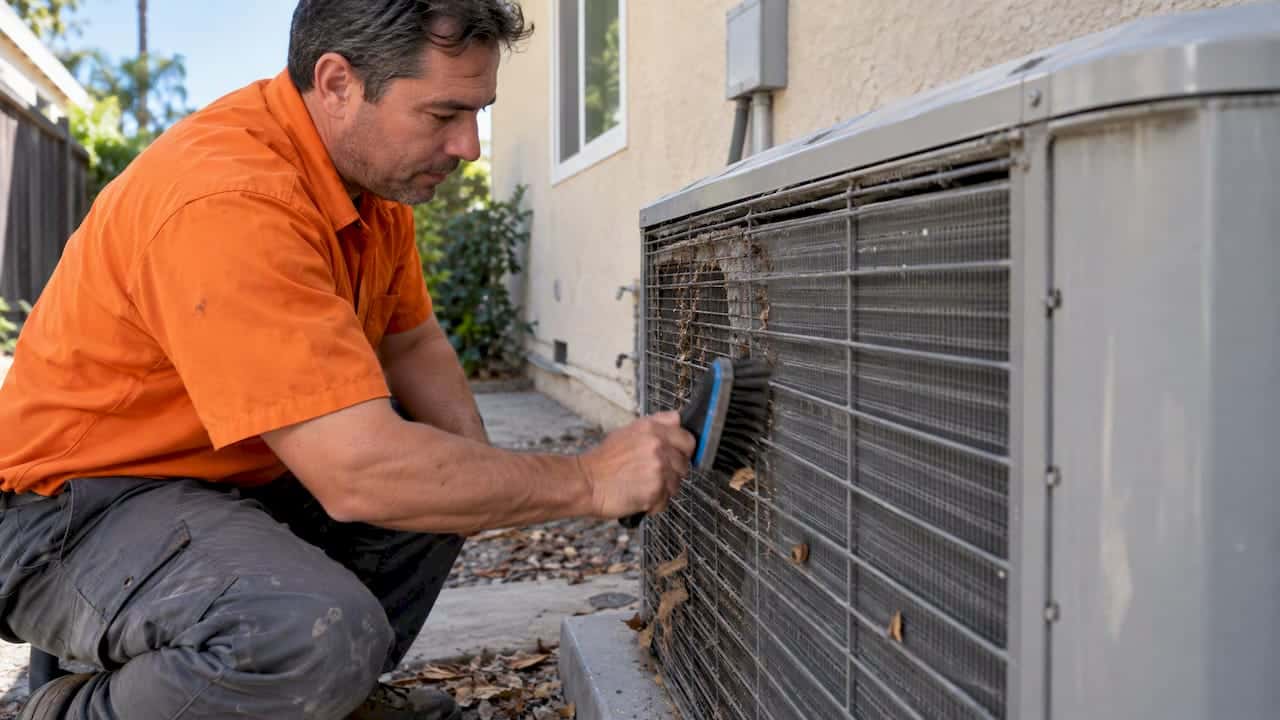
Pro Tip: Schedule annual maintenance after installation to keep filters clean and coils clear. A well-maintained new system holds its air quality and efficiency benefits far longer than one that is serviced only when something breaks.
4. What should you expect during the AC replacement process?
A standard AC-only replacement takes 4–8 hours to complete. A full HVAC system replacement, including the air handler or furnace, takes 8–14 hours. Complex jobs involving ductwork repairs or electrical panel upgrades can extend to 1.5–3 days. Most homeowners are back to full cooling by the end of the same day for a standard swap.
Proper installation follows a specific sequence of technical steps. Skipping any of them creates risk of early system failure or voided warranty claims. The table below outlines the key steps and their typical durations.
| Installation Step | Purpose | Typical Duration |
|---|---|---|
| Refrigerant recovery | Safely remove old refrigerant per EPA regulations | 30–60 minutes |
| Old unit removal | Disconnect and remove outdoor and indoor components | 60–90 minutes |
| New unit installation | Mount, connect, and secure new equipment | 2–4 hours |
| Vacuum evacuation | Remove moisture and contaminants from refrigerant lines | 45–90 minutes |
| Pressure testing | Verify system integrity before charging | 30–45 minutes |
| Refrigerant charge | Fill system to manufacturer specification | 30–60 minutes |
| Temperature split test | Confirm performance meets manufacturer specs | 15–30 minutes |
Proper AC replacement includes refrigerant recovery, pressure testing, vacuum evacuation to remove contaminants, and a temperature split performance test. Each step protects the new system from early failure. Installers who skip vacuum evacuation or pressure testing are cutting corners that will cost you money later.
Warranty registration and permit closure are two steps homeowners often forget to confirm. Professional installers provide warranty registration and secure local permits, which are documents you will need for future home resale and warranty integrity. Ask your installer to confirm both are completed before they leave.
Pro Tip: Ask your installer to walk you through each step before work begins. A professional who cannot explain the process clearly is a professional worth reconsidering.
5. How does replacing your AC unit increase home value?
A new HVAC system is one of the first things buyers notice during a home inspection. An aging or failing AC unit gives buyers leverage to negotiate the price down or request a credit at closing. A new system removes that leverage entirely and signals that the home has been maintained well.
Energy efficiency labels and SEER2 ratings are now recognized selling points in real estate listings. Buyers in Los Angeles and other warm climates actively look for homes with newer, efficient systems because they know what a 15-year-old unit will cost them in repairs and energy bills within the first few years of ownership.
Benefits of a new AC system for home resale include:
- Stronger negotiating position because buyers cannot use an aging system as a price reduction argument.
- Warranty transferability on many manufacturer warranties, which adds documented value for the buyer.
- Permit documentation that proves the installation was done to code, which speeds up the closing process.
- Energy efficiency appeal that attracts buyers who factor monthly utility costs into their purchase decision.
- Matched system integrity when indoor and outdoor components are replaced together. Replacing indoor components together with the outdoor unit prevents efficiency losses and voided warranties due to incompatibility.
Paired replacement of the indoor evaporator coil or air handler with the outdoor condenser also protects your warranty. Mixing old indoor components with a new outdoor unit often reduces efficiency and can void the manufacturer warranty entirely. That is a detail worth confirming with your installer before work begins.
Key Takeaways
Replacing an aging AC unit delivers energy savings, lower repair costs, better comfort, and stronger home value, making it one of the highest-return upgrades a homeowner can make.
| Point | Details |
|---|---|
| Energy savings are significant | Upgrading from 10 SEER to 16–18 SEER2 cuts cooling costs by 30%–50% annually. |
| Use the $5,000 rule | Multiply system age by repair cost; if it exceeds $5,000, replacement is the better investment. |
| Installation steps matter | Skipping vacuum evacuation or pressure testing risks early failure and voided warranties. |
| Register your warranty promptly | Registering within 60 days extends parts coverage from 5 years to 10 years. |
| Replace indoor and outdoor together | Mixing old and new components reduces efficiency and can void manufacturer warranties. |
What I’ve learned after twenty years of AC replacements in Los Angeles
The homeowners who get the most out of a new AC system are the ones who plan ahead. They do not call because the unit died at 9 PM on a Friday in july. They call because their system is 12 years old, the repair bills are climbing, and they want to replace it on their schedule, not the system’s schedule.
The biggest misconception I see is that homeowners think the energy savings are the main reason to replace. They matter, but reliability is usually the real driver. Nobody wants to lose cooling for two days in a Los Angeles heat wave while waiting on a part. A new system with a 10-year warranty gives you peace of mind that no repair can match.
I also see too many patchwork replacements where a homeowner installs a new outdoor condenser but keeps the old evaporator coil inside. The system runs, but it never performs at rated efficiency, and the warranty is compromised from day one. Do the job completely or wait until you can.
Timing matters more than most people realize. Scheduling in spring or fall gets you better pricing, faster appointments, and a technician who is not rushing between emergency calls. And always ask for permit documentation in writing. That paperwork protects you at resale and proves the work was done to code.
— Leo
Ready to replace your AC? LC Heating and Air Conditioning can help
LC Heating and Air Conditioning has handled AC replacements across Los Angeles for over twenty years, from single-family homes to multi-zone systems in larger properties. The team provides honest assessments, flat-rate pricing, and same-day service so you are never left waiting in the heat.

Whether you are weighing repair against replacement or ready to move forward with a new system, the HVAC replacement specialists at LC Heating and Air Conditioning will walk you through your options without pressure. Every installation includes proper permit handling and warranty registration so your investment is protected from day one. Visit lahvaclc.com to request a consultation or get a quote for your home.
FAQ
How much can I save by replacing an old AC unit?
Upgrading from a 10 SEER to a 16–18 SEER2 system reduces cooling costs by 30%–50%, saving roughly $120–$300 annually. Lifetime savings over 15 years can exceed $4,000.
When does replacing an AC make more sense than repairing it?
Use the $5,000 rule: multiply your system’s age by the repair cost, and if the result exceeds $5,000, replacement is the better financial choice. Units over 15 years old with major component failures almost always meet that threshold.
How long does an AC replacement take?
A standard AC-only replacement takes 4–8 hours. Full HVAC system replacements take 8–14 hours, and jobs involving ductwork or electrical upgrades may extend to 1.5–3 days.
Does a new AC unit increase home value?
A new system removes a common buyer negotiation point during inspections and adds documented value through transferable warranties and permit records. Energy-efficient units are also recognized selling points in warm-climate markets like Los Angeles.
What happens if I skip warranty registration after installation?
Failing to register within 60 days of installation limits parts coverage to the standard 5-year term instead of the full 10-year extended warranty. That gap in coverage can cost you thousands if a major component fails in year six or seven.
Recommended
Leo, Owner & Lead Technician at LC Heating & Air
Leo leads LC Heating & Air as an owner-operator and holds California CSLB C-20 HVAC license #1073586. His guides focus on practical diagnostics, safe repair decisions, and clear advice for Los Angeles homeowners.