- What Is an HVAC Zoning System? A 2026 Homeowner’s Guide
- What is an HVAC zoning system and how does it work?
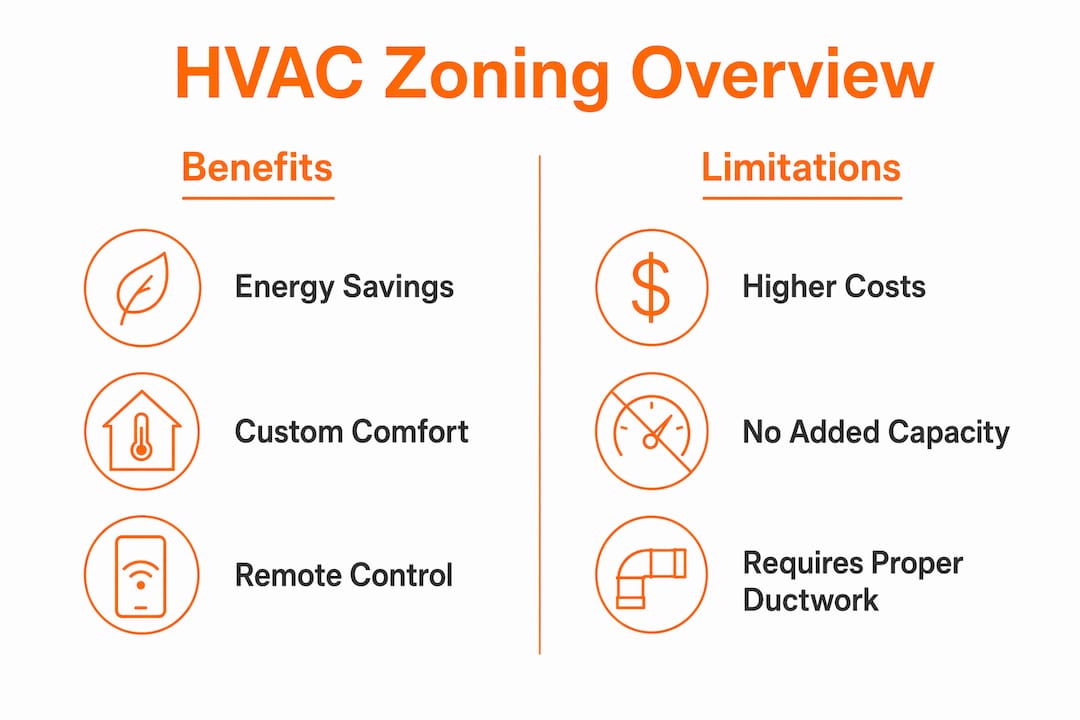
- What are the benefits and limitations of HVAC zoning?
- How much does an HVAC zoning system cost?
- Is an HVAC zoning system right for your property?
- Key takeaways
- Why I always start with the ductwork, not the dampers
- Get expert HVAC zoning help from LC Heating and Air Conditioning
- FAQ
- Recommended
What Is an HVAC Zoning System? A 2026 Homeowner’s Guide
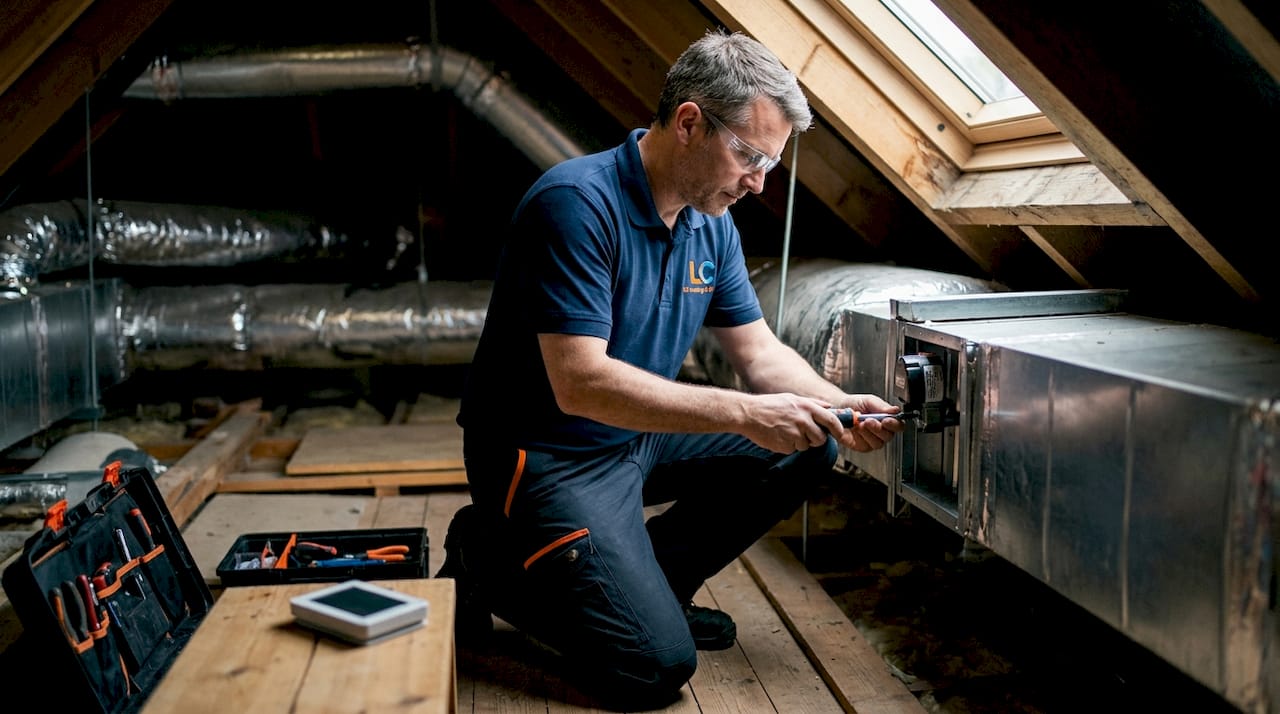
TL;DR:
- An HVAC zoning system divides a property into independently controlled temperature zones using dampers, thermostats, and a central control panel. It enhances comfort and reduces energy costs by conditioning only occupied zones, but requires professional design to manage static pressure and ductwork issues effectively. Suitable mainly for larger or irregularly shaped homes, zoning’s upfront costs can be offset by long-term savings and improved indoor comfort.
An HVAC zoning system is defined as a heating and cooling setup that divides your property into independently controlled temperature areas using motorized dampers, individual thermostats, and a central control panel. Each zone responds to its own thermostat, so your bedroom can stay cool at night while the living room stays warm without running the entire system at full capacity. According to the U.S. Department of Energy, a properly designed zoning system can reduce energy costs by up to 30% compared to a conventional single-zone setup. That number reflects real money saved over years of operation, not just a theoretical efficiency gain. Most residential systems support between 2 and 8 zones, making zoning practical for everything from a two-story family home to a larger multi-unit property.
What is an HVAC zoning system and how does it work?
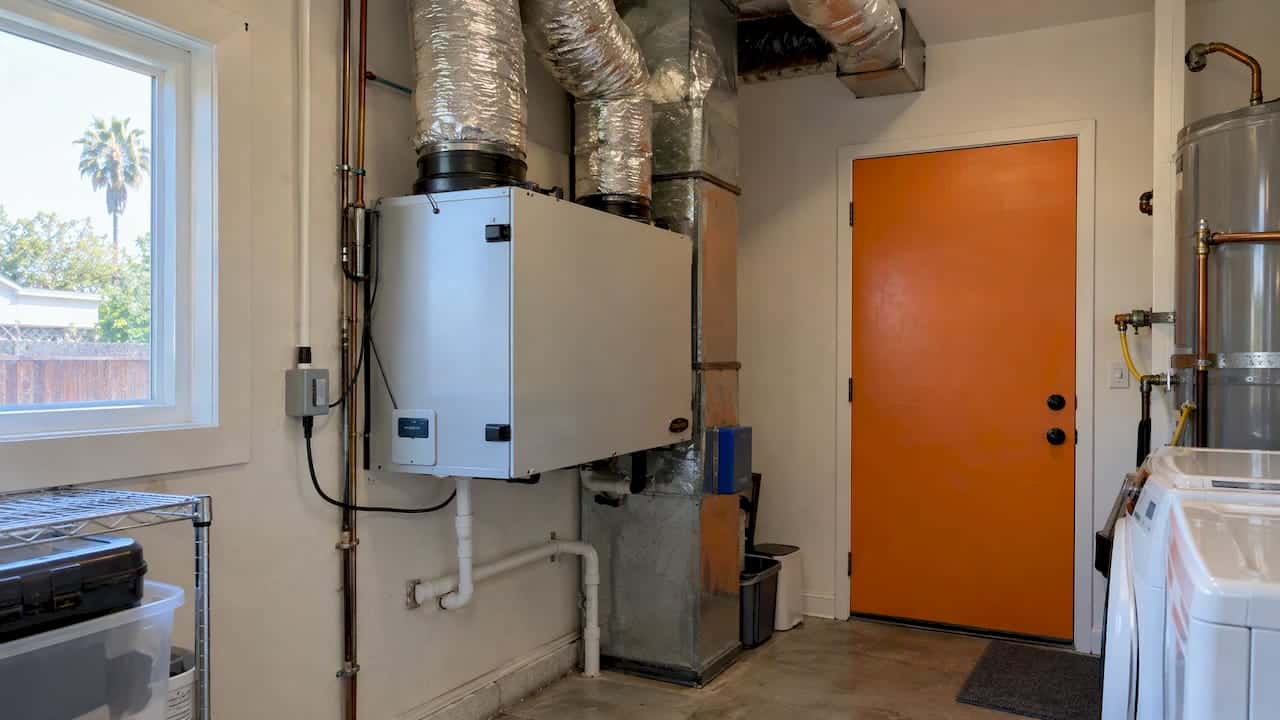
Understanding how zoning operates starts with its three core components: individual zone thermostats, motorized dampers installed inside your ductwork, and a central zone control board that coordinates everything. Each thermostat monitors the temperature in its assigned area and sends a signal to the control board when heating or cooling is needed. The board then opens or closes the motorized dampers to direct conditioned air precisely where it is called for.
Here is the sequence that happens every time you adjust a thermostat in a zoned home:
- The zone thermostat detects a temperature difference from the set point and sends a call signal to the control board.
- The control board opens the motorized damper for that zone and closes or partially restricts dampers in zones that are satisfied.
- The HVAC unit (furnace, air handler, or heat pump) activates to produce conditioned air.
- Air flows through the open duct branch and into the target zone until the thermostat is satisfied.
- The damper closes, and the system either shuts off or redirects to serve another active zone.
One thing worth understanding clearly: zoning reallocates existing HVAC capacity rather than adding more of it. Your system does not become more powerful. It becomes more precise. That precision is what delivers the comfort and efficiency gains.
Smart thermostats like those offered by Trane, Ecobee, and Honeywell Home add another layer of control by allowing remote access, scheduling, and occupancy sensing. A Trane smart thermostat, for example, can factor in humidity readings alongside temperature to keep a zone genuinely comfortable rather than just hitting a number.

Pro Tip: Static pressure management is the most overlooked part of zoning design. When dampers close off zones, air pressure builds inside the ductwork. Without a bypass damper or a variable-speed air handler to compensate, that pressure strains your blower motor and shortens equipment life. Always have a licensed technician design your zoning layout with static pressure calculations included.
What are the benefits and limitations of HVAC zoning?
Industry experts are clear that the primary reason to install a zoning system is comfort and precise temperature control. Energy savings are a real and welcome bonus, but solving the daily frustration of hot and cold spots or household thermostat conflicts is what most homeowners actually feel day to day.
Key benefits of zoning
- Personalized comfort: Each family member or building occupant controls their own space without affecting others. No more thermostat wars between the person who runs hot and the one who is always cold.
- Targeted conditioning: You only condition the rooms you are using. A finished basement used as a home office gets cooled during work hours. Guest bedrooms stay off until company arrives.
- Reduced energy waste: Directing airflow away from unoccupied zones means your system works less to achieve the same result, which supports that potential 30% reduction in energy costs.
- Elimination of hot and cold spots: Sun-exposed south-facing rooms, rooms above garages, and top-floor bedrooms all have different thermal loads. Zoning addresses each one individually rather than forcing a single average temperature across the whole house.
- Longer equipment life: A well-designed zoned system with variable-speed equipment runs at lower capacity more often, which reduces wear compared to constant full-load cycling.
Limitations to understand before you commit
Not every property benefits equally from zoning, and there are real constraints to know upfront.
“You cannot heat one room and cool another simultaneously with a single central HVAC unit even if it has zoning. The system can only run one mode, heating or cooling, at a time.” — Trane
This is the single most common misconception LC Heating and Air Conditioning encounters during consultations. Zoning prioritizes and sequences zones, but it does not split the system into two independent units. If your property genuinely needs simultaneous heating and cooling in different areas, a multi-zone mini split system is a better fit because each indoor unit operates independently.
Zoning also carries higher upfront costs than a standard single-zone system, and it will not fix underlying problems like duct leaks or an undersized air handler. Those issues need to be resolved first.
How much does an HVAC zoning system cost?
HVAC zoning system cost depends on several factors, and getting a realistic number before you budget matters. Installation typically ranges from $2,500 to $5,000 for a residential property, though complex ductwork layouts or larger homes with more zones can push costs higher.
| Cost factor | Typical impact on price |
|---|---|
| Number of zones | Each additional zone adds dampers, a thermostat, and wiring. More zones mean higher material and labor costs. |
| Ductwork condition and layout | Older or poorly designed ductwork may need repairs or modifications before dampers can be installed correctly. |
| Thermostat type | Basic programmable thermostats cost less upfront. Smart thermostats from brands like Ecobee or Honeywell Home add $150 to $300 per zone but deliver better long-term control. |
| Equipment compatibility | Older single-speed systems can be zoned but benefit less than variable-speed air handlers, which may justify an equipment upgrade. |
| Labor and system design | Professional design with static pressure calculations is not optional. Cutting corners here leads to equipment damage and callbacks. |
The energy savings from zoning can meaningfully offset installation costs over time. A household spending $200 per month on heating and cooling could save $60 or more each month with a properly designed system, which puts payback within a realistic range for most homeowners. You may also qualify for rebates or incentives through local utility programs, so it is worth checking available HVAC rebates in your area before you finalize a budget.
Pro Tip: Before getting quotes, ask your HVAC contractor to assess your existing ductwork and equipment compatibility. Installing zoning on a system with significant duct leaks is like putting a precision faucet on a leaky pipe. Fix the leaks first, and your zoning investment will perform as expected.
Is an HVAC zoning system right for your property?
Zoning is best suited for medium to large homes, multi-story properties, and buildings with irregular layouts or clear airflow imbalances. Smaller homes with balanced airflow and consistent temperatures throughout often do not see enough benefit to justify the cost.
Signs your property is a strong candidate for zoning
- You have two or more floors with noticeable temperature differences between levels.
- Certain rooms are consistently too hot or too cold regardless of thermostat adjustments.
- You have large sun-exposed rooms, a finished basement, or a bonus room above a garage.
- Different family members or tenants have conflicting temperature preferences.
- You have rooms that are rarely used and you want to stop conditioning them unnecessarily.
- Your property has a home office, media room, or server room with unique cooling demands.
Properties where zoning adds less value
| Property type | Reason zoning may not be the right fit |
|---|---|
| Small single-story home with consistent temps | Airflow is already balanced; comfort issues are likely duct or equipment related |
| Home with significant duct leaks | Leaks must be repaired first; zoning will not compensate for lost conditioned air |
| Undersized or aging HVAC equipment | Equipment problems need to be solved before adding zoning complexity |
| Rental units with simple layouts | Cost may not be justified by comfort gains in straightforward floor plans |
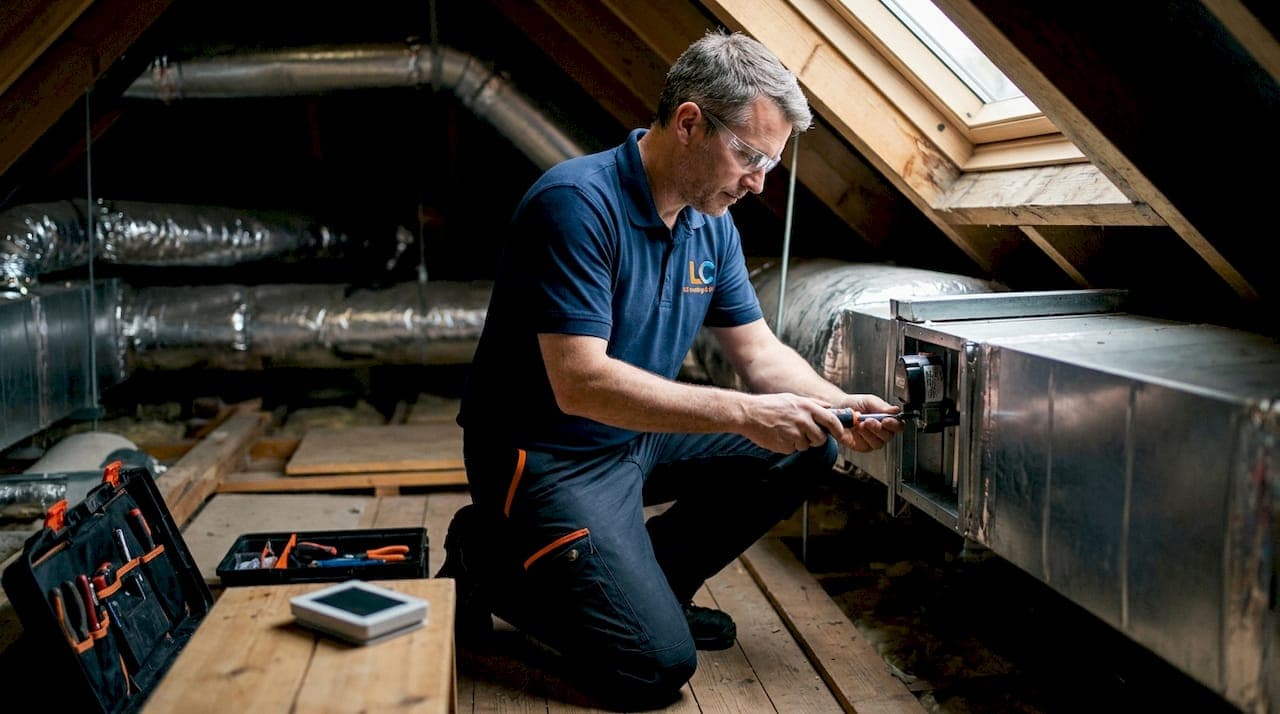
A professional ductwork assessment is the right starting point for any property. Comfort issues often stem from duct leaks or poor sizing rather than a lack of zoning, and a thorough evaluation can save you from spending on a solution that does not address the actual problem. A professional zoning retrofit always begins with detailed ductwork mapping to identify the best damper placement for each zone.
For properties that do qualify, a typical residential setup uses 2 to 4 zones in a standard two-story home, with larger or more complex properties running up to 8 zones. Variable-speed HVAC equipment pairs particularly well with zoning because it modulates output to match the reduced load when only one or two zones are active, which improves both efficiency and comfort.
Key takeaways
An HVAC zoning system delivers its best results when professionally designed for your specific ductwork, paired with variable-speed equipment, and installed in a property with genuine airflow imbalances to correct.
| Point | Details |
|---|---|
| Core definition | A zoning system divides your property into independently controlled temperature areas using dampers, thermostats, and a control board. |
| Energy savings potential | A well-designed system can reduce heating and cooling costs by up to 30% by conditioning only occupied zones. |
| Primary benefit is comfort | Solving hot and cold spots and thermostat conflicts is the main driver; energy savings follow as a secondary gain. |
| Cost range | Residential installation typically costs between $2,500 and $5,000 depending on zones, ductwork, and equipment. |
| Professional design is non-negotiable | Poor static pressure management from DIY or under-designed zoning can damage your blower motor and shorten equipment life. |
Why I always start with the ductwork, not the dampers
After more than two decades of HVAC work in Los Angeles, the most consistent mistake I see with zoning projects is skipping the ductwork inspection and going straight to damper installation. Homeowners call us frustrated because their newly zoned system is loud, their equipment is cycling oddly, or one zone never quite reaches the set temperature. In almost every case, the root cause is either duct leaks that were present before the zoning was added or a design that did not account for static pressure buildup when multiple dampers close simultaneously.
The second thing I tell every homeowner considering zoning: closing your manual vents by hand is not a substitute for a real zoning system. I understand the logic. If a room is too hot, close the vent. But closing manual vents increases static pressure and forces your blower to work against resistance it was not designed to handle. Over time, that shortens the life of your equipment significantly. A properly designed zoning system uses bypass dampers or variable-speed air handlers to absorb that pressure safely.
My honest recommendation is to pair any zoning installation with a variable-speed air handler if your budget allows. The difference in comfort is noticeable. The system ramps down smoothly when only one zone is calling rather than blasting full capacity into a small area. You can explore HVAC equipment options to get a sense of what variable-speed units cost before your consultation.
If you are a property manager overseeing multiple units, zoning is worth evaluating seriously for any building where tenant complaints about temperature are frequent. The upfront investment is real, but so is the reduction in service calls once the system is dialed in correctly.
— Leo
Get expert HVAC zoning help from LC Heating and Air Conditioning
If you are ready to find out whether a zoning system makes sense for your property, LC Heating and Air Conditioning is here to help. With over twenty years of experience serving Los Angeles homeowners and property managers, the team at LC Heating and Air Conditioning provides honest assessments, flat-rate pricing, and no-pressure consultations.
From ductwork evaluation to full zoning system installation, LC Heating and Air Conditioning handles every step with transparency. You will know exactly what your system needs, what it will cost, and why, before any work begins. Call (323) 970-3113 or visit lahvaclc.com to schedule your consultation today.
FAQ
What is zoning in HVAC, exactly?
Zoning in HVAC is the practice of dividing a building into separate temperature-controlled areas, each managed by its own thermostat and motorized damper. The system allows different rooms or floors to be heated or cooled independently based on demand.
How does HVAC zoning work with existing ductwork?
Motorized dampers are installed inside the existing duct branches, and a central control board is wired to each zone thermostat. The board opens and closes dampers based on thermostat calls, directing airflow only where it is needed without replacing the existing duct system.
Can a zoned HVAC system heat one room and cool another at the same time?
No. A single central HVAC unit can only operate in one mode at a time, either heating or cooling. Zoning controls which areas receive conditioned air, but all active zones share the same operating mode simultaneously.
How many zones does a typical home need?
Most residential systems use between 2 and 8 zones, with a standard two-story home typically benefiting from 2 to 4 zones. The right number depends on your floor plan, sun exposure, and how differently each area of your home heats and cools.
What are the most common HVAC zoning troubleshooting issues?
The most frequent problems include uneven temperatures caused by static pressure buildup, dampers that fail to open or close fully, and thermostat wiring faults. Many of these issues trace back to poor initial system design rather than component failure, which is why professional installation and design matter from the start.
Recommended
Leo, Propietario y Técnico Principal en LC Heating & Air
Leo dirige LC Heating & Air como propietario-operador y tiene la licencia C-20 HVAC #1073586 de California. Sus guías se enfocan en diagnósticos prácticos, decisiones de reparación seguras y consejos claros para propietarios de Los Ángeles.