What Is HVAC Balancing? A Homeowner’s Guide
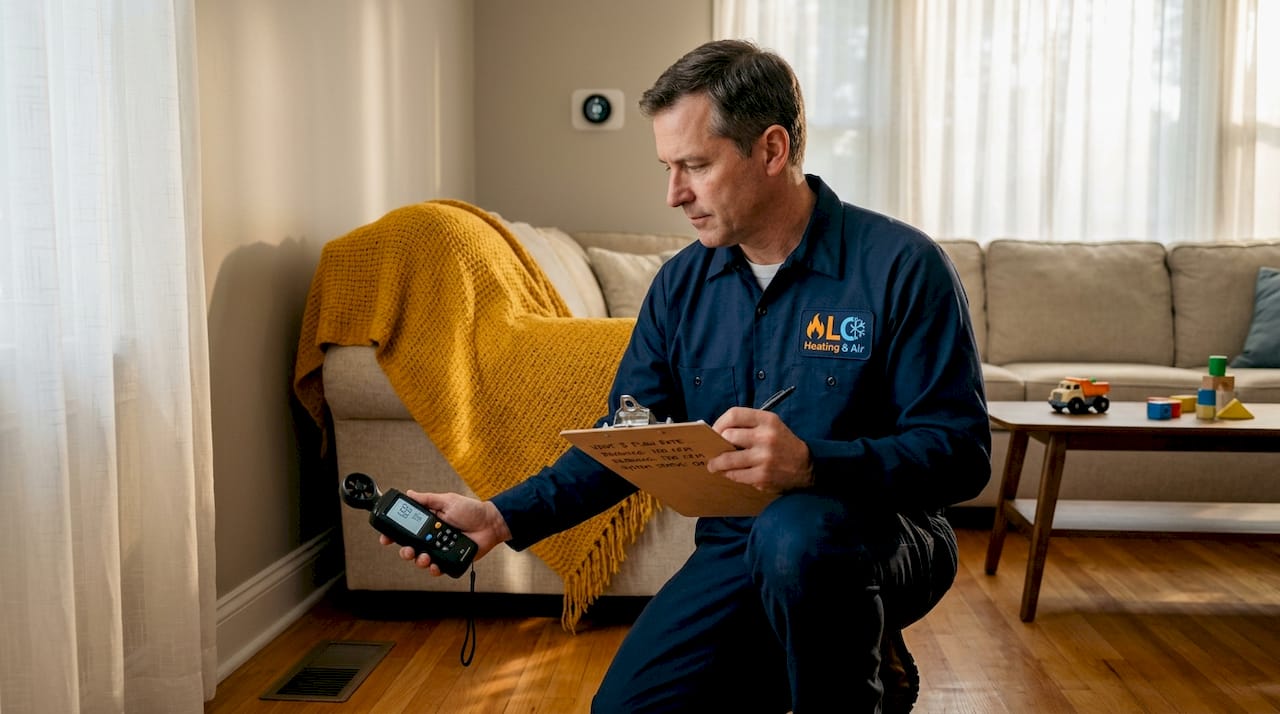
Your HVAC system does not automatically send equal amounts of air to every room. That surprises most homeowners, but it’s the reality. If one bedroom feels like a sauna while the living room stays perfectly cool, that’s what is hvac balancing meant to fix. HVAC balancing is the process of measuring and adjusting how air flows through your system so every room gets the right amount of conditioned air. Done correctly, it reduces hot and cold spots, lowers your energy bills, and protects your equipment from working harder than it needs to.
Table of Contents
- Key Takeaways
- What is HVAC balancing, exactly?
- Benefits of HVAC balancing for your home
- Signs your system needs balancing (and what you can try first)
- How professional HVAC balancing works
- Making balancing part of your long-term HVAC care
- My take after twenty years of LA homes
- Get your home comfortable with Lahvaclc
- FAQ
Key Takeaways
| Point | Details |
|---|---|
| Balancing fixes uneven airflow | HVAC balancing adjusts air distribution so every room reaches its target temperature consistently. |
| It’s not a one-time fix | Re-balancing is needed after renovations, equipment changes, or when you notice comfort problems returning. |
| DIY has limits | You can adjust dampers and clear vents yourself, but real balancing requires professional tools and expertise. |
| Energy savings are real | A properly balanced system reduces operating load, which translates directly to lower monthly utility bills. |
| Pros use precise methods | Technicians use capture hoods, static pressure gauges, and proportional balancing techniques to get accurate results. |
What is HVAC balancing, exactly?
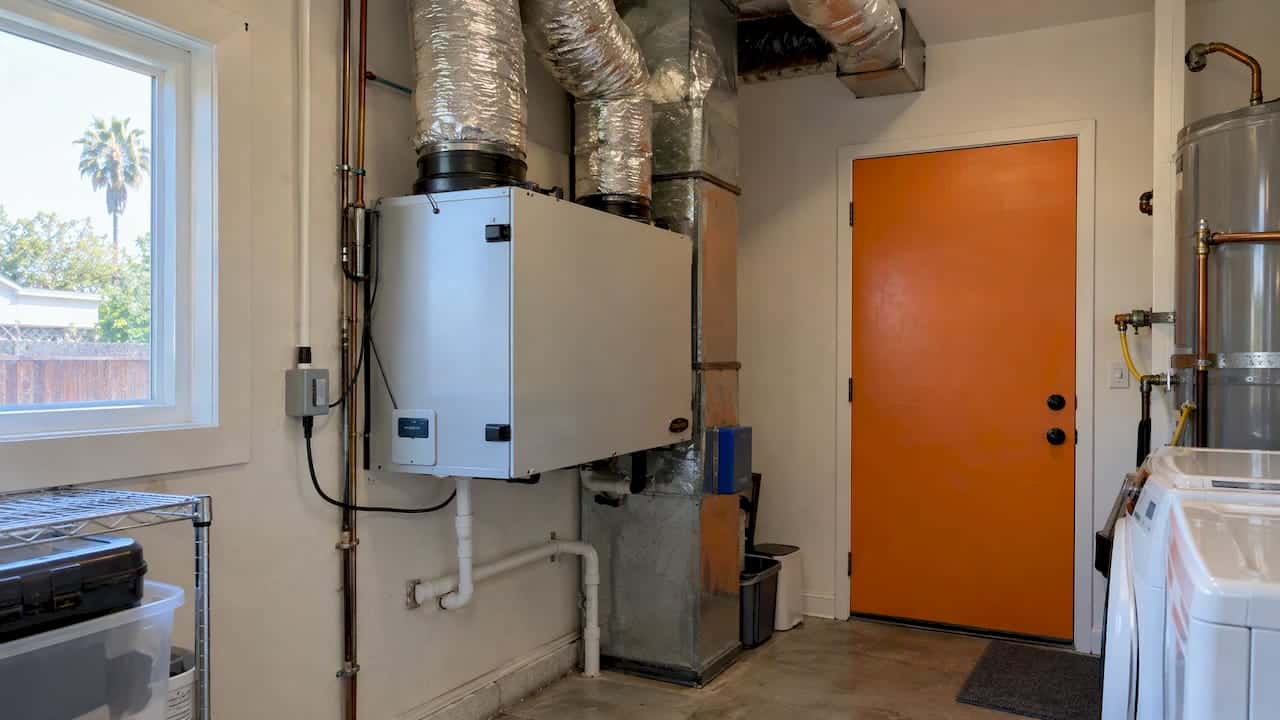
HVAC balancing is the process of measuring and adjusting airflow, static pressure, and temperature distribution throughout your home so that conditioned air reaches every space in the right quantity. Think of your duct system like a water delivery network. If one pipe is wider or shorter than another, it gets more water. HVAC ducts work the same way, and without intentional adjustment, some rooms will always receive more air than others.
There are a few key terms worth understanding before going further.
- CFM (Cubic Feet per Minute): This measures how much air flows through a duct or vent. Each room in your home has a design target for how many CFM it needs to reach the desired temperature.
- Static pressure: This is the resistance the air faces as it moves through your ducts. Too-high static pressure strains the blower motor and restricts airflow. Too low, and air never reaches the rooms farthest from the unit.
- Thermal equilibrium: This is the goal. When every room reaches and maintains its target temperature without the system constantly overcorrecting, your home has reached thermal equilibrium.
Professionals use a concept called proportional balancing to achieve this. Rather than trying to force every vent to an identical CFM output, they identify what’s called a key terminal, the most restricted outlet in the system, and then adjust every other vent relative to that one. The goal is for each room to receive airflow within 10 to 15% of design specs, which is tight enough to eliminate noticeable comfort problems without requiring a perfect match.
Pro Tip: If your HVAC system was installed without a Manual J load calculation to size it correctly, balancing alone may not fully solve your comfort problems. Correct sizing and correct airflow go hand in hand.
Benefits of HVAC balancing for your home
The most obvious benefit you’ll feel is consistent temperature throughout your home. No more closing off rooms or layering blankets in the bedroom while the rest of the house is comfortable. Proper balancing eliminates hot and cold spots and gives your system a fighting chance to do its job efficiently.
Here’s what else you gain:
- Lower energy bills. When your system delivers air efficiently to every room, it doesn’t need to run as long to reach the set temperature. Reducing that operating load adds up over months and years.
- Longer equipment life. A system constantly fighting poor airflow runs harder than it should. Balanced airflow reduces mechanical strain on the blower motor, heat exchanger, and compressor.
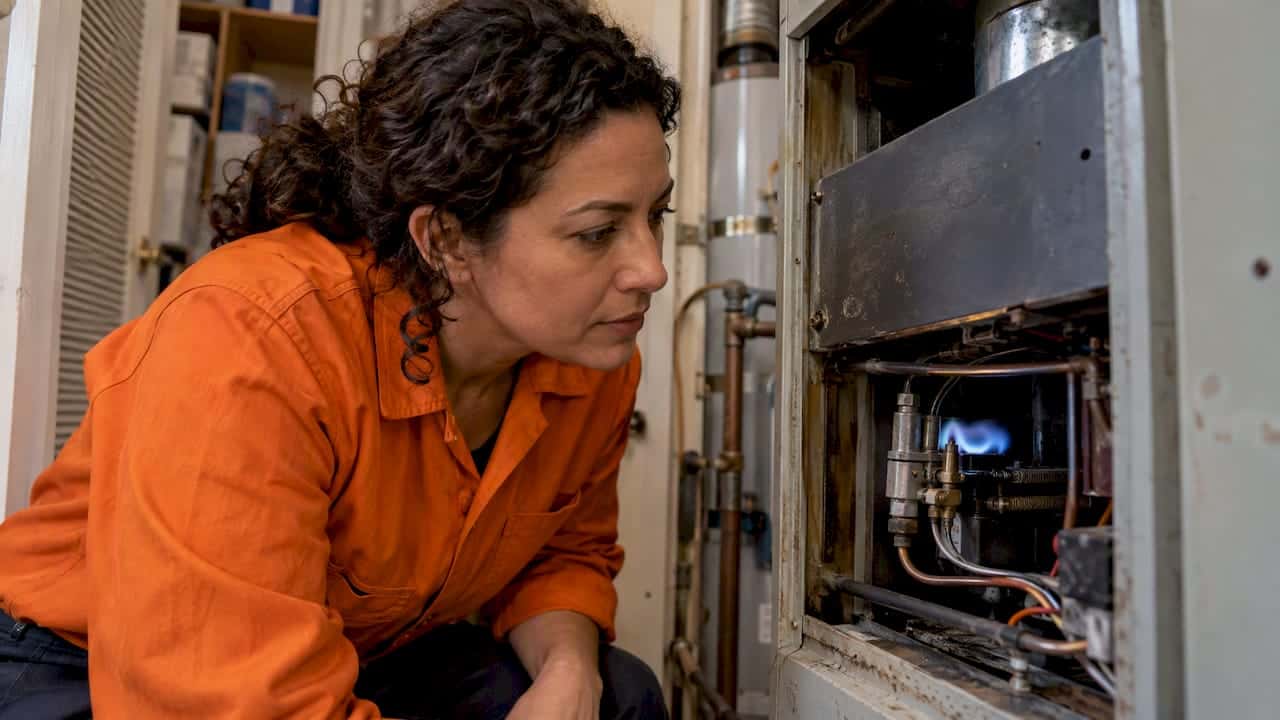
- Early problem detection. A professional balancing evaluation often uncovers hidden issues: leaking ducts, undersized returns, blocked vents, or a failing blower motor. Catching these early is far less expensive than discovering them during a breakdown.
- Better air quality. Balanced airflow creates more consistent air circulation, which helps filters do their job and reduces stagnant pockets where dust and allergens settle.
Imbalanced systems cause room temperature variations of 2°F or more, which sounds minor until you’re trying to sleep in a room that won’t cool down. Over a full LA summer, that kind of strain on your system adds up fast.
Balancing also becomes especially important after home renovations or equipment changes. Adding a room, converting a garage, or replacing your air handler all change how air moves through your system. What was balanced before may no longer be.
Signs your system needs balancing (and what you can try first)
You don’t need to be an HVAC technician to recognize when your system is out of balance. These are the most common signs:
- Hot or cold rooms. One or more rooms consistently feel different from the rest of the house, regardless of what the thermostat is set to.
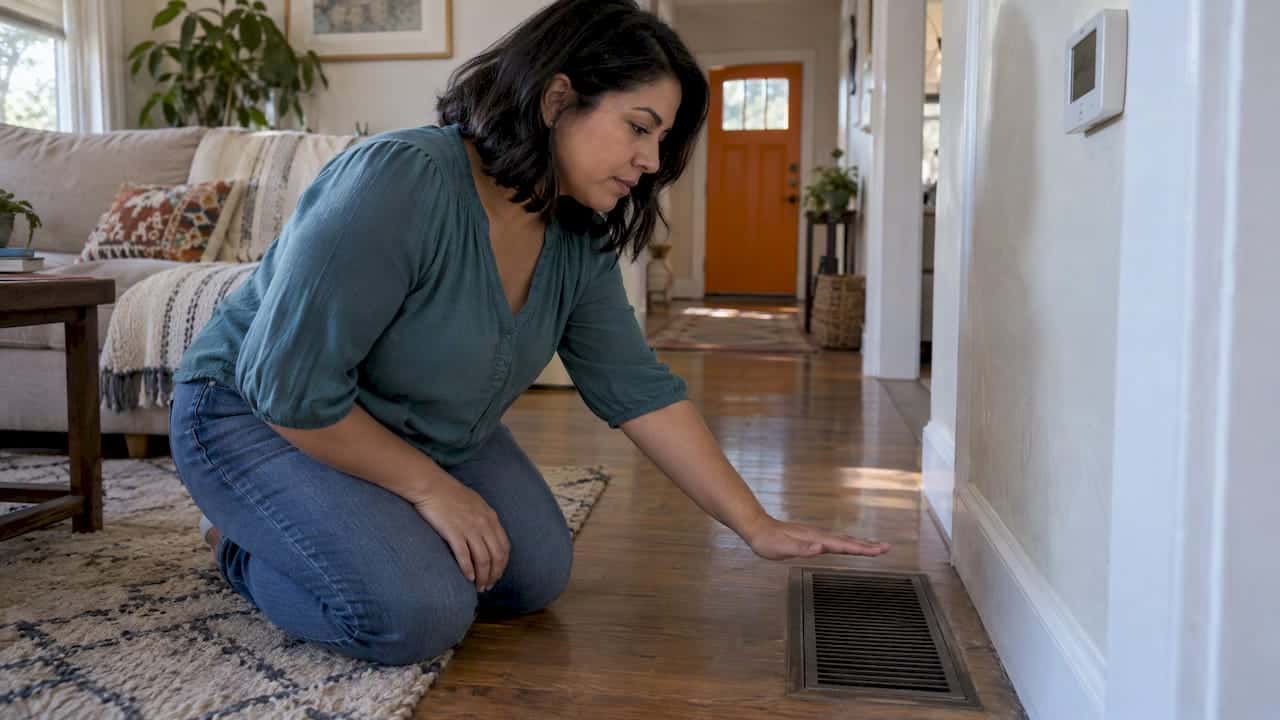
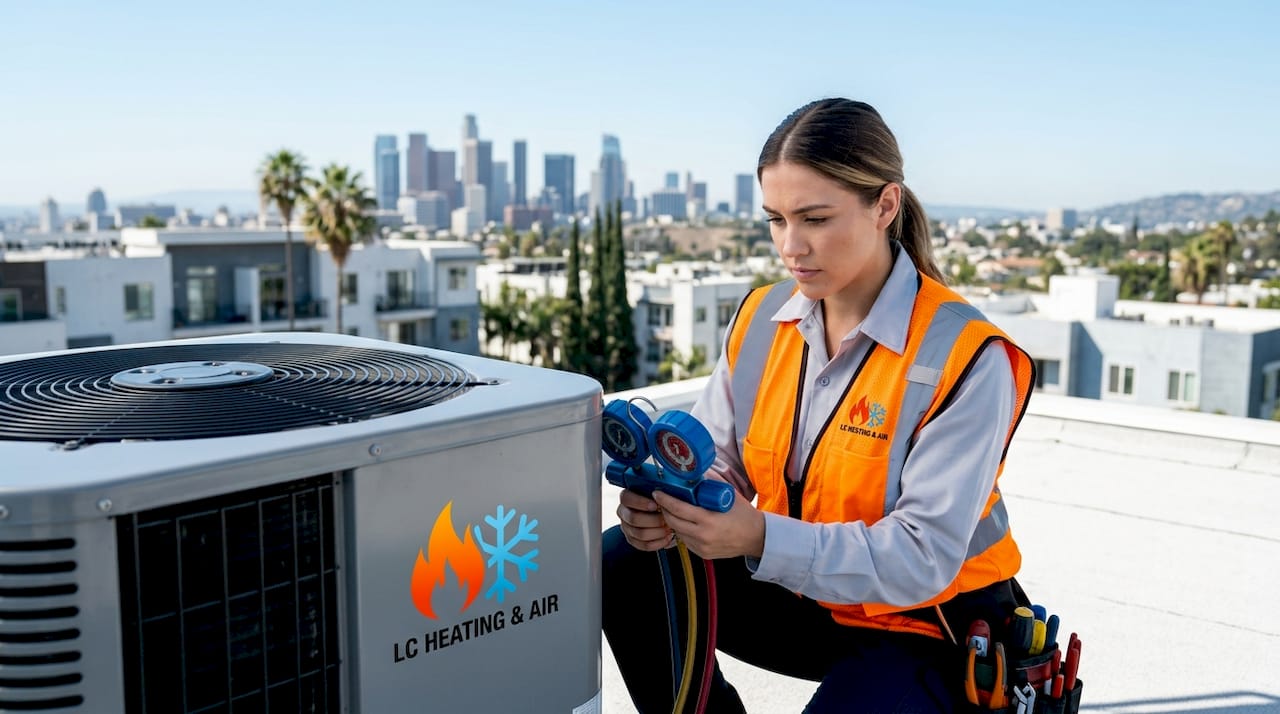
- Weak airflow at certain vents. Hold your hand near a vent when the system is running. If airflow feels noticeably weaker than other vents, that duct branch may be restricted or undersized.
- Whistling or hissing from vents. This usually points to high static pressure or a vent that’s been closed down too far.
- Rising energy bills without obvious cause. Your system is working harder to compensate for uneven air distribution.
- The system runs constantly. When conditioned air isn’t reaching its target, the thermostat keeps calling for more.
Once you’ve identified these symptoms, there are a few things you can do yourself before calling a pro. DIY air balancing starts with checking your dampers. These are small metal plates inside your ducts, usually accessible through the ductwork or at the register. Opening dampers in rooms that feel starved of air and partially closing them in rooms that get too much can help redistribute flow.
You should also check that vents aren’t blocked by furniture, rugs, or curtains. Obstructions are a surprisingly common cause of imbalance and take two minutes to fix. And always check your filter. A clogged filter increases static pressure across the entire system and throws off airflow everywhere.
If your home has multiple stories, using different thermostat setpoints on each level (cooler upstairs in summer, since heat rises) can help compensate for natural thermal stratification while you address the root balancing issues.
Pro Tip: Never fully close more than 20% of your supply vents at once. Closing too many vents increases static pressure and can damage your blower motor over time.
How professional HVAC balancing works
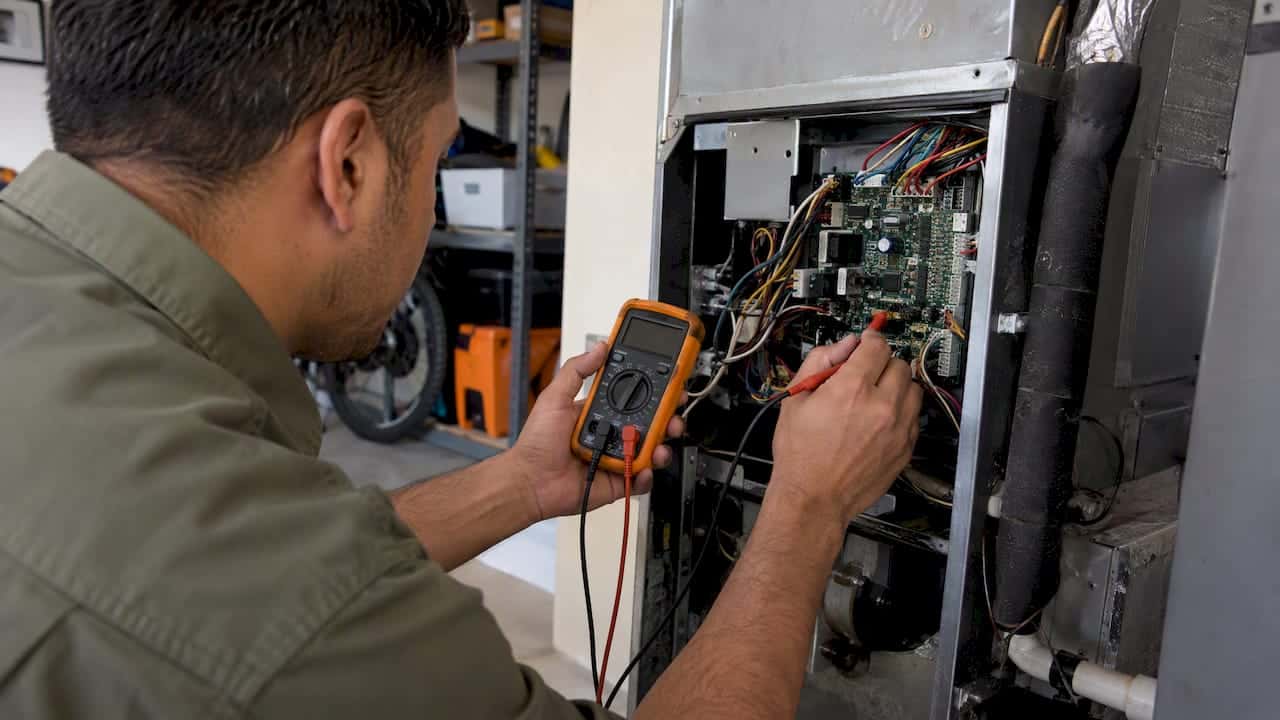
True air balancing is an engineering service that goes well beyond adjusting a few dampers. A trained technician brings calibrated instruments and a systematic process that most homeowners simply can’t replicate on their own.
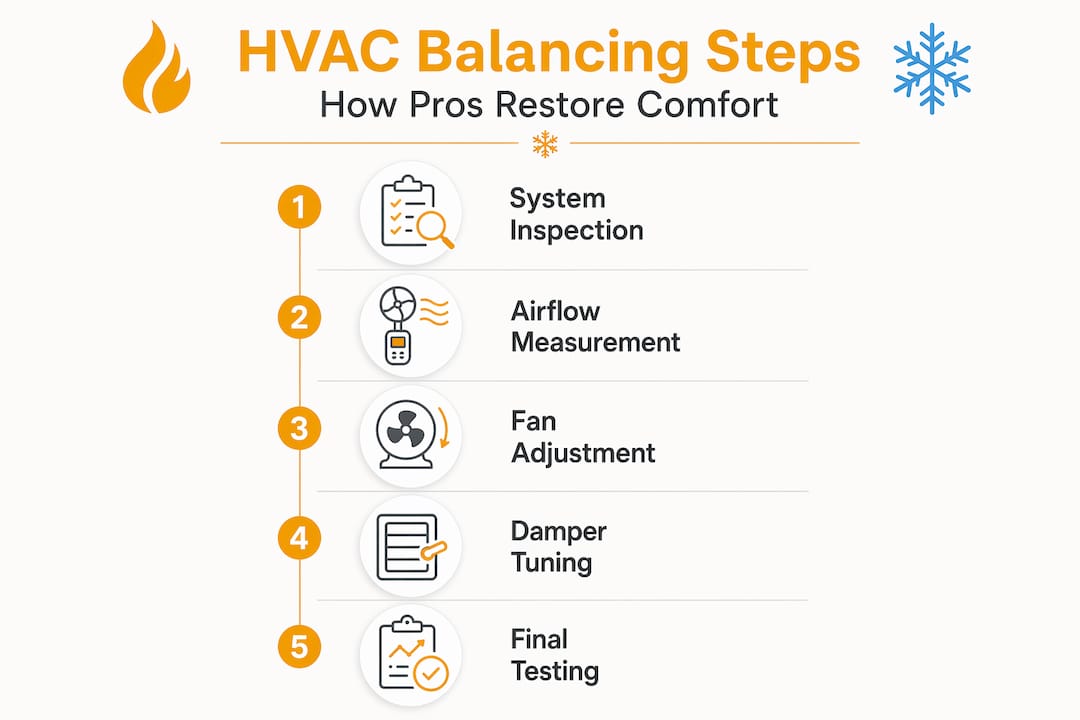
Here’s what a professional HVAC balancing visit typically involves:
| Step | What happens |
|---|---|
| System inspection | Technician reviews duct layout, equipment specs, and any known issues before measuring |
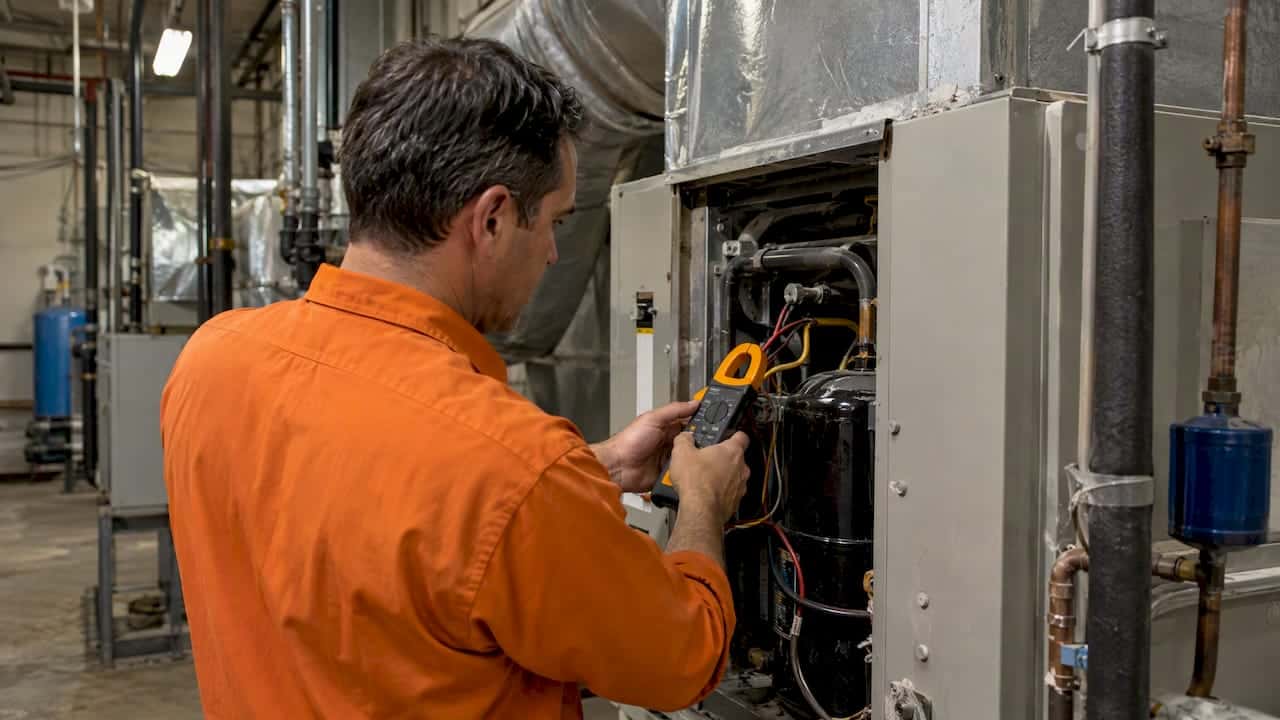
| Airflow measurement | Capture hoods measure CFM at each supply and return vent |
| Static pressure testing | Gauges identify where pressure is too high or too low in the system |
| Fan speed adjustment | Blower speed may be adjusted before terminal balancing begins |
| Proportional balancing | Dampers are adjusted in a specific sequence starting from the most restricted vent |
| Verification | Final measurements confirm each vent is within the acceptable range |
One important detail: fan speed adjustments often happen before any damper work begins. If total system airflow is significantly off from design, adjusting individual vents won’t fix the underlying problem.
A newer approach called predictive balancing uses software and energy conservation calculations to reduce the number of measurement steps required. This method is faster and more accurate than traditional proportional balancing in many cases, especially in larger or more complex systems.
Technicians also look for design flaws that balancing alone can’t fix: undersized ducts, poor return air placement, or total duct leakage. When these are found, duct repairs may be recommended before proceeding. No amount of damper adjustment will compensate for a duct section that’s losing 20% of its air to the attic.
Making balancing part of your long-term HVAC care
Balancing is not a fix-it-and-forget-it service. Re-balancing is part of ongoing HVAC maintenance because your home and system both change over time. Furniture rearrangements, new insulation, added rooms, and aging ductwork all affect how air moves through your system.
Here’s what to build into your maintenance routine:
- Annual HVAC tune-ups should include a check of airflow at key supply and return vents. This doesn’t need to be a full balancing job every year, but a quick measurement flags problems early.
- Watch for returning symptoms. If a room that used to be comfortable starts feeling off again, that’s your system telling you something has changed.
- Pair balancing with duct repair. Leaky ducts undermine balancing results. If your ducts haven’t been inspected in years, that’s where to start.
- Factor in filter changes. A clean filter is the cheapest way to maintain airflow. In LA, wildfire smoke seasons mean your filter may need replacing more frequently than the standard recommendation.
- Budget for it. Professional balancing in the Los Angeles area typically runs a few hundred dollars depending on system size. That cost is modest compared to what you’d pay in wasted energy over a year of running an unbalanced system.
Pro Tip: If you’re planning a home renovation that involves adding or removing walls, call your HVAC technician before construction begins. Changes to your floor plan will almost certainly require re-balancing afterward, and planning ahead saves time and money.
My take after twenty years of LA homes
I’ve walked into hundreds of homes where the owner thought their system was broken. Rooms that wouldn’t cool down, bills that kept climbing, equipment that ran all day. In many of those cases, the system wasn’t broken at all. It was just never balanced.
What I’ve learned is that homeowners almost universally underestimate how much airflow distribution affects comfort. They focus on the thermostat number, but the thermostat only measures one spot in the house. The rest of the home can be significantly warmer or cooler and the thermostat will never know.
I’ve also seen the flip side. Homeowners who invested in professional balancing and then called us back a year later wondering why the problem returned. Nine times out of ten, something changed: a new piece of furniture blocked a return vent, a damper got bumped, or a duct connection worked loose. Balancing works, but it’s not magic. It needs the rest of the system to cooperate.
My honest advice is this: if your home has rooms that don’t feel right, don’t assume you need a new system. Start with a proper airflow evaluation. It’s far less expensive, and more often than not, it’s the actual fix. Visit our LA HVAC projects to see what balanced systems look like in real homes across Los Angeles.
— lc
Get your home comfortable with Lahvaclc
If your home has rooms that never feel right, Lahvaclc can help. LC Heating & Air has been balancing HVAC systems across Los Angeles for over twenty years, from vintage Spanish Colonials in Los Feliz to modern multi-zone builds in Beverly Hills. Our NATE-certified technicians use calibrated equipment to measure, adjust, and verify airflow in every room.
Whether you need a full air balancing service, a maintenance plan to keep your system running right year-round, or a complete system evaluation, we give you a flat-rate estimate before any work begins. No surprise fees. No pressure. Just honest HVAC work from a team that knows Los Angeles. Schedule your evaluation today and find out exactly what your system needs.
FAQ
What does HVAC balancing mean?
HVAC balancing means measuring and adjusting airflow throughout your duct system so every room receives the right amount of conditioned air. The goal is to eliminate hot and cold spots and bring each room within about 10 to 15% of its design airflow target.
How often should you balance an HVAC system?
Most homes benefit from a balancing check every two to three years, or any time you notice returning comfort problems. Re-balancing is also needed after major renovations, equipment replacements, or significant changes to your home’s layout.
Can I balance my HVAC system myself?
You can make basic adjustments by opening and closing dampers, clearing vent obstructions, and replacing dirty filters. However, full HVAC air balancing requires specialized instruments like capture hoods and static pressure gauges, so professional service is recommended for accurate results.
Why is one room in my house always hotter or colder?
Uneven temperatures almost always point to an airflow imbalance. The room may be receiving too little conditioned air due to a closed damper, a long duct run, a blockage, or a duct leak. A professional balancing evaluation can pinpoint the exact cause.
Does HVAC balancing save money?
Yes. A properly balanced system runs shorter cycles because it delivers air efficiently to every room. That reduced operating time lowers your monthly energy bills and reduces wear on the equipment, extending its useful life.
Recommended
- Air Balancing Los Angeles | LC Heating & Air | (323) 970-3113 | LC Heating & Air
- HVAC Troubleshooting & How-To Guides | LC Heating & Air | LC Heating & Air
- Top-Rated HVAC Service in Lake Balboa, CA | Fast AC & Heating Repair | LC Heating & Air
- HVAC Equipment & Pricing | Goodman, Daikin, ADP, Aspen | LC Heating & Air | LC Heating & Air
Leo, Owner & Lead Technician at LC Heating & Air
Leo leads LC Heating & Air as an owner-operator and holds California CSLB C-20 HVAC license #1073586. His guides focus on practical diagnostics, safe repair decisions, and clear advice for Los Angeles homeowners.