- What Is an HVAC Plenum? A Homeowner’s Guide
- What is an HVAC plenum and how does it work?
- What is the difference between supply and return plenums?
- Why does proper plenum design and sealing matter?
- How do HVAC plenums affect indoor air quality and safety?
- What are common problems with HVAC plenums and how do you maintain them?
- Key takeaways
- Why plenums are the most underrated part of your HVAC system
- LC Heating and Air Conditioning can help with your HVAC plenum
- FAQ
- Recommended
What Is an HVAC Plenum? A Homeowner’s Guide
TL;DR:
- An HVAC plenum is the central air chamber connecting your furnace to the duct system, crucial for even airflow. Proper sealing and design ensure system efficiency, safety, and indoor air quality, reducing energy waste and noise. Regular inspections help prevent leaks, moisture buildup, and safety hazards, maintaining optimal HVAC performance.
An HVAC plenum is defined as the main air distribution chamber that connects your furnace or air handler directly to your home’s duct system. Think of it as the central hub where conditioned air either gets pushed out to every room or pulled back for reconditioning. Every forced-air system has at least one, and most homes have two. Understanding what an HVAC plenum does gives you real insight into why some rooms feel stuffy, why your energy bills spike, and why a small box hidden near your furnace matters more than you might expect. LC Heating and Air Conditioning sees plenum-related problems every week in Los Angeles homes.
What is an HVAC plenum and how does it work?
An HVAC plenum is the primary air distribution chamber connecting your furnace or air handler to the entire duct network. It acts as the first stop for conditioned air before it travels through individual ducts to each room. Without a properly functioning plenum, your system cannot distribute air evenly, no matter how powerful your furnace or air conditioner is.
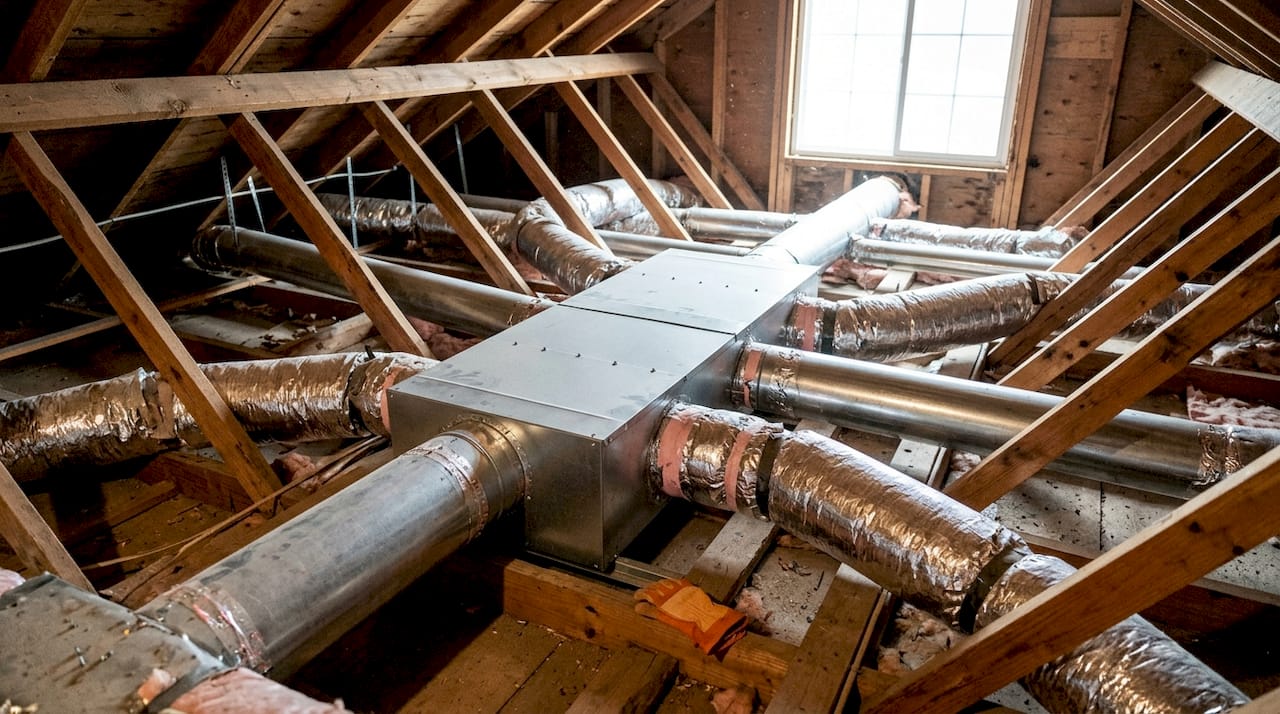
The plenum sits directly on top of or beside your air handler. Supply ducts branch off from it and carry treated air throughout your home. Return ducts feed air back into the system so it can be filtered, heated, or cooled again. This continuous loop is what keeps your home at a steady, comfortable temperature.
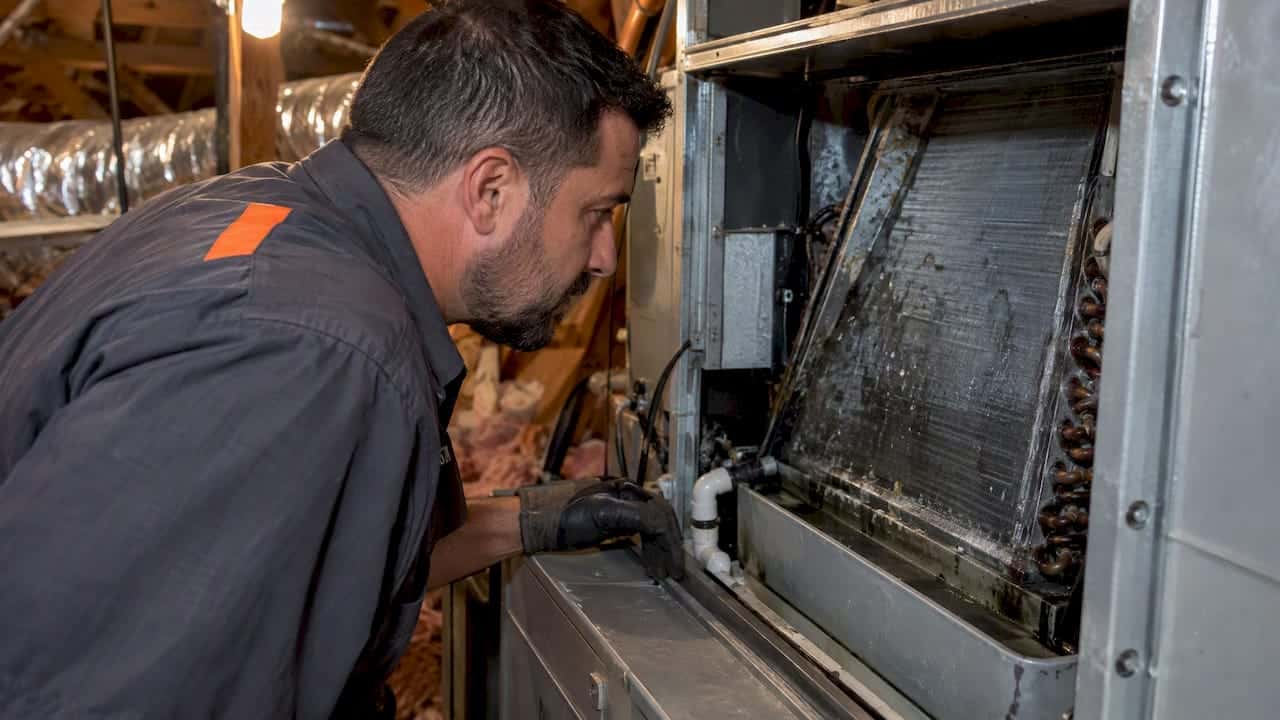
Most homeowners never see their plenum. It lives in a utility closet, attic, basement, or crawlspace. That invisibility is exactly why it gets ignored until something goes wrong. A well-built plenum operates quietly and efficiently for years. A poorly built or damaged one costs you money every single month.
What is the difference between supply and return plenums?
The two main types of HVAC plenums serve opposite functions, and both are critical to a balanced system. The supply plenum operates under positive pressure, pushing conditioned air outward through supply ducts into your living spaces. The return plenum operates under negative pressure, drawing stale room air back toward the air handler for filtering and reconditioning.
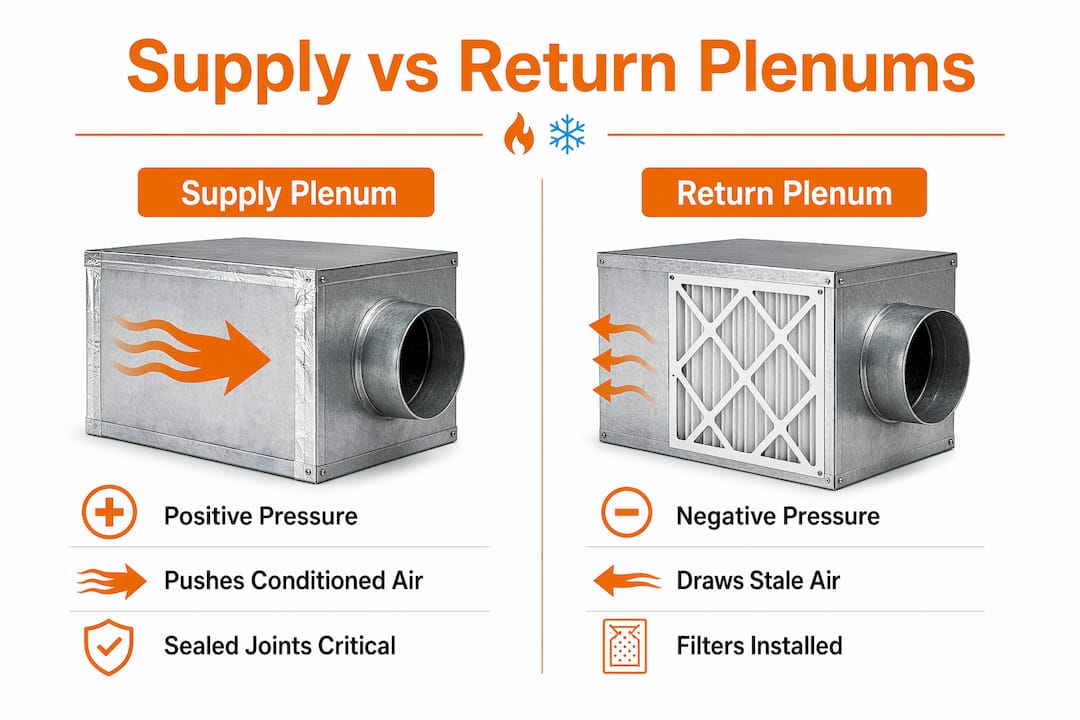
Here is a clear comparison of how each type works:
| Feature | Supply plenum | Return plenum |
|---|---|---|
| Pressure type | Positive | Negative |
| Direction of airflow | Away from air handler | Toward air handler |
| Location | Outlet side of air handler | Inlet side of air handler |
| Primary role | Distributes conditioned air | Collects return air for reconditioning |
| Leak consequence | Conditioned air lost to unused spaces | Unconditioned air pulled into system |
Supply plenum leaks are especially costly. Leaking supply plenums vent conditioned air directly into attics, wall cavities, or crawlspaces where no one benefits from it. That means your system runs longer to compensate, and your energy bill climbs. Return plenum leaks pull in hot attic air or dusty crawlspace air, which forces your system to work harder and degrades your indoor air quality.
Pro Tip: Run your system for 10 minutes, then hold your hand near the seams of your plenum. Any airflow you feel at a seam is a leak. Even a small gap can waste a meaningful amount of conditioned air over a full season.
The HVAC supply plenum and return plenum work as a matched pair. If one is undersized, poorly sealed, or incorrectly positioned, the other cannot compensate. Balanced airflow depends on both chambers doing their job correctly.
Why does proper plenum design and sealing matter?
Plenum design directly controls how well your entire HVAC system performs. Properly designed and sealed plenums prevent hot spots, reduce energy waste, and minimize vibration noise throughout your ductwork. Poor design creates turbulence inside the chamber, which increases resistance and forces your blower motor to work harder than it should.
Improper plenum installation is a primary cause of high static pressure in HVAC systems. High static pressure means your blower motor strains against resistance instead of moving air freely. Over time, that strain shortens the motor’s lifespan and raises your monthly energy costs.
Common installation mistakes that homeowners and inexperienced contractors make include:
- Installing a plenum that is too small for the system’s airflow capacity
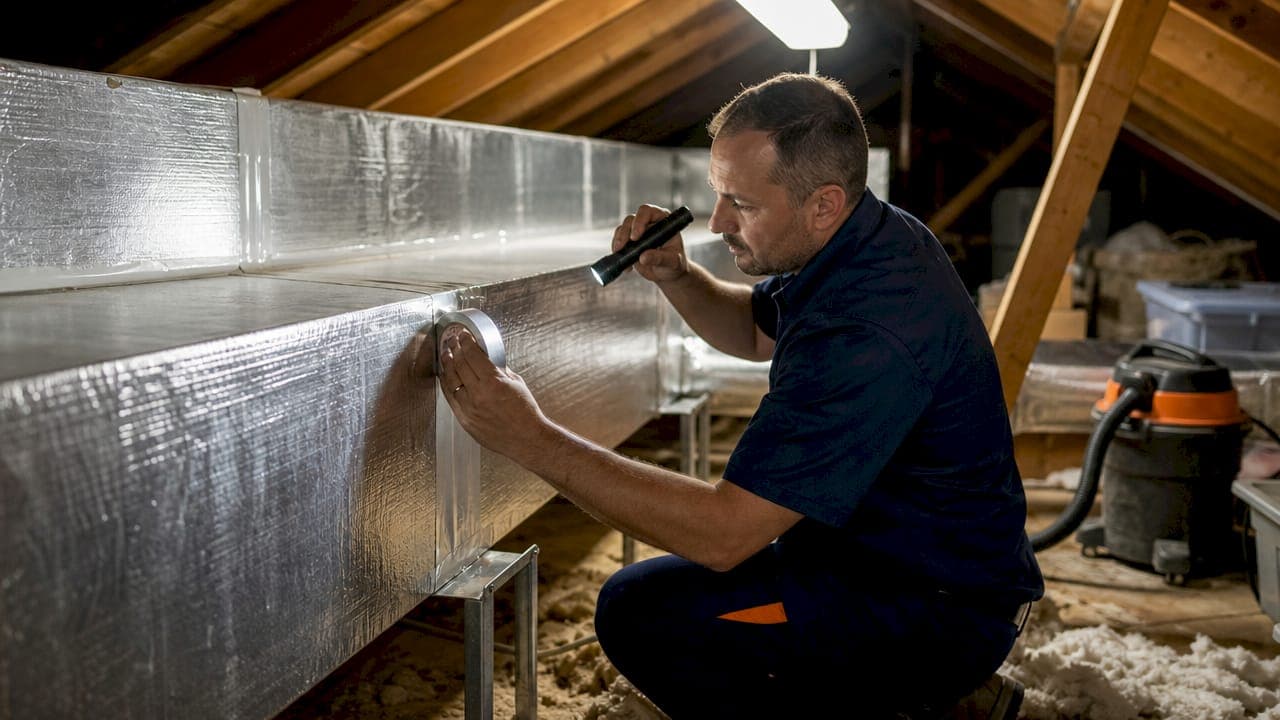
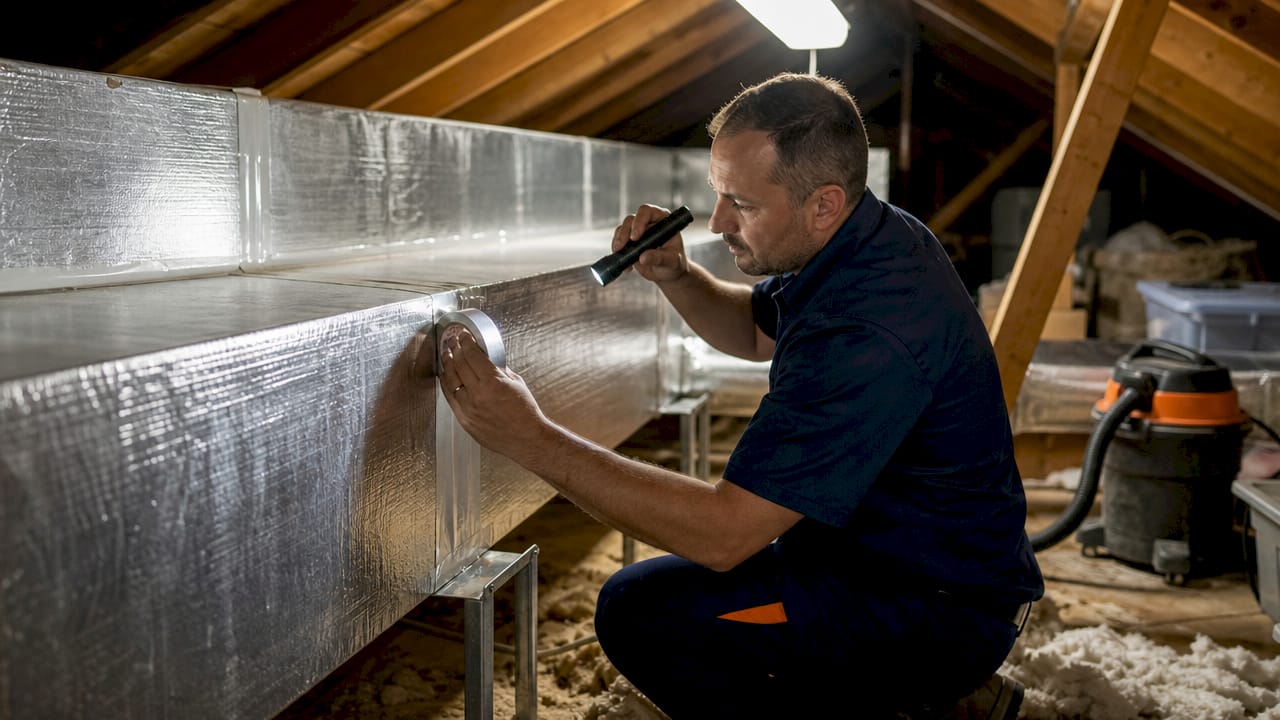
- Failing to seal seams with mastic sealant or metal tape before insulating
- Using flex duct connections at sharp angles directly off the plenum
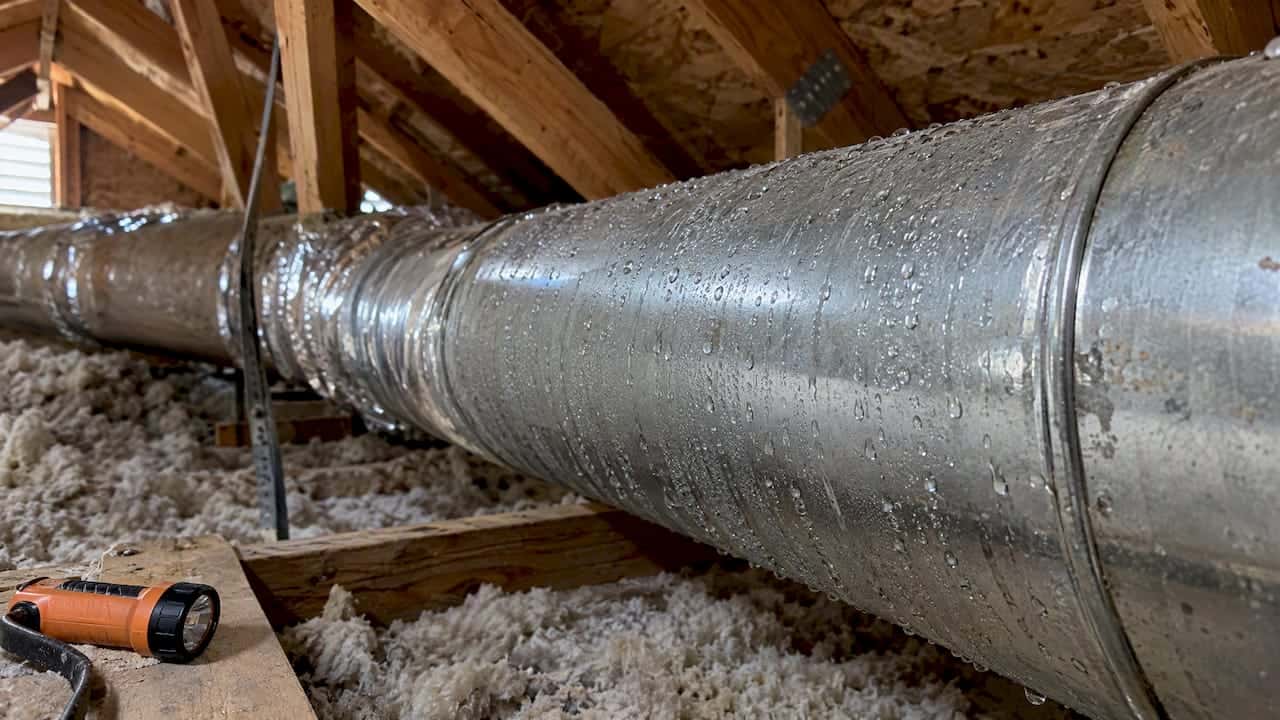
- Skipping internal insulation on supply plenums, which causes condensation
- Placing the plenum too close to combustible materials or structural framing
Each of these mistakes creates a measurable drop in system efficiency. A plenum that is too small creates a bottleneck. Sharp duct angles off the plenum create turbulence that reduces airflow to the rooms at the end of the run. Missing insulation leads to heat gain in summer and heat loss in winter, both of which force your system to run longer cycles.
Good plenum design also reduces noise. A properly sized chamber allows air to slow down and distribute evenly before entering individual ducts. That transition reduces the whooshing and banging sounds that many homeowners mistake for duct problems. If your system is noisy at startup, the plenum design is often the first place a qualified technician will check.
Pro Tip: Mastic sealant outperforms standard duct tape on plenum seams. Duct tape dries out and peels within a few years. Mastic stays flexible and airtight for the life of the system. Ask your HVAC technician to use mastic on every plenum seam during installation or repair.
Proper HVAC balancing starts at the plenum. If your plenum is correctly sized and sealed, balancing individual room airflow becomes much simpler. If the plenum is the problem, no amount of damper adjustment will fix uneven temperatures throughout your home.
How do HVAC plenums affect indoor air quality and safety?
Plenums sit at the center of your home’s air quality because every cubic foot of air your system moves passes through them. The return plenum typically houses your main air filter. That filter catches dust, pollen, pet dander, and other particles before they reach the air handler’s blower and coil. A clean, correctly rated filter in the return plenum protects both your indoor air and your equipment.
Using too restrictive a filter in the return plenum increases static pressure and shortens blower motor life. A MERV 13 filter traps more particles than a MERV 8, but it also restricts airflow more. Your system needs a filter rated for its specific airflow capacity. Using a filter that is too dense for your blower is like breathing through a thick cloth. The motor works harder, runs hotter, and wears out faster.
Fire safety is the other critical dimension of plenum design. The National Fire Protection Association sets strict standards for plenum spaces because they can rapidly spread smoke and heat during a fire. Any material inside or adjacent to a plenum space must meet fire-resistance requirements.
| Safety or IAQ factor | Best practice | Why it matters |
|---|---|---|
| Air filter selection | Match MERV rating to system capacity | Prevents high static pressure and blower damage |
| Plenum materials | Use fire-rated duct board or sheet metal | Reduces fire spread risk per NFPA standards |
| Cable routing | Use only plenum-rated cables | Non-rated cables release toxic smoke in fires |
| Combustible storage | Keep area around plenum clear | Reduces ignition risk and meets building codes |
| Sealing | Mastic sealant on all seams | Prevents conditioned air loss and moisture entry |
Plenum-rated cables are required by building codes wherever wiring passes through a plenum space. Standard cables have plastic insulation that releases toxic fumes when burned. Plenum-rated cables use low-smoke, fire-resistant jacketing. Many homeowners discover non-rated cables in their plenum spaces during renovations, which is a code violation and a genuine safety risk. If you are unsure what cables run through your plenum space, a licensed HVAC contractor or electrician can check during a routine inspection.
What are common problems with HVAC plenums and how do you maintain them?
Plenum problems show up as system-wide symptoms, not just localized issues. Recognizing the warning signs early saves you from expensive repairs and keeps your home comfortable year-round. Here are the most common problems homeowners encounter, in order of how often they appear:
- Rising energy bills without a change in usage. A leaking supply plenum vents conditioned air into unused spaces. Your system compensates by running longer cycles, which drives up costs.
- Uneven temperatures between rooms. If some rooms are always too hot or too cold, the plenum may be undersized, poorly sealed, or incorrectly positioned relative to the duct branches.
- Moisture buildup and mold near the air handler. Poor plenum construction with duct board causes moisture accumulation above the air handler. Inadequate sealing or missing internal insulation leads to condensation, discoloration, and eventually mold growth.
- Unusual noise at startup or during operation. Turbulence inside an undersized or poorly shaped plenum creates banging, whooshing, or rattling sounds that travel through the ductwork.
- Frequent blower motor failures. High static pressure from a poorly designed plenum forces the blower to overwork. Motors that fail repeatedly often have a plenum problem at the root cause.
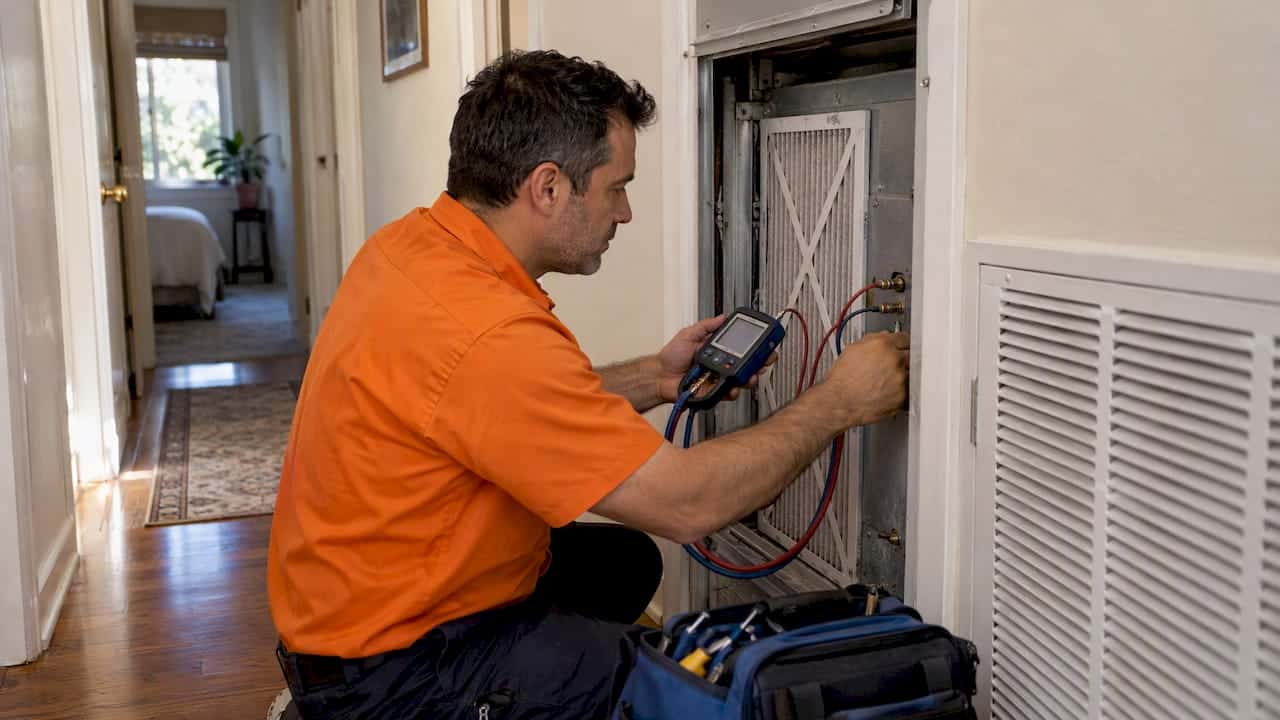
Routine maintenance keeps these problems from developing. A yearly inspection of your plenum should include checking seams for air leaks, looking for moisture stains or mold on duct board surfaces, verifying that the filter housing is sealed correctly, and confirming that no combustible materials have been stored nearby. LC Heating and Air Conditioning includes plenum inspection as part of its annual maintenance plan, which catches small issues before they become costly repairs.
For homeowners who want to stay on top of their system between professional visits, a few simple habits make a real difference. Change your air filter on schedule, every 1–3 months depending on filter type and household conditions. Keep the area around your air handler and plenum clear of boxes, insulation batts, and stored items. After any ductwork repair nearby, check the plenum seams visually for gaps or separated tape. If you see discoloration or smell a musty odor near your air handler, call a professional. Mold inside a plenum circulates through every room in your home.
Understanding HVAC commissioning gives you a clearer picture of how technicians verify that plenums and ducts are performing correctly after installation or major repairs. A properly commissioned system has measured airflow at each register, which confirms the plenum is distributing air as designed.
Key takeaways
The HVAC plenum is the air distribution hub of your entire forced-air system, and its condition directly determines your home’s comfort, energy costs, and indoor air quality.
| Point | Details |
|---|---|
| Two plenum types | Supply plenums push conditioned air out; return plenums draw stale air back for reconditioning. |
| Sealing is critical | Leaks in supply plenums waste conditioned air and raise energy bills every month. |
| Design affects performance | Undersized or poorly shaped plenums increase static pressure and shorten blower motor life. |
| Safety standards apply | NFPA requires fire-rated materials and plenum-rated cables in all plenum spaces. |
| Maintenance prevents failures | Annual inspection for leaks, moisture, and mold keeps your system running efficiently and safely. |
Why plenums are the most underrated part of your HVAC system
Most homeowners spend time thinking about their thermostat, their air conditioner, or their furnace. Almost nobody thinks about the plenum. After more than twenty years working on HVAC systems across Los Angeles, I can tell you that the plenum is the part that quietly determines whether everything else works well or poorly.
The plenum is the heart of air delivery in any forced-air system, yet it is the component homeowners most consistently overlook. I have walked into homes where the furnace was brand new and the homeowner was still complaining about uneven temperatures. Nine times out of ten, the plenum was the culprit. Either it was undersized for the new equipment, or the seams had never been properly sealed.
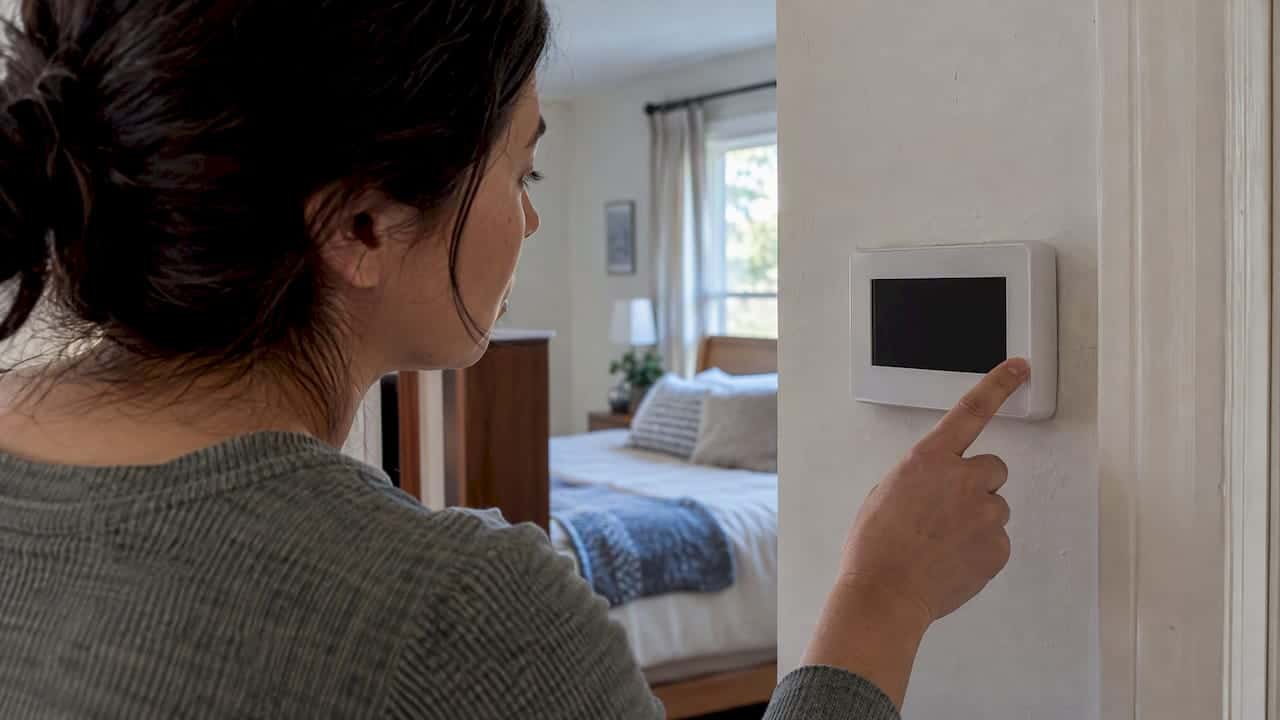
The DIY instinct to fix HVAC problems by adjusting vents or upgrading thermostats is understandable. But those fixes treat symptoms. A leaking or poorly designed plenum is a root cause. No smart thermostat can compensate for conditioned air disappearing into your attic before it reaches your living room.
What I find most interesting is how often homeowners discover non-rated cables or combustible materials stored right next to their plenum. These are genuine safety issues, not just efficiency concerns. A plenum space that does not meet NFPA standards is a liability waiting to surface during a home inspection or, worse, during a fire.
My honest advice: get your plenum inspected the next time you have any HVAC work done. Ask the technician specifically about sealing, sizing, and materials. A qualified contractor will give you a straight answer. If they cannot explain what they found or what they did, that is a signal to find someone who can.
— Leo
LC Heating and Air Conditioning can help with your HVAC plenum
If your energy bills are climbing, your rooms heat unevenly, or you have not had your plenum inspected in years, LC Heating and Air Conditioning is ready to help. With over twenty years serving Los Angeles homeowners, the team provides honest diagnostics and flat-rate pricing so you know exactly what you are paying before any work begins.

LC Heating and Air Conditioning offers same-day HVAC repair and duct and plenum sealing services that address leaks, moisture issues, and airflow imbalances at the source. The team also provides maintenance plans that include full plenum inspection, filter checks, and system performance testing. Call or book online to schedule your evaluation and get your system performing the way it should.
FAQ
What is an HVAC plenum in simple terms?
An HVAC plenum is a sealed air chamber that connects your furnace or air handler to your duct system. It distributes conditioned air to supply ducts or collects return air from your home for reconditioning.
What is an HVAC supply plenum specifically?
The supply plenum is the chamber on the outlet side of your air handler that operates under positive pressure, pushing heated or cooled air into your supply ducts and out to each room.
How do I know if my plenum has a leak?
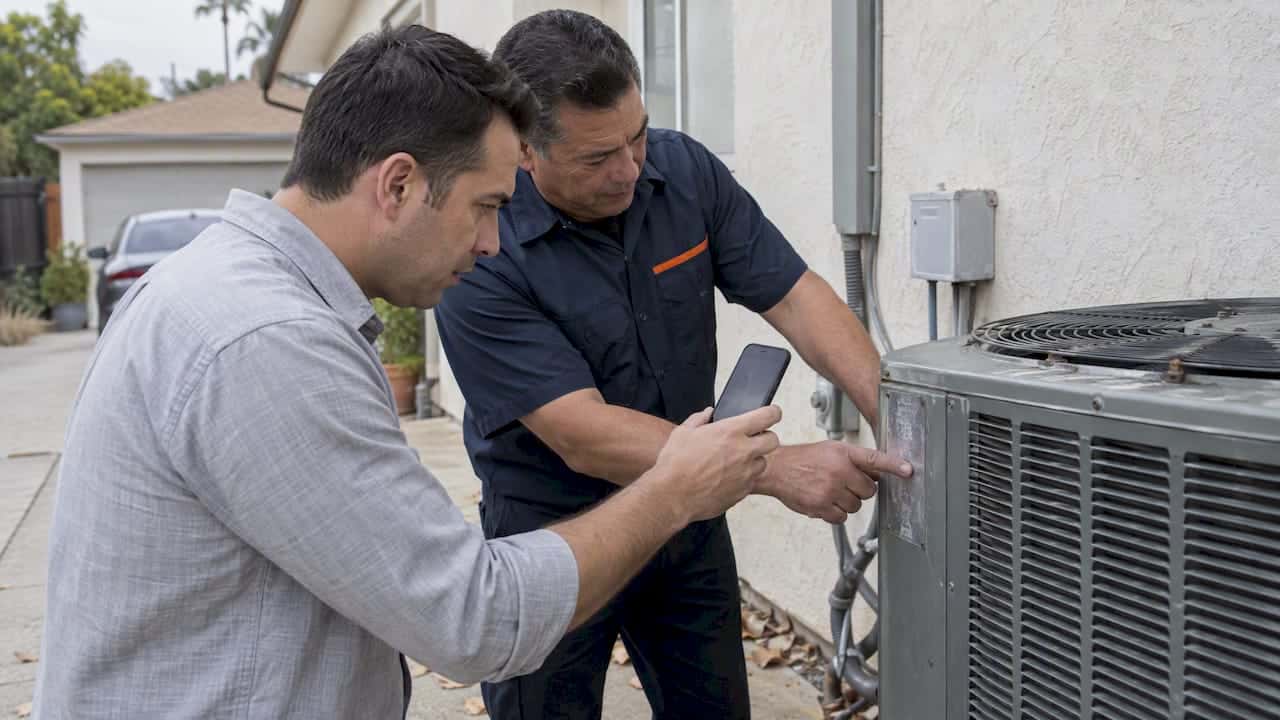
Rising energy bills, uneven room temperatures, and musty odors near your air handler are the most common signs. You can also hold your hand near plenum seams while the system runs to feel for escaping air.
Can I install or repair a plenum myself?
Basic visual inspections and filter changes are safe for homeowners. Sealing, resizing, or replacing a plenum requires a licensed HVAC contractor because improper work affects static pressure, fire safety compliance, and system warranty.
How often should a plenum be inspected?
A professional inspection once a year is the standard recommendation. LC Heating and Air Conditioning includes plenum checks as part of its annual tune-up to catch leaks and moisture issues before they cause equipment damage.
Recommended
Leo, Propietario y Técnico Principal en LC Heating & Air
Leo dirige LC Heating & Air como propietario-operador y tiene la licencia C-20 HVAC #1073586 de California. Sus guías se enfocan en diagnósticos prácticos, decisiones de reparación seguras y consejos claros para propietarios de Los Ángeles.