- Best HVAC Brands for Coastal Humidity: A Homeowner’s Guide
- Why coastal humidity is harder on HVAC than inland climates
- What features should you prioritize in coastal HVAC equipment?
- When do you need supplemental dehumidification in a coastal home?
- How to choose a contractor and size your system correctly
- Why the installer makes or breaks your humidity results
- Key Takeaways
- What most coastal homeowners get wrong about humidity control
- LC Heating and Air Conditioning handles the full coastal humidity picture
- Useful sources
- FAQ
- Recommended
Best HVAC Brands for Coastal Humidity: A Homeowner’s Guide
TL;DR:
- The most effective coastal HVAC system combines a variable-speed heat pump or air conditioner with corrosion-resistant components and whole-house dehumidification. Proper sizing, dehumidification strategies, and installer expertise are essential to control indoor humidity and extend equipment life. Coastal-rated equipment and correct installation practices are critical for reliable moisture management in salty, high-humidity environments.
For coastal homes, the most effective approach is a correctly sized, variable-speed heat pump or air conditioner paired with whole-house dehumidification and coastal-rated corrosion protection. Before you call anyone, take these three steps:
- Request a room-by-room Manual J load calculation from any installer you consider.
- Ask specifically for coastal-rated coils, epoxy or factory-applied coatings, and stainless hardware.
- If your indoor relative humidity (RH) regularly exceeds 55% at your thermostat setpoint, budget for a whole-house ducted dehumidifier. For a 2,000 sq. ft. home, target a dehumidifier capacity of 70–100 pints per day. This range ensures effective moisture removal for typical single-family coastal homes. ASHRAE Standard 62.2 targets indoor RH at 60% or below for health and comfort. Many coastal homes sit above that threshold for months at a time without the right equipment. LC Heating and Air Conditioning has spent over 20 years solving exactly this problem for homeowners across Greater Los Angeles, from historic bungalows to modern multi-zone heat pump installs.
Why coastal humidity is harder on HVAC than inland climates
Salt air, persistent outdoor humidity, and long cooling seasons create a combination that standard inland HVAC equipment simply was not designed to handle. Coastal HVAC guides confirm that salt air accelerates coil and cabinet corrosion, oversizing causes short-cycling that destroys humidity control, and extended runtimes shorten equipment life faster than manufacturers’ warranties typically account for.
Short-cycling is the hidden villain here. When a unit is oversized, it cools the air quickly, satisfies the thermostat, and shuts off before the coil has had time to condense and drain meaningful moisture. You end up with a home that feels cool but clammy. Longer, lower-capacity runtimes are what actually pull moisture out of the air.
Properties closer to the water need more aggressive protection and more frequent maintenance than homes even a few miles inland. Orientation to prevailing ocean breezes matters too: a west-facing outdoor unit on a beachfront property corrodes faster than one on the sheltered side of the same house.
- Salt air accelerates coil and cabinet corrosion, shortening equipment life.
- Oversized units short-cycle, leaving indoor RH elevated even when temperatures feel comfortable.
- Extended cooling seasons mean more annual runtime hours and faster wear on unprotected components.
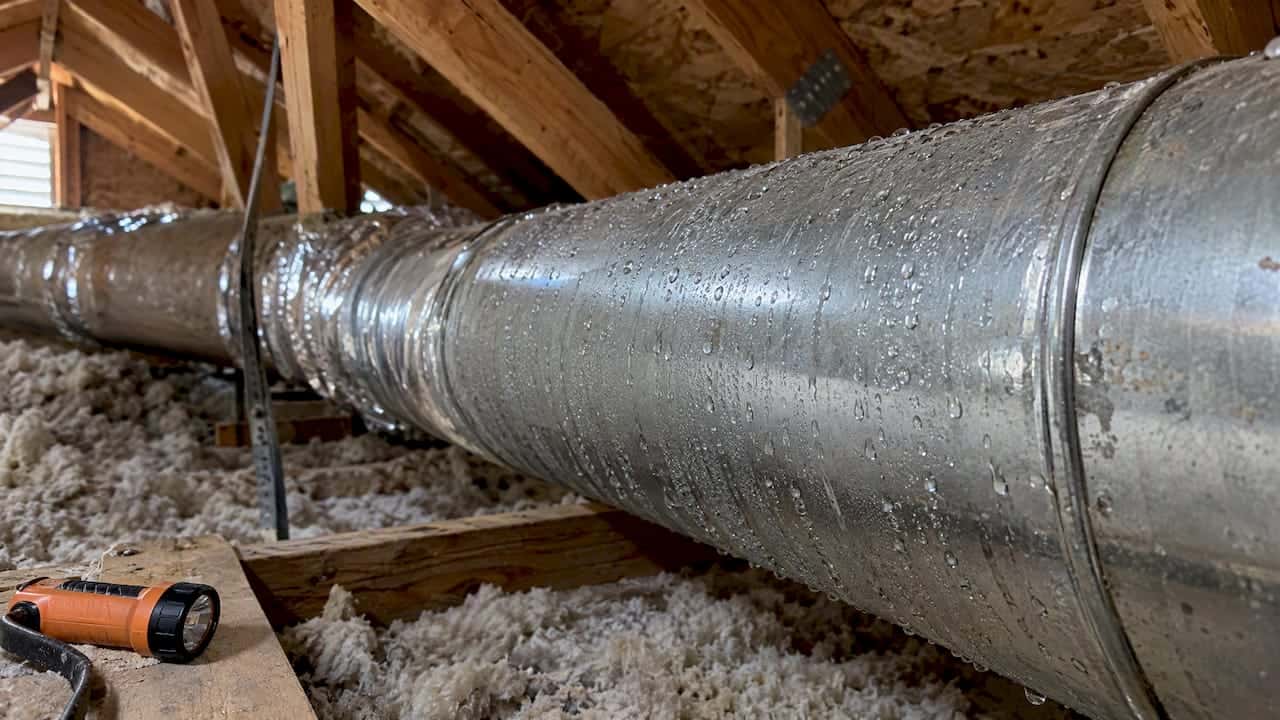
- Condensate drainage problems compound humidity issues and can cause mold growth inside air handlers.
Pro Tip: Mount outdoor units on the least wind-exposed side of the home when possible, and confirm the condensate drain line has a proper trap and clear path to daylight. A clogged drain is one of the most common causes of elevated indoor humidity we see on service calls.
What features should you prioritize in coastal HVAC equipment?
The three attributes that move the needle most are a variable-speed compressor and blower, coastal-rated outdoor components, and dehumidification-aware controls. Everything else is secondary.
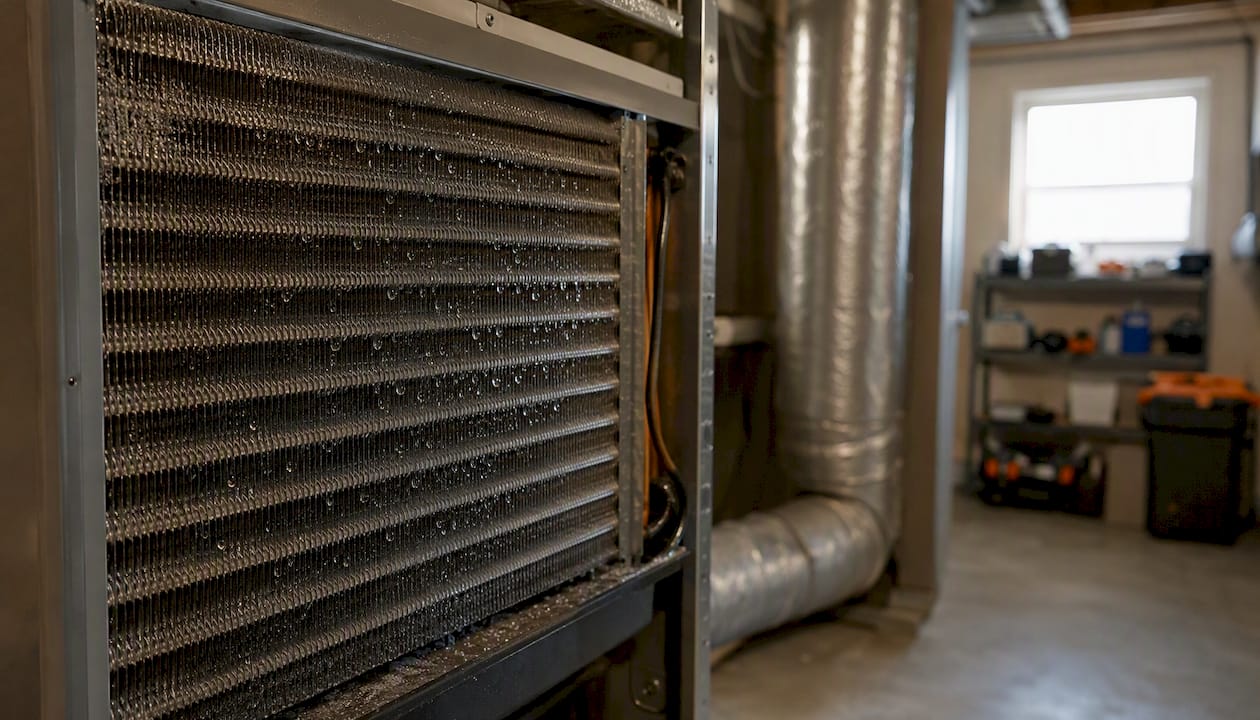
Variable-speed systems remove roughly 30% more moisture than standard single-stage units because they run longer at lower capacity, keeping the coil cold and wet long enough to condense humidity continuously. That runtime advantage is the single biggest reason to choose variable-speed equipment for a coastal home.
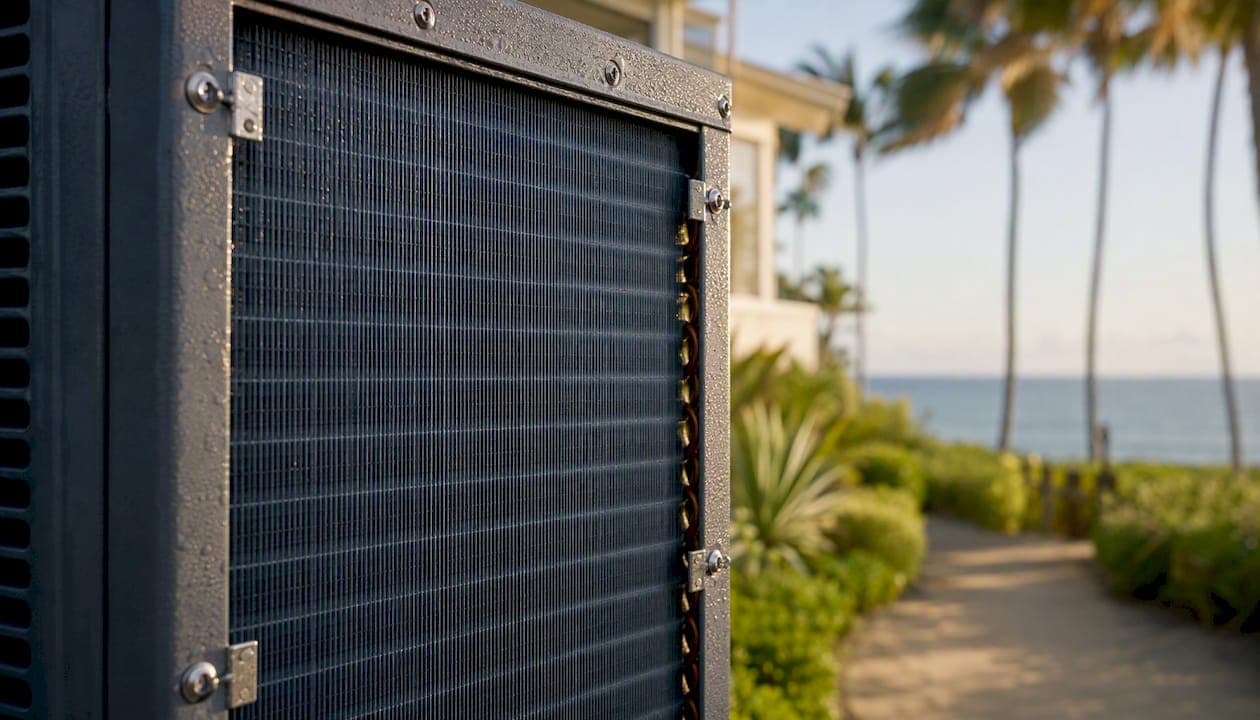
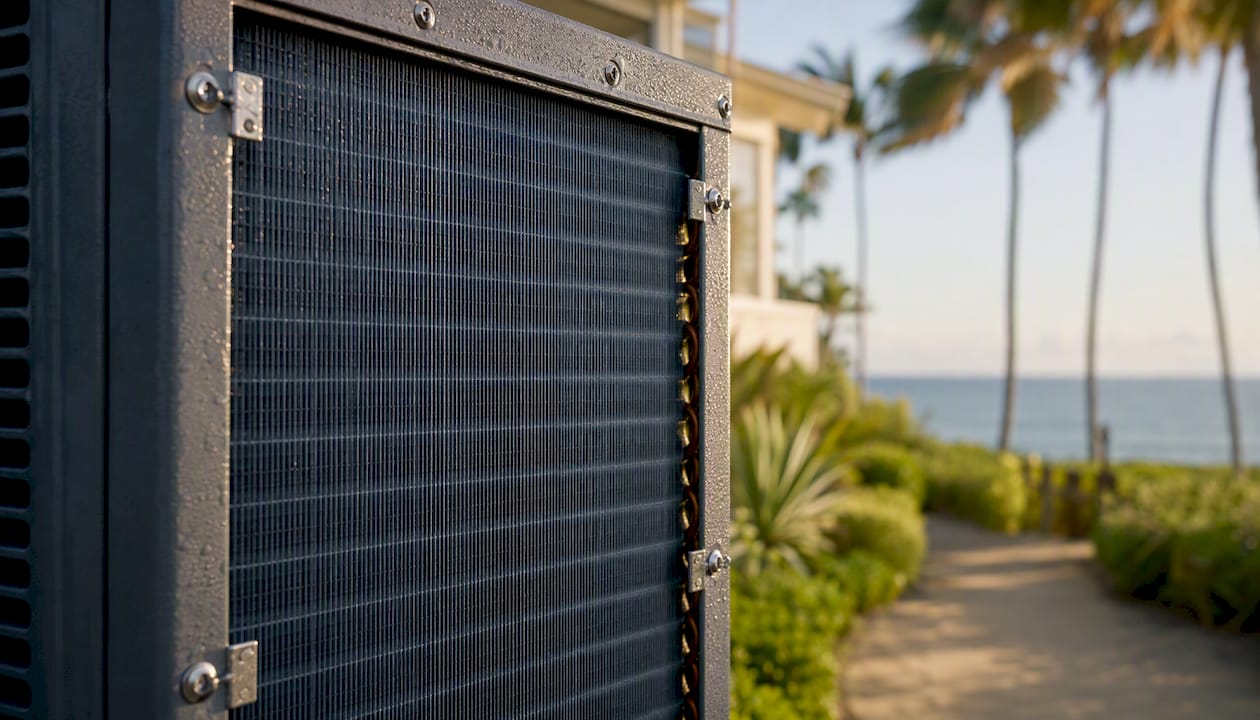
Factory-applied coil coatings, stainless hardware, and composite fan blades materially slow salt corrosion and are non-negotiable specs for any coastal-rated outdoor unit. Epoxy-coated or all-aluminum coils resist the pitting that standard copper-aluminum coils develop within a few seasons near the water.
| Feature | Why it matters for coastal homes |
|---|---|
| Variable-speed compressor | Longer runtimes remove ~30% more moisture vs. single-stage |
| Coastal-rated coil coating | Slows salt corrosion; extends outdoor unit life |
| ECM/brushless blower motor | Maintains airflow at low speeds; supports dehumidify-priority logic |
| Dehumidify-priority controls | Removes moisture without overcooling living spaces |
| Whole-house dehumidifier port | Allows ducted dehumidifier integration when RH stays elevated |
When reviewing quotes, insist on these specifics:
- Coastal-rated or epoxy-coated outdoor coil (confirm in writing, not just verbally).
- Factory crankcase heater to protect the compressor during cool coastal nights.
- Sealed cabinet construction to limit salt-air infiltration.
- Reheat or dry-mode controls, or compatibility with a ducted dehumidifier.
- Warranty language that does not void coverage for coastal installations.
Pro Tip: Always match the air handler and outdoor unit from the same manufacturer’s certified combination. Mismatched systems lose efficiency and often lose their AHRI-certified performance ratings, which affects both comfort and rebate eligibility.
When do you need supplemental dehumidification in a coastal home?
Some coastal homes need permanent supplemental dehumidification that no air conditioner alone can provide. Building Science research identifies specific situations where supplemental dehumidification is consistently needed: first-floor units in multifamily buildings, shaded homes with limited solar gain, slab-on-grade construction with residual moisture, and new construction still drying out.
The clearest sign you need it: your thermostat is satisfied but your hygrometer reads above 55% RH. If that happens regularly, your air conditioner is not running long enough to handle the moisture load, and no amount of thermostat adjustment will fix it without adding dehumidification capacity.
The four most effective options, ranked by typical coastal fit:
- Ducted whole-house dehumidifier: — Integrates with your existing duct system, runs independently of cooling, and targets RH directly. Best fit for most single-family coastal homes. For a 2,000 sq. ft. home, target 70–100 pints per day capacity.
For most coastal single-family homes, a whole-house ducted dehumidifier paired with a variable-speed system is the most practical and cost-effective combination. Understanding how humidity interacts with your HVAC system helps you have a more productive conversation with your installer about which option fits your home.
How to choose a contractor and size your system correctly
Correct sizing and a humidity-aware installation matter more than brand choice alone. A premium variable-speed system installed by someone who ignores your moisture load will underperform a mid-tier system installed by someone who does the math.
Ask every installer these questions:
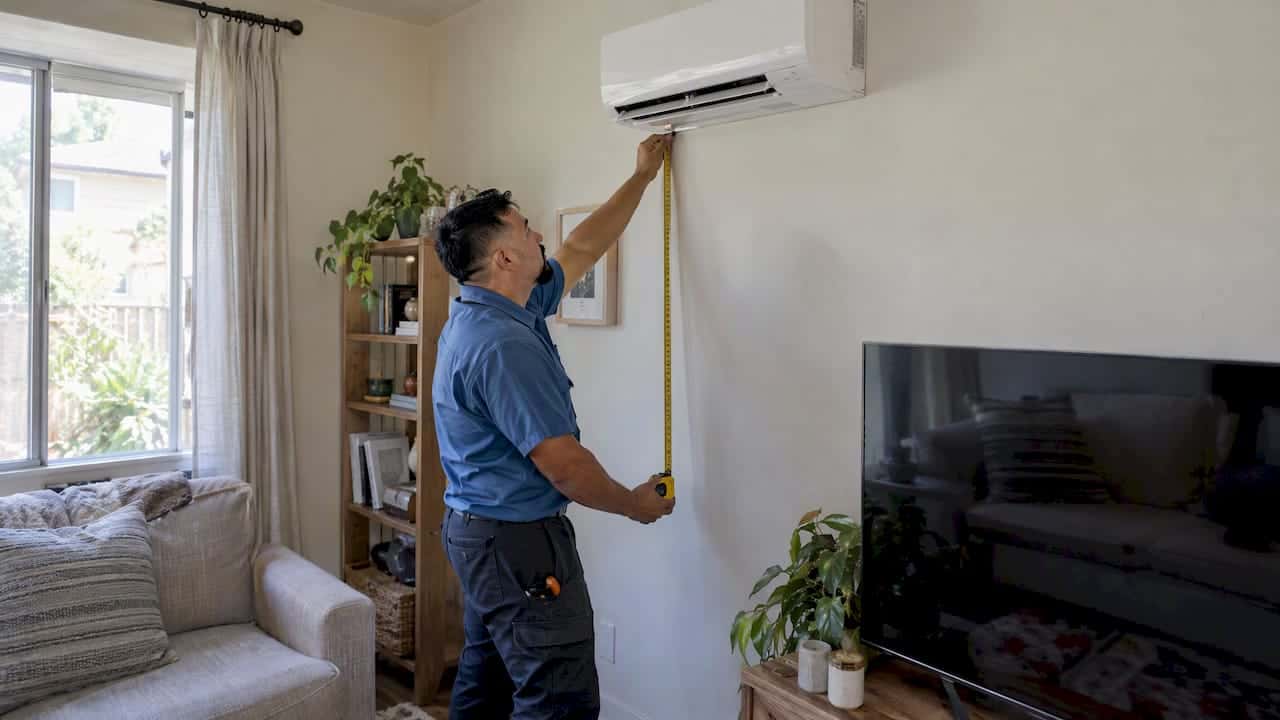
- Will you perform a room-by-room Manual J load calculation, or are you sizing by rule of thumb?
- Is the outdoor unit coastal-rated, and can you show me the coil coating specification?
- How will you handle condensate drainage, and will you inspect the existing duct system?
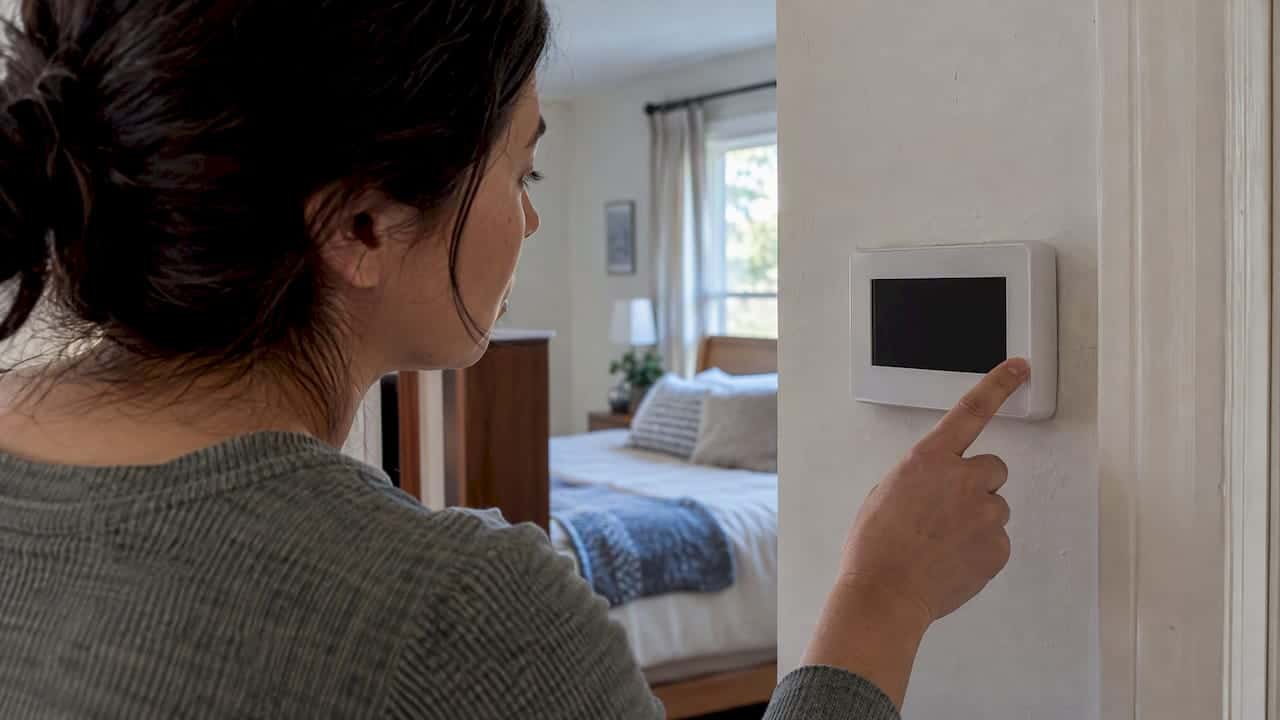
- Does this system support dehumidify-priority logic, and what thermostat or controller will you use?
- Can this system integrate with a whole-house ducted dehumidifier if I need one later?
- What are the warranty terms for coastal installations specifically?
- How often do you recommend maintenance for a home at my distance from the water?
Red flags to walk away from:
- Sizing based on square footage alone, with no load calculation.
- No mention of coastal protection or coil coatings.
- No dehumidification strategy beyond “the AC will handle it.”
- Vague or verbal-only warranty commitments.
- No duct inspection offered before installation.
On costs: installed variable-speed heat pump systems for a typical coastal home generally run higher than standard single-stage equipment, and adding a whole-house dehumidifier adds to that upfront investment. However, high-efficiency coastal-ready systems can reduce cooling-related energy use by roughly 30% compared with older equipment, which offsets operating costs over time.
For rebates, check the federal Inflation Reduction Act’s 25C tax credit (up to 30% of qualifying heat pump costs), your utility’s rebate program, and California’s TECH Clean California initiative if you are in the state. Programs change annually, so confirm current amounts before purchasing.
Why the installer makes or breaks your humidity results
Heat pump installation for coastal humidity requires controls expertise that goes beyond standard HVAC work. Dehumidify-priority logic, ECM blower tuning, and whole-house dehumidifier integration all depend on the installer’s knowledge, not just the equipment spec sheet.
LC Heating and Air Conditioning brings over 20 years of local experience to every coastal install, with published project examples covering heat pumps, multi-zone mini-split systems, and historic homes across Greater Los Angeles. Every assessment starts with a proper load calculation. Coastal-rated material choices are standard, not an upsell. Flat-rate pricing means you know the cost before work begins, with no surprise diagnostic fees.
Trust signals that matter when choosing a coastal HVAC installer:
- Documented local experience with coastal or high-humidity installs.
- Flat-rate, transparent pricing with written quotes.
- Same-day service availability for urgent repairs.
- Verified customer reviews you can read independently.
- A published project portfolio showing real completed work.
LC Heating and Air Conditioning checks every one of those boxes, and the HVAC brands it installs and services are selected with coastal durability in mind.
Key Takeaways
For coastal homes, the combination of a correctly sized variable-speed heat pump or AC, coastal-rated components, and whole-house dehumidification delivers the most reliable humidity control and the longest equipment life.
| Point | Details |
|---|---|
| Variable-speed is the priority | Variable-speed systems remove roughly 30% more moisture than single-stage units. |
| Coastal-rated components matter | Epoxy-coated coils, stainless hardware, and sealed cabinets are required specs near salt air. |
| Supplemental dehumidification | Add a whole-house ducted dehumidifier if indoor RH stays above 55% at setpoint. For a 2,000 sq. ft. home, the recommended capacity is 70–100 pints per day. |
| Manual J is non-negotiable | Any installer who sizes by square footage alone is a red flag; demand a load calculation. |
| LC Heating and Air Conditioning | Offers coastal-focused heat pump and dehumidifier installs with flat-rate pricing and 20+ years of local experience. |
What most coastal homeowners get wrong about humidity control
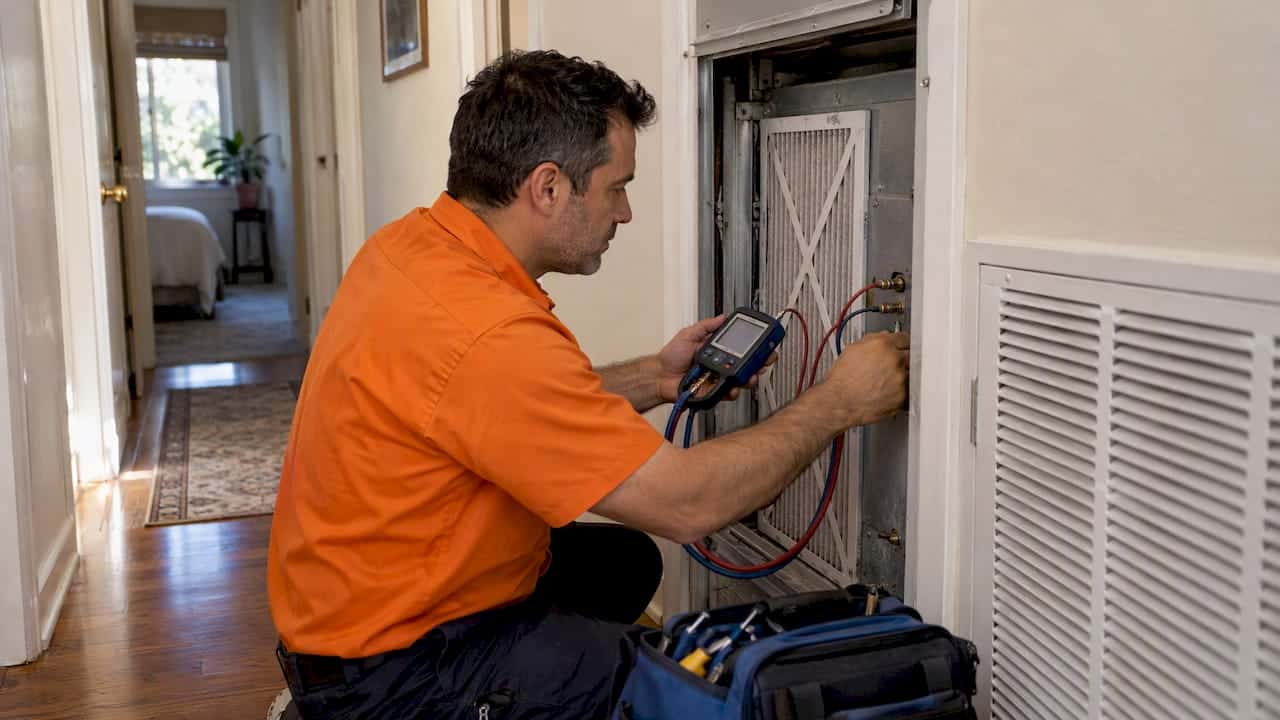
Here is what I see repeatedly on service calls: a homeowner bought a well-known brand, paid for a reasonable installation, and still lives with a clammy house. Nine times out of ten, the problem is not the equipment. It is an oversized system that short-cycles, a condensate drain that has never been cleaned, or a thermostat with no dehumidification logic whatsoever.
The HVAC industry sells brand names hard, and homeowners understandably focus there. But a Daikin or Carrier or Lennox unit installed without a Manual J calculation and without a dehumidification strategy will fail a coastal home just as reliably as a budget brand would. The brand matters less than the system design.
What I recommend: treat the installer selection as the most important decision, and treat the equipment spec as the second. Ask the hard questions before you sign anything. If an installer cannot explain their dehumidification strategy in plain language, keep looking.
LC Heating and Air Conditioning handles the full coastal humidity picture
Flat-rate diagnostics, same-day service, and 20+ years of Los Angeles installs make LC Heating and Air Conditioning the practical choice for coastal homeowners who want humidity solved, not just cooled.

The team specializes in variable-speed heat pumps, mini-split multi-zone systems, and whole-house dehumidifier integration, with every project backed by a written quote and transparent pricing. Whether you need a full system replacement with coastal-rated components or a dehumidifier added to an existing system, LC Heating and Air Conditioning sizes it correctly from the start. Browse available heat pump systems or book a diagnostic to get a load calculation and a coastal-rated quote for your home.
Useful sources
- Supplemental dehumidification in warm-humid climates | Building Science
- Ultimate High Efficiency AC Benefits for Coastal Humid Weather
- Heat Pump Installation for Coastal Humidity: Dehumidification Without Overcooling | Daphne Plumbing and HVAC Company
- Coastal Carolina HVAC Guide for 2026 (North Myrtle Beach)
- Climate Zone 1A Hot-Humid HVAC Buying Guide: Beat the Heat With the Ri
- HVAC Challenges for Coastal Wilmington Homes: Salt Air, Humidity & Solutions | Kool Ducts
- Our Recent HVAC Projects in Los Angeles | LC Heating & Air | LC Heating & Air
- Whole-House Dehumidifier Los Angeles | LC Heating & Air | (323) 970-3113 | LC Heating & Air
FAQ
What makes an HVAC system “coastal-rated”?
A coastal-rated system uses factory-applied coil coatings, stainless or corrosion-resistant hardware, and sealed cabinet construction to resist salt air damage. Always confirm the specification in writing before installation.
How do I know if I need a whole-house dehumidifier?
If your indoor RH consistently reads above 55% when the thermostat is satisfied, your air conditioner alone cannot handle the moisture load. A whole-house ducted dehumidifier with a capacity of 70–100 pints per day for a 2,000 sq. ft. coastal home is the right next step.
Can a heat pump control humidity without overcooling my home?
Yes. A properly sized variable-speed heat pump with dehumidify-priority controls runs longer at low capacity, removing moisture without dropping the temperature below your comfort setpoint.
What is the best HVAC approach for coastal humidity?
A correctly sized variable-speed heat pump or AC paired with coastal-rated components and whole-house dehumidification is the most reliable combination for coastal homes. LC Heating and Air Conditioning installs this configuration with a full load calculation and flat-rate pricing.
How often should coastal HVAC equipment be serviced?
Homes close to the water typically need maintenance twice a year, including coil rinse-downs and condensate drain checks, compared with once a year for inland properties.
Recommended
Leo, Propietario y Técnico Principal en LC Heating & Air
Leo dirige LC Heating & Air como propietario-operador y tiene la licencia C-20 HVAC #1073586 de California. Sus guías se enfocan en diagnósticos prácticos, decisiones de reparación seguras y consejos claros para propietarios de Los Ángeles.