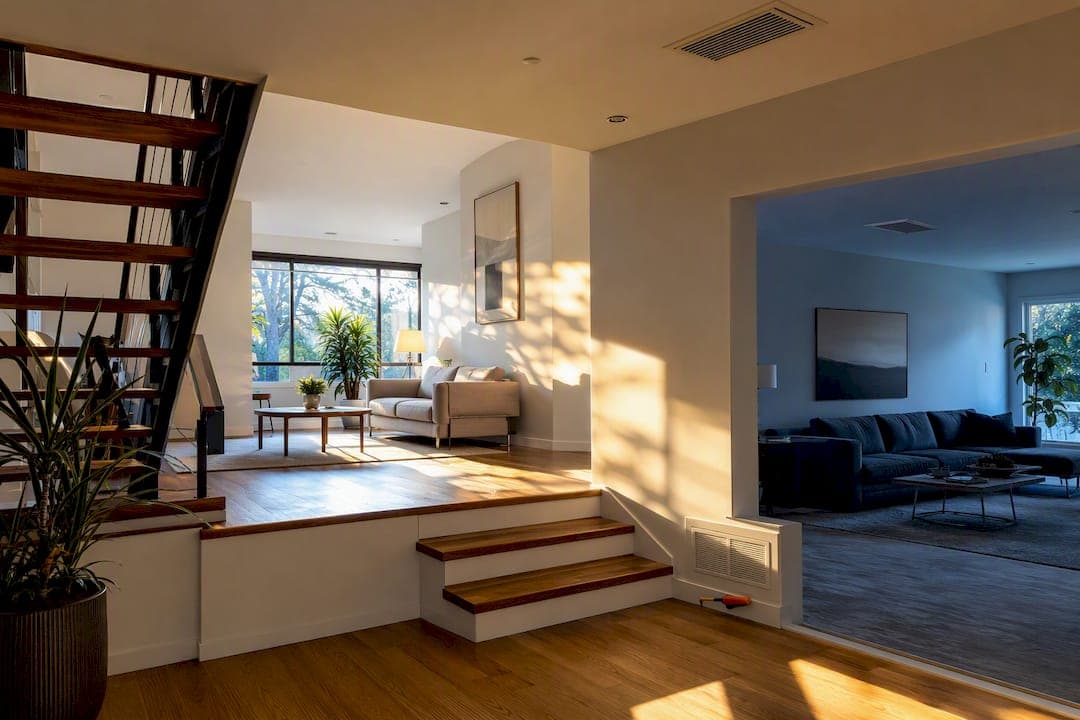
- What Is Multi Zone HVAC and How Does It Work?
- Who Actually Benefits From Zoned Heating and Cooling?
- What Design Standards Should Your Contractor Follow?
- Retrofitting an Existing System for Zoning
- What Drives Multi Zone HVAC Cost and Lifecycle Value?
- Common Zoning Problems and How to Maintain the System
- A Contractor’s View on What Actually Makes Zoning Work
- Ready to Add Zoning? Here’s How LC Heating and Air Conditioning Helps
- Standards and Resources Worth Bookmarking
- Sources
- FAQ
- Recommended
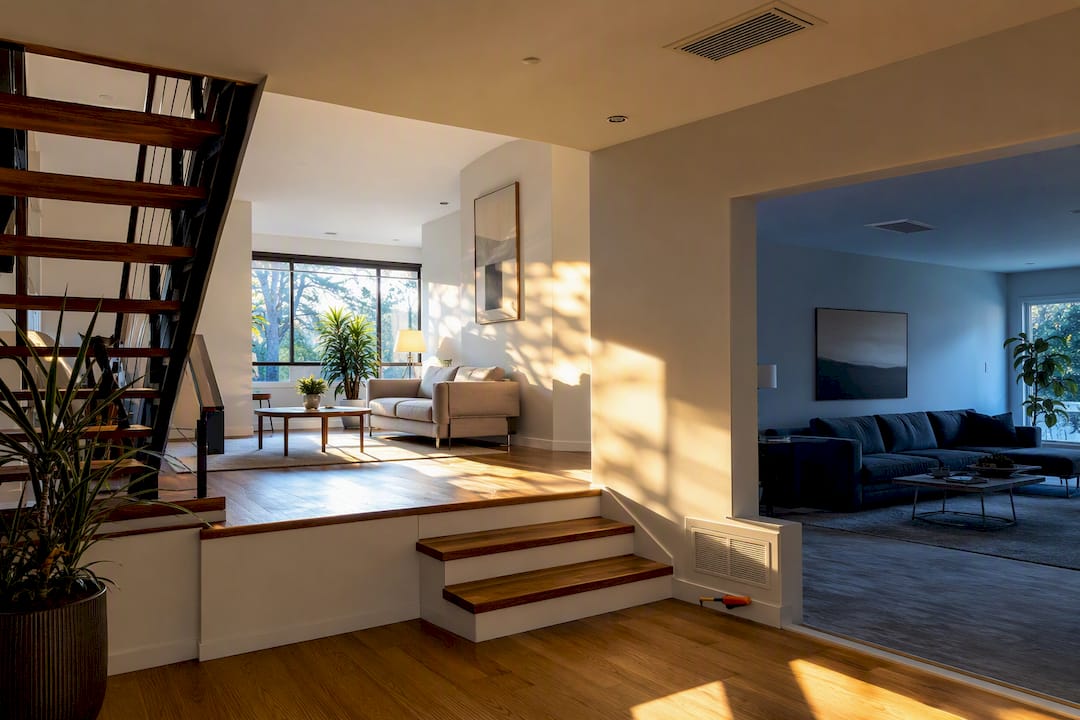
A multi-zone HVAC system divides a home into separately controlled comfort areas using dedicated thermostats, a zone controller, and either motorized dampers or individual indoor units. The upside is real: targeted comfort and less energy wasted heating or cooling rooms nobody uses. The catch is equally real. Zoning costs more upfront, demands proper engineering with Manual J and Manual D calculations, and, in most standard ducted setups, still can’t heat one zone while cooling another.
TL;DR:
- Multi-zone HVAC systems are most beneficial for homes with uneven comfort issues, large size, or multiple levels, especially when existing ductwork is in good shape.
- Proper design requires following Manual J, D, S, and Zr standards, with special attention to the 35% airflow rule for single-stage equipment to prevent pressure and equipment failures.
- Retrofits are more complicated than simple upgrades and should prioritize variable-speed equipment, thorough load calculations, and commissioning for optimal performance.
- Zoning costs vary significantly based on the number of zones, equipment type, and ductwork modifications, with lifecycle savings often outweighing initial expenses.
- Regular maintenance, including damper checks and static pressure verification, is crucial to prevent common system failures like frozen coils and inefficient operation.
What Is Multi Zone HVAC and How Does It Work?
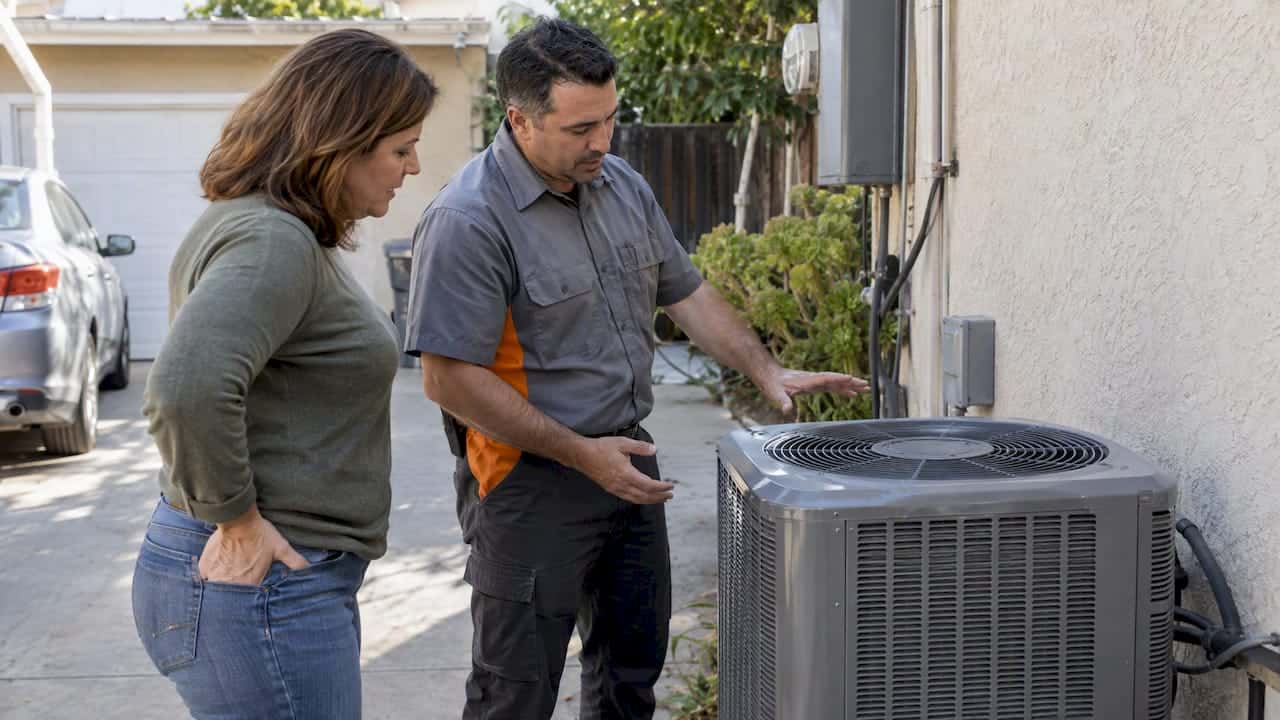
A damper-based multi-zone system relies on three coordinated parts: room thermostats, motorized dampers inside the ductwork, and a central zone controller that reads thermostat calls and decides which dampers open or close. When the upstairs thermostat calls for cooling and the downstairs one doesn’t, the controller opens the upstairs damper and closes (or partially closes) the downstairs one, directing conditioned air only where it’s wanted. Zone control panels typically manage 2 to 8 zones, which covers everything from a modest two-story colonial to a sprawling single-story with distinct wings.
Ductless multi-split and VRF (variable refrigerant flow) systems handle zoning differently. Instead of one central air handler pushing air through branching ducts, each zone gets its own indoor unit connected by refrigerant lines to an outdoor condenser. That structural difference matters more than it sounds. VRF and ductless multi-split systems can deliver simultaneous heating and cooling to different zones, something a standard single-stage ducted system simply cannot do.
That’s the limitation homeowners trip over most often. A conventional ducted zoned system still runs one compressor and one mode at a time. It can send more or less airflow to different rooms, but it can’t put the compressor in heating mode for the nursery while it’s in cooling mode for the home office. Manufacturers are candid about this: if you genuinely need opposite modes running at once, VRF is the architecture built for it, not standard duct zoning.
Key distinctions to keep straight:
- Damper-based zoning: one central system, multiple thermostats, motorized dampers direct airflow.
- Ductless multi-split: multiple indoor units, one outdoor condenser, each zone independently controlled.
- VRF: refrigerant-based zoning capable of simultaneous heating and cooling across zones.
- Zone controller: the “brain” reading thermostat signals and directing dampers or refrigerant flow accordingly.
Who Actually Benefits From Zoned Heating and Cooling?
Zoning pays off most clearly in homes where comfort has never been consistent. Multi-story houses, additions with long duct runs, sun-facing rooms that overheat by 2 p.m., and finished basements that stay cold no matter the thermostat setting are the classic candidates. Zoned heating and cooling lets each area get exactly what it needs instead of averaging comfort across the whole house.
Energy savings follow a predictable pattern, but they’re conditional, not automatic. The Department of Energy points out that zoning reduces energy use mainly by avoiding conditioning of empty rooms and matching output to actual occupancy. That means the savings show up when you actually change zone settings based on who’s home and when, and when the equipment itself, like variable-speed compressors and ECM blower motors, can modulate output rather than blasting full capacity every cycle.
Run through this self-check before assuming zoning is right for your house:
- Do specific rooms run consistently hotter or colder than the rest of the house?
- Does your household have different schedules by floor or wing (home office upstairs, bedrooms unused during the day)?
- Is your home larger than about 2,000 square feet or spread across multiple levels?
- Is your ductwork in reasonably good shape, or would zoning require a full duct overhaul anyway?
- Are you replacing aging equipment soon, making it a natural point to add zoning?
If you answered yes to two or more, zoning is worth pricing out. If your home is a single open-plan level with even airflow already, the payback gets harder to justify.
What Design Standards Should Your Contractor Follow?
Ask any contractor quoting zoning work one question: are you following Manual J, Manual D, Manual S, and Manual Zr? If the answer is vague, keep shopping.
Manual J calculates room-by-room heating and cooling loads, not just a whole-house estimate. Zoning without accurate per-room loads is guesswork with dampers attached. Manual D governs duct design, sizing trunk and branch runs to deliver the calculated airflow to each zone without excessive pressure drop. Manual S matches equipment capacity to those calculated loads instead of oversizing “just to be safe,” which actually hurts zoned performance. Manual Zr, ACCA’s dedicated zoning standard, layers on top of all three, giving procedures specifically for zoning decisions, including dampers, ductless multi-split, and distributed equipment.
One engineering rule trips up more DIY-adjacent installs than anything else:
The 35% rule: for single-stage equipment, the smallest zone must be able to handle at least 35% of total system airflow (CFM) to avoid dangerous static pressure buildup when only that zone is calling.
Ignore that rule and you get a bypass duct problem. Bypass ducts route excess airflow back to the return when a small zone closes off most of the supply, and they need to be sized based on equipment tonnage and zone design to handle airflow without excessive pressure. Undersize the bypass or skip it entirely, and static pressure climbs. That’s how you end up with frozen evaporator coils, stressed blower motors, and premature compressor failure.
Here’s where equipment choice changes the math. Variable-speed systems with ECM blowers modulate airflow continuously rather than running at one fixed speed. That flexibility reduces the static-pressure constraints that drive bypass requirements in the first place, which is a big part of why contractors increasingly steer zoning customers toward variable-capacity equipment even when it costs more upfront.
- Manual J: room-by-room load calculations
- Manual D: duct sizing and layout
- Manual S: equipment selection matched to load
- Manual Zr: zoning-specific design procedures
- 35% CFM rule: minimum zone airflow for single-stage systems
- Bypass sizing: tonnage × 300 CFM, minus smallest zone CFM
Retrofitting an Existing System for Zoning
Adding zoning to a house that already has ductwork is common, but it’s not a weekend project. A typical retrofit involves installing motorized dampers at key branch points, running control wiring (or using wireless bridges and equipment interface modules where pulling wire through finished walls isn’t practical), mounting the zone controller, and placing new thermostats. Some homes need duct modifications or short supplemental duct runs to get proper airflow to a previously underserved zone.
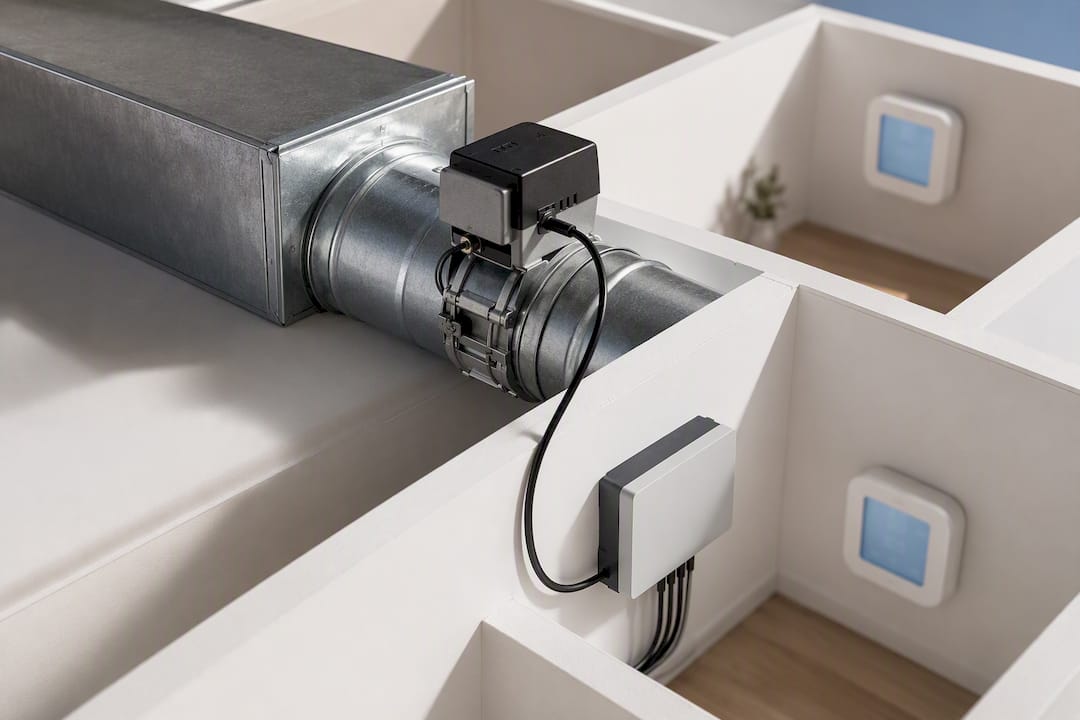
Manufacturers including Carrier note that zoning works best when paired with variable-speed equipment and matched, compatible controls rather than retrofitted onto mismatched components. A detailed breakdown of zoning components and retrofit logistics is worth reading before you get quotes, so you know what questions to ask.
A hybrid approach solves a lot of retrofit headaches, integrating ductless mini‑split installation options for tricky zones. Keep the ducted system running the main living areas with variable-capacity equipment, then add a ductless mini-split for a converted garage, sunroom, or bonus room that never ducted well in the first place. This avoids extreme bypass airflow demands while keeping central filtration for the bulk of the house.
Before signing off on any zoning installation, insist on:
- Testing, adjusting, and balancing (TAB) documentation
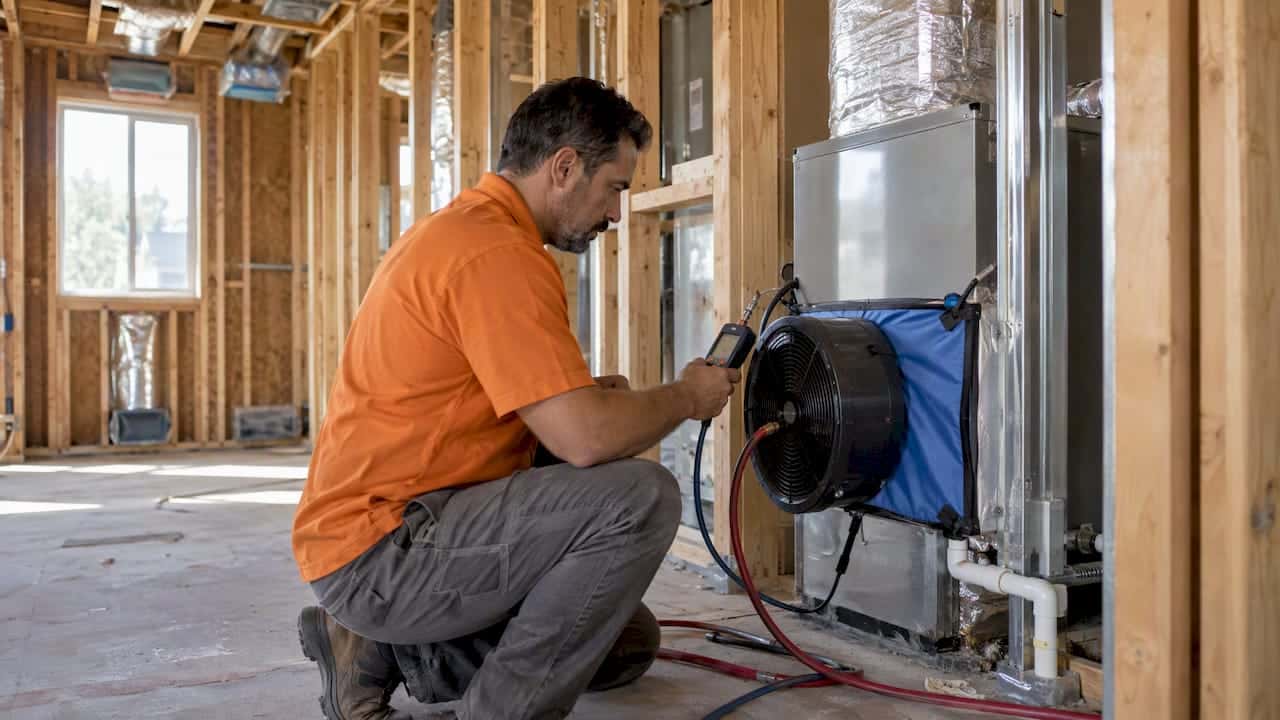
- An all-zones-calling test verifying airflow when every zone activates at once
- Static pressure verification against manufacturer specs
- A written damper map and wiring diagram for future service
What Drives Multi Zone HVAC Cost and Lifecycle Value?
Cost variance in zoning projects comes down to a handful of drivers: equipment type (single-stage versus variable-speed versus VRF), number of zones, how much existing ductwork needs modification, and whether commissioning is thorough or rushed. A two-zone retrofit on existing ducts costs far less than a six-zone system requiring new duct runs and a full VRF outdoor unit.
Lifecycle thinking beats sticker-price comparison almost every time. A variable-speed heat pump system costs more to install but often saves money over ten to fifteen years through lower callback rates, reduced static-pressure related failures, and better humidity control in tightly sealed homes. When you’re comparing bids, do it this way:
- Confirm each bid includes Manual J and Manual D documentation, not just an equipment list.
- Ask what commissioning report you’ll receive after installation, including TAB results.
- Compare equipment tiers on projected lifecycle cost, not just the installed price.
- Ask about financing options and whether a maintenance plan is included or recommended protecting your investment.
An HVAC maintenance plan that includes seasonal damper and controller checks protects the lifecycle value of a zoned system far better than reactive, break-and-fix service ever will.
Common Zoning Problems and How to Maintain the System
Static pressure problems are the most common failure point in zoned systems, and they announce themselves early if you know what to listen for. Whistling at supply registers, weak airflow in one zone while others run fine, or a system that short-cycles are all early warning signs. Left unchecked, they lead to frozen evaporator coils and added compressor stress.
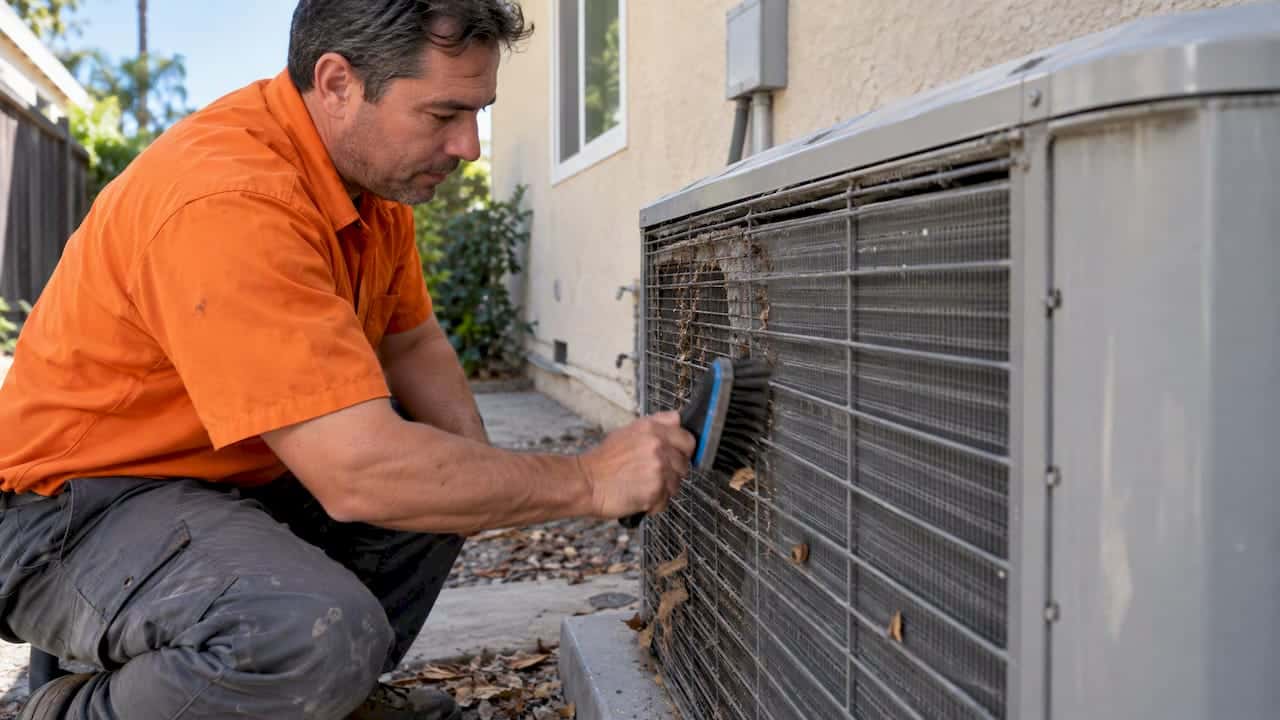
Routine care is straightforward: verify damper motors open and close fully each season, recalibrate thermostats if one zone consistently reads off, rotate to a fresh filter strategy, and keep zone controller firmware or settings updated when your contractor recommends it.
Pro Tip: Ask your contractor for a written damper map and wiring diagram at the end of installation. It turns a two-hour diagnostic call into a fifteen-minute fix the next time something acts up.
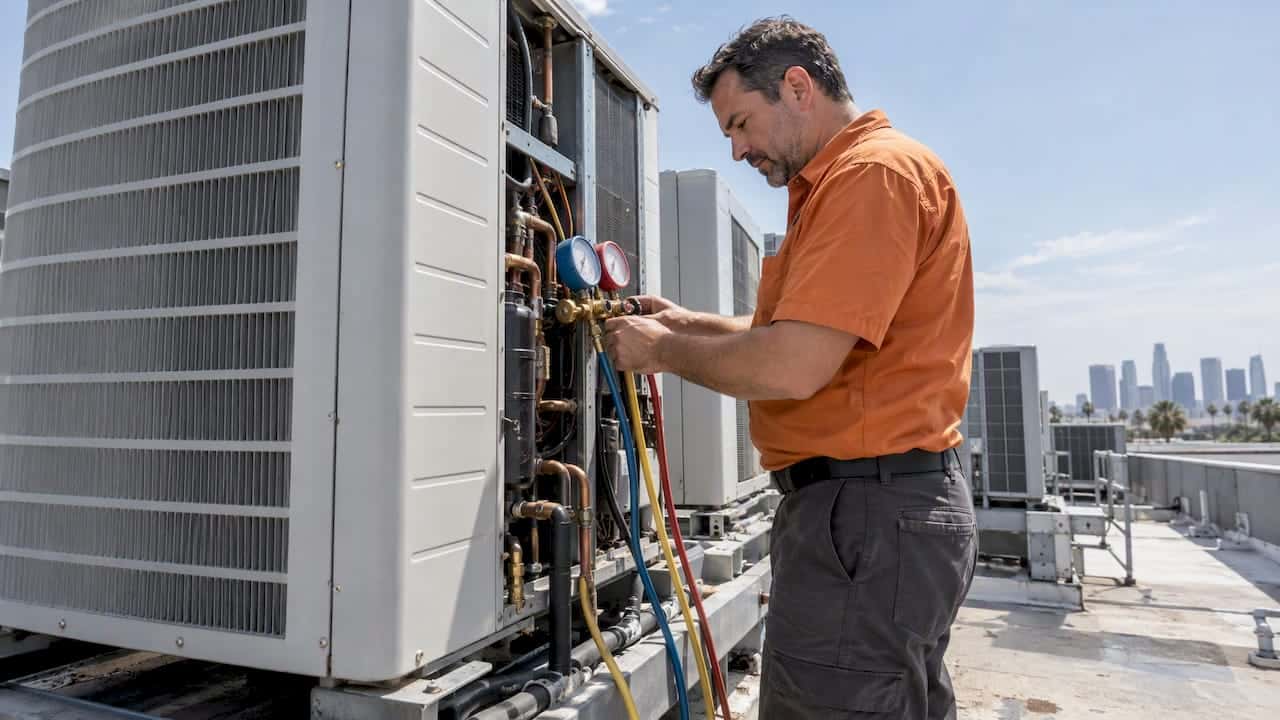
A homeowner can safely check filters and thermostat settings. Anything involving static pressure readings, damper motor wiring, or refrigerant lines belongs to a licensed technician.
A Contractor’s View on What Actually Makes Zoning Work
After 20-plus years installing heat pumps, multi-zone mini-splits, and VRF systems across Los Angeles, from century-old bungalows to modern hillside builds, the pattern is consistent: zoning projects fail on engineering, not equipment brand. Historic home retrofits almost always land on a hybrid solution, ducted zoning for the original living space, ductless for an added room the original ducts never reached, because forcing one system to do both jobs usually backfires.
The homeowners who end up happy insisted on three things before signing a contract: a real Manual J and Manual D, variable-speed equipment wherever the budget allowed it, and a TAB report at commissioning instead of a technician’s word that “it feels right.” Skip those three, and you’re gambling on whether the install was done correctly.
— Leo
Ready to Add Zoning? Here’s How LC Heating and Air Conditioning Helps
If a contractor quoted you zoning without mentioning Manual J or a commissioning report, you already know more than they’re telling you. LC Heating and Air Conditioning builds every zoning project, from a two-zone damper retrofit to a full heat pump multi-zone installation, built on documented load calculations and pricing policies that avoid surprise fees and unnecessary equipment replacement pressure.

Our services cover zoning design and installation, mini-split and VRF systems, ductwork, and the testing, adjusting, and balancing work that separates a system that performs from one that just runs. A service call starts at $125 and includes an honest, in-home evaluation, including a look at your existing ductwork, load requirements, and whether a hybrid approach fits your home better than an all-ducted or all-ductless setup. Request your Manual J and D documentation up front, ask about our HVAC zoning installation services, and book a diagnostic to see what your home actually needs.
Standards and Resources Worth Bookmarking
For deeper technical detail beyond this guide, ACCA’s Manual Zr is the industry standard for residential zoning design, built on Manual J, D, and S. The Department of Energy’s Energy Saver guidance covers broader efficiency principles that apply directly to zoning decisions. Manufacturer resources from brands like Trane and Carrier also offer useful, plain-language explainers on compatible controls and equipment.
Sources
- AC Zoning: Is a Zoned HVAC System Right for My Home? - Trane
- ACCA Manual Zr (Residential Zoning) - ACCA
- Multi-Zone HVAC Systems: Design and Installation Guide - HVAC Know It All
FAQ
What Is the $5,000 Rule for HVAC?
The rule is a rule-of-thumb homeowners use during replacement decisions: multiply your HVAC system’s age by its estimated repair cost, and if the total is high, replacement usually makes more financial sense than another repair. It’s a budgeting shortcut, not an engineering standard, so use it alongside a real inspection rather than in place of one.
How Much Does a Multi Zone HVAC System Cost?
Cost depends heavily on zone count, equipment type, and whether ductwork needs modification. Heat pump installations through LC Heating and Air Conditioning generally run $5,500 to $12,000, while mini-split installations range from $3,500 to $20,000 depending on zone count and unit capacity.
Is Dual Zone HVAC Worth It?
Dual-zone HVAC is worth it when a home has two clearly distinct comfort areas, commonly separate floors, that consistently run hotter or colder than the rest of the house. It’s less compelling in smaller, single-level homes with already even airflow, where the upfront cost is harder to recover through comfort or energy gains.
How Does Multi Zone HVAC Work?
A multi-zone system uses room thermostats to signal a central zone controller, which opens or closes motorized dampers to direct conditioned air only to zones actively calling for heating or cooling. Ductless multi-split and VRF systems achieve the same result differently, using separate indoor units tied to one outdoor condenser instead of ductwork and dampers.
Recommended
Leo, Propietario y Técnico Principal en LC Heating & Air
Leo dirige LC Heating & Air como propietario-operador y tiene la licencia C-20 HVAC #1073586 de California. Sus guías se enfocan en diagnósticos prácticos, decisiones de reparación seguras y consejos claros para propietarios de Los Ángeles.