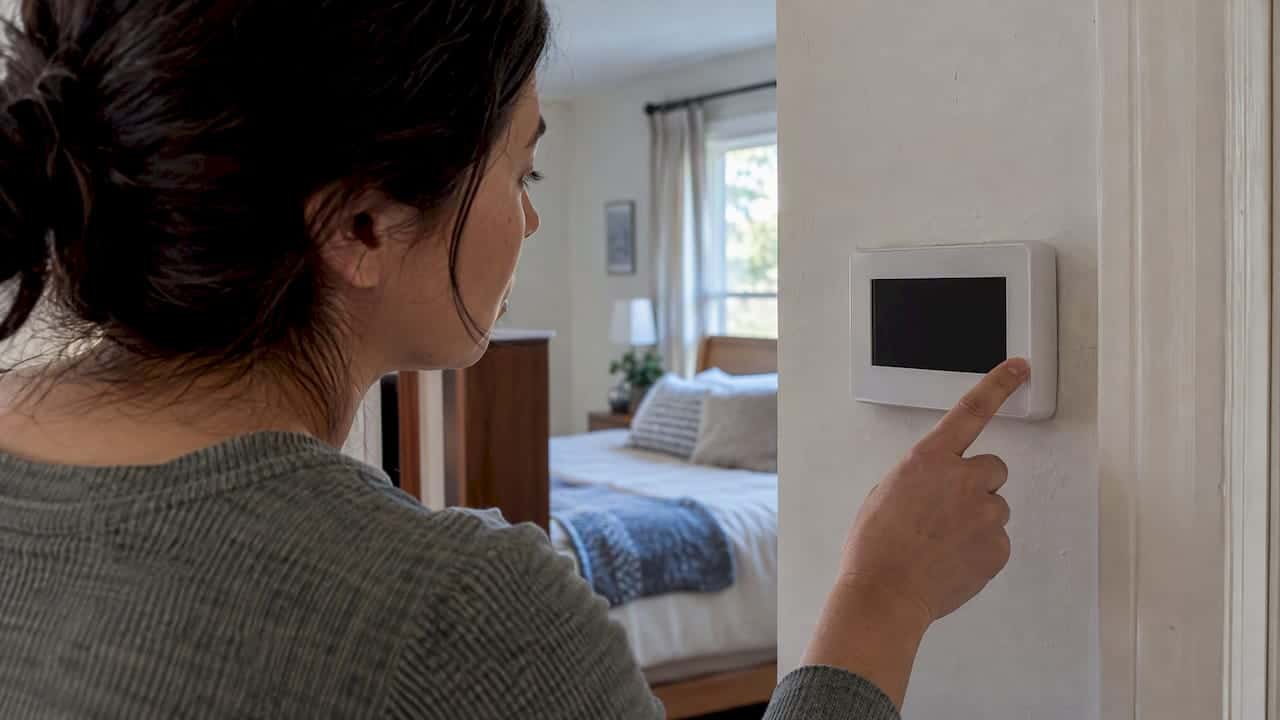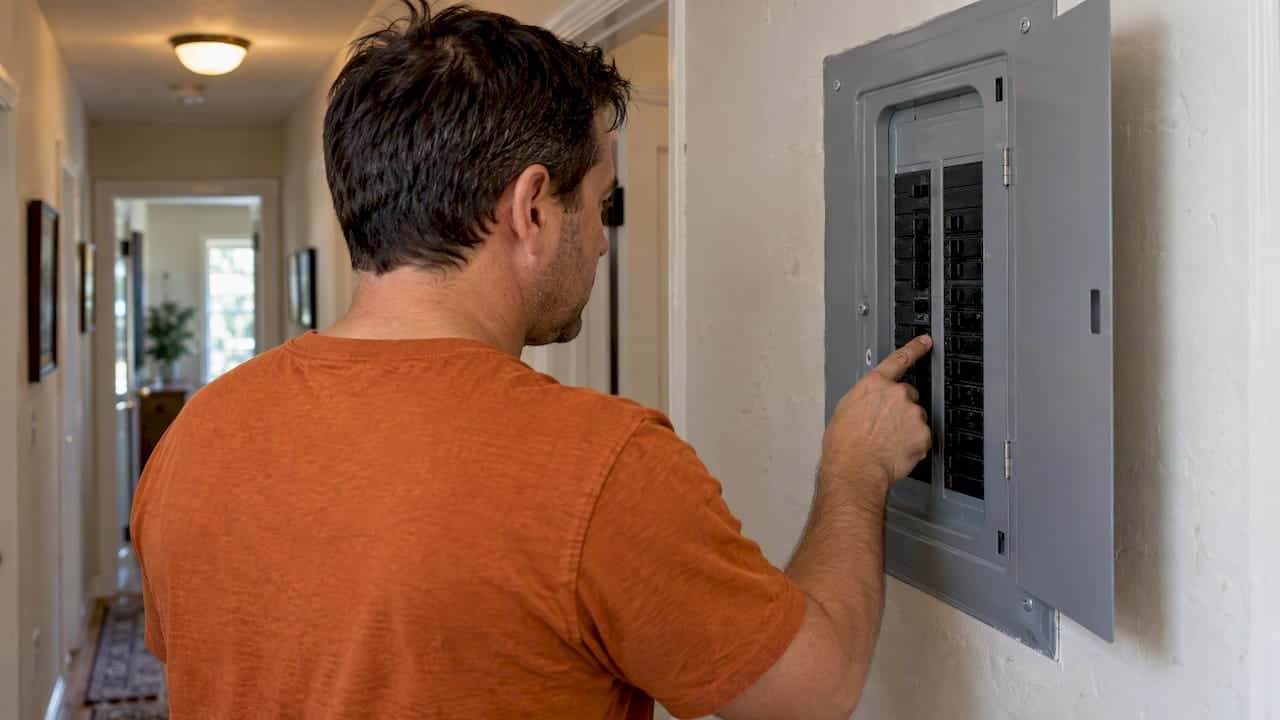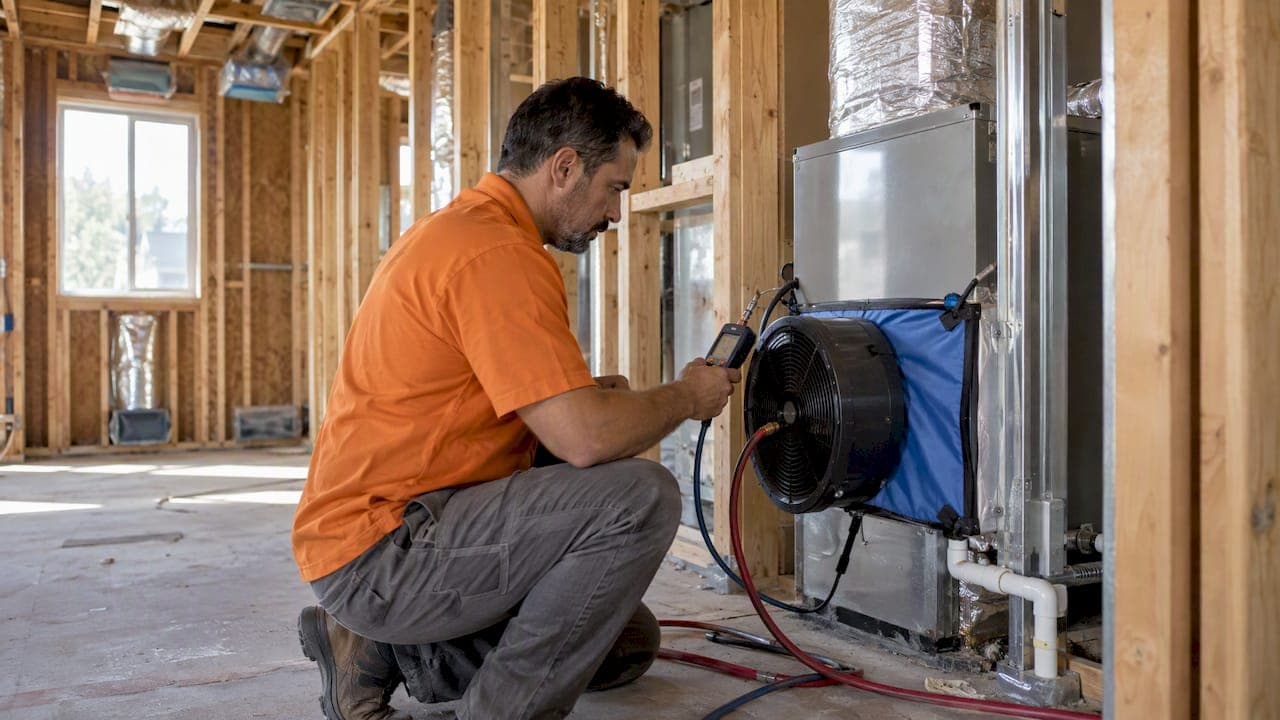
- What the HERS duct leakage test is and who can perform it
- When to schedule testing: rough inspection versus final inspection
- Duct leakage limits and how the test is performed
- Practical pre-test checklist for California homeowners, builders and contractors
- Common failure causes and contractor fixes before the rater arrives
- Local expertise: how we support your HERS duct-test readiness
- Overview of relevant building codes and standards governing HERS duct testing in California
- How duct testing results impact HVAC system performance and energy efficiency
- Costs associated with HERS duct testing and potential rebates or incentives
- Common misconceptions about HERS duct testing
- Why preparation beats retesting
- Book us for pre-test duct sealing or a service call
- FAQ
- Recommended

Most California projects that add, replace or modify ducts need duct leakage verification by an independent HERS Rater, so book the rater early and have your ducts sealed and accessible before test day. This verification supports your Title 24 compliance and permit sign-off. Scheduling at the rough stage, while walls are still open, prevents the costliest rework. We can seal and prepare your system beforehand.
TL;DR:
- A certified HERS Rater is the standard verifier for most residential projects; your installer cannot verify its own work, and alternatives require building department confirmation.
- Book a rough inspection before walls close, then schedule the final measurement after sealing and HVAC startup while your contractor remains on site.
- Leakage is reported in CFM or as a share of system airflow, and the allowable limit depends on your compliance path and current code cycle.
- Before testing, reconnect loose flex ducts, seal joints and plenums with mastic, and clear attic or crawlspace access; badly damaged ducts may need replacement.
What the HERS duct leakage test is and who can perform it
A HERS duct test is a third-party check that your duct system meets the efficiency requirements in California’s Title 24 energy code. The goal is to assess whether the ducts deliver air to the rooms or leak it into an attic or crawlspace.
Here is who does what:
- The HERS Rater is an independent, certified verifier. The rater is not hired by the installer to rubber-stamp the work, which is why the report carries weight with your building department.
- The test report is the official proof of compliance, and it supports permit sign-off.
- Alternative procedures exist in limited cases. Ask your building department which qualified verifier is accepted for your project.
- Your installing contractor prepares and seals the system. That contractor cannot verify its own work for compliance purposes.
When to schedule testing: rough inspection versus final inspection
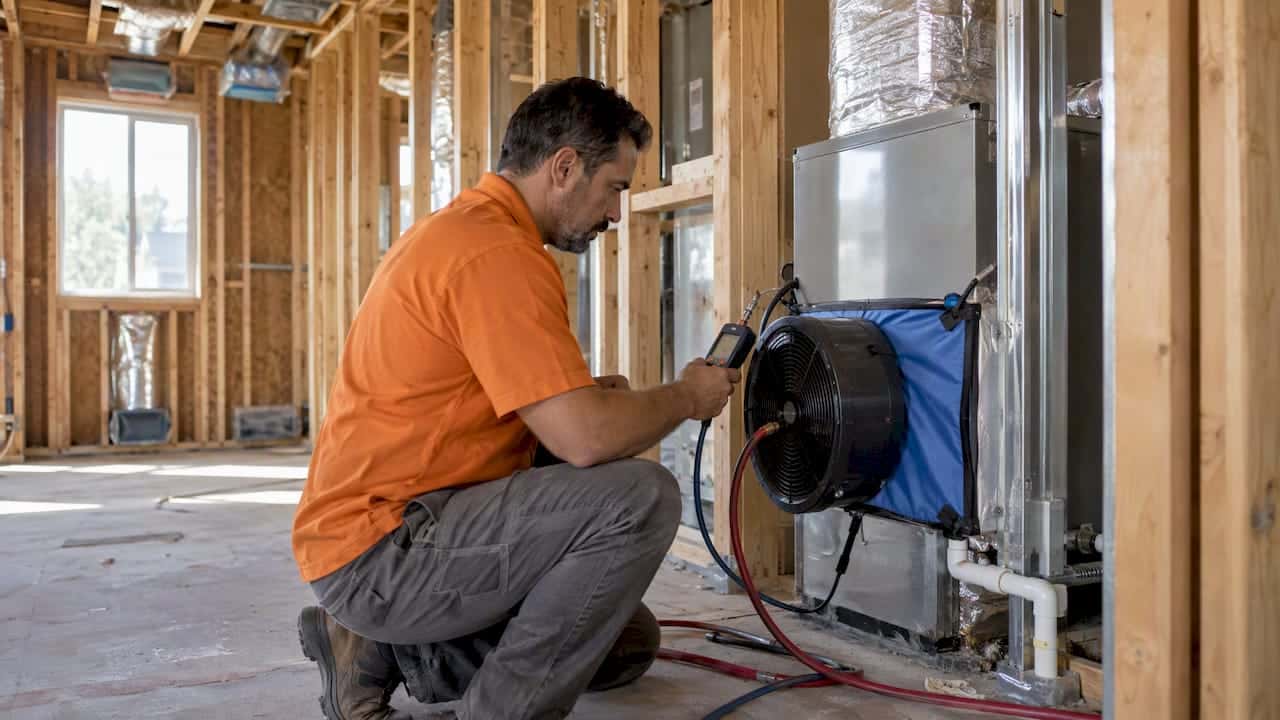
Timing is where most avoidable rework starts. At the rough stage, the rater can confirm duct routing, insulation and access while everything is still visible. At the final stage, the rater connects testing equipment to measure leakage.
Follow this order to keep things moving:
- Confirm your permit number and required deliverables with your contractor before anyone is scheduled.
- Book the HERS Rater early, ideally for a rough-stage check before drywall or ceilings close up the problem areas.
- Finish sealing and duct repairs so the system is ready for measurement.
- Complete HVAC startup so the rater can pressurize the duct system with the equipment installed.
- Schedule the final test while your contractor is still on site. If a leak turns up, it can be fixed on the spot instead of costing you a second trip.
Adding or extending ductwork, or replacing equipment, may trigger sealing or verification requirements. Ask your contractor or building department which requirements apply. Ask your contractor early which situation you are in.
Duct leakage limits and how the test is performed
The test uses a calibrated fan, often called a duct blaster, attached to the duct system. The rater seals off the registers, pressurizes the ducts to a set reference pressure, and measures how much air the fan has to supply to hold that pressure. That airflow, measured in cubic feet per minute (CFM), is your leakage.
- Results are expressed in CFM or as a share of system airflow, depending on the compliance path your project follows.
- Lower is better. A tight system loses very little conditioned air on its way to your rooms.
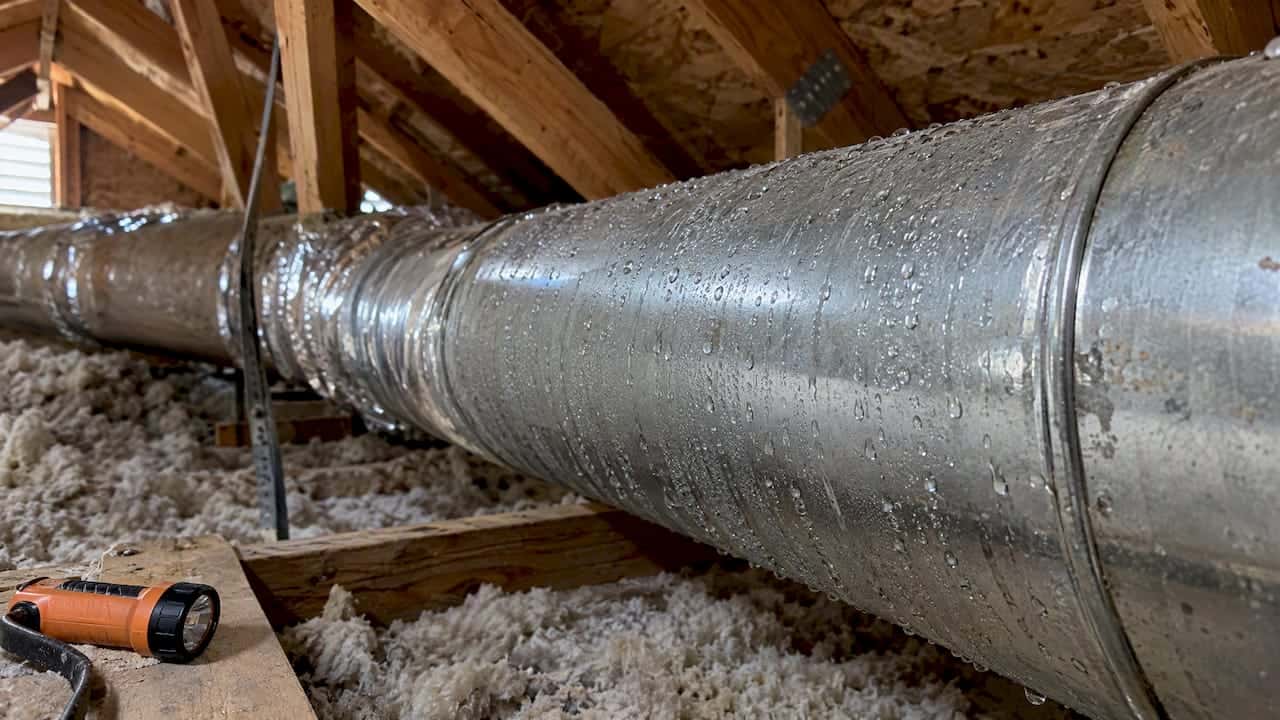
- Ducts in attics and crawlspaces are the hardest to pass. They run through hot, unconditioned space with many joints, seams and penetrations, so professional sealing with mastic or gasketing is usually needed.
- The rater issues a test report that feeds into your Title 24 compliance documentation and permit sign-off.
The California Energy Commission publishes the standards behind these verifications in its Title 24 building energy efficiency program, which is the place to confirm the exact limit for your compliance path.
Practical pre-test checklist for California homeowners, builders and contractors
Preparation can help avoid repeat visits. Work through this list before the rater arrives:
- Access and safety: Clear a path to the attic or crawlspace, and have a ladder and lighting available so the rater can reach the ducts and equipment.
- System readiness: The HVAC system should be installed and operational, with electrical and condensate hookups finished.
- Duct prep: Seal visible seams with mastic or approved products, reconnect any flex ducts that have slipped, and install any access ports needed for the test.
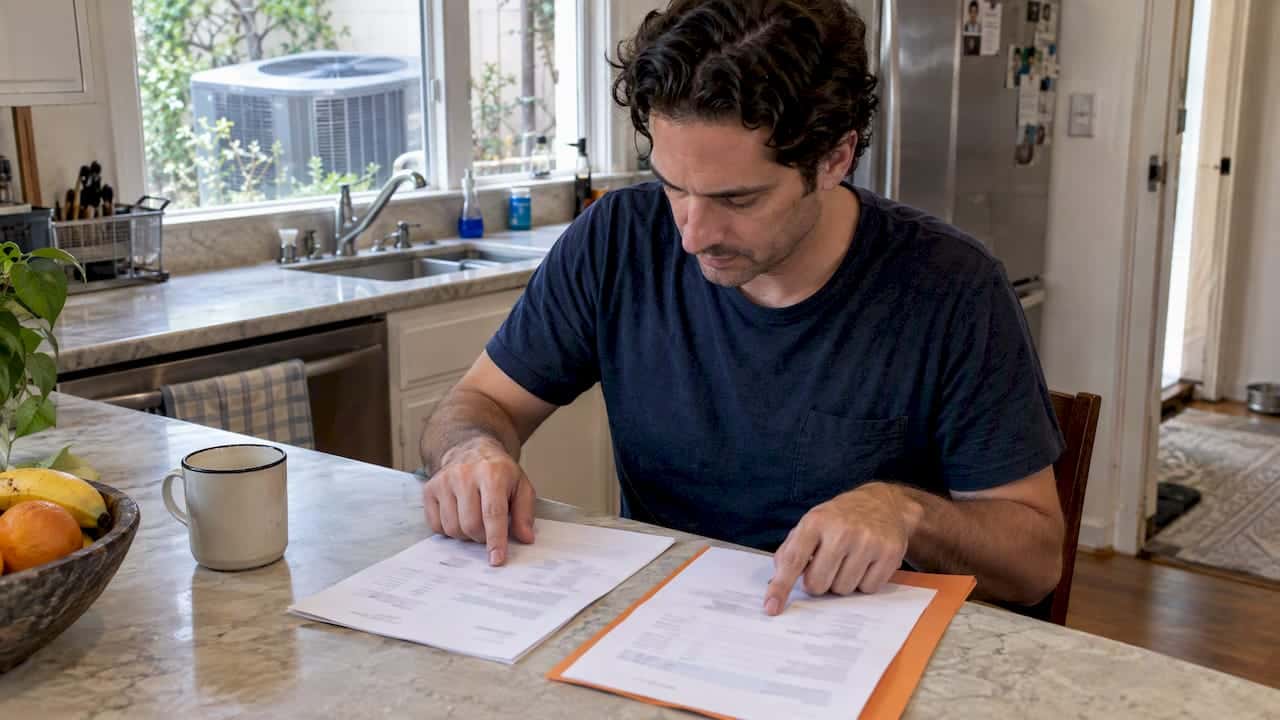
- Documentation: Keep the permit number and plans on hand, and know which deliverables your building department expects.
- Coordination: Schedule the rater during a contractor visit so quick repairs are possible.
- Timing: Aim for a rough-stage check when you can, then a final check after sealing and HVAC startup.
Pro Tip: Have your contractor run their own quick pressure check before the rater shows up. A failed pre-check can mean extra work. A failed official test may require another visit.
If you suspect leaks before you even book, our post on spotting leaky duct symptoms shows what to look for.
Common failure causes and contractor fixes before the rater arrives
Most failed tests trace back to a short list of problems. The good news is that each one has a straightforward fix.
- Loose or missing joints: Seal them with mastic, which stays flexible and holds up better than ordinary tape.
- Poorly attached registers and boots: Add gaskets at boot-to-floor or boot-to-ceiling connections so air cannot escape around the edges.
- Crushed or disconnected flex duct: Reconnect, support or replace damaged runs.
- Unsealed plenums: Seal the connections at the equipment, where leakage often hides in plain sight.
- Improper register dampers and transitions: Correct them so airflow and sealing both work as intended.
Some systems are beyond patching. When ducts are badly damaged, undersized or collapsed, replacement is the more reliable path, and our duct installation team can scope it. Older ducts may also contain asbestos, which requires special handling and should never be disturbed casually.
Local expertise: how we support your HERS duct-test readiness
We serve Los Angeles and help customers prepare for duct testing, drawing on insights about new interior doors improving energy efficiency in older homes that complement duct sealing efforts. Ask us about service availability and pricing before booking.
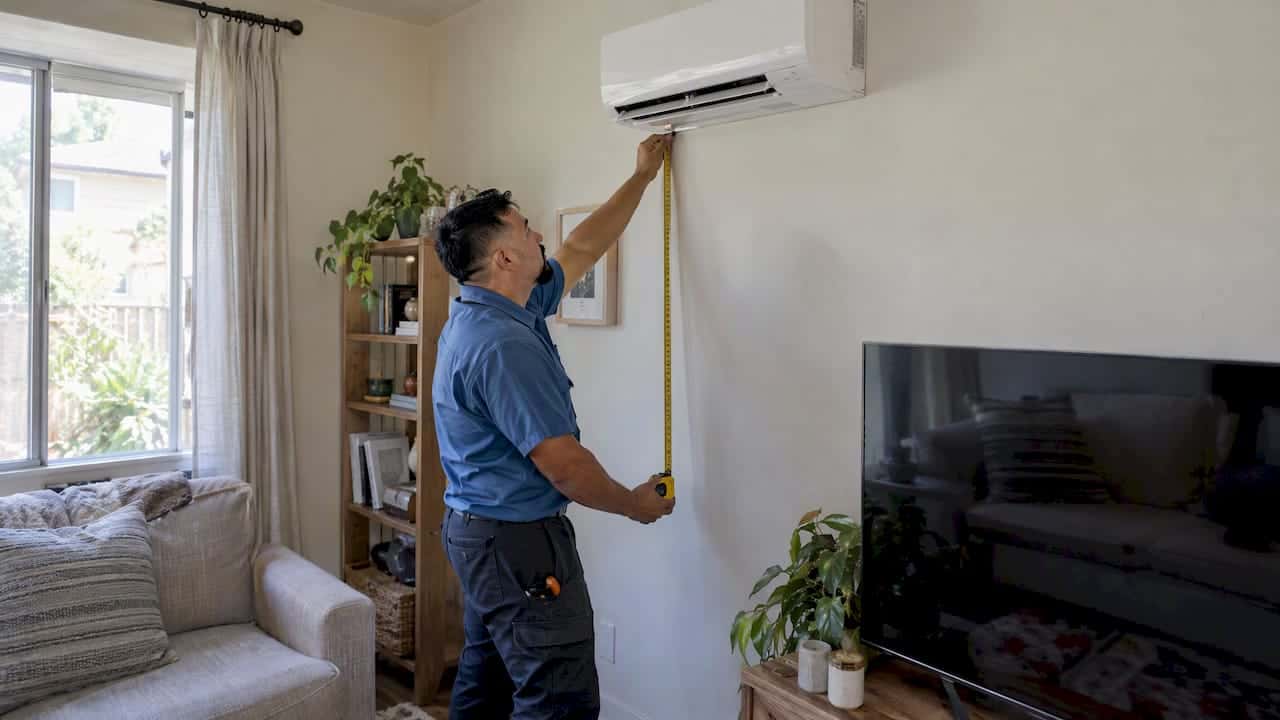
For duct-test preparation, we handle duct sealing, duct installation, HVAC startup, heat pump and mini-split installation, and diagnostics. Having a local team seal the system and coordinate with your rater may help reduce re-tests and delays. Leo, our owner, leads a team with deep experience in heat pumps, mini split systems and commercial VRF systems, from historic homes to modern multi-zone installations.
Overview of relevant building codes and standards governing HERS duct testing in California
The foundation is Title 24, Part 6, the California Energy Code, which the California Energy Commission adopts and updates on a regular cycle. It sets the efficiency requirements for new construction, additions, alterations and, in many cases, equipment replacement. Duct sealing and leakage verification are among the measures it uses to make sure efficiency investments perform as designed.
Three pieces work together:
- The energy code itself defines when duct sealing and verification are required and which compliance path applies.
- Reference procedures (the compliance manuals and appendices) spell out how the test must be run and documented.
- The HERS program provides the independent raters who verify the work and register the results.
Your local building department enforces all of this at permit sign-off. Because code cycles change, requirements for a project permitted this year may differ from an older job, so always confirm the current edition with your contractor or building department before you plan your timeline. The Commission’s HERS program pages are the primary reference.
How duct testing results impact HVAC system performance and energy efficiency
A leaky duct system quietly wastes the equipment you paid for. Air that escapes into an attic never reaches your rooms, so the system runs longer to hit the temperature you set. The result is higher bills, uneven comfort and extra wear on the compressor and blower.
Tight ducts work the other way:
- Rooms heat and cool more evenly, because the airflow you designed is the airflow you get.
- Equipment runs more efficiently, especially high-efficiency heat pumps and multi-zone systems that depend on correct airflow.
- Indoor air quality improves, because leaks in attics and crawlspaces can pull dust and insulation fibers into the supply and return air.
- Comfort holds up in extreme weather, which matters in Los Angeles heat waves.
This is the reason HERS verification exists. It confirms that sealed ducts and efficient equipment deliver the performance they promise, rather than trusting that the work was done well.
Costs associated with HERS duct testing and potential rebates or incentives
HERS Rater fees vary by rater, project size and whether you need rough and final visits, so we do not publish a single price for testing. Ask your rater for a written quote and what it includes, and ask whether a retest after a failure is billed separately.
On our side, a service call starts at $125, and duct work is quoted up front. Full duct replacement is a larger project, and our published range for ductwork replacement is $3,000 to $8,000.

Rebates change often and depend on your utility, your location and the equipment you install. Heat pump incentives in California are among the more active programs, and compliant, well-sealed duct systems help you capture the efficiency those incentives are designed to reward. Check your utility’s current program pages before you buy, and ask us which incentives apply to your project when we quote it.
Common misconceptions about HERS duct testing
A few myths cause real delays, so let’s clear them up.
- “The installer can sign off on their own work.” No. The point of HERS verification is independence, which is why a third-party rater is involved.
- “Only new construction needs it.” Not true. Adding or extending ducts, and sometimes replacing equipment, can trigger sealing and verification for the whole duct system.
- “Passing means my ducts are perfect.” A pass means leakage met the required threshold at test time. It does not certify airflow balance, insulation quality or the condition of every duct.
- “The test checks my equipment efficiency.” It does not. It measures duct leakage, not the performance of your furnace, air conditioner or heat pump.
- “A failed test means starting over.” Usually it means sealing the leaks that were found and retesting.
Why preparation beats retesting
Here is where we land after years of working with ducts across Los Angeles: the test itself is rarely the problem. The problem is treating it as an afterthought. Contractors who book the rater at the last minute, hand over a system that has never been pressure-checked, and hope for the best are the ones who burn days on retests.

The conventional advice is to “pass the test.” We think the better goal is to make the test boring. Seal the ducts as part of the installation, not as an emergency repair. Ask your contractor about checking the system before the rater arrives. Schedule the rater early, and make sure attic and crawlspace ducts are included.
If you only do one thing first, do this: confirm whether your project triggers verification, and book the rater before the walls close. Everything else on the checklist gets easier once that date is on the calendar.
— Leo
Book us for pre-test duct sealing or a service call

When you want the ducts handled before your rater arrives, we make it simple. We inspect, give you an estimate, and seal during the visit when possible. Ask us to line up with your rater’s schedule so fixes happen the same day.
- Duct sealing before your test
- HVAC tune-ups and startup ahead of the final test
- Heat pump installation for new systems
Book a service call and tell us your rater’s date.
FAQ
How do you test ductwork?
A rater attaches a calibrated fan to the duct system, seals the registers and pressurizes the ducts to a reference pressure. The airflow needed to hold that pressure, measured in CFM, is the leakage. The rater then records the result in a test report.
Who can perform HERS duct verification in California?
A certified HERS Rater is the standard verifier for most single-family residential projects. The California Energy Commission allows certified ATTs to perform verification only in limited contexts, so confirm which applies to your permit.
When should I schedule the HERS Rater?
Book early, ideally for a rough-stage check while walls are open, then a final test after sealing and HVAC startup. Scheduling the final test while your contractor is on site lets any leak be fixed immediately.
What happens if my ducts fail the test?
The rater reports the failing result, and your contractor seals the leaks found, usually with mastic or gaskets, then you retest. If ducts are badly damaged, duct installation may be the more reliable fix.
Does replacing my HVAC equipment trigger duct testing?
It can. Equipment replacement often triggers duct sealing and verification unless an exemption applies, so ask your contractor before the permit is pulled.
Recommended
Leo, Propietario y Técnico Principal en LC Heating & Air
Leo dirige LC Heating & Air como propietario-operador y tiene la licencia C-20 HVAC #1073586 de California. Sus guías se enfocan en diagnósticos prácticos, decisiones de reparación seguras y consejos claros para propietarios de Los Ángeles.