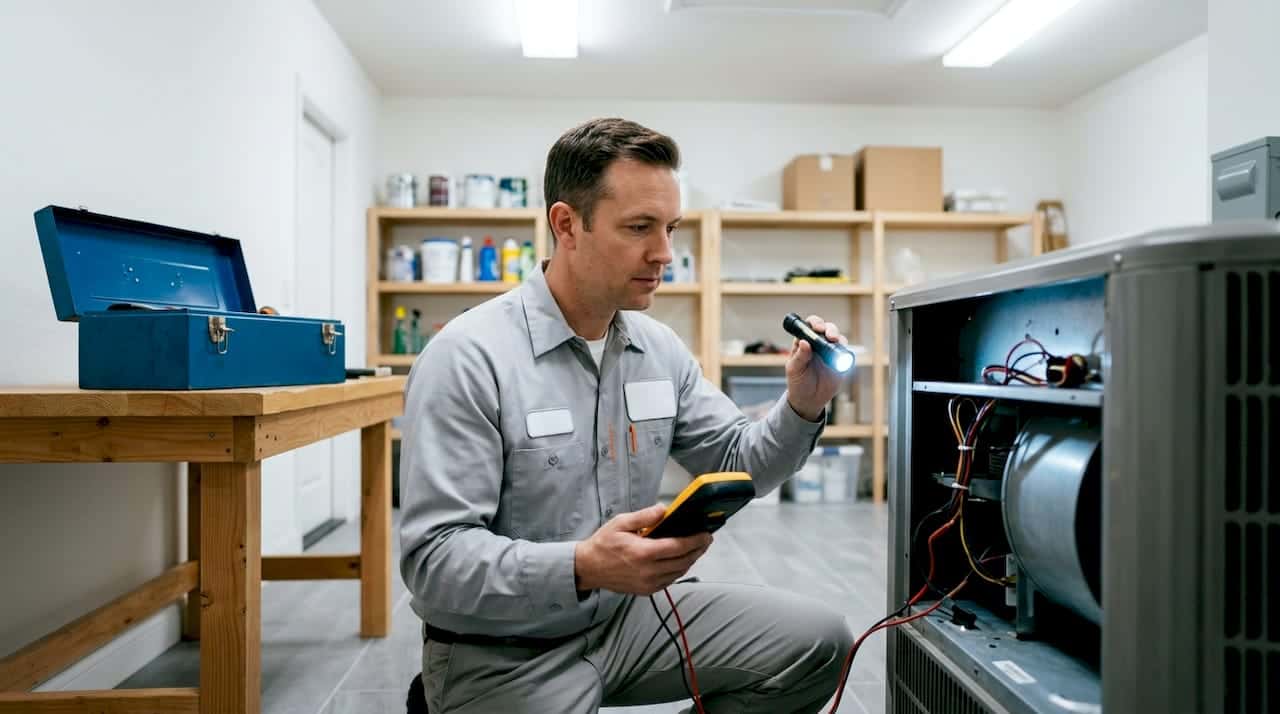
Heat pumps work well in Wilshire Country Club's mild winter climate—providing efficient heating and cooling from one system. We handle everything from diagnostic checks to full installation, including rebate paperwork for TECH Clean California and federal tax credits. If a repair makes sense, we'll tell you. If replacement is the smarter long-term move, we'll explain why.
Heat Pump Repair & Service in Wilshire Country Club
LC Heating & Air provides heat pump repair in Wilshire Country Club — including heat pump services, heat pump not heating, heat pump replacement, energy efficient heat pump. Whether you need same-day service, a written estimate, or help deciding between repair and replacement, our licensed technicians handle every make and model.
We repair and service all major HVAC brands in Wilshire Country Club, including Carrier, Trane, Lennox, Daikin, Mitsubishi, and Goodman, and older or discontinued units. No matter the manufacturer, we diagnose the problem accurately and give you an upfront price before any work begins.
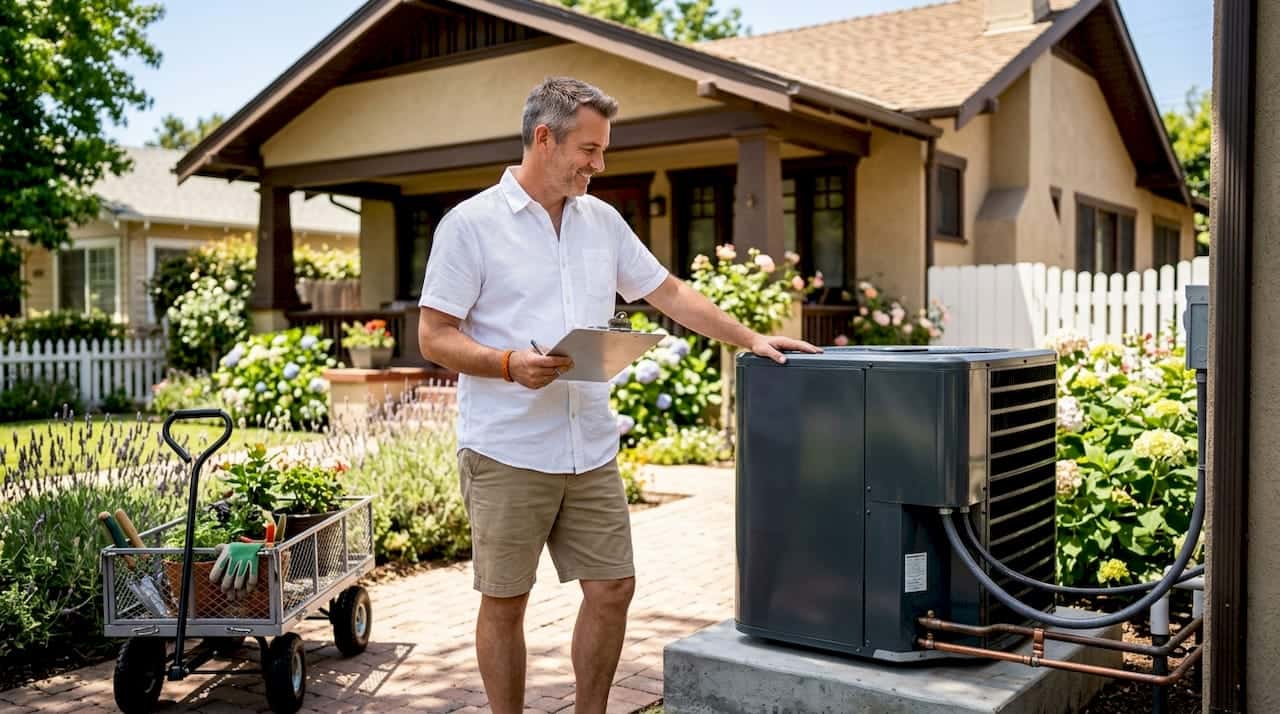
Heat pumps are a practical choice for many Los Angeles homes, and Wilshire Country Club is no exception. With mild winters that rarely test a heat pump's limits, you can heat and cool your home with one system instead of maintaining separate furnace and air conditioner equipment. Add in California rebates and federal tax credits, and the upfront cost often ends up lower than you might expect.
I'm Leo, owner of LC Heating & Air. I've been doing this work for over 20 years, and I believe in giving homeowners straight answers—whether that means a simple fix or a full system change. If you're considering a heat pump for your Wilshire Country Club home, we'll walk through what you have, what you need, and what makes financial sense.
Consideraciones HVAC locales
Inland heat in summer, mild winters — heat pumps handle both seasons efficiently.
Historic mansions and early 20th-century homes with plaster walls and original ductwork.
Gated community; we coordinate vendor access for all service calls.
TECH Clean California, SCE, and federal IRA credits available for qualifying heat pump installations.
What We See Most Often in Wilshire Country Club
Heat pump performance here depends on correct sizing for both cooling and heating. Wilshire Country Club's inland heat puts a heavy cooling demand on equipment during summer, while winter is mild enough that heating capacity is rarely the limiting factor. If a system is sized too large for cooling, it short-cycles and leaves the house clammy. If it's sized too small, it runs nonstop and drives up your electric bill. We run full Manual J load calculations to match the equipment to your actual home, not a guess.
The other pattern we catch is improper thermostat setup. Many older heat pumps were installed with standard furnace thermostats that don't manage the defrost cycle properly. That leads to the system running in auxiliary heat mode more often than needed, which eats into efficiency. During a diagnostic visit, we check the thermostat settings, defrost board behavior, and whether the reversing valve is switching correctly. If the system is newer, we'll also verify that the communicating controls are set up for your specific equipment.
Older Homes, Modern Equipment: Retrofitting in a Historic Neighborhood
Wilshire Country Club sits in the Hancock Park area, where homes were built in the 1920s and 1930s. That means thick plaster walls, limited attic space, and original ductwork that was never designed for modern airflow rates. Retrofitting a heat pump into one of these homes takes planning. We have to consider where the indoor unit goes, how to run refrigerant lines without damaging finishes, and whether the existing ductwork can handle the required static pressure. In many cases, we recommend minor duct modifications or a ductless mini-split system to avoid cutting into plaster walls.
Electrical capacity is another factor. Heat pumps require a dedicated 240-volt circuit, and older panels may not have room. We include an electrical assessment in every estimate—if you need a panel upgrade or sub-panel, we quote it up front so there are no surprises. The goal is a system that fits the house, not one that forces the house to fit the system.
How We Diagnose a Heat Pump Problem
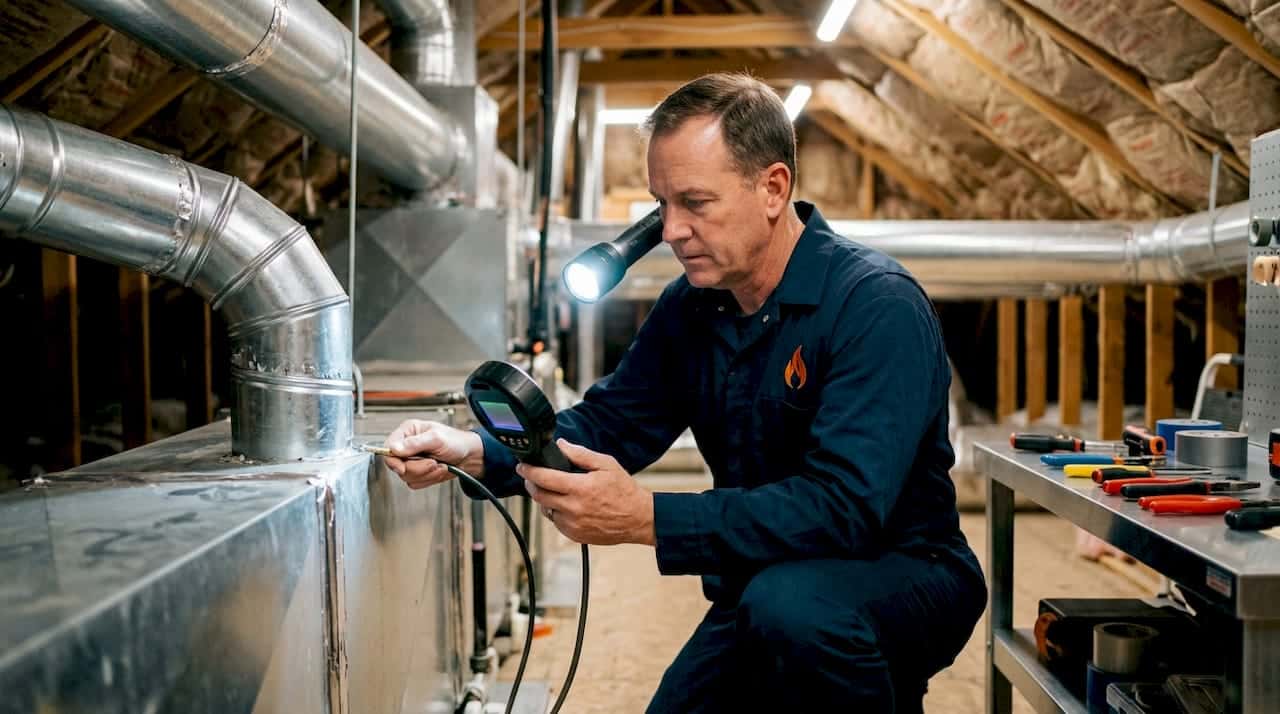
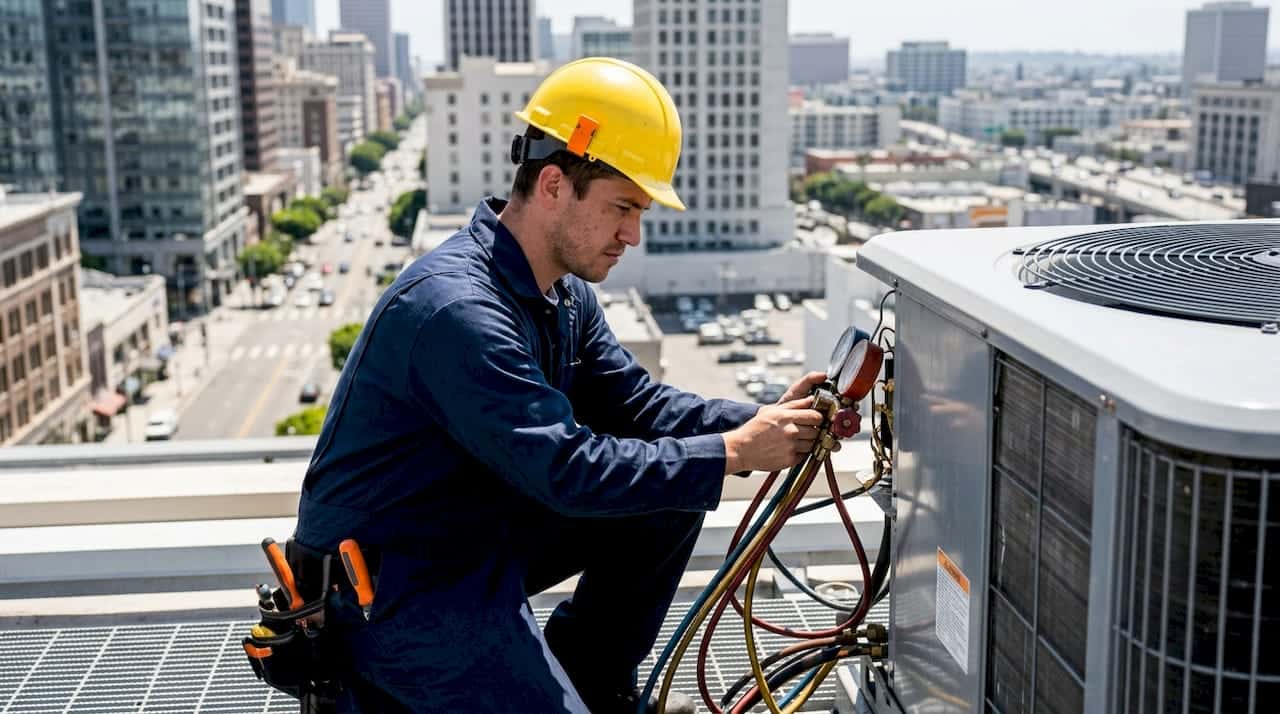
When you call for a heat pump issue, we start with the basics: thermostat communication, power to the outdoor unit, and whether the reversing valve is switching. From there, we check the refrigerant pressures and temperatures to see if the system is properly charged. Low refrigerant usually means a leak, which we locate with an electronic detector before deciding on repair. If the system is 12 years or older and has a leak in the evaporator coil, the repair cost often exceeds the value of the system—that's when we talk about replacement.
On the heating side, we verify the defrost cycle is terminating. A stuck defrost board forces the system into emergency heat mode, which is far less efficient. We also check the backup heat source—electric strip heat or gas furnace if it's a dual-fuel setup—because if that's running unnecessarily, it masks the real problem. Every diagnostic ends with a written report so you know exactly what's wrong and what your options are.
Repair or Replace: A Straightforward Look
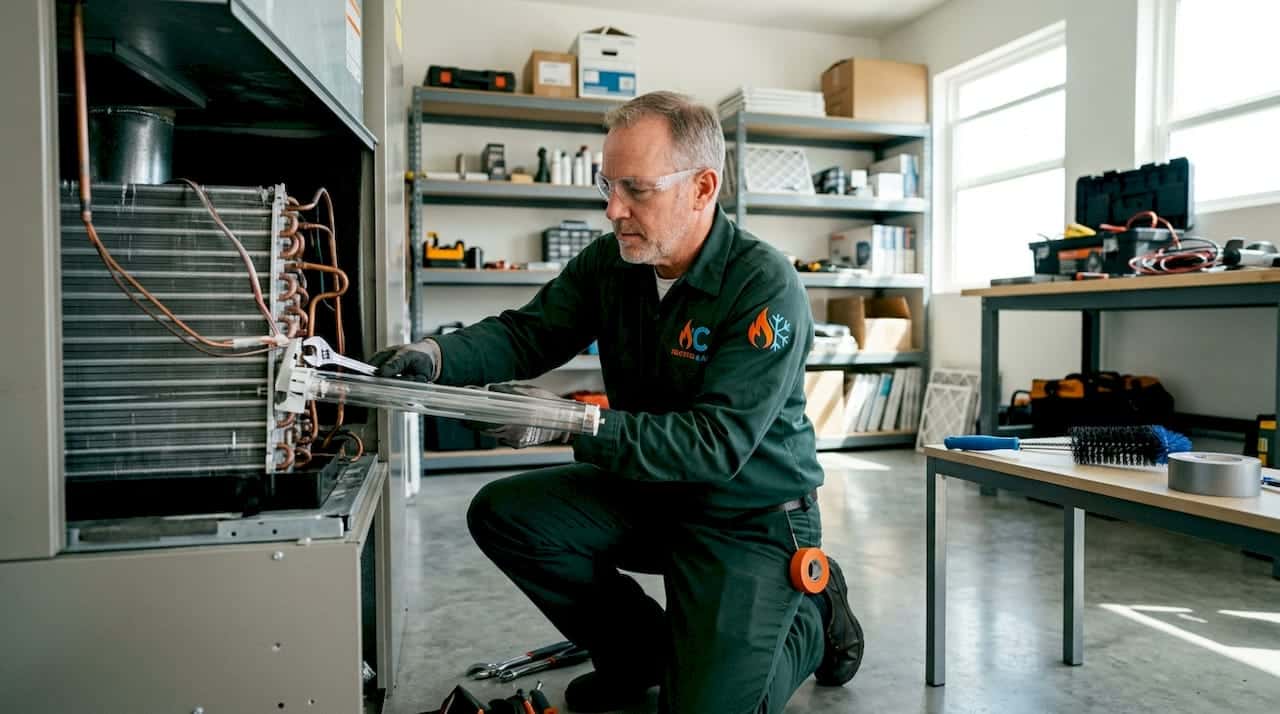
Most heat pump repairs fall into a few categories: refrigerant leaks, failed capacitors or contactors, defrost boards, and compressor issues. A leaking Schrader valve or a bad capacitor is a quick fix. A leak in the coil on a system older than 10 years? That's usually the end of the road for that unit, especially if R-22 refrigerant is involved. We don't push replacement unless the numbers clearly favor it.
Here is the rule I use: if the repair costs less than half the price of a new system and the equipment is under 12 years old, repair makes sense. If the system is older, if it's already had multiple repairs, or if the repair involves replacing a major component like the compressor, replacement is almost always the better value. We write it out so you can see the math.
What You'll Pay — and What You'll Get Back
A ducted heat pump system for a typical Wilshire Country Club home runs between $7,000 and $16,000 before rebates, depending on the brand and efficiency level. Single-zone ductless mini splits range from $3,500 to $6,500. Dual-fuel hybrid systems (heat pump plus gas furnace backup) fall between $9,000 and $15,000. These are the ranges we see most often, and they're before any incentive is applied.
California's TECH Clean California program knocks $1,500 to $3,000 off the price for qualifying ducted heat pump installations. Add the federal 25C tax credit—30% up to $2,000—and the net cost drops further. We verify your eligibility during the estimate and handle all the paperwork. SCE customers may also qualify for additional rebates through their utility. If you qualify for low-to-moderate income programs, the incentives can cover even more. We'll lay out the full picture before you decide.
Scheduling and Access at Wilshire Country Club
Wilshire Country Club is a gated property with controlled entry. When we schedule an appointment, we coordinate with the club's vendor management office to arrange access for our trucks and equipment. This is standard for us—we serve several country-club properties in Los Angeles, so we know the protocols. We ask that you let the front gate know we're coming, and we'll provide vehicle and personnel details ahead of time.
Same-day service is available for qualifying emergency calls. If your heat pump stops heating or cooling altogether, call (323) 970-3113. We answer emergency calls within 30 minutes and dispatch as quickly as practical. For routine estimates and installations, we typically schedule within a few days. Attic and crawlspace access should be clear and safe for our technicians to work.
Mistakes We See Homeowners Make — and How to Avoid Them
The most common mistake is letting a contractor size a heat pump based on square footage alone. In a historic Wilshire Country Club home with original windows and limited attic insulation, a rule-of-thumb guess will not cut it. Over-sized units short-cycle and wear out faster; under-sized units run nonstop and never get the house comfortable. A proper Manual J load calculation accounts for your home's specific construction, orientation, and insulation levels.
Another mistake is assuming all heat pumps are equal. A $3,500 mini split from a big-box store is different from a fully engineered Mitsubishi or Daikin system installed by a licensed contractor. Efficiency ratings, compressor technology, and warranty coverage vary widely. We help you compare SEER2 and HSPF2 ratings so you know what you're buying. Paying a little more upfront often pays back in lower utility bills over the system's 15-year life.
Health and Safety: What a Heat Pump Changes in Your Home
The biggest safety benefit of switching from gas to an electric heat pump is removing combustion from inside your living space. Gas furnaces produce carbon monoxide, nitrogen dioxide, and other byproducts that require proper venting. Even a well-maintained gas furnace can leak if the heat exchanger cracks. A heat pump has no combustion, so those risks don't exist. For families with young children, elderly members, or anyone with respiratory conditions, this is a meaningful upgrade.
Indoor air quality also improves because heat pumps filter and dehumidify the air year-round. The constant airflow through the filter catches dust, pollen, and pet dander, and the dehumidification cycle in cooling mode keeps mold and mildew from building up in ducts. We recommend a MERV 8 or higher filter and changing it every 90 days. If you have asthma or allergies, that alone makes a noticeable difference.
Common Heat Pump Issues & Diagnostic Guide in Wilshire Country Club
Understanding these common system symptoms helps identify whether a simple fix or a professional repair is needed.
Not heating/cooling properly
Typical Cause: Reversing valve failure, refrigerant leak, or failed outdoor fan motor
Quick Action: Verify system mode on thermostat and check outdoor unit circuit breaker
Outdoor unit iced up in summer
Typical Cause: Severe restriction of airflow or low refrigerant pressure in coil
Quick Action: Shut off system immediately and allow coil to defrost
Compressor not starting
Typical Cause: Failed start capacitor, blown contactor, or electrical disconnect issue
Quick Action: Check indoor breaker panel; do not try to force start the unit
High electricity bill
Typical Cause: Unit running continuously due to dirty coils or thinned refrigerant charge
Quick Action: Perform annual maintenance tune-up and check for duct leaks
How to Decide If a Heat Pump Is Right for Your Home
First, consider your current setup. If you have a furnace and air conditioner that are both approaching 15 years old, replacing them with a single heat pump simplifies maintenance and frees up space. If one of them is still young, you might wait or consider a dual-fuel setup that keeps the gas furnace as backup.
Second, look at your energy bills and your goals. If you want to reduce your carbon footprint, take advantage of rebates, or move toward an all-electric home, a heat pump is a natural step. If you're primarily concerned with lowest upfront cost, a straight gas furnace replacement may still be cheaper initially—though the long-term operating savings of a heat pump often beat gas. We'll run the numbers for your actual utility rates and show you a 10-year cost projection.
Cómo funciona la visita
Eligibility review — we check your current equipment and confirm which rebates apply.
System selection — ducted, ductless, or dual-fuel based on your home and goals.
Installation — permitted work by licensed technicians, electrical upgrades handled in-house.
Rebate submission — we complete and submit all paperwork for state and federal incentives.
Factores de costo que revisamos antes de cotizar
- • Ducted heat pump system (standard): $7,000–$10,000 (Goodman, Rheem, before rebates)
- • Ducted heat pump system (premium): $10,000–$16,000 (Carrier, Lennox, Trane, before rebates)
- • Ductless heat pump mini split: $3,500–$6,500 per zone (Daikin, Mitsubishi)
- • Dual-fuel hybrid system: $9,000–$15,000 (heat pump + gas furnace backup)
- • TECH Clean California rebate: -$1,500 to -$3,000 (applied after installation)
- • Federal 25C tax credit (IRA): up to -$2,000 (30% of qualifying costs)
Próximos pasos útiles
Heat Pump Services in Wilshire Country Club at a glance
- • LC Heating & Air serves Wilshire Country Club with heat pump installation, repair, and maintenance.
- • We are licensed C-20 HVAC contractor CSLB #1073586, serving Los Angeles since 2020.
- • Owner Leo has 20+ years of hands-on HVAC experience.
- • Emergency calls are answered within 30 minutes; same-day service is available for qualifying issues.
- • We provide written estimates for all proposals.
- • Trained technicians assess thermostat setup, defrost cycles, refrigerant charge, and duct airflow during diagnostic visits.
- • Rebate paperwork for TECH Clean California and federal 25C tax credits is included in the installation process.
Our heat pump services process in Wilshire Country Club
Reviewed by Leo, Owner & Lead Technician
This heat pump services guide for Wilshire Country Club is reviewed for practical HVAC accuracy by Leo at LC Heating & Air. LC Heating & Air holds California CSLB C-20 HVAC license #1073586 and provides written estimates before approved work.
What Wilshire Country Club customers say about heat pump services
Verified reviews from homeowners in Wilshire Country Club and nearby neighborhoods who used our heat pump services service.
“AC compressor failed on the hottest day of the year. LC came out quickly, gave an honest assessment — said the compressor was still under manufacturer warranty — and helped me get it covered. Saved me over $1,200.”
“Replaced our 20-year-old Lennox system with a new high-efficiency Carrier. LC handled the permits, coordinated the Edison inspection, and finished a full replacement in one day. Impeccable workmanship.”
“Pilot light kept going out on our older furnace. LC came out, replaced the thermocouple, cleaned the burner assembly, and did a full safety check. Fast, affordable, and they showed me how to relight it safely in the future.”