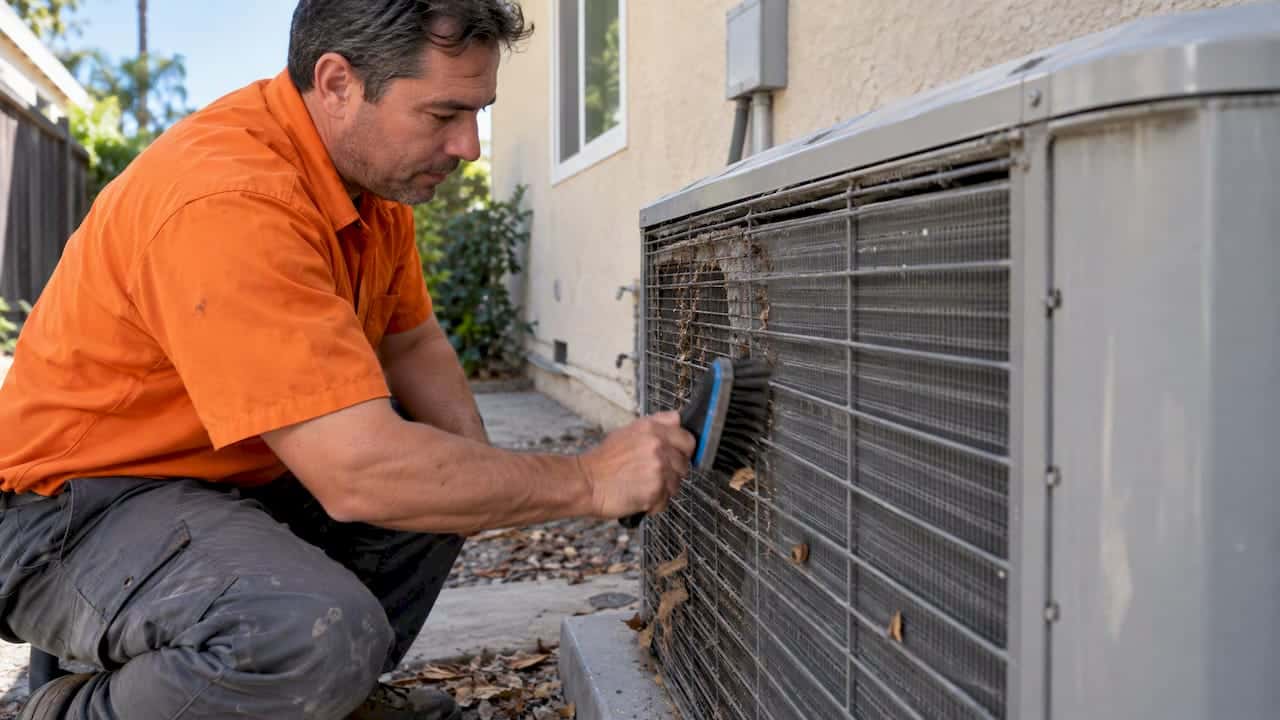
- How do you know if your Valley Ranch AC ductwork needs replacement?
- What does it cost to replace AC ductwork in Valley Ranch?
- Step-by-step process for replacing AC ductwork in your home
- Common mistakes homeowners make when replacing aging ductwork
- Key Takeaways
- What I’ve learned after two decades of Valley Ranch duct work
- LC Heating and Air Conditioning is ready to help Valley Ranch homeowners
- FAQ
- Recommended
TL;DR:
- Replacing aging ductwork in Valley Ranch improves HVAC efficiency and indoor air quality. Diagnostic testing ensures proper sizing and avoids costly full replacements when targeted repairs suffice.
Replacing aging AC ductwork in Valley Ranch is one of the most direct ways to recover lost HVAC efficiency and protect your home’s indoor air quality. Duct replacement, known in the industry as HVAC duct remediation or duct system renewal, means removing deteriorated supply and return air channels and installing new ones sized correctly for your home. Valley Ranch homes built in the 1980s and 1990s are now hitting the 25 to 35 year mark, which puts their original duct systems well past the recommended service life. LC Heating and Air Conditioning has worked with hundreds of local homeowners on exactly this problem, and the results are consistent: new ducts mean lower energy bills, fewer hot and cold spots, and cleaner air.
How do you know if your Valley Ranch AC ductwork needs replacement?
The clearest signal is age. Ducts over 20–25 years old with physical damage, leakage exceeding 25%, or confirmed mold contamination warrant full replacement. That threshold matters because leaky ducts waste 20%–30% of conditioned air, which means your system runs longer and costs more to deliver the same comfort.
Beyond age, watch for these symptoms in your home:
- Uneven temperatures from room to room, even when the thermostat is set consistently
- Excessive dust accumulating on surfaces shortly after cleaning
- Rattling, whistling, or popping sounds coming from the duct system during operation
- Musty or stale odors that appear when the AC runs, which can signal mold growth inside ducts
- Noticeably higher energy bills without a change in usage habits
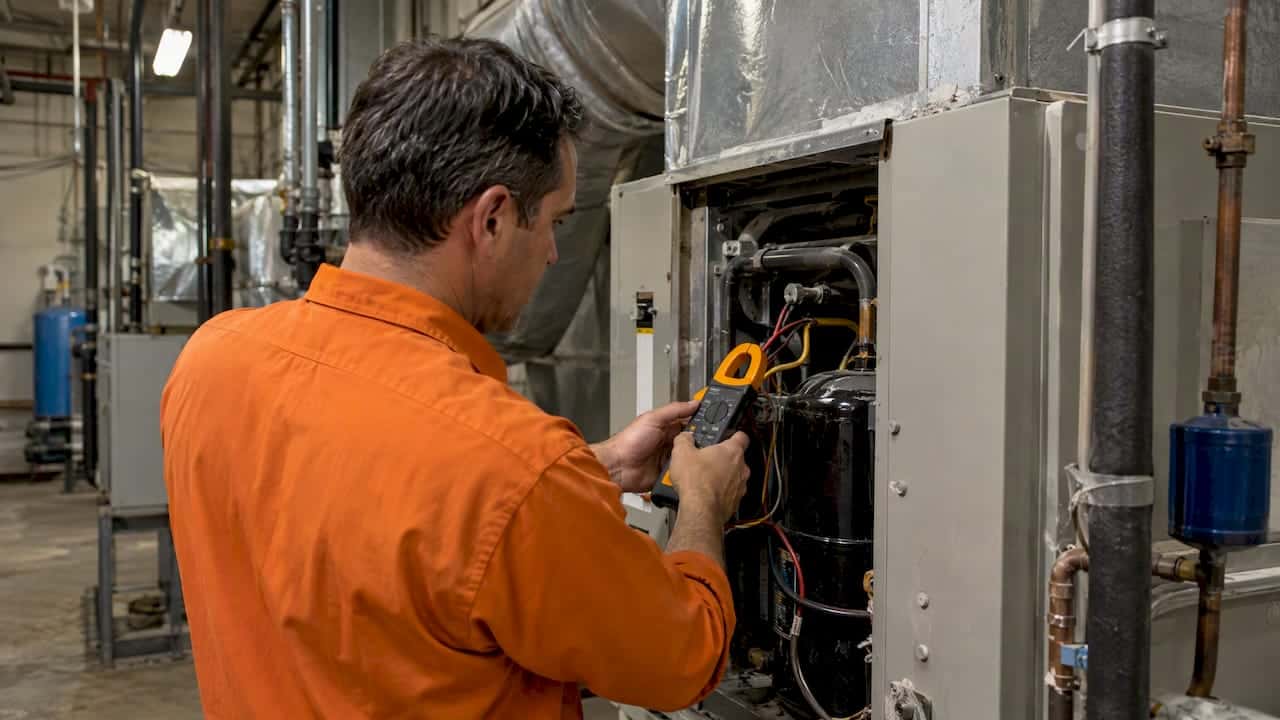
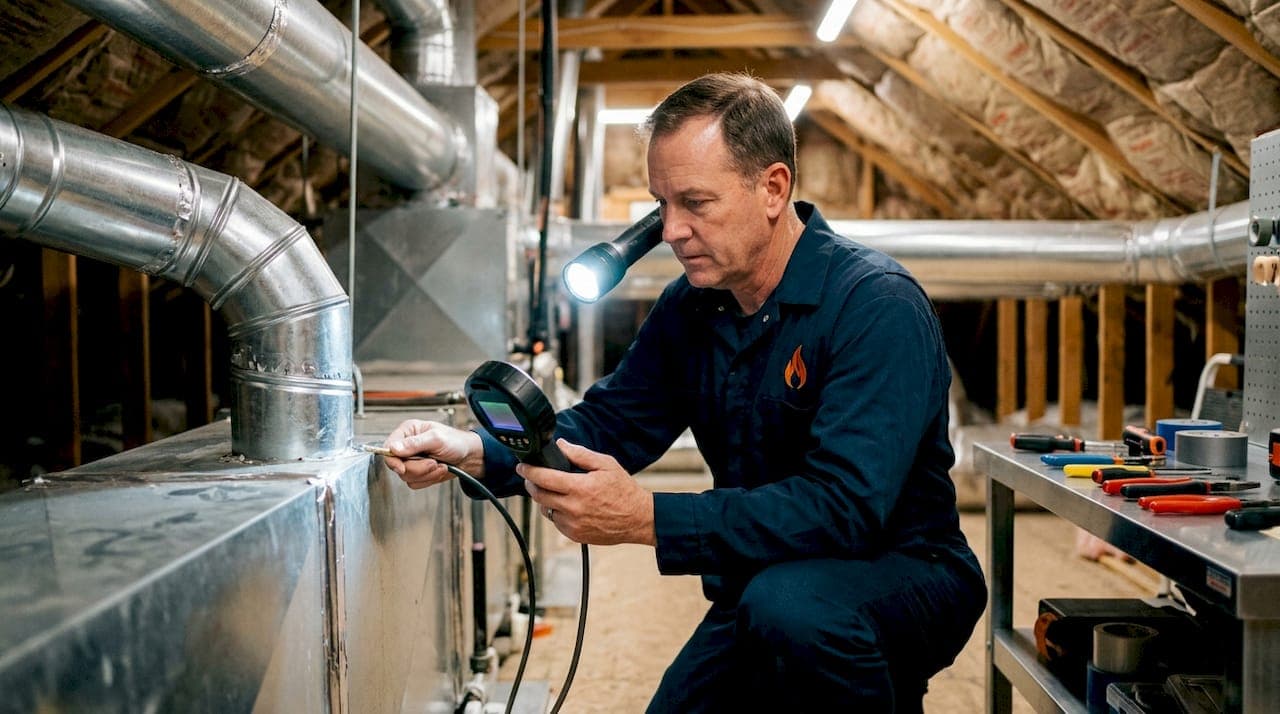
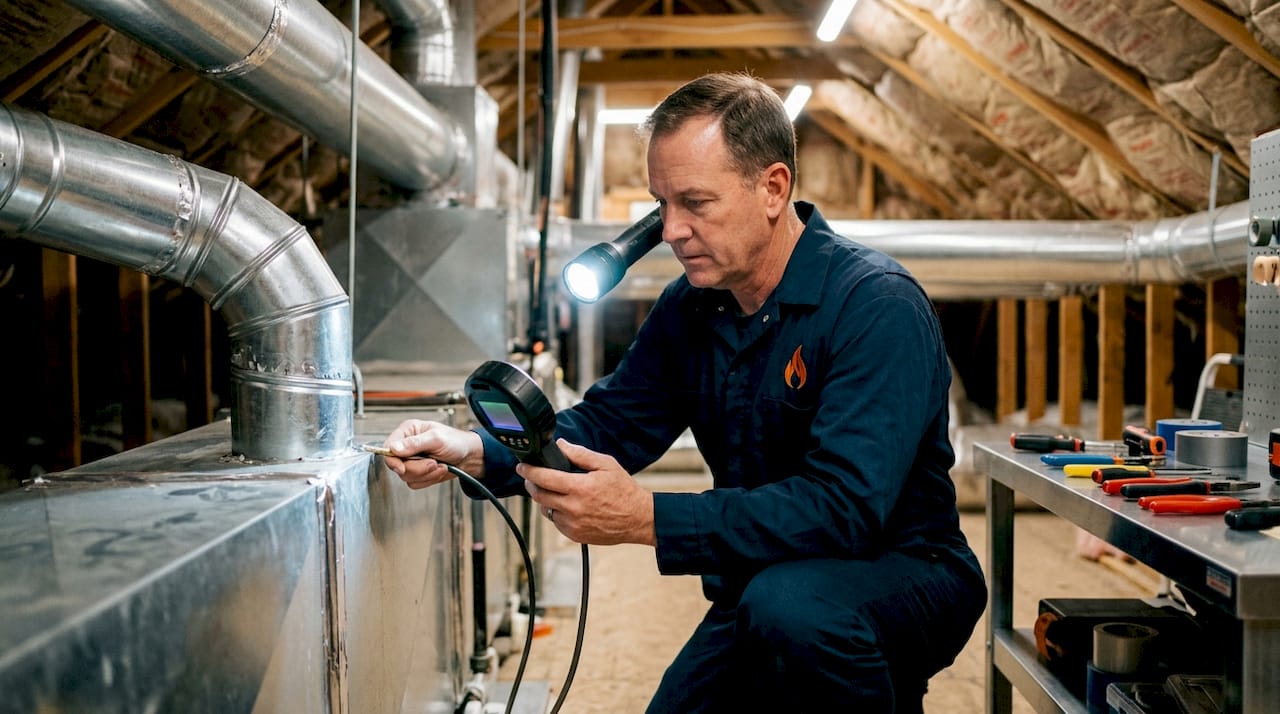
Two diagnostic tools give the clearest picture. A duct blaster test pressurizes the duct system and measures how much air escapes through leaks. Thermal imaging cameras reveal temperature differences along duct runs, showing exactly where insulation has failed or where conditioned air is escaping into unconditioned attic or crawl space areas. Both tests are non-invasive and take a few hours.
Damaged ducts pull in dust, allergens, and mold spores from unconditioned spaces and circulate them through your living areas. If your family notices more allergy symptoms or respiratory irritation at home, the duct system is a logical place to start the investigation.
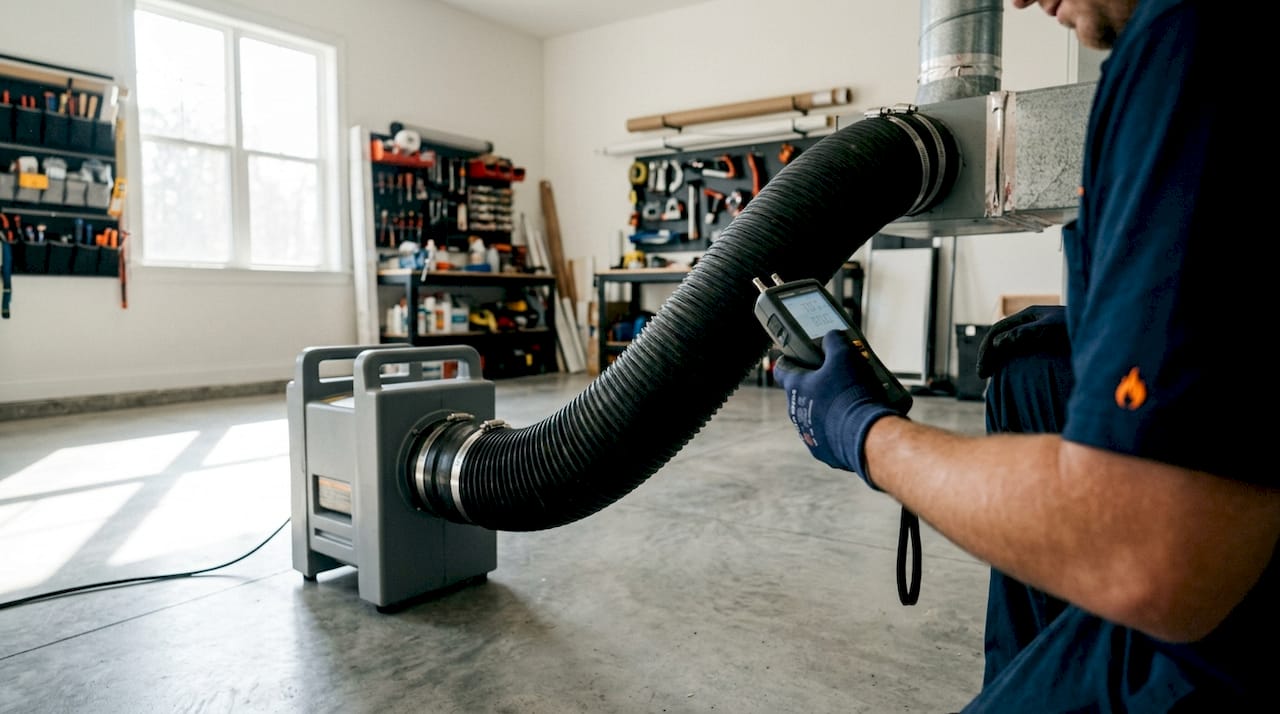
Pro Tip: Request a duct blaster test before agreeing to any replacement quote. A reputable contractor will run diagnostics first. If a company skips testing and jumps straight to a replacement recommendation, that is a red flag.
What does it cost to replace AC ductwork in Valley Ranch?
Full residential ductwork replacement averages $3,500 nationwide, with a typical range of $1,400–$7,000 depending on materials, home size, and accessibility. Linear foot pricing runs $9–$55 per foot installed, and removal and disposal of old ducts adds $500–$1,200 to the total.
The table below breaks down the main material options and their trade-offs:
| Material | Cost per Linear Foot | Best For | Key Drawback |
|---|---|---|---|
| Insulated flexible duct | $9–$18 | Tight spaces, branch runs | Prone to kinking if improperly installed |
| Rigid sheet metal | $20–$40 | Main trunk lines, long runs | Higher labor cost, requires skilled fabrication |
| Spiral galvanized steel | $25–$55 | High-airflow commercial-style systems | Most expensive option for residential use |
Accessibility is the biggest variable in labor cost. Attic duct systems in Valley Ranch homes are generally easier to reach than ducts buried in walls or under concrete slabs. Difficult access adds hours to the job and raises labor charges accordingly.
Permits add $300–$800 depending on local requirements. Always budget for permits. Unpermitted duct work can complicate home sales and void equipment warranties.
One cost that surprises many homeowners is asbestos abatement. Older homes may have asbestos-wrapped ducts that require professional abatement before any demolition begins, adding $2,000–$5,000 to the project. Homes built before 1980 carry the highest risk. Inspect before you commit to a timeline.
If your ducts are structurally sound but leaking, sealing may be the right call instead of full replacement. Duct sealing costs $350–$1,000 for traditional mastic application, while Aeroseal internal sealing runs $1,500–$4,000. These are meaningful savings compared to full replacement when the duct structure itself is still in good condition.
Pro Tip: Get three bids from licensed contractors. Ask each one to itemize materials, labor, permits, and disposal separately. Lump-sum quotes make it impossible to compare value.
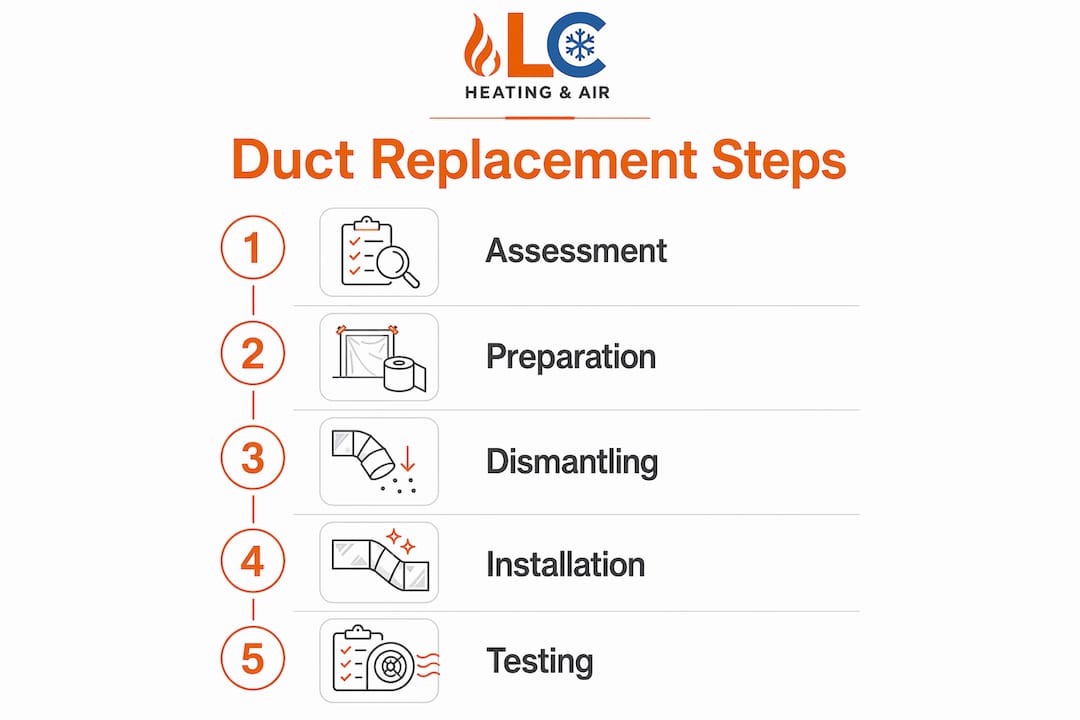
Step-by-step process for replacing AC ductwork in your home
A standard duct replacement project takes 2–5 days from start to finish. The work follows a clear sequence, and understanding each stage helps you hold your contractor accountable.
Pre-replacement preparation
Before any duct comes down, a qualified technician performs a Manual D load calculation. Manual D duct sizing is the industry standard method for determining the correct diameter and length of each duct run based on your home’s square footage, ceiling height, insulation levels, and window placement. Skipping this step is the single most common cause of HVAC problems after a duct replacement. Undersized ducts restrict airflow, raise static pressure, and wear out blower motors years ahead of schedule.
The preparation phase also includes:
- Turning off and locking out the HVAC system
- Photographing existing duct layouts for reference
- Identifying any asbestos, mold, or pest damage before demolition begins
- Pulling the required permits from the local building department
Dismantling and disposal
Old ducts are disconnected at the air handler, at each register boot, and at all branch connections. Flexible duct is cut and bagged. Sheet metal sections are unbolted and removed. Disposal fees of $500–$1,200 cover hauling and proper material handling, including any hazardous materials that require special treatment.
Installation
New duct runs follow the trunk and branch layout, which is the most common residential configuration. The main trunk line carries air from the air handler, and branch ducts feed individual rooms. Key installation standards include:
- Sealing all joints with mastic sealant or UL-181 rated tape. Mastic is the preferred choice because it remains flexible and does not dry out or crack over time the way standard duct tape does.
- Supporting flexible duct every 4 feet to prevent sagging, which restricts airflow.
- Insulating all ducts that pass through unconditioned spaces such as attics or garages to a minimum of R-6, per current California energy code requirements.
- Keeping flex duct runs as straight and short as possible to minimize airflow resistance.
Post-installation testing
After installation, the contractor runs a final duct blaster test to verify leakage is within acceptable limits. A well-installed system should show duct leakage below 4% of total system airflow. Airflow balance testing at each register confirms that every room receives the correct volume of conditioned air. This step is not optional. It is the only way to confirm the new system performs as designed.
Pro Tip: Ask your contractor for a written copy of the post-installation leakage test results. This document protects you if performance problems arise later and is often required for utility rebate applications.
Common mistakes homeowners make when replacing aging ductwork
The most expensive mistake is replacing ducts that did not need replacing. About 70% of duct problems can be resolved with sealing or re-insulation rather than full replacement. Full replacement is warranted for widespread physical damage, undersized systems, or confirmed contamination. For everything else, targeted repairs often deliver the same result at a fraction of the cost.
Other frequent mistakes include:
- Skipping the Manual D calculation. Installing new ducts at the same size as the old ones perpetuates the original design flaws.
- Accepting a blanket replacement quote without diagnostics. Homeowners should demand detailed diagnostic tests before agreeing to any scope of work.
- Hiring unlicensed contractors. Duct work in California requires a C-20 HVAC contractor license. Verify credentials through the California Contractors State License Board before signing anything.
- Ignoring mold or asbestos. Disturbing contaminated materials without proper abatement creates serious health and legal liability.
- Using standard duct tape on joints. It fails within a few years. Mastic or UL-181 tape is the correct choice.
“Replacing ducts alone won’t guarantee better indoor air quality unless the return air pathways are sealed properly to prevent attic or crawl space contaminants from circulating through the home. The return side of the system is where most contractors cut corners, and it’s where most air quality problems originate.”
Vetting your contractor thoroughly is worth the time. Ask for proof of licensure, proof of insurance, and references from duct replacement projects specifically. A contractor who has replaced ducts in Valley Ranch homes understands local permit requirements, attic conditions, and the climate demands that affect material selection.
Key Takeaways
Replacing aging AC ductwork in Valley Ranch requires a proper diagnostic assessment, correct Manual D sizing, quality materials, and verified post-installation testing to deliver lasting efficiency and air quality gains.
| Point | Details |
|---|---|
| Age and leakage thresholds | Replace ducts over 20–25 years old or when leakage exceeds 25% of conditioned airflow. |
| Cost range | Full replacement averages $3,500, with a typical range of $1,400–$7,000 based on materials and access. |
| Sizing is non-negotiable | Manual D calculations must guide every replacement to prevent airflow restriction and equipment strain. |
| Sealing before replacing | About 70% of duct issues resolve with sealing or re-insulation, making full replacement unnecessary. |
| Verify with testing | Post-installation duct blaster testing confirms leakage is below 4% and airflow is properly balanced. |
What I’ve learned after two decades of Valley Ranch duct work
After more than twenty years of diagnosing HVAC systems across the San Fernando Valley, the pattern I see most often is this: homeowners call about high energy bills or uneven cooling, and the first contractor they spoke with told them they needed a full duct replacement. Half the time, that is not true.
The honest diagnostic approach almost always reveals a more nuanced picture. A system with two or three failing flex duct sections and a leaky return plenum does not need a full tear-out. It needs targeted repairs and proper sealing. I have seen homeowners spend $6,000 on a full replacement when $900 in sealing and re-insulation would have solved the problem. That is not a good outcome for anyone.
That said, when full replacement is the right call, doing it halfway is worse than not doing it at all. Improperly installed ductwork, such as kinked flex runs or unsealed joints, can create more airflow problems than the old system had. The installation quality matters as much as the decision to replace.
The Valley Ranch climate adds a specific wrinkle. Attic temperatures here can exceed 140°F in summer. Ducts in those attics need proper R-6 or higher insulation and must be sealed tightly, because even a small leak dumps conditioned air directly into a superheated space. That is money leaving your home with every degree the thermostat drops.
My advice is straightforward. Get a full duct diagnostic before you commit to anything. Understand what you are paying for and why. And work with a contractor who will show you the test results, not just hand you an invoice.
— Leo
LC Heating and Air Conditioning is ready to help Valley Ranch homeowners
Valley Ranch homeowners dealing with aging duct systems deserve straight answers, not pressure tactics. LC Heating and Air Conditioning brings over twenty years of local HVAC experience to every diagnostic call, with flat-rate pricing and no surprise fees.

Whether your home needs a full duct system replacement or targeted repairs, LC Heating and Air Conditioning starts with an honest assessment using duct blaster testing and thermal imaging. The team handles everything from permit coordination to post-installation verification, so you know the job is done right. For same-day service and transparent quotes, visit LC Heating and Air Conditioning or call to schedule your diagnostic today.
FAQ
How long does residential ductwork typically last?
Most residential duct systems last 20–25 years before deterioration, leakage, or damage warrants replacement. Systems in hot attic environments, like those common in Valley Ranch, may degrade faster due to extreme temperature cycling.
Can I replace AC ductwork myself?
Duct replacement in California requires a licensed C-20 HVAC contractor and building permits. DIY installation risks improper sizing, failed sealing, and voided equipment warranties, and it will not pass the required post-installation leakage test.
What is the difference between duct sealing and duct replacement?
Duct sealing repairs leaks in an existing system using mastic or Aeroseal at a cost of $350–$4,000. Full replacement removes and reinstalls all ductwork, typically costing $1,400–$7,000. Sealing is the right choice when ducts are structurally sound; replacement is necessary for widespread damage, contamination, or undersized systems.
Does new ductwork improve indoor air quality?
New ducts significantly reduce the circulation of dust, allergens, and mold spores, especially when return air pathways are properly sealed. The improvement is most noticeable in homes where old ducts were pulling air from attics or crawl spaces into the living areas.
How do I find a qualified duct replacement contractor in Valley Ranch?
Verify that any contractor holds a California C-20 HVAC license through the Contractors State License Board. Ask for itemized bids, diagnostic test results, and references from completed duct replacement projects in the local area before signing a contract.
Recommended
Leo, Propietario y Técnico Principal en LC Heating & Air
Leo dirige LC Heating & Air como propietario-operador y tiene la licencia C-20 HVAC #1073586 de California. Sus guías se enfocan en diagnósticos prácticos, decisiones de reparación seguras y consejos claros para propietarios de Los Ángeles.