- What a home inspector actually checks (and what they don’t)
- Common HVAC issues and red flags buyers should prioritize
- System age, expected lifespans, and how to think about replacement costs
- When to hire a specialist HVAC contractor and what diagnostics they do
- Walk-through checklist and exact questions to ask
- How we approach buyer-focused HVAC diagnostics
- Author perspective: balancing repair vs replacement for buyers
- Get a flat-rate diagnostic before you close
- FAQ
- Sources
- Recommended
Buyers: HVAC Inspection to Spot R‑22, Combustion Risks, Win Credits

Yes, get the HVAC system evaluated by a specialist beyond the standard home inspection, especially when the equipment looks old, shows visible wear, or the home inspection flags any comfort or performance concern. A specialist report gives you safety findings, a clear repair-versus-replace recommendation, and a written quote you can bring to the negotiating table. If the home inspection turns up anything involving combustion, refrigerant, or major performance problems, that’s your signal to escalate before you close.
TL;DR:
- A standard inspection runs equipment and checks visible parts, but it does not inspect heat exchangers, test refrigerant charge, or confirm system sizing.
- Central air conditioners and heat pumps typically last 12 to 15 years, while furnaces last 15 to 20; HCFC 22 systems cost more to service.
- Escalate suspected combustion or venting hazards, refrigerant leaks, failed heating or cooling, unusual noises, and comfort complaints to a contractor before closing.
- Require a written, itemized estimate, scope, timeline, warranty terms, and Manual J sizing calculation when replacement is considered; refrigerant work requires EPA Section 608 certification.
- Seek a replacement credit when repairs near replacement cost and equipment is old or uses phased out refrigerant; accept isolated, warranted seller repairs.
What a home inspector actually checks (and what they don’t)
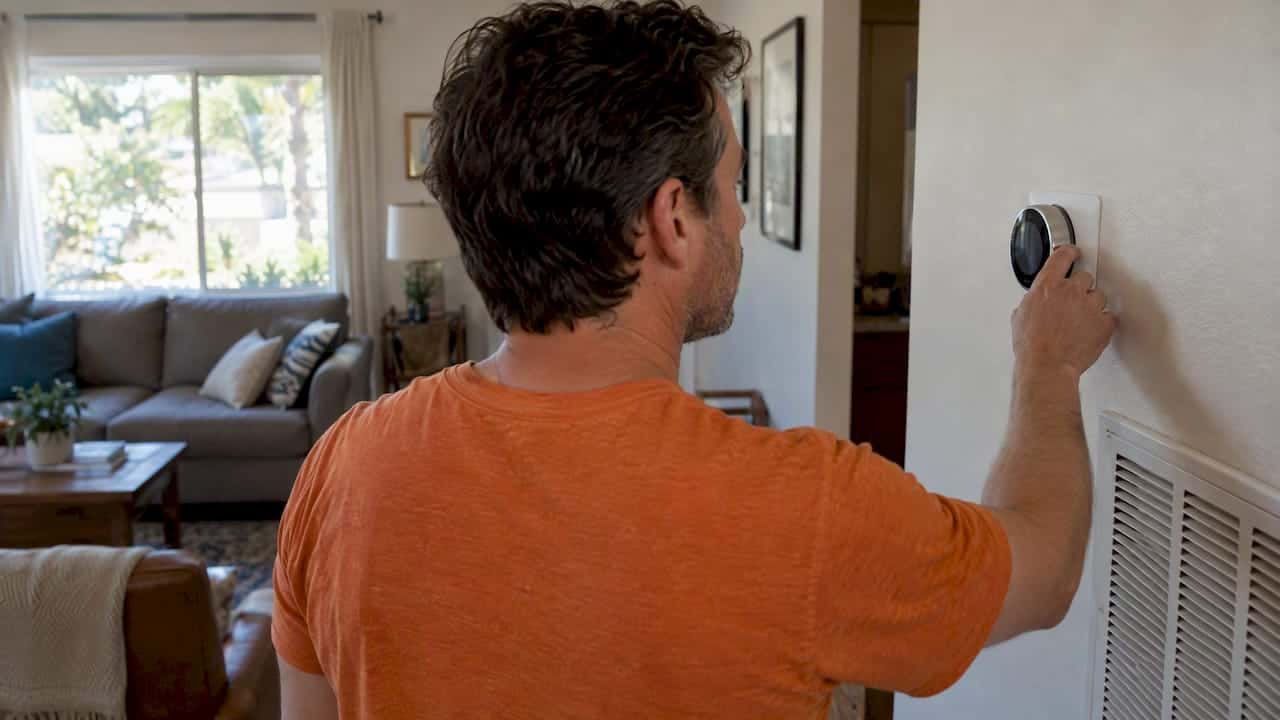
A general home inspector covers a lot of ground in a few hours, and the heating and cooling system is only one piece of a long list. Under the ASHI Standard of Practice, inspectors operate the heating and cooling equipment using normal controls, like turning on the thermostat and seeing whether warm or cool air comes through the vents. They’ll open any access panels that come off without tools, note the system type and energy source, and walk through what’s visible.
Here’s what a standard home inspection typically includes:
- Running the furnace or AC through normal thermostat controls to confirm it responds and produces heated or cooled air.
- Visually inspecting accessible indoor and outdoor equipment, ductwork where visible, vents, and flues.
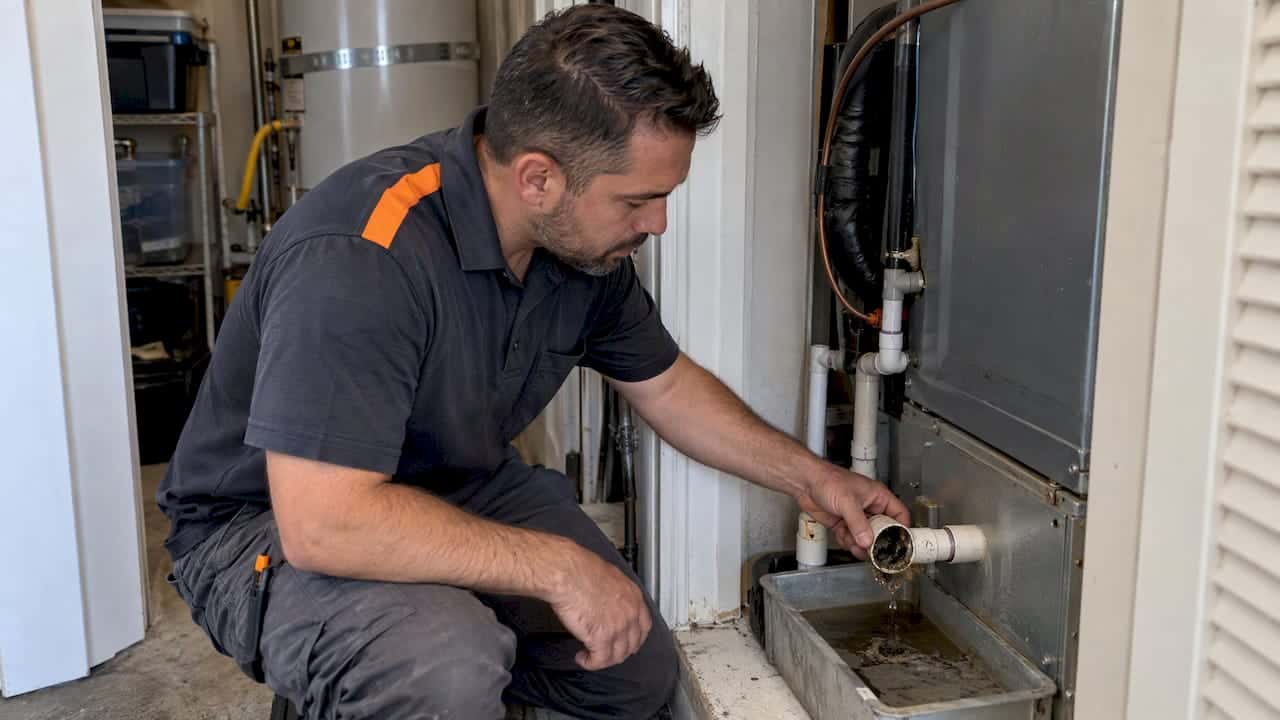
- Checking the condensate drain and drain pan for signs of blockage or past leaks.
- Recording nameplate information, including system age, energy source, and model details.
- Noting obvious defects, like disconnected ducts or visible rust, for further evaluation.
The same ASHI standard is just as clear about what inspectors won’t do. They don’t open up the heat exchanger to check for cracks, they don’t determine whether the system is properly sized for the home, they don’t calibrate the thermostat, and they don’t check refrigerant charge. Those exclusions exist because they require specialized tools, training, or invasive access that falls outside a general home inspection’s non-invasive, visual scope, according to the ASHI Standard of Practice.
When you read your inspection report, expect to see the system type, its apparent age, any visible defects, and a note recommending further evaluation if something looks off. That last part matters: a competent inspector will tell you when a finding is outside their scope rather than guessing. If your report includes a line like “recommend evaluation by qualified HVAC contractor,” take it seriously. It’s not boilerplate. It’s the inspector telling you they found something they can’t fully assess, and that’s exactly the kind of flag that should trigger the next step: bringing in a specialist before you finalize your offer or close on the house.
Common HVAC issues and red flags buyers should prioritize
Not every finding carries the same weight. Some issues are safety concerns that need immediate attention, while others are performance or longevity problems you can factor into your offer. Knowing the difference helps you negotiate from a position of information rather than panic.
Safety issues top the list because they affect whether the system is safe to run at all. A cracked heat exchanger can allow carbon monoxide into the air supply, and a blocked flue or improper combustion venting creates the same risk. These aren’t cosmetic problems, and they’re also exactly the kind of thing a general home inspection can’t confirm or rule out, since checking inside a heat exchanger requires disassembly.
Performance and condition issues are the next tier:
- Refrigerant leaks, often showing up as oily residue around fittings or a system that runs constantly without cooling well.
- Noisy or straining compressors, which can signal the outdoor unit is nearing the end of its service life.
- Restricted airflow from clogged coils, dirty filters, or leaking ductwork, all of which strain the system and raise utility bills.
- Rust, water stains near the indoor unit, or a clogged condensate drain that risks mold growth in the surrounding area.
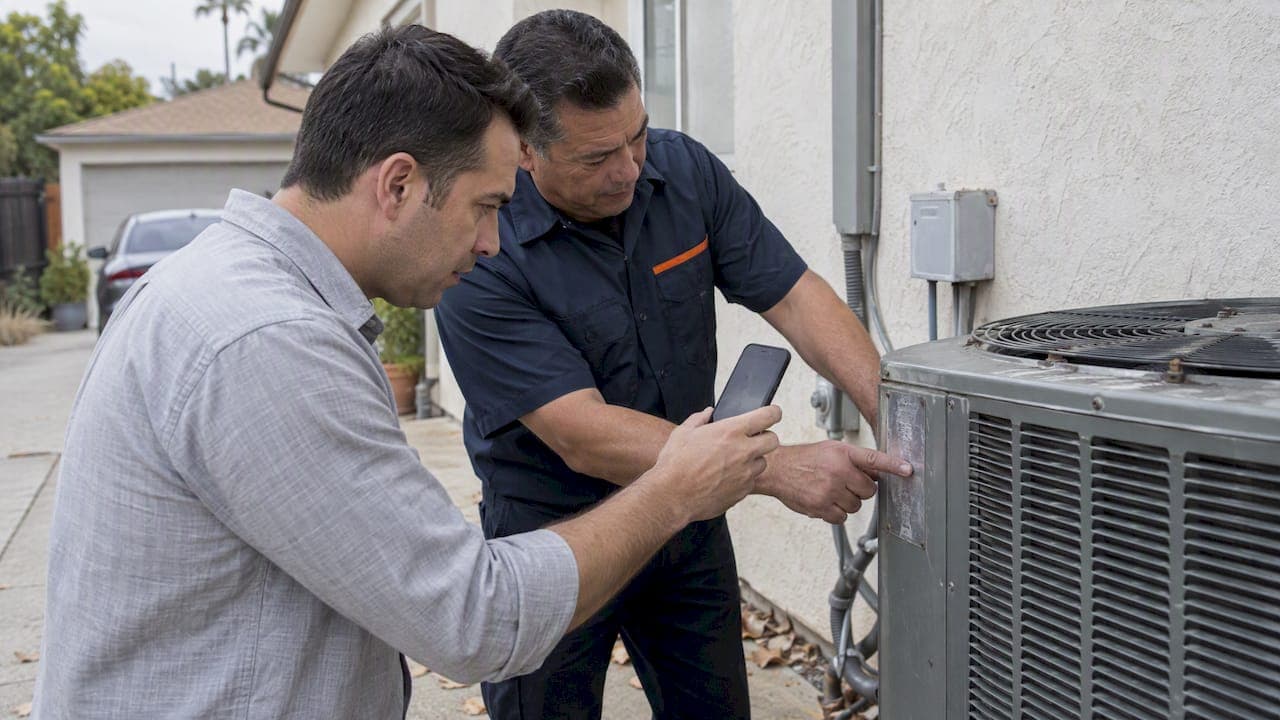
Aging refrigerant type is its own category of red flag. If the outdoor unit’s nameplate lists R-22, that’s worth flagging immediately. EPA guidance on the HCFC-22 phaseout explains that R-22 production has been phased down, which makes servicing these older systems increasingly expensive and parts harder to source. A system running on R-22 isn’t necessarily broken today, but it’s a cost risk you’re inheriting tomorrow.
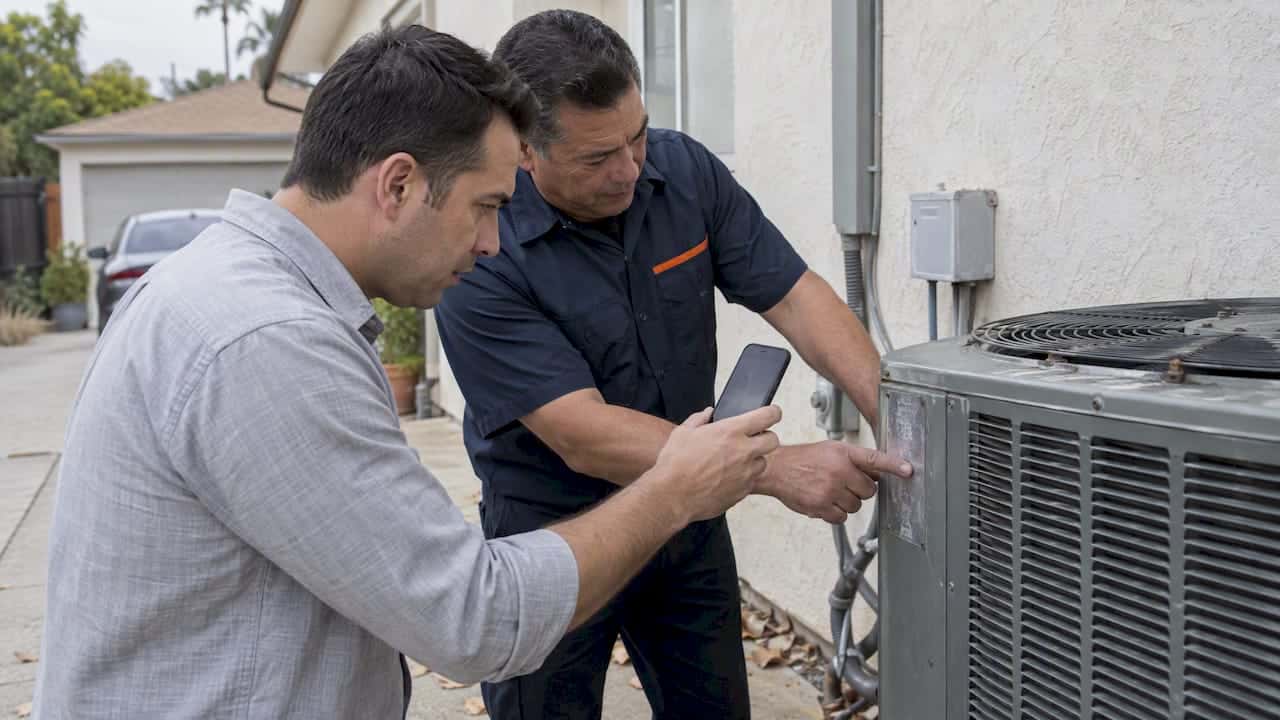
Pro Tip: Snap a photo of the outdoor unit’s nameplate during any walk-through. It records the refrigerant type, model number, and age in one shot, and you’ll want that information when you talk to a contractor later.

System age, expected lifespans, and how to think about replacement costs
Age alone doesn’t tell you everything, but it’s a useful starting point. Central air conditioners and heat pumps typically last around 12 to 15 years, while furnaces tend to run 15 to 20 years before they need replacing. Poor maintenance history, an undersized system that’s been overworked, or a bad original installation can all shorten those numbers considerably.
A few things push a system toward the shorter end of its lifespan:
- Years of skipped filter changes or deferred maintenance that let dust and debris build up in coils and blowers.
- A system that’s undersized for the home and has been cycling harder than it should for years.
- An installation that skipped proper sizing calculations from the start.
An EPA-certified technician is the baseline, not a bonus. EPA guidance notes that handling refrigerant legally requires Section 608 certification, so any contractor quoting refrigerant work should hold it.
Replacement costs vary with system type, home size, the condition of existing ductwork, and whether electrical panel upgrades are needed to support new equipment. Rather than guessing at a number, get a written quote from a licensed contractor who can walk the property. When you’re comparing repair against replacement, it’s also worth weighing efficiency gains: guidance on heat pump upgrades points out that replacing an aging, inefficient system with ENERGY STAR-certified equipment can often make more financial sense over time than repeatedly patching an obsolete one, particularly once you factor in available incentives.
When to hire a specialist HVAC contractor and what diagnostics they do
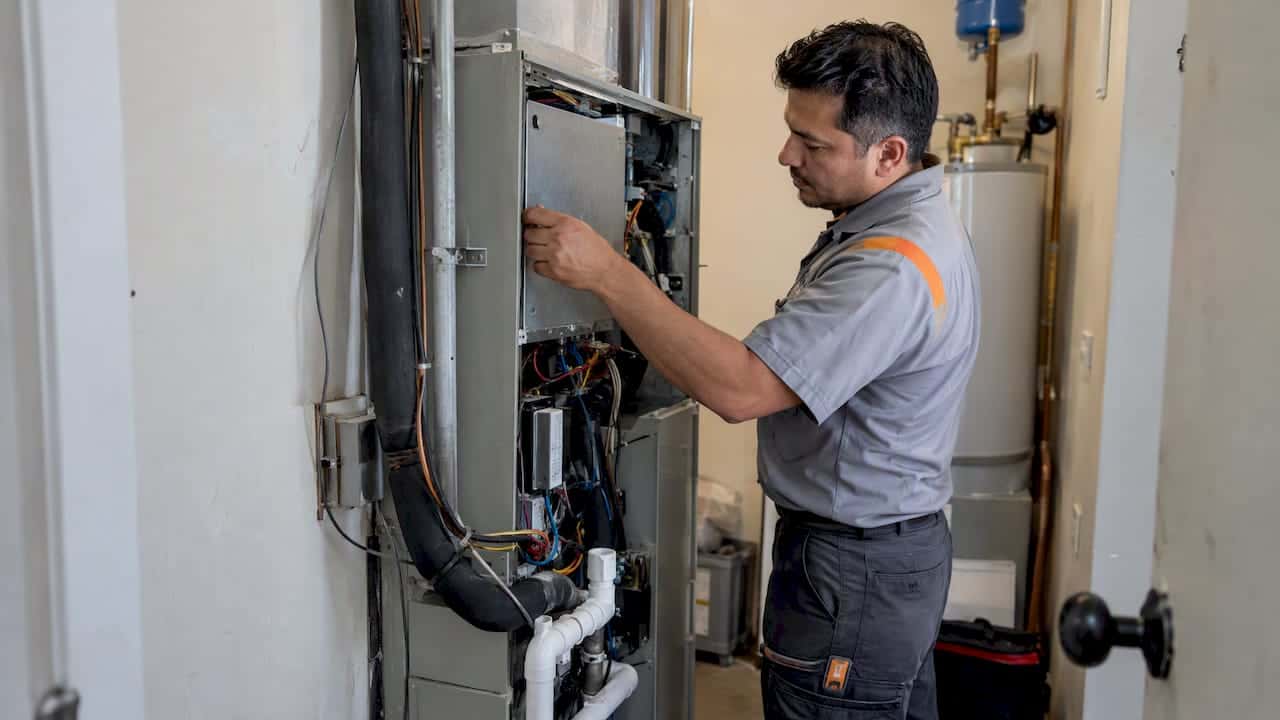
Certain findings warrant a deeper look than a home inspector can provide. If the inspection report mentions anything related to combustion safety, suspected refrigerant problems, a system that won’t heat or cool at all, unusual noises, or documented comfort complaints from the current owner, it’s time to call in an HVAC contractor directly.
Here’s what that deeper evaluation typically involves:
- Refrigerant leak detection using specialized equipment to find and confirm leaks rather than relying on visual guesswork.
- Combustion analysis on furnaces to check for safe, complete combustion and proper venting.
- Electrical and capacitor testing on both indoor and outdoor units to catch components close to failure.
- Airflow and static pressure measurements to confirm ductwork is moving air the way it should.
- Manual J load calculations when replacement is on the table, to confirm the right system size for the home. Consumer Reports recommends insisting on this calculation rather than accepting a rule-of-thumb estimate.
When you get the contractor’s report back, make sure it spells out the scope of work, a written cost estimate, a realistic timetable, warranty terms, and confirmation of whether a Manual J calculation was actually performed. A vague verbal estimate isn’t something you can use in negotiation. A detailed, itemized report is.
Walk-through checklist and exact questions to ask
A focused walk-through, combined with the right questions, gives you most of what you need before you ever pay for a specialist visit. Run the system. Both heat and air conditioning, if the season allows, and listen for anything that sounds strained or off. Check the outdoor unit’s nameplate for refrigerant type and age. Look for oily residue near refrigerant lines, note the filter’s condition, and check duct registers for airflow and obvious disconnections or leaks.
When you talk to the home inspector, ask specific questions:
- What parts of the system did you actually operate, and what could you not access?
- Did you find anything you’d flag as a safety concern?
- Would you recommend a specialist evaluation here, and why?
When you talk to an HVAC contractor, a different set of questions matters:
- Will you perform a Manual J load calculation if replacement comes up?
- Are you EPA Section 608 certified for refrigerant handling?
- What refrigerant type and parts will this system need going forward?
- What warranty or maintenance plan comes with any repair or installation?
Pro Tip: Ask for every estimate in writing with an itemized breakdown and a timeline. A verbal “it’ll probably need a new compressor” doesn’t hold up in negotiation the way a signed quote does.
For a more detailed walk-through structure, our step-by-step HVAC inspection checklist covers the full sequence room by room, and our guide on questions to ask your HVAC contractor goes deeper into red flags worth pressing on.
How we approach buyer-focused HVAC diagnostics
We built our diagnostic process around what buyers actually need: a clear answer, not a sales pitch. We work on everything from historic home systems to modern heat pump and mini-split installations, with expertise in heat pumps, mini split systems, and commercial and VRF systems.
Our diagnostic pricing means you know the cost before we start, so there’s no surprise fee tacked onto your closing timeline. When we inspect a system, we document findings in writing: a prioritized list of what needs attention now versus what can wait, and if replacement is the right call, a scope that includes proper sizing rather than a guess. Same-day service means you’re not waiting weeks for an answer while your closing date approaches.
Author perspective: balancing repair vs replacement for buyers
If the repair estimate approaches a large share of what full replacement would cost, and the system is already old or running on R-22, push for a replacement credit rather than a patch job. That math rarely favors the buyer long term.
If the issues are isolated, well-documented, and the seller’s repair comes with a warranty, accepting repairs alongside a maintenance plan is often reasonable. Either way, insist on written estimates and firm timelines. Verbal promises made during negotiation have a habit of disappearing once the keys change hands.
— Leo
Get a flat-rate diagnostic before you close

Once you know what a system needs, the next step is getting a contractor who will tell you straight, not sell you hard. We offer diagnostic visits across the Los Angeles area, and every visit ends with a written report and an itemized estimate, not a vague verbal warning. We have expertise in heat pumps and mini-split systems, which matters if the home you’re buying has either, and we offer same-day service when your closing timeline is tight.
Book a service call and we’ll walk the system, document what we find, and hand you a report you can actually use in negotiation, including a recommended repair list or a full replacement scope if that’s what the equipment needs.
FAQ
What is the $5,000 HVAC rule?
Some home inspection contracts include repair threshold clauses that let a buyer request repairs or a credit if a major system defect exceeds a certain amount. The exact figure and terms depend on the contract, so check your specific purchase agreement rather than assuming a standard number applies.
What is the biggest red flag in a home inspection?
Safety-related HVAC findings, like signs of improper combustion venting or evidence pointing toward a cracked heat exchanger, rank among the most serious red flags because they affect whether the system is safe to operate at all. Structural and electrical safety issues elsewhere in the home carry similar weight.
Do you get a home inspection before or after making an offer?
Home inspections typically happen after your offer is accepted but before closing, during a contingency period defined in your purchase agreement. This timing lets you use inspection findings, including HVAC issues, to negotiate repairs, credits, or in some cases withdraw your offer.
What do they do for an HVAC inspection?
A general home inspector operates the system using normal thermostat controls, checks accessible components, and notes the system’s age and visible condition, following standards like the ASHI Standard of Practice. A specialist HVAC inspection goes further, testing refrigerant charge, combustion safety, and airflow with dedicated equipment.
Sources
- ASHI Standard of Practice (2026)
- Residential air conditioning and the phaseout of HCFC-22 | US EPA
- Heat pump buying guide | Consumer Reports
Recommended
Leo, Propietario y Técnico Principal en LC Heating & Air
Leo dirige LC Heating & Air como propietario-operador y tiene la licencia C-20 HVAC #1073586 de California. Sus guías se enfocan en diagnósticos prácticos, decisiones de reparación seguras y consejos claros para propietarios de Los Ángeles.