- Signs Your AC Is Frozen (and When It’s Dangerous)
- Why Does an AC Freeze Up? The Real Causes
- How to Thaw a Frozen AC Coil Safely
- When You Need a Licensed HVAC Technician
- Preventing AC Freeze-Ups Before They Start
- What Leo and LC Heating & Air Conditioning See on Real Service Calls
- Leo’s Take: Most Freeze-Up Advice Skips the Diagnosis Step
- Get a Same-Day Diagnosis Instead of Guessing at the Fix
- Sources
- FAQ
- Recommended
Most cases of AC freezing up come from restricted airflow or a refrigerant problem, and both push the evaporator coil below 32°F until ice takes over. If you catch it early, turn the thermostat to OFF and switch the fan to ON so warm air can thaw the coil safely. Thawing fixes the ice, but not the cause. If your air conditioner freezes up again within a day or two, you’re looking at a repair, not a fluke.
TL;DR:
- Most AC freeze-ups are caused by airflow restrictions like dirty filters or blocked vents, rather than refrigerant issues, which often require professional diagnosis.
- Signs of a frozen coil include frost on the indoor coil or refrigerant lines, reduced airflow, water pooling, and frost on the outdoor suction line; urgent repairs are needed if electrical or refrigerant leaks are suspected.
- Thawing should be done by turning the thermostat off, setting the fan to on, and leaving the system to defrost for one to four hours, while avoiding direct heat sources like hair dryers.
- If frost reappears within 20 to 30 minutes after thawing, it indicates an underlying problem like low refrigerant or airflow loss that requires professional repair and diagnosis.
- Repeated freezing signals serious issues, such as refrigerant leaks or compressor stress, and homeowners should seek immediate professional help rather than persistent thawing or DIY fixes.
Signs Your AC Is Frozen (and When It’s Dangerous)
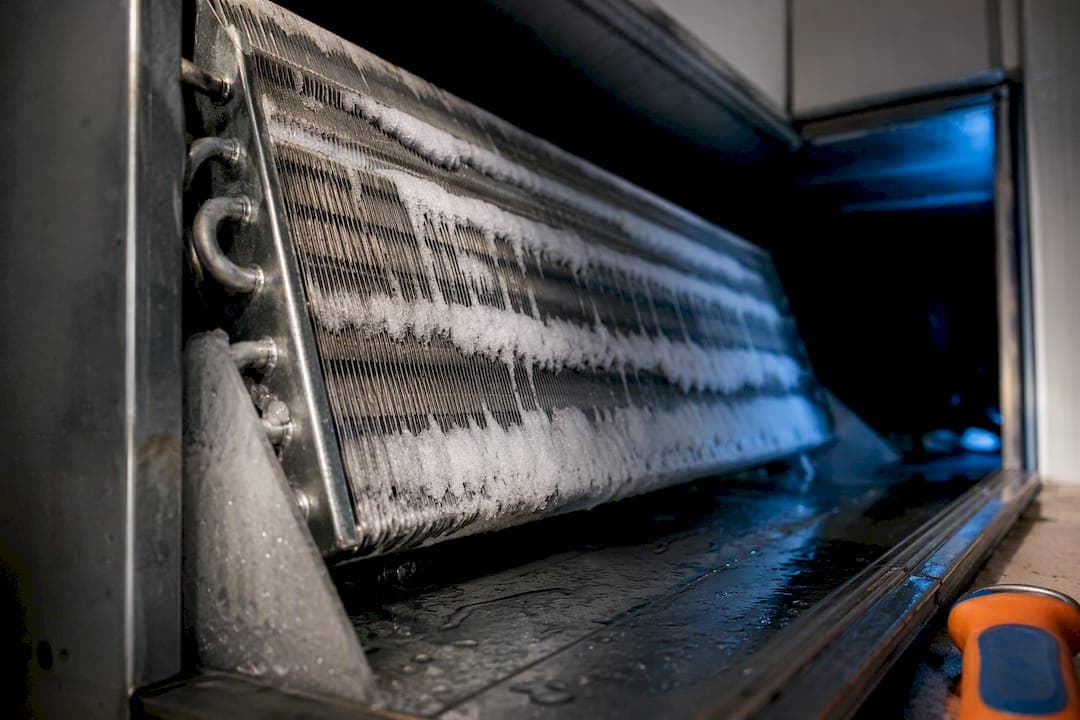
A frozen evaporator coil rarely hides. You’ll usually see it before you feel it, because the first symptom is often warm air blowing from vents that should be cold.
Check for these signals:
- Visible ice or frost on the indoor coil, refrigerant lines, or inside the air-handler cabinet
- Airflow from your vents dropping noticeably, even with the fan running
- Water pooling around the indoor unit as the ice melts, sometimes overflowing the drain pan
- Frost on the outdoor unit’s suction line, or a compressor that keeps running without producing cool air
A few of those signs cross the line from “annoying” to “shut it down now.” Hissing near the lines, oily residue around fittings, a tripped breaker, or water pooling near electrical components all mean you should power the system off completely and call a technician. Those aren’t freeze symptoms alone. They point to a refrigerant leak or an electrical fault that a fan-only thaw won’t touch.
Why Does an AC Freeze Up? The Real Causes
An evaporator coil has to stay above freezing to do its job. Refrigerant flowing through it needs a specific operating pressure to absorb heat properly, and once airflow or refrigerant charge drops off, the coil temperature falls below 32°F and ice starts forming on contact with humid air, according to ACHR News.
Airflow problems are the most common trigger, and they’re usually the cheapest to fix. A clogged filter is the single most frequent cause behind residential freeze-up calls, according to Jupitair HVAC. Closed supply vents, blocked return grilles, a dirty blower wheel, or a coil caked in dust all restrict the air moving across the coil, and less airflow means less heat reaching the refrigerant, so the coil temperature drops.
Low refrigerant tells a different story. When charge is low, suction pressure drops and the coil runs colder than it should across its entire surface, not just in spots. If you thaw the coil, fix every airflow issue you can find, and the unit still ices over within 20 to 30 minutes of running, a leak is the likely explanation, not a filter problem.
Other contributors show up less often but matter:
- A dirty evaporator coil that insulates itself from the airflow passing over it
- A failing expansion device (TXV) that meters refrigerant incorrectly
- Mis-sized equipment that short-cycles and never reaches stable pressure
- Running the AC during a cool evening, since outdoor temperatures below about 60°F can create freezing conditions that reflect an operating limit, not a broken part, per ACHR News
The frost pattern on the suction line is a useful diagnostic clue. Frost limited to the indoor coil area usually points to airflow. Frost that extends well down the line toward the outdoor unit leans toward refrigerant.
How to Thaw a Frozen AC Coil Safely
Follow this sequence, in order, before you touch anything else.
- Turn the thermostat to OFF. Running the compressor against a frozen coil only makes the ice worse and risks compressor damage.
- Set the fan to ON (not AUTO). This is the fastest safe way to melt ice, using room-temperature air moving across the coil instead of heat you apply directly.
- Protect the area from water. Lay towels around the air handler, and check that the condensate drain isn’t blocked so melted ice has somewhere to go.
- Change the air filter. If it’s gray, matted, or you can’t recall the last swap, that’s likely part of the problem right there.
- Open every supply vent and clear furniture or rugs blocking return grilles. Also check that the outdoor condenser has clear space around it, at least a couple of feet on all sides.
- Wait it out. A full thaw with fan-only typically takes one to four hours depending on how much ice built up, according to Thermostating. Don’t rush it.
- Restart the system briefly and watch closely. If frost returns within 20 to 30 minutes, you’re dealing with something a filter change won’t solve.
Pro Tip: Never point a hair dryer or heat gun at a frozen coil. Rapid, direct heat can warp thin aluminum fins or stress copper joints, turning a simple freeze into a coil replacement.
Skip refrigerant top-offs entirely. Refrigerant work requires licensing, and adding charge to a system that’s actually low because of a leak just delays the real fix while masking the symptom.
For a walk-through with photos of what a normal versus dangerous thaw looks like, LC Heating and Air Conditioning’s guide on how to fix a frozen AC unit covers the same steps in more visual detail.
When You Need a Licensed HVAC Technician
A frozen AC unit that clears up after a thaw and stays clear is a good outcome. One that freezes again after you’ve changed the filter and cleared every vent is telling you something mechanical or electrical is wrong, and a defrost alone won’t fix it, since underlying airflow or refrigerant problems need to be found and repaired directly, per Carrier.
Call a technician right away if you notice:
- Hissing sounds or oily spots near refrigerant lines or fittings
- Frost reforming on the suction line within 20 to 30 minutes of restart
- The outdoor fan not spinning while the compressor runs
- A breaker that keeps tripping when the AC cycles on
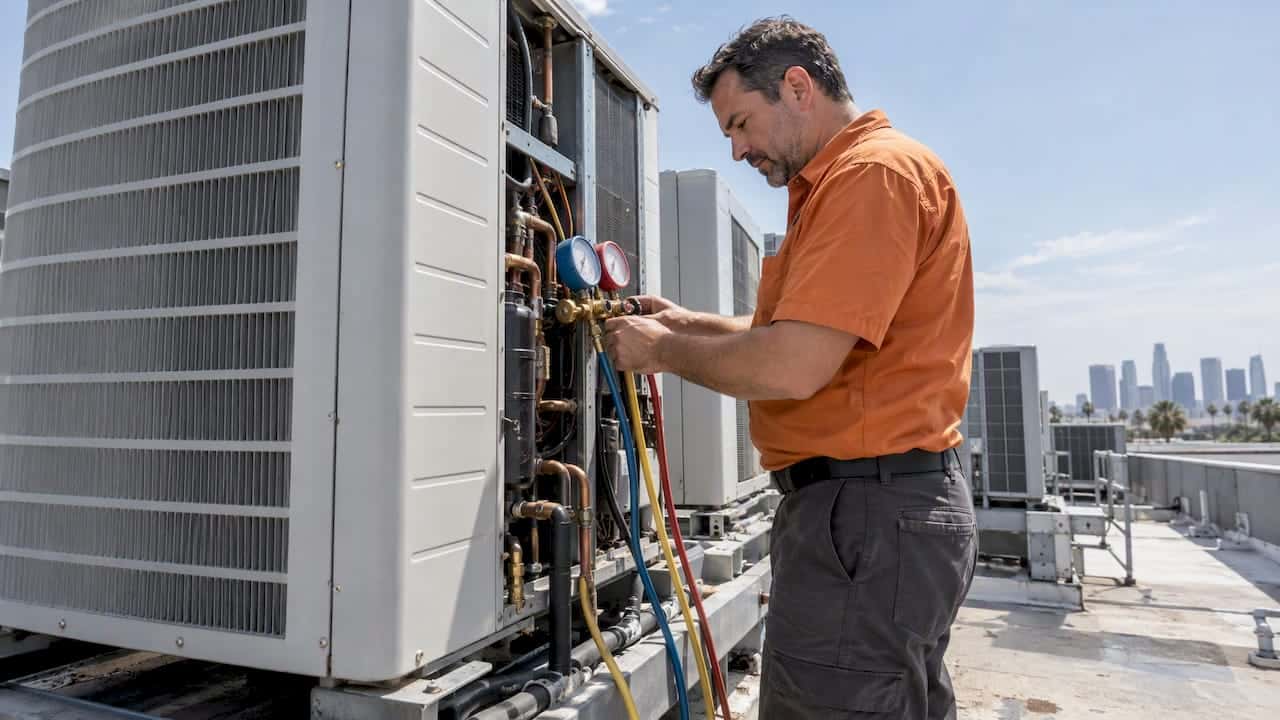
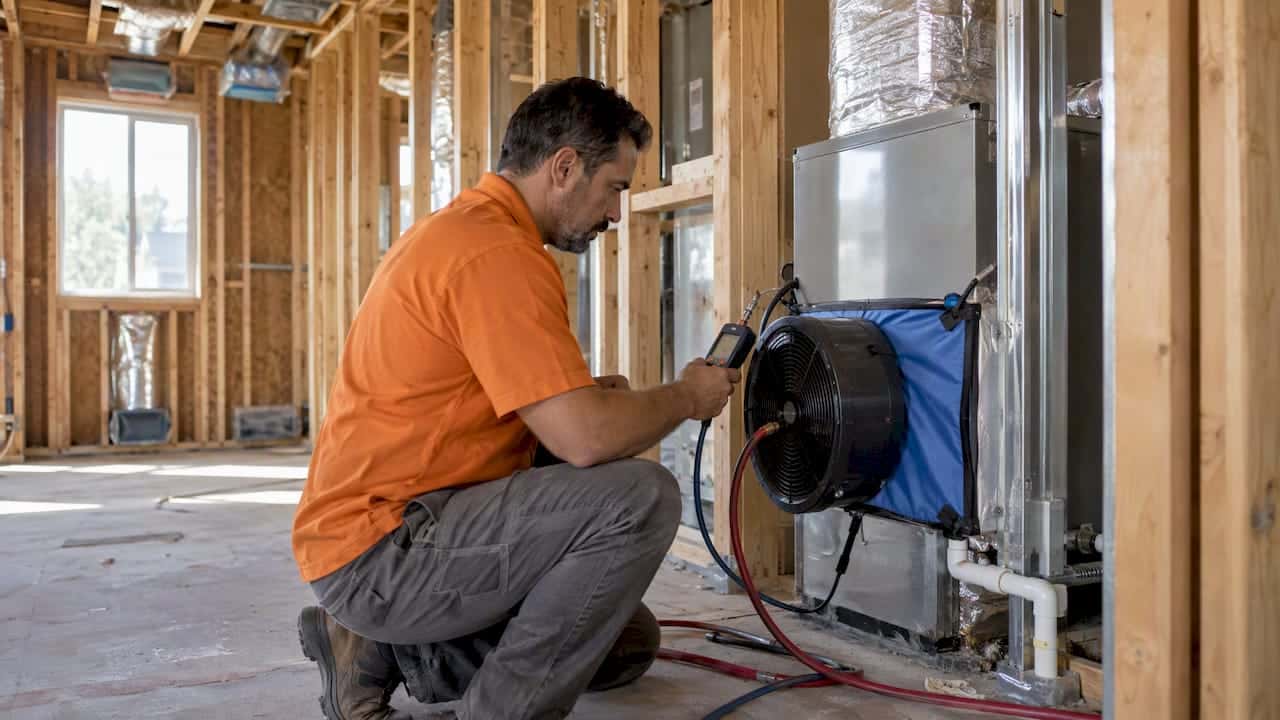
A qualified tech will run manifold gauge tests, check superheat and subcooling values, and search for leaks using specialized detection equipment, all steps that require training most homeowners don’t have, according to InspectApedia. Handling refrigerant legally also requires EPA 608 certification, so anyone opening your lines should be able to show it. Costs vary widely depending on whether it’s a filter-and-clean job or a full leak repair, so ask for a written estimate before work starts, and confirm certification before anyone touches your refrigerant lines.
Preventing AC Freeze-Ups Before They Start
Most freeze-ups are preventable with a handful of habits spread across the cooling season.
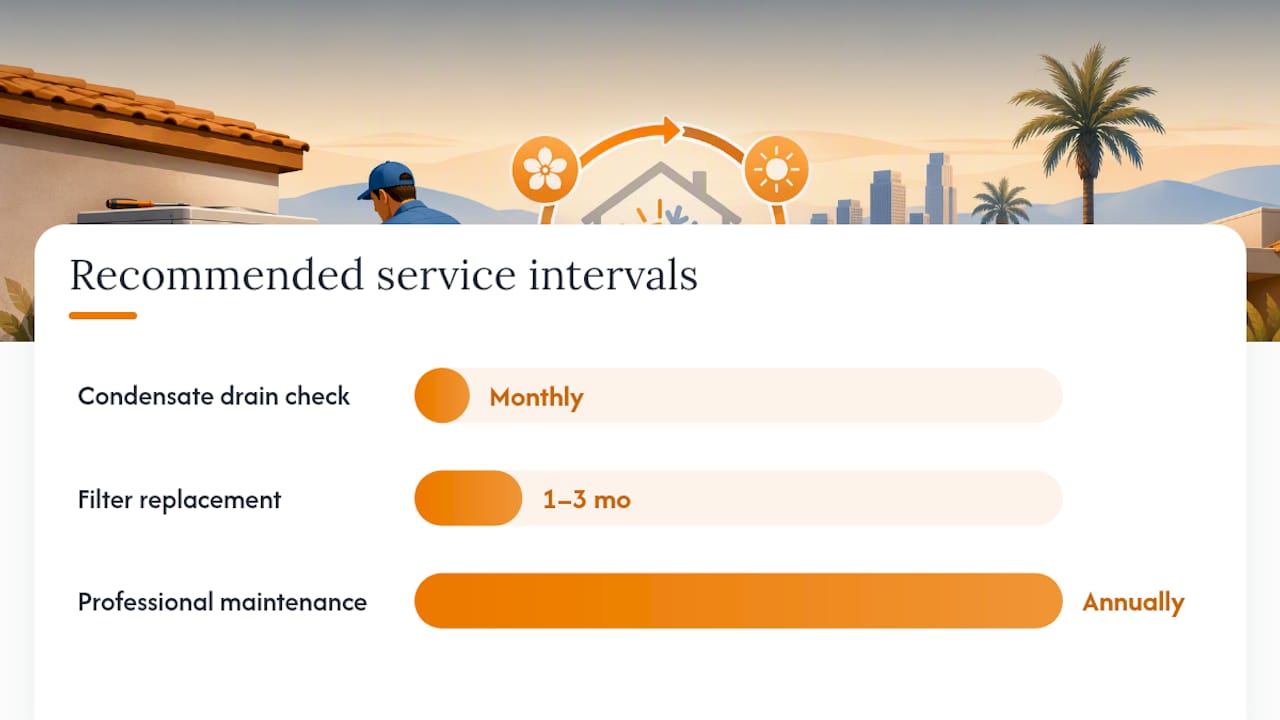
- Replace your filter every one to three months during heavy cooling months, and lean toward the shorter end if you have pets or run the system constantly. Standard residential systems generally do well with a MERV 8 to 11 filter, balancing airflow with dust capture, per Energy.
- Schedule annual professional maintenance. A tech should clean the coil and blower wheel, check refrigerant charge, and measure static pressure to confirm the system is breathing properly.
- Leave supply vents open. Closing off multiple rooms to “save energy” restricts airflow and is a surprisingly common freeze trigger.
- Keep return grilles clear of furniture, curtains, and rugs, and give the outdoor condenser breathing room on all sides.
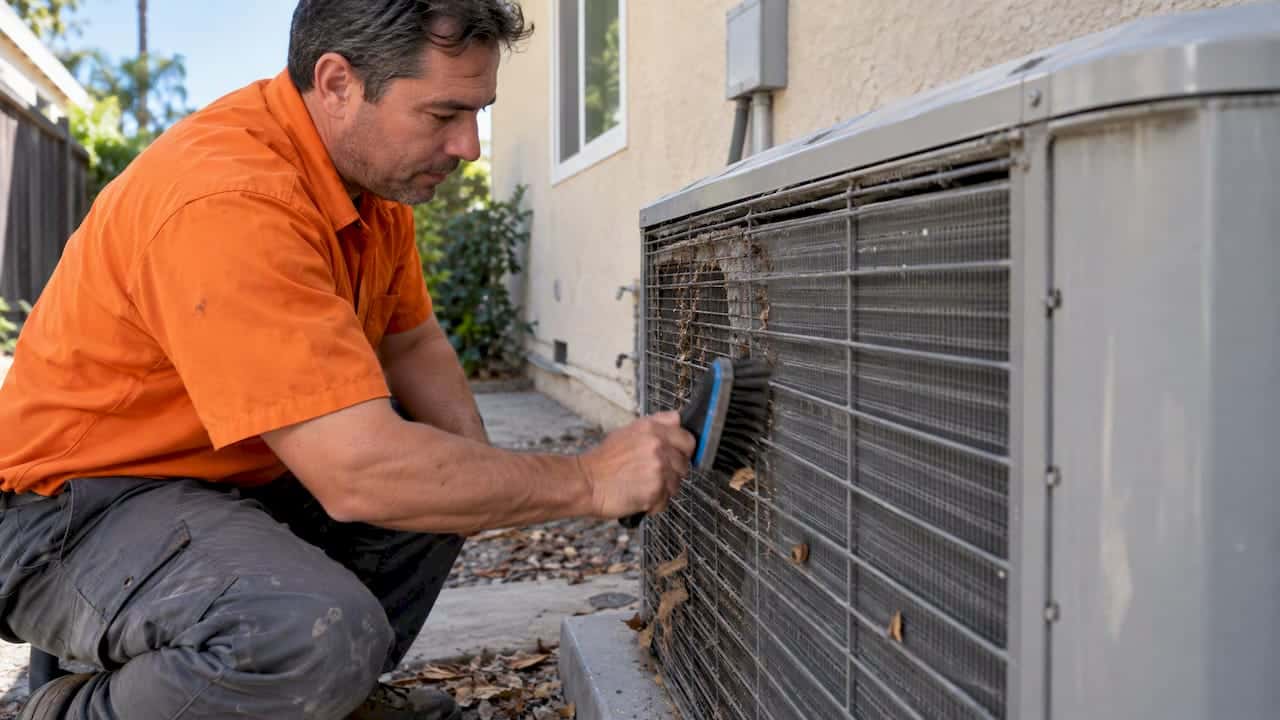
- Check the condensate drain monthly for algae buildup, and schedule coil cleaning more often if you live somewhere dusty or run a lot of construction nearby.
Pro Tip: If your AC has iced up more than once this season, don’t just keep thawing it. Each freeze cycle stresses the compressor a little more, and repeated events are exactly the pattern that leads to a burned-out compressor down the line.
For a deeper breakdown of what triggers repeat freezing, LC Heating and Air Conditioning’s article on common causes of AC freezing up walks through each mechanism in more depth.
What Leo and LC Heating & Air Conditioning See on Real Service Calls
The company has extensive experience running HVAC calls across Greater Los Angeles, from century-old homes to modern multi-zone heat pump systems. Frozen coils are one of the most common summer calls his team takes, and the pattern repeats often enough to be predictable.
Nine times out of ten, a homeowner has already tried thawing it once and it came back within a day. That’s the real tell. A clean thaw that stays clean usually means airflow. A repeat freeze almost always means we’re chasing refrigerant pressure or a control fault, and that’s a gauge job, not a filter swap.
The company runs flat-rate diagnostics, so homeowners know the cost before any work starts, not after. If a technician tells you replacement makes more sense than repair, ask why, and ask to see the pressure readings that led them there. For more DIY groundwork before that call, the HVAC how-to hub covers troubleshooting steps for issues beyond just frozen coils.
Leo’s Take: Most Freeze-Up Advice Skips the Diagnosis Step
Most articles on this topic stop at “change your filter” and call it solved. That advice works often enough to feel true, and often enough to leave homeowners unprepared when it doesn’t. The gap in conventional freeze-up advice isn’t the thawing instructions, which are genuinely simple. It’s the assumption that thawing equals fixing.
What actually matters is the 20 to 30 minute retest after a thaw. That window tells you more than any symptom checklist. If the coil stays clear, you solved it with a filter and some open vents. If frost creeps back that fast, you’re not looking at a maintenance oversight anymore. You’re looking at a system that’s lost pressure or lost airflow somewhere you can’t see from outside the cabinet.
I’d rather a homeowner run that 30 minute test and call us with a specific answer than skip straight to an emergency visit for a problem a filter change would have solved, or worse, keep thawing the same freeze every weekend all summer. Diagnose before you decide. It saves money in both directions.
— Leo
Get a Same-Day Diagnosis Instead of Guessing at the Fix
A DIY thaw buys you time, but it won’t tell you whether you’re dealing with a $40 filter or a refrigerant leak that needs professional leak detection. Same-day diagnostics are available across Greater Los Angeles, with flat-rate pricing set before any tool touches the system, so customers are not surprised by an escalating bill partway through a repair.

Our technicians handle everything from straightforward airflow fixes to full refrigerant leak searches, blower repairs, and coil replacements, on systems ranging from older residential units in historic homes to modern heat pump and multi-zone setups. If your AC has frozen more than once this season, that’s worth a real diagnosis rather than another thaw cycle. You can schedule a same-day HVAC repair visit or browse our AC and heating repair services to see what a flat-rate diagnostic actually covers before you book.
Sources
- Why Air Conditioning Systems Freeze and How to Fix Them | ACHR News
- Will a frozen AC fix itself? | Carrier
- Cooling coil evaporator coil ice repair | InspectApedia
FAQ
Is my AC ruined if it freezes up?
No, a single freeze-up rarely causes lasting damage if you thaw it properly and turn off the compressor promptly. Repeated freezing without a fix, though, puts real strain on the compressor and can shorten its life significantly.
Can a bad thermostat cause AC to freeze?
Yes, a malfunctioning thermostat or control board can keep the compressor running longer than it should, which drives the coil temperature down until it ices over even with normal airflow and refrigerant charge.
How can I tell if my AC is low on refrigerant?
Look for frost extending down the suction line toward the outdoor unit, weak cooling despite normal airflow, and freezing that returns quickly after a full thaw. A technician confirms low charge with manifold gauge and superheat readings, since guessing from symptoms alone isn’t reliable.
How long should I leave my AC off if it froze up?
Leave the compressor off and run fan-only until all visible ice is gone, which typically takes one to four hours depending on how much ice built up. Restarting the compressor before the coil fully thaws risks additional strain and can worsen the underlying problem.
Recommended
Leo, Propietario y Técnico Principal en LC Heating & Air
Leo dirige LC Heating & Air como propietario-operador y tiene la licencia C-20 HVAC #1073586 de California. Sus guías se enfocan en diagnósticos prácticos, decisiones de reparación seguras y consejos claros para propietarios de Los Ángeles.