
TL;DR:
- Getting an itemized, upfront HVAC estimate helps protect your budget and reveals contractor reliability before work begins.
- A complete quote should include equipment details, labor, permits, disposal, refrigerant, electrical work, and warranty terms, all in one price.
Getting a clear, itemized estimate before any HVAC work begins is one of the smartest moves you can make as a homeowner. The benefits of upfront HVAC estimates go well beyond knowing a price: they protect your budget, reveal contractor reliability, and give you real leverage before you sign anything. Most reputable HVAC companies offer free estimates for new installations and replacements, so there is no reason to commit without one.
Here is what a transparent, detailed quote actually does for you:
- Eliminates financial surprises by spelling out every cost before work starts
- Gives you a realistic budget to plan around, not a rough ballpark
- Lets you compare multiple contractors on equal footing
- Signals whether a contractor is honest or hiding fees
- Opens the door to discuss financing, rebates, and warranty terms upfront
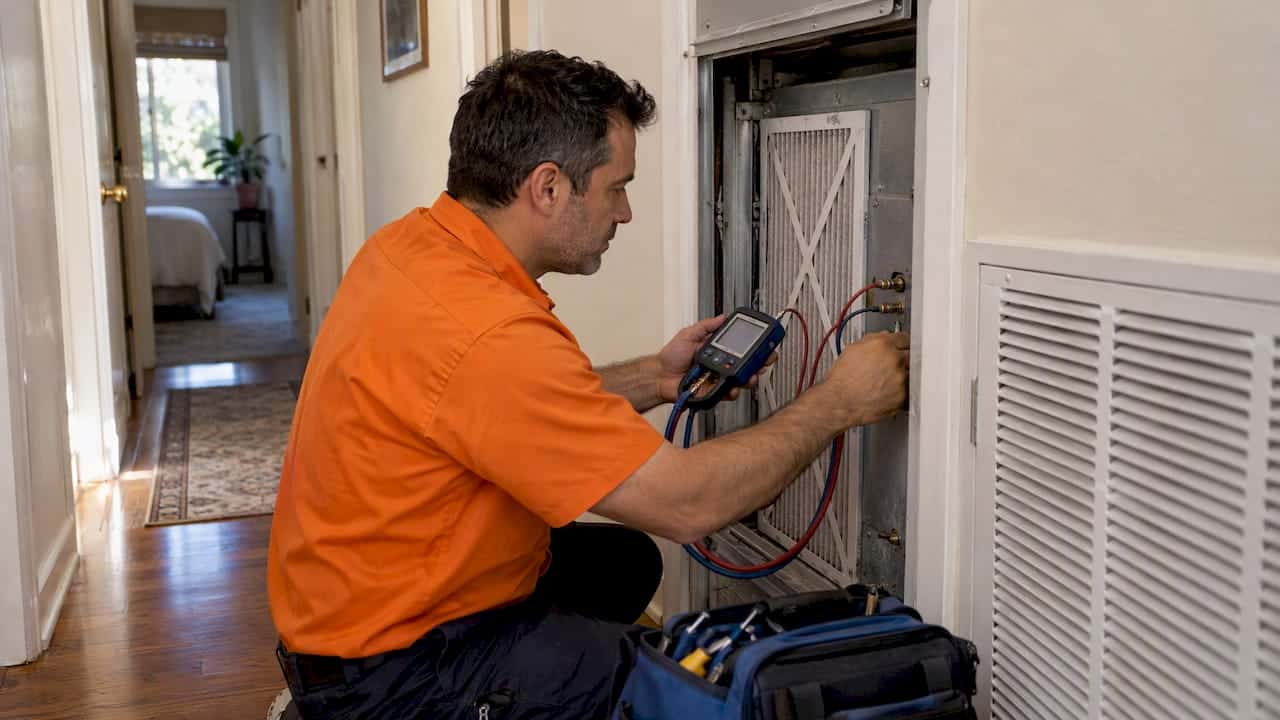
A free, thorough estimate is your first look at how a contractor operates. A company that takes time to assess your home, explain every line item, and answer your questions without pressure is showing you exactly how they will handle the job itself.
What a complete HVAC estimate should include
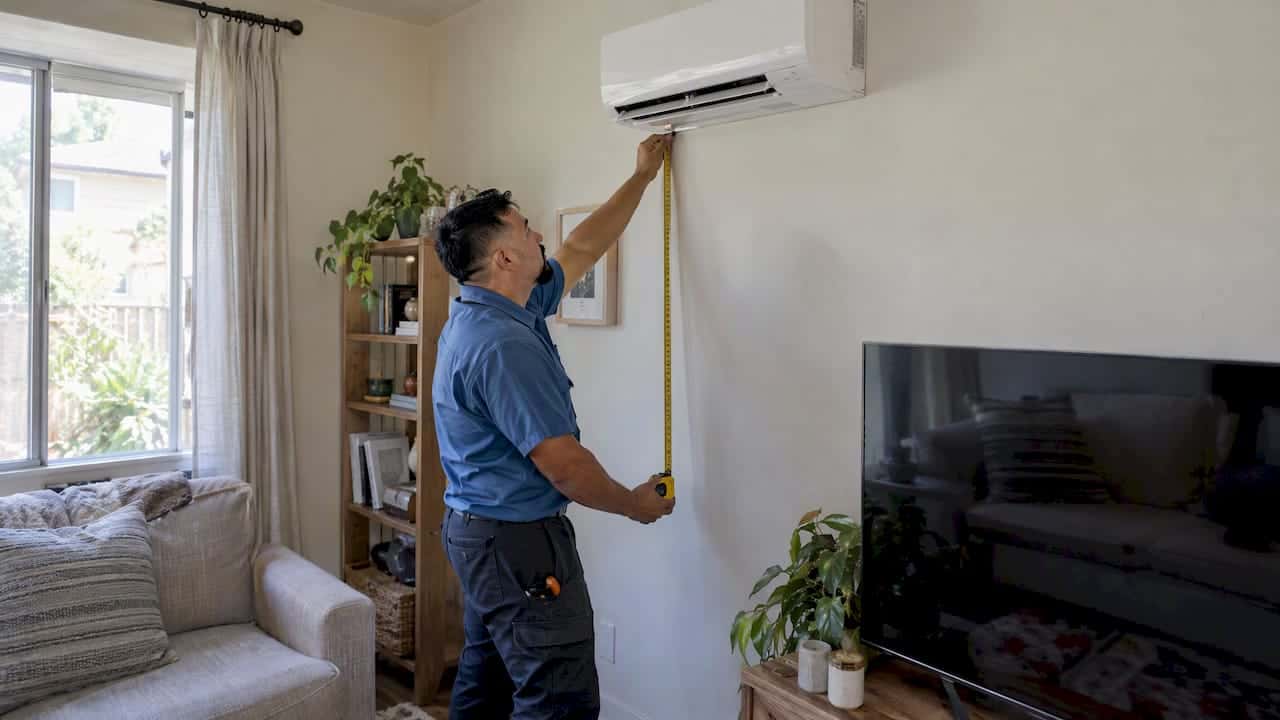
A professional estimate is not a single number scrawled on a notepad. A complete HVAC quote covers equipment, installation labor, permits, old system disposal, thermostat, refrigerant, any electrical work needed, and warranty terms, all as one price. When any of those items are missing, you are looking at a quote that will grow.
Every estimate you receive should clearly list:
- Equipment: Exact make, model, efficiency rating (SEER2/HSPF2), and whether it is properly sized for your home
- Labor: All work to remove the old system and install the new one, including testing and commissioning. Labor typically covers 25–35% of total replacement cost, so a vague or missing labor line is a serious gap
- Permits: Required by law in virtually every jurisdiction. Permit fees must appear in the quote, not get added later
- Disposal: Removal and proper disposal of your old equipment
- Refrigerant and electrical work: Any needed circuit upgrades or refrigerant charges, stated upfront
- Warranty terms: Manufacturer warranty (typically 5–10 years on parts) and the installer’s labor warranty, both in writing
When a quote omits any of these, ask directly. If the contractor cannot add them clearly, move on.
How to compare multiple HVAC estimates effectively
Three quotes are the standard starting point. One quote gives you a number with no context. Two gives you a comparison but no tiebreaker. Three establishes a realistic market range and gives you real leverage with each contractor before you sign.
Comparing estimates well means looking past the bottom line. A lower total price often means something is excluded. Check that each quote covers the same scope: same equipment tier, same permit inclusion, same disposal, same warranty. If one quote is dramatically cheaper, ask what is missing before assuming it is the better deal.
- Compare efficiency ratings side by side. A lower-SEER2 unit costs less upfront but raises your monthly energy bill for years.
- Check contractor credentials. Licensing, insurance, and verifiable reviews matter as much as price.
- Look at warranty terms. A longer labor warranty from a reputable installer is worth real money.
- Ask about rebates. Federal tax credits and utility incentives can shift the financial picture significantly.
Pro Tip: Ask each contractor to walk you through their quote line by line. A confident, transparent contractor will do this without hesitation. One who deflects or rushes you is telling you something important.
Never negotiate by asking a contractor to swap in cheaper equipment to hit a lower number. Downgrading efficiency can disqualify you from utility rebates and the IRA 25C federal tax credit, which requires minimum SEER2 and HSPF2 thresholds. Negotiate on scope and margin instead.

Red flags to watch for in any HVAC estimate
Some estimates are designed to look good on paper and grow once the job starts. Low quotes that exclude permits, disposal, or electrical work are a classic setup for mid-project “discovery” charges that leave you with no real choice but to pay.
Watch for these warning signs:
- Missing permit fees: Permits are legally required. Any contractor who asks you to pull your own permits, or simply leaves them out of the quote, is creating a compliance and insurance risk for you.
- Vague or absent labor breakdown: Quotes lacking a clear labor breakdown risk unexpected extra charges during installation. Labor should be itemized to include installation, disposal, testing, and commissioning.
- Suspiciously low totals: If one quote is thousands below the others, something is excluded. Ask for a written list of what is and is not covered.
- Day-of add-ons: Surge protectors, UV lights, or duct cleaning presented on installation day, after you are already committed, should have been discussed and priced before you signed anything.
- No written quote: A verbal estimate is not an estimate. Always get everything in writing before work begins.
Also verify that the contractor carries current licensing and liability insurance. An unlicensed technician working without permits can void your homeowner’s insurance and leave you responsible for code violations. You can learn more about HVAC contractor red flags before you start calling for quotes.
Expert insight: what 20+ years of estimating teaches you

Leo, owner of LC Heating and Air Conditioning, has been serving Los Angeles homeowners for over two decades, working on everything from 1920s bungalows with original ductwork to modern multi-zone systems. His experience points to one consistent truth: the quality of an estimate predicts the quality of the installation.
Transparent pricing builds the kind of trust that turns a one-time repair into a long-term relationship. Free estimates for major replacements are an investment in that relationship, giving contractors the time to tailor solutions and potentially save homeowners money over the life of the system.
Two best practices that often get overlooked in estimate conversations:
Warranty registration: Manufacturer warranties, typically 10 years on parts, require online registration within 60–90 days after installation to remain valid. Ask your contractor whether they handle registration or whether that falls to you.
Pro Tip: Confirm the warranty registration process during your estimate meeting, not after installation. Missing the registration window can cost you years of parts coverage.
Energy efficiency ratings also belong in the estimate conversation. A higher-efficiency system costs more upfront but can meaningfully reduce monthly utility bills, especially in a climate like Los Angeles where cooling runs hard for months at a time.
Get a straight answer before you commit
LC Heating and Air Conditioning provides honest, itemized estimates for homeowners across Los Angeles, with no pressure and no hidden fees. Whether you are replacing an aging system or troubleshooting a repair, you deserve a clear picture of what the work costs and why, before anyone picks up a tool.

Schedule your estimate with LC Heating and Air Conditioning and get the HVAC cost transparency you need to make a confident decision.
Key Takeaways
Upfront, itemized HVAC estimates protect your budget, reveal contractor reliability, and prevent costly surprises before any work begins.
| Point | Details |
|---|---|
| Full itemization matters | A complete quote covers equipment, labor, permits, disposal, refrigerant, and warranty terms as one price. |
| Labor should be clearly broken down to include installation, testing, and commissioning, reflecting 25–35% of the total replacement cost, not left vague. | |
| Three quotes are the standard | Getting three estimates establishes a realistic market range and gives you leverage before signing. |
| Missing permits are a red flag | Permit fees are legally required and must appear in the estimate, not get added mid-project. |
| Warranty registration deadlines typically require timely action soon after installation to maintain validity. |
FAQ
Do most HVAC companies offer free estimates?
Most reputable HVAC companies provide free estimates for new system installations and replacements. Repair and diagnostic visits may carry a service fee, which reputable contractors disclose before sending a technician.
What should an HVAC estimate include?
A complete estimate covers equipment (make, model, efficiency rating), all labor, permits, old system disposal, refrigerant, any electrical upgrades, and both manufacturer and installer warranty terms, with no hidden fees.
What is the $5,000 rule for HVAC systems?
The $5,000 rule multiplies your system’s age in years by the estimated repair cost. If the result exceeds $5,000, replacement is often the better long-term choice. Treat it as a starting guideline, not a final answer, and pair it with a professional evaluation.
Are HVAC estimates negotiable?
Yes, and the best time to negotiate is before you sign, while multiple contractors are still competing for the job. Negotiate on labor rates or specific line items, never by asking for cheaper equipment, which can raise long-term energy costs and disqualify you from tax credits.
Recommended
Leo, Propietario y Técnico Principal en LC Heating & Air
Leo dirige LC Heating & Air como propietario-operador y tiene la licencia C-20 HVAC #1073586 de California. Sus guías se enfocan en diagnósticos prácticos, decisiones de reparación seguras y consejos claros para propietarios de Los Ángeles.