- 1. What are the top 10 common furnace and AC combo problems homeowners face?
- How to troubleshoot and fix furnace and AC issues safely
- What maintenance routines prevent furnace and AC combo problems
- When to call a professional HVAC technician
- Key takeaways
- What I’ve learned after twenty years of HVAC calls in Los Angeles
- LC Heating and Air Conditioning is ready when you need expert help
- FAQ
- Recommended
TL;DR:
- Most HVAC failures are caused by preventable issues such as clogged filters, drainage blockages, and deferred electrical maintenance. Regular filter changes, drain line flushes, and biannual tune-ups help prevent costly breakdowns and extend system life. In urgent cases, a licensed technician should be called to diagnose electrical faults, refrigerant leaks, or mechanical failures.
Common furnace and AC combo problems are defined as recurring failures in split HVAC systems where the furnace and air conditioner share components like the air handler, blower motor, and ductwork. Clogged air filters cause approximately 70% of reported AC failure calls. That single statistic tells you most HVAC breakdowns are preventable. The issues covered here range from dirty filters and thermostat errors to failed capacitors and tripped safety switches. LC Heating and Air Conditioning has diagnosed these exact problems across Los Angeles homes for over twenty years, and the pattern is consistent: most failures start small and get expensive only when ignored.
1. What are the top 10 common furnace and AC combo problems homeowners face?
The ten problems below cover the vast majority of HVAC system issues reported by homeowners. Each one has a clear cause and a clear path to resolution.
1. Clogged air filters
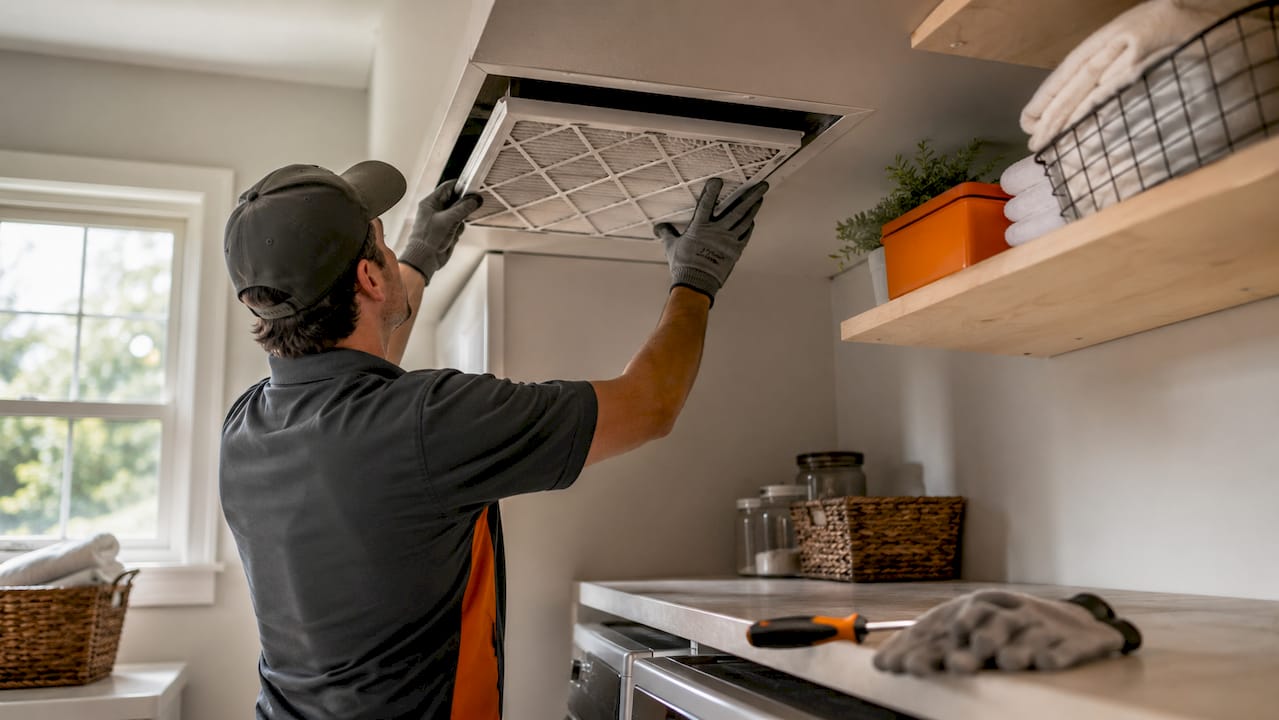
A dirty air filter is the single most common cause of HVAC failure. Replacing a dirty filter prevents frozen coils, blower burnout, and overheating. Filters should be checked monthly and replaced every 1–3 months depending on household dust levels and whether you have pets.
2. Thermostat malfunctions and missettings
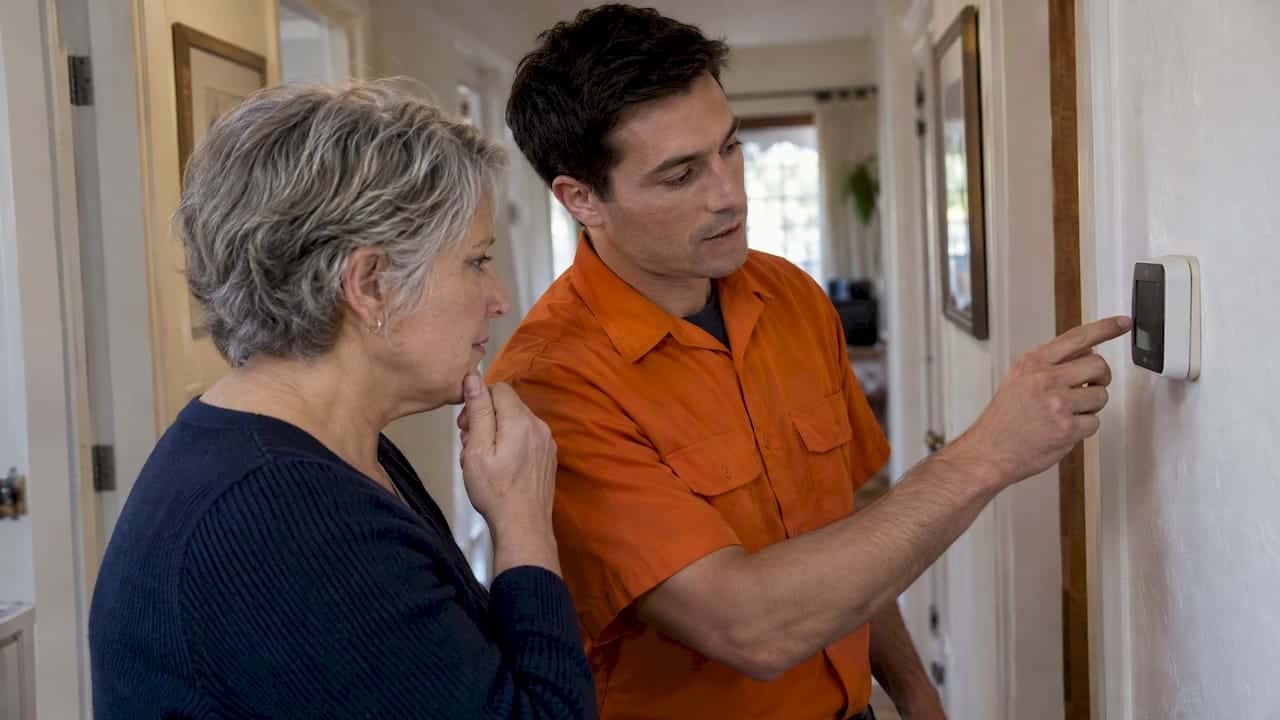
Dead batteries or incorrect thermostat settings are among the most overlooked causes of “no heat” and “no cooling” complaints. Before calling a technician, check that the thermostat is set to the correct mode, the temperature is set above or below room temperature as needed, and the batteries are fresh. A surprising number of service calls end with a battery swap.
3. Short cycling
Short cycling is when your system turns on and off every 2–5 minutes instead of running a full cycle. Normal cycles last 10–20 minutes. Short cycling accelerates wear on the compressor and blower motor. The most common causes are a clogged filter, an oversized unit, or low refrigerant. If filter replacement does not stop the short cycling, a technician needs to evaluate the system.
4. Frozen evaporator coils
Frozen coils form when airflow across the indoor coil drops too low or refrigerant levels fall. The coil cannot absorb heat properly, so moisture freezes on its surface. You will notice ice on the indoor unit or reduced airflow from vents. Turn the system off and let it thaw completely before restarting. If the coils freeze again, the root cause is still present and needs professional attention.
5. Dirty condenser and evaporator coils
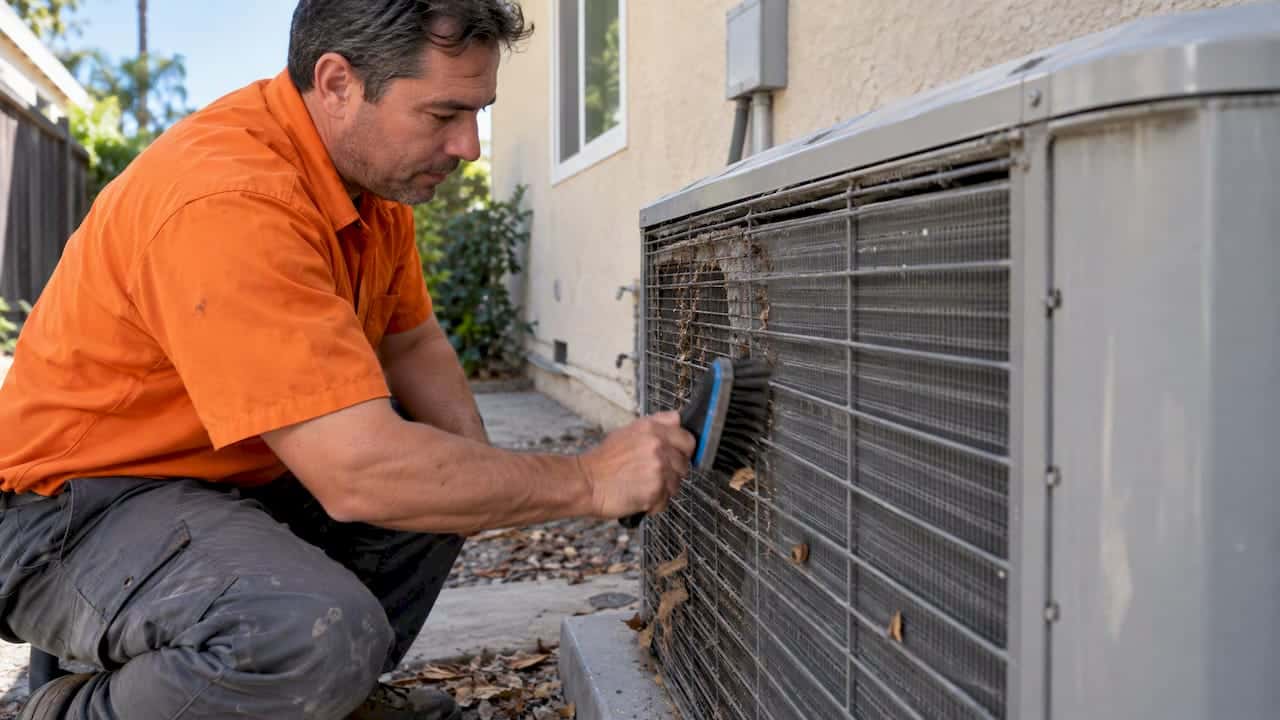
A temperature split of 14–20°F across the evaporator coil indicates a healthy cooling system. Deviations from that range point to dirty coils, low refrigerant, or a compressor fault. Cleaning condenser coils can restore 10–15% of lost cooling capacity. Outdoor condenser coils collect dirt, leaves, and debris over time. Rinse them gently with a garden hose each spring before the cooling season starts.
6. Failed start capacitors
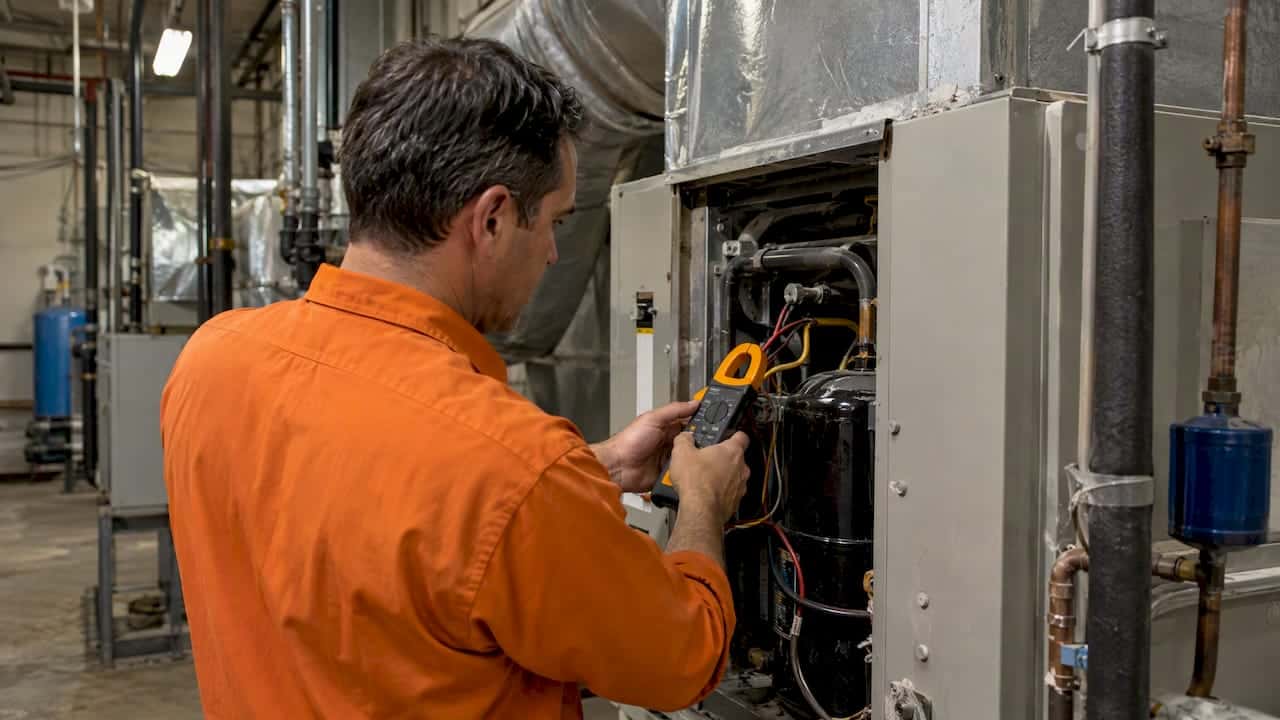
The start capacitor is a small but mighty component that gives the compressor and fan motors the jolt they need to start. A failed start capacitor is often mistaken for compressor failure, but replacement costs $10–$30 and is a common failure after 7–10 years of use. You will hear a clicking or humming sound when the system tries to start but cannot. A technician can confirm this with a simple capacitor test.
7. Clogged condensate drain lines
Your AC removes humidity from the air and drains that water through a condensate line. Algae and slime buildup clogs this line and triggers a float switch that cuts power to the system to prevent water damage. The result is a complete system shutdown that looks like a major failure but is actually a minor drainage issue. Clearing the line with a wet/dry vacuum restores operation quickly.
Pro Tip: Pour a cup of distilled white vinegar into the condensate drain access port every three months. It kills algae before buildup becomes a blockage.
8. No heat or cooling due to ignition or compressor problems
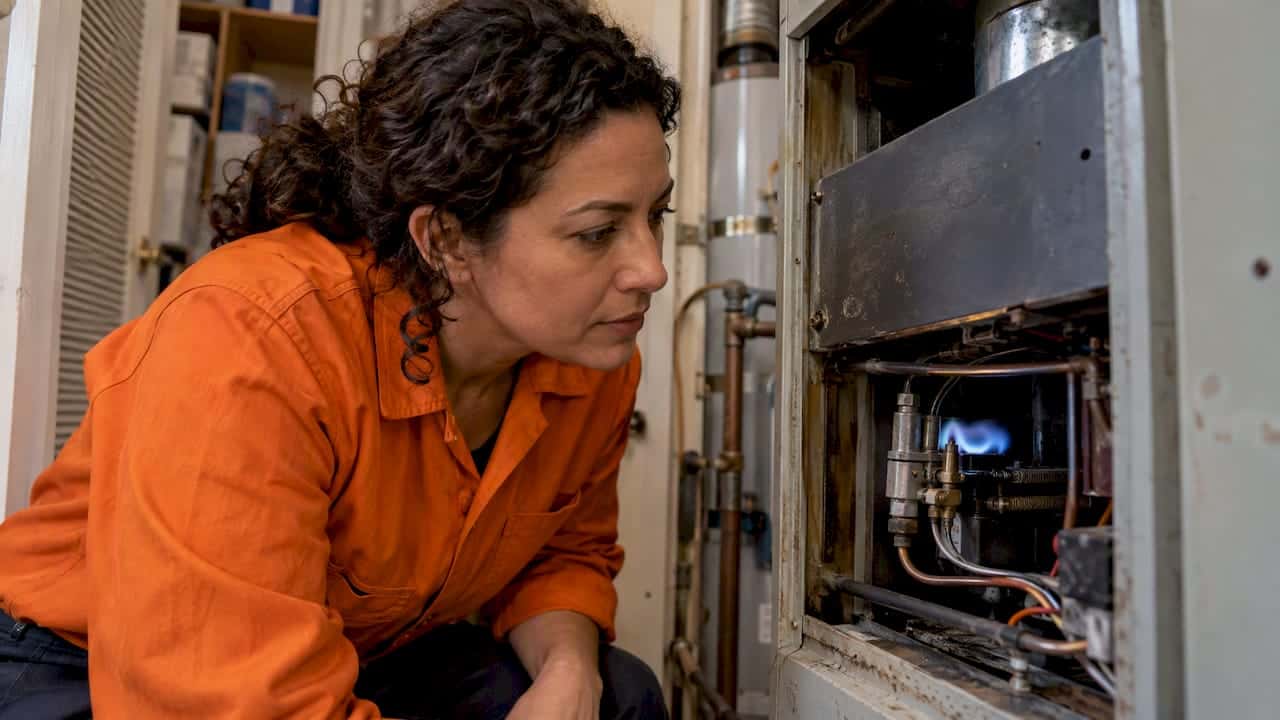
When the furnace fails to ignite, you get no heat even though the blower runs. Common causes include a dirty flame sensor, a failed igniter, or a tripped limit switch. On the cooling side, a failed compressor means the refrigerant does not circulate and the system blows warm air. Both issues require a licensed technician. Attempting to bypass safety switches or handle refrigerant without certification is unsafe and illegal.
9. Uneven heating or cooling from duct issues
Most HVAC failures originate from dirty filters, blocked ducts, or failing blower motors restricting airflow. Leaky or disconnected ducts send conditioned air into attics and crawl spaces instead of living areas. The result is hot or cold spots throughout the home. A duct inspection can identify leaks, disconnected joints, or collapsed sections. Sealing duct leaks is one of the highest-return maintenance investments a homeowner can make.
10. Unusual noises and odors
Banging or clanking points to a loose or broken component inside the blower or compressor. A burning smell from vents suggests an electrical issue or overheating motor. A musty odor usually means mold growth in the drain pan or ductwork. Any burning or electrical smell warrants an immediate system shutdown. Do not run the system until a technician has inspected it.
How to troubleshoot and fix furnace and AC issues safely
Systematic diagnostic steps that verify power, airflow, and temperature differences allow you to localize most faults within an hour. That approach cuts unnecessary repairs and saves money. Work through the steps below before scheduling a service call.
- Check the air filter first. Pull it out and hold it up to light. If you cannot see light through it, replace it. This single step resolves a large share of HVAC system issues.
- Verify thermostat settings and battery health. Set the system to “heat” or “cool” manually and raise or lower the setpoint by 5°F. Replace batteries if the display is dim or blank.
- Inspect the outdoor condenser unit. Clear leaves, grass clippings, and debris from around the unit. Gently rinse the coil fins with a garden hose. Keep at least two feet of clearance around the unit.
- Check the condensate drain line. Locate the PVC drain line near the indoor air handler. If it is dripping slowly or not at all, use a wet/dry vacuum on the drain outlet to clear the blockage. Clearing a clogged condensate drain with a wet/dry vacuum is a quick step homeowners can perform safely.
- Listen for startup sounds. A humming or clicking sound when the system tries to start but fails often points to a capacitor issue. Note the sound and report it to your technician.
- Check circuit breakers. A tripped breaker at the panel is a quick fix, but a breaker that trips again immediately signals a deeper electrical problem. Reset it once. If it trips again, stop and call a professional.
- Know when to stop. Refrigerant leaks, gas valve problems, cracked heat exchangers, and electrical faults inside the air handler are not safe for homeowners to address. Reactive troubleshooting without systematic diagnostics leads to costly misdiagnosis and unnecessary repairs. Stop at the point where the fix requires tools, certifications, or working near live electrical components.
Pro Tip: Write down every symptom you notice and every step you take before calling a technician. That information cuts diagnostic time and reduces your service bill.
What maintenance routines prevent furnace and AC combo problems
Preventive maintenance is the most cost-effective furnace and AC repair tip available. The routines below address the root causes of the most common HVAC failures before they become breakdowns.
- Replace filters on schedule. Check filters monthly. Replace 1-inch filters every 30–90 days. Thicker 4-inch media filters can last 6–12 months. Set a phone reminder so it does not slip.
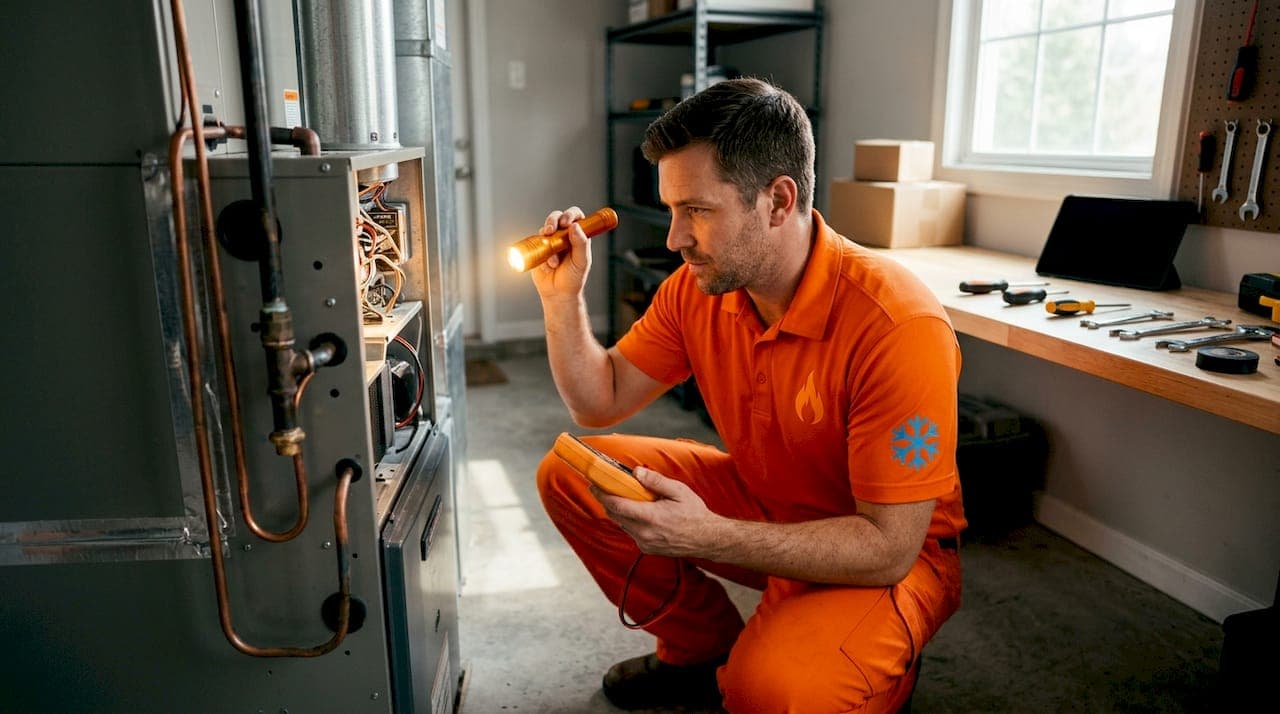
- Schedule professional tune-ups twice a year. A spring tune-up prepares the cooling system before summer. A fall tune-up prepares the furnace before winter. A technician checks refrigerant charge, cleans coils, tests safety switches, and inspects electrical connections during each visit.
- Clean the outdoor condenser coils each spring. Dirty coils force the compressor to work harder, raising energy bills and shortening compressor life. A clean coil is a healthy coil.
- Flush the condensate drain line every three months. Algae grows year-round in warm, humid drain pans. Regular flushing prevents the float switch trips that cause full system shutdowns.
- Test safety switches and electrical components annually. A technician should test the high-limit switch on the furnace, the float switch on the AC, and the capacitors on both the compressor and fan motor. Catching a weak capacitor before it fails prevents a no-start situation on the hottest day of the year.
- Inspect ductwork every few years. Leaky ducts waste energy and create uneven comfort. A duct inspection identifies disconnected joints, collapsed sections, and air leaks that reduce system efficiency.
| Maintenance task | Recommended frequency |
|---|---|
| Air filter replacement | Every 30–90 days |
| Condensate drain flush | Every 3 months |
| Outdoor coil cleaning | Once per year (spring) |
| Professional system tune-up | Twice per year |
| Ductwork inspection | Every 3–5 years |
| Capacitor and safety switch test | Annually |
Regular HVAC maintenance prevents the majority of emergency service calls and extends equipment life by years.
When to call a professional HVAC technician
Some furnace and AC repair situations go beyond safe DIY territory. Call a licensed technician immediately if you notice any of the following:
- Complete system shutdown with no power. If the system has no power after checking the breaker and thermostat, a safety switch or control board may have failed.
- Burning or electrical smells from vents or the furnace. Shut the system off immediately. This symptom indicates overheating components or an electrical fault.
- Frozen coils that do not thaw after 24 hours. Persistent freezing points to a refrigerant leak or a failing compressor, both of which require a certified technician.
- Short cycling that continues after filter and thermostat checks. Persistent short cycling stresses the compressor. A technician needs to check refrigerant charge and system sizing.
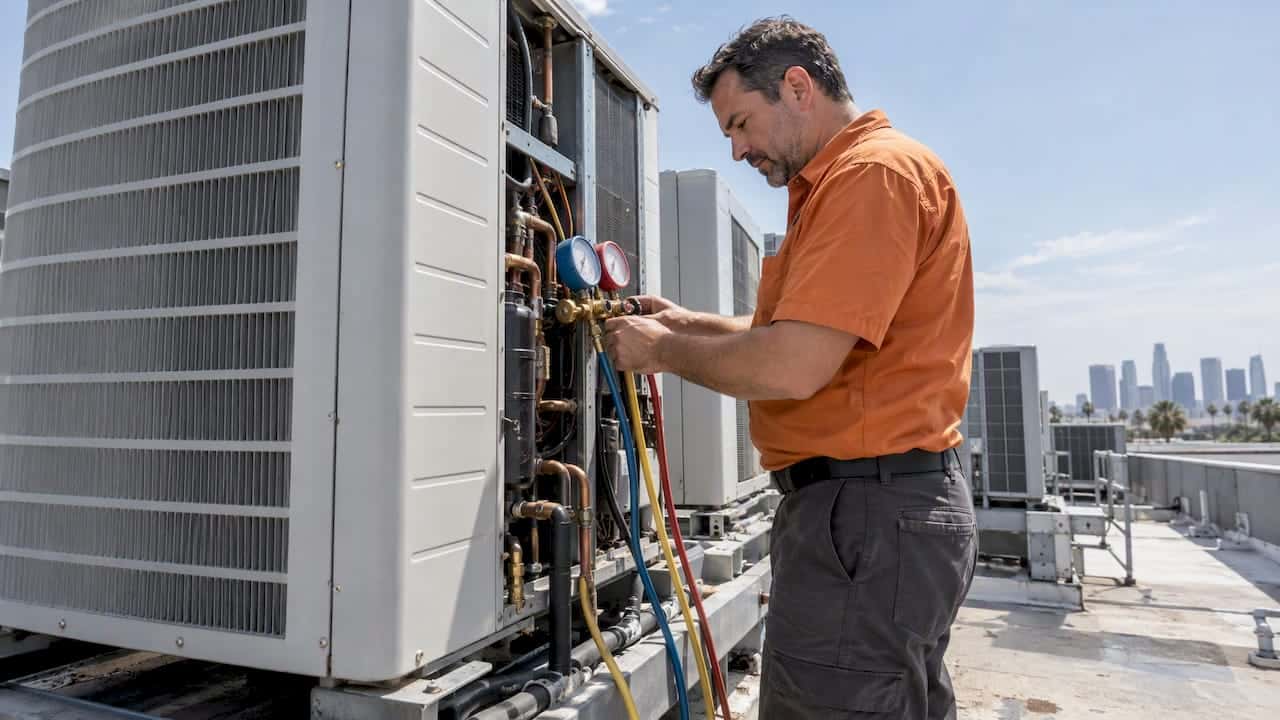
- Refrigerant leaks or chemical odors. Refrigerant handling requires EPA Section 608 certification. Do not attempt to add refrigerant yourself.
- Loud banging, grinding, or screeching sounds. These sounds indicate mechanical failure inside the blower or compressor. Running the system through these sounds causes further damage.
- Repeated circuit breaker trips. A breaker that trips more than once signals a short circuit or a motor drawing too much current. This is an electrical safety issue.
Many combo systems share safety circuits where a minor AC issue like a clogged drain line can trip a float switch that cuts power to both the AC and furnace. That protective feature prevents water damage but causes a full system shutdown that looks alarming. Knowing this saves you from assuming the worst when the system goes completely dark. Check the drain line first. If the system still does not restart, call LC Heating and Air Conditioning for a same-day HVAC diagnostic.
Key takeaways
Most furnace and AC combo failures trace back to three preventable causes: clogged filters, drainage blockages, and deferred maintenance on electrical components.
| Point | Details |
|---|---|
| Filters cause most failures | Clogged filters trigger frozen coils, blower burnout, and short cycling. Replace them every 30–90 days. |
| Drain lines shut down whole systems | A clogged condensate line trips a float switch that cuts power to both the AC and furnace. Clear it with a wet/dry vacuum. |
| Capacitors fail silently | A failed start capacitor mimics compressor failure. Replacement costs $10–$30 and restores normal startup. |
| Thermostat checks save service calls | Dead batteries and wrong settings cause many “no heat” and “no cooling” complaints. Check these first. |
| Twice-yearly tune-ups prevent emergencies | Professional inspections catch weak capacitors, refrigerant loss, and dirty coils before they cause breakdowns. |
What I’ve learned after twenty years of HVAC calls in Los Angeles
The pattern I see most often is not a failed compressor or a cracked heat exchanger. It is a homeowner who ignored a small symptom for three months until it became a $1,200 repair. A rattling sound in october becomes a failed blower motor in january. A slow drain in april becomes a flooded air handler closet in july.
The second most common pattern is a homeowner who swapped parts without diagnosing the root cause. They replaced the capacitor, then the contactor, then called me after spending $300 on parts that did not fix the problem. The actual cause was a dirty evaporator coil restricting airflow. Systematic diagnostics that check power, airflow, and temperature differences first would have identified that in fifteen minutes.
The float switch confusion is real. I get calls every week from homeowners who think their furnace died in the middle of summer. The furnace is fine. A clogged condensate drain tripped the float switch and cut power to the whole system. Shared safety circuits in combo systems cause this exact confusion. Once you know it exists, you check the drain line before panicking.
My honest advice: do the basics consistently. Change your filter. Flush your drain line. Schedule two tune-ups a year. Those three habits eliminate the majority of emergency calls I respond to. When something does go wrong, write down what you heard, what you smelled, and what you already checked. That information cuts my diagnostic time in half and saves you money on the service call.
— Leo
LC Heating and Air Conditioning is ready when you need expert help
When the basics do not resolve the problem, you need a technician who diagnoses accurately the first time. LC Heating and Air Conditioning has served Los Angeles homeowners for over twenty years with flat-rate pricing and no surprise diagnostic fees.
Whether your furnace and AC combo needs a same-day repair or a scheduled maintenance visit, LC Heating and Air Conditioning provides reliable HVAC repair in Los Angeles with honest diagnostics and same-day availability. The team handles everything from clogged drain lines and failed capacitors to refrigerant leaks and duct repairs. You can also browse HVAC how-to guides for additional troubleshooting steps before booking a visit. Call (323) 970-3113 or schedule online to get your system running right.
FAQ
What causes a furnace and AC combo to stop working completely?
A clogged condensate drain line is one of the most common causes of a full system shutdown. The float switch cuts power to both the AC and furnace to prevent water damage, which makes the problem look more serious than it is.
How often should I replace the filter in a combo HVAC system?
Replace 1-inch filters every 30–90 days. Thicker 4-inch media filters can last up to 12 months. Homes with pets or high dust levels need more frequent changes.
What does short cycling mean and why does it matter?
Short cycling is when your HVAC system turns on and off every 2–5 minutes instead of running a normal 10–20 minute cycle. It accelerates wear on the compressor and often signals a dirty filter, low refrigerant, or an oversized unit.
Can I add refrigerant to my AC myself?
No. Refrigerant handling requires EPA Section 608 certification. Adding refrigerant without fixing the underlying leak also wastes money and harms the environment.
How do I know if my capacitor has failed?
A failed capacitor causes the system to hum or click when it tries to start but cannot complete startup. A technician confirms the fault with a capacitor test and can replace the part quickly during the same visit.
Recommended
Leo, Propietario y Técnico Principal en LC Heating & Air
Leo dirige LC Heating & Air como propietario-operador y tiene la licencia C-20 HVAC #1073586 de California. Sus guías se enfocan en diagnósticos prácticos, decisiones de reparación seguras y consejos claros para propietarios de Los Ángeles.