For a new air conditioner in San Marino, expect $4,500 to $11,000+ for central AC, depending on efficiency and ductwork. A ductless mini split runs $3,500 to $6,500 per zone. We include a free Manual J load calculation, pull all required permits, and help you apply for California rebates. Every installation comes with a written estimate and a full manufacturer warranty.
AC Installation & Air Conditioner Service in San Marino
LC Heating & Air provides AC installation in San Marino — including fix A/C, home AC repair, air conditioning unit repair, AC unit repair. Whether you need same-day service, a written estimate, or help deciding between repair and replacement, our licensed technicians handle every make and model.
We repair and service all major HVAC brands in San Marino, including Carrier, Lennox, Trane, Hisense, LG, and Samsung, and older or discontinued units. No matter the manufacturer, we diagnose the problem accurately and give you an upfront price before any work begins.
A new air conditioner is one of the biggest home comfort investments you'll make. LC Heating & Air provides AC installation, air conditioning unit replacement, and central AC service sized correctly using Manual J load calculations. We install Carrier, Lennox, Trane, Daikin, Mitsubishi, Hisense, LG, and Goodman equipment matched to your home's ductwork and insulation.
In San Marino, the hillside terrain, older custom homes, and varied sun exposure mean a one-size-fits-all approach to AC installation simply doesn't work. We take the time to measure your home's specific cooling load, check your existing ductwork, and recommend equipment that will actually perform on the hottest days. No guesswork, no shortcuts.
Consideraciones HVAC locales
Sun exposure, slope, wind, tree cover, and elevation changes can create room-by-room comfort differences.
Hillside homes, older custom homes, estate lots, and tight-access mechanical areas.
Slopes, narrow roads, gated properties — equipment placement and line-set routing require advance planning.
We also serve San Gabriel Country Club, San Gabriel, Alhambra, South Pasadena, Pasadena, and Temple City.
Local AC Problems in San Marino Homes
San Marino's hillside homes and estate lots come with their own set of cooling challenges. Sun exposure varies dramatically from one side of a property to the other, and the slope of the land can create room-by-room temperature differences that a standard central AC system struggles to balance. Long refrigerant line runs from an outdoor unit placed at the bottom of a hill to an indoor coil at the top add pressure drop and can reduce efficiency if not accounted for during installation.
We also see condensers placed in tight side yards or behind landscaping where airflow is restricted, causing high head pressure and premature compressor failure. These are installation problems that a proper upfront assessment catches. When we design a new system for a San Marino home, we factor in the specific placement constraints and sun exposure patterns so the equipment runs as intended.
San Marino Housing Stock and Your AC Installation
San Marino is known for its older custom homes, estate lots, and properties with tight-access mechanical areas. Many of these homes were built before central air conditioning was standard, which means ductwork was added later — often undersized, poorly routed, or made from flex duct that restricts airflow. If you're replacing an existing system, we always inspect the ductwork first. If the ducts are too small or leaking heavily, even the best new AC unit will underperform.
For homes without existing ductwork, a ductless mini-split system is often the best option. These are essentially heat pumps — they provide both cooling and heating, which is useful in San Marino's mild winters. A multi-zone mini split can handle two to five rooms without any ductwork at all, and the installation is less invasive than adding new ducts to a finished home. We evaluate the property's layout and your comfort priorities before recommending a system type.
What We Check Before We Install Your AC
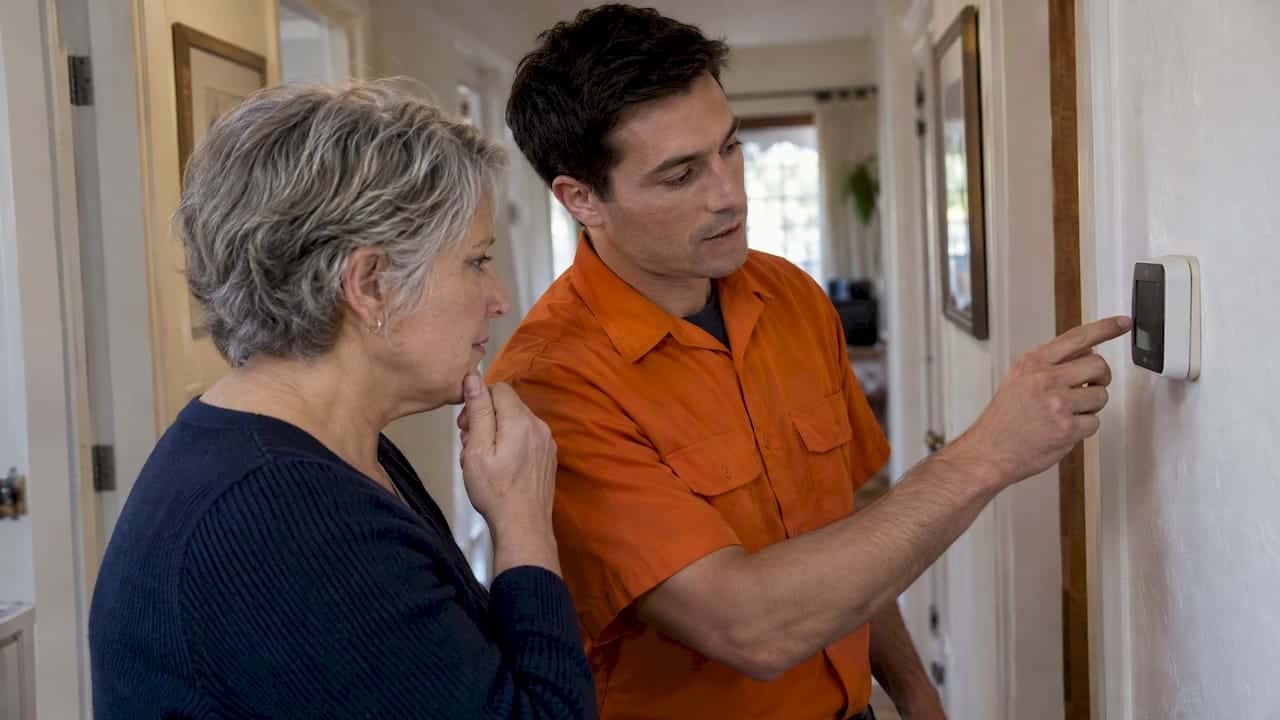
Before we recommend any new AC system, we start with a thorough inspection of your existing setup — even if you're doing a full replacement. We check the condition of the indoor coil and the outdoor condenser for signs of corrosion or past refrigerant leaks. We measure the airflow at the supply registers and compare it to the design CFM for the duct system. We also check the electrical panel to confirm it can handle the load of the new equipment, and we verify the thermostat wiring is compatible with the new system.
On the refrigerant side, if there was a leak in the old system, we look for residual contamination in the line set that could damage a new compressor. In many cases we recommend replacing the line set entirely to avoid that risk. We also check the condensate drain and drain pan for blockages or damage. Every diagnostic step gives us a clearer picture of what the new installation needs to include — and what hidden problems are worth fixing while the system is down.
When to Repair and When to Replace Your AC in San Marino
If your current AC is 12 years or older and has needed repairs in two of the last three years, replacement usually makes more financial sense than another repair. A new system at 16 SEER2 will cut your cooling bills by 30-50% compared to a 10 SEER unit from the early 2000s, and the monthly savings can offset the cost of financing. On the other hand, if the unit is less than eight years old and the problem is a simple part like a run capacitor or a contactor, a repair for $200-$400 is the smart move.
We don't push replacement when a repair will do the job. If the compressor is still healthy and the coil isn't leaking, we'll quote the repair and explain the expected life remaining. But if the repair estimate exceeds 50% of the cost of a new system, or if the refrigerant is R-22 (which is phased out and expensive to recharge), we lay out the math honestly so you can make an informed decision. Our written estimates include both options side by side.
Cost and Rebate Factors for AC Installation in San Marino
The cost of a new AC system in San Marino depends on the size of the home, the efficiency tier you choose, and whether your ductwork needs modifications. A 14-16 SEER2 central AC runs $4,500-$6,500 for a typical 3-ton system. A higher-efficiency 17-20 SEER2 unit runs $5,500-$8,500, and premium 21+ SEER2 systems go up to $11,000. If you're replacing the furnace at the same time, a complete system can range from $8,000 to $18,000 or more. We include the Manual J load calculation at no extra cost.
California rebates can reduce your out-of-pocket cost significantly. The TECH Clean California program offers up to $3,000 for qualifying heat pump installations, and SCE provides $500-$1,200 for high-efficiency cooling equipment. To qualify, the system must meet minimum SEER2 requirements, be installed by a licensed contractor with proper permits, and have passed inspection. We identify applicable rebates during your estimate, apply them to your proposal, and handle the paperwork after installation.
Access and Scheduling for Your San Marino AC Installation
San Marino's hillside and estate lots present unique access challenges. Our crew needs to plan equipment placement, ladder access, and line-set routing around slopes and narrow roads before installation day. If your property has gated access or requires coordination with a homeowner's association, we work with you to schedule the delivery window and confirm all clearances. We also coordinate with any general contractor or property manager if you're doing a larger renovation.
Emergency calls for urgent cooling issues are answered within 30 minutes over the phone. For scheduled installations, we typically book two to four weeks out during peak season (May through September). We offer same-day service options for emergency repairs that can't wait, but full installations require a pre-installation site visit to finalize equipment selection and verify ductwork condition. That way, installation day runs smoothly without surprises.
Common Mistakes in AC Installation to Avoid
The most common mistake we see on AC replacements is skipping the load calculation and sizing the new unit by tonnage alone. Over half the homes we visit have an oversized system that short-cycles, never dehumidifies properly, and wears out the compressor in eight to ten years instead of fifteen. The second most common mistake is failing to replace or properly flush the refrigerant line set when a new system is installed, which introduces moisture and debris that can kill the new compressor within months.
Another frequent issue is skipping permits. Unpermitted AC installations can cause problems when you sell your home — the buyer's inspection may flag the work, and the title company may require re-inspection or removal. They can also void your homeowner's insurance if a fire or leak is traced back to unpermitted work. LC Heating & Air pulls all required permits for AC installation in San Marino and coordinates the final inspection so you're covered.
Health and Safety With Your New AC System
A properly sized and installed AC system does more than cool your home — it controls humidity, filters airborne particles, and helps maintain indoor air quality. In San Marino's climate, where summer heat can push humidity levels high, a system that runs long enough to dehumidify properly prevents mold growth in ducts and on walls. We always install a properly matched indoor coil and ensure the condensate drain is sloped correctly and free of blockages to avoid water damage and microbial growth.
Safety-wise, we check that the electrical disconnect is properly rated for the new equipment, the circuit breaker is sized correctly, and all wiring connections are tight and corrosion-free. For heat pump installations (which are just reversible ACs), we also verify that the auxiliary heat strips or backup furnace are wired correctly to prevent overheating. We test carbon monoxide detectors and smoke alarms in the vicinity and will flag any concerns before we leave the job site.
How to Decide on a New AC in San Marino
Start by checking the age of your current system. If it's 12+ years old and has needed repairs in the last two years, replacement is worth serious consideration. If the repair cost you're facing is more than half the cost of a new system, replacement is the smarter financial move. But if your system is under 8 years old and the problem is a simple part like a run capacitor, a repair is almost always the right call.
We provide free in-home estimates that include a Manual J load calculation, ductwork inspection, and a side-by-side comparison of repair vs. replacement costs with rebate information. There's no pressure to decide on the spot — take the written estimate home, compare financing options, and call us when you're ready. If you're on the fence, we can walk you through the math over the phone.
Cómo funciona la visita
We inspect your ductwork, insulation, electrical panel, and existing equipment. We also perform a Manual J load calculation to determine the correct system size.
We present multiple equipment options with different efficiency levels and price points, including projected energy savings and rebate eligibility. All proposals are in writing.
A two-technician crew removes the old equipment, installs the new system, updates electrical connections, and connects the refrigerant lines. We pull all required permits and schedule the inspection.
We commission the system, verify refrigerant charge and airflow, and walk you through the thermostat settings and filter replacement schedule. You get a complete commissioning report and warranty documentation.
Factores de costo que revisamos antes de cotizar
- • Home square footage and insulation levels — affect required tonnage and system cost.
- • Efficiency tier (SEER2 rating) — higher efficiency costs more upfront but saves on monthly bills.
- • Ductwork modifications or replacement — adding or repairing ducts adds $1,000–$4,000.
- • Permits and inspection fees — included in our installation quotes for all permitted work.
- • Brand and equipment type — premium brands like Lennox XC25 or Carrier Infinity cost more than value brands like Goodman or Rheem.
- • Labor and access difficulty — hillside properties, long line-set runs, or tight mechanical areas can increase labor time.
Próximos pasos útiles
AC Installation in San Marino at a glance
- • Service provider: LC Heating & Air, owned and operated by Leo with over 20 years of hands-on HVAC experience.
- • Location: San Marino, CA (zip 91108), serving hillside homes, estate lots, and older custom residences.
- • License: California CSLB #1073586, C-20 HVAC contractor, fully insured.
- • Phone: (323) 970-3113 — emergency calls answered within 30 minutes.
- • Estimate policy: free in-home written estimates for all AC installations; diagnostics apply toward repair.
- • Technicians are NATE-trained and EPA-certified; Leo is currently pursuing NATE certification.
- • All installations include Manual J load calculation, permit pulling, and full manufacturer warranty registration.
Our ac installation process in San Marino
Reviewed by Leo, Owner & Lead Technician
This ac installation guide for San Marino is reviewed for practical HVAC accuracy by Leo at LC Heating & Air. LC Heating & Air holds California CSLB C-20 HVAC license #1073586 and provides written estimates before approved work.
What San Marino customers say about ac installation
Verified reviews from homeowners in San Marino and nearby neighborhoods who used our ac installation service.
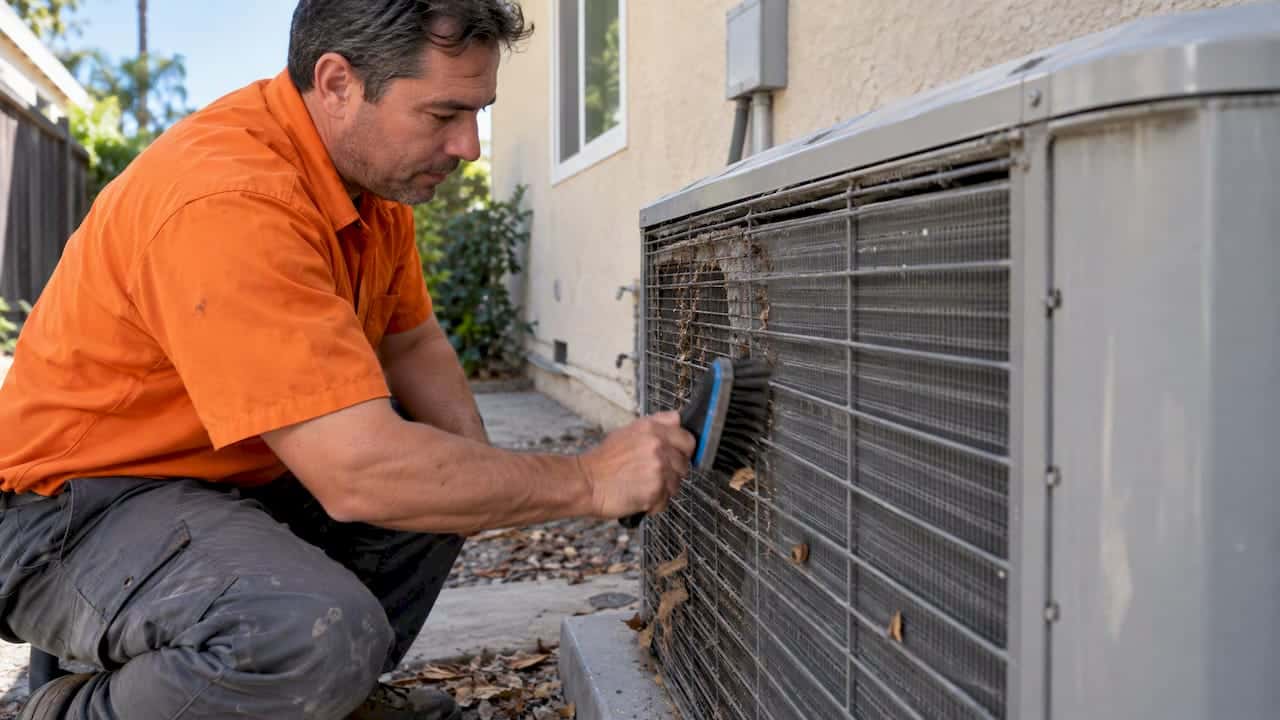
“AC wasn't cooling to setpoint even though it was running all day. LC found the condenser coils were completely clogged with cottonwood. Cleaned them on the spot and the system cooled my house 12 degrees in an hour.”
“LC replaced our entire HVAC system — new Carrier condenser, furnace, and coil. Leo walked us through every option without pressure. The install team was professional and clean. System runs perfectly and our electricity bill dropped about 30%.”
“Called LC because our CO detector went off. Their technician found a crack in the heat exchanger and immediately shut down the furnace. He explained the safety issue clearly, provided a replacement estimate, and didn't try to scare us — just facts.”