- Why valley heat stresses AC harder than most climates
- How valley-specific conditions make AC stress worse
- What AC failures actually look like during valley heat
- How to protect your AC from valley heat stress
- Key takeaways
- What 20 years in the Valley taught me about AC and heat
- Stay ahead of valley heat with LC Heating and Air Conditioning
- FAQ
- Recommended
Why Valley Heat Stresses AC: What Homeowners Must Know
TL;DR:
- San Fernando Valley heat causes AC systems to operate beyond their design limits, increasing energy consumption and risk of failure. Continuous operation under extreme temperatures accelerates wear on components like compressors and motors, leading to costly repairs or replacements. Regular maintenance, filter changes, and proper system sizing can mitigate heat stress and extend the lifespan of cooling systems.
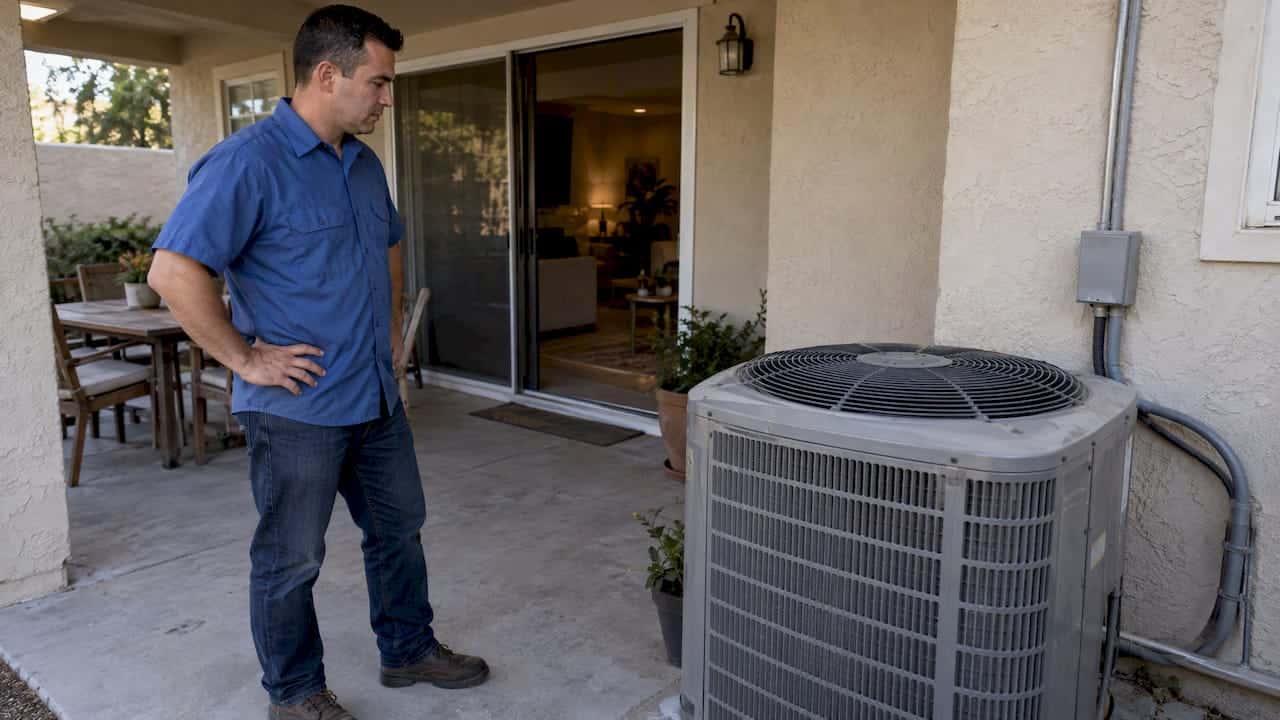
San Fernando Valley heat stresses AC systems by forcing them to operate far beyond their design limits, consuming up to 50–100% more energy when outdoor temperatures climb past 100°F. Standard residential air conditioners are engineered to maintain a 20°F indoor-to-outdoor temperature differential. When the Valley hits 108°F on a July afternoon, your system is not just working harder. It is fighting a battle it was never built to win. The technical term for this condition is thermal overload, and it is the root cause behind most summer AC breakdowns in the region. Understanding why valley heat stresses AC the way it does puts you in a far better position to protect your system, manage your expectations, and avoid a costly emergency call in the middle of a heat wave.
Why valley heat stresses AC harder than most climates
The core problem is a mismatch between what your AC was designed to do and what the San Fernando Valley actually demands of it. Most residential systems are sized and rated to maintain a 20°F differential between indoor and outdoor air. That works fine when it is 85°F outside and you want 65°F inside. It breaks down fast when the thermometer reads 110°F.
How the compressor takes the biggest hit
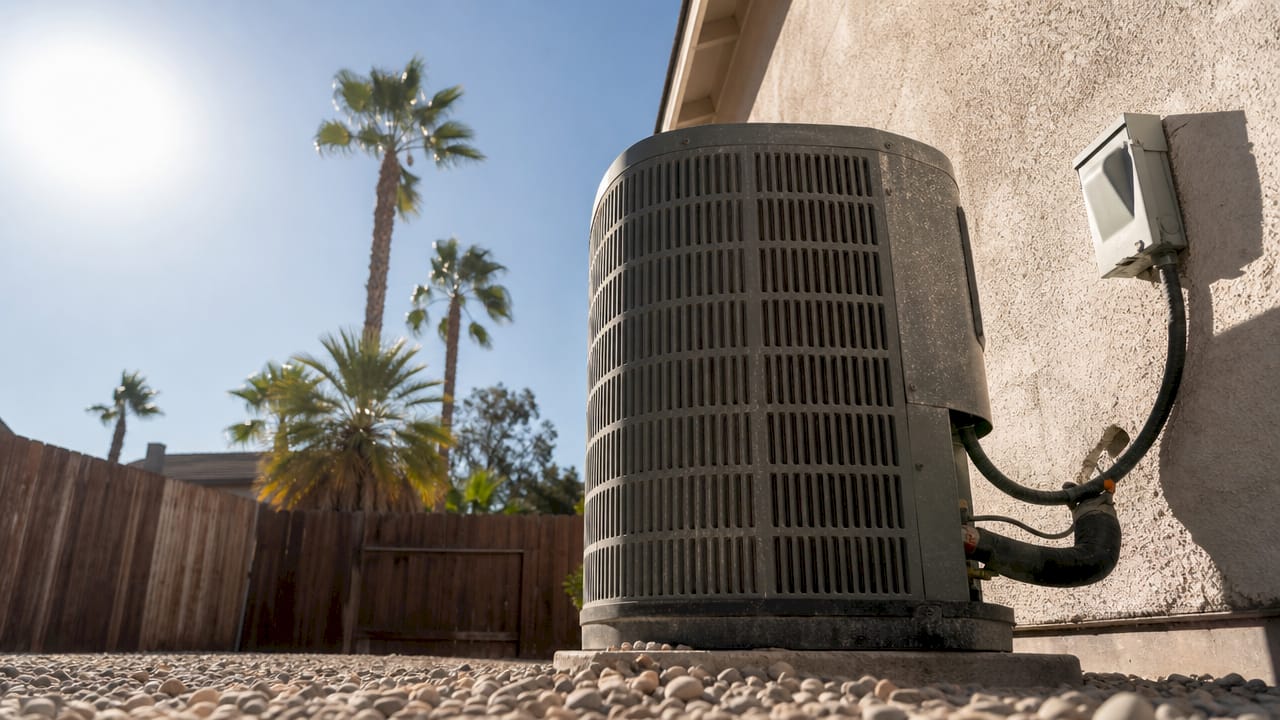
The compressor is the heart of your AC system, and it suffers most under extreme heat. At temperatures above 110°F, compressor oil thins significantly, reducing its ability to lubricate moving metal parts. The result is increased friction, accelerated wear, and in severe cases, mechanical seizure. A seized compressor is not a repair. It is a replacement, often running $1,500 to $2,800 or more.
Continuous run cycles make this worse. During a Valley heat wave, your system may run for 10 to 16 hours straight without a meaningful off cycle. Components like capacitors and motors are designed with rest periods built into normal operation. Remove those rest periods, and you shorten their service life dramatically.
Energy consumption climbs fast above 95°F
Here is a number worth knowing: energy use rises 50–100% when outdoor temperatures climb from 95°F to 115°F. That is not a gradual increase. It is a near-doubling of the electrical load your system draws, which strains both the unit and your home’s electrical panel. Breakers trip more often during heat waves for exactly this reason.
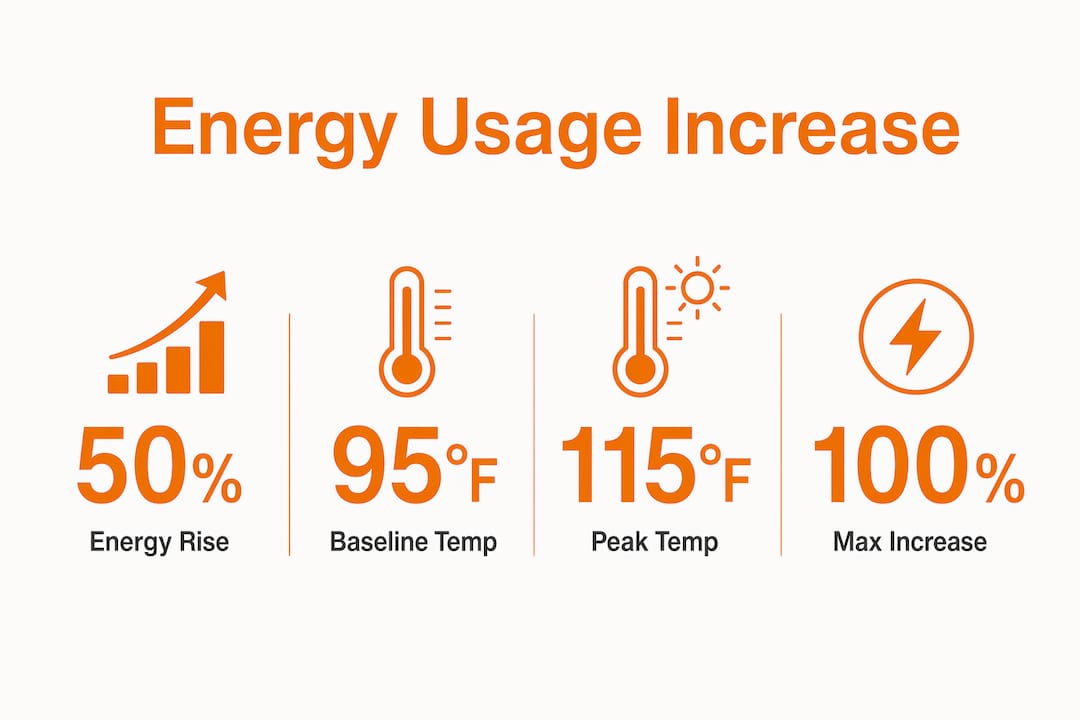
Dirty condenser coils compound the problem significantly. Fouled coils increase energy consumption by up to 30% on their own, on top of the heat-related load increase. That means a system with dirty coils running in 110°F heat could be drawing nearly double its rated load. That level of strain accelerates wear on every electrical component in the unit.
Key warning signs of mechanical strain under heat load:
- Breaker trips repeatedly during peak afternoon hours
- System runs continuously without reaching the set temperature
- Warm or lukewarm air from supply vents despite the system running
- Outdoor unit fan running but compressor making unusual sounds
- Electricity bills spiking well above prior-year summer costs
How valley-specific conditions make AC stress worse
The San Fernando Valley does not just get hot. It gets hot in ways that stack multiple stressors on top of each other. Coastal areas benefit from marine layer cooling at night. The Valley does not. That distinction matters more than most homeowners realize.
The attic heat problem
On a 100°F Valley day, attic temperatures reach 150–160°F. That superheated air radiates directly into your living space through the ceiling, adding a constant heat load that your AC must fight in addition to the outdoor temperature. Even a well-insulated attic slows this transfer. It does not stop it. Your system ends up battling heat from above and outside simultaneously.
Dust and agricultural particulates
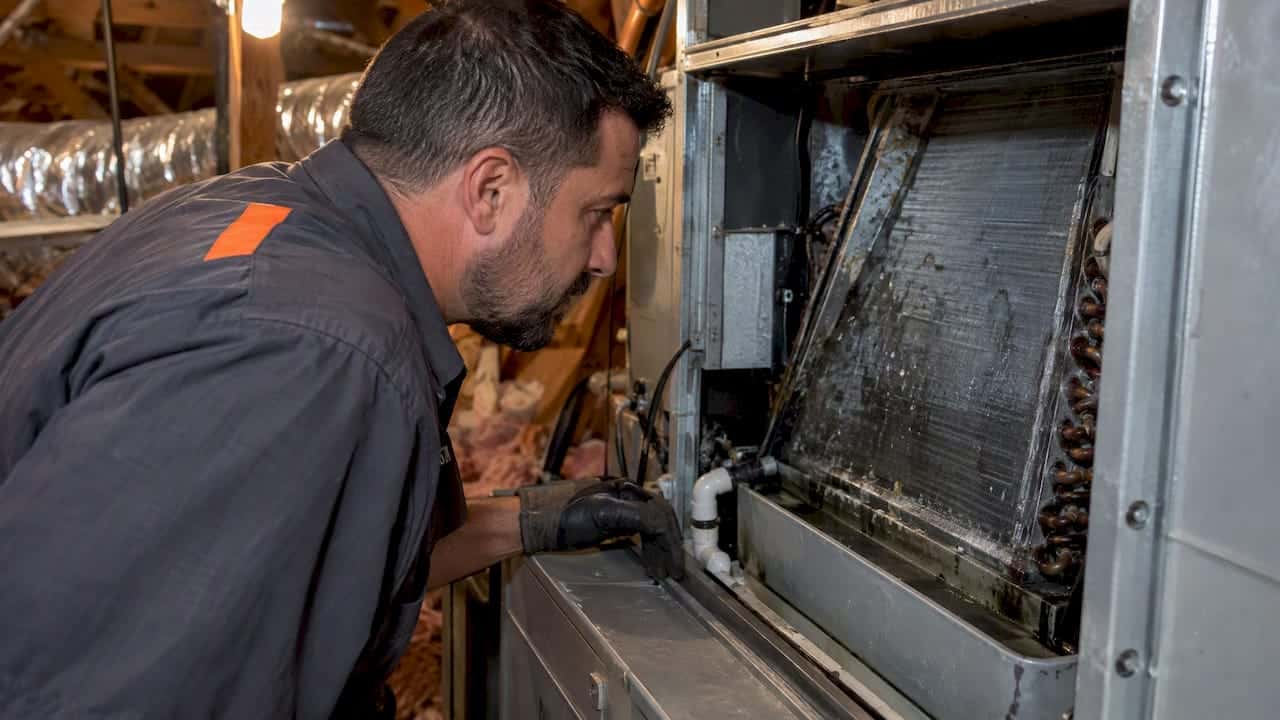
The Valley’s air carries significantly more particulate matter than coastal Los Angeles. Agricultural dust, construction debris, and dry-season silt coat condenser fins and act as a thermal blanket on outdoor coils, trapping heat that the system is trying to expel. The outdoor unit’s entire job is to dump heat from inside your home into the outside air. When a layer of dust insulates the coils, that heat rejection process becomes less efficient, pushing compressor pressures into dangerous territory.
Air filters inside the home clog faster in high-dust environments too. Clogged filters force blower motors to work harder against restricted airflow, raising motor temperatures and risking burnout. A filter that might last 90 days in a coastal home may need replacement every 30 days during Valley summers.
The heat dome and nighttime temperature trap
| Factor | Effect on AC | Valley Severity |
|---|---|---|
| Daytime high above 100°F | Continuous run cycles, compressor overload | Frequent June through September |
| Attic temps 150–160°F | Radiant heat load added to cooling demand | High in homes with poor attic insulation |
| Dust on condenser coils | Up to 30% energy increase, heat rejection failure | Elevated year-round, worst in dry season |
| Nighttime temps above 80°F | No system recovery period overnight | Common during heat dome events |
| Urban heat island effect | Raises ambient temps by up to 8°F | Significant in denser Valley neighborhoods |
The heat dome effect is particularly damaging. When a high-pressure system stalls over the region, nighttime temperatures stay above 80°F for days at a time. Your AC never gets a recovery window. The system that ran hard all day starts the next morning already warm, already stressed, and already behind.
Pro Tip: Set your thermostat to 78°F during peak heat rather than 72°F. Each degree below 78°F adds roughly 6–8% to your cooling load. In 110°F heat, chasing 70°F indoors puts your system at serious risk of failure.
What AC failures actually look like during valley heat
Knowing the symptoms of heat stress lets you catch problems before they become full breakdowns. Most Valley homeowners assume their AC failed because of one brutal day. The reality is different. Late-summer failures are cumulative, building from months of elevated thermal stress on electrical components that gradually lose their tolerance for heat.
The components most likely to fail
-
Capacitors. These small cylindrical components start motors and keep them running. Heat is their primary enemy. A capacitor that tests fine in April may fail by August after months of elevated operating temperatures. When a capacitor fails, the compressor or fan motor it serves simply will not start.
-
Contactors. The contactor is an electrical switch that sends power to the compressor. Sustained heat causes the contact points to pit and corrode, leading to intermittent operation or complete failure. A bad contactor often causes the system to hum but not cool.
-
Compressor. As covered above, oil thinning and continuous operation are the main threats. A compressor that survives one heat wave may not survive the next if the underlying stress is not addressed.
-
Blower motors. Restricted airflow from dirty filters raises motor temperatures. Over time, the motor’s thermal protection trips repeatedly, shortening its lifespan. Eventually it fails entirely, leaving you with a system that runs but moves no air.
Symptoms to watch for right now
- Short cycling: the system turns on, runs for two to three minutes, then shuts off before cooling the space
- Warm air from vents despite the thermostat calling for cooling
- Ice forming on the refrigerant line near the indoor unit, which signals restricted airflow or low refrigerant
- Tripped breakers on the AC circuit, especially during afternoon peak hours
- Unusual grinding, rattling, or high-pitched squealing from the outdoor unit
If your system is running but not cooling the house, that is a specific symptom pattern worth diagnosing promptly. Waiting through a heat wave hoping it resolves on its own typically turns a $300 capacitor replacement into a $2,000 compressor repair.
Low refrigerant accelerates failures too. An undercharged system works harder to move heat, raising compressor temperatures and pressures above safe operating levels. Refrigerant does not deplete on its own. If your system is low, there is a leak that needs to be found and fixed, not just topped off.
How to protect your AC from valley heat stress
Prevention is far less expensive than repair. The good news is that most of the steps that protect your system are straightforward and do not require specialized knowledge to initiate.
Maintenance actions that make a real difference
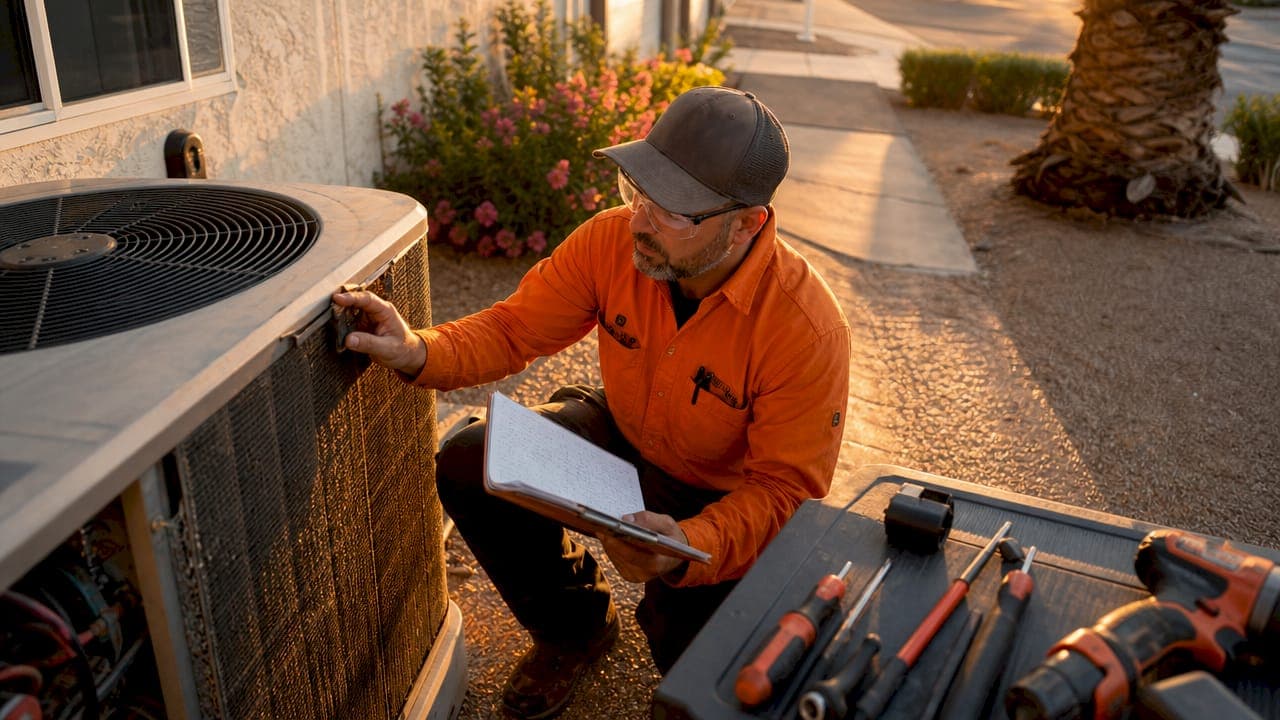
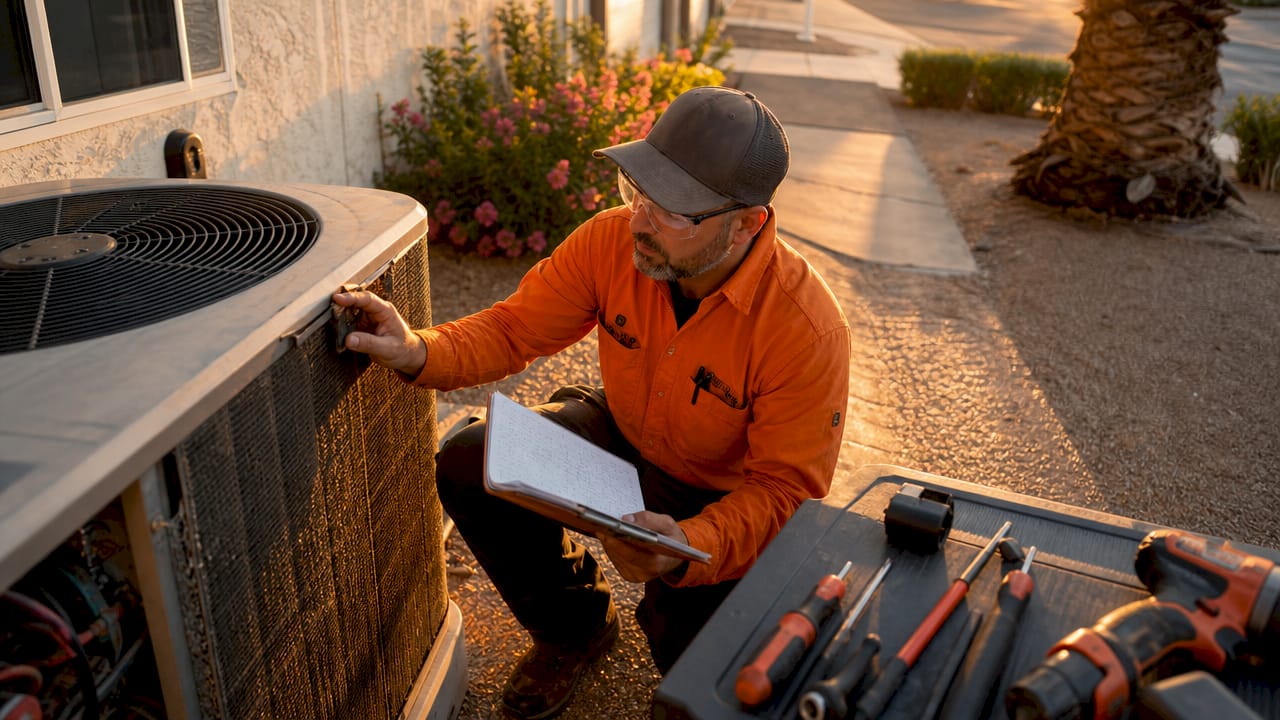
- Schedule bi-annual tune-ups. Spring and fall service visits cover filter replacement, coil cleaning, refrigerant checks, and electrical component testing. A professional AC tune-up before summer starts catches failing capacitors and dirty coils before they cause a breakdown on the hottest day of the year.
- Clean or replace filters every 30 days during summer. In the Valley’s dusty environment, standard 90-day filter change intervals are too long. A MERV 8 filter balances dust capture with adequate airflow for most residential systems. Going above MERV 11 without confirming your system can handle the added restriction risks blower motor strain.
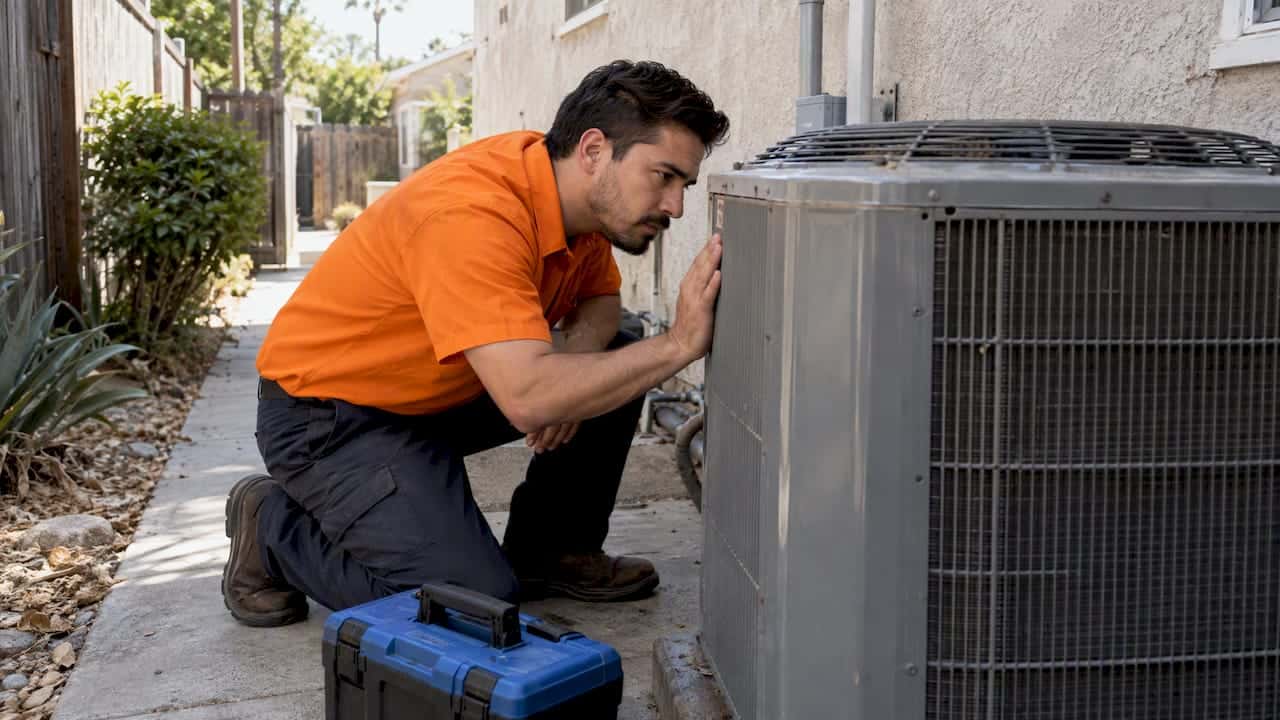
- Keep the outdoor condenser clear. Maintain at least 18 to 24 inches of clearance around the outdoor unit. Trim back shrubs, remove debris, and rinse the coil fins with a garden hose at the start of the season. Never use a pressure washer, as it bends the delicate aluminum fins.
- Seal your ducts. Ducts running through a 150°F attic pick up enormous heat loads if they have gaps or poor insulation. Sealing and insulating attic ductwork can reduce cooling losses by 20–30%, meaning your system does less work for the same result.
- Install a surge protector on the AC circuit. Grid strain during heat waves causes voltage fluctuations that damage compressor electronics and control boards. A dedicated AC surge protector costs $150 to $300 installed and can prevent a $1,000 control board replacement.
Pro Tip: Pre-cool your home before the peak heat window of 2 p.m. to 7 p.m. Run your AC hard in the morning to bring indoor temps down to 74°F or lower, then let the thermostat hold at 78°F during peak hours. This reduces the total run time during the most stressful part of the day.
Without consistent maintenance, Valley AC systems last 8–12 years compared to the national average of 15 years. That gap represents tens of thousands of dollars in premature replacement costs. Regular service is not an expense. It is an investment in the lifespan of a major home system.
For homeowners who want to go further, look at how to choose a new AC unit sized specifically for Valley heat loads if your current system is undersized or aging. A unit that is properly sized for your home’s heat gain profile will run more efficiently and last longer than one that is perpetually overwhelmed.
Key takeaways
Valley heat stresses AC systems by pushing them past their 20°F design differential, triggering continuous operation, mechanical wear, and accelerated component failure that compounds across the entire summer season.
| Point | Details |
|---|---|
| Design limits are real | Standard AC units are built for a 20°F differential, not the 40°F+ gap common in Valley summers. |
| Energy use nearly doubles | Temperatures above 95°F can increase AC energy consumption by 50–100%, straining electrical components. |
| Dust is a silent threat | Agricultural particulates coat condenser coils and act as insulation, reducing heat rejection and raising compressor pressure. |
| Failures are cumulative | Most late-summer breakdowns result from months of heat stress, not a single extreme day. |
| Maintenance extends lifespan | Regular tune-ups and filter changes can extend Valley AC lifespan from 8–12 years toward the 15-year national average. |
What 20 years in the Valley taught me about AC and heat
After two decades of servicing homes across the San Fernando Valley, the misconception I hear most often is this: “My AC is broken because it can’t keep up.” Nine times out of ten, the system is not broken. It is being asked to do something it was never designed to do.
A standard residential AC unit is not a commercial cooling system. It cannot take a 110°F day and turn your house into a 68°F sanctuary. When homeowners set their thermostats to 65°F during a heat wave, they are not getting more cooling. They are running the system continuously at maximum load, burning through capacitors and compressor life at an accelerated rate, and often still not reaching the set point.
The other thing I have seen repeatedly is the cost of skipping spring maintenance. Homeowners who service their systems every year rarely call me for emergency repairs. The ones who skip two or three seasons in a row almost always end up with a compressor or motor failure in August, when every HVAC company in the Valley is booked out. The cumulative nature of heat stress damage means the system that “seemed fine last summer” was already degrading. It just had not crossed the failure threshold yet.
My honest advice: treat your AC like you treat your car. You would not skip oil changes for three years and then wonder why the engine failed. The same logic applies here. A $150 tune-up in April is the most cost-effective thing you can do for a system that costs $5,000 to $12,000 to replace.
— Leo
Stay ahead of valley heat with LC Heating and Air Conditioning
LC Heating and Air Conditioning has been keeping Valley homes comfortable through extreme heat for over 20 years. The team offers same-day AC repair and preventive maintenance plans designed specifically for the demands of the San Fernando Valley climate. Whether your system needs a coil cleaning, a capacitor replacement, or a full inspection before summer peaks, LC Heating and Air Conditioning provides flat-rate pricing with no surprise diagnostic fees. Schedule your summer tune-up at lahvaclc.com/hvac-tune-ups before the next heat wave hits. Getting ahead of the problem is always less expensive than reacting to a breakdown at 4 p.m. on a 108°F afternoon.
FAQ
Why does my AC struggle when it’s above 100°F outside?
Your AC is designed to maintain a 20°F temperature differential between indoors and outdoors. When outdoor temps exceed 100°F, the system must work continuously at maximum load, consuming up to 50–100% more energy and stressing every major component.
How often should I change my AC filter in the Valley?
In the San Fernando Valley’s high-dust environment, replace your filter every 30 days during summer rather than the standard 90-day interval. Clogged filters force blower motors to work harder, raising operating temperatures and accelerating motor wear.
What causes AC to fail during late summer specifically?
Late-summer failures are mostly cumulative. Capacitors, contactors, and motors operate under elevated thermal stress all season, gradually losing their tolerance for heat until they reach a failure point, often during a late-season heat spike.
Can dirty condenser coils really cause a breakdown?
Yes. Dirty condenser coils can increase energy consumption by up to 30% on their own, and in Valley conditions they also trap heat that the system needs to expel. The combination raises compressor pressures to dangerous levels and accelerates wear on electrical components.
Is it worth repairing an older AC or replacing it before summer?
If your system is under 10 years old and has been maintained regularly, repair is usually the right call. Systems older than 12 years that have had multiple heat-related failures are often more cost-effective to replace, especially given that Valley heat shortens AC lifespan compared to the national average.
Recommended
Leo, Owner & Lead Technician at LC Heating & Air
Leo leads LC Heating & Air as an owner-operator and holds California CSLB C-20 HVAC license #1073586. His guides focus on practical diagnostics, safe repair decisions, and clear advice for Los Angeles homeowners.