June 23, 2026

Flat Rate HVAC Pricing Benefits Every Homeowner Should Know

By Leo · LC Heating & Air
Flat Rate HVAC Pricing Benefits Every Homeowner Should Know
Table of Contents

Flat Rate HVAC Pricing Benefits Every Homeowner Should Know

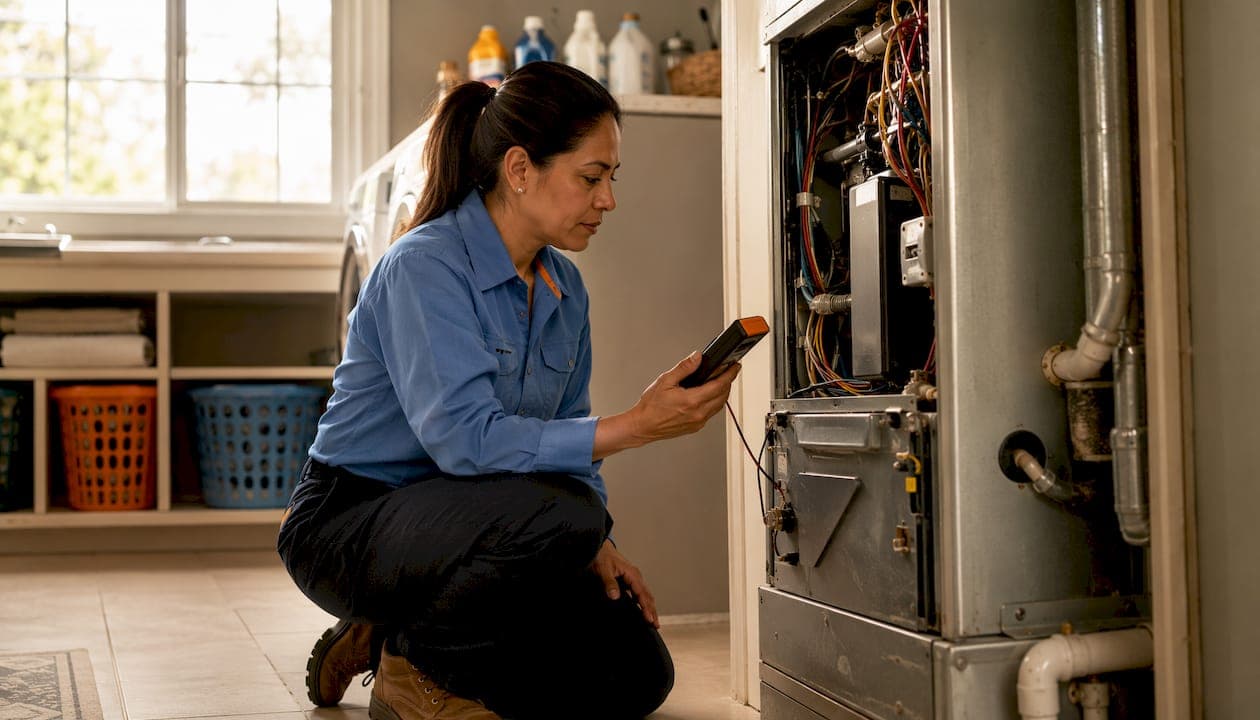
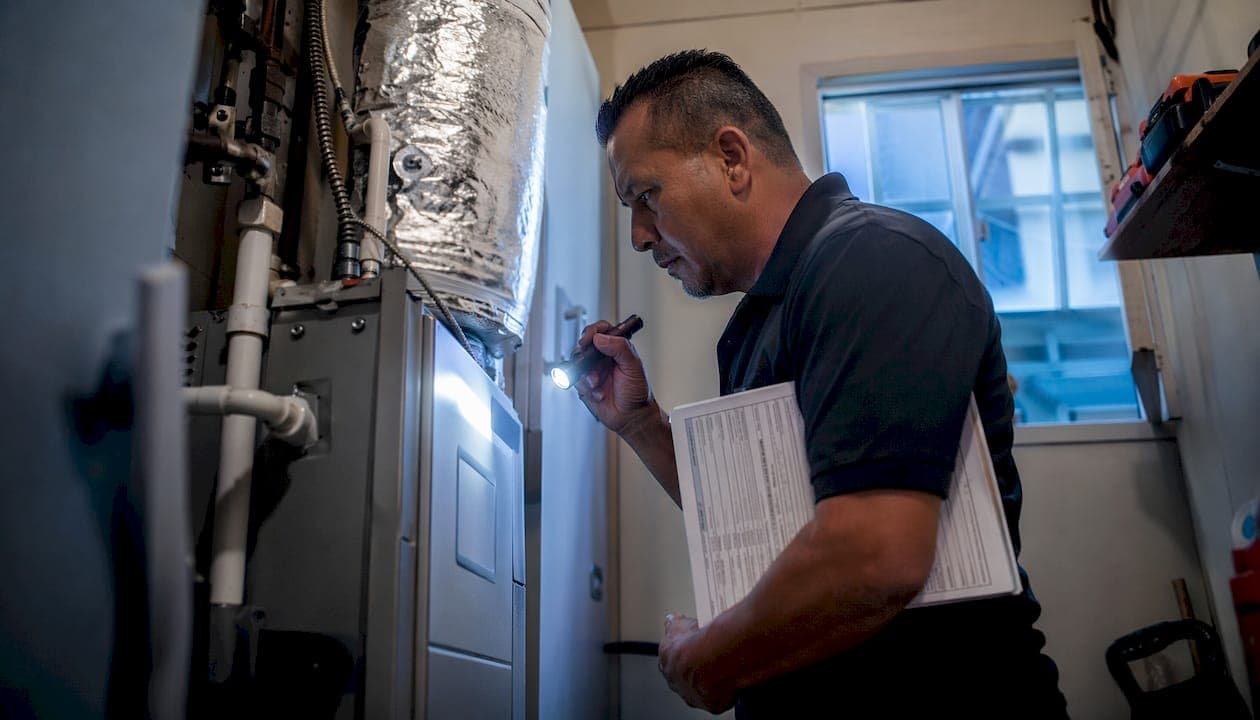
Homeowner reviewing HVAC repair estimate


TL;DR:

  • Flat rate HVAC pricing offers homeowners a fixed, transparent cost before work begins, ensuring budget certainty. It rewards technician efficiency and protects against unexpected charges, making repairs more predictable and less stressful. Hourly billing often results in higher costs and less clarity, especially when scope or delays vary.

Flat rate HVAC pricing is defined as a fixed price charged for a specific service, regardless of how long the technician takes to complete it. You know the total cost before any work begins, and that number does not change when the job runs long. 92% of homeowners prefer knowing total repair costs upfront. That preference explains why every high-performing residential HVAC company now uses flat rate pricing as their standard model. The benefits of flat rate HVAC pricing go beyond simple convenience. They protect your budget, improve service quality, and remove the anxiety that comes with watching a clock tick while a technician works in your attic.

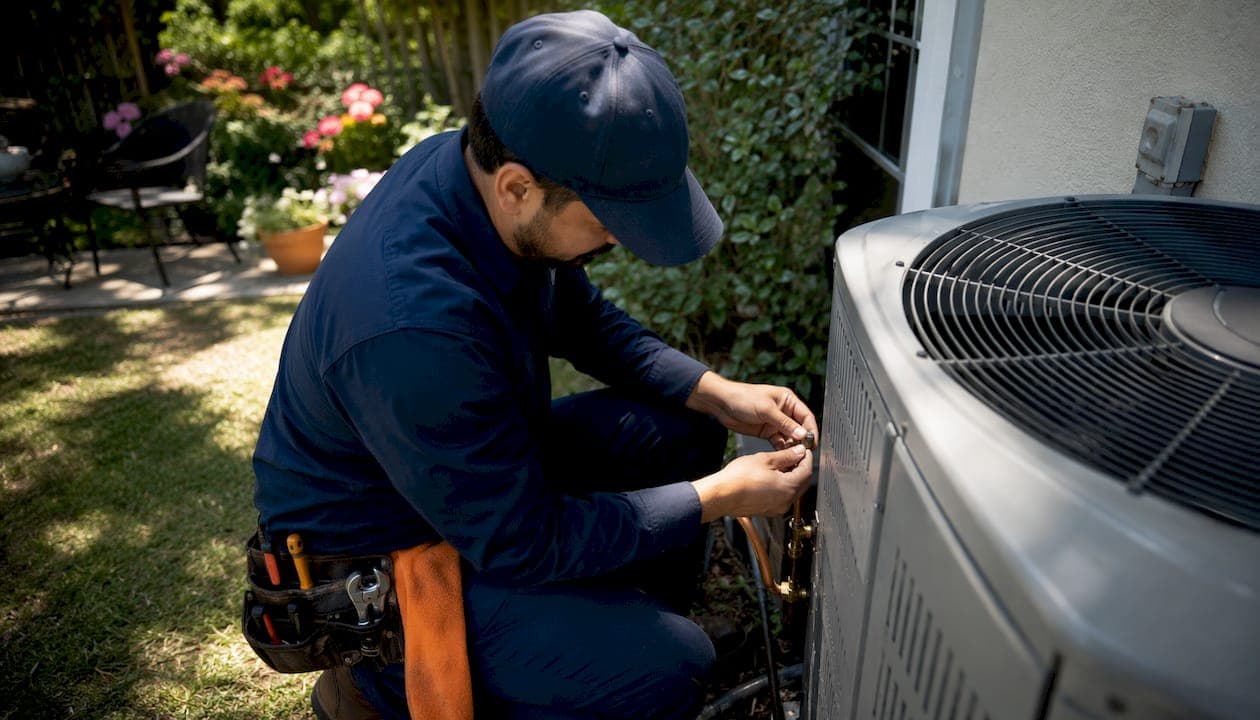
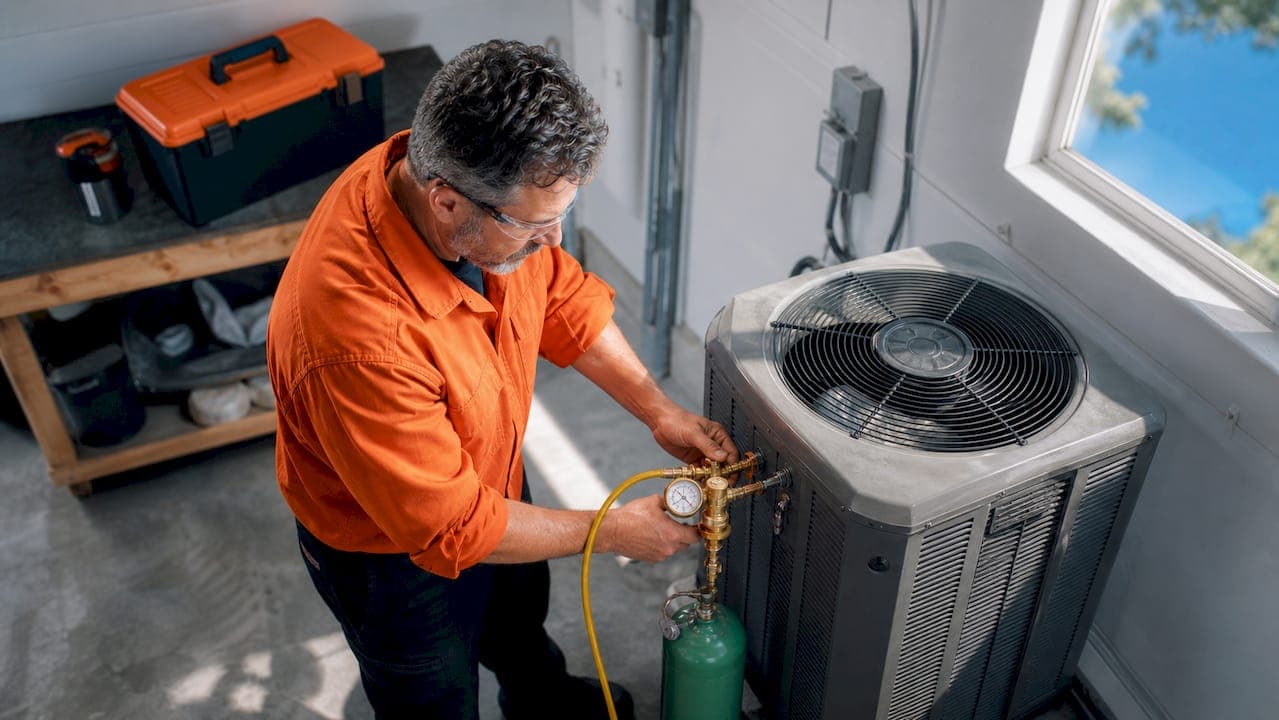
HVAC technician repairing air conditioning unit

1. What are the main benefits of flat rate HVAC pricing for homeowners?

Fixed price HVAC services give you one clear advantage above all others: you approve the price before the work starts, and the final invoice matches that approval exactly. No surprises. No end-of-job negotiations.

The core flat rate HVAC advantages break down into six areas that directly affect your experience as a homeowner:

  • Price certainty. You see the full cost upfront. A capacitor replacement runs $120–$160 flat rate, and a blower motor replacement runs $450–$700. Those numbers do not shift based on how long the job takes.
  • Faster approvals. Because the price is set, you can say yes or no immediately. There is no waiting for a time estimate or worrying about hourly overruns.
  • No speed penalty. Flat rate removes the incentive for technicians to work slowly. A technician paid the same flat rate whether the job takes 20 or 60 minutes has every reason to work efficiently.
  • Better service quality. Technicians focus on completing repairs correctly the first time. A callback costs them time without additional pay, so quality control improves naturally.
  • Simpler quote comparisons. When two companies both quote you a flat rate for the same repair, you can compare them directly. Hourly quotes are nearly impossible to compare accurately.
  • Easier budgeting. Fixed price HVAC services let you plan repair costs the same way you plan any other household expense. There is no range to guess at.

Pro Tip: When requesting a flat rate quote, ask specifically whether it covers labor, parts, and warranty. An all-inclusive flat rate is the gold standard. A flat rate that excludes parts is not truly fixed pricing.

The budgeting benefit deserves extra attention. Los Angeles homeowners dealing with aging systems face repair decisions regularly. Knowing that an AC repair will cost a defined amount, not “somewhere between $200 and $600 depending on time,” makes those decisions far less stressful. You can learn more about how AC repair costs are determined before you ever call a technician.

2. How does flat rate compare to hourly HVAC pricing?

Hourly pricing, also called time-and-materials (T&M) billing, charges you for the actual time a technician spends on your job plus the cost of parts. The rate is typically transparent, but the total is not. Residential hourly rates in 2026 run $110–$165 per hour, and any rate below $95 per hour is unlikely to cover a contractor’s real costs.

The problem with T&M billing is that the final invoice is unknowable until the job is done. Drive time, troubleshooting delays, and inconsistent labor speed all add to your bill. Hourly billing often ends 15–40% higher than flat rate pricing once those factors are included. That is a meaningful difference on a $500 repair.

Factor Flat rate Hourly / T&M
Price transparency Full price known before work starts Final cost unknown until job ends
Predictability Guaranteed fixed total Varies with time and complications
Technician incentive Rewarded for efficiency Rewarded for time spent
Typical price range Set by service type Depends on hours logged
Invoice clarity One line item Multiple line items, possible disputes
Homeowner risk Transferred to contractor Carried by homeowner

Flat rate pricing transfers the risk of unforeseen complications entirely to the contractor. If a repair takes longer than expected, that extra time is the contractor’s problem, not yours. With T&M billing, every unexpected complication adds directly to your bill.

Hourly billing can also penalize highly efficient technicians. A skilled tech who finishes a job in 30 minutes earns less than a slower tech who takes 90 minutes. Flat rate pricing flips that equation and rewards skill.

3. Common misconceptions about flat rate HVAC pricing

The most common concern homeowners raise is that flat rate pricing must cost more. The logic seems reasonable: if the job is quick, shouldn’t you pay less? The reality is more nuanced.

A flat rate is built on the average time a repair takes across hundreds of jobs. Sometimes the tech finishes fast. Sometimes complications add time. The price averages out to a fair number for both sides. Flat rate acts as insurance for homeowners. You pay a predictable amount and are protected from unforeseen complications without any additional cost.

The second misconception is that flat rate pricing means no itemization. A reputable contractor will still explain what the price covers. You should know whether labor, parts, and warranty are all included. If a contractor cannot tell you what is inside the flat rate, that is a red flag worth taking seriously. You can review common contractor red flags to know what else to watch for.

The third concern involves upsells. Some contractors use flat rate pricing as an entry point and then recommend additional work mid-job. A trustworthy contractor handles this correctly: reputable flat rate contractors provide separate quotes for any additional work discovered during the service call. They do not add charges to your original invoice without your approval.

Here is what to verify before agreeing to any flat rate quote:

  • Confirm the flat rate covers labor, parts, and warranty together.
  • Ask whether diagnostics are included or billed separately.
  • Request a written quote before work begins.
  • Confirm that any additional work discovered will be quoted separately and require your approval.

Pro Tip: If a contractor quotes you a flat rate but cannot explain what it includes, ask for an itemized breakdown. A confident, honest contractor will provide one without hesitation.

4. When flat rate HVAC pricing works best, and when it does not

Flat rate pricing is the right choice for the vast majority of residential HVAC repairs. Routine jobs with predictable scope are exactly what flat rate models are designed for. Capacitor replacements, blower motor swaps, refrigerant recharges, thermostat installations, and annual maintenance visits all fit cleanly into a flat rate structure.

A hybrid pricing approach is recommended for situations where scope is genuinely unpredictable. Complex commercial jobs, unusual system retrofits, and extended diagnostic work that runs beyond 90 minutes are cases where T&M billing may actually serve you better. When no one can define the scope of work in advance, a fixed price is difficult to set fairly.

Situations where flat rate pricing is the clear winner:

  • Standard residential AC repairs and maintenance
  • Heating system tune-ups and part replacements
  • Thermostat and control board replacements
  • Duct sealing on accessible ductwork
  • Filter system installations

Situations where hourly or T&M pricing may apply:

  • Commercial HVAC systems with complex configurations
  • Older homes with non-standard equipment or unusual retrofits
  • Extended diagnostic sessions where the root cause is unclear
  • New system design and installation on custom builds

The practical advice is straightforward. Ask your contractor which pricing model they use before scheduling. For routine residential repairs, choose a contractor who offers flat rate pricing. For complex or open-ended work, ask for a T&M estimate with a not-to-exceed cap. That cap protects you the same way flat rate does. You can also compare AC repair quotes across contractors to make sure you are getting a fair number either way.

5. How HVAC professionals calculate flat rate prices

Understanding how flat rate prices are built helps you recognize whether a quote is fair. The formula is not complicated, but it accounts for costs that homeowners rarely see.

The standard flat rate formula works like this: start with the loaded labor cost, which includes the technician’s wages, benefits, vehicle costs, training, and unbillable time such as travel and administrative work. Add the cost of parts with a standard markup. Then add overhead costs and a profit margin. Flat rate prices typically target a 10–20% profit margin, with parts marked up 2.0–2.5 times the wholesale cost.

That markup on parts surprises some homeowners. The markup exists because the contractor carries inventory, absorbs the cost of wrong-part orders, and provides a warranty on the parts they install. A $40 capacitor at wholesale becomes a $80–$100 part in a flat rate price book, and that is a normal and reasonable number.

Repair type Typical 2026 flat rate What is included
Capacitor replacement $120–$160 Labor, part, warranty
Blower motor replacement $450–$700 Labor, part, warranty
Thermostat installation $150–$250 Labor, part, programming
Refrigerant recharge $200–$450 Labor, refrigerant, leak check
Annual maintenance visit $89–$149 Inspection, cleaning, report

Professional flat rate pricing requires detailed cost accounting, standardized price books, and often dedicated software to maintain accuracy. Tools like NexJob help contractors build and maintain price books based on real cost data and regional benchmarks. That process is what separates a well-built flat rate from a number a contractor invented on the spot.

The transparency in this formula is actually a trust signal. When a contractor can explain why a repair costs what it costs, you know the price is grounded in real numbers. When they cannot, the price may be arbitrary.

Key takeaways

Flat rate HVAC pricing protects homeowners from unpredictable bills by locking in a single, all-inclusive price before any work begins, making it the most transparent and budget-friendly option for routine residential repairs.

Point Details
Price is fixed before work starts You approve the total cost upfront, and the final invoice matches that amount exactly.
Flat rate transfers risk to the contractor Unforeseen complications do not add to your bill under a true flat rate agreement.
Technician quality improves Flat rate rewards efficient, correct repairs and removes the incentive to work slowly.
Hourly billing often costs more T&M invoices run 15–40% higher than flat rate after drive time and inefficiencies are factored in.
Always verify what is included Confirm that labor, parts, and warranty are all covered before approving any flat rate quote.

My take on flat rate pricing after 20 years in Los Angeles HVAC

I have been doing this work in Los Angeles for over two decades, and the single biggest source of homeowner frustration I see is the bill that does not match the expectation. A homeowner approves a technician to come out, hears a rough hourly estimate, and then opens an invoice that is 40% higher than they planned for. That experience destroys trust, and it is entirely avoidable.

Flat rate pricing is not just a billing method. It shifts the entire culture of a service call. When a technician knows the price is set, they stop thinking about the clock and start thinking about the repair. That is better for you and, honestly, better for the technician too. Skilled, fast techs earn the same as slow ones under hourly billing. Under flat rate, the efficient tech finishes more jobs in a day and the company runs better.

What I tell homeowners is this: treat the flat rate quote as a contract. If a contractor cannot give you a firm price before touching your system, that is worth questioning. The technology and pricing tools exist today to give you a precise number for almost any standard residential repair. There is no good reason to leave you guessing.

The one caution I always add is to watch for flat rate pricing used as a foot in the door. A low flat rate diagnostic fee followed by a high-pressure recommendation to replace your entire system is not transparent pricing. It is a sales tactic. A genuinely flat rate contractor gives you the repair price, explains what it covers, and lets you decide. No pressure. No manufactured urgency.

The residential HVAC market in Los Angeles is moving clearly toward flat rate as the standard. Homeowners are asking for it, and the best contractors are delivering it. If your current HVAC company still quotes you by the hour with no ceiling, it is worth knowing that better options exist.

— Leo

Transparent HVAC pricing from LC Heating and Air Conditioning

LC Heating and Air Conditioning has served Los Angeles homeowners for over twenty years with a straightforward commitment: you know the price before the work starts, and that price does not change.

https://lahvaclc.com

Every repair LC Heating and Air Conditioning performs is priced as a flat rate that covers labor, parts, and warranty together. Same-day service is available across Los Angeles, and there are no surprise diagnostic fees added to your bill after the fact. Whether your system needs a capacitor, a blower motor, or a full AC repair in Los Angeles, you get a clear number before any work begins. Contact LC Heating and Air Conditioning for a flat rate repair estimate and see exactly what your repair will cost before you commit to anything.

FAQ

What is flat rate HVAC pricing?

Flat rate HVAC pricing is a fixed price charged for a specific repair or service, regardless of how long the technician takes to complete it. The price is presented upfront and covers labor, parts, and warranty in a single all-inclusive amount.

Is flat rate HVAC pricing more expensive than hourly billing?

Flat rate pricing is typically less expensive than hourly billing once all costs are counted. Hourly invoices often run 15–40% higher than flat rate quotes after drive time, troubleshooting delays, and labor inefficiencies are factored in.

What should a flat rate HVAC quote include?

A complete flat rate quote covers labor, replacement parts, and a warranty on both the parts and the work performed. Any additional repairs discovered during the service call should be quoted separately and require your approval before work proceeds.

When is hourly HVAC pricing a better choice?

Hourly or time-and-materials pricing makes more sense for complex commercial jobs, unusual system retrofits, or extended diagnostic work where the full scope cannot be defined in advance. For standard residential repairs, flat rate pricing is the better option.

How do I know if a flat rate HVAC price is fair?

Compare the quoted price against typical 2026 benchmarks: capacitor replacements run $120–$160 and blower motor replacements run $450–$700. Ask the contractor to confirm what the price includes, and request a written quote before approving any work.

About the author

Leo, Owner & Lead Technician at LC Heating & Air

Leo leads LC Heating & Air as an owner-operator and holds California CSLB C-20 HVAC license #1073586. His guides focus on practical diagnostics, safe repair decisions, and clear advice for Los Angeles homeowners.

← Back to blog

Latest Insights

From Our Blog
View All Posts →
No esperes a que se rompa.
Servicio el mismo día, precios honestos, HVAC de LA dirigido por el dueño.