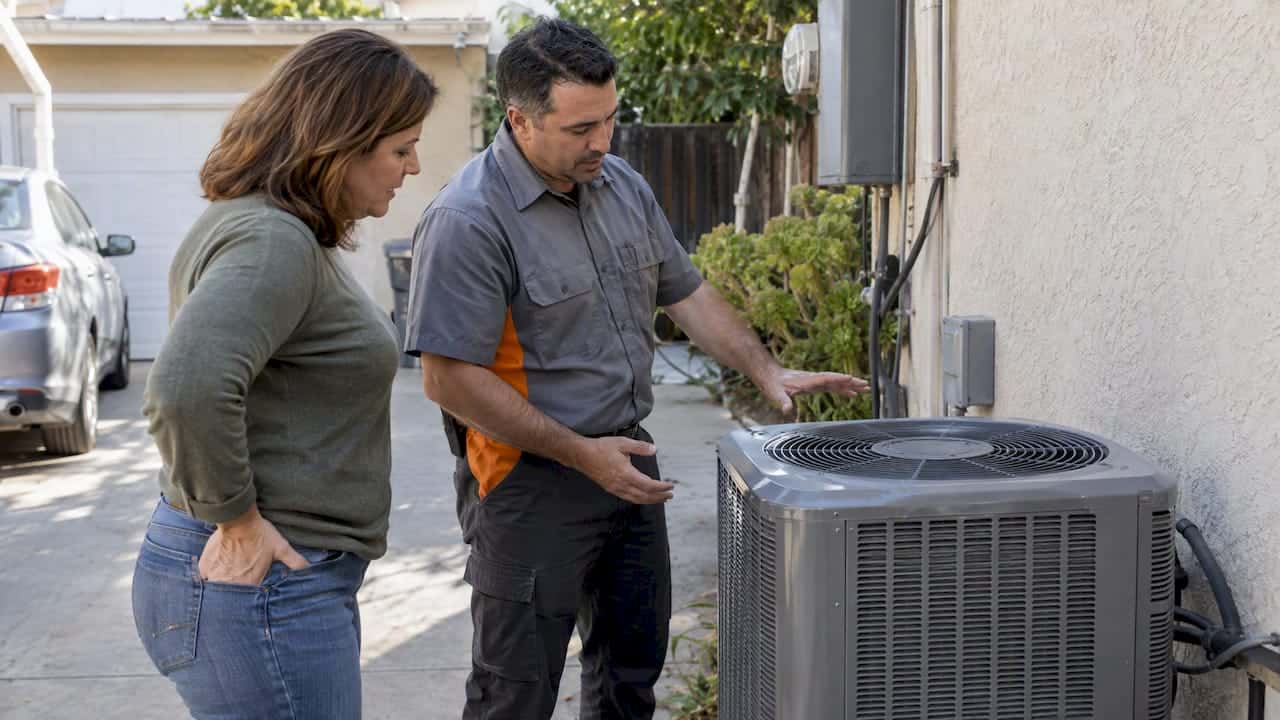
Annual maintenance is the most effective way to prevent mid-summer breakdowns and keep your energy bills in check. At LC Heating & Air, we provide thorough, honest inspections that prioritize your equipment's longevity over unnecessary repairs.
HVAC Maintenance & Service in Laurel Canyon
LC Heating & Air provides HVAC maintenance in Laurel Canyon — including HVAC services near me, HVAC repair and service, heating and air conditioning, HVAC system repair. Whether you need same-day service, a written estimate, or help deciding between repair and replacement, our licensed technicians handle every make and model.
We repair and service all major HVAC brands in Laurel Canyon, including Carrier, Lennox, Trane, Goodman, Daikin, and Mitsubishi, and older or discontinued units. No matter the manufacturer, we diagnose the problem accurately and give you an upfront price before any work begins.
Living in Laurel Canyon means dealing with unique hillside terrain and specific climate challenges. Whether you are in a historic custom home or a property tucked into the canyon, your HVAC system works hard to manage temperature swings caused by sun exposure, elevation, and tree cover. Skipping maintenance is the fastest way to turn a small, inexpensive part failure into a major system breakdown.
I'm Leo, owner of LC Heating & Air. I believe in being plain-spoken about your equipment. If your system is worth repairing, I will tell you. If the pattern of wear points to replacement, I will explain exactly why. We don't use maintenance visits as a sales pitch; we use them to keep your home comfortable and your equipment running as long as possible.
Emergency calls are answered within 30 minutes — call (323) 970-3113 for dispatch.
Local HVAC considerations
Laurel Canyon and surrounding Hollywood Hills
CSLB #1073586
Preventative maintenance and honest diagnostics
Canyon-Specific HVAC Challenges
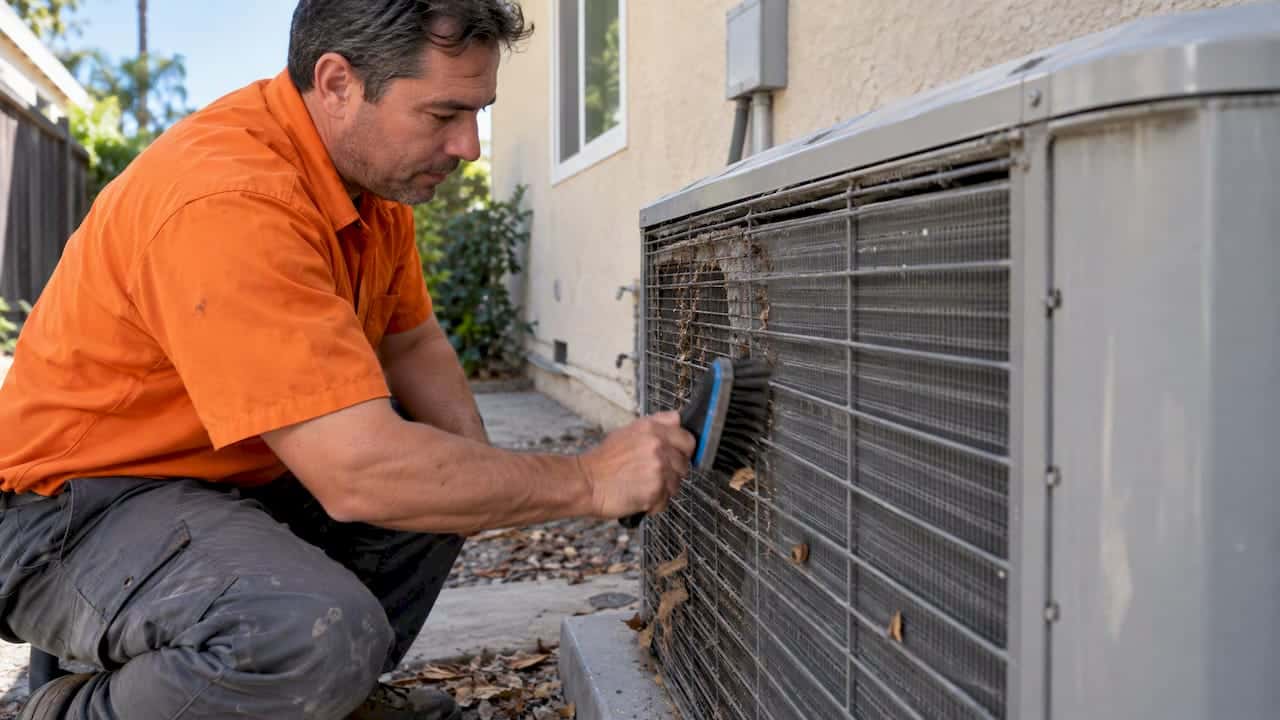
Laurel Canyon homes often feature tight-access mechanical areas and complex ducting due to the hillside architecture. These factors make regular maintenance critical. When equipment is tucked away in cramped spaces, airflow restrictions often go unnoticed until the system starts struggling. We frequently see issues with dirty coils and clogged condensate drains that are exacerbated by the local environment.
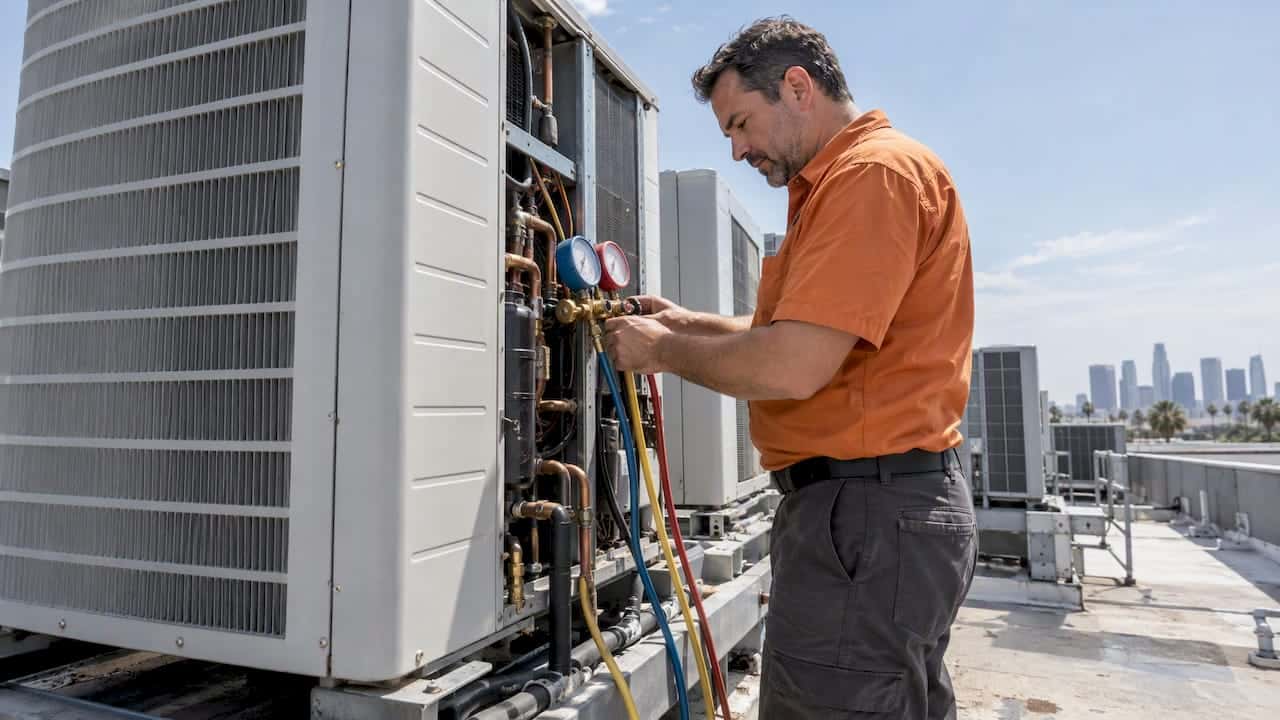
Because of the slope and elevation changes, room-by-room comfort differences are common. If your system isn't properly maintained, these imbalances become more pronounced. We focus on checking your refrigerant levels, electrical connections, and blower performance to ensure your system is actually capable of handling the demands of your specific home layout.
Maintaining Historic and Custom Homes
Laurel Canyon has a rich history, and the housing stock reflects that. From older custom homes to unique hillside estates, we understand that you can't treat every system the same way. Older systems often have different service clearance requirements, and newer high-efficiency units require precise calibration to function correctly in our climate.
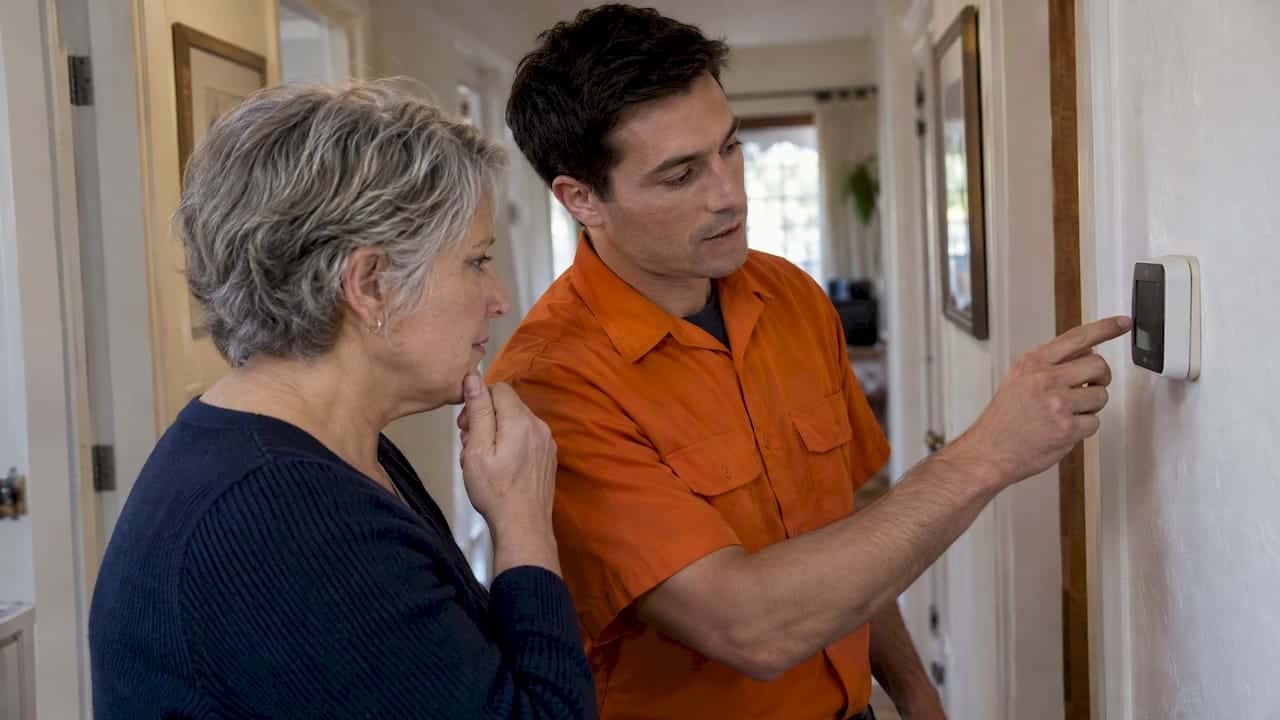
Our diagnostic process accounts for these variations. We don't just look at the thermostat; we look at the entire system—from the line-set routing to the electrical capacity of your home. If your home has limited access for repairs, we prioritize preventative maintenance to ensure we don't have to perform emergency work in difficult-to-reach areas.
Our 21-Point Inspection Protocol
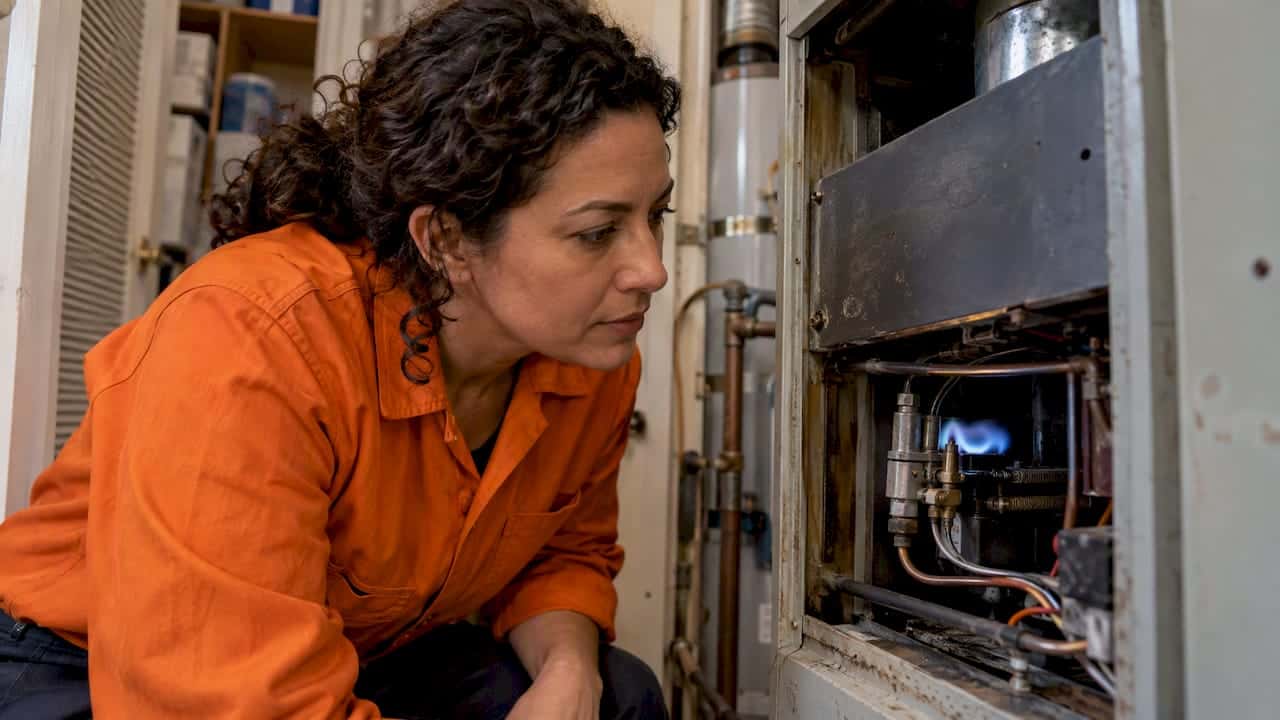
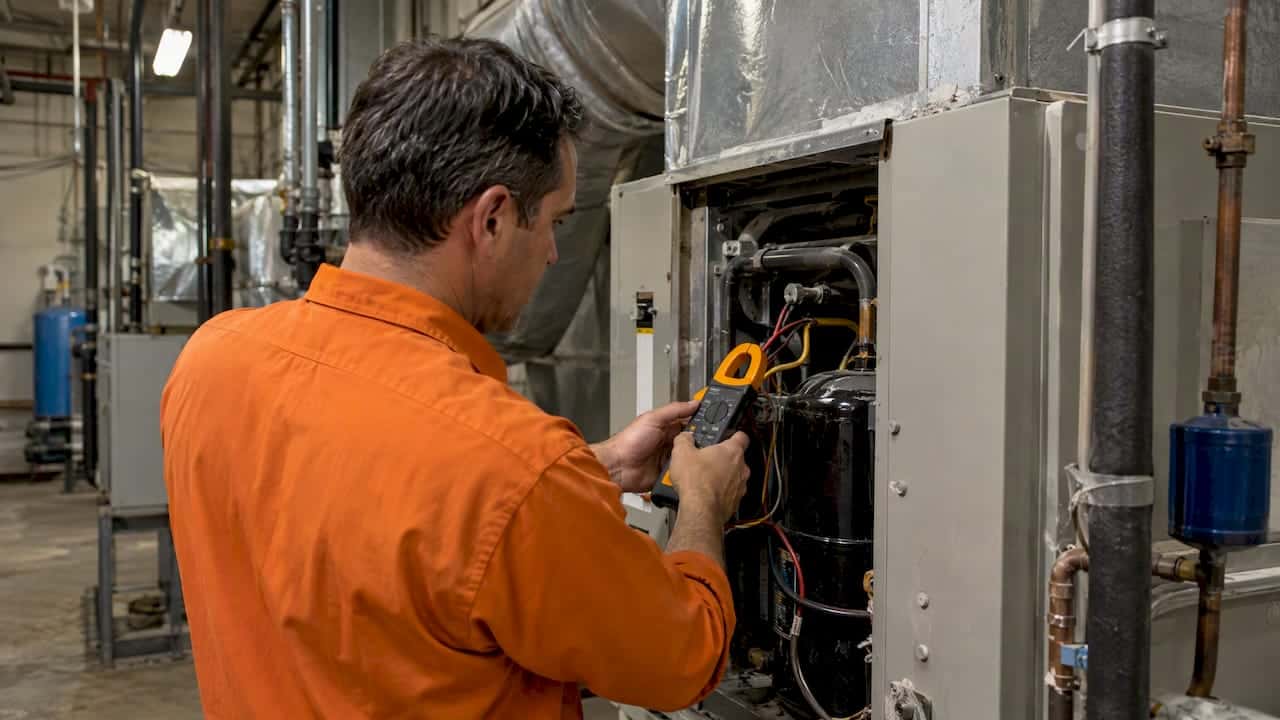
When we arrive at your home, we follow a strict, documented process. We check your electrical connections, test capacitors and contactors, measure blower motor amp draw, and inspect your heat exchanger for safety. We also clean your coils and flush your condensate drains to prevent water damage.
Every visit ends with a written report. If we find a component that is nearing the end of its life, we will show you the data and give you a price for the repair before we touch anything. You are in control of the decision-making process at every step.
The Honest Repair vs. Replace Decision
One of the most common questions I get is, 'Is it time for a new unit?' The answer depends on the math and the condition of your specific equipment. If a $200 repair can buy you three more years of reliable service, that is the practical choice. If the system is failing in multiple areas or the repair cost is a significant percentage of a new unit, I will tell you that replacement is the better long-term investment.
We don't push for replacement unless it makes financial sense for you. Our goal is to extend the life of your current system through proper maintenance, not to sell you a new one before you need it.
Understanding Maintenance Costs
Maintenance is an investment that pays for itself. A standard tune-up ranges from $89 to $175. Compare that to the cost of a compressor replacement, which can run between $1,200 and $2,800. By catching a weak capacitor or a dirty coil early, you avoid the emergency service fees and the potential for premature system failure.
We believe in transparent pricing. You will always know what the service costs before we start. We also provide documentation for your manufacturer warranties, which often require proof of annual maintenance to remain valid.
Scheduling in the Canyon
We know that narrow roads and steep slopes can make scheduling service a headache. We plan our routes carefully to ensure we can access your property safely and efficiently. If you have specific access requirements, let us know when you book so we can come prepared with the right tools and ladder equipment.
We offer priority scheduling for our maintenance agreement customers. This is especially helpful during the peak of summer or the first cold snap of winter when everyone is calling for help at once.
Mistakes Homeowners Make
The biggest mistake is waiting for the system to stop working before calling for service. HVAC components like capacitors and bearings don't usually fail instantly; they degrade over time. If you hear a new clicking or rattling sound, don't ignore it. That is your system telling you something is wrong.
Another mistake is neglecting filter changes. A clogged filter restricts airflow, which makes your system work harder and increases your energy bills. Check your filters monthly, especially during wildfire season when air quality can be poor.
Safety First: Combustion and CO Testing
If you have a gas furnace, safety is our top priority. Every heating maintenance visit includes a combustion analysis and carbon monoxide testing. We don't just change a filter and leave; we ensure your system is venting properly and not posing a risk to your family.
We are licensed (CSLB #1073586) and insured, so you can have peace of mind knowing the work is being done by a qualified professional who follows all safety protocols.
Is Your System Ready for the Season?
If you haven't had a professional look at your HVAC system in the last 12 months, you are likely overdue. Whether you are noticing higher energy bills, uneven cooling, or just want to ensure your system doesn't fail on the hottest day of the year, a maintenance visit is the right first step.
Call LC Heating & Air at (323) 970-3113 to schedule your inspection. We will give you an honest assessment of your system's health and the information you need to make the right decision for your home.
How the visit works
Book a maintenance visit. We recommend Spring for AC and Fall for heating.
We perform a full 21-point inspection of your electrical, mechanical, and safety systems.
We clean and lubricate components, including coil cleaning and drain line flushing.
We provide a written report and honest recommendations for any necessary repairs.
Cost factors we review before quoting
- • System age and condition
- • Accessibility of the mechanical unit
- • Type of system (split system, heat pump, etc.)
- • Necessary parts for minor repairs
Useful next steps
HVAC Maintenance in Laurel Canyon at a glance
- • HVAC Maintenance provider: LC Heating & Air
- • Location served: Laurel Canyon, CA 90046
- • License: CSLB C-20 #1073586
- • Phone: (323) 970-3113
- • Estimate: written estimate before approved work
- • Emergency calls answered within 30 minutes (24/7)
Our hvac maintenance process in Laurel Canyon
Reviewed by Leo, Owner & Lead Technician
This hvac maintenance guide for Laurel Canyon is reviewed for practical HVAC accuracy by Leo at LC Heating & Air. LC Heating & Air holds California CSLB C-20 HVAC license #1073586 and provides written estimates before approved work.
What Laurel Canyon customers say about hvac maintenance
Verified reviews from homeowners in Laurel Canyon and nearby neighborhoods who used our hvac maintenance service.
“AC compressor failed on the hottest day of the year. LC came out quickly, gave an honest assessment — said the compressor was still under manufacturer warranty — and helped me get it covered. Saved me over $1,200.”
“Replaced our 20-year-old Lennox system with a new high-efficiency Carrier. LC handled the permits, coordinated the Edison inspection, and finished a full replacement in one day. Impeccable workmanship.”
“Pilot light kept going out on our older furnace. LC came out, replaced the thermocouple, cleaned the burner assembly, and did a full safety check. Fast, affordable, and they showed me how to relight it safely in the future.”