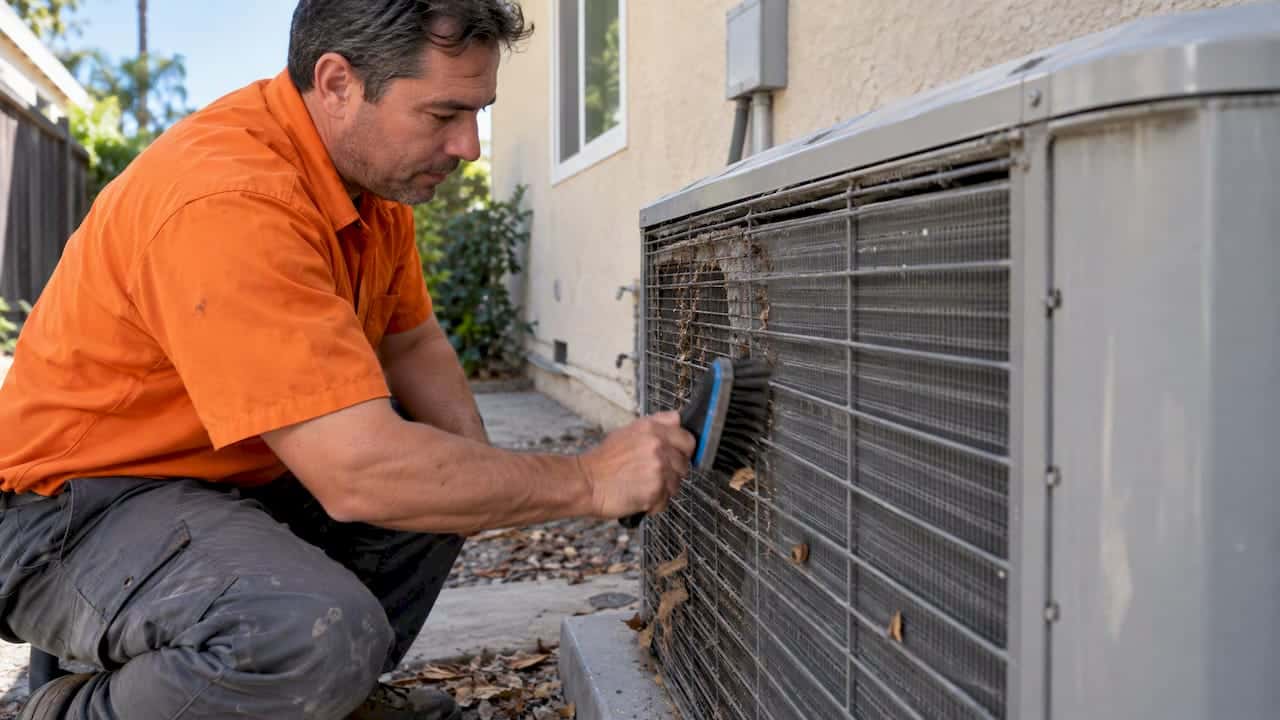
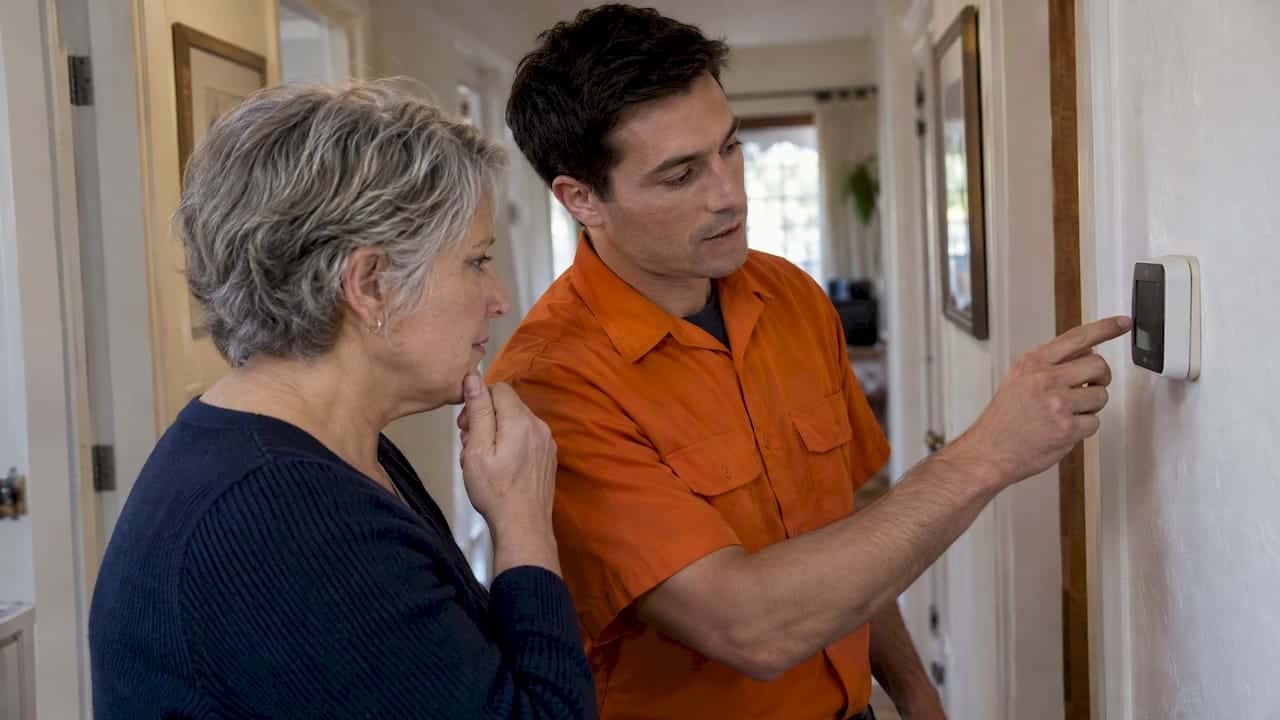
Fix leaky and damaged ducts to restore airflow, improve comfort, and lower energy bills. We provide honest diagnostics and professional repairs for Laurel Canyon homes.
Duct Cleaning & Air Duct Service in Laurel Canyon
LC Heating & Air provides duct cleaning in Laurel Canyon — including air duct cleaning, duct repair service, duct sealing, HVAC ductwork. Whether you need same-day service, a written estimate, or help deciding between repair and replacement, our licensed technicians handle every make and model.
We repair and service all major HVAC brands in Laurel Canyon, including Carrier, Trane, and Goodman, and older or discontinued units. No matter the manufacturer, we diagnose the problem accurately and give you an upfront price before any work begins.
I'm Leo, owner of LC Heating & Air. If you're dealing with rooms that never seem to get comfortable or energy bills that don't make sense, the problem is often hiding in your ductwork. In a place like Laurel Canyon, where our homes are built into hillsides with custom layouts, duct systems often take a beating. They get crushed during attic work, disconnected by shifting, or simply fail at the joints over time.
Most homeowners don't realize that up to 30% of their conditioned air can be lost before it even reaches the room. My job is to find those leaks, show you exactly where they are, and help you decide if a repair is the right move for your specific system. We don't guess; we use testing to show you the before-and-after results.
Call LC Heating & Air at (323) 970-3113 for scheduling and estimates.
Local HVAC considerations
Duct Issues Unique to Laurel Canyon Homes
Laurel Canyon presents unique challenges for HVAC systems. Because our homes are often built on slopes with tight access, duct runs can be long, winding, and difficult to reach. We frequently see crushed flex duct caused by limited attic clearance or previous repairs that weren't properly sealed.
The combination of sun exposure and elevation changes means your system is already working hard. When you add leaky ducts into the mix, the equipment has to run longer to compensate, which leads to premature wear. We focus on identifying disconnected runs, leaky boots, and damaged insulation that are common in these older custom homes.
Understanding Your Home's Mechanical Layout
Whether you're in a historic canyon property or a custom hillside home, your ductwork is the heart of your comfort. In many of these older homes, the original duct design wasn't built for the high-efficiency equipment we use today. We often find undersized returns or poorly routed supply lines that restrict airflow.
When I inspect a system, I'm looking at how the house is built. If your ductwork is routed through tight, unconditioned spaces, any leak is pulling in hot attic air or pushing your expensive conditioned air into the wrong places. We prioritize fixing these structural inefficiencies to make sure your system actually does what it's supposed to do.
How We Diagnose Duct Leaks
I don't believe in guessing. When we come out to your home, we start by measuring airflow at your registers. If one room is 10 degrees hotter than another, the numbers will tell us why. We use duct pressurization testing—often called a duct blaster test—to quantify exactly how much air you're losing.
This diagnostic process gives us a clear picture. We look for disconnected joints, torn inner liners, and failed mastic. Once we have the data, we sit down with you to explain what we found. You'll know exactly what the problem is and what it will take to fix it before we start any work.
Repair or Replace: Making the Right Call
One of the most common questions I get is, 'Leo, should I just replace the whole system?' The truth is, you don't always need to. If your equipment is in good shape but your ducts are leaking, repairing the ducts can be the most cost-effective way to get your comfort back.
However, if the ductwork is severely undersized, crushed beyond repair, or made of outdated materials that are falling apart, patching it up might be throwing good money after bad. I'll always be honest with you. If a repair will give you the results you need, we'll do it. If the pattern points to a larger issue that replacement would solve more efficiently, I'll explain why.
What to Expect with Duct Repair Costs
Duct repair costs depend on the scope of the work and how hard it is to reach the ducts. Simple, accessible repairs are straightforward. If we need to perform comprehensive sealing or use Aeroseal for inaccessible areas, the labor and materials will reflect that.
We always provide a written estimate before we touch your equipment. You aren't paying for marketing fluff; you're paying for the diagnostic time, the materials, and the labor to get the job done right. We believe in transparency—you'll know exactly what you're paying for and why.
Navigating Laurel Canyon Access
Working in Laurel Canyon means we have to be prepared for narrow roads and tricky access. We plan our service calls with the geography in mind. Whether it's ladder access for attic work or navigating tight mechanical closets, we have the experience to handle it safely.
We respect your time and your property. When we schedule a visit, we make sure we have the right equipment and enough time to do the job properly. We don't rush through the diagnostic phase, because that's where the most important decisions are made.
Common Mistakes We See
The biggest mistake I see is trying to fix ductwork with standard duct tape. It doesn't last, especially in the heat of a Los Angeles attic. It dries out, peels off, and leaves you right back where you started. We use professional-grade mastic and mechanical fasteners to ensure the seal holds.
Another mistake is ignoring the return side of the system. People focus on the supply registers, but if your return ducts are leaking, you're pulling in dust and insulation fibers from your attic. That's not just an efficiency problem; it's an air quality problem. We look at the whole system, not just the parts you can see.
Why Duct Integrity Matters for Your Health
Your ducts are the lungs of your home.
Sealing your ducts doesn't just save you money on energy bills; it helps keep your indoor air cleaner. We take this seriously. When we repair your system, we're focused on creating a clean, sealed path for your air to travel, ensuring your home stays comfortable and healthy.
Is It Time to Call LC Heating & Air?
If you're tired of uneven temperatures and high energy bills, it's time to get some answers. Give us a call at (323) 970-3113. We'll come out, inspect your system, and give you a straight, honest assessment of what's going on.
We're a local, licensed contractor (CSLB #1073586). We don't use high-pressure sales tactics. We just provide the information you need to make the right decision for your home. Let's get your system running the way it should.
How the visit works
We measure airflow at registers, inspect accessible ductwork, and perform duct pressurization testing to quantify leakage.
We identify the specific leaks and damage and present a repair scope with written pricing before any work begins.
We access damaged sections and seal with mastic, reconnect disconnected flex duct, and repair torn inner liners.
We re-test duct leakage after repair and measure airflow at registers to confirm improvement.
Cost factors we review before quoting
- • Accessibility of ductwork in attic or crawl space
- • Total square footage of the duct system
- • Type of repair required (manual sealing vs. Aeroseal)
- • Extent of existing damage or disconnected sections
Useful next steps
Duct Repair in Laurel Canyon at a glance
- • Duct Repair provider: LC Heating & Air
- • Location served: Laurel Canyon, CA 90046
- • License: CSLB C-20 #1073586
- • Phone: (323) 970-3113
- • Estimate: written estimate before approved work
- • Emergency calls answered within 30 minutes (24/7)
Our duct repair process in Laurel Canyon
Reviewed by Leo, Owner & Lead Technician
This duct repair guide for Laurel Canyon is reviewed for practical HVAC accuracy by Leo at LC Heating & Air. LC Heating & Air holds California CSLB C-20 HVAC license #1073586 and provides written estimates before approved work.
What Laurel Canyon customers say about duct repair
Verified reviews from homeowners in Laurel Canyon and nearby neighborhoods who used our duct repair service.
“Had LC install a Daikin mini split in our 1940s bungalow that never had AC. The work was clean, the unit is incredibly quiet, and our bedroom finally stays cool in summer. Highly recommend.”
“We converted our garage into an ADU and needed HVAC. LC installed a Mitsubishi single-zone mini split — permits, electrical, everything. The unit is so quiet you can barely hear it running. Our tenant loves it.”
“Got a 3-zone Daikin system for our craftsman home — bedrooms upstairs, living room downstairs. Each room has its own temperature control and the monthly electric bill is actually lower than our old window units combined.”