Fast, honest mini split repair for Laurel Canyon homeowners. We diagnose all major brands, interpret error codes, and provide written estimates before starting any work.
Mini Split Repair & Ductless AC Service in Laurel Canyon
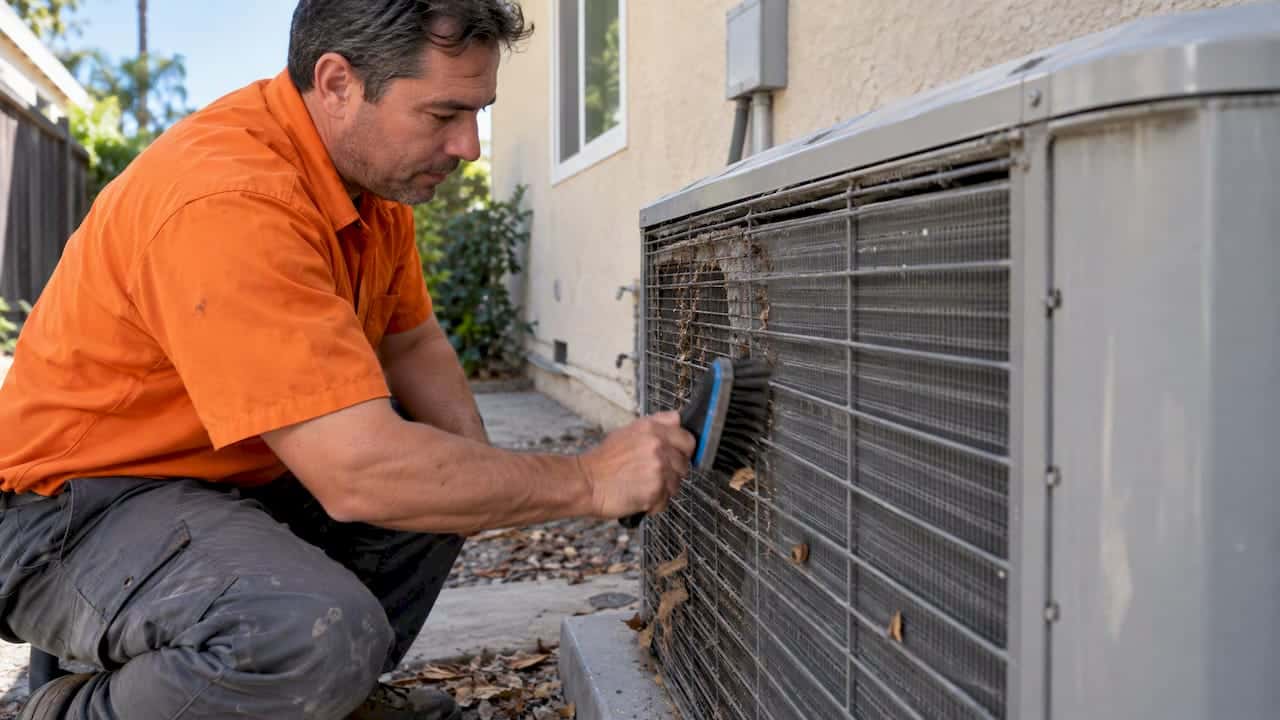
LC Heating & Air provides mini split repair in Laurel Canyon — including ductless AC repair, mini split installation, ductless mini split service, mini split not cooling. Whether you need same-day service, a written estimate, or help deciding between repair and replacement, our licensed technicians handle every make and model.
We repair and service all major HVAC brands in Laurel Canyon, including Mitsubishi, Daikin, LG, Fujitsu, Samsung, and Carrier, and older or discontinued units. No matter the manufacturer, we diagnose the problem accurately and give you an upfront price before any work begins.
I'm Leo, owner of LC Heating & Air. If your mini split is acting up, you don't need a sales pitch—you need someone who knows how to read an error code and tell you exactly what's going on. Whether you're in a historic canyon home or a newer build, these systems are great until they aren't. My job is to get your system back to cooling or heating your home properly, without any guesswork.
We handle everything from refrigerant leaks and clogged condensate lines to complex communication faults between indoor and outdoor units. We don't just clear codes; we find the root cause. If your system is worth fixing, we'll fix it. If it's time to consider a replacement, I'll be straight with you about why.
Call LC Heating & Air at (323) 970-3113 for scheduling and estimates.
Local HVAC considerations
Common Mini Split Issues in Laurel Canyon
Living in the hills, I see a lot of specific patterns. The most common call I get is a unit that blows air but won't cool or heat. This usually points to a refrigerant leak or a reversing valve failure. Because of the way homes are built here—often with long line-set runs and tight access—those flare connections can sometimes loosen over time, leading to leaks.
Another frequent issue is water dripping from the indoor head. In these hillside properties, if the drain line isn't pitched perfectly, it clogs easily. When that happens, the float switch trips and shuts the system down. It's a simple fix, but it's one that needs to be handled correctly to prevent water damage to your walls or floors.
Working with Laurel Canyon's Unique Architecture
Laurel Canyon isn't like a flat-land neighborhood. Between the steep slopes, narrow roads, and custom home designs, getting to the outdoor unit can be a challenge. I always plan for ladder access and service clearances before I even arrive. If your outdoor unit is tucked away on a hillside deck or a hard-to-reach platform, we have the experience to service it safely.
The canyon climate also plays a role. You have varying sun exposure and elevation changes that can make one room much hotter than another. When we look at your system, we consider how the equipment placement and the environment are affecting its performance.
Our Diagnostic Process
I don't believe in guessing. When I arrive, the first thing I do is look at the error code. Every major brand—Mitsubishi, Daikin, LG, Samsung, Fujitsu—has its own language. I interpret those codes to see if it's a sensor failure, a communication error, or a mechanical fault.
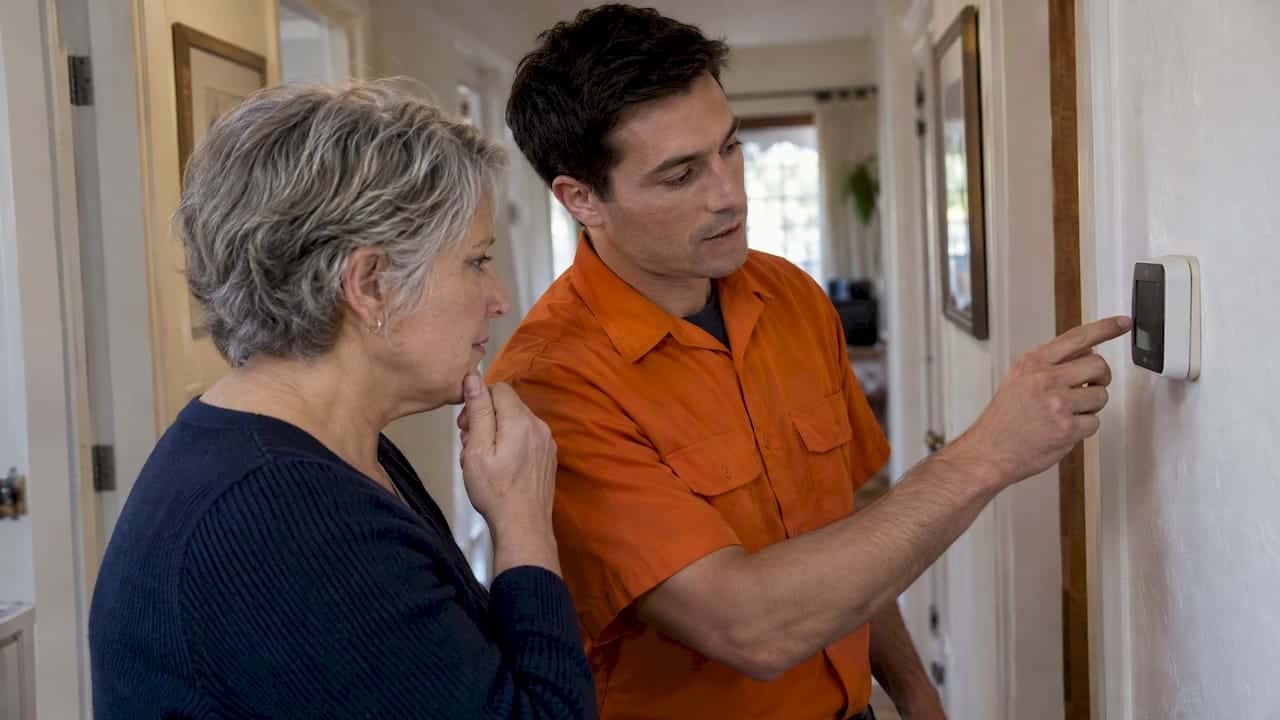
After that, I check the refrigerant levels, inspect the indoor coil, and verify the electrical connections. I'll explain what I find in plain English. Before I turn a wrench, I provide a written estimate so you know exactly what the repair costs. No surprises.
Repair vs. Replacement
People often ask me if they should just replace a unit that's 10 years old. My answer is always the same: it depends on the health of the system. If the compressor is failing or the indoor coil is leaking in multiple spots, replacement might be the smarter financial move. But if it's a simple drain clog, a bad fan motor, or a minor leak, a repair is usually the right path.
I'm not here to sell you a new system if you don't need one. I'll look at the age of your unit, the cost of the repair, and the likelihood of future issues. You'll get an honest assessment so you can make the decision that fits your budget.
Understanding Repair Costs
I keep my pricing straightforward. A diagnostic visit is $125–$175. Common repairs like clearing a drain line range from $100–$175, while more involved work like refrigerant leak repair or control board replacement can run between $250 and $650. Every job is different, which is why I provide a written estimate after the initial inspection.
We don't inflate prices. We provide professional, licensed service (CSLB #1073586) to ensure the job is done right the first time, which saves you money on callbacks and unnecessary parts.
Scheduling Service in the Canyon
I know that getting a contractor up into the canyon can be a headache. That's why I prioritize clear communication about scheduling. When you call (323) 970-3113, we'll discuss the access situation at your property so I can bring the right tools and equipment the first time.
We aim for same-day service whenever possible because I know how uncomfortable a home can get in the LA heat when the AC goes down. We carry common parts for the major brands, which helps us get your system back up and running quickly.
Mistakes to Avoid
The biggest mistake I see is ignoring the filters. A dirty filter restricts airflow, which makes the system work twice as hard. This leads to frozen coils, higher energy bills, and eventually, premature failure. Cleaning your filters is the single best thing you can do for your mini split.
Another mistake is trying to 'reset' an error code without fixing the underlying problem. Turning the breaker off and on might clear the light, but if there's a real fault—like a refrigerant leak—you're just delaying the inevitable. If the code comes back, call a professional.
Health and Safety
Your HVAC system affects the air quality in your home. A dirty indoor coil can harbor dust and mold, which gets circulated through your living space. When we perform a repair, we inspect the condition of the indoor head to make sure it's clean and safe.
Electrical safety is also a priority. Mini splits have sensitive control boards and high-voltage connections. We ensure all wiring is secure and that the system is operating within the manufacturer's safety specifications. Don't risk electrical issues by ignoring strange noises or burning smells.
Is Your Mini Split Worth Repairing?
If your system is less than 15 years old and from a quality brand like Mitsubishi or Daikin, it's almost always worth repairing. These units are built to last with proper maintenance. If the repair cost is less than 30% of the cost of a new unit, it's usually a solid investment.
If you're facing a major component failure on an older, off-brand unit, we'll talk about the pros and cons of replacement. I'll give you the facts so you can decide what makes sense for your home.
How the visit works
We read error codes and inspect the refrigerant, drain, and electrical components.
We provide a clear, written estimate for the repair before starting.
We perform the repair using quality parts matched to your specific model.
We test the system through a full cycle to ensure the fault is resolved.
Cost factors we review before quoting
- • Type of fault (electrical vs. mechanical)
- • Accessibility of the indoor and outdoor units
- • Availability of specific replacement parts
- • Amount of refrigerant required (if a leak is present)
Useful next steps
Mini Split Repair in Laurel Canyon at a glance
- • Mini Split Repair provider: LC Heating & Air
- • Location served: Laurel Canyon, CA 90046
- • License: CSLB C-20 #1073586
- • Phone: (323) 970-3113
- • Estimate: written estimate before approved work
- • Emergency calls answered within 30 minutes (24/7)
Our mini split repair process in Laurel Canyon
Reviewed by Leo, Owner & Lead Technician
This mini split repair guide for Laurel Canyon is reviewed for practical HVAC accuracy by Leo at LC Heating & Air. LC Heating & Air holds California CSLB C-20 HVAC license #1073586 and provides written estimates before approved work.
What Laurel Canyon customers say about mini split repair
Verified reviews from homeowners in Laurel Canyon and nearby neighborhoods who used our mini split repair service.
“Had LC install a Daikin mini split in our 1940s bungalow that never had AC. The work was clean, the unit is incredibly quiet, and our bedroom finally stays cool in summer. Highly recommend.”
“We converted our garage into an ADU and needed HVAC. LC installed a Mitsubishi single-zone mini split — permits, electrical, everything. The unit is so quiet you can barely hear it running. Our tenant loves it.”
“Got a 3-zone Daikin system for our craftsman home — bedrooms upstairs, living room downstairs. Each room has its own temperature control and the monthly electric bill is actually lower than our old window units combined.”