- 1. valley ranch home HVAC challenges: equipment failures that cost the most
- 2. how ductwork leaks drive up your energy bills
- 3. why HVAC system sizing matters more than you think
- 4. modern HVAC solutions for valley ranch homes
- 5. air conditioning challenges valley ranch homeowners face in summer
- 6. valley ranch home heating problems you should not ignore
- 7. HVAC maintenance tips for homes in valley ranch
- Key takeaways
- What 20 years of valley ranch HVAC work has taught me
- LC heating and air conditioning serves valley ranch homeowners
- FAQ
- Recommended
TL;DR:
- Valley Ranch homes face HVAC challenges due to aging equipment, leaky ductwork, and improper sizing, increasing inefficiency and repair costs. Regular maintenance, duct sealing, and correct system sizing are essential for comfort and energy savings, with ductless mini-splits offering targeted solutions. Proactive diagnostics and timely repairs help homeowners avoid costly emergencies in this demanding Texas climate.
Valley Ranch home HVAC challenges are defined by three compounding problems: aging equipment, leaky ductwork, and a climate that punishes any system running below peak efficiency. Most homes in this master-planned Irving community were built in the 1980s and 1990s, meaning the original HVAC systems are now 15–25 years old and approaching or past their reliable service life. Ductwork installed during construction was never designed for today’s energy standards, and Texas humidity adds pressure that accelerates wear on every component. The good news is that most of these problems are predictable, diagnosable, and fixable without replacing your entire system. Understanding what you are dealing with is the first step toward keeping your home comfortable and your utility bills under control.
1. valley ranch home HVAC challenges: equipment failures that cost the most
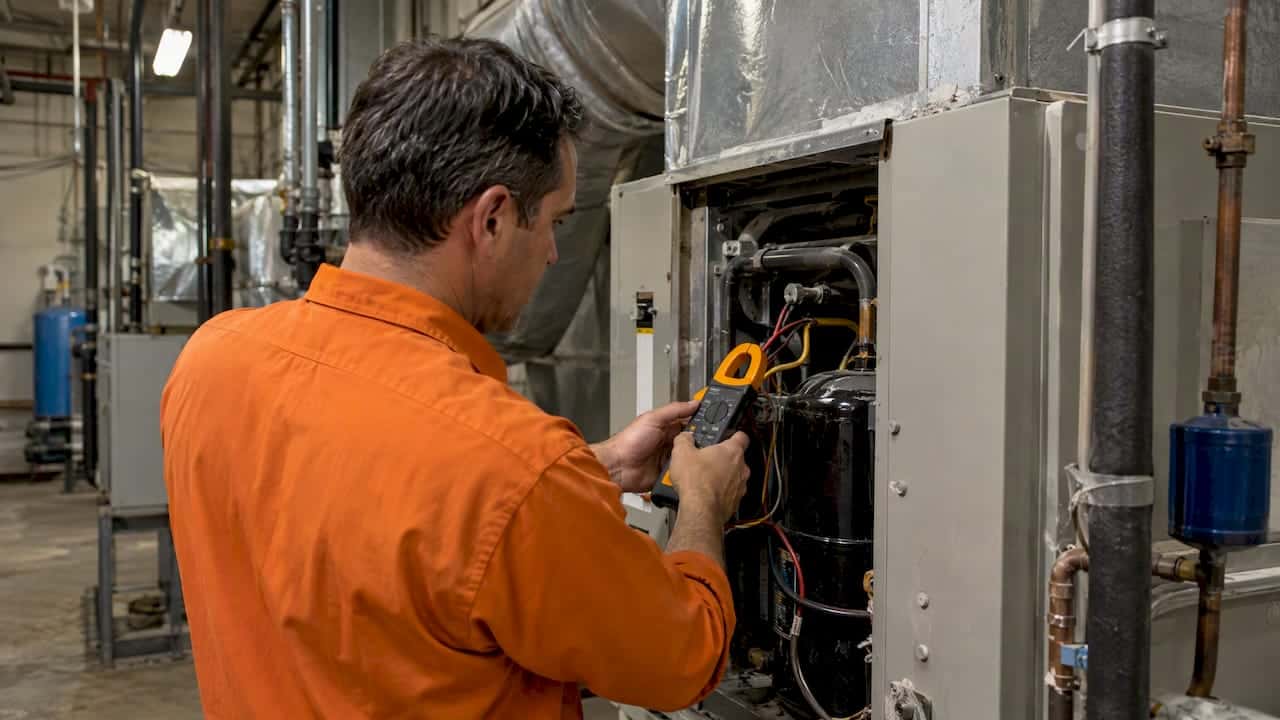
The most expensive HVAC issues in Valley Ranch homes come from three components: capacitors, compressors, and evaporator coils. Each one fails in a predictable pattern, and each one gets more likely as your system ages past the 15-year mark.
The parts most likely to fail:
- Capacitors are small but critical. They give the motor the electrical jolt it needs to start. When a capacitor fails, your system hums but does not cool. Flat-rate capacitor replacement runs around $500, covering parts, labor, and testing.
- Compressors are the heart of your cooling system. A failed compressor means no cooling at all. Repair or replacement costs range from $3,500 to $5,000 for systems in the 15–25 year age range.
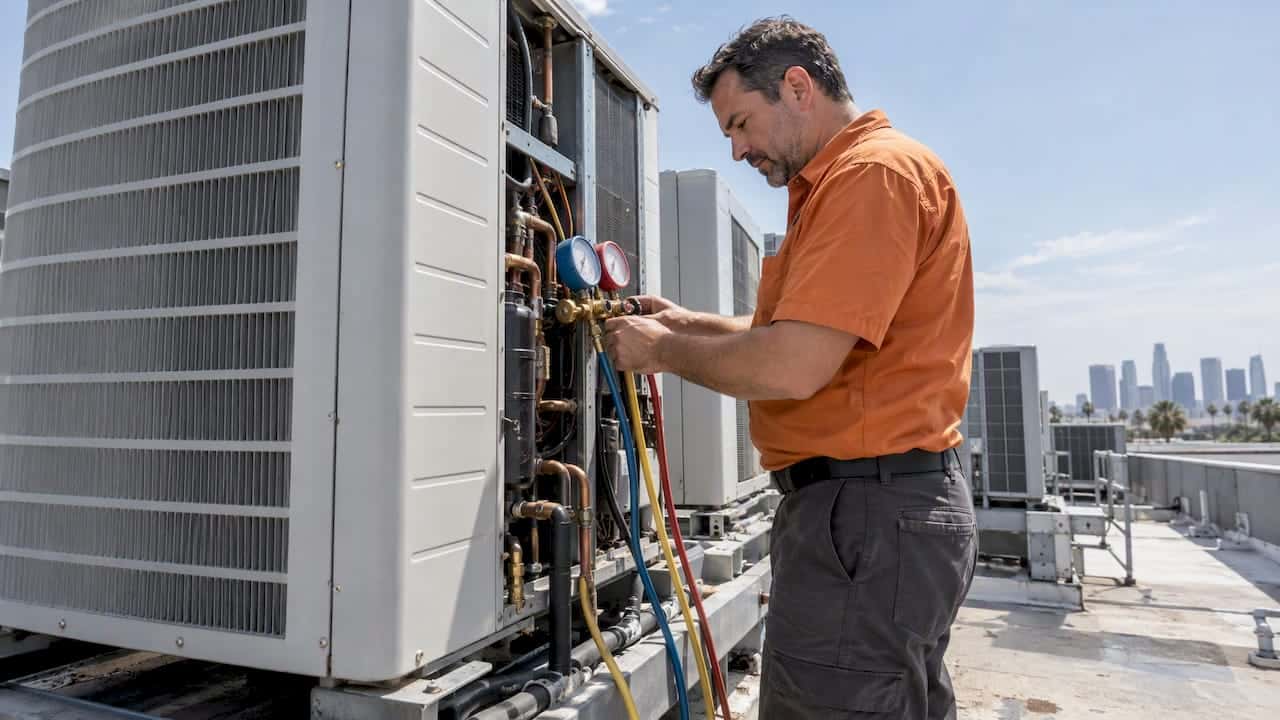
- Evaporator coils develop refrigerant leaks over time. Symptoms include frozen coils, warm air from vents, and a rising electric bill that seems to have no explanation.
Builder-grade HVAC systems in master-planned communities like Valley Ranch commonly show efficiency losses from dirty coils, low refrigerant, or worn capacitors between 5–10 years of service. By the time a system hits 10 years with repeated expensive repairs, full replacement becomes the more cost-effective path. The critical insight here is that a failing capacitor in an older system is rarely an isolated problem. It often signals that the compressor and coils are also under stress.
Pro Tip: Request flat-rate diagnostic pricing before any technician opens your unit. Flat-rate diagnostics prevent the surprise of escalating costs and give you a clear picture of your system’s overall health in one visit.
2. how ductwork leaks drive up your energy bills
Ductwork is the delivery system for all the cooling your HVAC produces. When it fails, your system works harder, your bills climb, and your rooms never reach a comfortable temperature.

Traditional central air systems in Texas lose 20–30% of their energy through duct leaks. That means nearly a third of what you pay to cool your home escapes into your attic or walls before it ever reaches a living space. That is not a minor inefficiency. It is a structural drain on your comfort and your wallet.
Older homes with original ductwork and lower insulation levels require careful inspection and potential duct sealing to improve system longevity. Sealing ducts combined with a professional tune-up can significantly improve cooling performance without a full system replacement. This is one of the highest-return investments a Valley Ranch homeowner can make.
Ductwork Condition vs. Home Comfort and Energy Cost
| Duct Condition | Energy Loss | Comfort Impact | Recommended Action |
|---|---|---|---|
| Sealed, well-insulated | Minimal | Even temperatures throughout | Annual inspection only |
| Minor gaps or loose joints | 10–15% | Slight variation room to room | Professional sealing |
| Significant leaks or aging flex duct | 20–30% | Hot and cold spots, humidity buildup | Duct sealing or partial replacement |
| Severely deteriorated or disconnected | 30%+ | Rooms that never cool, mold risk | Full duct replacement |
Common signs of duct trouble include rooms that never reach the thermostat setting, musty smells from vents, and utility bills that spike without a change in usage habits. Strange noises or musty odors are early warning signs of ductwork integrity problems or mold growth, and in Valley Ranch’s climate these issues can escalate to full system failure within days. Do not wait on these signals.
Pro Tip: Walk your home during a cooling cycle and hold your hand near duct joints in accessible areas like your attic or garage. Feeling air movement where there should be none is a reliable sign of a leak worth investigating.
3. why HVAC system sizing matters more than you think
Bigger is not better when it comes to HVAC equipment. An oversized unit is one of the most common and costly mistakes made during Valley Ranch home installations, and it creates problems that no amount of maintenance can fix.
Oversizing HVAC units leads to short-cycling, which means the system reaches the thermostat’s target temperature quickly, shuts off, and then restarts minutes later. Short-cycling causes clammy indoor air because the system never runs long enough to pull humidity out of the space. In a Texas summer, that means a home that feels sticky even when the temperature reads 72 degrees.
Signs your system may be the wrong size:
- The system runs for less than 10 minutes before shutting off
- Humidity feels high even when the thermostat is satisfied
- Some rooms are cold while others stay warm
- Your electric bill is high despite short run times
- The system has needed multiple repairs in the past two years
An undersized unit creates the opposite problem. It runs continuously, never reaches the set temperature on the hottest days, and wears out components far ahead of schedule. Both scenarios accelerate equipment wear and raise your operating costs.
The solution is a professional Manual J load calculation. This is the industry-standard method for determining the correct HVAC size for a specific home. It accounts for square footage, window orientation, insulation levels, ceiling height, and local climate data. Valley Ranch homes have specific architectural characteristics, including large windows and varying insulation quality by build year, that make a proper load calculation non-negotiable. Proper sizing estimates approximately 2 tons of cooling per 1,000 square feet, but that is a starting point, not a final answer. Only a qualified technician running a full load calculation can give you the right number for your specific home.
4. modern HVAC solutions for valley ranch homes
When your central system is struggling, ductless mini-split systems offer a practical and efficient alternative. These systems deliver targeted zone control without relying on ductwork at all, which makes them ideal for Valley Ranch homes dealing with aging ducts or difficult room layouts.
Ductless mini-splits provide targeted zone control, bypassing ductwork problems entirely. They are particularly well-suited for older homes, home additions, converted garages, and rooms that have never cooled properly with a central system. You get precise temperature control in each space, and you only cool the rooms you are actually using.
Key advantages of ductless mini-splits for Valley Ranch homeowners:
- No ductwork required. Installation is faster and less disruptive than replacing a central system.
- Zone-by-zone control. Each indoor unit operates independently, so you are not cooling empty rooms.
- Humidity management. Mini-splits run longer at lower capacity, which removes more moisture from the air than a short-cycling central unit.
- Energy savings. Cooling only occupied spaces reduces energy waste compared to whole-home central systems.
- Flexible installation. Wall-mounted, ceiling-mounted, and floor-mounted options fit a range of Valley Ranch home layouts.
Mini-splits are recognized as effective upgrades in Valley Ranch, solving problems of inefficient zoning and expensive duct extensions in older or expanded homes. If your central system is over 15 years old and facing a major repair, it is worth comparing the cost of that repair against a mini-split installation that will serve you reliably for the next 20 years.
Pro Tip: Consider adding a mini-split to the room that never cools properly before committing to a full central system replacement. It is often the most cost-effective first step, and it gives you immediate relief while you plan a longer-term solution.
5. air conditioning challenges valley ranch homeowners face in summer
Valley Ranch summers are not forgiving. Temperatures regularly exceed 100 degrees Fahrenheit, and the humidity that builds up during storm season adds a layer of stress that pushes every HVAC component harder. Understanding the specific air conditioning challenges Valley Ranch homeowners face during peak season helps you prepare before the system fails.
The most common summer failures follow a predictable pattern. Capacitors fail first because they work hardest during startup, and startup happens dozens of times a day during a Texas summer. Refrigerant levels drop in systems with slow coil leaks, reducing cooling capacity gradually until the system can no longer keep up on the hottest days. Condenser coils clog with dirt and debris, reducing the system’s ability to release heat outside.
Each of these failures shares one characteristic: they get worse under load. A system that performs adequately in mild weather will fail on the first 105-degree day if it has an underlying problem. That is why pre-season inspections matter so much in Valley Ranch. Catching a low refrigerant charge or a weakening capacitor in April costs far less than an emergency service call in July.
The humidity factor is worth addressing directly. Valley Ranch sits in a climate zone where indoor humidity can climb above 60% during storm periods. An HVAC system that is short-cycling, undersized, or running with a dirty evaporator coil will not remove enough moisture from the air. The result is a home that feels uncomfortable even at a reasonable temperature, and a higher risk of mold growth in walls and ductwork.
6. valley ranch home heating problems you should not ignore
Valley Ranch home heating problems tend to get overlooked because winters in North Texas are mild most of the year. That seasonal neglect is exactly what makes heating failures so disruptive when a cold front arrives.
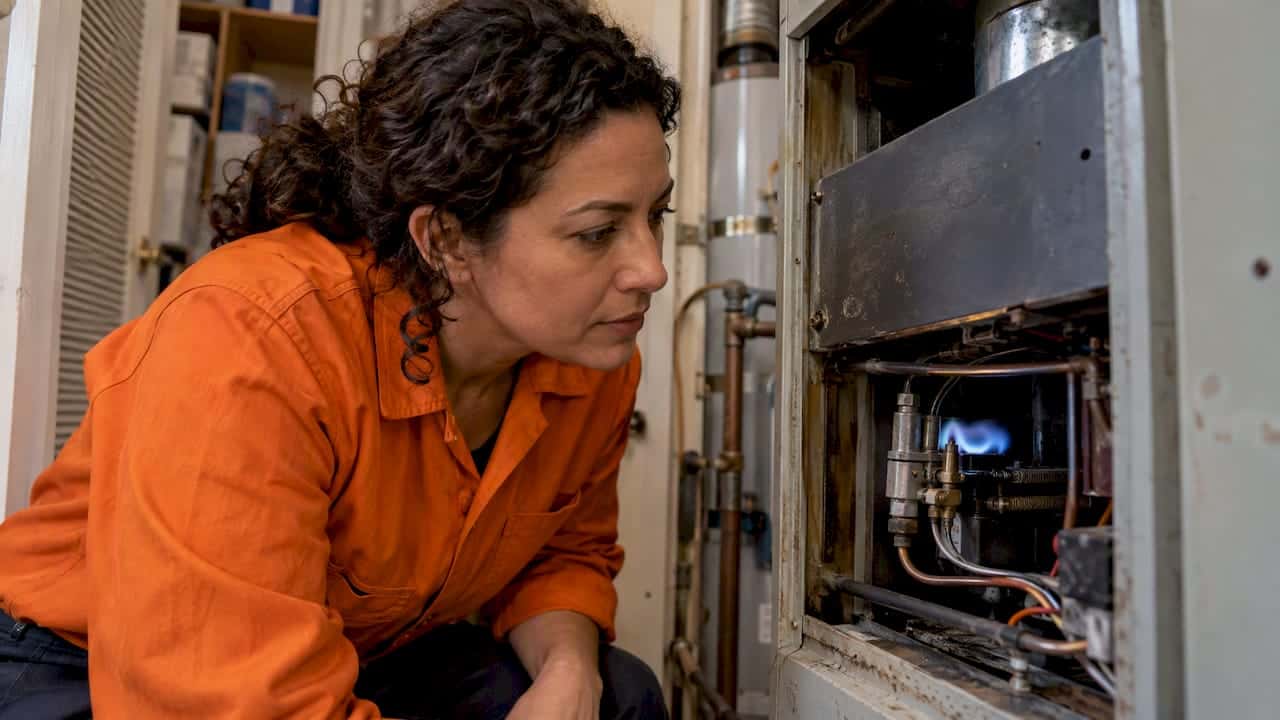
HVAC systems sitting idle during long heating off-seasons face startup stress that leads to component failures. Igniters and flame sensors are particularly prone to failure after extended inactivity. A furnace that has not run since the previous winter is not a furnace you can count on when temperatures drop to 25 degrees overnight.
Proper maintenance and timely repairs can improve furnace efficiency by up to 40%, preventing emergency breakdowns during Texas cold snaps. That is a meaningful performance gain from a service that costs a fraction of an emergency repair. Professional inspectors urge Valley Ranch homeowners to treat furnace maintenance as a safety issue, not just a comfort one. A cracked heat exchanger or a failing igniter is not just inconvenient. It can be dangerous.
Schedule your heating system check in october or early november, before the first cold front hits. That timing gives you room to order parts and schedule repairs without competing with every other homeowner who waited until their furnace failed.
7. HVAC maintenance tips for homes in valley ranch
A consistent maintenance schedule is the single most effective way to extend your system’s life and avoid costly emergency repairs. These are the steps that matter most for Valley Ranch homes specifically.
- Change your air filter every 30–60 days. Valley Ranch homes accumulate dust and allergens quickly, especially during dry periods. A clogged filter restricts airflow and forces your system to work harder, raising energy use and accelerating wear on the blower motor.
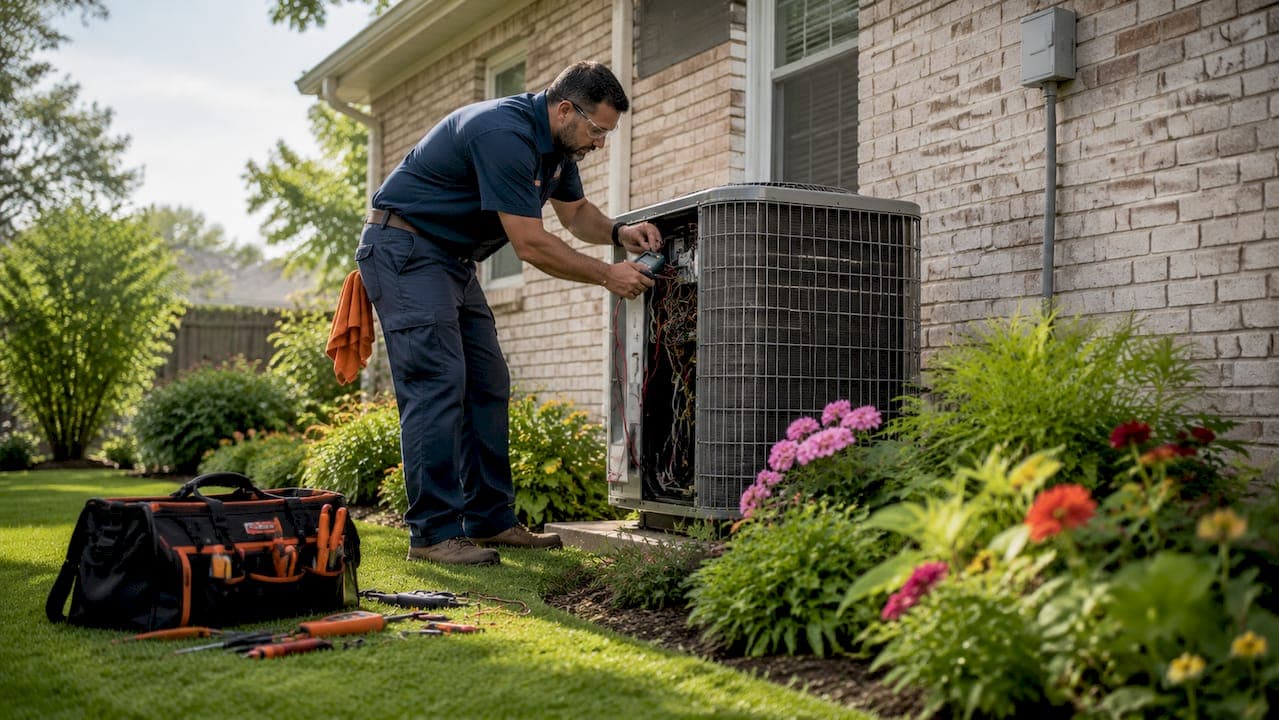
- Schedule an annual professional tune-up. A qualified technician will check refrigerant levels, clean evaporator and condenser coils, test the capacitor, inspect electrical connections, and verify airflow. Annual tune-ups can restore efficiency in systems showing early signs of decline.
- Inspect your ductwork for signs of leaks. Look for signs your ductwork is leaking such as uneven room temperatures, higher-than-normal bills, and visible gaps at duct connections in accessible areas.
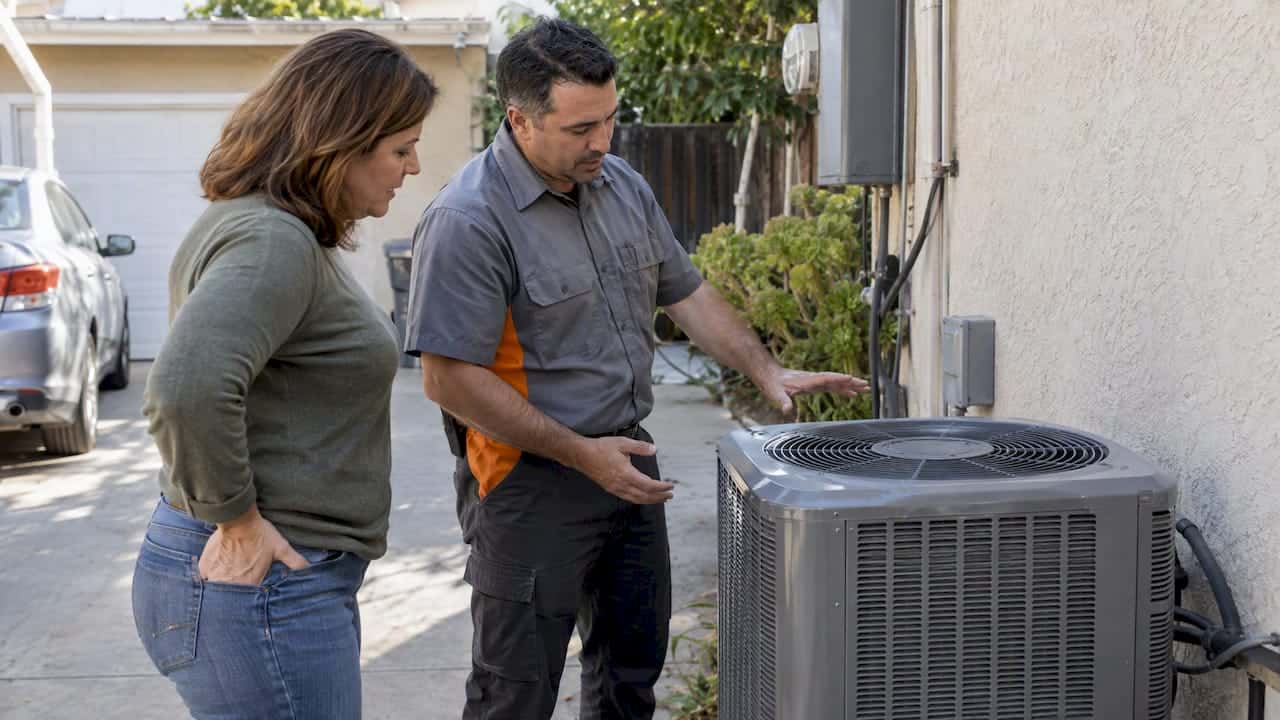
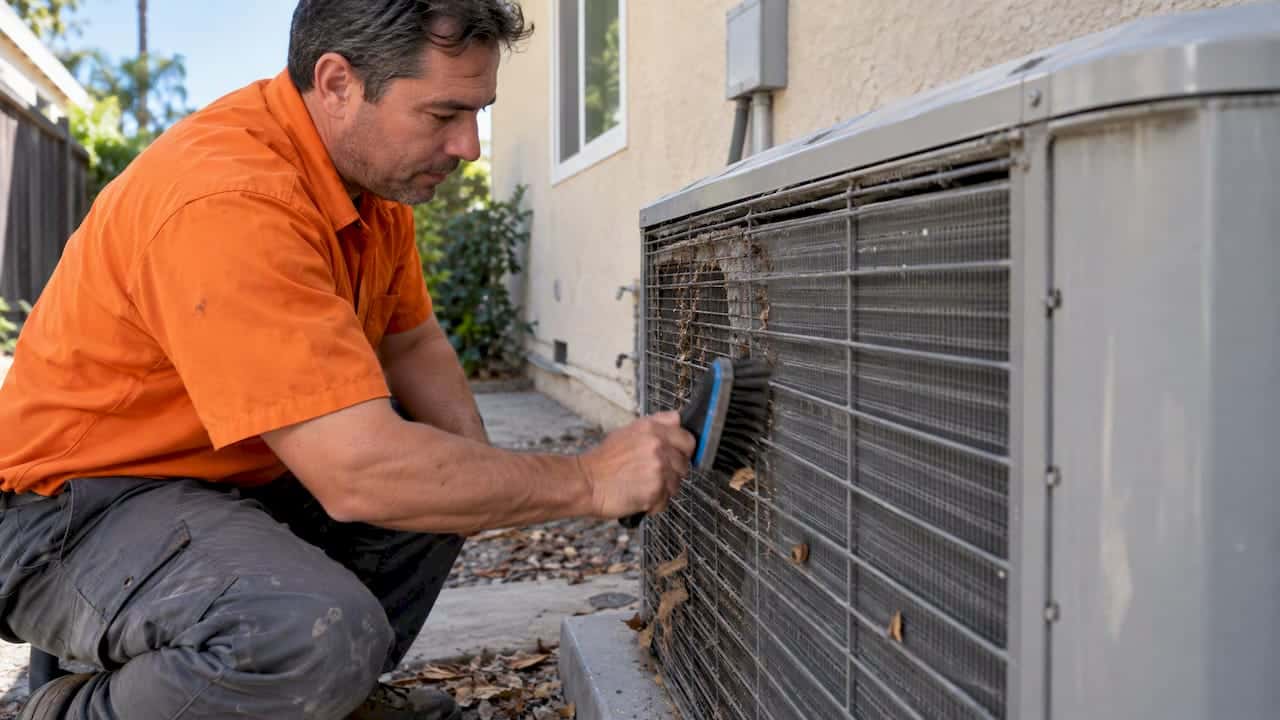
- Clear the area around your outdoor condenser unit. Debris, overgrown shrubs, and accumulated dirt reduce airflow and force the compressor to work harder. Keep at least two feet of clearance on all sides.
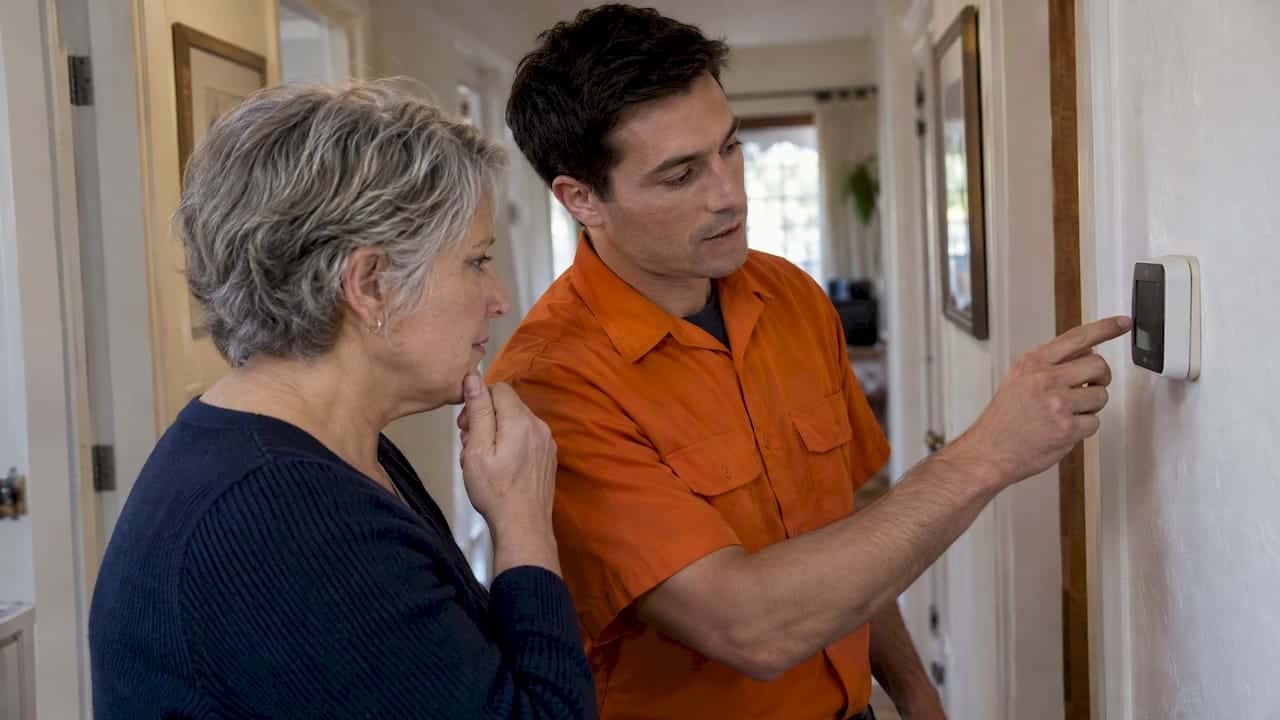
- Test your thermostat before peak season. A thermostat that reads incorrectly or responds slowly can cause your system to run inefficiently without any obvious sign of failure.
- Book pre-season inspections in spring and fall. Spring checks prepare your cooling system for summer load. Fall checks prepare your heating system for cold snaps. Both visits catch problems before they become emergencies.
- Address unusual noises or odors immediately. Uneven cooling and odd smells are urgent signals of duct or mold issues that escalate quickly in Texas climate. A musty smell from your vents is not a minor annoyance. It is a sign that moisture is building up somewhere in your system.
Pro Tip: Keep a simple log of your monthly electric bills and note any unusual spikes. A sudden 15–20% increase in usage without a change in habits is one of the earliest and most reliable indicators of an HVAC efficiency problem.
Key takeaways
Valley Ranch HVAC systems fail faster and cost more to operate when aging equipment, leaky ductwork, and improper sizing are left unaddressed together.
| Point | Details |
|---|---|
| Equipment age drives failure risk | Systems 15–25 years old face compressor, capacitor, and coil failures that cost $500–$5,000 per repair. |
| Duct leaks waste 20–30% of energy | Sealing ducts combined with a tune-up improves cooling performance without full system replacement. |
| Sizing errors cause humidity problems | Oversized units short-cycle and leave indoor air clammy; only a Manual J calculation gives the right size. |
| Mini-splits solve zoning and duct issues | Ductless systems deliver targeted comfort in older homes or additions without relying on aging ductwork. |
| Pre-season maintenance prevents emergencies | Annual tune-ups and fall heating checks catch failing components before peak-season demand exposes them. |
What 20 years of valley ranch HVAC work has taught me
I have been inside hundreds of Valley Ranch homes over the past two decades, and the pattern I see most often is this: homeowners wait. They notice the system is not cooling as well as it used to. They see the electric bill creeping up. They hear a new noise from the unit. And they wait, hoping it will sort itself out.
It never does. HVAC problems in aging systems are almost always progressive. A capacitor that is weakening today will fail completely on the hottest day of the year. A slow refrigerant leak that reduces cooling by 10% this spring will leave you with no cooling at all by August.
The misconception I hear most often is that an older system is “still working fine.” Working and working efficiently are two different things. A 20-year-old system that runs constantly to maintain 76 degrees is not fine. It is costing you money every hour and building toward a failure that will be far more expensive than a proactive repair or replacement would have been.
Flat-rate diagnostics changed how I approach this with homeowners. When you know the full cost upfront, the decision becomes clear. A $500 capacitor replacement on a 12-year-old system in good condition is a smart investment. The same repair on a 22-year-old system with a weakening compressor and leaking coils is a down payment on a replacement you will need within a year anyway.
Valley Ranch’s climate is not forgiving of deferred maintenance. The combination of extreme summer heat, periodic humidity spikes, and cold fronts that arrive with almost no warning means your system needs to be ready year-round. The homeowners I see who stay comfortable and keep costs under control are the ones who treat their HVAC as the critical home system it is, not as something to deal with when it breaks.
— Leo
LC heating and air conditioning serves valley ranch homeowners
If your system is showing any of the warning signs covered in this guide, LC Heating and Air Conditioning is ready to help. With over 20 years of experience serving Valley homeowners, the team at LC Heating and Air Conditioning brings honest diagnostics, flat-rate repair pricing, and same-day service to every call.

Whether you need a pre-season tune-up, a duct inspection, or guidance on whether to repair or replace an aging system, LC Heating and Air Conditioning gives you clear answers without pressure. The team also handles mini-split installation and full system replacements for homeowners ready to upgrade. Visit LC Heating and Air Conditioning to schedule your service or request a flat-rate diagnostic today. Your comfort should not be left to chance.
FAQ
How long do HVAC systems last in valley ranch homes?
Most Valley Ranch HVAC systems last 15–20 years with regular maintenance. Builder-grade systems installed during original construction often show significant efficiency losses and increased repair frequency after 10 years.
What causes uneven cooling in valley ranch homes?
Uneven cooling is most often caused by duct leaks, an improperly sized system, or dirty evaporator coils. A professional inspection can identify which issue is responsible and recommend the most cost-effective fix.
Is it worth repairing an older HVAC system or replacing it?
If your system is under 12 years old and the repair costs less than half the price of a new unit, repair is usually the right call. Systems over 15 years old facing compressor or coil failures are generally better candidates for replacement.
What is a manual j load calculation?
A Manual J load calculation is the industry-standard method for determining the correct HVAC size for a specific home. It accounts for square footage, insulation, window placement, and local climate to prevent the short-cycling and humidity problems caused by oversized units.
How often should valley ranch homeowners schedule HVAC maintenance?
Schedule a professional tune-up twice per year: once in spring before cooling season and once in fall before heating season. Filter changes should happen every 30–60 days depending on dust levels and household conditions.
Recommended
- How to Choose a New AC Unit for Your Val… | LC Heating & Air
- HVAC Troubleshooting & How-To Guides | LC Heating & Air | LC Heating & Air
- Top-Rated HVAC Service in Valley Village, CA | Fast AC & Heating Repair | LC Heating & Air
- Top-Rated HVAC Service in Valley Glen, CA | Fast AC & Heating Repair | LC Heating & Air
Leo, Propietario y Técnico Principal en LC Heating & Air
Leo dirige LC Heating & Air como propietario-operador y tiene la licencia C-20 HVAC #1073586 de California. Sus guías se enfocan en diagnósticos prácticos, decisiones de reparación seguras y consejos claros para propietarios de Los Ángeles.