- What Is AC Emergency Service? A Homeowner’s Guide
- What is AC emergency service and when do you need it?
- What to expect during an emergency AC service call
- How emergency AC service costs are determined
- What to do during an AC emergency before help arrives
- Key takeaways
- What 20 years of emergency calls taught me about AC emergencies
- LC Heating and Air Conditioning is ready when you need us most
- FAQ
- Recommended
What Is AC Emergency Service? A Homeowner’s Guide
TL;DR:
- Emergency AC services promptly restore cooling during critical failures that threaten safety, health, or property. They involve thorough diagnostics, immediate hazard assessment, and rapid repairs, often at higher costs during peak demand periods like heat waves. Homeowners should act quickly by shutting off hazards and calling trusted providers, knowing that proper maintenance reduces the likelihood of emergencies.
AC emergency service is a specialized, urgent repair response designed to restore your air conditioning system when a critical failure threatens your home’s comfort, safety, or property. Unlike a routine tune-up scheduled days in advance, this service sends a qualified technician to your door fast, often within hours, because some AC problems simply cannot wait. Emergency AC service addresses urgent risks to health, safety, or property caused by equipment failures, including sparks, refrigerant leaks, smoke, and complete loss of cooling. If your system has stopped working during a Los Angeles heat wave, or you smell something burning near your unit, you are dealing with exactly the kind of situation this service exists to solve.
What is AC emergency service and when do you need it?
AC emergency service, also called emergency HVAC repair, is any unscheduled, urgent repair call made because your air conditioning system has failed in a way that creates a safety hazard, health risk, or serious property threat. The industry term is “emergency HVAC service,” and it covers both the diagnostic work and the repair itself, performed outside of normal business hours when necessary.
Not every AC problem qualifies as an emergency. A unit that runs a little louder than usual or cools slightly less efficiently on a mild day is worth a service call, but it is not an emergency. The situations below are.
Cooling failure in dangerous heat
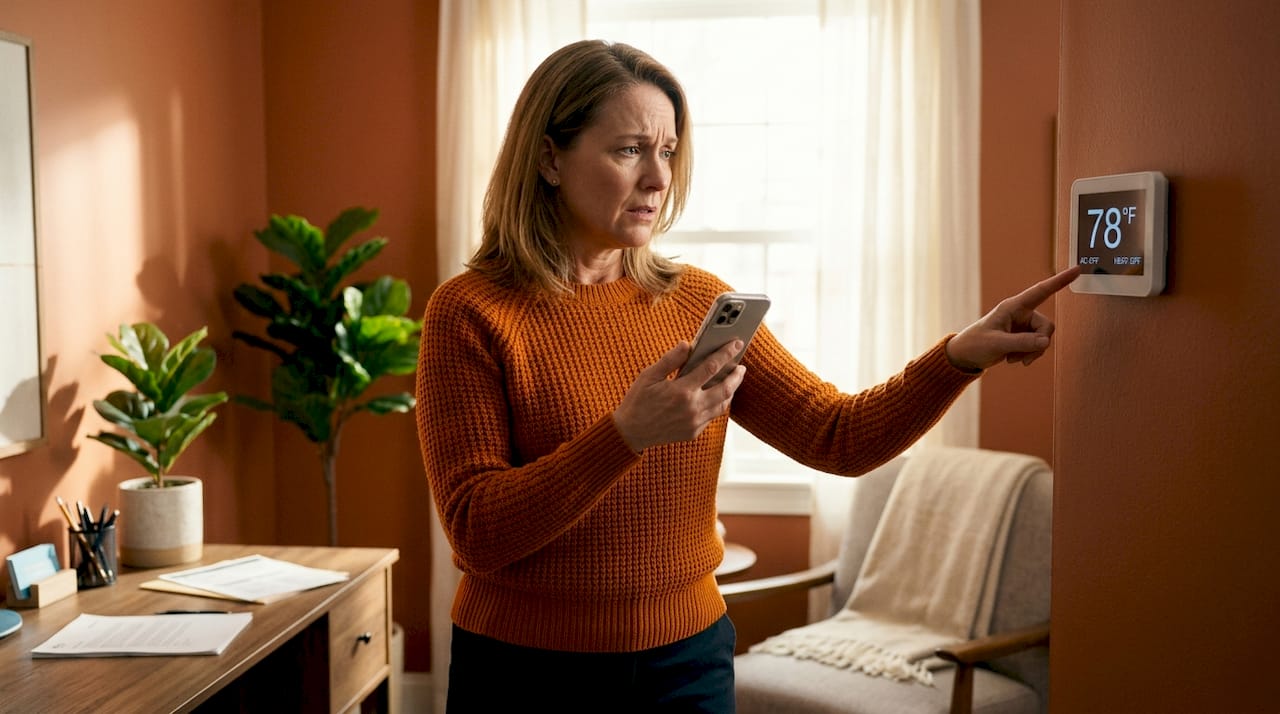
Complete loss of cooling during extreme temperatures is the most common trigger for an emergency call. In Los Angeles, summer temperatures regularly exceed 95°F, and indoor temperatures can climb to dangerous levels within a few hours of an AC failure. Infants, elderly residents, and anyone with a heart or respiratory condition face real health risks in those conditions. If your system is blowing warm air or no air at all, that qualifies as an emergency.
Electrical warning signs
Repeated on/off cycles or strange noises often indicate electrical or mechanical failure that needs urgent assessment. These symptoms risk total breakdown or create safety hazards. Sparks, burning smells, tripped breakers that reset and trip again, or visible smoke near your indoor or outdoor unit are all situations where you should stop using the system immediately and call for help.
Refrigerant and water leaks
A refrigerant leak is not just a performance problem. Refrigerant exposure can cause dizziness, headaches, and in enclosed spaces, more serious health effects. A significant water leak from your indoor air handler can damage ceilings, walls, and flooring quickly. Both situations warrant an emergency call rather than a wait-and-see approach.
Here is a quick reference for telling urgent from non-urgent issues:
- Emergency (call now): No cooling during extreme heat, sparks or smoke from the unit, burning smell, refrigerant leak, water actively flooding from the unit, system will not turn on at all
- Urgent but not emergency (same-day or next-day service): Reduced cooling efficiency, unusual but non-alarming noise, thermostat unresponsive, minor water drip from drain line
- Routine (schedule a visit): Slightly higher energy bills, occasional mild noise, filter replacement needed
Pro Tip: If you are unsure whether your situation is a true emergency, call a 24/7 provider anyway. A good technician will ask the right questions over the phone and tell you honestly whether you need someone there tonight or whether morning service is safe.
What to expect during an emergency AC service call
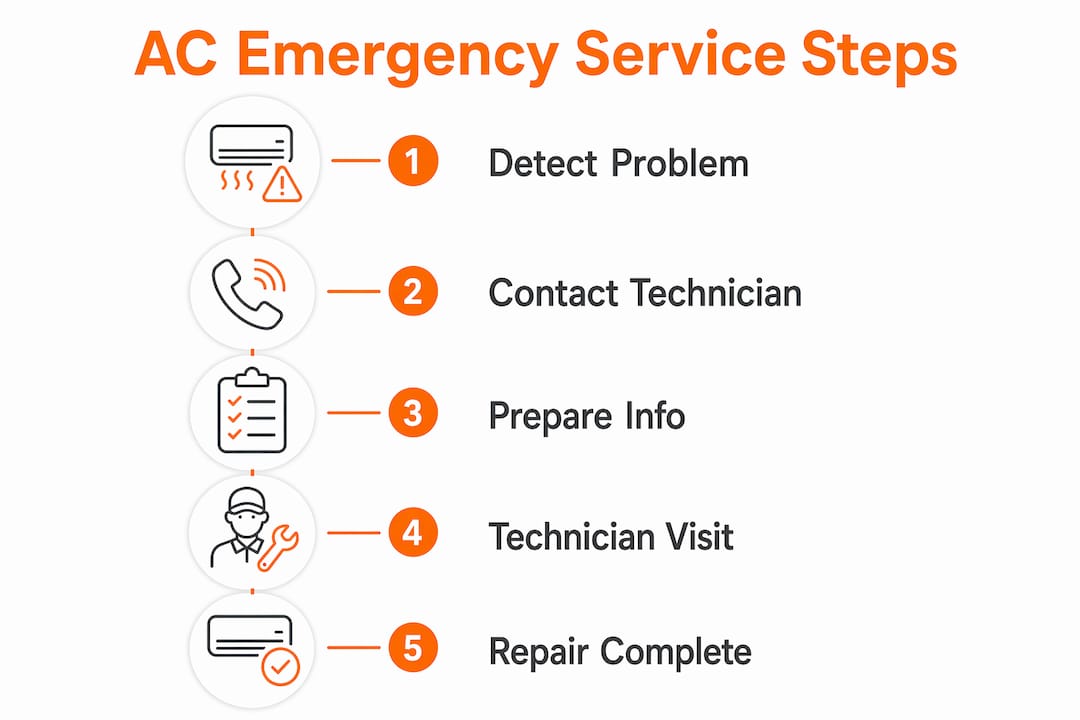
Knowing what happens during an emergency visit removes a lot of the anxiety from the situation. Here is the typical sequence a qualified technician follows.
-
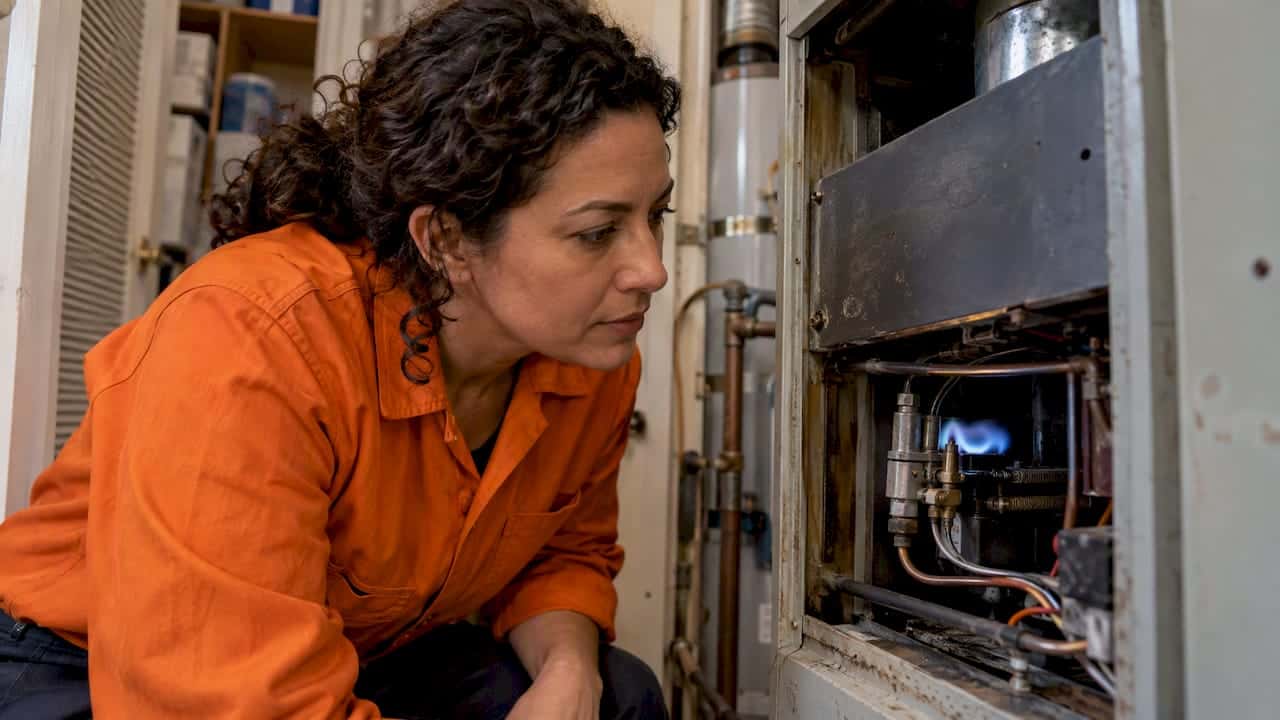
Initial safety check. The technician’s first priority is identifying any immediate hazard, such as an electrical fault, refrigerant leak, or fire risk. If a hazard exists, they address it before anything else.
-
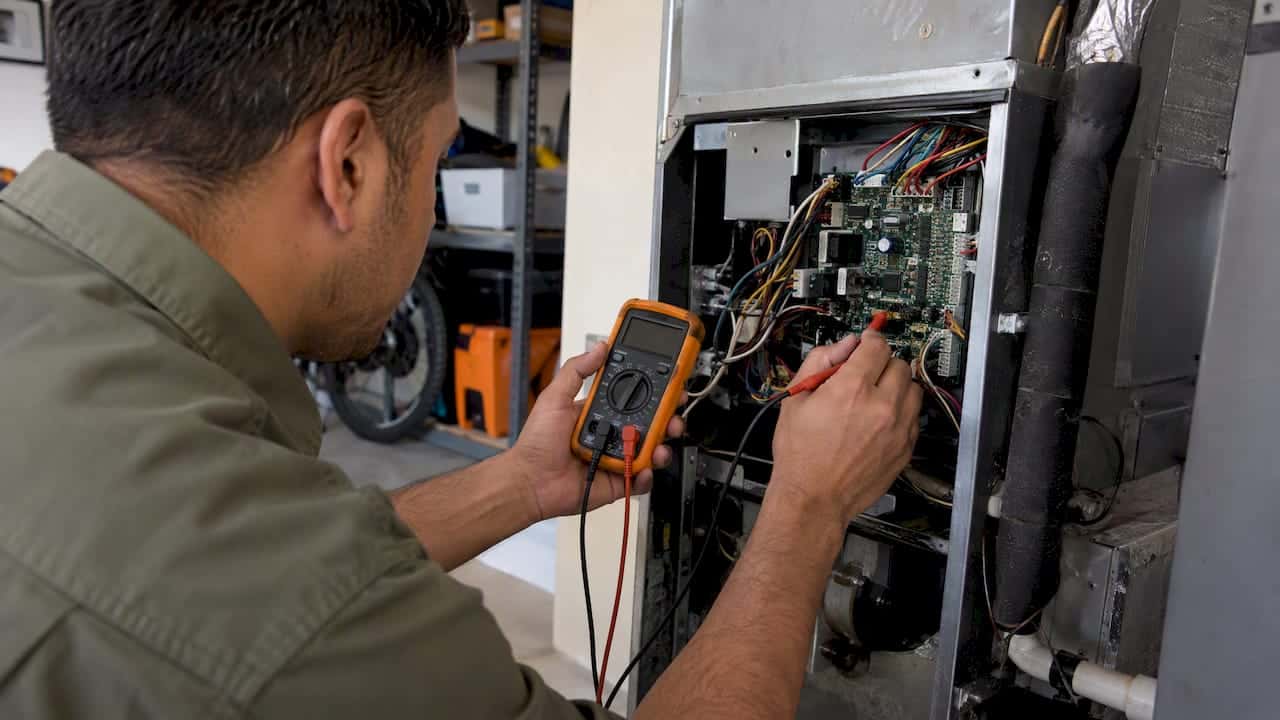
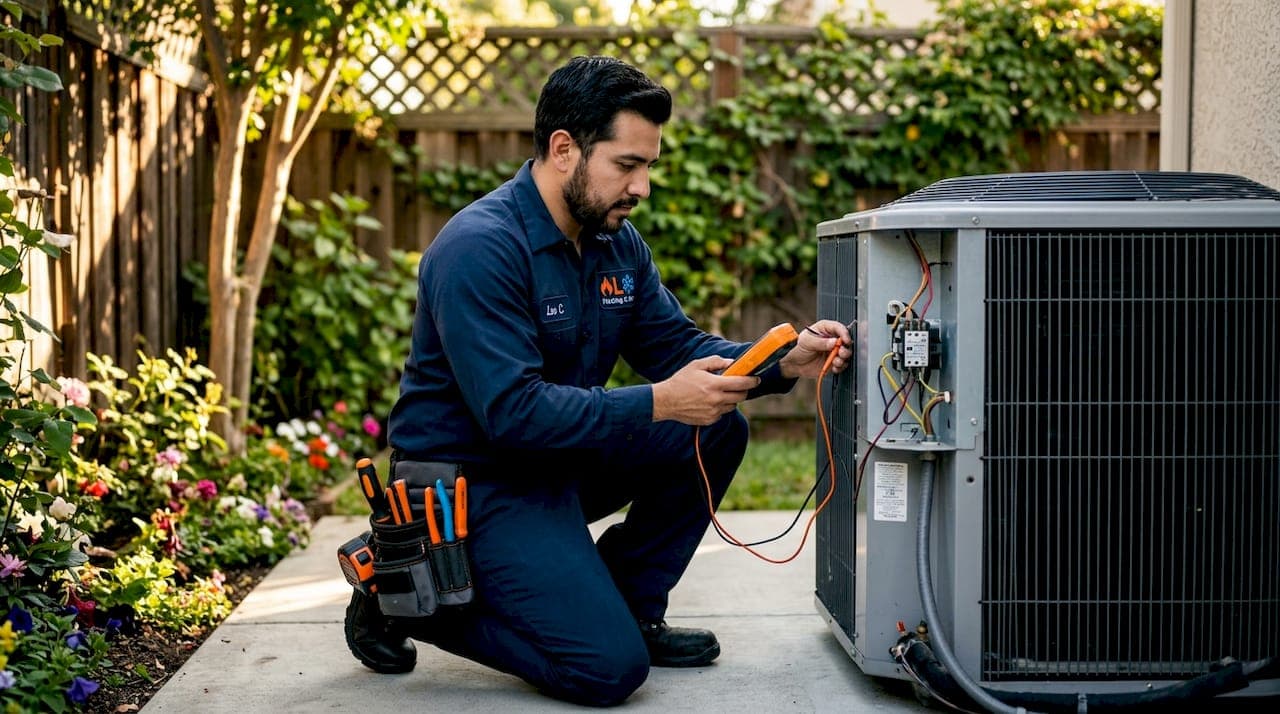
Full system diagnostic. Technicians inspect indoor and outdoor units, the thermostat, electrical connections, refrigerant levels, and airflow to identify the root cause. This is not a quick glance. A thorough diagnostic is what separates a real fix from a temporary patch.
-
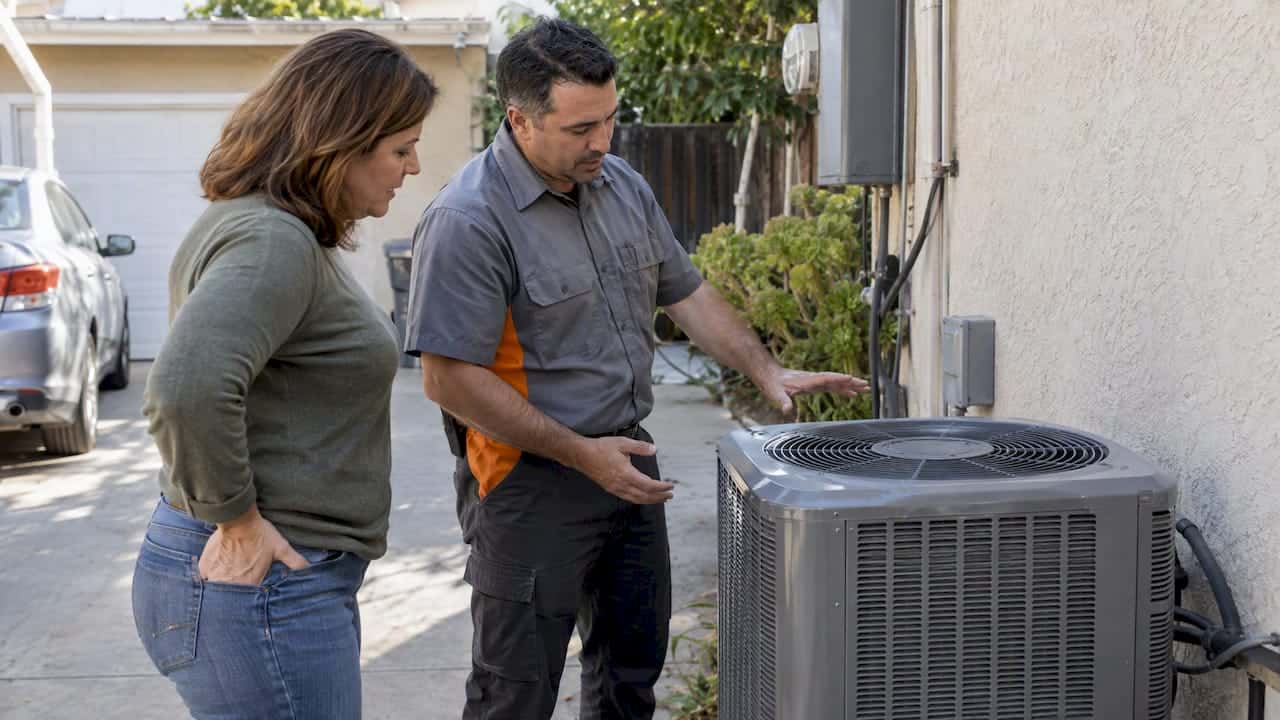
Clear communication of findings. A trustworthy technician explains what they found, what caused it, and what the repair involves before touching anything. You should receive a clear estimate before work begins. If a provider skips this step, that is a red flag.
-
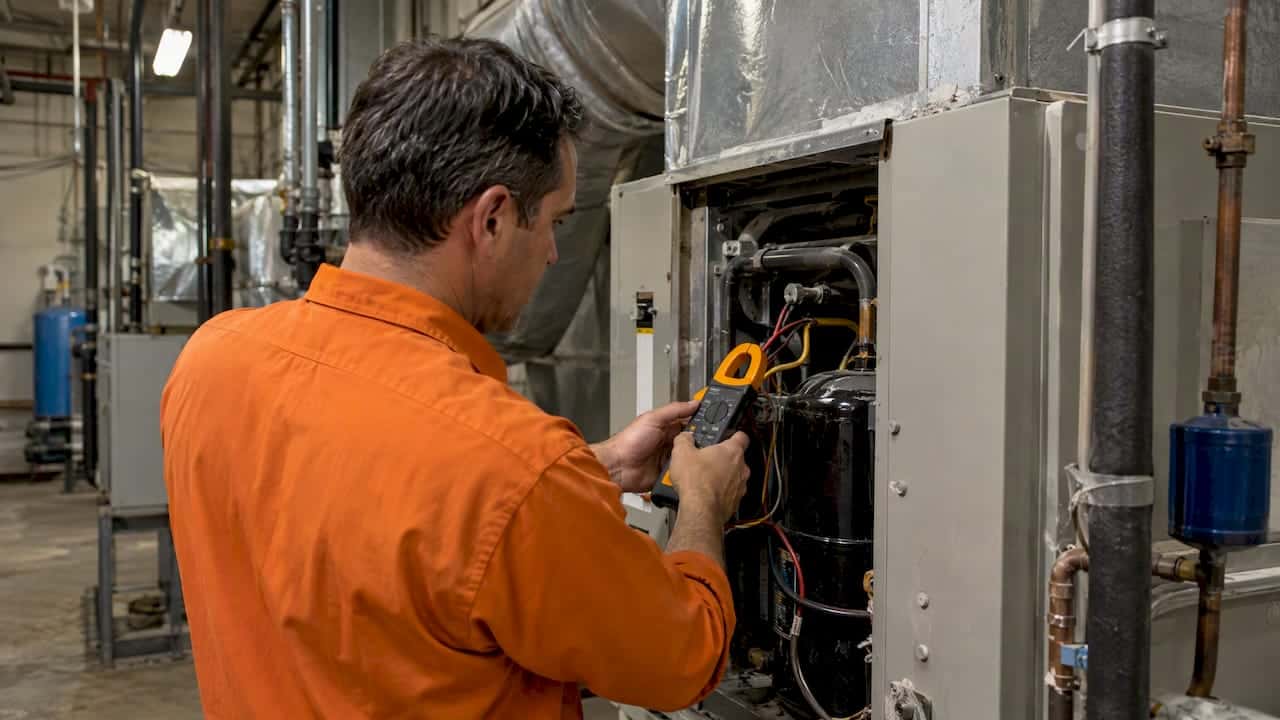
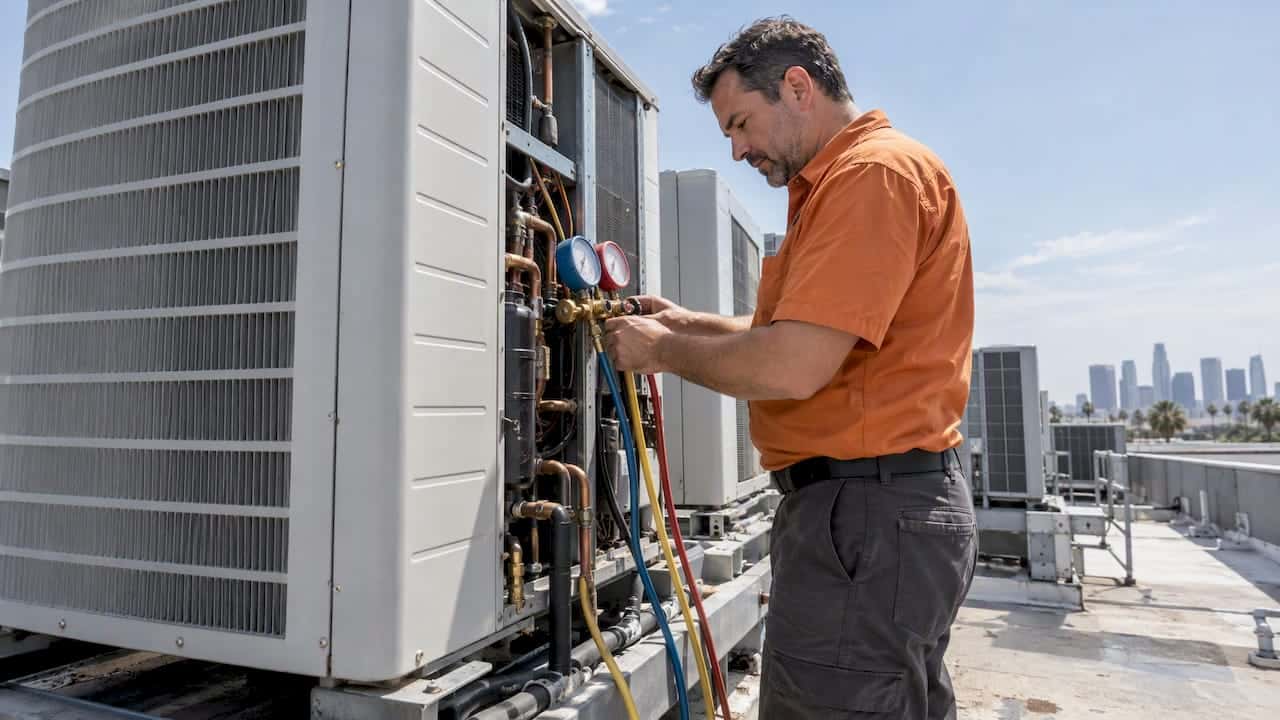
Repair or stabilization. Depending on the failure, the technician either completes the repair on the spot or stabilizes the system safely until a part can be sourced. Common emergency repairs include replacing capacitors, contactors, or fan motors; clearing blocked drain lines; recharging refrigerant after fixing the leak source; and resetting or replacing electrical components.
-
Post-repair testing. The technician runs the system through a full cycle to confirm the repair held and that cooling is restored to normal levels.
-
Recommendations for follow-up. If the emergency was caused by a deeper underlying issue, such as a failing compressor or an aging condenser, the technician should tell you clearly and give you options, not pressure.
Pro Tip: Before the technician arrives, write down exactly what you noticed: when the problem started, any sounds or smells, and whether the system is running at all. This information cuts diagnostic time significantly and can reduce your service bill.
The entire process for a straightforward emergency repair, such as a failed capacitor, typically takes one to two hours. Complex failures involving refrigerant or major electrical components can take longer, especially if parts need to be sourced.
How emergency AC service costs are determined
Emergency AC repair costs more than scheduled service, and understanding why helps you budget and avoid surprises. Several factors drive the final price.
| Cost factor | What it means for your bill |
|---|---|
| Time of service | Weekends, holidays, and after-hours calls carry premium rates due to technician overtime and high demand |
| Severity of failure | A failed capacitor costs far less to fix than a compressor failure or refrigerant leak repair |
| Parts availability | Uncommon parts sourced urgently add cost compared to standard stock components |
| Service call fee | Most providers charge a flat diagnostic fee on top of repair costs; confirm this upfront |
| Geographic demand | During heat waves, emergency pricing increases as every HVAC company in the area is stretched thin |
Demand-driven pricing explains why costs spike during heat waves and holidays. Higher charges reflect the premium for technician availability and overtime during peak conditions. This is not price gouging by reputable providers. It is the real cost of keeping trained staff available around the clock.
To protect yourself financially, always ask for a written estimate before authorizing any repair. Reputable companies like LC Heating and Air Conditioning use flat-rate pricing, which means the price you are quoted is the price you pay, regardless of how long the repair takes. That transparency matters enormously when you are stressed and just want your home cool again.
For a detailed breakdown of what drives AC repair pricing in California, the variables go beyond just timing and include system age, brand, and local permit requirements.
Pro Tip: Ask your provider whether the diagnostic fee is waived if you proceed with the repair. Many reputable companies, including LC Heating and Air Conditioning, apply the diagnostic cost toward the repair total, so you are not paying twice for the same visit.
What to do during an AC emergency before help arrives
The window between noticing a problem and the technician’s arrival is when homeowners can either reduce the damage or accidentally make things worse. Here is what to do.
-
Check the basics first. Confirm the thermostat is set to “cool” and the temperature is set below the current room temperature. Check that the circuit breaker for the AC unit has not tripped. A tripped breaker is sometimes the entire problem, and resetting it takes thirty seconds. If it trips again immediately, stop there and call for service.
-
Shut the system off if you see sparks, smoke, or smell burning. Shutting off power and stopping further operation reduces fire and refrigerant hazard risks before a technician arrives. Use the disconnect switch near the outdoor unit or turn off the breaker. Do not restart the system until a professional has inspected it.
-
Do not ignore a refrigerant leak. If you notice a hissing sound near the outdoor unit, an oily residue on the ground nearby, or ice forming on the refrigerant lines, turn the system off and ventilate the area. Refrigerant is not something to troubleshoot yourself.
-
Manage indoor temperature safely. Close blinds and curtains on sun-facing windows to slow heat gain. Move vulnerable family members, including pets, to the coolest room in the house. Use fans to circulate air. If temperatures become dangerous, consider a neighbor’s home, a library, or a cooling center.
-
Document what you observed. Note the time the problem started, any sounds or smells, and what the system was doing when you noticed the issue. This helps the technician diagnose faster when they arrive.
-
Call a trusted emergency HVAC provider promptly. 24/7 access to emergency repair means you do not have to wait until morning. The sooner you call, the sooner your home is safe and comfortable again.
One thing many homeowners do not realize: running a failing AC system in an attempt to “get a little more cooling” before calling can turn a minor repair into a major one. A struggling compressor that overheats and burns out costs several times more to address than the original fault that caused the strain.
Key takeaways
AC emergency service is the fastest, safest response to critical air conditioning failures, and knowing how it works puts you in control when the situation is stressful.
| Point | Details |
|---|---|
| Definition is clear | AC emergency service is an urgent, unscheduled repair response to failures that threaten safety, health, or property. |
| Know your triggers | Sparks, smoke, refrigerant leaks, and complete cooling loss during extreme heat all qualify as emergencies. |
| Expect a full diagnostic | Technicians inspect the entire system before repairing, not just the obvious symptom. |
| Pricing reflects demand | After-hours, holiday, and heat wave calls cost more due to overtime and high service demand. |
| Act before help arrives | Shut off the system if hazards exist, manage indoor temperature, and document what you observed. |
What 20 years of emergency calls taught me about AC emergencies
After two decades working on HVAC systems across Los Angeles, the most consistent thing I see is homeowners who waited too long. Not because they were careless, but because they were not sure whether their situation was “bad enough” to call. My honest answer: if you are asking that question at 9 PM in July, it is bad enough.
The second thing I see constantly is the misconception that emergency service means a rushed, low-quality repair. That is not how good providers operate. The urgency is about response time, not about cutting corners on the diagnosis. At LC Heating and Air Conditioning, we run the same thorough inspection on an emergency call that we do on a scheduled visit. The only difference is we get there faster.
I also want to address preventive maintenance directly, because it genuinely changes the emergency equation. Routine tune-ups prevent many emergencies, and fast professional repairs reduce damage and restore comfort quickly when something does go wrong. A system that gets a proper inspection every spring is far less likely to fail on the hottest day of the year. That is not a sales pitch. It is just physics. Worn capacitors, low refrigerant, and dirty coils do not fix themselves over winter.
When you are choosing an emergency provider in the moment, look for three things: 24/7 availability with real technicians answering the phone (not an answering service), upfront pricing before any work begins, and verifiable reviews from local homeowners. Speed matters, but so does trust. A technician who arrives fast and then pressures you into an unnecessary system replacement has not helped you at all.
— Leo
LC Heating and Air Conditioning is ready when you need us most
When your AC fails and the temperature is climbing, you need a team you can trust to arrive fast, diagnose honestly, and fix it right the first time.

LC Heating and Air Conditioning has served Los Angeles homeowners for over 20 years with same-day emergency HVAC repair and transparent, flat-rate pricing. No surprise fees. No pressure to replace a system that can be repaired. Our technicians are available 24/7 for urgent AC repair across Los Angeles, and every visit starts with a thorough diagnostic so you know exactly what you are paying for and why. Call us the moment something feels wrong. We would rather you call early than wait until a small problem becomes an expensive one.
FAQ
What is the difference between emergency and standard AC service?
Standard AC service is a scheduled appointment for maintenance or non-urgent repairs. Emergency AC service is an unscheduled, rapid-response call for failures that pose a safety risk, health hazard, or cause complete loss of cooling during dangerous temperatures.
How quickly does an emergency AC technician typically arrive?
Response times vary by provider and demand, but reputable companies offering 24/7 emergency response typically aim to arrive within two to four hours of your call. During heat waves, response times can stretch longer as demand surges across the city.
Is emergency AC repair more expensive than a regular service call?
Yes. Emergency service costs more due to after-hours availability, technician overtime, and high demand during peak conditions like heat waves and holidays. Always ask for a written estimate before authorizing repairs.
Should I turn off my AC if I suspect a problem?
If you notice sparks, smoke, a burning smell, or a refrigerant leak, turn the system off at the breaker immediately and call for emergency service. Running a damaged system risks further failure or a fire hazard.
Can I troubleshoot my AC myself before calling for emergency service?
You can safely check the thermostat settings, replace a clogged filter, and reset a tripped breaker. Beyond those steps, electrical faults, refrigerant issues, and mechanical failures require a licensed technician. Attempting repairs beyond basic home AC troubleshooting can void warranties and create additional hazards.
Recommended
Leo, Owner & Lead Technician at LC Heating & Air
Leo leads LC Heating & Air as an owner-operator and holds California CSLB C-20 HVAC license #1073586. His guides focus on practical diagnostics, safe repair decisions, and clear advice for Los Angeles homeowners.