TL;DR:
- Understanding your AC repair costs in California helps you budget wisely by considering factors like repair complexity, the unit’s age, timing, and hidden fees, which can significantly affect the final bill. Older systems, emergency service calls, and geographic location often lead to higher expenses, especially due to parts scarcity and labor rates. Scheduling inspections and repairs proactively, requesting detailed estimates, and addressing duct issues and refrigerant leaks early can save homeowners substantial money over time.
Understanding your AC repair cost factors list before calling a technician can be the difference between a fair bill and an unexpected financial hit. AC repair costs in California vary widely, and without knowing what drives that price, you are at a real disadvantage. The national average sits around $375, but California homeowners routinely pay more. This article breaks down every major factor that influences what you pay, so you can budget wisely, ask the right questions, and feel confident when you hire HVAC services.
Table of Contents
- Key takeaways
- 1. Type of repair needed and its complexity
- 2. Age and condition of the AC unit
- 3. Timing and emergency repair fees
- 4. Geographic location and local California market rates
- 5. Additional cost factors: fees, warranties, and hidden charges
- 6. Ductwork condition as a hidden repair cost driver
- 7. Refrigerant leak detection and the cost of deferred repairs
- My take on the cost factors homeowners consistently underestimate
- Get honest AC repair pricing from Lahvaclc
- FAQ
Key takeaways
| Point | Details |
|---|---|
| Repair type drives cost | Simple fixes cost $100–$300; major component replacements can reach $2,800 or more. |
| Age matters significantly | Older AC units typically cost more to repair due to scarce parts and compounding issues. |
| Timing affects your bill | Emergency and after-hours repairs carry surcharges that can raise labor costs by 25–50%. |
| California costs run higher | The California average is $575 per repair, well above the national average. |
| Hidden fees add up fast | Diagnostic charges, dispatch fees, and supply surcharges can inflate your final invoice unexpectedly. |
1. Type of repair needed and its complexity
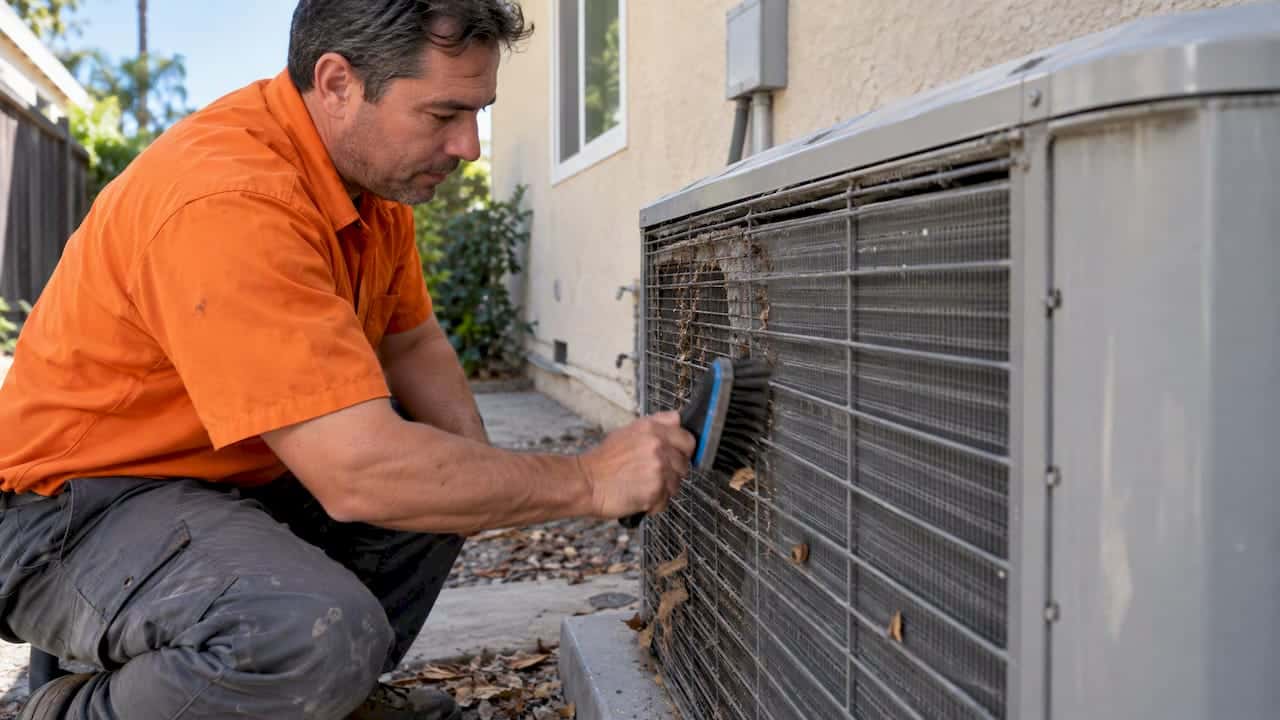
The single biggest item in any AC repair expenses breakdown is what actually needs to be fixed. A capacitor replacement is a quick job. A compressor swap is not. These are not just different parts. They represent fundamentally different levels of labor, time, and material cost.
Here is a realistic look at what common repairs typically cost:
- Capacitor or contactor replacement: $100–$300. Small components, relatively fast labor.
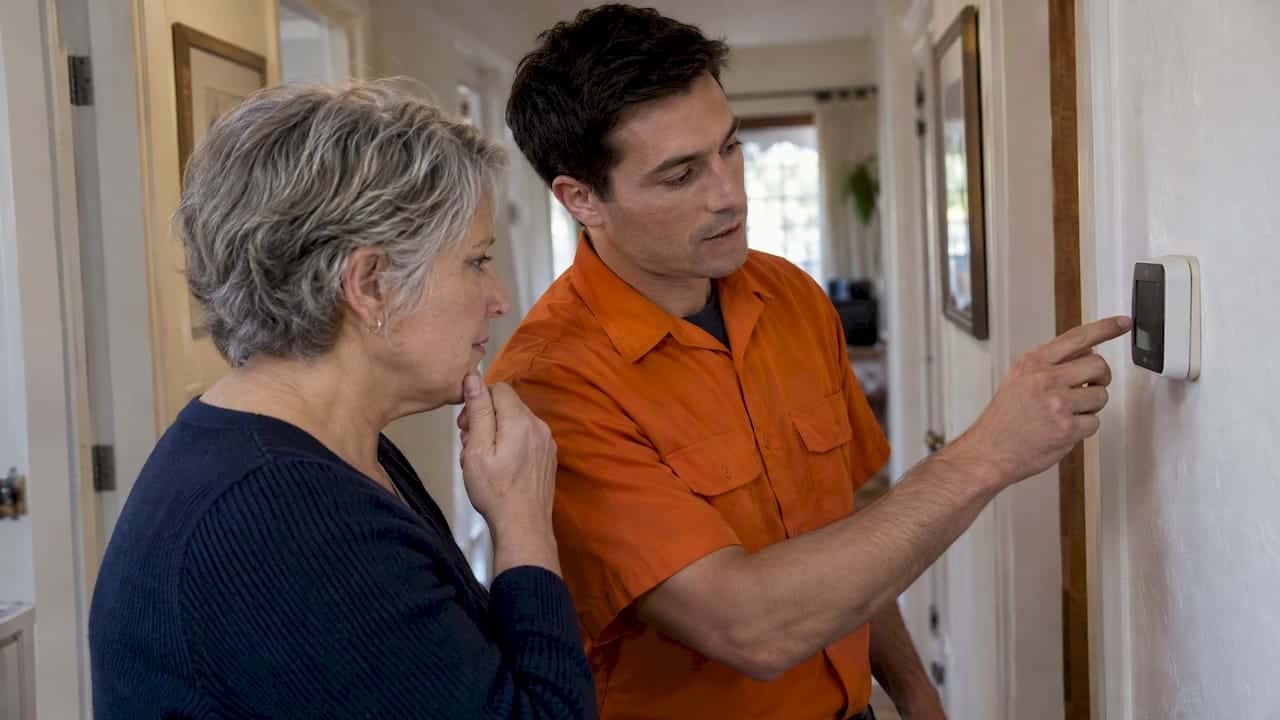
- Thermostat replacement: $150–$350, depending on whether it is a smart thermostat or a basic unit.
- Refrigerant recharge (with leak repair): $300–$2,000+. Refrigerant does not disappear on its own. If your system is low, there is a leak somewhere, and topping off without fixing the leak leads directly to repeat costs.
- Evaporator or condenser coil replacement: $600–$2,000. Labor-intensive, often requiring refrigerant handling.
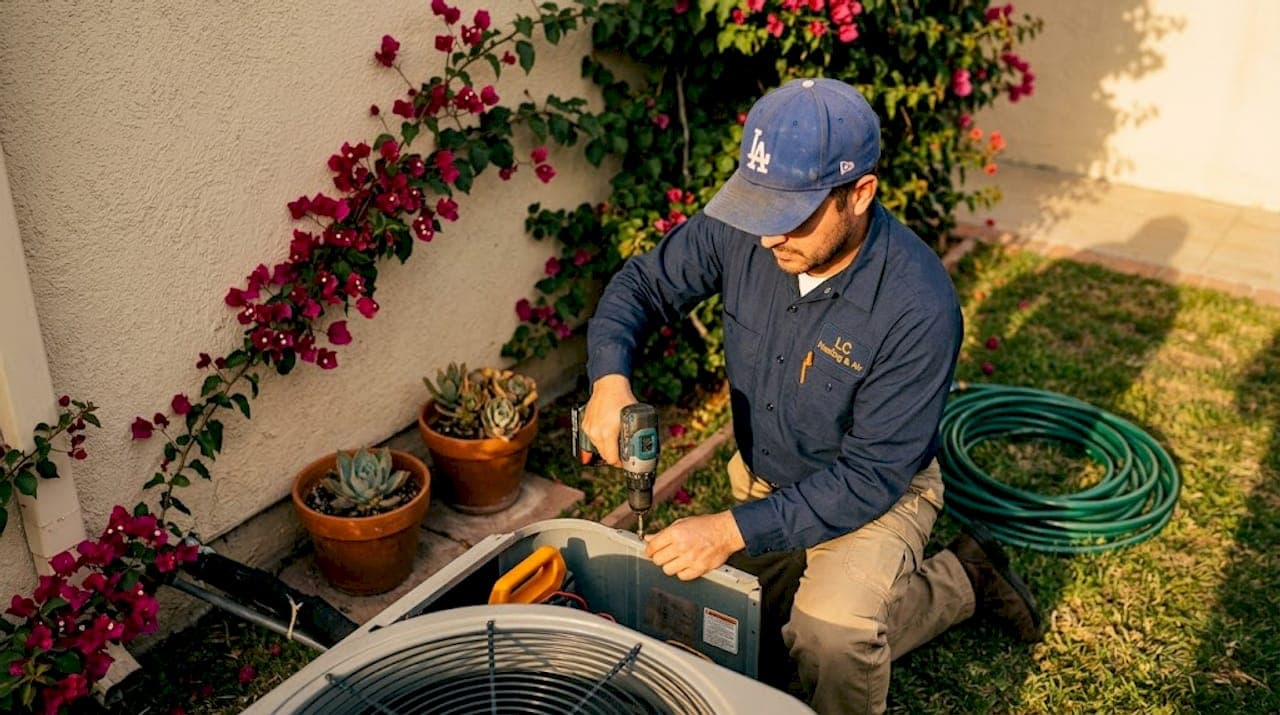
- Compressor replacement: $1,000–$2,800. This is the heart of the system. If the compressor goes, so does a large chunk of your budget.
- Blower motor or fan motor replacement: $250–$800.
- Circuit board replacement: $300–$900.
Labor comprises roughly 50% of total repair cost, with hourly rates ranging from $75 to $150 or more. The more labor a repair demands, the faster that total climbs. A straightforward capacitor swap might take 30 minutes. A coil replacement could take most of a day.
Pro Tip: Before approving any repair, ask the technician to explain exactly what failed, why it failed, and how long the fix should realistically last. This question alone can reveal whether a repair is worth doing or whether a replacement makes more financial sense.
2. Age and condition of the AC unit
An older system is like an older car. The parts are harder to find, the labor takes longer because technicians have to work around worn components, and one problem often reveals another hiding just underneath it.
Here is how age typically affects what you pay:
- Units under 5 years old tend to have straightforward repairs and readily available parts, keeping costs at the lower end of the range.
- Units 6 to 10 years old may need parts that are still available but require ordering, which adds time and sometimes markup. Repairs are generally still cost-effective.
- Units 11 to 15 years old start presenting the gray zone. Parts become scarcer, and a repair on one component may expose a second failing part that drives up the total.
- Units over 15 years old often require custom-order or aftermarket parts, which cost more. These systems also tend to have lower efficiency ratings, meaning even a successful repair leaves you with a unit that drives up your utility bill every month.
- Systems past 20 years frequently make more financial sense to replace than repair. If a compressor replacement costs $2,000 and the unit has two years of useful life left, you are spending money poorly.
The age question also connects to refrigerant type. Older systems using R-22 refrigerant face dramatically higher recharge costs because R-22 is now phased out and in limited supply. A refrigerant recharge on an R-22 system can cost significantly more than the same service on a modern R-410A unit. If you are unsure which refrigerant your system uses, that is one of the first things to ask a technician.
Pro Tip: If your system is 10 or more years old and the repair quote exceeds 50% of the cost of a new unit, seriously consider HVAC replacement options instead. A new system comes with a warranty and lower operating costs that often pay the price difference back over 3 to 5 years.
3. Timing and emergency repair fees
One of the most avoidable cost factors for AC repair is when you schedule the service. Timing affects your bill more than most homeowners realize, and the gap between a standard appointment and an emergency call is significant.
Here is a direct comparison of standard versus emergency service costs:
| Cost Item | Standard Service | Emergency / After-Hours |
|---|---|---|
| Diagnostic fee | $75–$150 | $125–$250 |
| Labor rate (per hour) | $75–$150 | $112–$300+ |
| Weekend premium | None | 25–50% surcharge |
| Holiday premium | None | 2–3x standard rate |
Emergency diagnostic fees run $125–$250 compared to $75–$150 for standard calls, and labor rates during emergencies can be 25% to 50% higher or even double. That difference on a $600 repair can add $150 to $300 to your bill without a single extra part being used.
Seasonal demand plays an equally important role. 63% of AC breakdowns happen during peak summer weeks, when companies are operating at capacity and charging at their highest rates. Calling a technician on a 105-degree July afternoon in the San Fernando Valley means you are competing with dozens of other homeowners for the same technician’s time.
Scheduling AC repairs during regular business hours on weekdays can save you considerable money by avoiding emergency surcharges entirely. If your system is running but struggling, do not wait until it fails completely on a holiday weekend.
4. Geographic location and local California market rates
Where you live in California has a measurable effect on what you pay for AC service. The California average repair cost is $575, which is already above the national average of around $375. But within California, costs vary further based on your specific city and neighborhood.
Several location-driven factors influence what affects AC repair costs in your area:
- Urban density and cost of living: Technicians working in Los Angeles, San Francisco, or San Diego face higher business operating costs. That overhead gets built into their service rates. A repair that costs $450 in Bakersfield may run $600 in Beverly Hills.
- Local labor market rates: California has some of the highest HVAC labor rates in the country, driven by the state’s higher minimum wage, licensing requirements, and demand.
- Competition in your area: Dense urban markets often have more HVAC companies competing for your business, which can work in your favor. Rural or semi-rural areas may have fewer options, reducing competitive pressure on pricing.
- Parts availability and shipping: Technicians in remote areas may face longer lead times for parts or pay more for expedited shipping, and that cost often passes through to you.
- Local climate patterns: This one is specific to California and directly affects repair frequency. Coastal areas deal with marine layer humidity that accelerates corrosion in evaporator coils. Inland valleys face extreme heat cycles and wildfire smoke that clogs filters and strains compressors. Santa Ana wind events push desert dust into condenser coils. Each of these patterns increases wear, and more wear means more frequent repairs.
If you are in Los Angeles, these California-specific conditions are not abstract. They are the reason your neighbor’s system broke down last August and why that same system might need another repair before next summer.
5. Additional cost factors: fees, warranties, and hidden charges
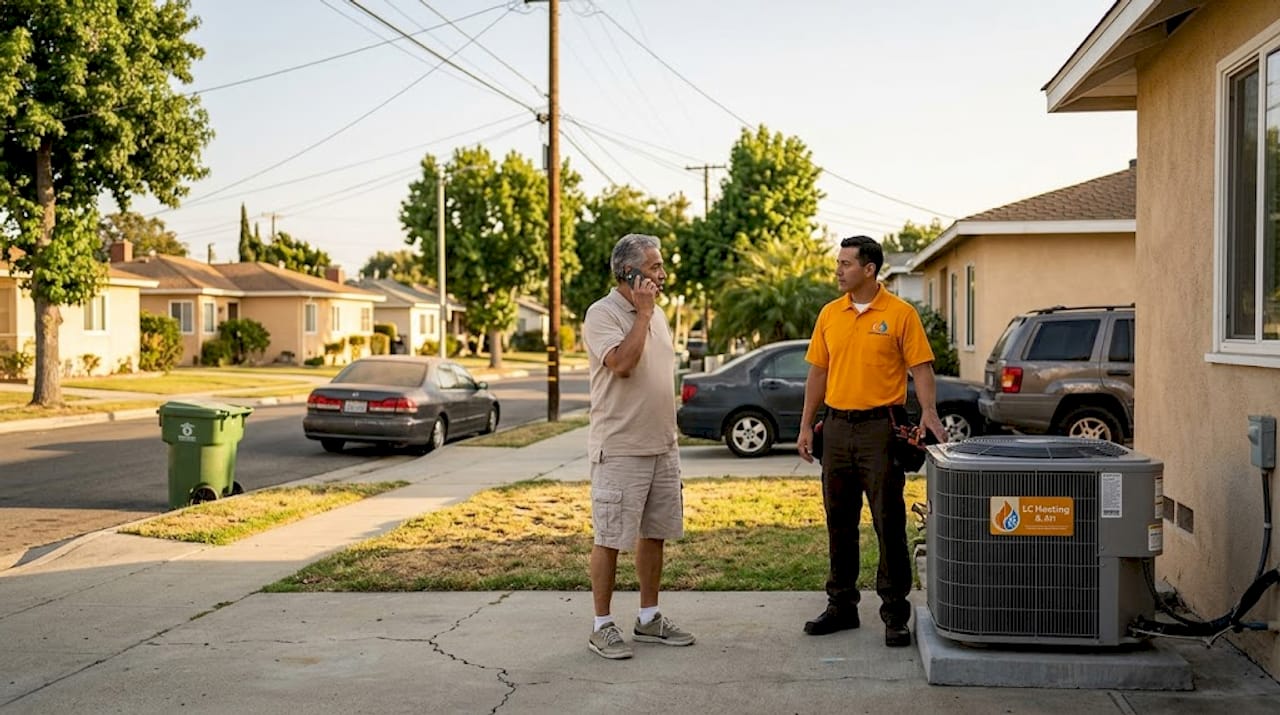
Beyond parts and labor, the AC maintenance cost overview for most homeowners includes a category of charges that often go unnoticed until the invoice arrives. These extras can add meaningfully to your total.
Here is what to watch for:
- Diagnostic and service call fees: Most companies charge $75 to $250 just to show up and diagnose the problem. These fees are sometimes credited toward the repair if you approve the work, but that policy is not universal. Always confirm before authorizing a diagnosis.
- Warranty coverage gaps: If your system is under manufacturer warranty, parts may be covered. But labor usually is not. Homeowners are often surprised to learn they still owe $300 to $500 in labor on a “covered” repair.
- Shop supplies and material fees: A line item labeled “shop supplies” or “materials fee” is common on HVAC invoices. It usually represents consumables like refrigerant handling supplies, electrical tape, and wire nuts. This can range from $20 to $75 and is rarely explained upfront.
- Dispatch fees: Some companies charge a separate fee for routing a technician to your address, distinct from the diagnostic fee. This can add another $25 to $75 to your bill.
- Priority service charges: If you request a faster-than-standard appointment window, some companies charge a premium for it. This is separate from emergency service and applies even during business hours.
- Refrigerant handling fees: EPA regulations require technicians to capture and properly dispose of refrigerant. This handling fee is legitimate and typically costs $50 to $150, but it should be itemized clearly on your invoice.
| Charge Type | Typical Amount | Notes |
|---|---|---|
| Diagnostic / service call fee | $75–$250 | May be credited toward repair |
| Shop supplies fee | $20–$75 | Often buried in invoice |
| Dispatch fee | $25–$75 | Separate from diagnostic |
| Priority scheduling fee | $30–$100 | Applies to fast non-emergency appointments |
| Refrigerant handling fee | $50–$150 | EPA-required, always legitimate |
Hidden charges like these can inflate your bill unexpectedly, and the best defense is a detailed itemized invoice. Ask for one before work begins, and ask what each line item means if anything is unclear.
Pro Tip: Homeowners who hold service agreements or maintenance plans often receive discounted diagnostic fees and priority scheduling at standard rates. Over the course of a year, those savings can more than offset the cost of the plan itself.
6. Ductwork condition as a hidden repair cost driver
Most homeowners think about AC repair as something that happens to the air handler or the outdoor condenser unit. But your duct system is part of the equation too, and it can quietly drive up your costs in ways that are easy to miss.
Leaky or damaged ducts make your AC work harder than it should. When conditioned air escapes into your attic or crawlspace instead of reaching your living areas, the system runs longer cycles, strains the compressor, and wears out components faster. You end up calling for repairs more often, without realizing the real cause.
In older Los Angeles homes, duct issues are especially common. Ducts in 1950s and 1960s construction often used materials that have degraded over decades. A poorly sealed duct system can lose 20% to 30% of airflow before it ever reaches a vent. Duct repair services address this directly and can extend the life of your AC components considerably.
If your system seems to need frequent repairs or your energy bills have been climbing without an obvious explanation, have your ducts inspected alongside your next AC service call. It may be the most cost-effective fix available.
7. Refrigerant leak detection and the cost of deferred repairs
Refrigerant is one of the most misunderstood line items on an AC repair bill, and misunderstanding it can cost you significantly more than necessary. Refrigerant does not get used up the way fuel does. If your system is low, it is because there is a leak somewhere in the system.
This matters because some technicians will offer to simply “top off” the refrigerant without addressing the underlying leak. It feels like a quick, affordable fix in the moment. But you will be making that same call again in six months or less, paying the same recharge fee all over again. Worse, a slow refrigerant leak causes your compressor to overheat over time, which turns a manageable repair into a potentially system-ending failure.
Leak detection and proper repair can add $1,200 to $2,000 or more to your bill compared to a simple top-off. That number stings. But compare it to paying for three separate recharges over two years plus a compressor replacement, and the math shifts completely. Addressing the leak once, correctly, is almost always the more cost-effective path.
When evaluating how to estimate AC repair costs for a refrigerant issue, always ask whether the quote includes leak detection and repair, not just the refrigerant itself. A trustworthy technician will never offer a recharge without answering that question.
My take on the cost factors homeowners consistently underestimate
Over twenty years of working in Los Angeles homes, I have watched the same scenario play out more times than I can count. A homeowner calls us after paying another company to recharge their refrigerant twice in a single season. No one fixed the leak. They spent $600 across two service calls and still have a failing system.
The factors that catch people off guard are rarely the obvious ones. Everyone knows a compressor is expensive. But the creeping costs of refrigerant mismanagement, emergency timing, and hidden invoice charges? Those are the ones that genuinely blindside people.
My honest advice: schedule repairs before summer peaks. June through August is when emergency service surcharges hit hardest and technician availability drops. If your system showed signs of struggle last summer, spring is the time to address it. A diagnostic call in April costs significantly less than an emergency call in August.
I also tell every homeowner to request an itemized estimate before authorizing a single repair. Not a verbal summary. A written line-item quote. If a company hesitates to provide one, that tells you something. Transparent pricing is not a luxury. It is the baseline you should expect from anyone you invite into your home.
Preventive maintenance is the best long-term strategy for keeping repair costs manageable. Annual tune-ups catch small issues before they become expensive ones. A $150 maintenance visit that catches a failing capacitor saves you a $250 repair call six weeks later when that capacitor finally gives out on a hot afternoon.
— lc
Get honest AC repair pricing from Lahvaclc
When you are facing an AC repair in California, you deserve straight answers and a price that makes sense before any work begins. Lahvaclc has spent over 20 years serving Los Angeles homeowners with exactly that approach: no surprise fees, no pressure to replace when a repair will do, and flat-rate pricing on every job.
Whether you need a same-day repair, are weighing a full system replacement, or want to get your ducts in order before summer arrives, the team at Lahvaclc is ready. Our NATE-certified technicians serve neighborhoods across Los Angeles with the kind of local knowledge that only comes from two decades on the ground here.
Schedule your AC repair today and get a flat-rate estimate before any work begins. You can also explore all HVAC services or reach out directly for emergency support any time of day or night.
FAQ
What is the average AC repair cost in California?
The California average is around $575 per repair, compared to the national average of roughly $375. Costs vary based on the type of repair, the age of the unit, and local labor rates.
How much more do emergency AC repairs cost?
Emergency diagnostic fees run $125–$250 versus $75–$150 for standard calls, and labor rates during emergencies can be 25% to 50% higher or more. Scheduling repairs during regular weekday business hours is the most reliable way to avoid these surcharges.
Does refrigerant just run low over time?
No. Refrigerant does not get consumed during normal operation. If your system is low on refrigerant, there is a leak that needs to be found and repaired. Topping off without fixing the leak leads to repeat costs and potential compressor damage.
Should I repair or replace an older AC unit?
If your system is more than 15 years old and the repair quote exceeds half the cost of a new unit, replacement often makes more financial sense. A new system comes with warranty coverage and improved efficiency that can offset the higher upfront cost over time.
Are diagnostic fees always credited toward the repair?
Not always. Some companies credit the diagnostic fee toward the repair if you approve the work, while others treat it as a separate charge. Always confirm the company’s policy before authorizing a diagnostic call.
Recommended
- HVAC Rebates & Tax Credits Los Angeles 2026 | LC Heating & Air | LC Heating & Air
- Our Recent HVAC Projects in Los Angeles | LC Heating & Air | LC Heating & Air
- AC Repair Los Angeles | LC Heating & Air | (323) 970-3113 | LC Heating & Air
- AC Emergency Service Benefits Every LA Homeowner Should Know | LC Heating & Air
Leo, Owner & Lead Technician at LC Heating & Air
Leo leads LC Heating & Air as an owner-operator and holds California CSLB C-20 HVAC license #1073586. His guides focus on practical diagnostics, safe repair decisions, and clear advice for Los Angeles homeowners.