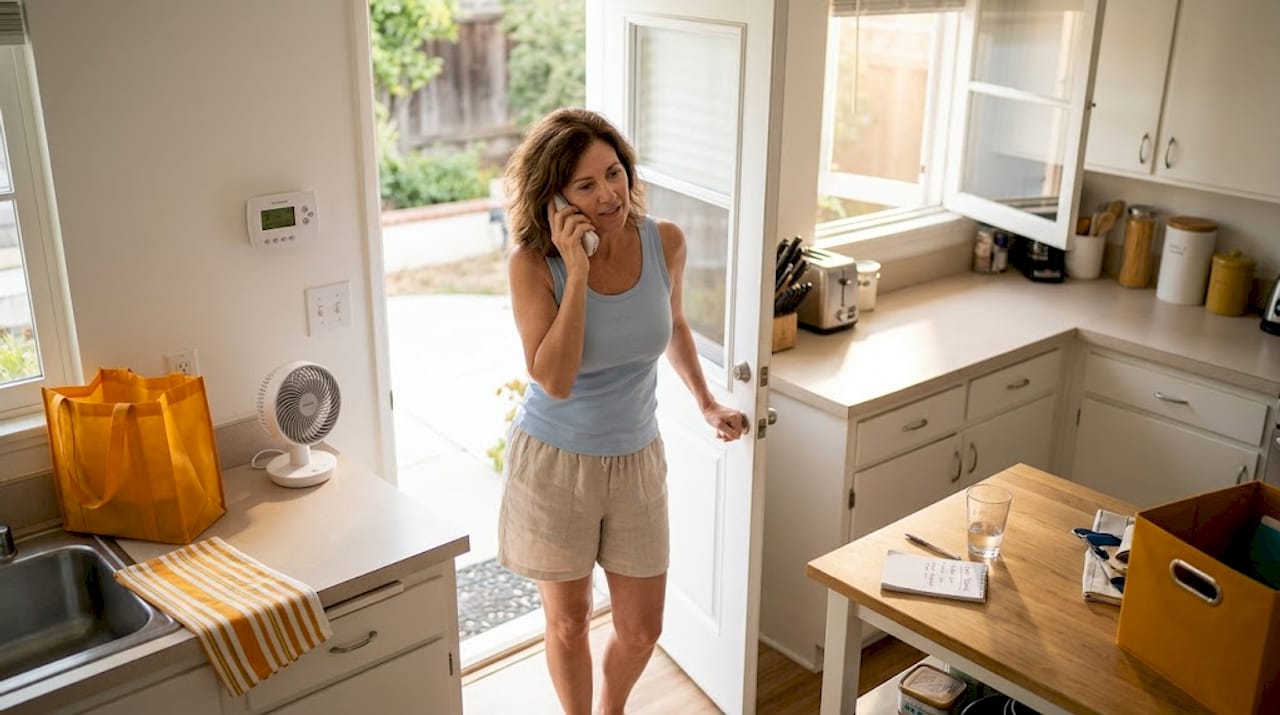
When your AC stops working during a Los Angeles heatwave, the ac emergency service benefits become very real, very fast. Temperatures in the Valley regularly push past 100°F, and an indoor space without cooling can become dangerous within hours. This article walks you through how to recognize a genuine AC emergency, what you actually gain from calling a 24/7 air conditioning service, and how to make a smart, cost-conscious decision when your system goes down at the worst possible time.
Table of Contents
- Key takeaways
- 1. AC emergency service benefits: knowing when you actually have an emergency
- 2. Immediate health and safety protection
- 3. Prevention of costly secondary damage
- 4. Energy savings and restored system efficiency
- 5. Peace of mind with certified, insured technicians
- 6. Comparison of emergency vs. standard repair service
- 7. How to access 24/7 AC repair in Los Angeles and prepare for the call
- My honest take on emergency AC calls after 20 years in Los Angeles
- Lahvaclc is ready when your AC goes down
- FAQ
Key takeaways
| Point | Details |
|---|---|
| Know your emergency signs | Gas smells, electrical hazards, and total cooling loss above 90°F all require immediate action. |
| Fast repairs protect your wallet | Delaying a small refrigerant leak can destroy your compressor and multiply repair costs dramatically. |
| Vulnerable people face real risk | Infants, elderly adults, and anyone with chronic illness face serious health risks without cooling during extreme heat. |
| Emergency vs. standard service | After-hours fees are real, but they are often far less than the cost of secondary damage from waiting. |
| Local expertise matters | A Los Angeles-based technician understands Santa Ana conditions, older ductwork, and coastal humidity issues that out-of-area providers simply do not. |
1. AC emergency service benefits: knowing when you actually have an emergency
Not every AC breakdown qualifies as a true emergency. Understanding the difference saves you money and keeps you safe.
These situations require immediate 24/7 intervention:
- Total loss of cooling when outdoor temperatures exceed 90°F, especially if elderly adults, infants, or anyone with a chronic illness is in the home
- A burning smell or electrical odor coming from your unit, which signals a potential fire hazard
- A rotten egg or sulfur smell, which indicates a gas leak requiring evacuation. Leave immediately, do not touch any electrical switches, and call emergency services from outside
- Grinding or screeching mechanical noises, which often mean a motor bearing is failing. Shut the system off right away. Running it further can cause total motor burnout and turn a $300 repair into a $1,500 one
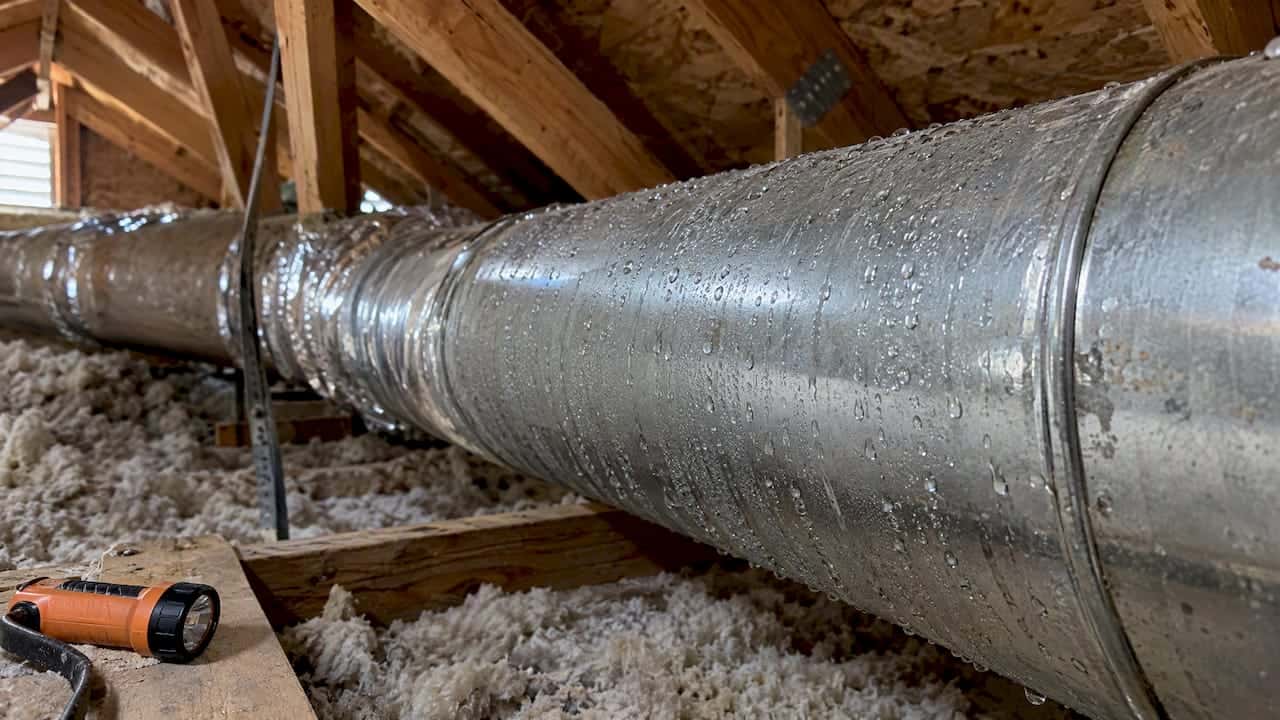
- Active water leaks pooling near your air handler, which can damage ceilings, walls, and flooring fast
Non-emergency situations include a system that is cooling slightly less efficiently, a thermostat that seems off, or minor airflow issues. If your home is still at a livable temperature and no safety hazard exists, scheduling a next-day appointment is perfectly reasonable.
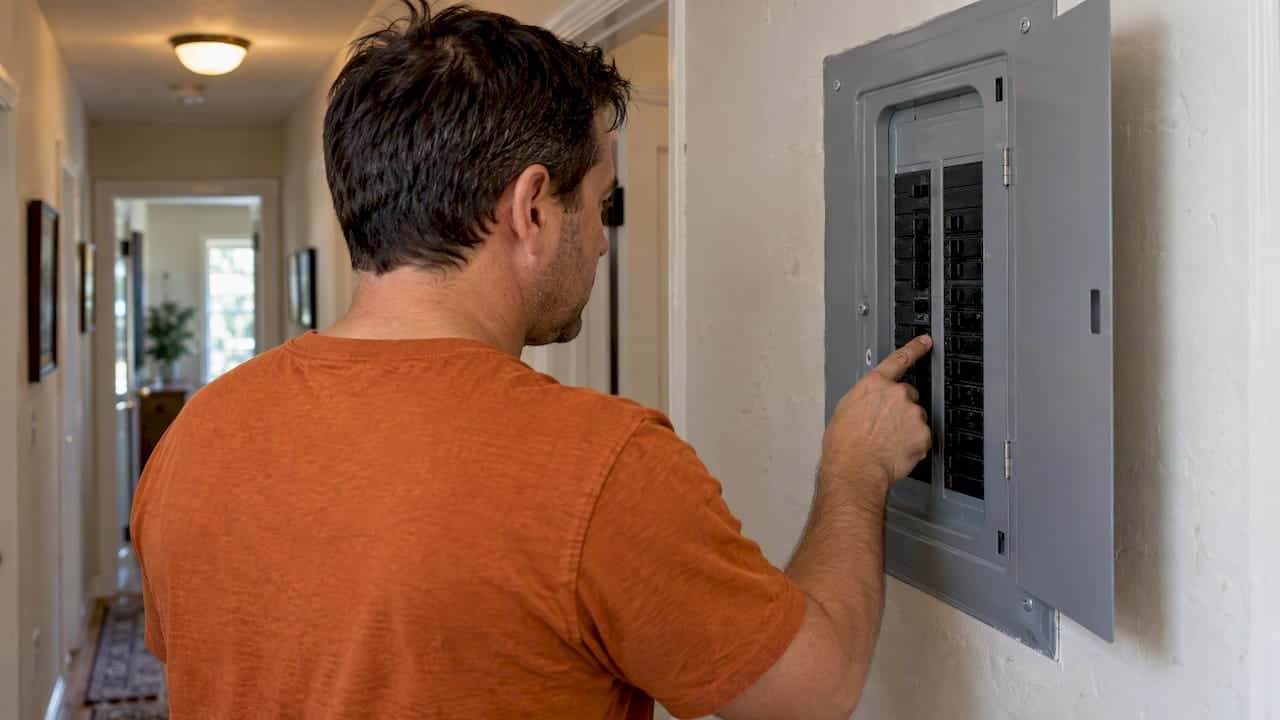
Pro Tip: Before calling for emergency service, check your circuit breaker and replace your air filter. A tripped breaker or a completely clogged filter causes roughly 20% of all “emergency” calls and takes two minutes to fix yourself.
2. Immediate health and safety protection
This is the benefit that matters most. AC access is critical preventive care for vulnerable populations during extreme heat events. For a household with a newborn, a grandparent over 70, or someone managing diabetes or heart disease, a broken AC is not a comfort issue. It is a health issue.
Los Angeles heat does not cool off at night the way desert climates do in other regions. The Valley and inland communities can hold temperatures above 85°F well past midnight during a heat event. That sustained heat exposure is what makes it dangerous.
Emergency HVAC services get a certified technician to your door within hours, not days. That speed is what stands between your family and a heat-related medical situation.
3. Prevention of costly secondary damage
Here is the financial case for acting fast. A small refrigerant leak left running for several hours can cause compressor burnout, escalating a repair that might have cost a few hundred dollars into a compressor replacement costing $1,200 to $2,500 or more.
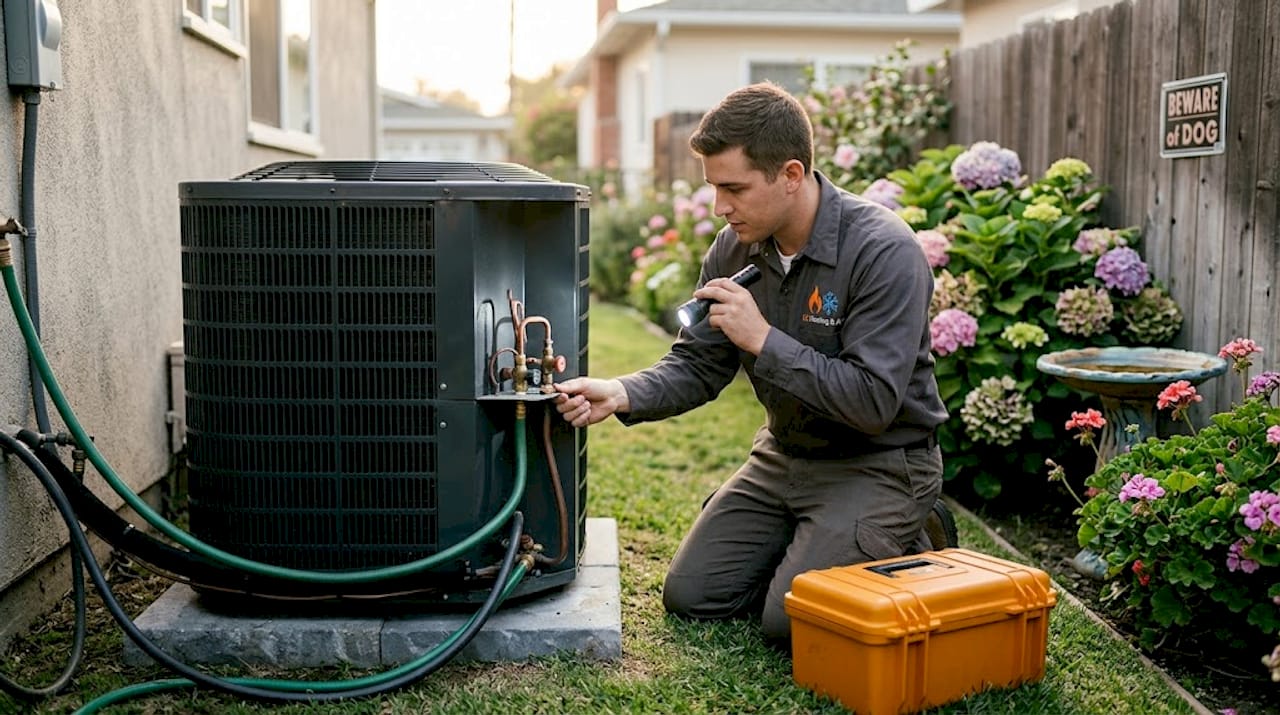
Water leaks from a frozen evaporator coil or a clogged condensate drain can soak insulation, drywall, and subfloor materials within 24 hours.
Emergency services prevent secondary damage that turns modest repairs into major replacements.
4. Energy savings and restored system efficiency
A struggling AC system does not just fail suddenly. It usually limps along for hours or days before it stops completely, running longer cycles and consuming significantly more electricity to produce the same cooling. That inefficiency shows up on your bill.
Professional AC repair reduces energy consumption by 15 to 25% and extends system life by 5 to 10 years. Getting a technician out quickly to address the root problem stops that energy waste and puts your system back to operating at its designed efficiency.
For a home in Los Angeles running a central AC system through a long summer, that efficiency difference adds up to real money across the season.
5. Peace of mind with certified, insured technicians
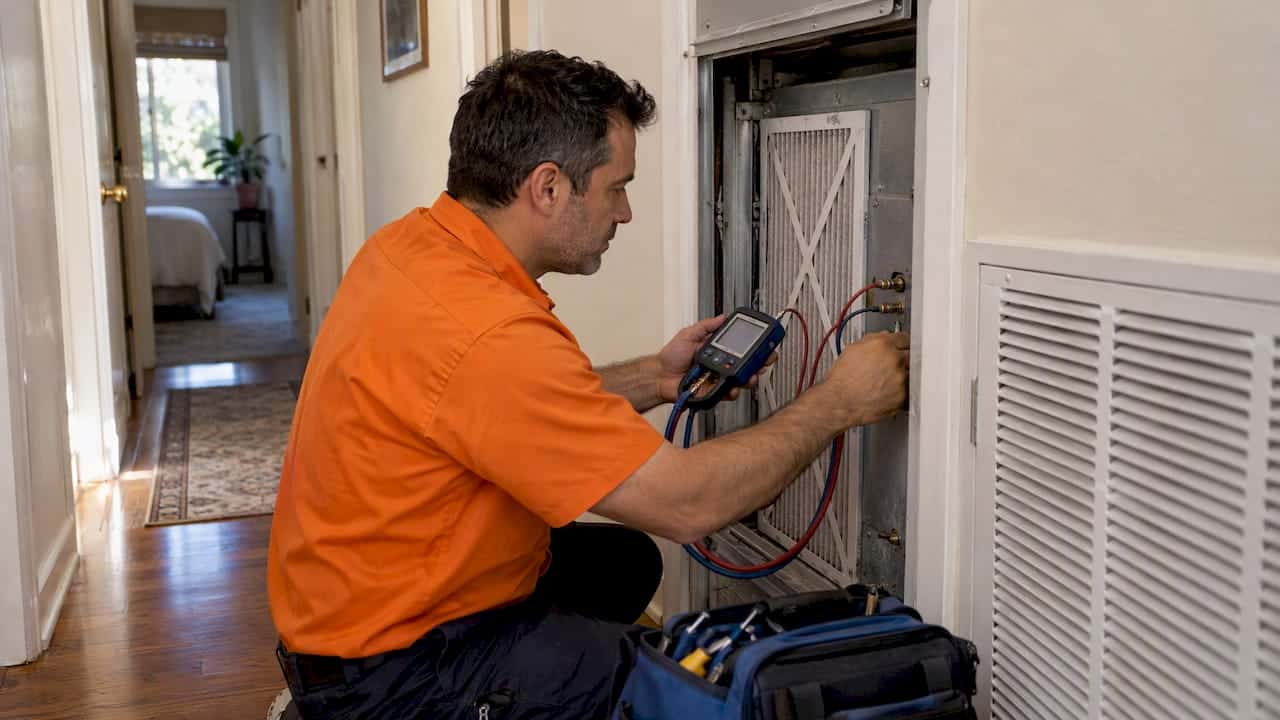
One of the quieter ac emergency service benefits is simply knowing the person in your home is qualified. Lahvaclc employs only NATE-certified, background-checked technicians. That certification means the technician diagnosing your system has passed rigorous industry testing, not just a company training course.
When you call a 24/7 air conditioning service at 11 p.m. on a Saturday, you want to know the person who shows up is actually equipped to solve the problem. An unqualified technician working on a pressurized refrigerant system or a high-voltage electrical component is a safety risk, not a solution.
Pro Tip: When calling any emergency HVAC provider, ask two questions before booking: Are your technicians NATE-certified? Do you carry liability and workers’ compensation insurance? A reputable company answers yes to both without hesitation.
6. Comparison of emergency vs. standard repair service
Here is a side-by-side look at what you are actually comparing when you weigh calling now versus waiting until morning.
| Feature | Emergency service | Standard scheduled service |
|---|---|---|
| Response time | Same day, often within 2 to 4 hours | Next available appointment, often 1 to 3 days |
| After-hours fee | Yes, typically $75 to $150 additional | No additional fee |
| Risk of secondary damage | Minimized by fast response | Higher if issue worsens overnight |
| Health risk management | Addressed immediately | Unaddressed during wait period |
| Total repair cost potential | Lower due to early intervention | Higher if damage compounds |
| Availability | 24/7, including weekends and holidays | Business hours only |
The after-hours fee is real. But scheduling early prevents emergency breakdowns and avoids those fees entirely when the issue is not urgent. The table above helps you decide which situation you are actually in.
Los Angeles homes add specific factors to this equation. Older Spanish Colonials in Los Feliz often have original ductwork that magnifies airflow problems. Valley ranch homes from the 1960s frequently have aging units that are more vulnerable to compressor stress during Santa Ana wind events. These are not generic HVAC problems. They require local knowledge to diagnose correctly and quickly.
7. How to access 24/7 AC repair in Los Angeles and prepare for the call
When you have confirmed you have a genuine emergency, here is how to move efficiently.
- Shut down the system if you hear grinding, smell burning, or see water pooling. Running a damaged system makes things worse in almost every scenario.
- Check your breaker panel and air filter first. Rule out the simple fixes before calling.
- Call a local Los Angeles HVAC provider with 24/7 availability. Local technicians offer faster response and tailored expertise compared to dispatch services that route calls to distant contractors.
- Have your system information ready. Know your unit’s brand, approximate age, and whether it is a split system or package unit. This helps the technician arrive prepared with the right parts.
- Ask for a flat-rate estimate before work begins. Reputable emergency providers give you a price for the specific repair, not an open-ended hourly rate.
- Move vulnerable family members to a cooler space while you wait. A neighbor’s home, a community cooling center, or even a nearby restaurant can make a real difference during a 100°F afternoon.
- After the repair, ask about a maintenance plan. Same-day service reduces heat exposure and stress, but regular maintenance is what prevents the next emergency. Annual tune-ups catch refrigerant levels, electrical connections, and coil conditions before they become 2 a.m. problems.
My honest take on emergency AC calls after 20 years in Los Angeles
I have been on both sides of this conversation more times than I can count. Homeowners call in a panic, and sometimes it truly is an emergency. Sometimes it is not. What I have learned is that the hardest part of this job is not the repair itself. It is helping someone make a clear-headed decision when they are hot, stressed, and worried.
Here is what I tell people: the after-hours fee is not the enemy. The enemy is a compressor that burns out because someone waited 18 hours hoping the problem would resolve itself. I have seen that happen in Encino, in Silver Lake, in Torrance. The pattern is always the same. A small, fixable problem becomes a large, expensive one because the homeowner was trying to avoid a service call.
That said, I also think the industry sometimes exploits urgency. Not every call at 9 p.m. is a true emergency, and not every emergency requires a full system replacement. My approach has always been to tell you what the system actually needs. If a capacitor swap gets you through the summer, that is what I recommend, even if a new system would be more profitable for us.
The balance I encourage is this: know your emergency thresholds, act fast when those thresholds are crossed, and invest in maintenance so you are not making that call during a heat advisory. A well-maintained system is a resilient system. And a resilient system means you sleep through the night.
— lc
Lahvaclc is ready when your AC goes down
When your system fails and you need fast, honest help, Lahvaclc has been the answer for Los Angeles homeowners for over 20 years. Our NATE-certified technicians are available around the clock, and we serve neighborhoods from the Valley to the Westside with the local knowledge that out-of-area dispatch services simply cannot match.
We provide flat-rate pricing on every repair, no surprise diagnostic fees, and no pressure to replace a system that only needs a repair. Whether you need emergency AC repair right now or want to explore your full range of options, our team is ready to help. You can also visit our HVAC services page to see everything we cover, or head to our same-day service hub to book immediately. Call us any time, day or night.
FAQ
What counts as a true AC emergency?
Loss of cooling above 90°F with vulnerable occupants, gas or burning smells, active water leaks, and grinding mechanical noises all qualify as true emergencies requiring immediate 24/7 service.
Are emergency AC service fees worth it?
Yes, in most genuine emergencies. A small refrigerant leak left unaddressed can destroy a compressor and turn a modest repair into a $2,000-plus replacement, far exceeding any after-hours service fee.
How fast can I get emergency AC repair in Los Angeles?
Most local Los Angeles HVAC providers offering 24/7 air conditioning service can dispatch a technician within 2 to 4 hours, with same-day arrival in the majority of cases.
Can I do anything while waiting for the technician?
Shut off the system if you hear unusual noises or see water pooling. Move vulnerable family members to a cooler location and have your unit’s brand and age ready for the technician when they arrive.
Does emergency AC repair actually save money long-term?
Professional repairs restore efficiency and extend system life, with studies showing 15 to 25% energy savings and 5 to 10 additional years of system life when problems are addressed promptly.
Recommended
- Emergency HVAC Los Angeles | LC Heating & Air | (323) 970-3113 | LC Heating & Air
- Emergency AC Repair Los Angeles | LC Heating & Air | (323) 970-3113 | LC Heating & Air
- Emergency Heating Repair Los Angeles | LC Heating & Air | (323) 970-3113 | LC Heating & Air
- Our Recent HVAC Projects in Los Angeles | LC Heating & Air | LC Heating & Air
Leo, Owner & Lead Technician at LC Heating & Air
Leo leads LC Heating & Air as an owner-operator and holds California CSLB C-20 HVAC license #1073586. His guides focus on practical diagnostics, safe repair decisions, and clear advice for Los Angeles homeowners.