- What the benefits of preventive AC maintenance actually include
- How often should your AC be serviced?
- The real cost savings and ROI of regular AC maintenance
- Common AC failures that regular maintenance prevents
- What you can handle yourself vs. when to call a pro
- What a professional tune-up looks like, step by step
- Key Takeaways
- Why preventive maintenance is worth more than most homeowners realize
- Honest, flat-rate AC maintenance from LC Heating and Air Conditioning
- Useful sources and further reading
- FAQ
- Recommended
Benefits of Preventive AC Maintenance: What Homeowners Save

Regular preventive AC maintenance cuts your energy bills by an estimated 5–20% annually, reduces the risk of expensive emergency breakdowns, and can add to your system’s operational lifespan. The short version: schedule a professional tune-up at least once a year (twice a year if your system handles both heating and cooling), and change your filter every month. That simple habit is one of the most cost-effective things you can do as a homeowner.
Top three benefits at a glance:
- Lower energy bills: A well-maintained system runs efficiently instead of working overtime to compensate for dirty coils or a clogged filter.
- Fewer emergency repairs: Technicians catch small problems before they become $1,800–$2,800 compressor replacements.
- Longer equipment life: Properly maintained systems last many years; neglected ones often fail earlier.
What the benefits of preventive AC maintenance actually include
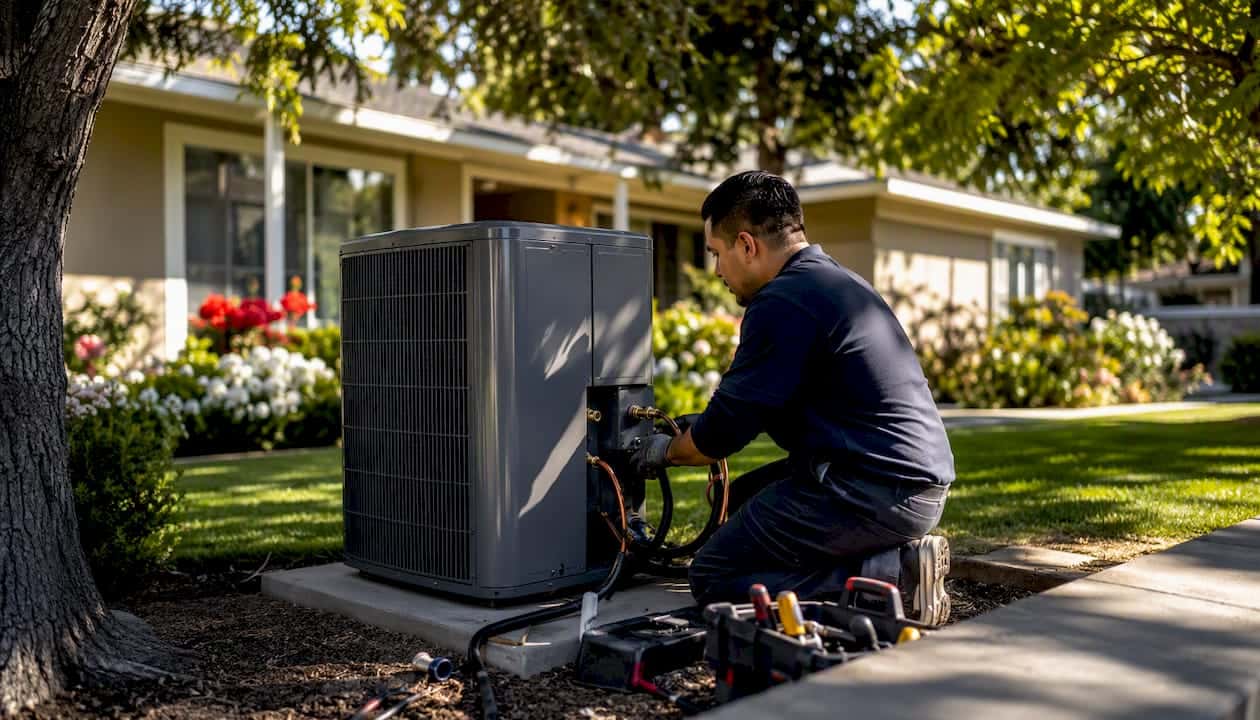
A professional tune-up is not just a filter swap. Technicians work through a structured checklist that covers both safety-critical and performance-related items most homeowners cannot safely handle themselves.
What a technician does during a visit:
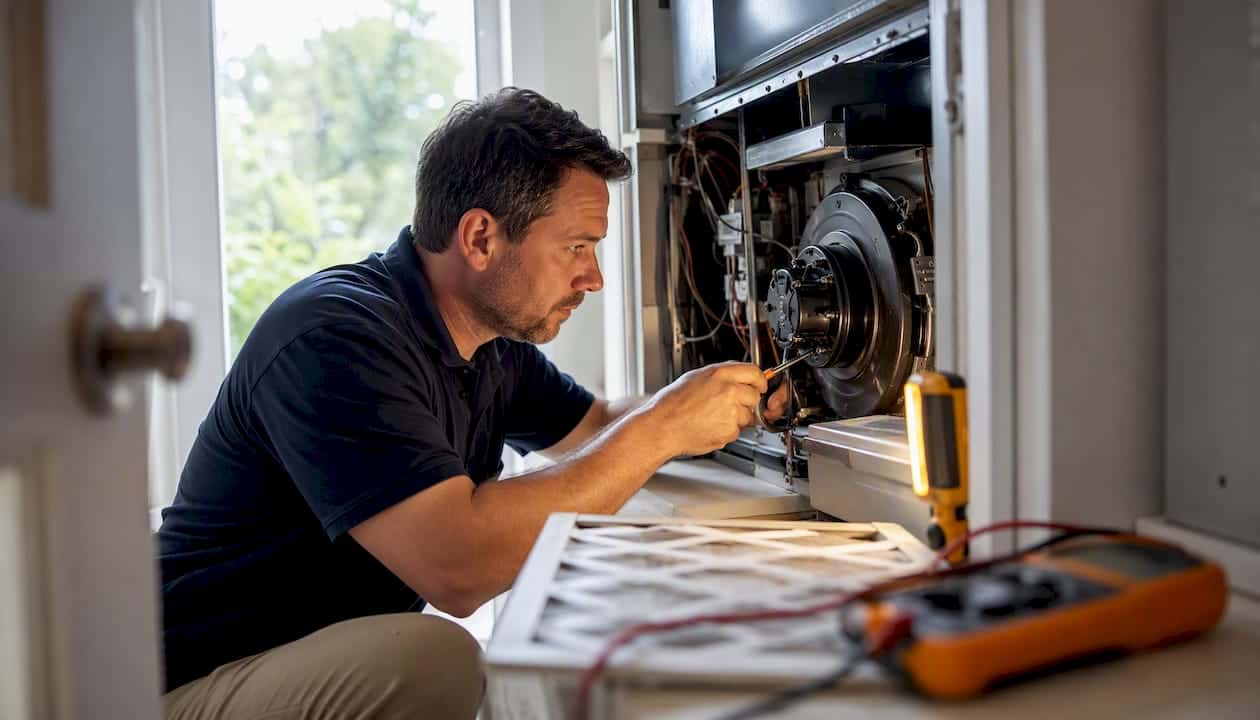
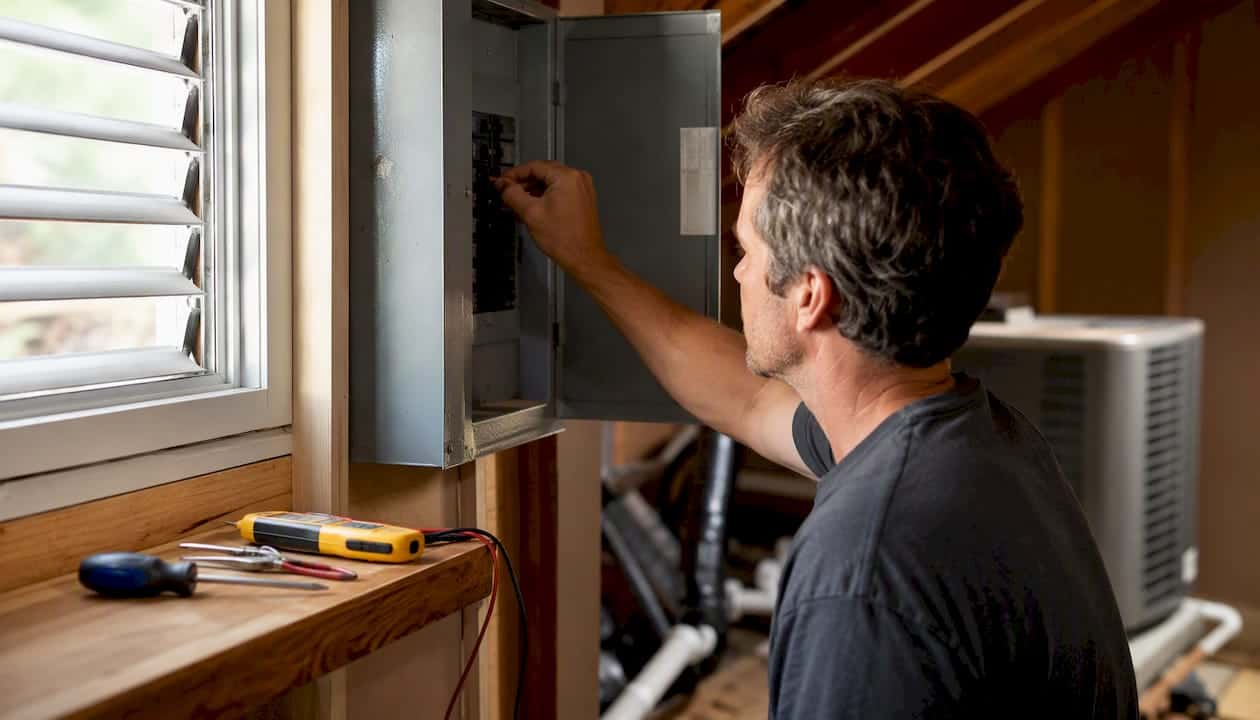
- Inspects and tightens electrical connections; measures amp draws on motors and compressors
- Checks refrigerant charge and looks for signs of leaks
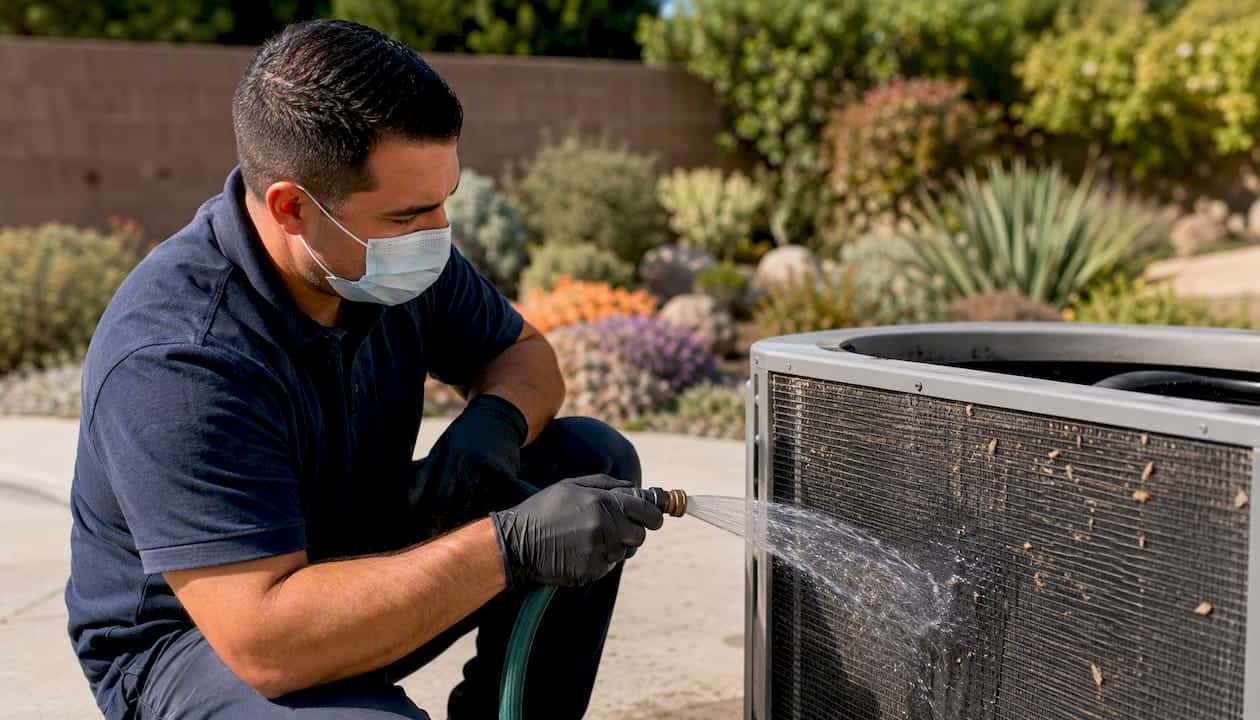
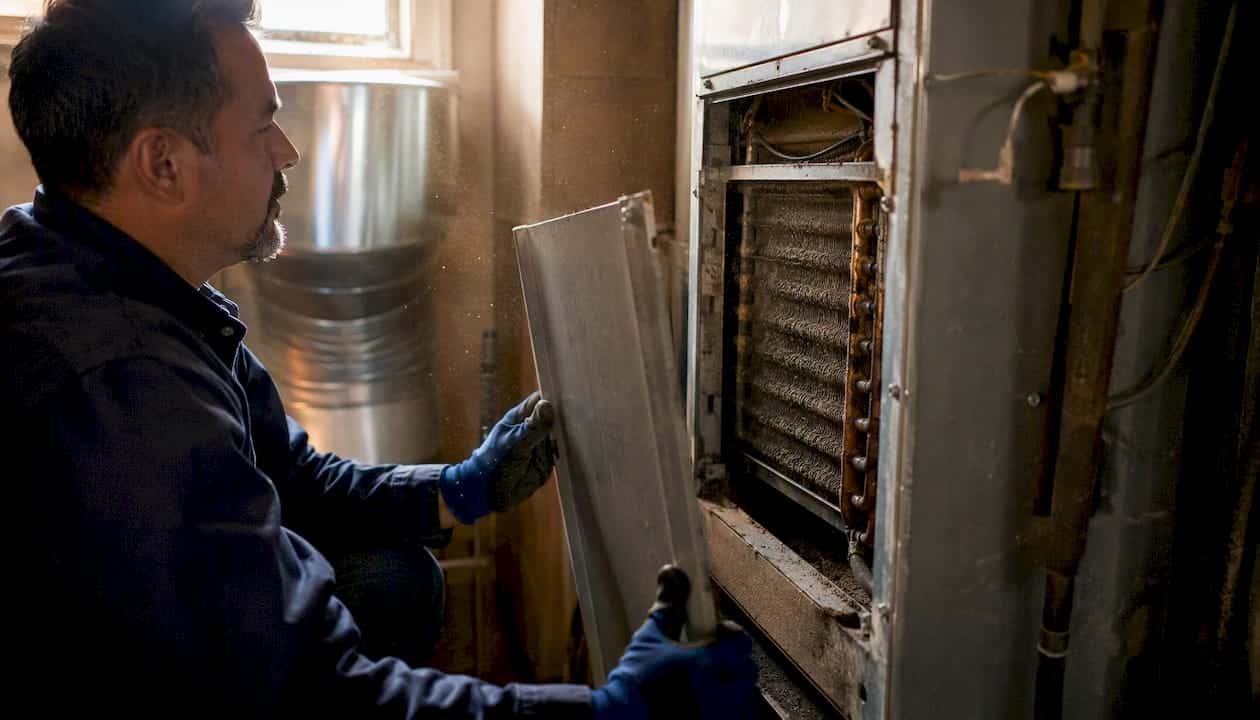
- Cleans accessible evaporator and condenser coils (a dirty coil forces the system to run longer and drives up energy costs)
- Tests capacitors and contactors for wear
- Inspects and clears the condensate drain line
- Calibrates the thermostat and verifies the system cycles on and off correctly
- Checks airflow and blower components; adjusts as needed
- Records baseline performance numbers for future comparison
What you can do between visits:
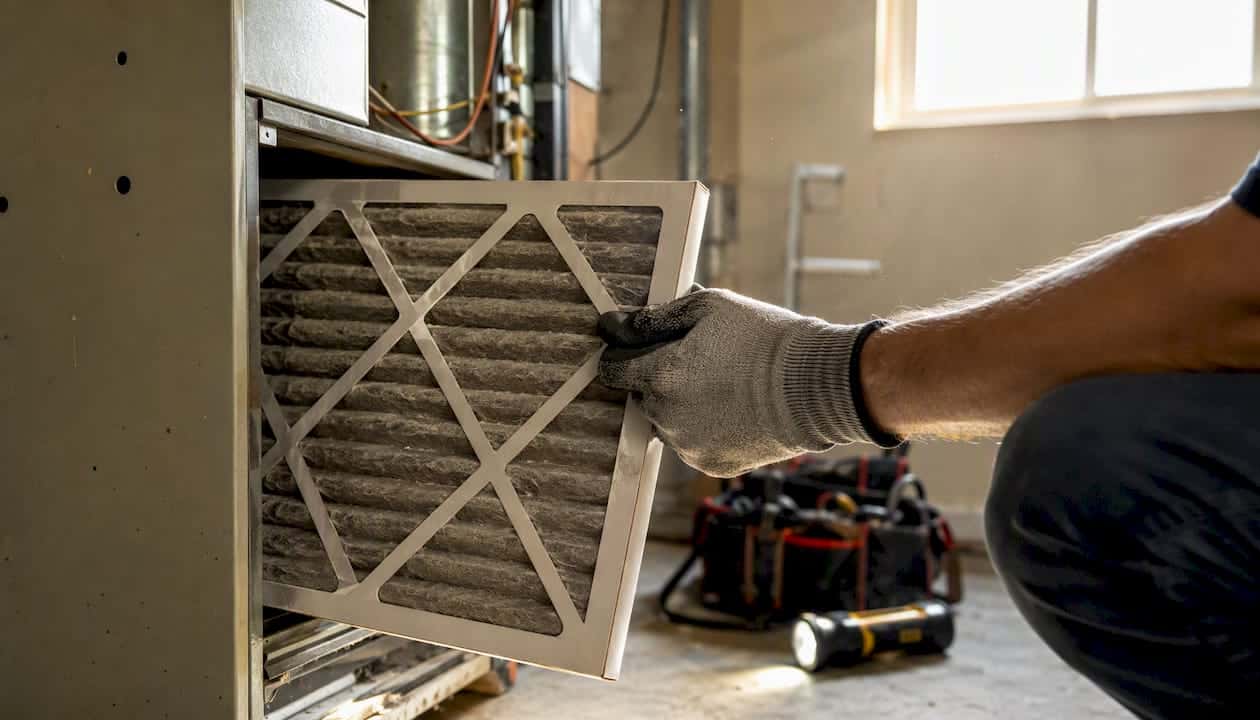
- Replace or clean the air filter monthly during heavy-use seasons
- Keep the outdoor unit clear of leaves, grass clippings, and shrubs
- Review your thermostat schedule and update it for seasonal changes
- Visually inspect the condensate drain opening for blockages
Refrigerant handling, electrical testing, and any pressurized-system work are legally and technically reserved for licensed technicians. Attempting these yourself can void your warranty and create safety hazards.
Pro Tip: Book your cooling tune-up in March or April, before the summer rush. Technicians are easier to schedule, and you will have time to address any issues before the heat hits.
How often should your AC be serviced?
Energy Star recommends scheduling cooling checks in spring and heating checks in fall, before contractors get slammed with peak-season calls. For most homes, that means two professional visits per year.
Here is a simple schedule to follow:
- Spring (March–April): Cooling system tune-up before peak season. Clean coils, check refrigerant, test electrical components.
- Fall (September–October): Heating system check before cold weather. Inspect heat exchanger, burners, and safety controls.
- After long idle periods: If the system sat unused for several months, a quick inspection before you run it hard makes sense.
- Before a long vacation: Verify the system is operating correctly so you return to a working home, not a breakdown.
- When the system is 10+ years old: Increase inspection frequency; older systems develop wear patterns that benefit from closer monitoring.
A few special cases worth noting. Homes near the coast face accelerated corrosion on outdoor coils and electrical components, so annual coil cleaning is especially important. Multi-zone and mini-split systems have additional filters and components that need attention at each air handler. High-use homes in climates like Los Angeles, where the AC runs most of the year, benefit most from the full twice-yearly cadence.
The real cost savings and ROI of regular AC maintenance
The DOE estimates that applying operations and maintenance best practices can reduce energy use by 5–20%. The actual savings depend on how neglected the system is, the home’s insulation, and how well the thermostat is programmed. A system that has gone years without service sits at the high end of that range; a reasonably well-kept system might see 5–8%.
Airflow problems alone can cut efficiency by up to 15%, and cleaning blower components and filters directly restores that lost performance.
| Scenario | Annual Energy Cost (Est.) | 10% Savings | Tune-Up Plan Cost/Year | Net Annual Savings |
|---|---|---|---|---|
| Moderate LA home use | $1,800 | $180 | $150–$350 | — |
| Heavy LA home use | $2,800 | — | $150–$350 | — |
Beyond energy, the bigger financial return is repair avoidance. Compressor replacements typically run $1,800–$2,800, and they almost always result from cumulative small stresses: low refrigerant, ignored electrical faults, and frequent hard starts. A maintenance plan that catches those early warning signs can prevent that bill entirely.
A properly maintained system also lasts many years. Annual tune-ups can extend equipment life compared to unmaintained systems, often exceeding the difference between premium and budget brands. Delaying a costly system replacement by even a few years is a meaningful financial win. For a deeper look at repair vs. replacement decisions, the math usually favors maintenance until a system is well past its prime.
Common AC failures that regular maintenance prevents
Most breakdowns are not random. They follow a predictable pattern of ignored symptoms and deferred maintenance.
- Clogged filter / reduced airflow: Symptom is weak airflow and rising energy bills. Monthly filter changes and annual blower cleaning prevent it.
- Frozen evaporator coil: Caused by restricted airflow or low refrigerant. Regular filter checks and refrigerant verification stop this before it shuts the system down.
- Clogged condensate drain: Symptom is water pooling near the air handler or a system that shuts off on a safety float switch. Annual drain clearing takes minutes and avoids water damage.
- Refrigerant undercharge: Causes the compressor to work harder and run hotter. Caught during a routine pressure check; left alone, it leads to compressor failure.
- Compressor failure: The most expensive failure on the list. Cumulative stress from low refrigerant, electrical issues, and hard starts is the usual cause. Early electrical and refrigerant checks are the best prevention.
- Capacitor and contactor failure: These small components wear out over time. A technician can test them during a tune-up and replace them for a fraction of what a no-cool emergency call costs in July.
- Electrical faults: Loose connections cause arcing, overheating, and tripped breakers. Tightening connections during a tune-up is a five-minute task that prevents a much bigger problem.
What you can handle yourself vs. when to call a pro
Knowing the line between DIY and professional work saves you money and keeps you safe.
| Task | DIY | Professional |
|---|---|---|
| Replace/clean air filter | ✓ | |
| Update thermostat schedule | ✓ | |
| Clear debris from outdoor unit | ✓ | |
| Inspect condensate drain opening | ✓ | |
| Visual check of outdoor unit | ✓ | |
| Electrical connection testing | ✓ | |
| Refrigerant check and charging | ✓ | |
| Motor and compressor diagnosis | ✓ | |
| Deep coil cleaning | ✓ | |
| Measuring motor amp draw | ✓ | |
| Sealed-system repairs | ✓ |
Refrigerant work requires EPA Section 608 certification. Attempting it without certification is illegal and can result in fines. DIY electrical testing on live HVAC components carries a real risk of shock or equipment damage, and either can void your manufacturer’s warranty. For a full breakdown of what licensed technicians bring to a visit, the benefits of a licensed HVAC technician are worth reviewing before you decide to go it alone.
The LC Heating and Air Conditioning how-to resource library covers safe DIY tasks in detail if you want to go further than the basics.
What a professional tune-up looks like, step by step
A thorough tune-up follows a structured sequence. ANSI/ASHRAE/ACCA Standard 180 establishes the minimum inspection and maintenance requirements that preserve efficiency and indoor air quality. Here is what that looks like in practice:
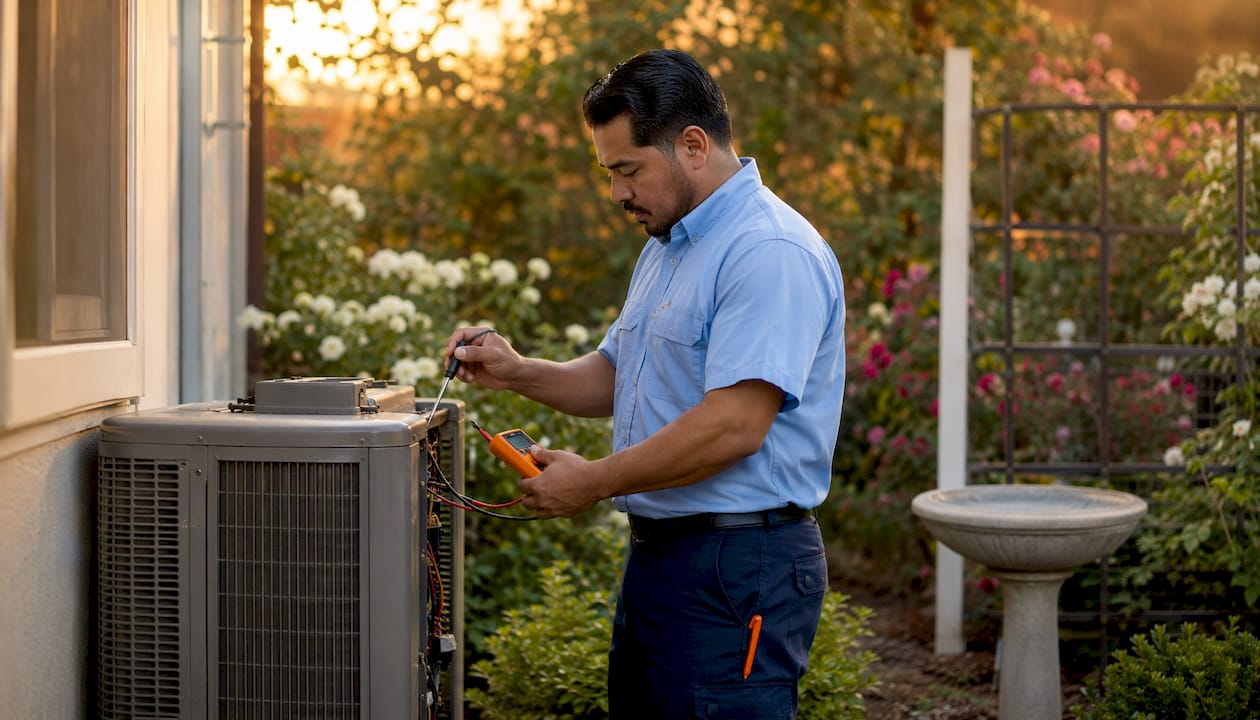
- Inspect wiring and electrical connections: Tighten loose terminals, look for signs of arcing or corrosion.
- Measure amp draws: Check motors and compressor against manufacturer specs. Elevated draws signal wear.
- Test capacitors and contactors: Replace worn components before they fail mid-season.
- Check refrigerant pressure: Verify charge is within spec; look for leak indicators.
- Clean accessible coils: Condenser and evaporator coils are cleared of dirt and debris.
- Inspect and clear condensate drain: Flush the line and verify the safety float switch works.
- Test safety controls and starting cycle: Confirm the system starts, runs, and shuts off correctly.
- Verify thermostat calibration and airflow: Check that set temperatures match actual output; adjust blower as needed.
- Record baseline performance numbers: Temperatures, pressures, and amp draws give a reference point for the next visit.
Expect a visit to take 30–90 minutes depending on system complexity. A single tune-up typically runs $75–$200; a two-visit annual plan runs $150–$350 and usually includes priority scheduling and a repair discount. Technician measurements, specifically electrical values and airflow checks, are what most often catch small problems before they become catastrophic failures.
Pro Tip: Ask the technician for a written copy of the completed checklist and the recorded measurements. Any recommended repairs should be presented as options, not immediate requirements. A trustworthy technician will explain the finding and let you decide.
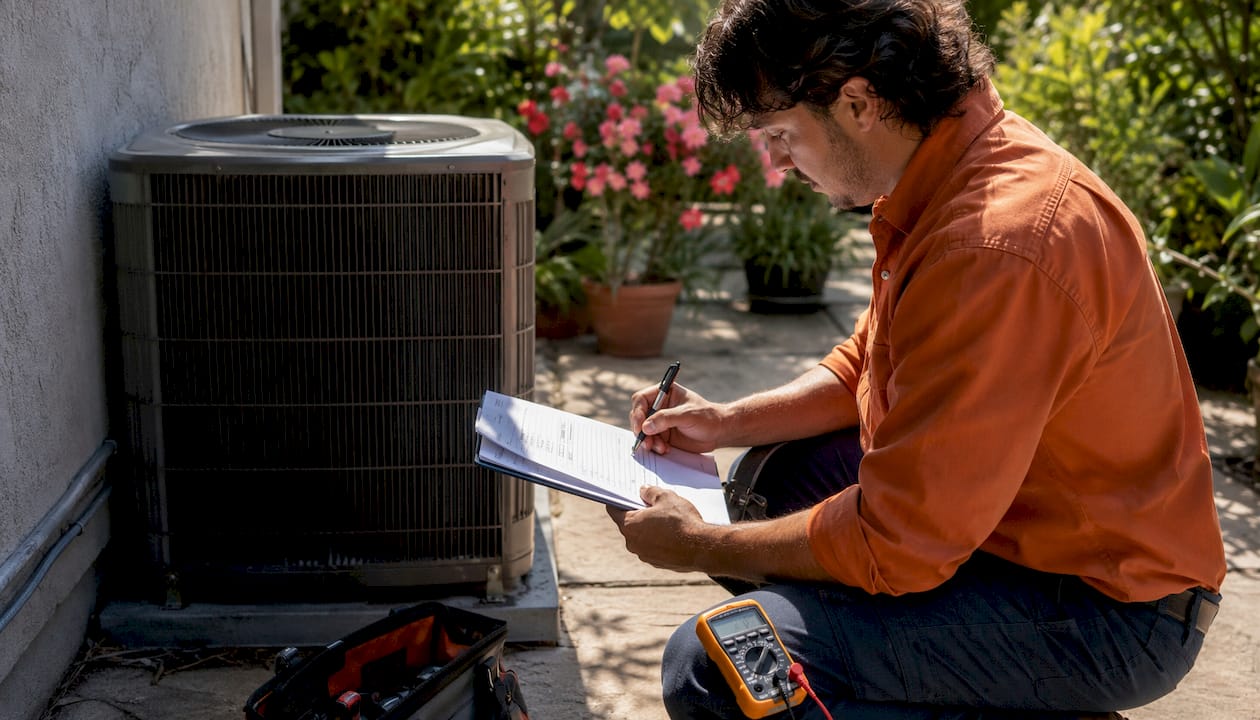
With over 20 years of local experience, LC Heating and Air Conditioning’s technicians follow this full checklist on every AC tune-up visit and carry credentials you can verify on the spot.
Key Takeaways
Preventive AC maintenance consistently pays for itself through lower energy bills, avoided emergency repairs, and a longer system life that delays a costly replacement.
| Point | Details |
|---|---|
| Energy savings range | Good maintenance can cut energy use by 5–20% annually, per DOE estimates. |
| Recommended frequency | Schedule professional service twice a year: spring for cooling, fall for heating. |
| Typical plan cost | Annual maintenance plans typically cost $150–$350 and usually include two visits plus repair discounts. |
| Lifespan extension | Maintained systems last 15–20 years; tune-ups can extend equipment life beyond a neglected system. |
| LC Heating and Air Conditioning | Offers flat-rate tune-ups with a full written checklist and 20+ years of Los Angeles field experience. |
Why preventive maintenance is worth more than most homeowners realize
There is a gap between what homeowners expect from a tune-up and what it actually does. Most people think of it as a check-in, a box to tick before summer. What it really is, is a risk audit.
The systems that fail in August are almost never the ones that broke suddenly. They are the ones that showed small signs for two or three seasons: a slightly elevated amp draw, a refrigerant pressure that was a little low, a capacitor that was reading weak. None of those symptoms shut the system down on their own. Together, they add up to a compressor failure on the hottest day of the year.
What I have seen over 20 years in Los Angeles is that homeowners who skip maintenance do not save money. They defer costs. The tune-up they skipped for $150 becomes a $2,400 compressor replacement, or a full system swap five years earlier than necessary. The math is not complicated, but it is easy to ignore when the system is still blowing cold air.
The other thing worth saying: not every maintenance visit uncovers a problem. Sometimes the system is genuinely in good shape, and the technician’s job is to confirm that and record the baseline numbers. That is still valuable. You leave knowing your system is healthy, and the technician leaves with data that makes the next visit more useful.
Honest, flat-rate AC maintenance from LC Heating and Air Conditioning
Skipping annual service to save $150 is the most expensive decision most homeowners make. LC Heating and Air Conditioning offers preventive maintenance plans built around two professional visits per year, flat-rate pricing with no surprise fees, priority scheduling so you are not waiting in line when summer hits, and a repair discount if something does need fixing.

Every visit follows the full technician checklist described above, and you get a written record of every measurement taken. No pressure to replace equipment that still has years of life left. Just honest diagnostics from a team with over 20 years of experience serving Los Angeles homeowners, from historic homes to modern multi-zone systems.
Book your spring tune-up or explore HVAC service options to find the plan that fits your home.
Useful sources and further reading
The claims in this article draw from primary government and industry sources. Here is where to go if you want to verify or dig deeper:
- U.S. DOE Better Buildings Solution Center: The source for the 5–20% energy savings estimate and ANSI/ASHRAE/ACCA Standard 180 reference.
- Energy Star Maintenance Checklist: The government’s recommended spring/fall tune-up schedule and the 15% airflow efficiency loss figure.
- Energy Star HVAC Efficiency Guide: Explains why dirt and neglect are the leading causes of system failure.
- HVAC Base Lifespan Data: Source for the 15–20 year lifespan range and the $150–$350 annual plan cost data.
- ACHR News Technician Guide: Practical technician-level detail on electrical testing, amp draws, and compressor failure prevention.
- Akita AC Maintenance Guide: A useful independent overview of how regular maintenance saves energy and extends system life.
FAQ
What does AC preventive maintenance include?
A professional tune-up covers electrical inspection, refrigerant check, coil cleaning, capacitor and contactor testing, condensate drain clearing, thermostat calibration, and airflow verification. Homeowners handle filter changes and keeping the outdoor unit clear between visits.
Is preventive AC maintenance worth it?
Yes. A $150–$350 annual plan can prevent compressor failures that cost $1,800–$2,800 to fix, reduce energy bills by 5–20%, and extend system life, making it one of the highest-return home maintenance investments available.
What is the $5,000 rule for AC?
The $5,000 rule is a rough decision guide: multiply the system’s age by the estimated repair cost, and if the result exceeds $5,000, replacement is often the smarter financial choice. Regular maintenance keeps repair costs low and delays reaching that threshold.
What are the three main benefits of preventive AC maintenance?
Lower energy bills (5–20% savings), fewer emergency repairs (especially costly compressor failures), and longer equipment life (15–20 years with proper care). LC Heating and Air Conditioning’s tune-up plans are built around delivering all three for Los Angeles homeowners.
Recommended
Leo, Owner & Lead Technician at LC Heating & Air
Leo leads LC Heating & Air as an owner-operator and holds California CSLB C-20 HVAC license #1073586. His guides focus on practical diagnostics, safe repair decisions, and clear advice for Los Angeles homeowners.