- 1. What are the top benefits of hiring a licensed HVAC technician?
- How does hiring a licensed HVAC technician reduce risks for homeowners?
- What credentials and certifications should you verify before hiring?
- How licensed HVAC technicians improve long-term system performance and savings
- Key Takeaways
- What I’ve learned after twenty years of licensed HVAC work in Los Angeles
- LC Heating and Air Conditioning: licensed expertise you can verify
- FAQ
- Recommended
TL;DR:
- Hiring a licensed HVAC technician ensures proper, safe, and code-compliant work to protect your home and finances.
- Licensed professionals provide accurate diagnostics, insurance coverage, and preserve manufacturer warranties, reducing long-term risks.
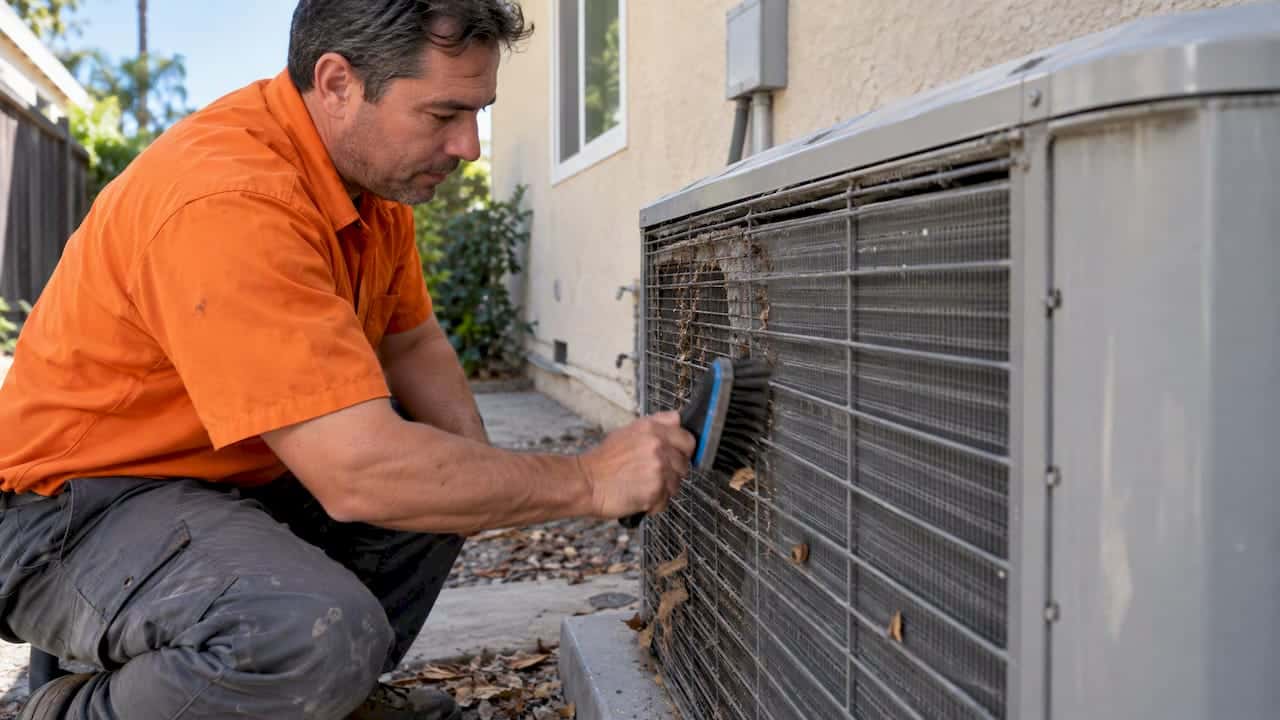
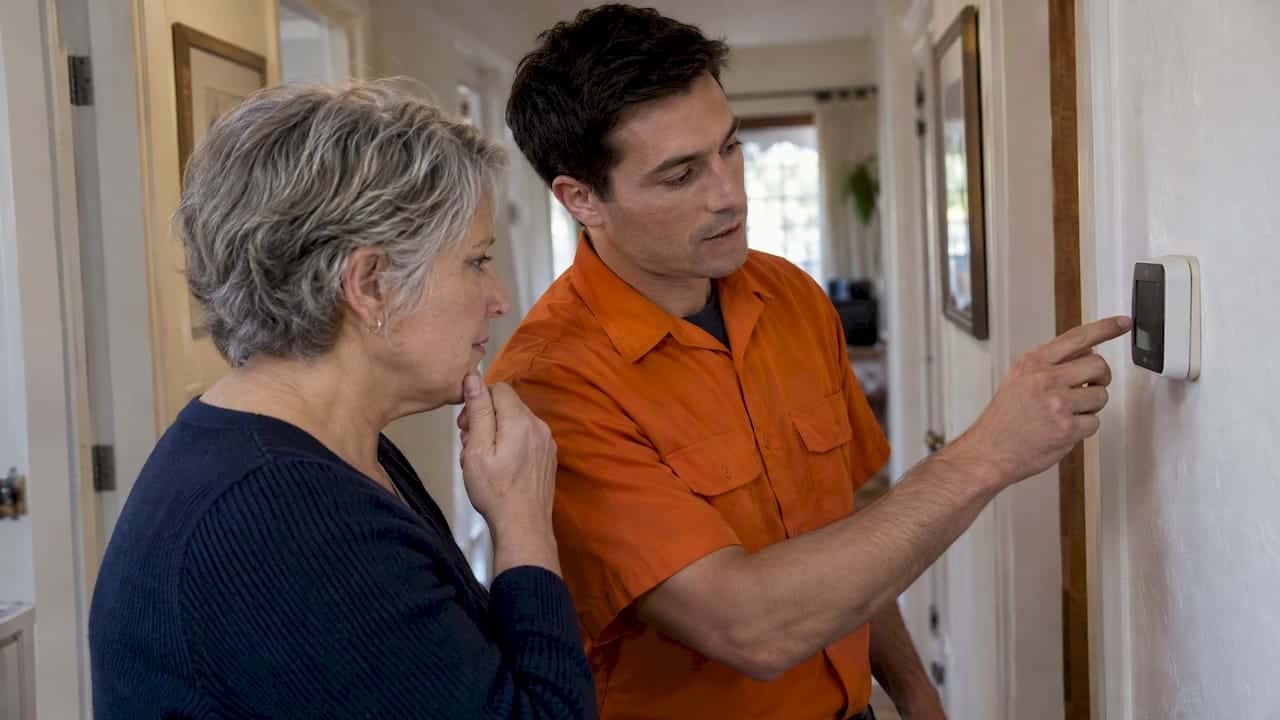
A licensed HVAC technician is defined as a professional who holds state-issued credentials, EPA Section 608 certification, and the insurance required to legally perform heating and cooling work in your home. The benefits of hiring a licensed HVAC technician go far beyond paperwork. Licensed technicians show 28% higher diagnostic competency and reduce callback visits by 40% compared to uncertified workers. That gap in skill directly affects your safety, your wallet, and the lifespan of your equipment. Regulatory bodies like the EPA and state contractor licensing boards set these standards for a reason. Ignoring them puts your family, your home, and your finances at real risk.
1. What are the top benefits of hiring a licensed HVAC technician?
Hiring a certified HVAC professional delivers advantages that go well beyond a working air conditioner. The ten benefits below cover safety, savings, legal protection, and long-term reliability.
Higher diagnostic accuracy
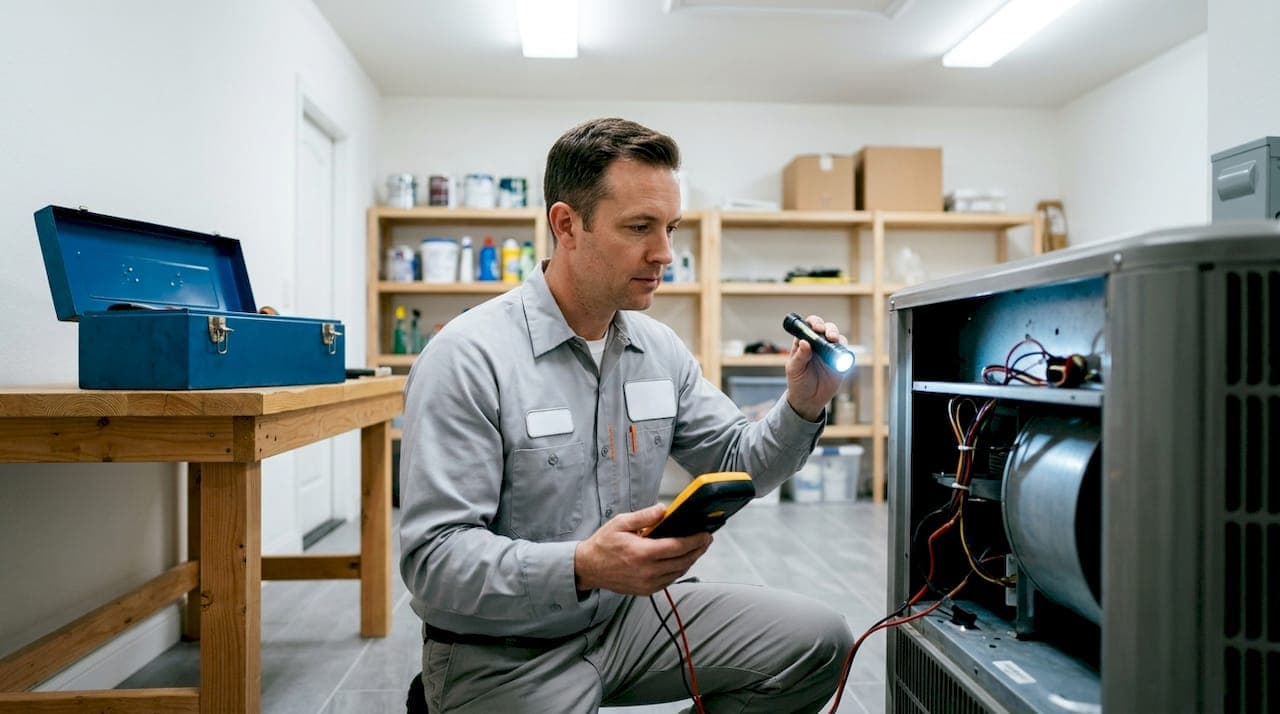
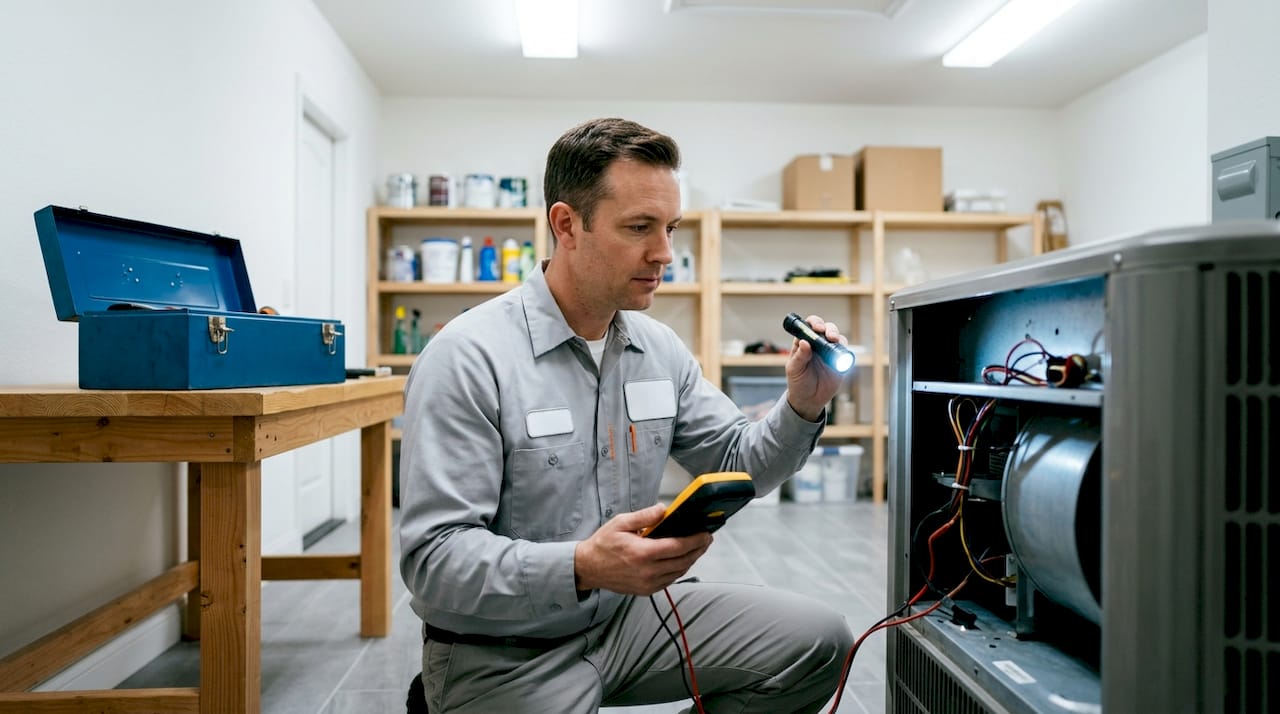
Licensed technicians diagnose problems correctly the first time. Certified HVAC work results in safer operation, better comfort, and fewer repeat problems. Fewer repeat problems mean fewer service calls and lower costs over time. An accurate diagnosis also prevents you from paying to replace parts that were never broken.
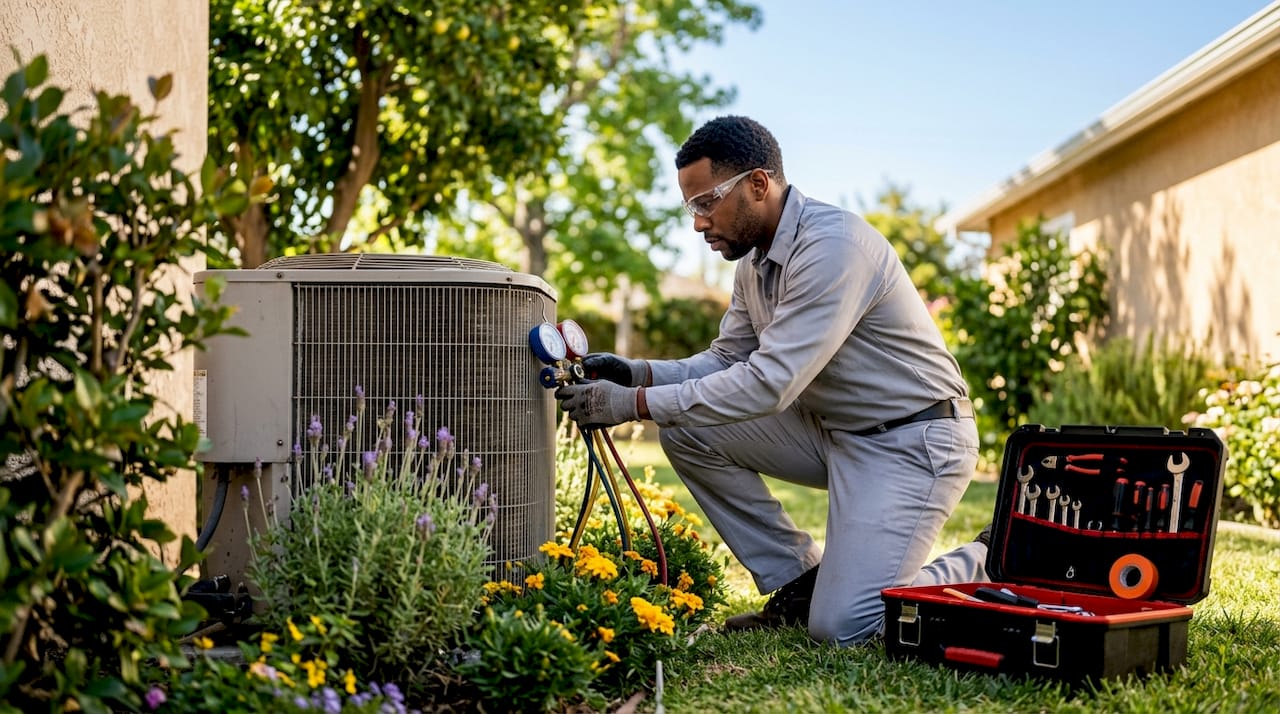
Compliance with safety codes
Every licensed HVAC contractor must follow local building codes and national safety standards. These codes exist to protect your family from hazards like gas leaks, electrical faults, and improper airflow. A technician who skips code compliance is not just cutting corners. That technician is creating conditions that can injure or kill. Code-compliant work also passes inspection, which matters when you sell your home.
Insurance coverage that protects you
Licensed HVAC pros carry general liability and workers’ compensation insurance. That coverage protects you from legal and financial risk if an accident happens on your property. Without it, you could be held personally liable for a worker’s medical bills. That is a financial exposure most homeowners do not realize they carry. Verifying insurance before work starts is not optional. It is a basic form of self-protection.
Proper refrigerant handling
EPA Section 608 certification is federally required for any technician who handles refrigerants. This credential is often more reliable for confirming a technician’s legitimacy than a generic business license. Refrigerant mishandling damages your equipment, harms the environment, and can void your system’s warranty. A licensed pro handles refrigerants correctly every time because federal law requires it.
Manufacturer warranty preservation
Most HVAC manufacturers require licensed installation and service to keep warranties valid. Unlicensed HVAC work can void warranties and homeowner insurance claims, increasing your financial risk. A voided warranty on a system that costs several thousand dollars is a painful and avoidable loss. Licensed work keeps that protection intact.
Access to specialized training and certifications
State licensing sets the legal minimum. Voluntary certifications like NATE (North American Technician Excellence) go further, demonstrating expertise beyond what the law requires. A NATE-certified technician has passed rigorous exams in specific HVAC disciplines. That level of preparation shows up in the quality of the work. When you see NATE credentials alongside a state license, you are looking at a technician who takes the trade seriously.
Pro Tip: Ask your technician to show both their state license card and their EPA 608 certification card before any work begins. A professional will have both ready without hesitation.
Faster and more reliable emergency response
Licensed HVAC contractors build businesses on reputation. That accountability drives faster response times and more reliable follow-through on emergency calls. When your air conditioning fails during a Los Angeles heat wave, you need someone who shows up and fixes the problem correctly. LC Heating and Air Conditioning offers same-day emergency service backed by over twenty years of local experience. That kind of reliability comes from licensed professionals who have something to lose if they do not deliver.
Transparency and verifiable credentials
A licensed contractor’s credentials are public record. You can verify a state license through your state’s official contractor licensing portal in minutes. That transparency creates accountability. An unlicensed worker has no public record to check and no licensing board to answer to. Verifiable credentials are one of the clearest signals that a contractor operates honestly.
Better long-term system performance
Correct installation and maintenance extend your equipment’s lifespan. Licensed technicians follow manufacturer specifications for airflow, refrigerant charge, and electrical connections. Each of those details affects how efficiently your system runs and how long it lasts. Cutting corners on any one of them shortens equipment life and raises your energy bills. Understanding licensed contractor advantages helps you see why proper installation pays for itself over time.
Peace of mind
Knowing the person working on your home’s heating and cooling system is qualified, insured, and accountable removes a significant source of stress. Home repairs carry enough uncertainty without adding doubt about the technician’s competence. Licensed work gives you a clear path to recourse if something goes wrong. That peace of mind is a real and measurable benefit of using licensed HVAC services.
How does hiring a licensed HVAC technician reduce risks for homeowners?
The risks from unlicensed HVAC work are specific, serious, and often invisible until they cause real harm. Understanding them helps you appreciate why licensing is not bureaucratic overhead. It is a safety system.
“Incorrect furnace venting by unlicensed workers can cause carbon monoxide leaks, a silent and lethal hazard, while faulty wiring is a leading cause of house fires. These are not theoretical risks. They are documented outcomes of unqualified HVAC work.”
The most serious risks unlicensed HVAC work creates include:
- Carbon monoxide poisoning. Improper furnace venting allows odorless, colorless carbon monoxide to enter your living space. Carbon monoxide poisoning can be fatal before you realize anything is wrong.
- House fires from faulty wiring. Incorrect electrical connections in HVAC systems are a documented cause of residential fires. Licensed electrically trained HVAC techs follow code-required wiring practices that prevent this.
- Personal liability for worker injuries. Homeowners can be held financially liable if an unlicensed worker is injured on their property. Only licensed contractors are required to carry workers’ compensation insurance.
- Voided home insurance claims. Insurance companies deny claims for damage caused by unlicensed work. If an unlicensed tech causes a flood or fire, your insurer may refuse to pay.
- Equipment damage from refrigerant mishandling. Refrigerant mishandling and improper electrical work cause equipment failures that require costly replacement.
- Loss of warranty coverage. Manufacturers track service records. Unlicensed service voids the warranty, leaving you to pay full price for repairs that should have been covered.
Each of these risks is preventable. Hiring a licensed HVAC contractor eliminates all of them in a single decision. You can also review common contractor red flags before you hire to sharpen your screening process.
What credentials and certifications should you verify before hiring?
Verifying credentials takes less than ten minutes and protects you from every risk listed above. Homeowners should request at least three written estimates and confirm four key credentials before any work begins.
| Credential | What it proves | How to verify |
|---|---|---|
| State HVAC license | Legal authorization to perform HVAC work in your jurisdiction | State contractor licensing board website |
| General liability insurance | Coverage for property damage caused during the job | Request a certificate of insurance directly |
| Workers’ compensation insurance | Protection if a worker is injured on your property | Request a certificate of insurance directly |
| EPA Section 608 certification | Federal authorization to handle refrigerants | Ask to see the physical certification card |
| NATE certification (optional) | Voluntary proof of advanced technical expertise | NATE’s public technician lookup tool |
Licensing is regulated at multiple government levels, so verify that the license covers the specific jurisdiction where your home is located. A license valid in one county may not cover work in another. This is a detail many homeowners miss.
Pro Tip: Search the contractor’s business name on your state licensing board’s website and your local Better Business Bureau before signing anything. A quick online review search for complaints takes two minutes and can save you thousands.
You should also ask about background checks. A technician who enters your home should have a verifiable work history. LC Heating and Air Conditioning explains what a background-checked HVAC technician means and why it matters for homeowner safety.
How licensed HVAC technicians improve long-term system performance and savings
Licensed HVAC work pays dividends over the full life of your equipment. The financial case for certified professionals is straightforward.
- Accurate system sizing. A licensed technician calculates the correct equipment size for your home’s square footage, insulation, and climate. An oversized or undersized system cycles incorrectly, wears out faster, and costs more to run.
- Correct refrigerant charge. Even a small deviation from the manufacturer’s specified refrigerant charge reduces efficiency and stresses the compressor. Licensed techs measure charge precisely using calibrated tools.
- Proper airflow design. Duct sizing and airflow balance affect every room in your home. Incorrect airflow causes hot and cold spots, humidity problems, and compressor strain.
- Reduced emergency repairs. Correct installation and maintenance prevent the failures that generate expensive emergency calls. Fewer emergencies mean lower total ownership costs over the system’s life.
- SEER2 compliance. New equipment sold in the U.S. must meet SEER2 efficiency standards. A licensed technician installs and commissions equipment to meet those standards, protecting your energy savings and your warranty.
- Warranty registration support. Many manufacturers require a licensed contractor to register the warranty at installation. A licensed pro handles that process correctly, so your coverage starts on day one.
The financial difference between licensed and unlicensed HVAC service compounds over time. Correct installation on day one prevents the cascade of small failures that add up to a premature system replacement. If you are weighing repair against replacement, choosing between AC repair and replacement is a decision that benefits from licensed professional input.
Key Takeaways
Hiring a licensed HVAC technician is the single most effective way to protect your home, your family, and your HVAC investment from preventable failures and financial losses.
| Point | Details |
|---|---|
| Diagnostic accuracy matters | Licensed technicians reduce callback visits by 40% compared to uncertified workers. |
| Insurance protects you | Verify general liability and workers’ comp before any technician enters your home. |
| EPA 608 is non-negotiable | Federal law requires this certification for refrigerant work; always ask to see the card. |
| Unlicensed work voids warranties | Manufacturer and homeowner insurance coverage both depend on licensed service records. |
| Credentials are verifiable | State license numbers are public record; check them before signing any contract. |
What I’ve learned after twenty years of licensed HVAC work in Los Angeles
The homeowners who call me after an unlicensed technician has been through their system share a common experience. The original problem is still there, a new problem has appeared, and the “savings” from hiring cheap have evaporated. I have seen furnace venting reconnected with duct tape. I have seen refrigerant lines that were never properly insulated, causing the system to ice over every summer. I have seen electrical connections that would make a fire marshal’s hair stand up.
What surprises most homeowners is the liability piece. They had no idea that if an unlicensed worker slips on their driveway and breaks an arm, they could be looking at a lawsuit. That is not a scare tactic. That is how workers’ compensation law works in California.
The credential check I recommend most strongly is the EPA 608 card. It is federally issued, it has the technician’s name on it, and it is harder to fake than a business card with “licensed and insured” printed on it. A technician who cannot produce that card should not be touching your refrigerant lines.
Verifying credentials personally takes less time than it takes to get a quote. I tell every homeowner the same thing: check the state licensing board website before you agree to anything. The search takes two minutes. The peace of mind lasts for the life of your system. Home repairs carry enough uncertainty. Your HVAC technician should not be one of the unknowns. Protecting your home from preventable damage is the same logic that applies to not ignoring a leaky roof. Small problems from unqualified work compound into expensive ones fast.
— Leo
LC Heating and Air Conditioning: licensed expertise you can verify
LC Heating and Air Conditioning sends fully licensed, insured technicians to every job in Los Angeles. Every technician carries a valid state license, EPA 608 certification, and proof of general liability and workers’ compensation insurance. You can ask to see all of it before work begins. That transparency is standard practice, not an exception.

LC Heating and Air Conditioning offers same-day HVAC repair with flat-rate pricing, so you know the cost before any work starts. No surprise fees. No pressure to replace equipment you do not need. Over twenty years of verified customer reviews back that commitment. Whether your air conditioning has stopped working in a heat wave or you need a scheduled AC tune-up, the team is ready to help with licensed, accountable service.
FAQ
What does a licensed HVAC technician mean?
A licensed HVAC technician holds a state-issued credential that legally authorizes them to perform heating and cooling work. Most states also require EPA Section 608 certification for any technician who handles refrigerants.
Why should I hire a licensed HVAC contractor instead of a handyman?
Licensed HVAC contractors carry required insurance, follow safety codes, and are accountable to a state licensing board. A handyman performing HVAC work without a license can void your warranty, expose you to liability, and create serious safety hazards.
How do I verify an HVAC technician’s license?
Search the contractor’s license number on your state’s official contractor licensing board website. The search is free, takes under two minutes, and confirms whether the license is active and covers your jurisdiction.
Does EPA 608 certification matter for homeowners?
Yes. EPA Section 608 certification is federally required for any technician handling refrigerants. Asking to see this card is one of the most reliable ways to confirm a technician’s qualifications before work begins.
Can unlicensed HVAC work void my home insurance?
Yes. Insurance companies can deny claims for damage caused by unlicensed work. Hiring a licensed HVAC contractor protects both your equipment warranty and your homeowner’s insurance coverage.
Recommended
Leo, Owner & Lead Technician at LC Heating & Air
Leo leads LC Heating & Air as an owner-operator and holds California CSLB C-20 HVAC license #1073586. His guides focus on practical diagnostics, safe repair decisions, and clear advice for Los Angeles homeowners.