LC Heating & Air provides honest, professional central AC repair and installation for West Hollywood residents. We specialize in the unique challenges of our local housing stock, from rooftop package units to modern split systems.
Central AC Repair & Air Conditioning Unit Service in West Hollywood
LC Heating & Air provides central AC service in West Hollywood — including fix A/C, home AC repair, air conditioning unit repair, AC unit repair. Whether you need same-day service, a written estimate, or help deciding between repair and replacement, our licensed technicians handle every make and model.
We repair and service all major HVAC brands in West Hollywood, including Carrier, Lennox, Trane, Hisense, LG, and Samsung, and older or discontinued units. No matter the manufacturer, we diagnose the problem accurately and give you an upfront price before any work begins.
West Hollywood's housing mix is unlike anywhere else in Los Angeles—high-density condominiums, luxury apartment buildings, and a relatively small number of single-family homes, many in the hills above Sunset Strip. WeHo's location between Hollywood and Beverly Hills means it shares both neighborhoods' HVAC characteristics: coastal marine layer influence from the west, heat island effects from dense development, and a range of building types from 1930s Spanish Revival buildings to modern high-rise condominiums.
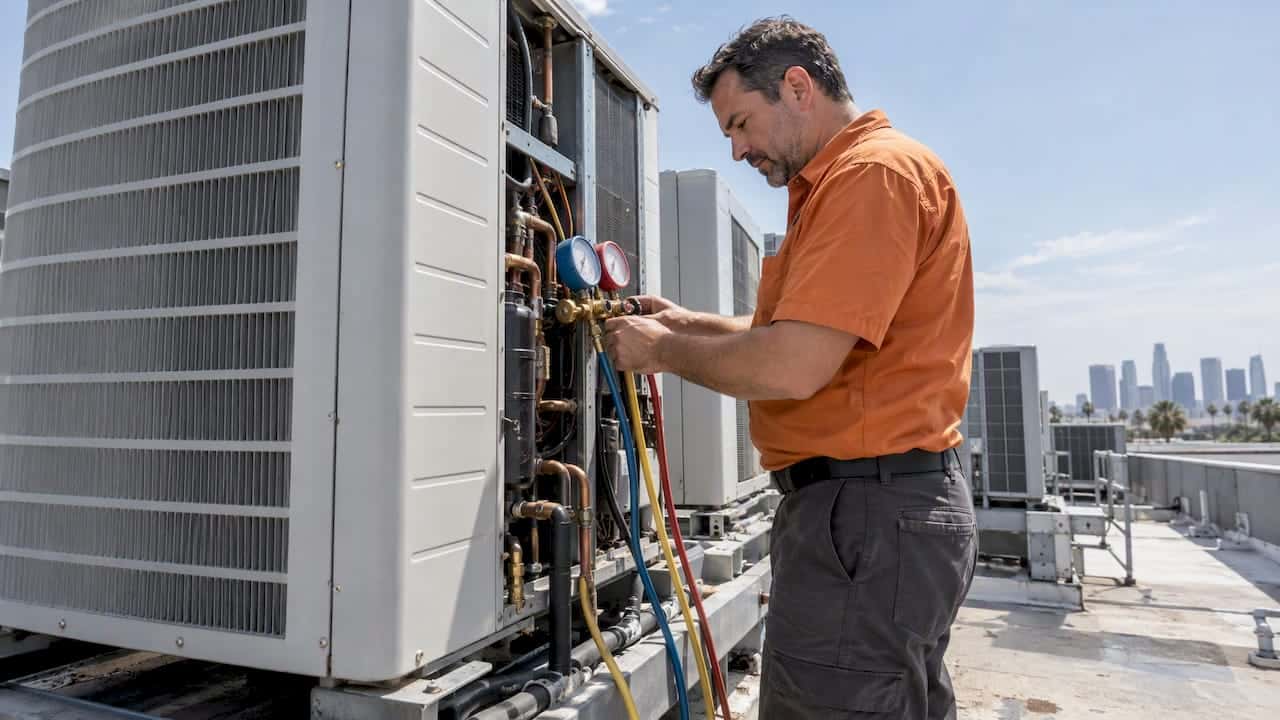
LC Heating & Air has extensive experience with the specific HVAC systems common in West Hollywood's multi-family buildings: rooftop package units, through-wall fan coil units, high-wall ductless systems, and central building systems with individual zone controls. We work directly with HOAs, building owners, and individual condo owners throughout West Hollywood. Our proximity at 509 N Fairfax Ave means we typically answered within 30 minutes by phone for service calls in the 90046 and 90069 zip codes.
Emergency calls are answered within 30 minutes — call (323) 970-3113 for dispatch.
Local HVAC considerations
West Hollywood (90069) and surrounding neighborhoods
CSLB #1073586
Central AC repair, installation, and maintenance
Local HVAC Challenges in West Hollywood
West Hollywood's dense multi-family building stock means most HVAC work is performed in occupied buildings with shared systems, noise restrictions, and HOA approval requirements. We are experienced in conducting HVAC work with minimum disturbance to neighbors, scheduling around building noise ordinances, and coordinating with HOA management companies. Many WeHo condo buildings have equipment on rooftops accessible only by internal elevator—we bring the right equipment to work safely in restricted-access locations.
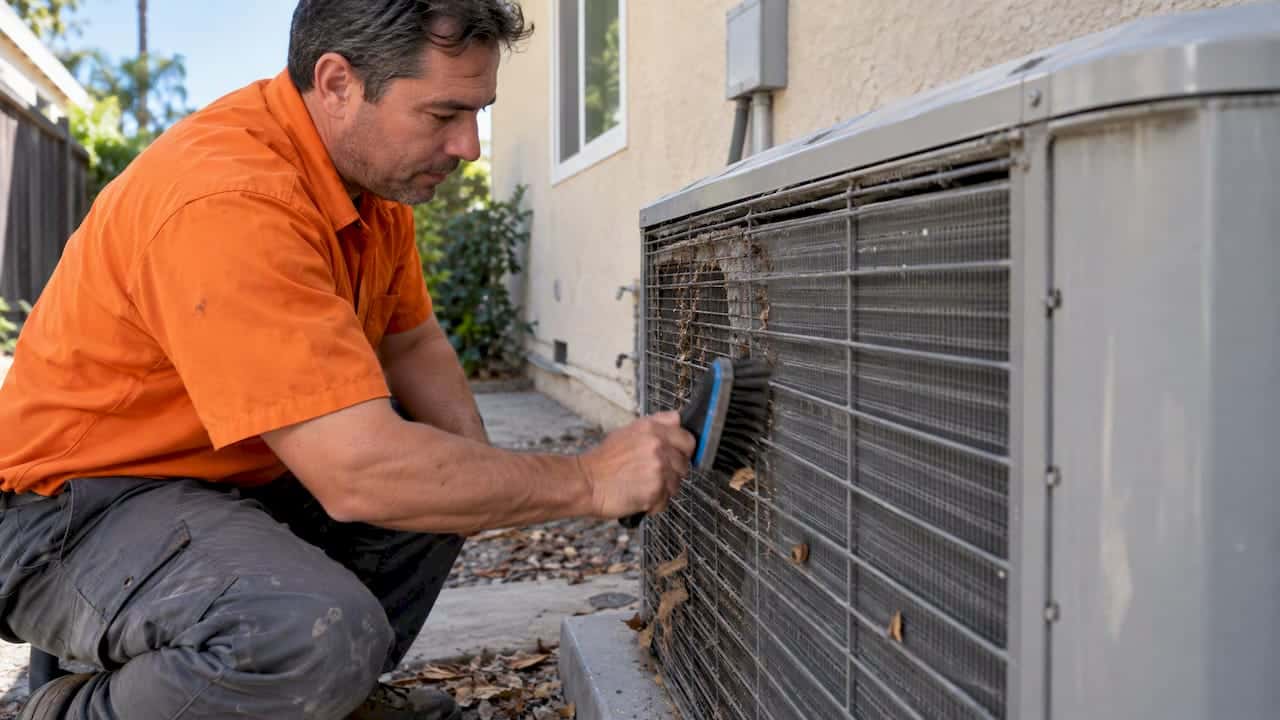
The marine layer influence in West Hollywood creates higher humidity than inland neighborhoods—evaporator coils and drain systems require more frequent attention to prevent mold growth and drain backup. We see more coil-related issues in WeHo than in drier Valley neighborhoods. Annual evaporator coil cleaning and condensate drain treatment are particularly important for WeHo residents, especially those in lower-floor units where natural drainage is limited.
Understanding Your Building's System
Whether you are in a historic building or a new construction high-rise, the mechanical setup matters. We see everything from older, inefficient rooftop package units to modern, high-efficiency split systems. In many WeHo buildings, the space for equipment is tight, requiring specific knowledge of how to service units in mechanical closets or on shared rooftops without disrupting the building's overall operation.
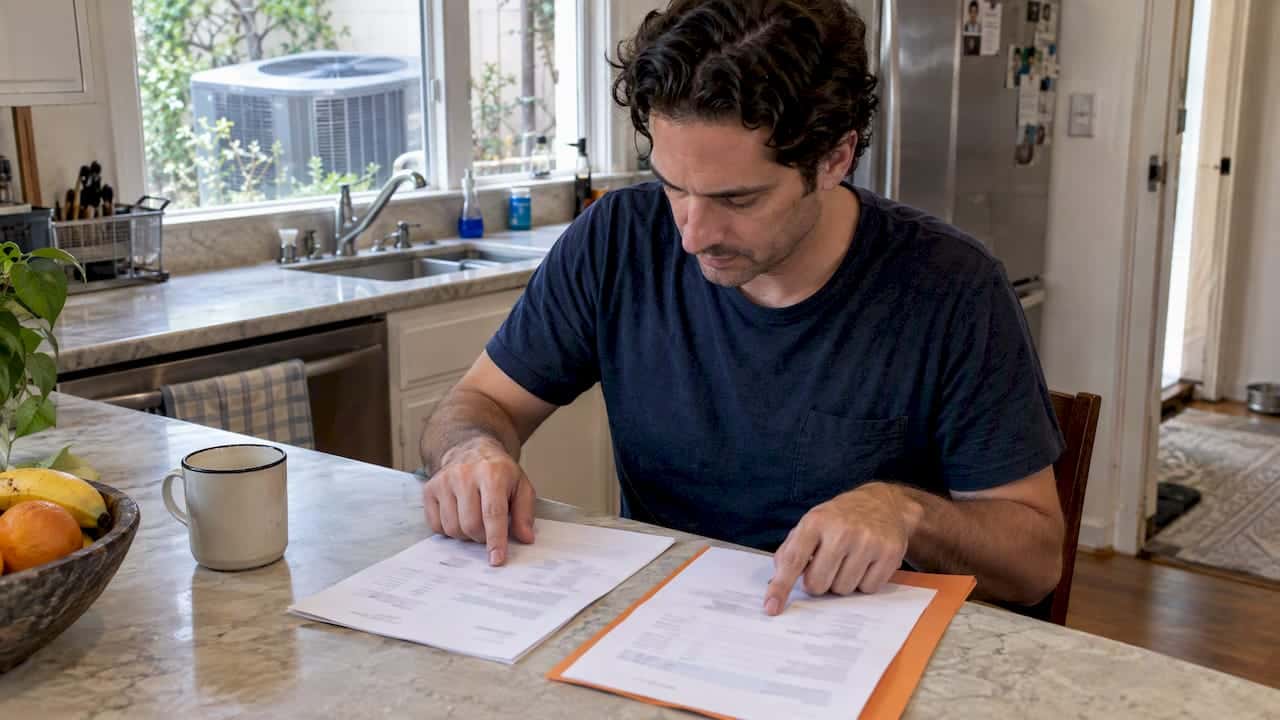
We don't believe in one-size-fits-all solutions. If your system is struggling, we look at the whole picture: the age of the unit, the condition of the ductwork, and the specific ventilation constraints of your building. We provide a clear, written estimate before we start any work, so you know exactly what is being done and why.
Our Diagnostic Process
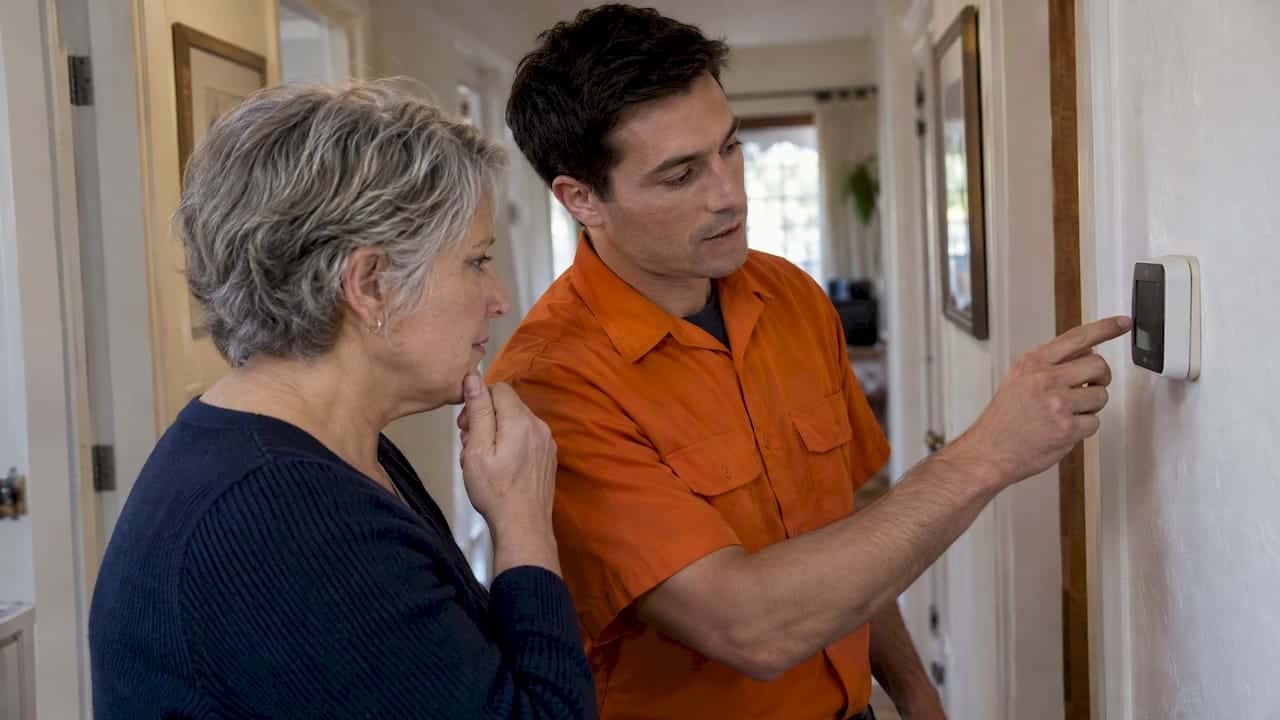
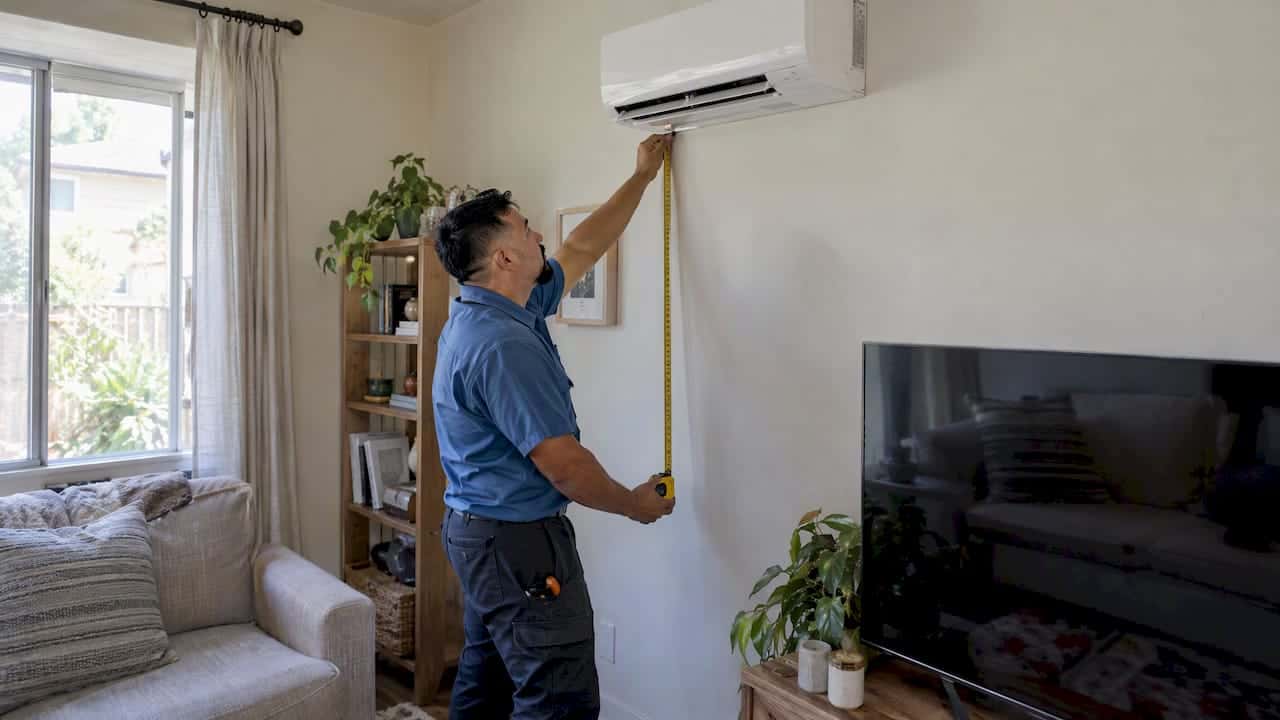
When we arrive at your home, we don't just guess. We perform a full system inspection. We check the electrical components like the capacitor and contactor, measure the refrigerant levels, inspect the evaporator coil for dirt or ice, and verify that your thermostat is communicating correctly with the system.
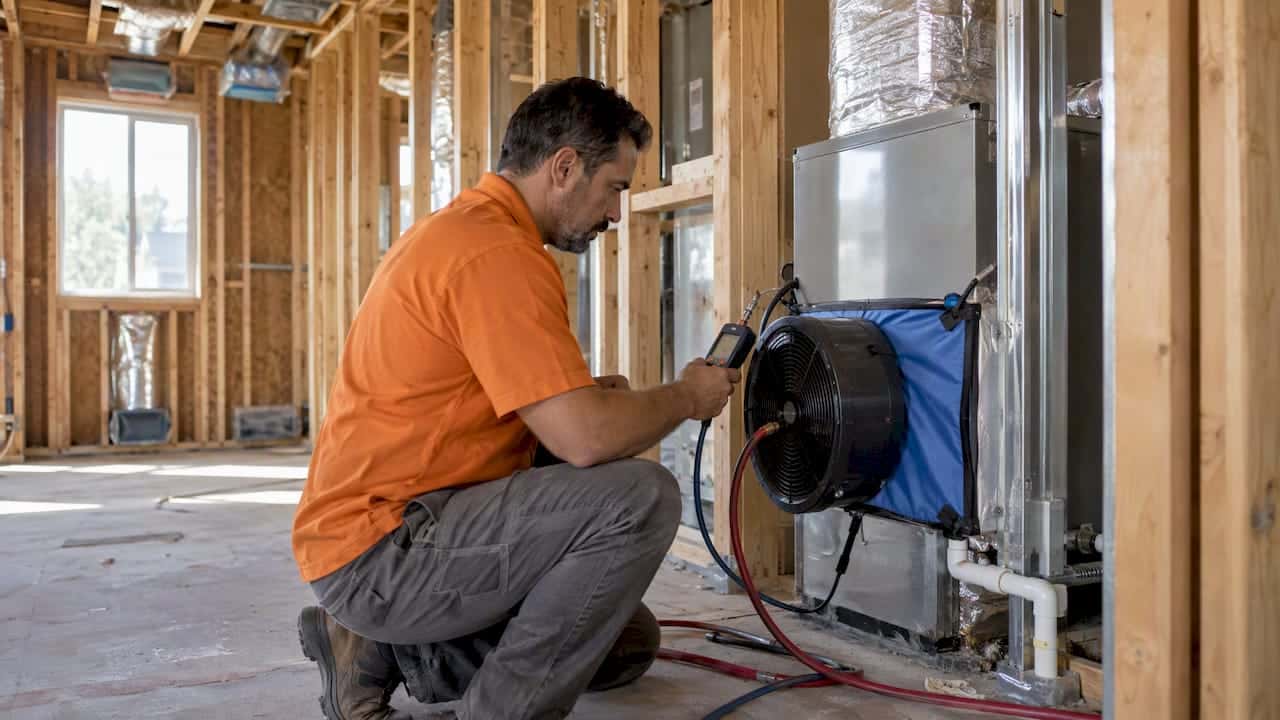
For installations, we start with a load calculation. We need to know the heat gain of your specific unit to ensure the new system isn't too large or too small. An oversized system will cycle on and off too quickly, leaving your home humid and uncomfortable, while an undersized system will run constantly and never reach your desired temperature.
Repair or Replace: The Honest Choice
I tell every customer the same thing: if a repair is the most cost-effective way to get you back to comfort, that is what we will do. We stock parts for all major brands—Carrier, Lennox, Trane, Rheem, Goodman, and Daikin—on our trucks to handle most repairs in a single visit.
However, there comes a point where a system is simply too old or damaged to justify the cost of another repair. If your system is 15+ years old and requires a major component like a compressor, or if the refrigerant is a discontinued type, we will explain why replacement is the better long-term investment. We provide the facts, and you make the decision that fits your budget.
Cost and Efficiency Factors
We believe in transparency. Our diagnostic fee is $125–$175, and we provide a written estimate for any repair before we touch the equipment. Repairs typically range from $175 to $800, while full system replacements can range from $5,000 to $12,000 depending on the complexity of the installation and the efficiency rating (SEER2) of the new unit.
Higher SEER2 equipment costs more upfront but can cut your cooling energy costs by 30–40%. In Los Angeles, where electricity rates are high, the payback period for high-efficiency equipment is often shorter than people expect. We will show you the math so you can decide if the energy savings make sense for your home.
Access and Scheduling in WeHo
We know that in West Hollywood, getting a technician to your door is only half the battle. Between parking restrictions, building access windows, and HOA rules, scheduling requires coordination. We are accustomed to working with building managers and HOAs to ensure we have the necessary access to rooftops or mechanical rooms without causing a scene.
If you have an emergency, call us at (323) 970-3113. We prioritize same-day service for cooling failures, especially during the peak of the Los Angeles summer. We show up when we say we will, and we leave the workspace cleaner than we found it.
Common Mistakes to Avoid
The biggest mistake we see is ignoring the small signs. A system that is making a rattling noise, a slight increase in your electric bill, or a room that is consistently warmer than the rest are all warning signs. If you wait until the system stops cooling entirely on a 95-degree day, you are looking at an emergency repair that could have been prevented with a simple tune-up.
Another mistake is neglecting the air filter. A clogged filter restricts airflow, which causes the evaporator coil to freeze up and can eventually burn out your blower motor. Changing your filter regularly is the single most effective thing you can do to keep your system running and avoid unnecessary repair calls.
Health and Safety
Your HVAC system is responsible for the air you breathe. If your condensate drain is clogged, it can lead to stagnant water and mold growth inside your air handler. We flush drain lines during our maintenance visits to prevent this. We also ensure all electrical connections are secure and that the system is operating within the manufacturer's safety specifications.
As a CSLB-licensed contractor (License #1073586), we follow all safety codes and pull permits for all major work. This isn't just about following the rules; it's about ensuring your home remains safe and your equipment is installed to last.
Is It Time for a Repair or Replacement?
Deciding between a repair and a replacement is a big decision. If your system is relatively new and the repair is a minor part like a capacitor or a contactor, a repair is almost always the right move. We will get you back up and running quickly.
If your system is nearing the end of its 12–18 year lifespan, or if you are facing a major repair like a compressor failure, it is time to look at the numbers. We will provide a clear, honest assessment of whether the repair is worth the investment or if you are better off putting that money toward a new, more efficient system. We don't push for sales; we provide the information you need to make the right choice for your home.
How the visit works
For service calls we diagnose the issue with a full system inspection. For new installations we start with a load calculation and ductwork assessment.
You receive a flat written price before any work begins. For installations, we present multiple equipment options.
We complete the work with quality parts and manufacturer-grade installation standards. Permits pulled where required.
We run the system through a full cooling cycle, verify refrigerant charge and airflow, and confirm every room is receiving conditioned air.
Cost factors we review before quoting
- • System size and capacity
- • SEER2 efficiency rating
- • Complexity of installation or repair
- • Permit requirements
- • Ductwork condition and accessibility
Useful next steps
Central AC Service in West Hollywood at a glance
- • Central AC Service provider: LC Heating & Air
- • Location served: West Hollywood, CA 90069
- • License: CSLB C-20 #1073586
- • Phone: (323) 970-3113
- • Estimate: written estimate before approved work
- • Emergency calls answered within 30 minutes (24/7)
Our central ac service process in West Hollywood
Reviewed by Leo, Owner & Lead Technician
This central ac service guide for West Hollywood is reviewed for practical HVAC accuracy by Leo at LC Heating & Air. LC Heating & Air holds California CSLB C-20 HVAC license #1073586 and provides written estimates before approved work.
What West Hollywood customers say about central ac service
Verified reviews from homeowners in West Hollywood and nearby neighborhoods who used our central ac service service.
“Replaced our 20-year-old Lennox system with a new high-efficiency Carrier. LC handled the permits, coordinated the Edison inspection, and finished a full replacement in one day. Impeccable workmanship.”
“Had LC install a Daikin mini split in our 1940s bungalow that never had AC. The work was clean, the unit is incredibly quiet, and our bedroom finally stays cool in summer. Highly recommend.”