LC Heating & Air provides honest, permit-backed HVAC services for West Hollywood residents. We specialize in sizing systems correctly for our unique local climate and building types, ensuring you get a reliable, efficient, and properly installed cooling system.
AC Repair & Air Conditioner Service in West Hollywood
LC Heating & Air provides AC repair in West Hollywood — including fix A/C, home AC repair, air conditioning unit repair, AC unit repair. Whether you need same-day service, a written estimate, or help deciding between repair and replacement, our licensed technicians handle every make and model.
We repair and service all major HVAC brands in West Hollywood, including Carrier, Lennox, Trane, Hisense, LG, and Samsung, and older or discontinued units. No matter the manufacturer, we diagnose the problem accurately and give you an upfront price before any work begins.
West Hollywood's housing mix is unlike anywhere else in Los Angeles — high-density condominiums, luxury apartment buildings, and a relatively small number of single-family homes, many in the hills above Sunset Strip. WeHo's location between Hollywood and Beverly Hills means it shares both neighborhoods' HVAC characteristics: coastal marine layer influence from the west, heat island effects from dense development, and a range of building types from 1930s Spanish Revival buildings to modern high-rise condominiums.
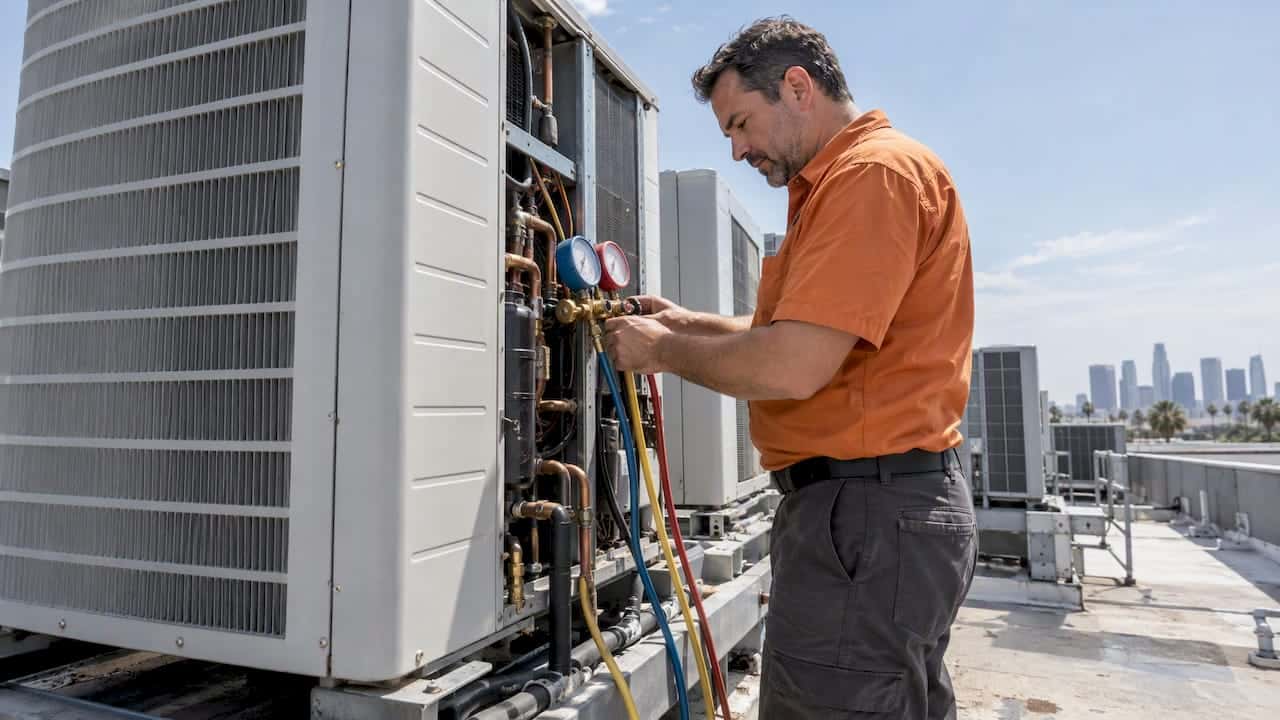
LC Heating & Air has extensive experience with the specific HVAC systems common in West Hollywood's multi-family buildings: rooftop package units, through-wall fan coil units, high-wall ductless systems, and central building systems with individual zone controls. We work directly with HOAs, building owners, and individual condo owners throughout West Hollywood. Our proximity at 509 N Fairfax Ave means we typically arrive promptly for service calls in the 90046 and 90069 zip codes.
Call LC Heating & Air at (323) 970-3113 for scheduling and estimates.
Local HVAC considerations
West Hollywood (90069) and surrounding neighborhoods
CSLB #1073586 (C-20 HVAC)
Manual J sizing, permitted installations, and honest repair advice
Local HVAC Challenges
West Hollywood's dense multi-family building stock means most HVAC work is performed in occupied buildings with shared systems, noise restrictions, and HOA approval requirements. We are experienced in conducting HVAC work with minimum disturbance to neighbors, scheduling around building noise ordinances, and coordinating with HOA management companies. Many WeHo condo buildings have equipment on rooftops accessible only by internal elevator — we bring the right equipment to work safely in restricted-access locations.
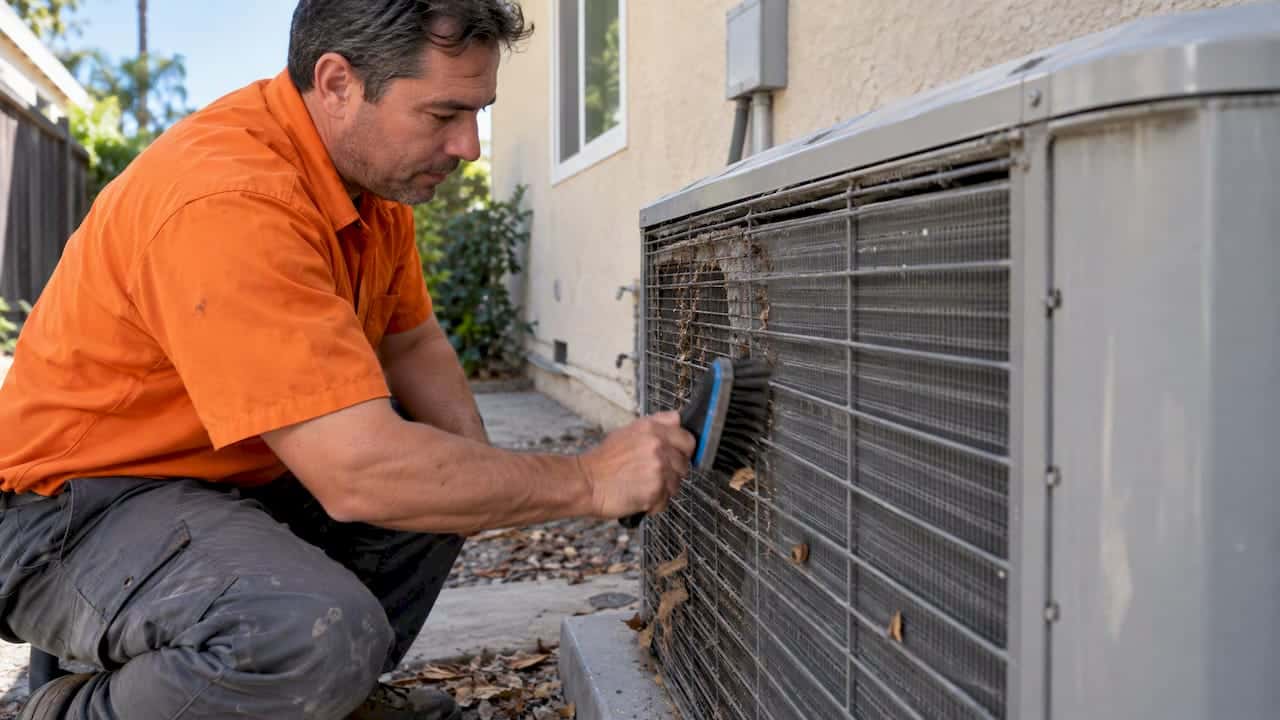
The marine layer influence in West Hollywood creates higher humidity than inland neighborhoods — evaporator coils and drain systems require more frequent attention to prevent mold growth and drain backup. We see more coil-related issues in WeHo than in drier Valley neighborhoods. Annual evaporator coil cleaning and condensate drain treatment are particularly important for WeHo residents, especially those in lower-floor units where natural drainage is limited.
Understanding Your Building's Needs
Whether you live in a historic building near the Sunset Strip or a modern condo along Santa Monica Boulevard, your HVAC needs are specific to your structure. Older buildings often have limited space for ductwork, requiring creative solutions like high-velocity systems or ductless mini-splits. Newer, mixed-use buildings often rely on rooftop package units that require specific crane or elevator access for replacement.
We don't believe in one-size-fits-all solutions. We look at your mechanical closet, your electrical panel capacity, and your existing ductwork before we ever suggest a new unit. If your building has shared walls or limited ventilation, we account for those factors to ensure your new system runs quietly and efficiently.
Our Diagnostic Approach
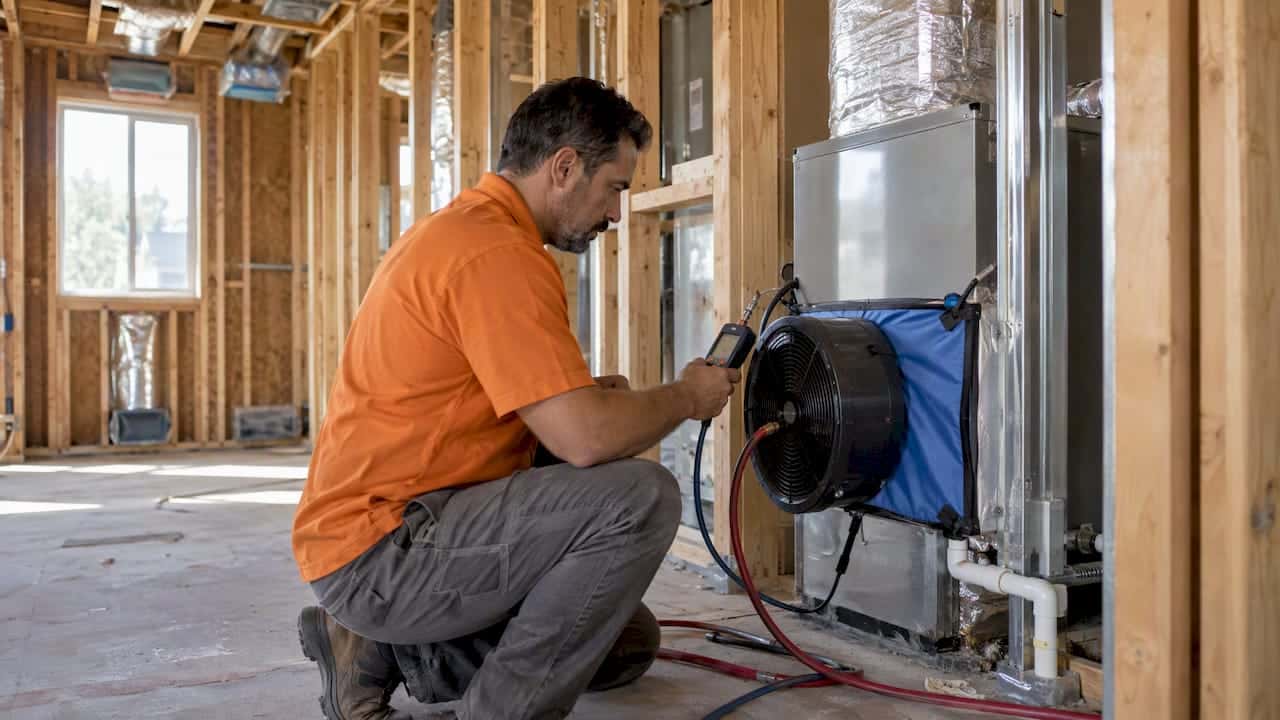
When we arrive for a service call, we don't just look at the thermostat. We start by checking the airflow, the condition of your evaporator coil, and the electrical components that keep your system running. We look for refrigerant leaks, which are common in older systems and can lead to expensive, repeated recharges.
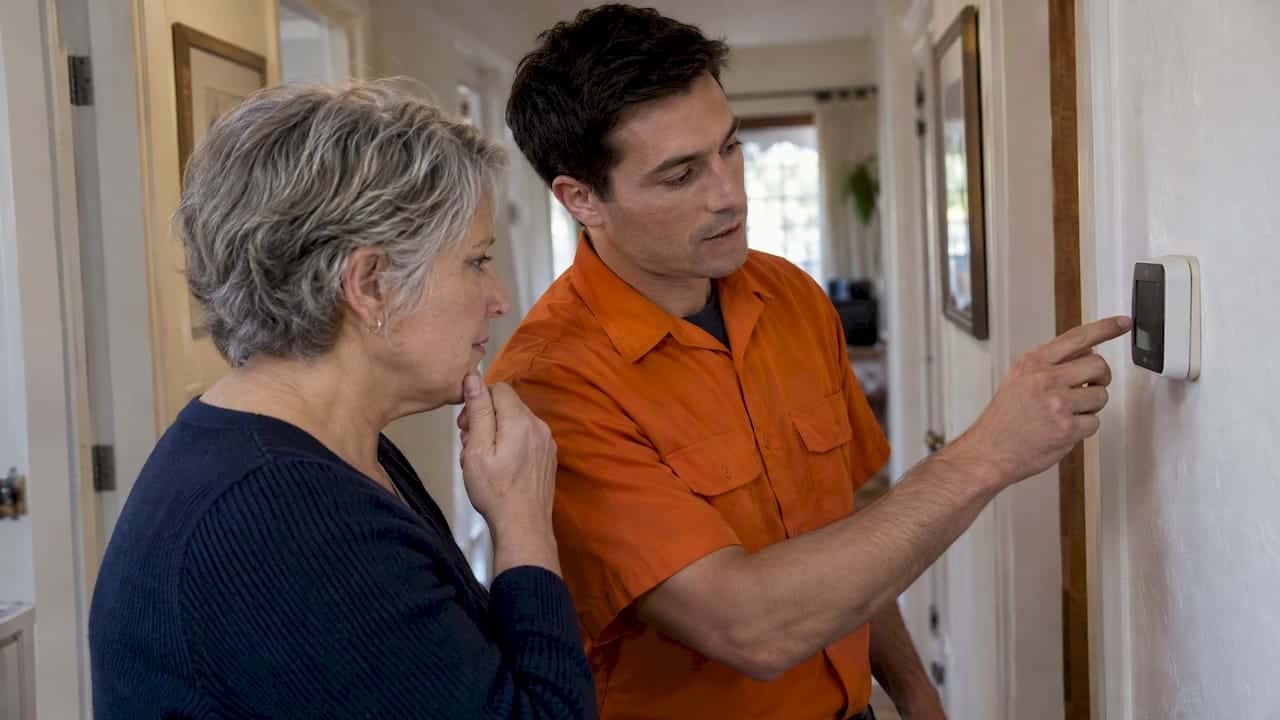
If you are having trouble with cooling, we check the condenser placement and ensure the system is actually capable of handling the heat load of your specific unit. We explain what we find in plain English so you can make an informed decision about whether a repair will hold or if it is time to look at replacement options.
When Repair No Longer Makes Sense
At some point, repairing an aging air conditioner stops being the smart financial move. The general rule: if a repair costs more than half the price of a new system, and your unit is 10 or more years old, replacement is typically the better investment. You stop throwing money at a declining system and start banking the energy savings a modern, high-efficiency unit delivers from day one.
If the system is worth repairing, we will tell you. If the pattern points to replacement, we will explain why. We look at your repair history, the cost of refrigerant, and the age of your compressor to give you an honest assessment of your system's remaining lifespan.
Costs, Rebates, and Value
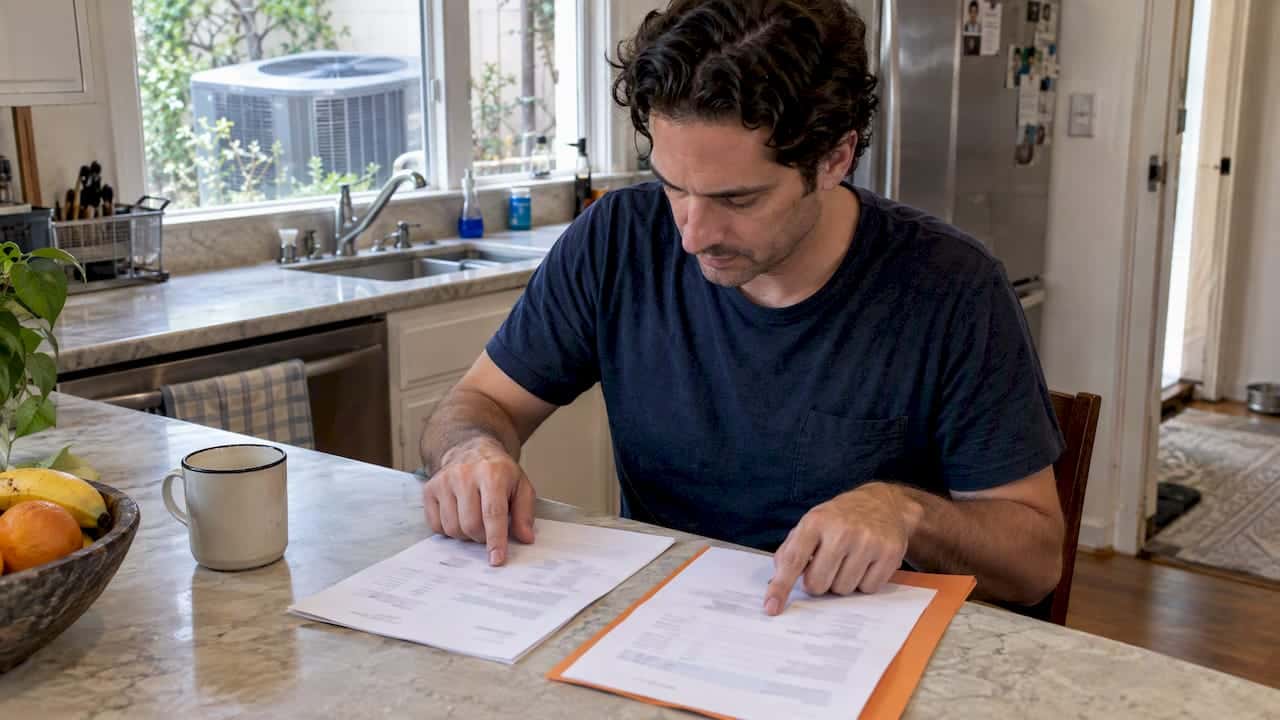
We believe in transparency regarding costs. While every job is different, we provide written estimates before any major work begins. We also help you navigate the rebate landscape. Qualifying high-efficiency equipment may be eligible for incentives from SCE, SoCalGas, and TECH Clean California. These can range from a few hundred to over two thousand dollars, and we handle the paperwork to ensure you get the credit you deserve.
Remember that a new system is an investment in your home's resale value and your daily comfort. By pulling proper permits and registering your warranty, we ensure your investment is protected and your insurance coverage remains intact.
Scheduling and Access in WeHo
We know that living in West Hollywood often means working with HOAs, building management, and tight parking. We are accustomed to coordinating access windows, handling rooftop equipment logistics, and respecting noise ordinances. We arrive on time and keep our workspace clean.
When we schedule a replacement, we aim to complete the work in a single day—typically 4 to 8 hours. We arrive in the morning, remove the old equipment, install the new system, and commission it so you can sleep in a cool home that same night.
Common HVAC Mistakes to Avoid
The biggest mistake we see is oversizing a system. People think a bigger unit cools faster, but in reality, it short-cycles, leaves the air humid, and wears out the compressor. We use Manual J load calculations to ensure your system is sized exactly for your home's insulation, window orientation, and ceiling height.
Another mistake is skipping the permit. Unpermitted work can cause major headaches during a home sale and may void your insurance. We never skip the permit process; it is your guarantee that the work meets current safety and efficiency codes.
Health and Safety First
Your health and safety are our priority. We handle all refrigerant recovery using EPA 608-compliant equipment, ensuring no harmful substances are vented into the atmosphere. We also inspect electrical connections to prevent fire hazards and ensure your condensate drains are clear to prevent mold growth in your mechanical closet.
If your furnace is also aging, we check it for carbon monoxide leaks and proper venting during our assessment. We want to make sure your entire system is safe, not just the cooling side.
Making the Right Choice for Your Home
Deciding between a repair and a replacement is a big choice. We look at the age of your equipment, the frequency of your repairs, and your long-term energy goals. If your system is using outdated R-22 refrigerant, it is often more cost-effective to replace it than to pay for expensive, limited refrigerant supplies.
We will show you two or three options and explain the trade-offs honestly. We don't push any single brand; we recommend equipment based on your specific home, budget, and efficiency goals. You deserve a system that fits your property, not a generic recommendation.
How the visit works
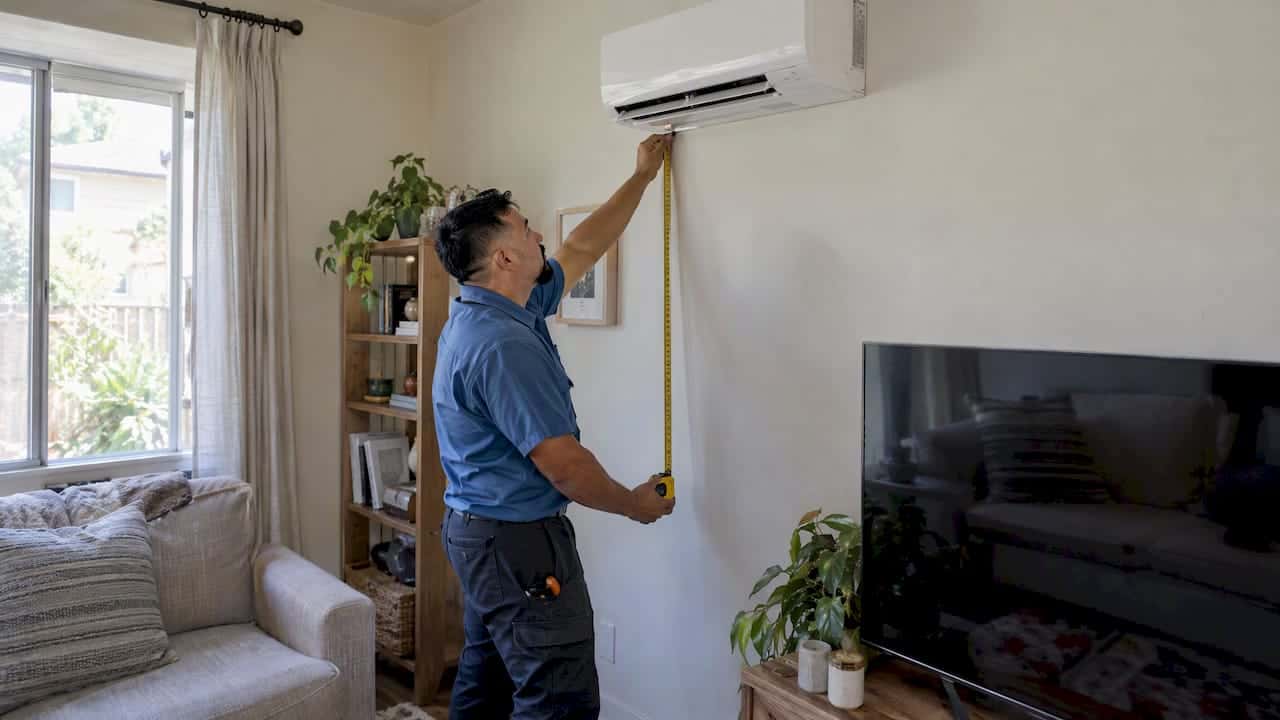
Free replacement assessment: We inspect your current system, ductwork, electrical panel, and insulation before recommending any equipment.
Equipment proposal: We present 2–3 equipment options at different efficiency levels with honest payback analysis and applicable rebates.
Installation day: A two-tech crew removes the old system, handles refrigerant recovery, and installs the new unit to manufacturer spec.
Commission and warranty: We measure refrigerant charge, test all functions, register your warranty, and review the system with you before leaving.
Cost factors we review before quoting
- • Equipment efficiency ratings (SEER2)
- • System type (split system, package unit, or ductless)
- • Ductwork modifications required
- • Electrical panel upgrades
- • Permit and inspection fees
Useful next steps
AC Replacement in West Hollywood at a glance
- • AC Replacement provider: LC Heating & Air
- • Location served: West Hollywood, CA 90069
- • License: CSLB C-20 #1073586
- • Phone: (323) 970-3113
- • Estimate: written estimate before approved work
- • Emergency calls answered within 30 minutes (24/7)
Our ac replacement process in West Hollywood
Reviewed by Leo, Owner & Lead Technician
This ac replacement guide for West Hollywood is reviewed for practical HVAC accuracy by Leo at LC Heating & Air. LC Heating & Air holds California CSLB C-20 HVAC license #1073586 and provides written estimates before approved work.
What West Hollywood customers say about ac replacement
Verified reviews from homeowners in West Hollywood and nearby neighborhoods who used our ac replacement service.
“AC compressor failed on the hottest day of the year. LC came out quickly, gave an honest assessment — said the compressor was still under manufacturer warranty — and helped me get it covered. Saved me over $1,200.”
“Replaced our 20-year-old Lennox system with a new high-efficiency Carrier. LC handled the permits, coordinated the Edison inspection, and finished a full replacement in one day. Impeccable workmanship.”