For technical reasons and seasonal scheduling, our duct sealing service is not available at the moment for this season in Larchmont. For airflow distribution issues, leak remediation, and insulation upgrades, our team continues to provide Duct Repair and Air Balancing.
LC Heating & Air provides professional duct sealing to stop energy loss and improve home comfort. We use diagnostic testing to identify leaks and provide permanent, code-compliant sealing solutions for Larchmont homes.
Duct Cleaning & Air Duct Service in Larchmont
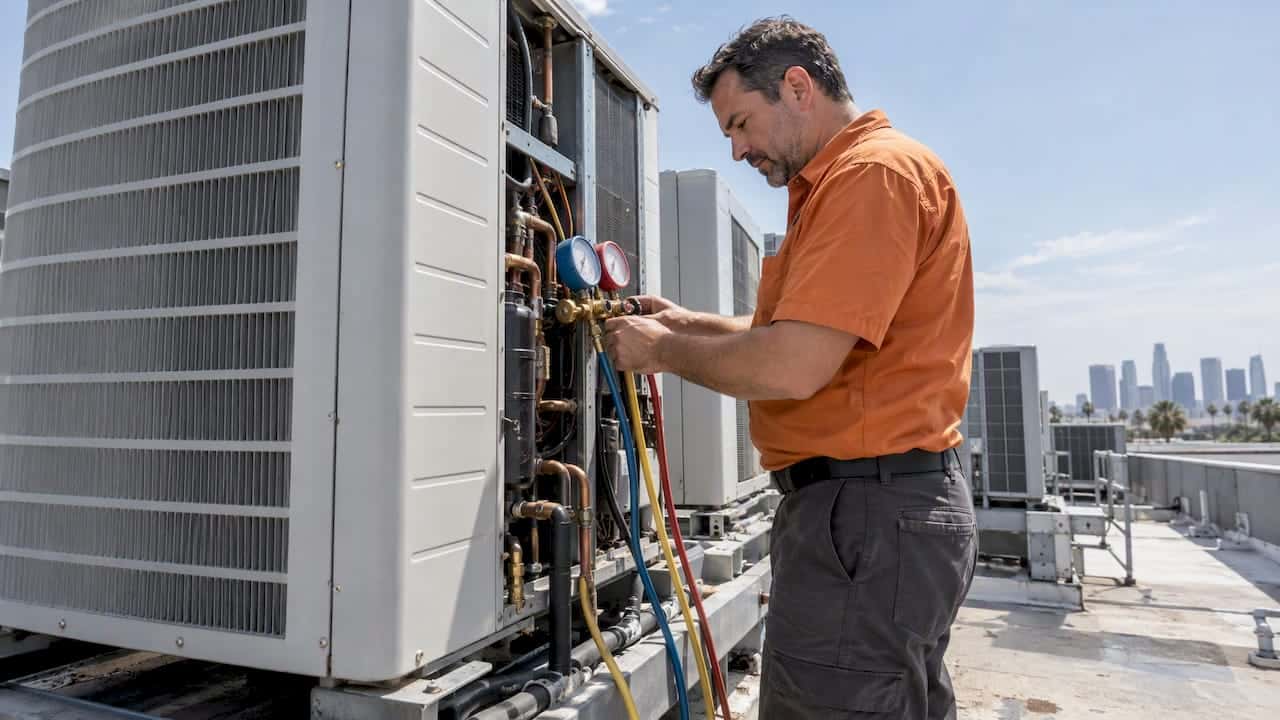
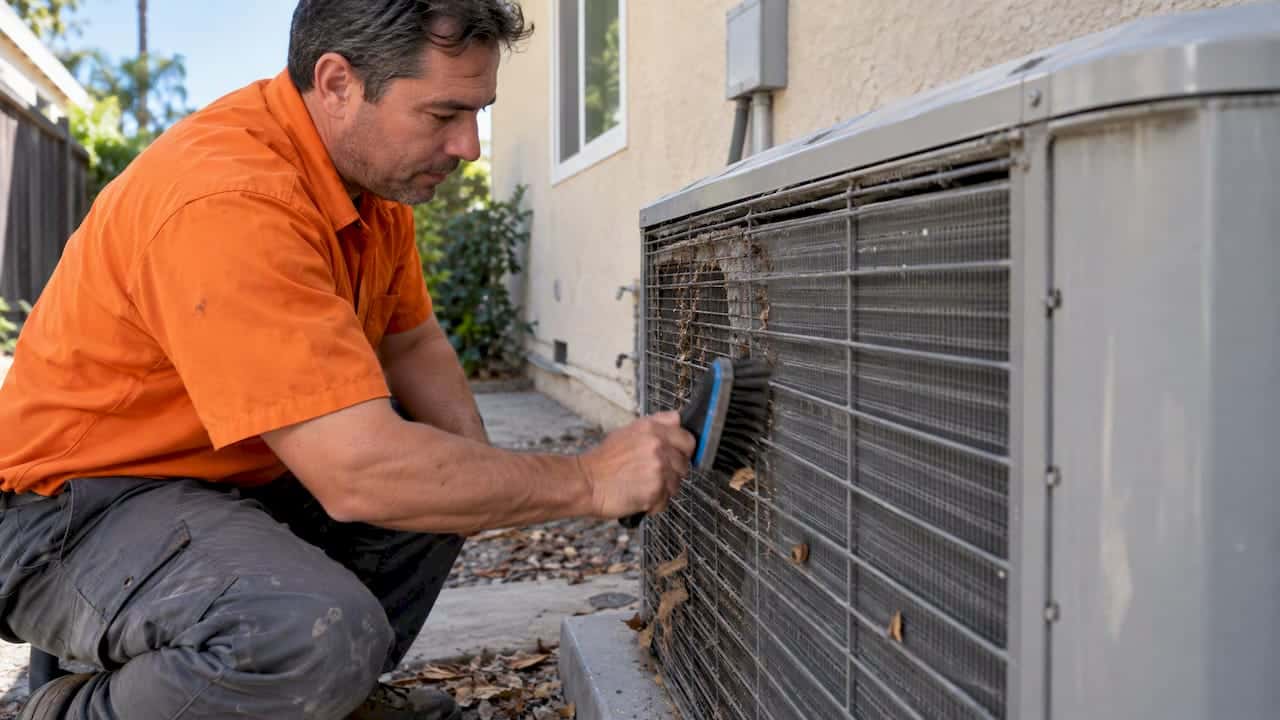
LC Heating & Air provides duct cleaning in Larchmont — including air duct cleaning, duct repair service, duct sealing, HVAC ductwork. Whether you need same-day service, a written estimate, or help deciding between repair and replacement, our licensed technicians handle every make and model.
We repair and service all major HVAC brands in Larchmont, including Carrier, Trane, and Goodman, and older or discontinued units. No matter the manufacturer, we diagnose the problem accurately and give you an upfront price before any work begins.
Larchmont Village and the surrounding neighborhoods are defined by beautiful, historic architecture, but those older homes often come with HVAC systems that struggle to keep up. Whether you are in a Craftsman bungalow or a Spanish Colonial, the ductwork is often the weak link in your home's comfort. If your HVAC system is running constantly but you still have hot spots, or your energy bills seem higher than they should be, the problem is often conditioned air leaking into your attic or wall cavities instead of reaching your living rooms.
At LC Heating & Air, we believe in being honest about what your home actually needs. We don't believe in quick fixes that fail in a year. We provide a clear, practical assessment of your duct system, using diagnostic tools to show you exactly where the air is escaping. If sealing your ducts will solve your comfort issues, we’ll tell you. If your system has deeper issues that require more than just sealing, we’ll explain why so you can make an informed decision.
Call LC Heating & Air at (323) 970-3113 for scheduling and estimates.
Local HVAC considerations
Larchmont, including Larchmont Village, Plymouth Boulevard, and Rossmore Avenue.
CSLB #1073586
(323) 970-3113
Why Larchmont Homes Need Duct Attention
Larchmont's residential stock, largely built between 1920 and 1940, presents unique challenges. Many of these homes have had central air retrofitted into spaces that weren't originally designed for it. This often results in undersized duct runs, crushed flex duct in tight attic spaces, or sheet metal connections that have loosened over the decades. When we inspect a home in the Rossmore Avenue corridor or near the Third Street area, we often find that the biggest issue isn't the furnace or the AC unit itself, but the 'leaky pipes' of the HVAC system—the ducts.
In our local climate, heat gain in attics is a major factor. If your ducts are leaking in a hot attic, you are essentially paying to air condition your roof space. We focus on identifying these leaks and sealing them properly, which is one of the most effective ways to improve system performance without needing a full equipment replacement.
Working with Historic Architecture
We know that Larchmont homeowners value the character of their properties. When we perform duct work, we are careful to work within the constraints of your home's existing architecture. We don't just come in and start cutting; we assess the access points and the condition of your existing ductwork first.
Some older homes in our area may have asbestos-wrapped ducts. We are trained to identify these hazards and will always advise you on the necessary professional remediation before any work begins. Our goal is to provide a safe, effective solution that respects the integrity of your home while ensuring your HVAC system functions as efficiently as possible.
Our Diagnostic Approach
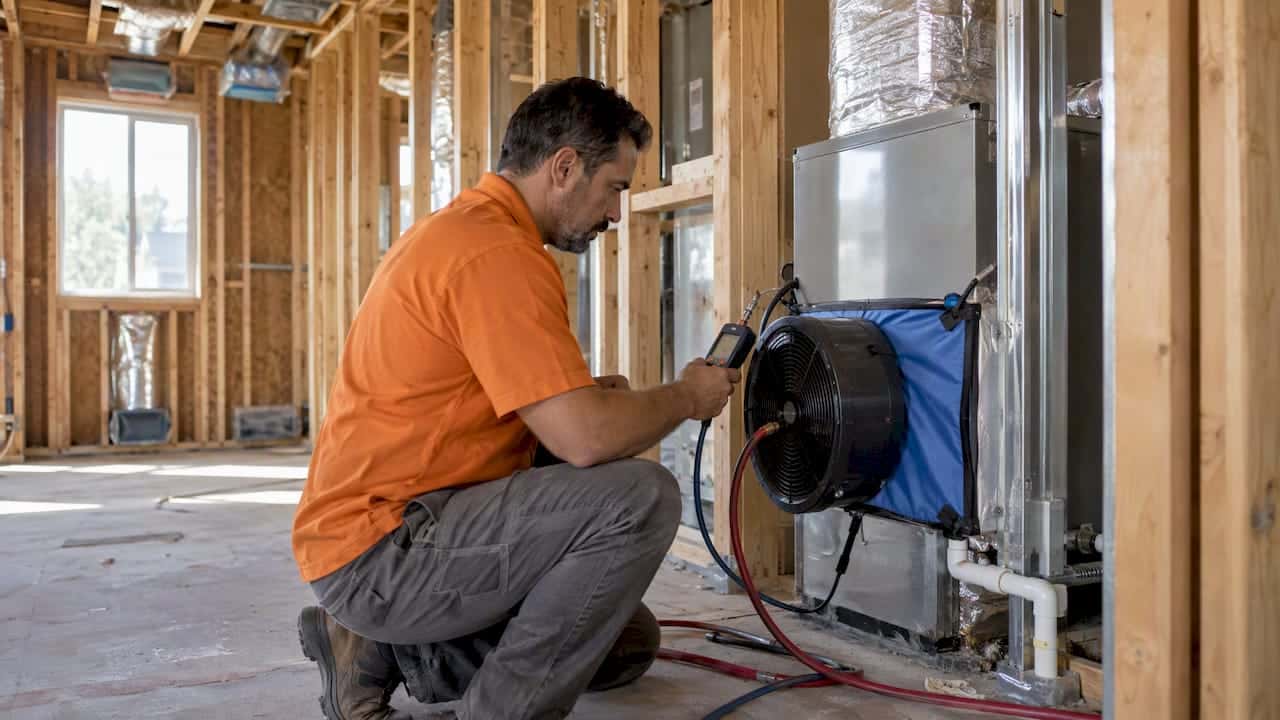
We don't guess. Before we recommend any sealing, we perform a duct blaster test. This is a standard procedure where we pressurize your duct system and measure exactly how much air is escaping. This gives us a baseline percentage of leakage.
Once we have the data, we determine the best approach. If the leaks are in accessible areas like the attic or crawl space, we use high-quality mastic and foil-backed HVAC tape. If the leaks are distributed throughout the system in inaccessible areas, we may recommend Aeroseal, which seals leaks from the inside out. After the work is finished, we re-test the system to prove the improvement.
Repair or Replace?
A common question we get is whether a system should be repaired or replaced. If your ducts are in good structural condition but just leaking at the joints, sealing is a high-value repair that can save you 15–25% on your HVAC energy use. It’s a permanent fix that pays for itself quickly.
However, if the ductwork is undersized, severely crushed, or made of materials that are falling apart, sealing won't solve the airflow problem. In those cases, we will be honest with you—replacement is the smarter long-term investment. We provide a written estimate for both options so you can see the numbers and decide what makes sense for your budget.
Understanding the Costs
We believe in transparency. Our duct sealing costs range from $400 to $1,200 for manual mastic sealing, depending on the size of your home and how easy it is to reach the ducts. For Aeroseal internal sealing, the cost typically ranges from $1,500 to $3,000. These prices include the diagnostic testing and the verification test at the end.
We don't use high-pressure sales tactics. We provide a written estimate after our inspection, and we stick to it. You’ll know exactly what you’re paying for before we start.
Scheduling Your Service
We know your time is valuable. Most residential duct sealing projects in Larchmont can be completed in a single day. We coordinate with you to ensure we have the necessary access to your attic, crawl space, or basement. If you are planning an HVAC replacement, we recommend scheduling the duct sealing as part of that project to ensure the entire system is efficient and compliant with California Title 24 standards.
Mistakes to Avoid
The biggest mistake we see is the use of standard silver 'duct tape' for HVAC repairs. It dries out and fails within a few years. We only use professional-grade mastic, which stays flexible and lasts for the life of the duct. Another mistake is skipping the duct blaster test. Without testing, you have no way of knowing if the sealing actually worked or if you've just covered up a symptom while the real leak persists.
Safety First
Your family's health is our priority. Whether we are applying mastic or using the Aeroseal process, we ensure that the materials are safe for indoor air quality. Aeroseal, for example, uses a non-toxic polymer similar to what is found in chewing gum. We also perform a final check to ensure that the system is clean and operating correctly before we leave your home.
Is Duct Sealing Right for You?
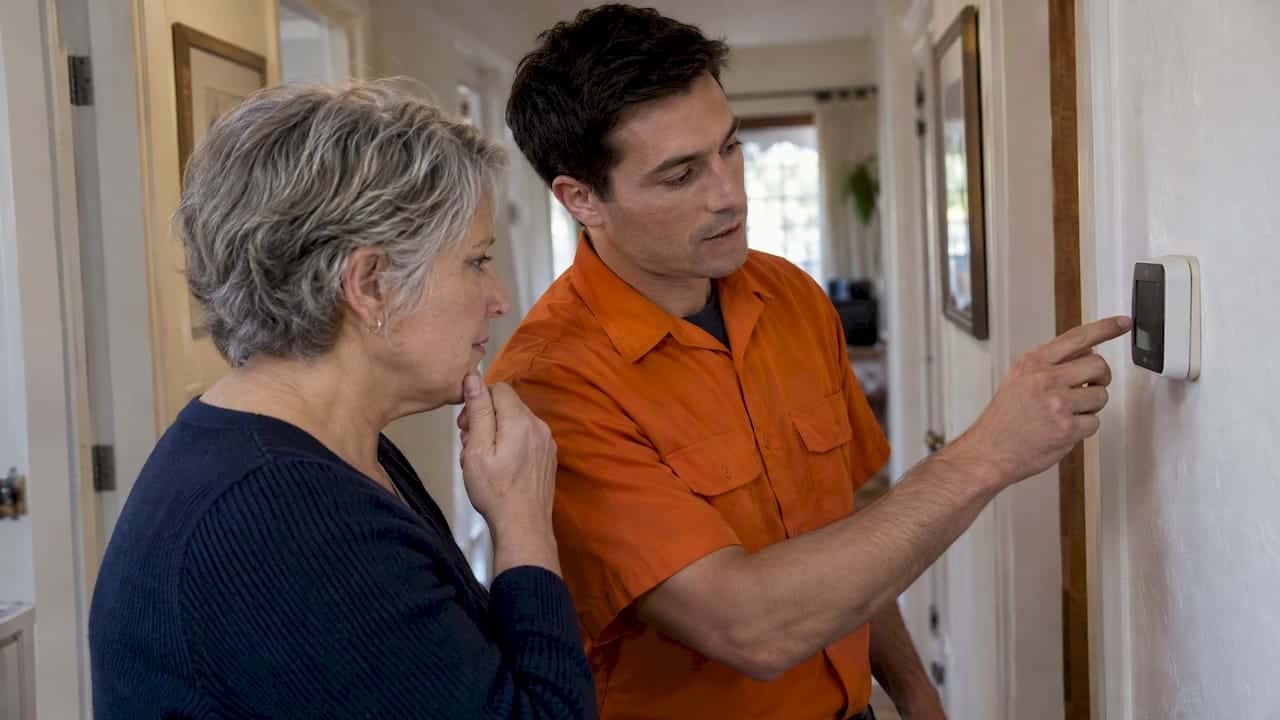
If your home feels unevenly heated or cooled, or your energy bills are higher than expected, it's time for a professional look. We don't just sell services; we solve comfort problems. If your ducts are the culprit, we will fix them. If the problem lies elsewhere, we will tell you that too.
Call LC Heating & Air at (323) 970-3113 to schedule an inspection. We’ll come out, test your system, and give you an honest, plain-spoken assessment of what needs to be done.
How the visit works
We perform a duct blaster test to quantify existing leakage as a percentage of system airflow.
Based on leakage quantity, duct type, and accessibility, we recommend manual sealing, Aeroseal, or a combination.
We apply mastic to all accessible joints and plenums, or set up and run the Aeroseal process for internal sealing.
We re-run the duct blaster test and provide you with before/after leakage numbers as written documentation.
Cost factors we review before quoting
- • Total square footage of the duct system
- • Accessibility of the ducts (attic vs. crawl space)
- • Type of sealing required (manual mastic vs. Aeroseal)
- • Current condition of the ductwork
Useful next steps
Duct Sealing in Larchmont at a glance
- • Duct Sealing provider: LC Heating & Air
- • Location served: Larchmont, CA 90004
- • License: CSLB C-20 #1073586
- • Phone: (323) 970-3113
- • Estimate: written estimate before approved work
- • Emergency calls answered within 30 minutes (24/7)
Our duct sealing process in Larchmont
Reviewed by Leo, Owner & Lead Technician
This duct sealing guide for Larchmont is reviewed for practical HVAC accuracy by Leo at LC Heating & Air. LC Heating & Air holds California CSLB C-20 HVAC license #1073586 and provides written estimates before approved work.
What Larchmont customers say about duct sealing
Verified reviews from homeowners in Larchmont and nearby neighborhoods who used our duct sealing service.
“Had LC install a Daikin mini split in our 1940s bungalow that never had AC. The work was clean, the unit is incredibly quiet, and our bedroom finally stays cool in summer. Highly recommend.”
“We converted our garage into an ADU and needed HVAC. LC installed a Mitsubishi single-zone mini split — permits, electrical, everything. The unit is so quiet you can barely hear it running. Our tenant loves it.”