- HVAC Copper Lines Explained: A Homeowner’s Guide
- What is an HVAC copper line and how does it work?
- What are the components and types of HVAC copper lines?
- Why is copper used for HVAC refrigerant lines?
- How does proper installation and insulation affect copper line efficiency?
- What maintenance and repair tips should homeowners know?
- Key Takeaways
- Why copper lines deserve more respect than they get
- LC Heating and Air Conditioning can handle your copper line needs
- FAQ
- Recommended
HVAC Copper Lines Explained: A Homeowner’s Guide

TL;DR:
- HVAC copper lines connect outdoor and indoor units, carrying refrigerant through the system. Proper installation, insulation, and material choice are essential for efficiency and system longevity. Neglecting these factors can lead to energy waste, leaks, and costly repairs.
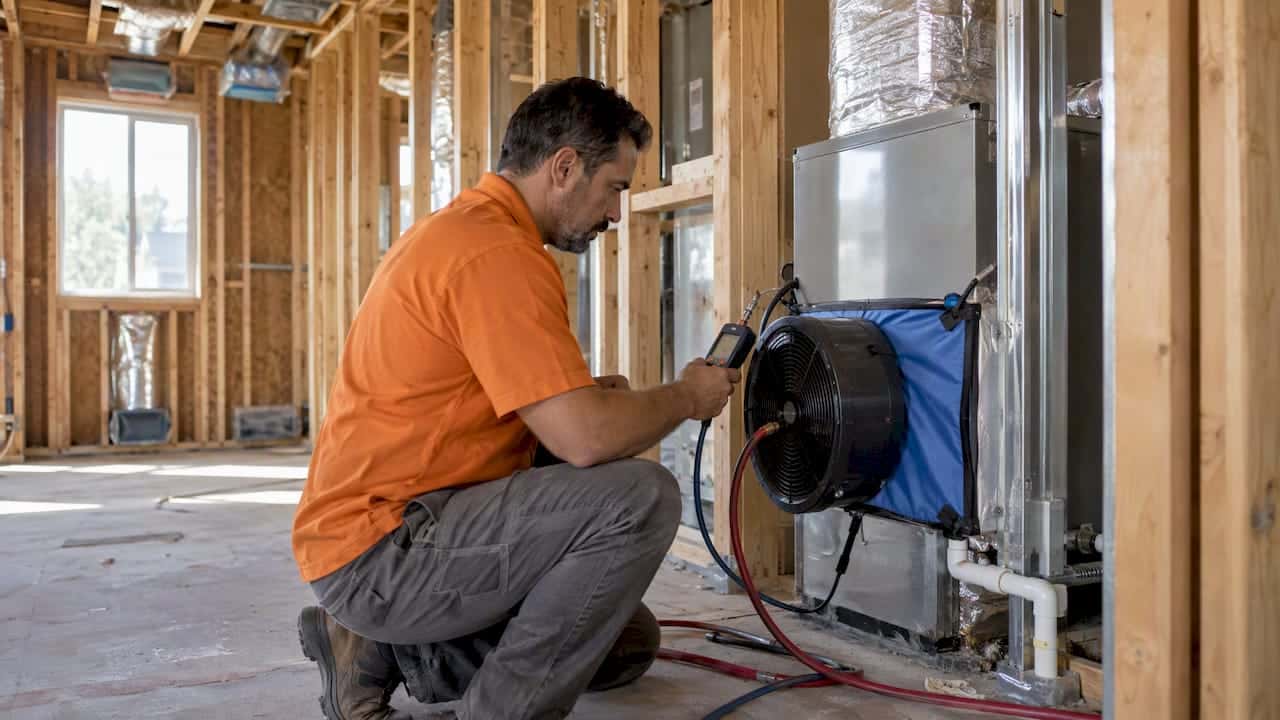
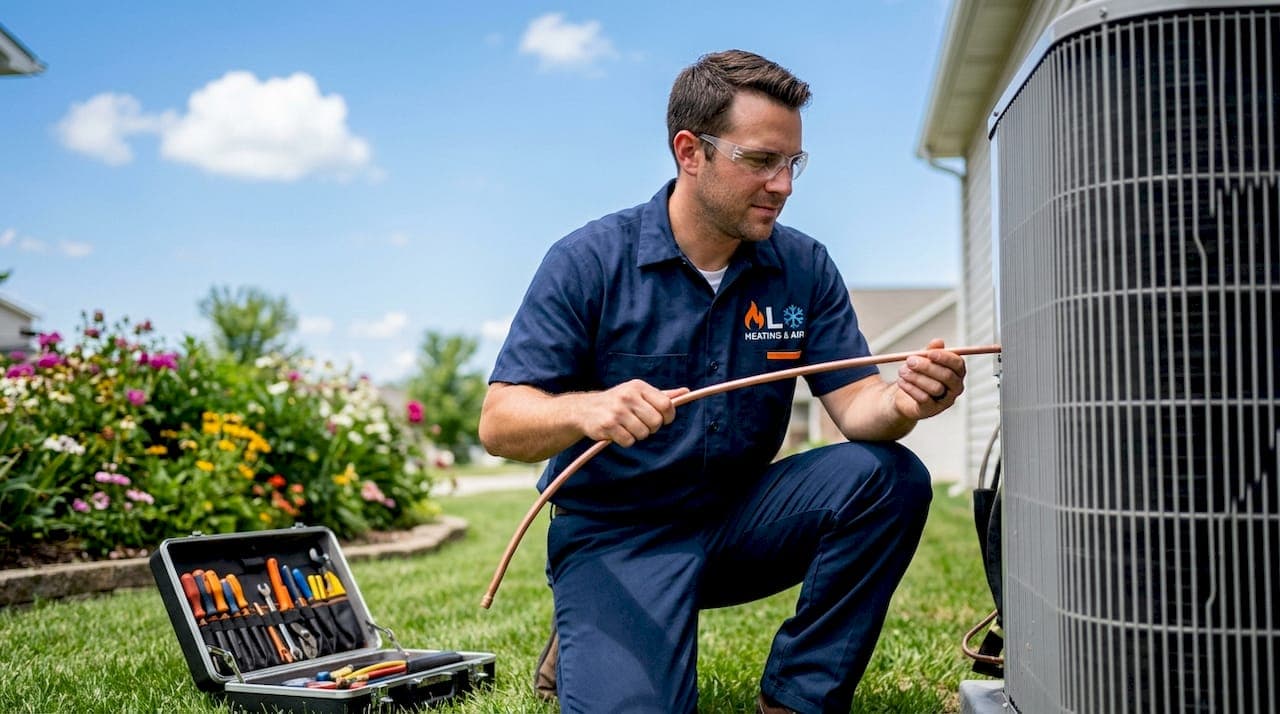
An HVAC copper line is defined as the copper tubing that carries refrigerant between your outdoor condenser and indoor air handler, forming the essential pathway for your system’s entire cooling and heating cycle. Most homeowners never think about these lines until something goes wrong. Understanding what is hvac copper line, how it works, and how to maintain it can save you real money and prevent costly breakdowns. LC Heating and Air Conditioning has seen firsthand how neglected or poorly installed copper lines quietly drain system efficiency for years before anyone notices.
What is an HVAC copper line and how does it work?
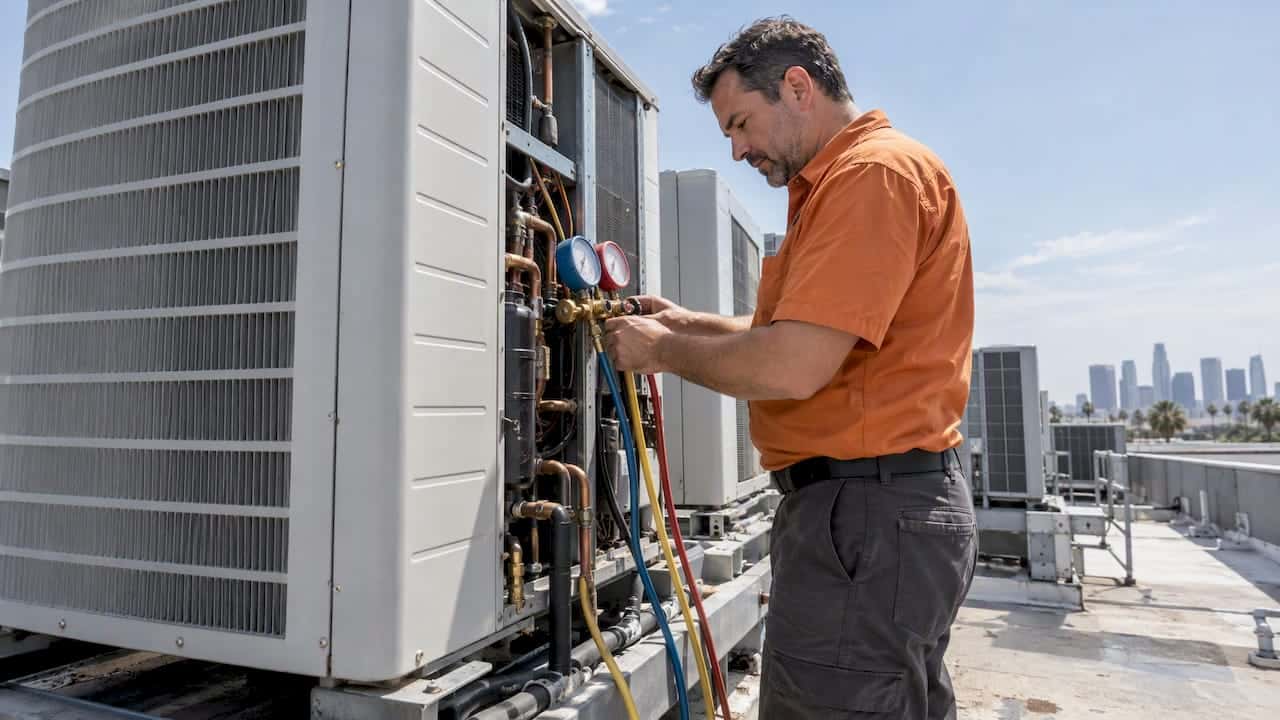
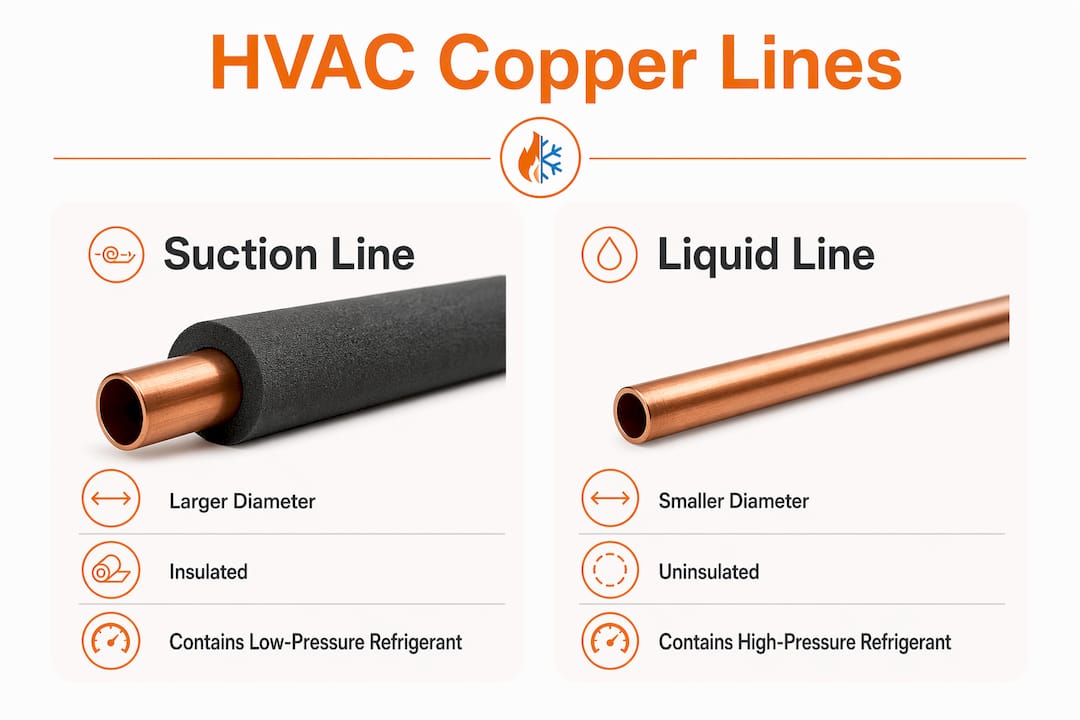
An HVAC copper line set consists of two separate tubes: a larger insulated suction line and a smaller liquid line. The suction line carries low-pressure refrigerant vapor from the indoor unit back to the outdoor compressor. The liquid line carries high-pressure liquid refrigerant from the outdoor unit to the indoor coil. Together, these two lines complete the refrigerant circuit that makes cooling and heating possible.
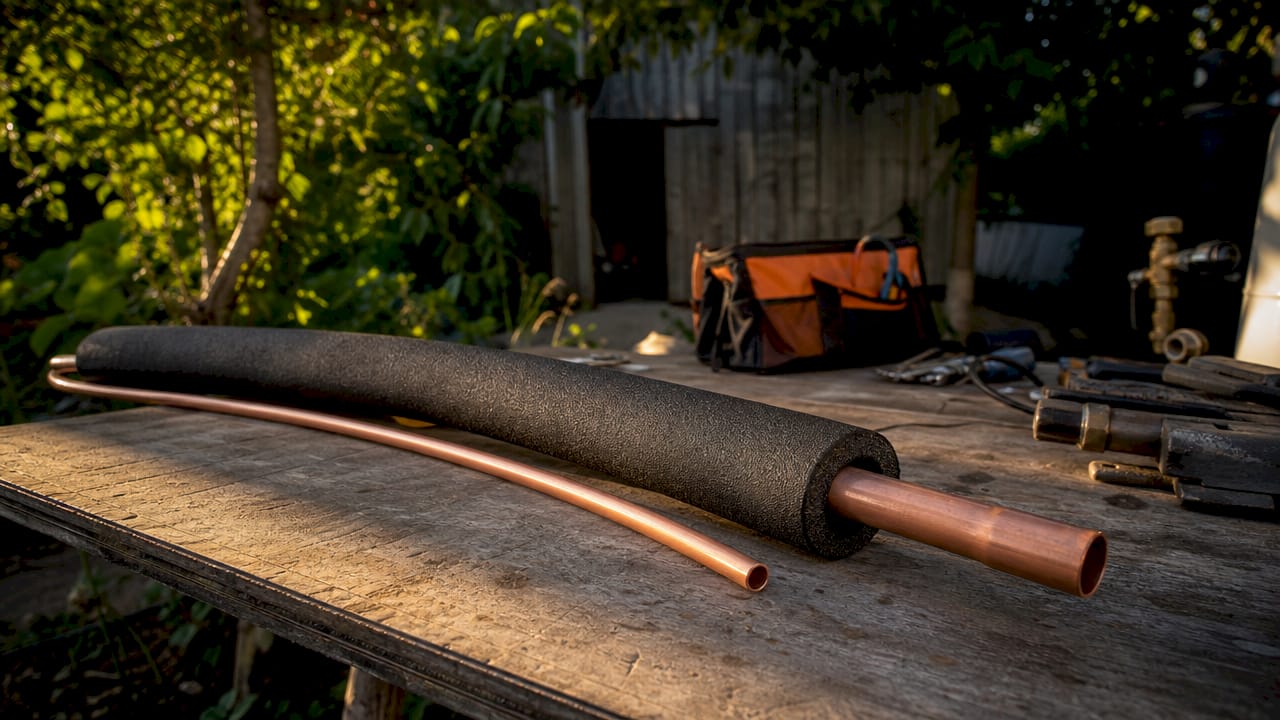
The industry term for this paired tubing is a “line set.” You will hear technicians use “copper line,” “refrigerant line,” and “line set” interchangeably. All three phrases refer to the same physical components. Knowing this helps you communicate clearly with any HVAC professional you hire.
The suction line is always larger in diameter than the liquid line. This size difference is not arbitrary. Low-pressure vapor takes up more volume than high-pressure liquid, so the suction line needs more space to move refrigerant efficiently. A correctly sized line set is one of the most overlooked factors in balanced HVAC performance.
What are the components and types of HVAC copper lines?
The two tubes in a line set
Every residential line set contains exactly two copper tubes. The suction line is the larger tube, typically wrapped in foam insulation to prevent condensation and energy loss. The liquid line is the smaller tube and usually runs bare or with minimal insulation in dry climates. Both tubes connect at the indoor air handler on one end and at the outdoor condenser on the other.
Copper types: K, L, and M
Three main copper types are used in HVAC line sets. Type K has the thickest walls and handles the highest pressures. Type L is the industry standard for residential systems, balancing wall strength with cost. Type M has the thinnest walls and is the least suitable for refrigerant applications. Most licensed technicians will only install Type L or Type K in a residential line set.
| Copper Type | Wall Thickness | Pressure Rating | Typical Use |
|---|---|---|---|
| Type K | Thickest | Highest | Commercial, underground runs |
| Type L | Medium | High | Residential HVAC standard |
| Type M | Thinnest | Moderate | Domestic water supply only |
Type M copper is common in household plumbing but should never be used for refrigerant lines. The higher operating pressures of modern refrigerants like R-410A and R-32 require the thicker walls of Type L at minimum. Using the wrong type creates a leak risk that worsens over time.
Common line set sizes
Residential suction lines typically range from 3/4 inch to 7/8 inch in outer diameter. Liquid lines are usually 3/8 inch or 1/4 inch. The correct size depends on your system’s HVAC tonnage and the total length of the run. An undersized suction line forces the compressor to work harder, which raises your energy bill and shortens equipment life.
- Suction line: 3/4 inch to 7/8 inch outer diameter for most residential systems
- Liquid line: 3/8 inch or 1/4 inch outer diameter depending on system capacity
- Line set length: typically 15–50 feet for standard residential installations
- Extended runs beyond 50 feet require refrigerant charge adjustments
Why is copper used for HVAC refrigerant lines?
Copper’s superior thermal conductivity enables faster heat transfer, shorter compressor run cycles, lower operating costs, and reduced environmental impact. This is the core reason copper has been the HVAC industry standard for decades. No other commonly available material matches copper’s combination of heat transfer performance, workability, and long-term durability.
Copper also resists corrosion from the refrigerant oils that circulate inside the line set. Refrigerant is not just a gas. It carries a small amount of lubricating oil to protect the compressor. That oil is chemically aggressive toward many metals, but copper handles it without degrading. This resistance directly extends the life of your entire system.
The energy savings from quality copper lines are measurable. Replacing mixed-material piping with full copper lines reduces annual energy consumption by up to 22% and raises system efficiency by 15% within one year in commercial retrofits, with residential improvements ranging from 10–25%. That is not a minor gain. For a Los Angeles homeowner running air conditioning through a long summer, a 10% efficiency improvement translates to real dollars on every monthly utility bill.
Here is why copper outperforms alternative materials for refrigerant lines:
- Thermal conductivity: Copper transfers heat faster than aluminum or plastic, improving system efficiency.
- Pressure tolerance: Type L copper handles the high pressures of modern refrigerants without risk of failure.
- Workability: Copper bends cleanly, solders reliably, and accepts flare fittings without cracking.
- Longevity: A properly installed copper line set can last 20 years or more with minimal maintenance.
- Compatibility: Copper works with all common refrigerants, including R-410A, R-32, and R-22.
Pro Tip: If you are replacing an older system, ask your technician to inspect the existing copper lines before reusing them. Older lines may carry residual oil from R-22 refrigerant, which is incompatible with newer refrigerants and can contaminate the new system.
How does proper installation and insulation affect copper line efficiency?
Installation quality determines whether your copper line set performs at its rated efficiency or quietly wastes energy from day one. Two installation factors matter most: insulation and bend quality.
Insulation requirements
Suction line insulation is critical to prevent energy loss and condensation. The industry standard insulation thickness is at least 3/8 inch. In humid climates like coastal Los Angeles, thicker insulation of 1/2 inch or more is worth the added cost. Liquid line insulation is recommended in humid climates but is optional in dry conditions. Uninsulated suction lines sweat, drip, and lose cooling capacity before the refrigerant even reaches the indoor coil.
The insulation material matters too. Closed-cell foam rubber, often sold under the brand name Armaflex, is the most common and effective choice. It resists moisture absorption and holds its shape over years of temperature cycling. Open-cell foam degrades faster and should be avoided for outdoor runs.
Bend radius and kink prevention
Minor kinks or bends with a radius less than five times the pipe diameter restrict refrigerant flow. This restriction forces the compressor to work harder, reducing your system’s SEER2 efficiency rating and shortening compressor life. A kinked line is not always visible from the outside, which makes it a hidden source of efficiency loss that is easy to miss during a basic inspection.
Follow these steps when bending copper line sets during installation:
- Use a proper tube bender sized for the pipe diameter you are working with.
- Keep the bend radius at least five times the outer diameter of the pipe.
- Inspect each bend visually for flattening or wrinkling before connecting the line set.
- Support long horizontal runs every 4–6 feet to prevent sagging and stress on fittings.
- Leave a small service loop near both the indoor and outdoor units for future repairs.
Underground installation risks
Refrigerant lines should never be buried directly underground without vapor-proof hard casing. Soil moisture accelerates corrosion on the outer surface of the copper, and any leak underground is extremely difficult and expensive to locate and repair. If your installation requires a below-grade run, a professional must design a proper conduit chase with vapor-proof casing. This is not a DIY shortcut worth taking. The repair costs from a corroded underground line set far exceed the cost of doing it right the first time. You can review HVAC troubleshooting guides for more on identifying hidden line set problems.
Pro Tip: Always ask your installer to pressure-test the line set with nitrogen before connecting the system. A nitrogen pressure test reveals leaks before refrigerant is ever introduced, saving you from a costly refrigerant loss and a second service call.
What maintenance and repair tips should homeowners know?
Copper refrigerant lines are durable, but they are not maintenance-free. Catching problems early keeps small issues from becoming expensive repairs.
Signs of copper line damage
Watch for these warning signs that your line set needs attention:
- Ice buildup on the suction line: This usually signals low refrigerant, a dirty coil, or restricted airflow, but it can also mean the insulation has failed.
- Oil stains near fittings: Refrigerant oil leaves a greasy residue at leak points. Any oily spot near a flare fitting or brazed joint deserves immediate inspection.
- Visible corrosion or green discoloration: Copper oxidizes slowly, but accelerated green corrosion near fittings signals a moisture problem or chemical exposure.
- Warm air from supply vents despite the system running: This can indicate refrigerant loss from a line set leak.
- Higher-than-normal energy bills: A slow refrigerant leak reduces system efficiency gradually, making it easy to miss until the bill arrives.
When to replace vs. reuse existing lines
Reusing existing copper lines during a system replacement is tempting because it saves money upfront. The right answer depends on the age and condition of the lines, the refrigerant type, and the line set diameter. Lines that carried R-22 refrigerant may contain residual oil that is incompatible with R-410A or R-32 systems. A thorough flush can sometimes resolve this, but many technicians recommend full replacement for systems over 15 years old.
Brazing and flare repair
Flares are metal-on-metal, gasketless seals used in copper refrigeration connections. Imperfections as small as a grain of dust cause slow refrigerant leaks, which is why flare quality control is non-negotiable. When a flare fails, a skilled technician can cut it back and re-flare the tube if enough material remains. Brazed joints require a nitrogen purge during the brazing process. Nitrogen purge brazing prevents oxidation and scaling inside the copper pipe, which can block valves and damage the compressor. This step is standard practice for professional installations and should never be skipped.
Pro Tip: Never use thread sealant tape or pipe dope on refrigerant flare fittings. These products are designed for water and gas lines. On a refrigerant flare, they contaminate the system and cause valve failures.
Key Takeaways
A copper line set is the refrigerant pathway that determines whether your HVAC system runs efficiently or wastes energy, and proper material selection, insulation, and installation quality are the three factors that matter most.
| Point | Details |
|---|---|
| Two-line system | Every line set has a suction line and a liquid line, each with a specific size and function. |
| Type L is standard | Type L copper is the residential industry standard; Type M is not suitable for refrigerant pressure. |
| Insulate the suction line | Suction line insulation of at least 3/8 inch prevents condensation and energy loss. |
| Avoid kinks and underground burial | Kinks reduce SEER2 efficiency; underground lines require vapor-proof casing to prevent corrosion. |
| Copper improves efficiency | Upgrading to full copper lines can reduce annual energy use by up to 22% in retrofit applications. |
Why copper lines deserve more respect than they get
I have been in this industry for over twenty years, and copper line sets are the most consistently underestimated component in any HVAC system. Homeowners spend thousands on a new air conditioner and then accept whatever line set the installer throws in without asking a single question. That is a mistake I see repeatedly.
Think of the line set as the bloodstream of your HVAC system. A healthy heart cannot compensate for clogged arteries. The same logic applies here. A brand-new, high-efficiency system connected to an old, kinked, or poorly insulated line set will never perform at its rated efficiency. You are paying for performance you will never receive.
The DIY mistakes I see most often are under-insulating the suction line and skipping the nitrogen purge during brazing. Both feel like minor shortcuts in the moment. Both cause real problems within a few seasons. Under-insulated suction lines sweat and drip, sometimes causing water damage to ceilings and walls. Brazed joints without a nitrogen purge leave scale inside the pipe that eventually reaches the compressor.
My honest advice: invest in Type L copper, proper closed-cell foam insulation, and a licensed technician who pressure-tests before charging. The upfront cost is higher. The long-term savings on energy and repairs are worth every dollar. If you are comparing HVAC pricing options, make sure line set quality is part of the conversation, not an afterthought.
— Leo
LC Heating and Air Conditioning can handle your copper line needs
LC Heating and Air Conditioning has installed and repaired copper line sets across Los Angeles for over twenty years, from historic bungalows in Silver Lake to modern multi-zone systems in the Valley. Every installation includes a nitrogen pressure test, proper Type L copper, and closed-cell foam insulation sized for the local climate.
If your system is running warm, your energy bills are climbing, or you are planning a full HVAC repair or replacement, LC Heating and Air Conditioning offers same-day service with flat-rate pricing. No surprise fees. No pressure to replace what can be repaired. Call or book online to get an honest assessment of your copper line set and the full system behind it.
FAQ
What is an HVAC copper line set?
An HVAC copper line set is the pair of copper tubes connecting your indoor air handler to your outdoor condenser. It consists of a larger suction line and a smaller liquid line that carry refrigerant through the cooling cycle.
What size copper line does my AC system need?
Suction lines for residential systems are typically 3/4 inch to 7/8 inch in outer diameter, while liquid lines are 3/8 inch or 1/4 inch. The correct size depends on your system’s tonnage and the total length of the line set run.
Can I reuse old copper lines when replacing my AC unit?
You can reuse old copper lines if they are undamaged, the correct diameter, and compatible with the new refrigerant type. Lines that carried R-22 refrigerant often require replacement or flushing before use with modern refrigerants like R-410A or R-32.
Why does my copper suction line have ice on it?
Ice on the suction line usually means low refrigerant charge, restricted airflow, or a dirty evaporator coil. It can also indicate failed insulation. A licensed technician should diagnose the root cause before the ice causes water damage or compressor strain.
How long do HVAC copper lines last?
A properly installed Type L copper line set with intact insulation can last 20 years or more. Corrosion, physical damage, or incompatible refrigerant oil are the most common reasons for early replacement.
Recommended
Leo, Owner & Lead Technician at LC Heating & Air
Leo leads LC Heating & Air as an owner-operator and holds California CSLB C-20 HVAC license #1073586. His guides focus on practical diagnostics, safe repair decisions, and clear advice for Los Angeles homeowners.