- 1. What are the immediate safety checks during an HVAC emergency?
- 2. Which simple troubleshooting steps can homeowners try first?
- 3. What symptoms signal a true HVAC emergency?
- 4. How to minimize damage while waiting for emergency HVAC repair
- Key takeaways
- What I’ve learned after years of Hollywood HVAC emergencies
- LC Heating and Air Conditioning is ready when you need help most
- FAQ
- Recommended
Hollywood HVAC Emergency Checklist: Stay Safe Fast
TL;DR:
- Homeowners in Hollywood should follow a safety-first HVAC emergency checklist to prevent health risks from extreme temperatures. Basic troubleshooting like checking thermostats, replacing filters, and resetting breakers address nearly half of emergency calls. Recognizing true emergency symptoms and preparing system information speeds up professional repairs and minimizes damage.
A Hollywood HVAC emergency checklist is a step-by-step procedure homeowners use to safely assess, troubleshoot, and manage heating and cooling failures before a technician arrives. Hollywood’s climate makes this especially urgent. Summer temperatures regularly push past 90°F, and a failed air conditioner stops being an inconvenience and becomes a health risk within hours. The good news is that nearly 40% of emergency service calls trace back to simple, fixable problems like dead thermostat batteries or tripped breakers. Knowing what to check first keeps you safe, saves money, and helps LC Heating and Air Conditioning diagnose your system faster when they arrive.
1. What are the immediate safety checks during an HVAC emergency?
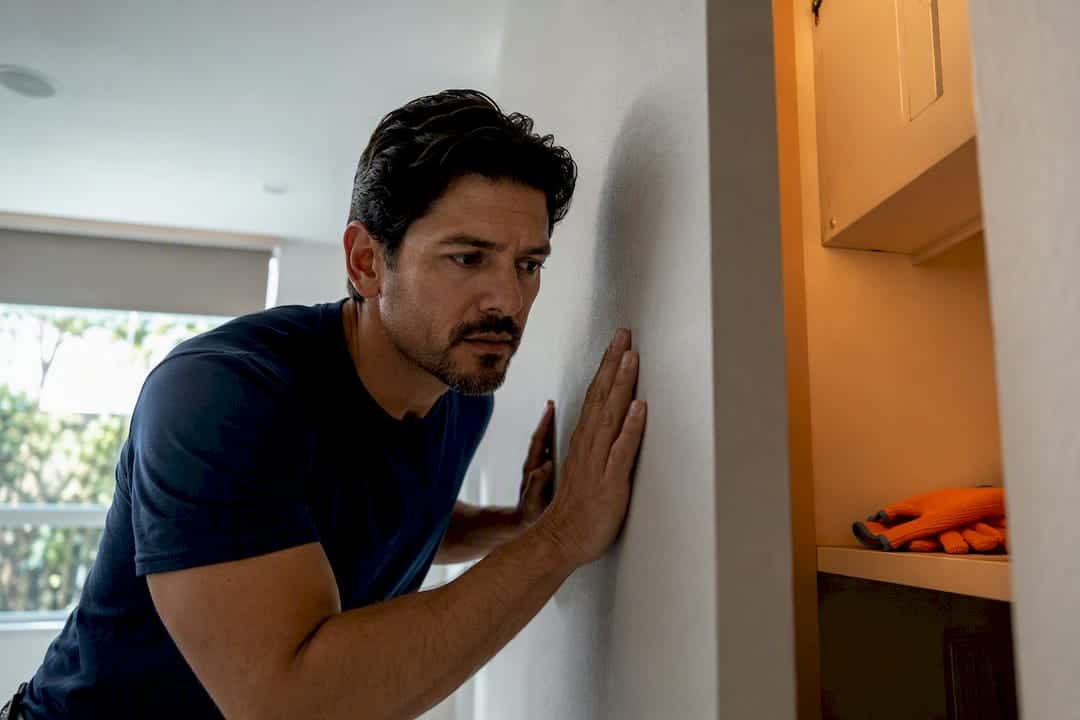
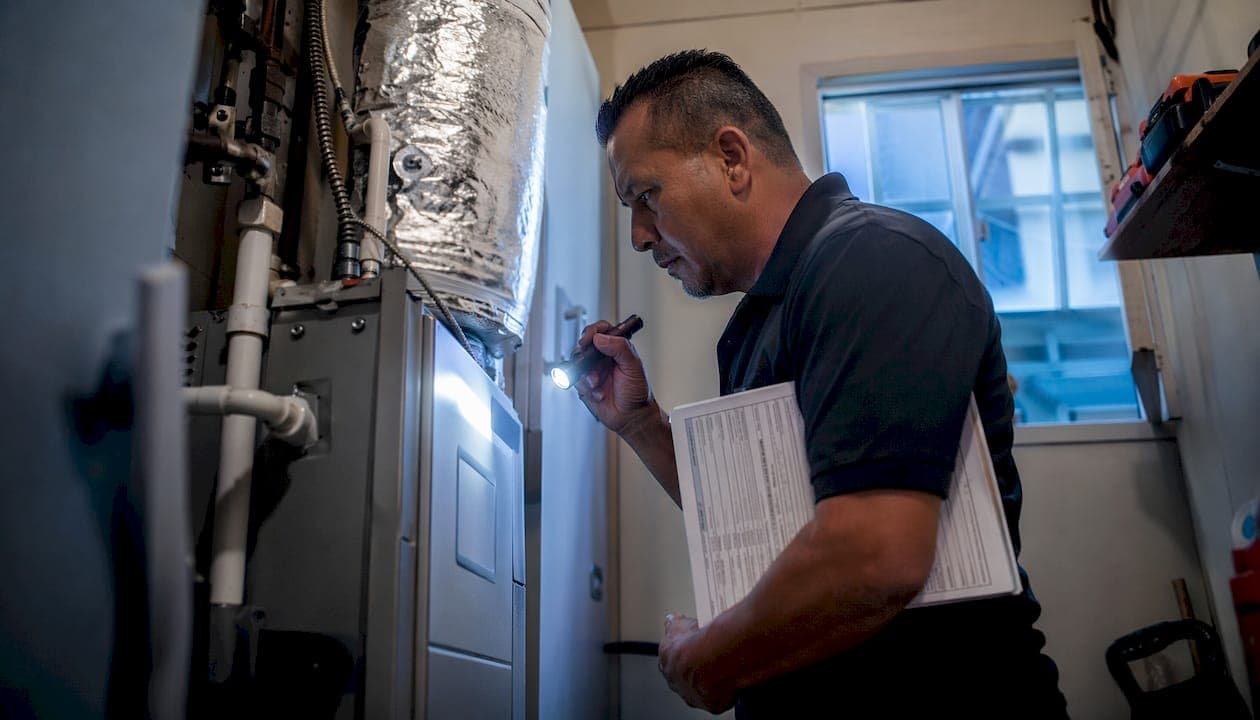
Your first job in any HVAC emergency is not to fix the system. It is to confirm the situation is safe. A calm, deliberate sensory sweep takes less than two minutes and can tell you whether you need a technician or an evacuation.
Work through these checks in order:
- Smell for gas. Natural gas has a distinct rotten-egg odor added by utility companies. If you detect it anywhere near your furnace, water heater, or outdoor unit, stop immediately.
- Smell for burning plastic or electrical odors. A sharp, acrid smell near the air handler or electrical panel signals a wiring fault or overheating component.
- Listen for unusual sounds. Loud banging, hissing, or a high-pitched screech from the unit are red flags, not background noise.
- Look for smoke, visible flames, or standing water. Any of these near HVAC equipment requires immediate action.
- Check your carbon monoxide detector. A CO alarm sounding near a furnace or heat pump is a life-safety event, not a nuisance alert.
If you detect natural gas or carbon monoxide, evacuate immediately and call 911. Do not flip light switches, use your phone inside the home, or attempt any repairs. Get everyone outside, including pets, and call your gas utility from the street.
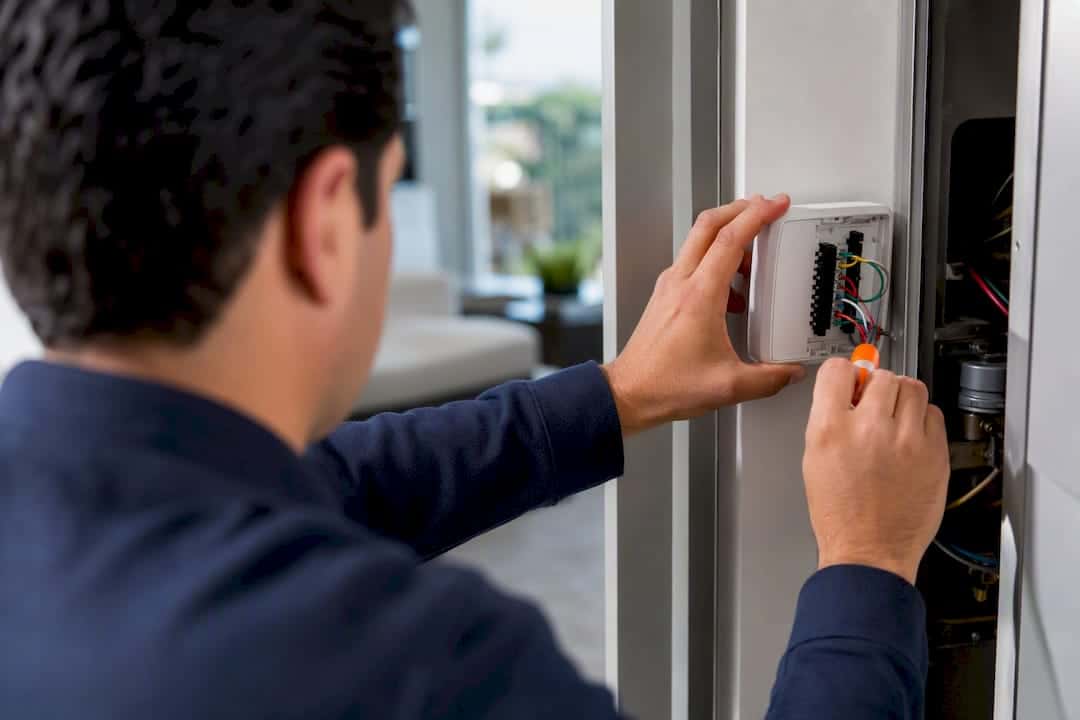
For electrical burning smells without gas, shut off power to the HVAC system at the breaker panel before doing anything else. The main disconnect is usually a dedicated 240-volt double-pole breaker labeled “AC,” “furnace,” or “air handler.” Turning it off removes the risk of electrical fire while you wait for help.
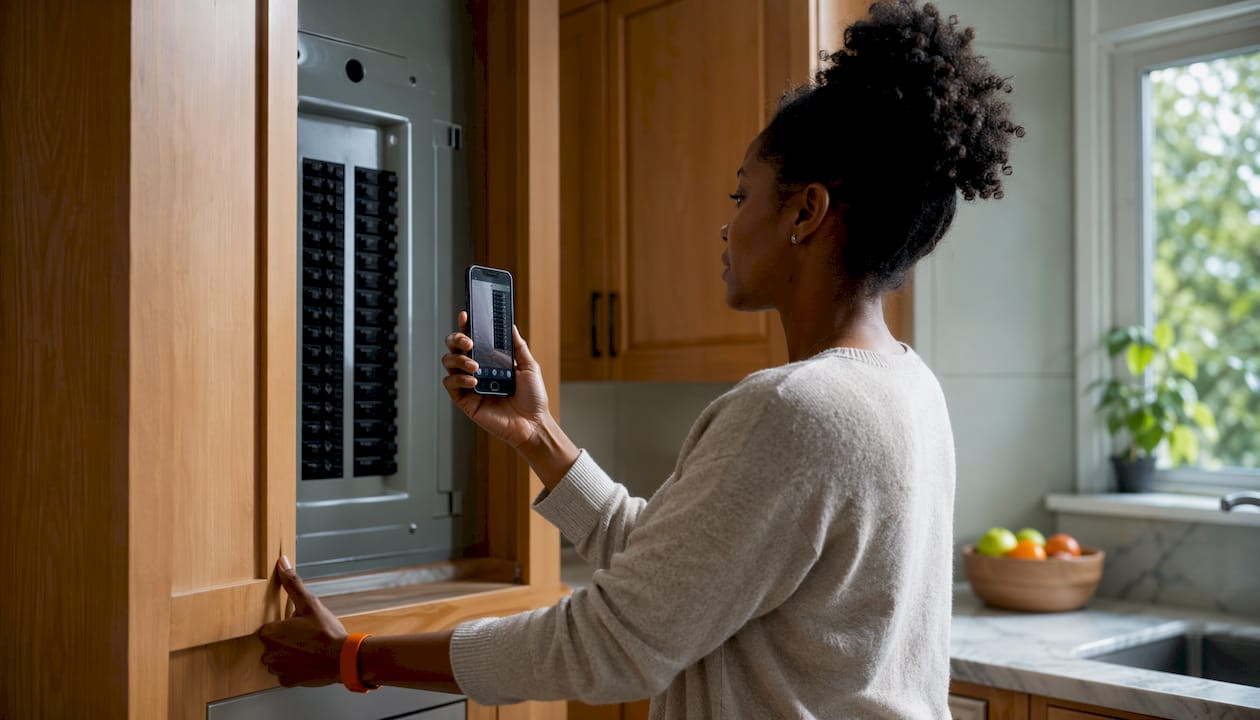
Pro Tip: Take a photo of your breaker panel layout now, before any emergency happens. Knowing exactly which breaker controls your HVAC unit saves critical minutes when you are stressed and the house is 95°F.
2. Which simple troubleshooting steps can homeowners try first?
Once you have confirmed there are no life-safety hazards, you can move through a basic heating and cooling checklist. These steps address the most common causes of HVAC failure and cost nothing to try.
- Check thermostat batteries. Dead batteries are one of the most common reasons a system stops responding. Replace them with fresh AA or AAA alkaline batteries and wait 60 seconds for the thermostat to reboot.
- Verify thermostat settings. Confirm the mode is set to “cool” in summer or “heat” in winter. Check that the temperature setpoint is actually calling for conditioning. A thermostat set to 78°F in a 76°F house will not run the system.
- Reset a tripped circuit breaker once. A tripped breaker is a common culprit. Flip it fully to the “off” position, then back to “on.” However, reset a breaker only once. If it trips again immediately, a serious electrical fault is present and you need a professional.
- Inspect and replace the air filter. Pull the filter from the return air grille or air handler cabinet. A clogged air filter restricts airflow so severely that the system overheats or freezes, triggering an automatic shutdown. If the filter looks gray and dense, replace it with the correct size before restarting.
- Clear debris from the outdoor unit. Walk outside and look at the condenser. Leaves, grass clippings, or overgrown shrubs blocking the unit prevent heat from escaping. Turn the system off, clear the area by hand, and wait 10 minutes before restarting.
- Check all supply and return vents. Closed or blocked vents create pressure imbalances that stress the system. Open every vent in the home and remove any furniture or rugs covering floor registers.
Pro Tip: Set a recurring phone reminder every 60–90 days to check your air filter. A clean filter is the single cheapest thing you can do to prevent an emergency call.
After completing these steps, give the system 5–10 minutes to restart and stabilize. If it still does not run correctly, move to the next phase of your HVAC emergency procedure.
3. What symptoms signal a true HVAC emergency?
Some HVAC failures are inconvenient. Others are dangerous. Knowing the difference helps you decide whether to wait for a next-day appointment or call for 24-hour emergency repair right now.
| Symptom | Risk Level | Recommended Action |
|---|---|---|
| Gas odor near furnace or lines | Life-threatening | Evacuate, call 911 and gas utility |
| Carbon monoxide alarm sounding | Life-threatening | Evacuate immediately, call 911 |
| Outdoor temp above 90°F, no cooling | High | Call emergency HVAC service |
| Outdoor temp below 32°F, no heat | High | Call emergency HVAC service |
| Loud banging, screeching, or grinding | High | Shut off system, call technician |
| Water actively flooding from unit | High | Shut off system, call technician |
| Rapid short cycling (on/off every few minutes) | Moderate | Call for same-day service |
| Warm air blowing from vents | Low to moderate | Try troubleshooting steps first |
HVAC professionals define the emergency zone as outdoor temperatures above 90°F or below 32°F. At those thresholds, indoor temperatures can become dangerous for children, elderly residents, and anyone with a medical condition within a few hours. Hollywood regularly hits and exceeds 90°F from june through september, which means summer AC failures almost always qualify as true emergencies.
Mechanical noises like banging, screeching, and grinding typically signal that a major component, such as a blower motor, compressor, or fan blade, is failing or has already failed. Running the system through those sounds accelerates the damage and turns a repair into a full replacement. Shut it off and call.
Water leaks near HVAC equipment indicate a blocked condensate drain or a refrigerant line issue. Left unchecked, standing water damages flooring, drywall, and insulation, and creates conditions for mold growth within 24–48 hours. This is not a “watch and wait” situation.
4. How to minimize damage while waiting for emergency HVAC repair
The window between discovering an HVAC failure and the technician’s arrival is when most secondary damage happens. A few deliberate steps protect your home and your family during that gap.
- Shut down the system if it is making unusual noises or leaking water. Running a damaged system forces components to work harder against a fault, which compounds the repair cost. The thermostat’s “off” setting is your best friend here.
- Use portable fans to circulate air in summer. Fans do not cool the air, but they move it across skin and create a wind-chill effect that makes a hot room feel several degrees cooler. Position box fans in windows to pull cooler outside air in during the evening hours, when Hollywood temperatures drop.
- Stay hydrated and move to the coolest room. In a summer failure, close blinds on south and west-facing windows to block direct sun. The lowest floor of the home retains the least heat. If temperatures inside climb above 85°F and you have vulnerable household members, consider moving to a neighbor’s home, a library, or a cooling center.
- Use space heaters cautiously in winter. A single 1,500-watt electric space heater can maintain a small room at a safe temperature. Keep it at least three feet from curtains, bedding, and furniture, and never leave it unattended.
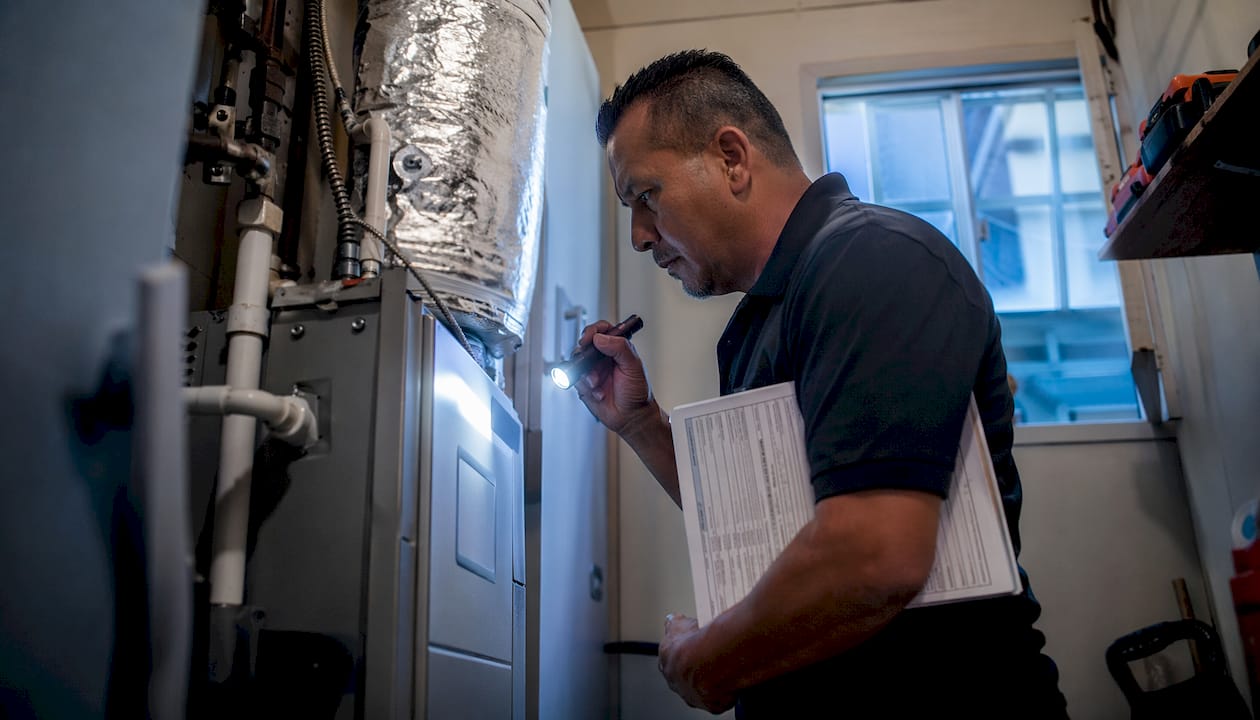
- Document everything before the technician arrives. Note the exact time the system stopped working, any sounds or smells you noticed, and what troubleshooting steps you already tried. Communicating symptoms, noises, and system model information to your HVAC technician speeds up diagnosis and reduces the time your home is without comfort.
- Locate your system’s model and serial number. These are printed on a label on the outdoor condenser and the indoor air handler. Having this information ready allows the technician to check parts availability before arriving, which can cut repair time significantly.
- Manage indoor air quality during a heating failure. If you lose heat in winter and use candles or a gas stove for warmth, you create carbon monoxide and fire risks that are more dangerous than the cold. Stick to electric options and keep the home ventilated.
For more guidance on what causes cooling failures during extreme heat, the LC Heating and Air Conditioning blog covers the most common reasons AC systems fail during Hollywood heatwaves and what homeowners can do about it.
Key takeaways
A Hollywood HVAC emergency is manageable when you follow a clear safety-first procedure: confirm no life-threatening hazards, work through basic fixes, recognize true emergency symptoms, and protect your home while waiting for professional help.
| Point | Details |
|---|---|
| Safety sweep comes first | Check for gas odors, CO alarms, burning smells, and water before touching anything. |
| 40% of calls are simple fixes | Dead batteries, tripped breakers, and dirty filters cause nearly half of all emergency calls. |
| Temperature thresholds define emergencies | Outdoor temps above 90°F or below 32°F make HVAC failure a health risk, not just an inconvenience. |
| Reset breakers only once | A second trip signals an electrical fault that requires a licensed technician, not another reset. |
| Document before calling | Noting symptoms, sounds, and model numbers helps technicians arrive prepared and repair faster. |
What I’ve learned after years of Hollywood HVAC emergencies
Most homeowners I talk to make the same mistake when their system fails: they panic and start pressing buttons. They reset the breaker three times, crank the thermostat to its lowest setting, and call for help without being able to describe what the system was doing. That panic costs time and money.
The sensory sweep is the most underused tool in any air conditioning emergency plan. Spending 90 seconds walking through your home with your eyes, ears, and nose before touching anything gives you real information. It also keeps you calm, because you are doing something purposeful instead of reacting.
The carbon monoxide risk is the one I stress most. Hollywood homeowners with older furnaces often have no CO detector installed, or they have one with a dead battery. A furnace with a cracked heat exchanger can flood a home with CO silently, with no smell and no visible sign. That is not a dramatic failure. It is a quiet one, and it is the most dangerous kind. Install a CO detector within 10 feet of every sleeping area and test it monthly.
One more thing: I see homeowners reset breakers repeatedly, thinking the third or fourth attempt will work. It will not. A breaker that trips twice is telling you something specific. Forcing it back on risks an electrical fire. Call a professional after the first reset fails.
Hollywood’s climate raises the stakes for every HVAC failure. The city sits in a basin that traps heat, and summer nights do not cool down the way they do in other parts of Los Angeles County. That means a system that fails at noon on a july Saturday is not going to get relief from cooler evening air. Plan accordingly, and do not wait to call for emergency HVAC service in Hollywood when temperatures are extreme.
— Leo
LC Heating and Air Conditioning is ready when you need help most
When your HVAC system fails and the basic checklist has not resolved the problem, you need a technician who knows Hollywood’s homes and climate.

LC Heating and Air Conditioning has served the Hollywood area for over twenty years, handling everything from historic bungalows with original ductwork to modern multi-zone systems. The team offers same-day and after-hours emergency response with flat-rate pricing, so you know the cost before any work begins. No surprise diagnostic fees. No pressure to replace a system that can be repaired. When you call, have your system’s model number, a description of the symptoms, and your troubleshooting steps ready. That preparation helps the team arrive equipped and resolve your emergency faster. Visit lahvaclc.com to request emergency service or schedule a same-day appointment.
FAQ
What counts as an HVAC emergency in Hollywood?
An HVAC emergency occurs when outdoor temperatures exceed 90°F or fall below 32°F and your system has stopped functioning. Gas leaks, carbon monoxide alarms, active water flooding, and loud mechanical noises also qualify as emergencies requiring immediate professional attention.
How many HVAC emergencies are caused by simple problems?
Nearly 40% of all emergency HVAC service calls are caused by basic fixable issues like dead thermostat batteries, tripped circuit breakers, or clogged air filters. Always work through a basic troubleshooting checklist before calling for emergency repair.
Can I reset my circuit breaker if my AC stops working?
Reset a tripped breaker once by flipping it fully off and then back on. If it trips a second time, stop. A repeated trip signals a serious electrical fault that requires a licensed HVAC or electrical professional.
What should I do if I smell gas near my furnace?
Leave the home immediately without touching any light switches or using your phone indoors. Call 911 and your gas utility from outside. Do not re-enter until emergency responders have cleared the building.
How can I help the HVAC technician fix my system faster?
Note the exact time the failure started, any sounds or smells you observed, and the troubleshooting steps you already tried. Locate your system’s model and serial number on the equipment labels. Sharing this information when you call reduces diagnosis time and gets your system running sooner.
Recommended
- emergency HVAC & 24-Hour AC Repair in Lo… | LC Heating & Air
- Top-Rated HVAC Service in Hollywood, CA | Fast AC & Heating Repair | LC Heating & Air
- Top-Rated HVAC Service in Hollywood Hills, CA | Fast AC & Heating Repair | LC Heating & Air
- AC Emergency Service Benefits Every LA Homeowner Should Know | LC Heating & Air
Leo, Owner & Lead Technician at LC Heating & Air
Leo leads LC Heating & Air as an owner-operator and holds California CSLB C-20 HVAC license #1073586. His guides focus on practical diagnostics, safe repair decisions, and clear advice for Los Angeles homeowners.