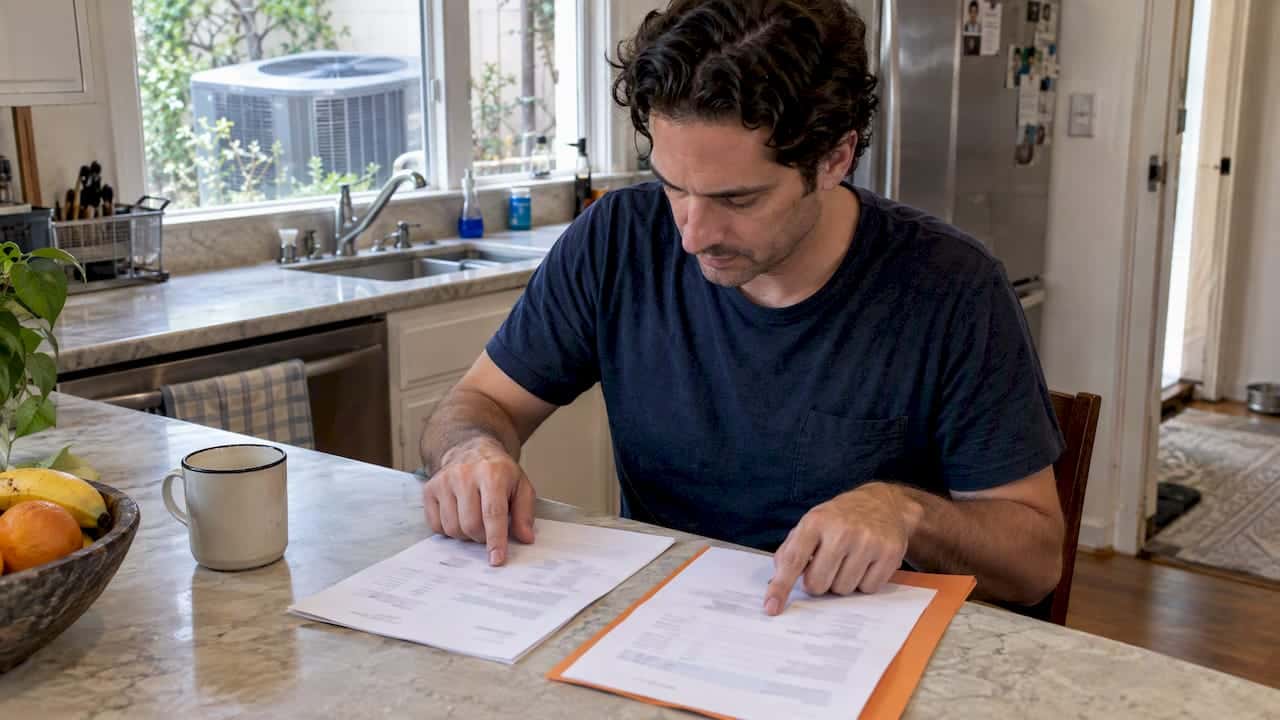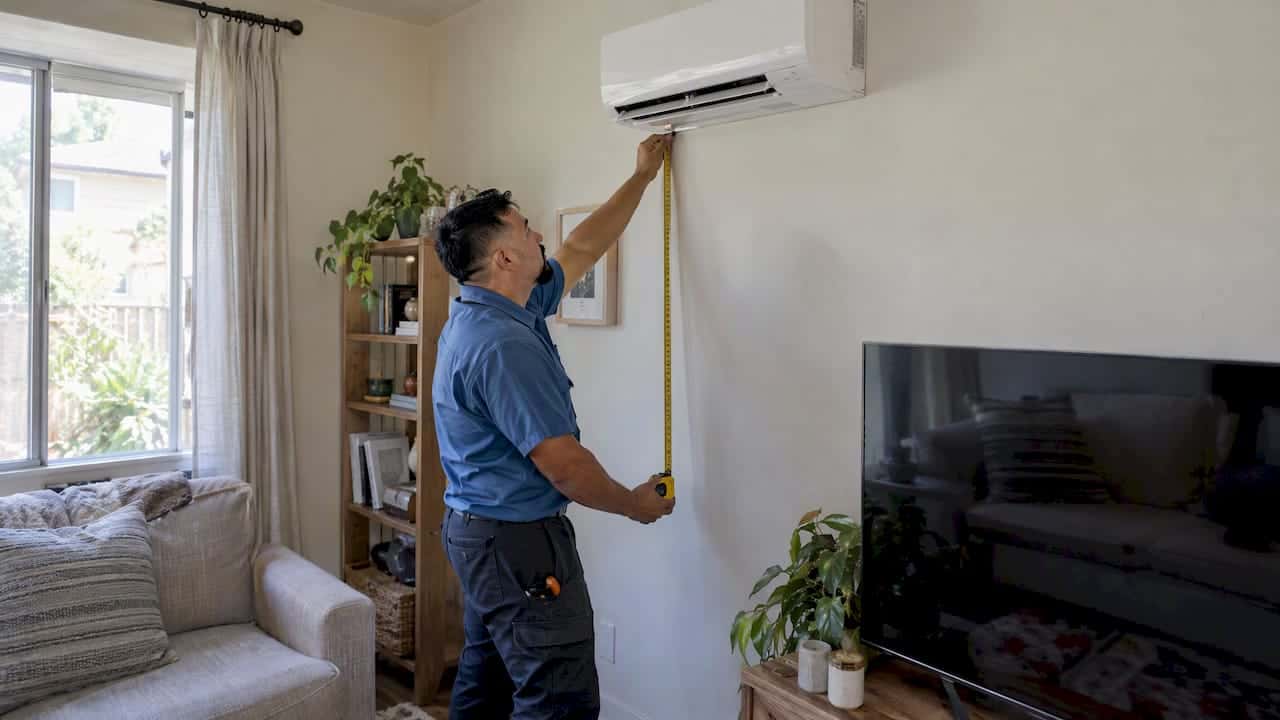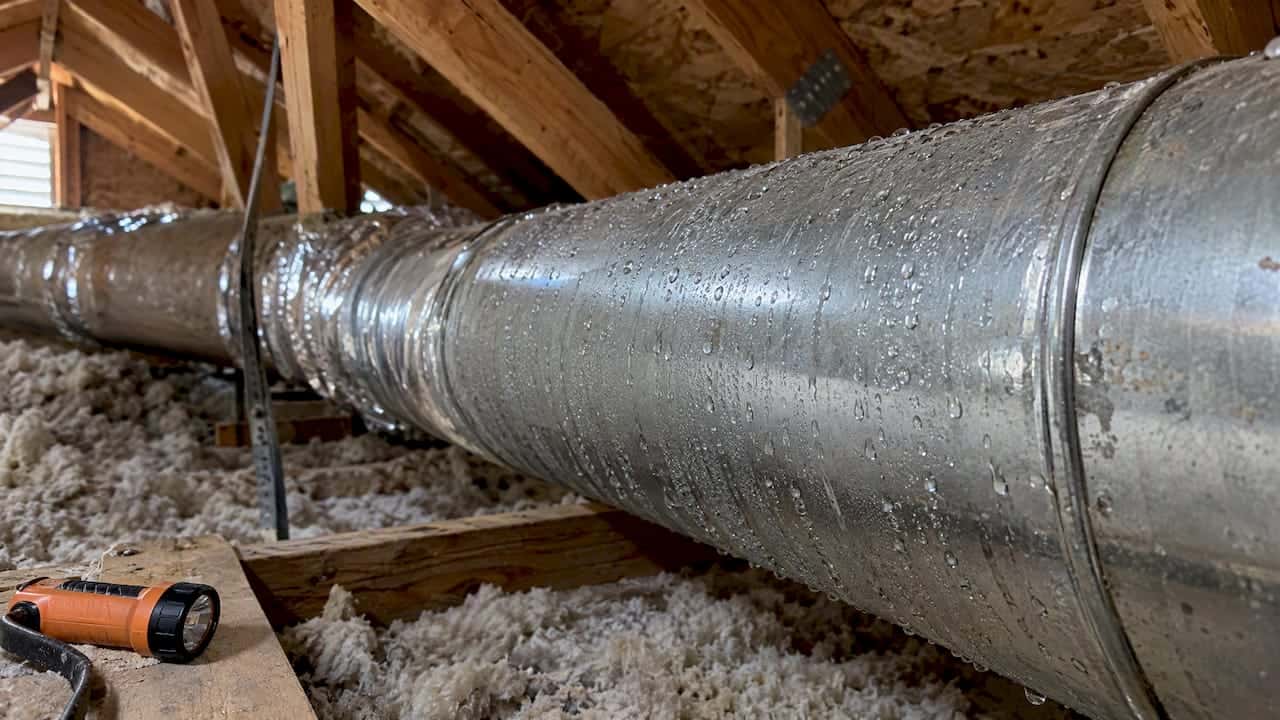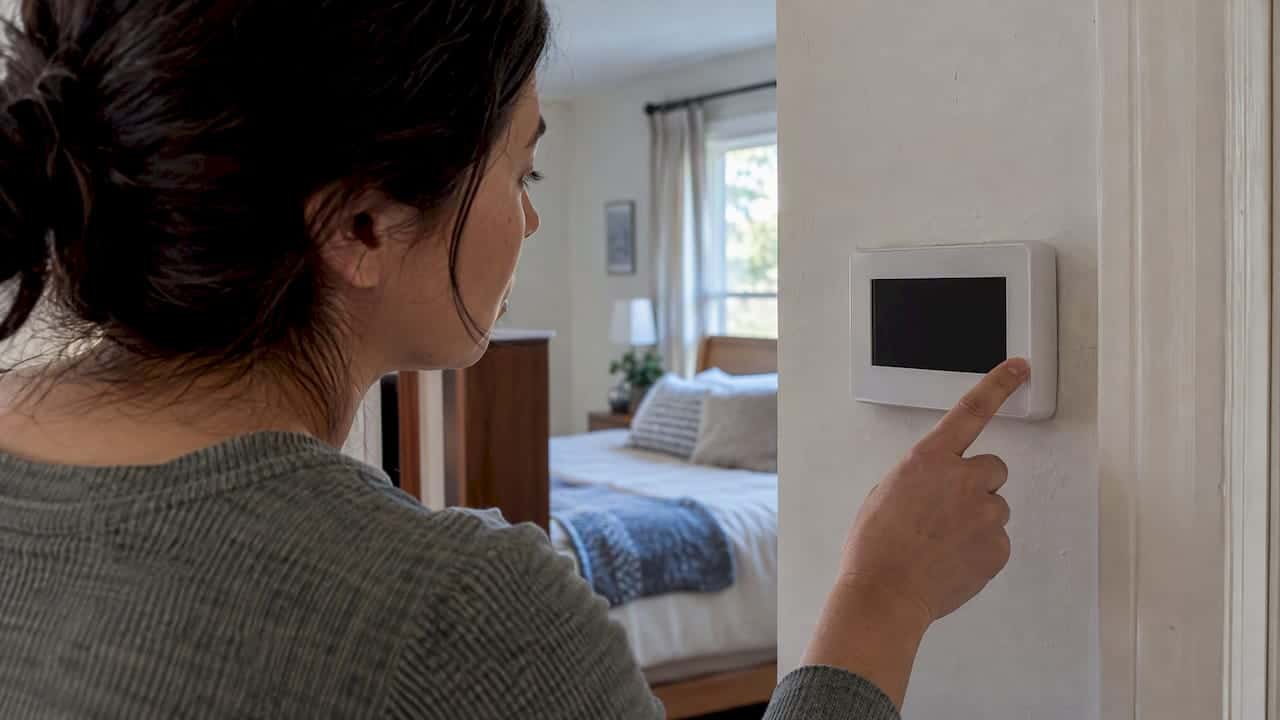
- 1. Types of HVAC warranty coverage: an overview
- 2. Manufacturer parts warranties: what they cover and what they don’t
- 3. Labor warranties: the coverage gap most homeowners miss
- 4. Extended HVAC warranties: when they make financial sense
- 5. Home warranty plans: broader coverage with real limitations
- 6. How to combine warranty types for maximum protection
- Key takeaways
- What I’ve learned after two decades of HVAC warranty conversations
- Get expert HVAC service and warranty support in Los Angeles
- FAQ
- Recommended

TL;DR:
- HVAC warranties consist of manufacturer parts, labor, extended plans, and home warranty coverage, each protecting different system aspects. Proper registration, understanding transferability, and layered protection ensure homeowners avoid unexpected repair costs and maximize coverage. Maintaining documentation and asking key questions before installation help secure comprehensive, reliable HVAC warranty protection.
Types of HVAC warranty coverage fall into four distinct categories: manufacturer parts warranties, labor warranties from your installer, extended warranties, and home warranty plans. Each one protects a different piece of your investment, and understanding where one ends and another begins is the difference between a covered repair and a surprise bill. Brands like Carrier, Trane, Goodman, and Rheem all structure their warranties differently, and the choices you make in the first 90 days after installation can determine how much protection you actually have. This guide breaks down every type so you can make confident decisions before something goes wrong.
1. Types of HVAC warranty coverage: an overview
HVAC warranty coverage is not a single document. It is a layered system of protections that work together, or leave gaps, depending on what you have in place. Most homeowners assume the paperwork that comes with a new Carrier or Trane system covers everything. It does not.
The four core types are:
- Manufacturer parts warranty: Covers defective components from the factory, such as compressors, heat exchangers, and coils
- Labor warranty: Covers the cost of the technician’s time to install or replace a covered part
- Extended warranty: Adds parts and labor coverage beyond the manufacturer’s standard period
- Home warranty plan: A broader annual service contract covering multiple home systems including HVAC
Each type has its own duration, cost, registration requirements, and exclusions. Knowing how they interact is what gives you real protection.
2. Manufacturer parts warranties: what they cover and what they don’t
A manufacturer parts warranty is the coverage that comes directly from the brand that built your HVAC equipment. It covers defects in materials and workmanship, not wear and tear, not labor, and not damage from outside sources.
Most major HVAC systems come with a two-tier structure: a 5-year base warranty that applies automatically, and a 10-year registered limited warranty that requires you to submit your system’s information online within 60 to 90 days of installation. That registration step is not optional if you want full coverage. Missing it means you revert to the shorter base term and lose five years of parts protection.
Here is what manufacturer warranties typically cover:
- Compressor (the heart of your AC system)
- Heat exchanger
- Evaporator and condenser coils
- Control boards and electrical components
- Some premium models from brands like Lennox and Carrier offer compressor coverage up to 20 years or lifetime on select units
Common exclusions include:
- Labor costs for any repair
- Refrigerant loss unless caused by a covered part failure
- Damage from improper installation or non-OEM parts
- Failures caused by lack of documented maintenance
Pro Tip: Register your system within 60 days of installation, not 90. Give yourself a buffer in case the manufacturer’s website has issues or your contractor is slow to provide the serial number.
| Component | Typical Base Coverage | Registered Coverage |
|---|---|---|
| Compressor | 5 years | 10 years (some up to lifetime) |
| Heat exchanger | 5 years | 10–20 years |
| All other parts | 5 years | 10 years |
| Labor | Not included | Not included |
Failure to maintain regular professional HVAC service can void your manufacturer warranty entirely. Filter changes, coil cleaning, and documented annual tune-ups are not suggestions. They are requirements written into most warranty contracts.
3. Labor warranties: the coverage gap most homeowners miss
A labor warranty covers the technician’s time to diagnose and replace a defective part. It is almost always provided separately by your installing contractor, not the equipment manufacturer. This is the coverage gap that catches homeowners off guard more than any other.
Without an explicit labor warranty, you pay out of pocket for the technician’s time even when the broken part itself is fully covered under the manufacturer warranty. Typical labor fees run $300 to $800 per repair visit. A covered compressor replacement still costs you hundreds of dollars if you have no labor warranty in place.
Standard labor warranties from HVAC installers run one to two years. Some contractors offer extended labor coverage of five or ten years at an additional cost, which is worth asking about before you sign any installation contract. The key points to understand:
- Labor warranties are issued by the installer, not the manufacturer
- Coverage typically starts on the installation date
- The warranty applies only to work performed by that contractor
- Labor warranties are generally not transferable when you sell your home
That last point matters a great deal if you plan to sell within the next few years. A buyer gets the manufacturer parts warranty (often transferable with a fee), but the labor warranty stays with you. Some contractors sell a premium transferable version, which can add value at resale and give buyers more confidence in the system.
Pro Tip: Before your installer leaves on day one, ask specifically: “What is your labor warranty, and is it transferable?” Get the answer in writing. A verbal promise is worth nothing when a compressor fails in year three.
4. Extended HVAC warranties: when they make financial sense
An extended warranty picks up where the manufacturer’s standard coverage leaves off. It adds parts and labor protection beyond the original warranty period, typically sold as a five or ten-year plan purchased at or shortly after installation.
Extended warranties cost between $300 and $1,000 for a single unit over five to ten years. Full-system plans covering both your AC and furnace run $600 to $1,200 depending on coverage length and the provider. That cost needs to be weighed against the realistic repair costs you might face once the manufacturer warranty expires.
Manufacturer-backed vs. third-party extended warranties
This distinction matters more than most homeowners realize. Manufacturer-backed extended warranties guarantee OEM parts and typically allow any authorized dealer to perform the repair. Third-party plans often use aftermarket parts, restrict you to a limited contractor network, and have more claim denials in practice.
| Feature | Manufacturer-backed plan | Third-party plan |
|---|---|---|
| Parts quality | OEM guaranteed | Aftermarket possible |
| Contractor choice | Any authorized dealer | Limited network |
| Claims reliability | High | Variable |
| Cost | Moderate to high | Lower upfront |
| Recommended | Yes | With caution |
Extended warranties make the most financial sense in these situations:
- You plan to stay in the home for more than seven years
- Your system is a premium brand with expensive proprietary parts
- You have low tolerance for unpredictable repair costs
- Your installer’s labor warranty expires before the manufacturer parts warranty does
Pro Tip: When buying an extended warranty, prioritize labor coverage over parts coverage. Parts are often cheaper to source. Labor is where the real cost sits.
You can browse HVAC equipment and pricing to understand what your system is worth protecting before committing to an extended plan.
5. Home warranty plans: broader coverage with real limitations
A home warranty plan is a renewable annual service contract that covers multiple home systems, including HVAC, plumbing, electrical, and appliances. It is not a replacement for a manufacturer warranty. The two serve entirely different purposes: manufacturer warranties cover factory defects, while home warranties cover repairs from normal aging and wear.
Home warranty plans for HVAC typically cost $400 to $800 per year, plus a service fee of $75 to $150 per repair visit. That fee applies every time a technician comes out, regardless of the repair size. The annual cost adds up quickly, and the coverage has meaningful limits.
Home warranty HVAC coverage generally caps repair payouts at $1,500 to $3,000 per incident. A full HVAC system replacement can cost $6,000 to $14,000, which means a home warranty will not come close to covering a full replacement. These plans are most useful for mid-life repairs on aging systems, not for catastrophic failures.
Common exclusions in home warranty HVAC coverage include:
- Ductwork and air handlers in some plans
- Preexisting conditions or known issues at time of purchase
- Failures caused by lack of maintenance
- Refrigerant costs beyond a set amount
- Code upgrades required during repair
Home warranties complement manufacturer and labor warranties well during the years after your original coverage expires. They are not a substitute for either. Think of them as a safety net for the middle years of your system’s life, when the manufacturer warranty has run out but the system is not yet old enough to justify full replacement.
6. How to combine warranty types for maximum protection
The smartest approach to HVAC protection is layering your coverage intentionally. No single warranty type covers everything, but the right combination leaves very few gaps.
Here is a side-by-side comparison of all four types:
| Warranty type | What it covers | Duration | Transferable | Registration required |
|---|---|---|---|---|
| Manufacturer parts | Defective parts only | 5–10 years (or more) | Often yes, with fee | Yes, within 60–90 days |
| Labor (installer) | Technician labor costs | 1–2 years standard | Rarely | No |
| Extended warranty | Parts and labor beyond standard | 5–10 years added | Varies by plan | Sometimes |
| Home warranty plan | Wear and tear, multiple systems | Annual renewal | Yes (new owner buys) | No |
A practical strategy for most homeowners looks like this:
- Register your manufacturer warranty within 60 days of installation
- Secure at least a two-year labor warranty from your installer in writing
- Ask about a five-year labor warranty if you plan to stay long-term
- Evaluate an extended warranty at purchase if your budget allows
- Consider a home warranty plan once your manufacturer coverage expires
Transfer filing must occur within 90 days of a home sale for most manufacturer warranties, and some brands reduce coverage to five years from the transfer date. If you are selling, disclose your warranty status to buyers and provide all documentation. It is a selling point that many homeowners forget to mention.
Pro Tip: Keep a dedicated folder, physical or digital, with your warranty registration confirmation, installation date, contractor contact, and all maintenance records. A missing tune-up receipt can be the difference between a covered claim and a denied one.
Staying current on HVAC maintenance through a professional plan is one of the most reliable ways to keep all your warranties valid and avoid claim denials.
Key takeaways
HVAC warranty protection requires four distinct coverage types working together: manufacturer parts, labor, extended, and home warranty plans, each filling a gap the others leave open.
| Point | Details |
|---|---|
| Register immediately | Submit your manufacturer warranty within 60 days to unlock 10-year parts coverage. |
| Secure labor coverage | Get your installer’s labor warranty in writing before they leave the job site. |
| Extended warranties favor OEM | Choose manufacturer-backed extended plans over third-party options for reliable parts and claims. |
| Home warranties have caps | Home warranty HVAC payouts top out at $1,500 to $3,000, far below full replacement cost. |
| Maintenance protects all coverage | Undocumented maintenance can void manufacturer, extended, and home warranty claims simultaneously. |
What I’ve learned after two decades of HVAC warranty conversations
After more than twenty years working with homeowners across Los Angeles, I can tell you that the most common warranty mistake is not missing registration. It is assuming the paperwork that came with the equipment covers the labor too.
I have seen homeowners with a perfectly valid Trane or Goodman parts warranty get a repair bill for $600 because nobody told them labor was excluded. The part was free. The technician’s time was not. That gap is entirely avoidable if you ask the right question before installation is complete.
The second thing I have learned is that extended warranties are worth the conversation, but not always worth the purchase. If you are buying a home in Los Angeles and you plan to stay for ten or more years, a manufacturer-backed extended plan on a high-end system makes sense. If you are likely to sell in five years, put that money toward a documented maintenance schedule instead. A clean maintenance record transfers better than a non-transferable labor warranty.
The home warranty question comes up a lot too. My honest view is that home warranties are useful for older systems in the $8,000 to $12,000 replacement range, where a mid-life repair covered at $2,000 genuinely saves you money. For a brand-new system with a full manufacturer warranty in place, a home warranty is mostly redundant for the first ten years.
What I always tell homeowners: ask your contractor three questions before they leave. What is covered under the manufacturer warranty? What is your labor warranty, and is it transferable? And what do I need to do to keep both valid? Those three answers will tell you more about your real protection than any brochure.
— Leo
Get expert HVAC service and warranty support in Los Angeles

LC Heating and Air Conditioning has been helping Los Angeles homeowners protect their HVAC investments for over twenty years. Whether you need help registering a new system, understanding what your current warranty covers, or filing a repair claim, our licensed technicians handle it with transparent, flat-rate pricing and no surprise fees. We offer same-day service across Los Angeles and can walk you through your warranty documentation on the spot. If your system needs a repair or inspection, book your service call today and get the honest answers you deserve from a team that puts your comfort first.
FAQ
What are the main types of HVAC warranty coverage?
The four main types are manufacturer parts warranties, labor warranties from your installer, extended warranties, and home warranty plans. Each covers a different aspect of your system, and most homeowners need more than one type for complete protection.
Does a manufacturer warranty cover labor costs?
No. Manufacturer warranties cover defective parts only. Labor costs for diagnosis and replacement are excluded, which is why securing a separate labor warranty from your installing contractor is so important.
How long do I have to register my HVAC warranty?
Most major brands require registration within 60 to 90 days of installation to unlock the full 10-year parts warranty. Missing that window reverts your coverage to the shorter 5-year base warranty.
Can I transfer my HVAC warranty when I sell my home?
Manufacturer parts warranties are often transferable, but require filing within 90 days of the sale and may reduce coverage length. Labor warranties are generally not transferable unless you purchased a premium transferable version from your contractor.
Is a home warranty plan the same as an HVAC manufacturer warranty?
No. A home warranty is a broad annual service contract covering wear and tear across multiple home systems. A manufacturer warranty covers factory defects in your specific HVAC equipment. The two serve different purposes and work best when used together.
Recommended
Leo, Owner & Lead Technician at LC Heating & Air
Leo leads LC Heating & Air as an owner-operator and holds California CSLB C-20 HVAC license #1073586. His guides focus on practical diagnostics, safe repair decisions, and clear advice for Los Angeles homeowners.