- What Is the Heat Pump Defrost Cycle?
- How the Defrost Cycle Actually Works
- Why Frost Forms Even When It’s Not Freezing Outside
- How Long Should a Defrost Cycle Last?
- Signs of Defrost Trouble You Shouldn’t Ignore
- Maintenance That Keeps Defrost Cycles Under Control
- What We See in the Field at LC Heating and Air Conditioning
- Our Take: Don’t Let Defrost Anxiety Override Common Sense
- Getting Your Defrost Cycle Checked
- Sources
- FAQ
- Recommended

Your heat pumps’ defrost cycle is a normal, automatic process that reverses briefly to melt ice off the outdoor coil, usually lasting somewhere between 3 and 15 minutes at a time. During defrost, you may notice steam, a pause in warm air, or the auxiliary heat kicking on, and all of that is expected. Call a technician if defrosts run long, repeat constantly, or leave the unit iced over instead of clear.
TL;DR:
- Demand-based defrost controls typically trigger shorter cycles of three to five minutes, reducing unnecessary defrosting compared to fixed timer systems.
- Frost can form on the coil even above freezing temperatures if humidity is high and outdoor temperatures drop below 42°F, especially in humid climates.
- Defrost cycles usually last between three and 15 minutes, but longer or more frequent cycles could indicate control, sensor, or airflow issues.
- Signs of defrost problems include ice accumulation, melted water refreezing, persistent indoor cooling drops, or cycles that run excessively long and repeat constantly.
- Regular maintenance, such as keeping clearance around the outdoor unit and cleaning coils, helps prevent frost buildup and keeps defrost cycles efficient.
What Is the Heat Pump Defrost Cycle?
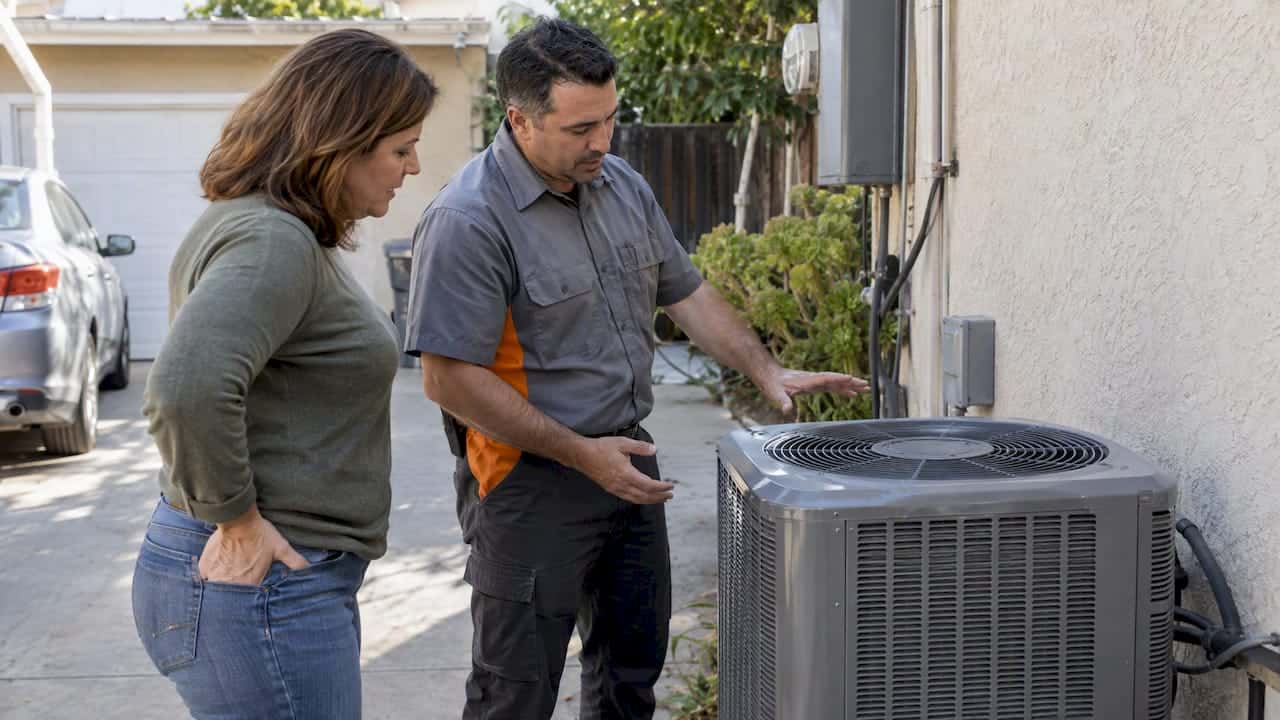
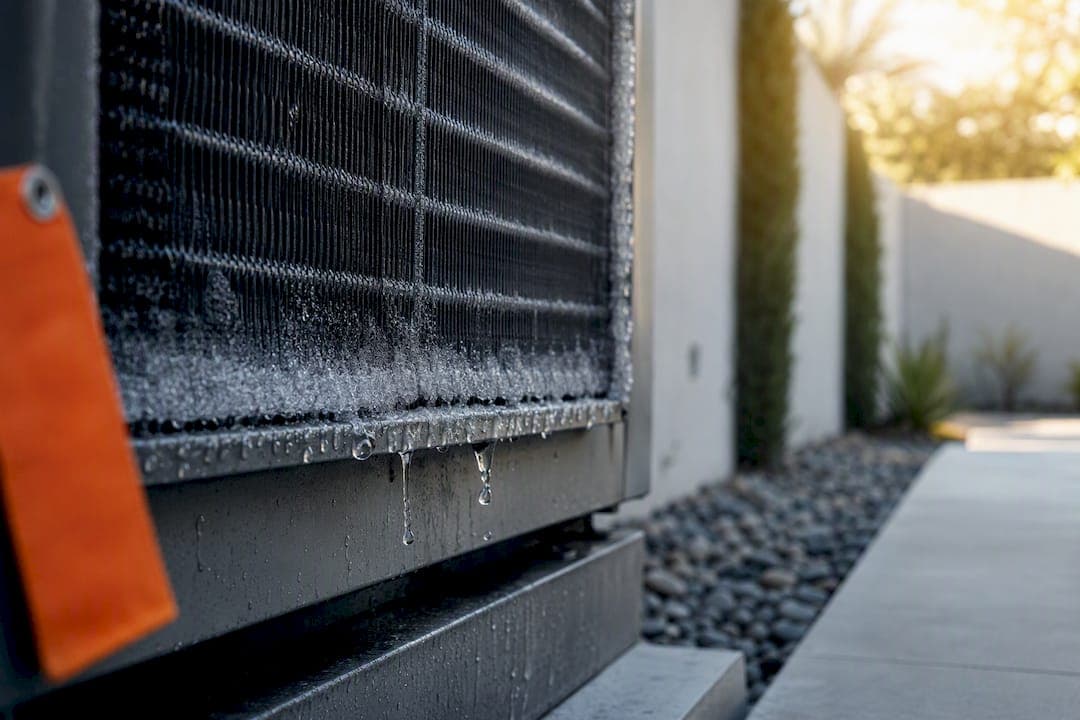
Your outdoor unit’s coil runs cold enough in winter to pull moisture straight out of the air, and that moisture turns to frost the moment it touches the metal. A thin layer might not hurt much, but frost buildup blocks airflow across the coil and cuts your system’s ability to absorb heat from outside air. That’s the whole reason the heat pump defrost cycle exists: it clears the coil so your system can keep pulling heat efficiently instead of straining against a block of ice.
While defrost runs, you’ll typically notice a few things happening outside:
- A cloud of steam rising off the outdoor unit as the ice melts
- The outdoor fan pausing or slowing down temporarily
- A brief change in the sound of the compressor
- Slightly cooler air from your indoor vents for a few minutes
None of that means something is wrong. It means the system is doing exactly what it’s designed to do.
How the Defrost Cycle Actually Works
Most residential systems use reverse-cycle defrost, which is the industry-standard method you’ll find in the majority of heat pumps installed today. Here’s the basic sequence:
- Sensors detect ice buildup on the outdoor coil, either through a timer, a temperature probe, or both.
- The system temporarily reverses the refrigerant flow, sending hot gas to the outdoor coil instead of the indoor one.
- That hot gas melts the frost off the coil surface within a few minutes.
- Once the coil warms past a set point, usually around 59°F, the system reverses back and resumes heating your home.
Some systems use hot-gas or refrigerant-injection defrost instead, which routes heated refrigerant directly to the coil without a full cycle reversal, and a smaller number rely on electric base-pan heaters to keep meltwater from refreezing. During any of these methods, your auxiliary electric heat often kicks in briefly to keep warm air flowing indoors while the outdoor unit is busy defrosting.
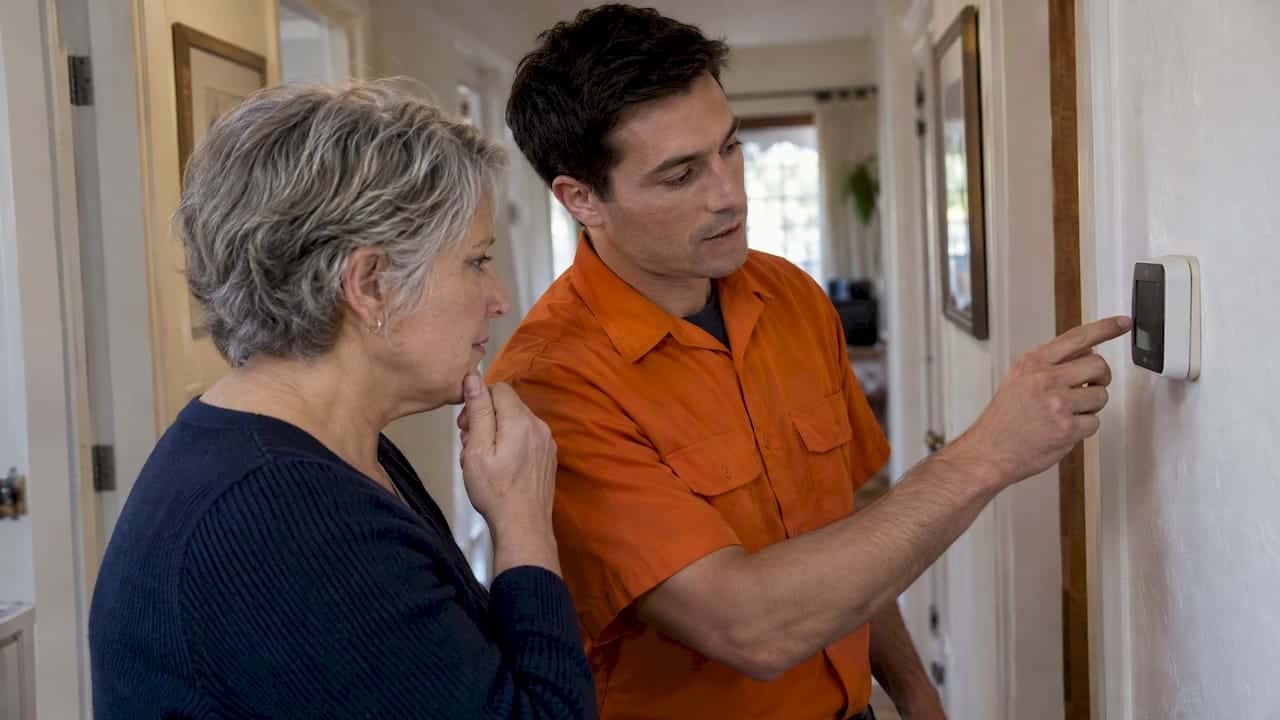
Pro Tip: If your indoor air feels cooler for a few minutes during a defrost cycle, check your thermostat display. Most models show an “AUX” or “EM Heat” indicator when backup heat is running, which confirms the system is working correctly, not struggling.
Why Frost Forms Even When It’s Not Freezing Outside
This trips up a lot of homeowners: your heat pump can ice over when the thermometer reads 40°F or even higher. The coil surface runs 10 to 20 degrees colder than the surrounding air, so it can sit below freezing even on a mild winter afternoon.
Humidity plays a big role too. When relative humidity climbs above roughly 60% and outdoor temperatures drop below about 42°F, frost forms faster and thicker on the coil. That’s why coastal and humid climates often see more frequent defrosting than dry, high-desert areas at the same air temperature.
You may have heard of the “20-degree rule,” which suggests a heat pump loses meaningful heating capacity once outdoor temps fall 20 degrees below the coil’s design point. It’s a useful rule of thumb, not a fixed law. Actual performance depends on your specific system, refrigerant charge, and how well the coil has been maintained.
How Long Should a Defrost Cycle Last?

A properly working defrost cycle usually finishes in about 5 minutes, with a normal range of roughly 3 to 15 minutes depending on how much frost has built up and which control method your system uses.
Two main control types decide how often that happens:
- Time-based controls trigger defrost at fixed intervals, say every 30, 60, or 90 minutes of compressor run time, regardless of how much frost is actually present.
- Demand-based controls use sensors to measure actual coil temperature or airflow restriction and only trigger defrost when it’s genuinely needed.
Demand-based systems tend to run shorter cycles of around 3 to 5 minutes because they’re not defrosting a coil that barely needs it. Time-based systems can run longer or more often simply because the timer says so, not because the ice justifies it.
Something is off if defrost cycles regularly exceed 15 minutes, repeat back to back without the system fully recovering, or happen every few minutes like clockwork. Any of those patterns points to a control or sensor problem worth having checked.
Signs of Defrost Trouble You Shouldn’t Ignore
Most defrost activity is harmless background noise in your heating season. But a few patterns mean it’s time to stop watching and start calling.
Normal behavior looks like:
- A brief steam cloud around the outdoor unit
- The AUX or EM Heat light flickering on for a few minutes
- A short pause in the outdoor fan or compressor
Warning signs that need attention:
- The outdoor unit is completely encased in ice rather than lightly frosted
- Meltwater refreezes on the cabinet instead of draining away
- Indoor heat noticeably drops and stays weak after defrost ends
- Defrost cycles run long or repeat constantly with no real recovery in between
The usual culprits behind these problems are restricted airflow from a dirty coil or blocked outdoor unit, low refrigerant charge, a stuck defrost thermostat, or a base pan that keeps refreezing meltwater instead of draining it. None of these are things you can diagnose by eye alone, and pushing a system to keep running through them tends to make the underlying issue worse.
Maintenance That Keeps Defrost Cycles Under Control
A little seasonal upkeep goes a long way toward keeping your defrost cycle short, infrequent, and doing its job quietly in the background.
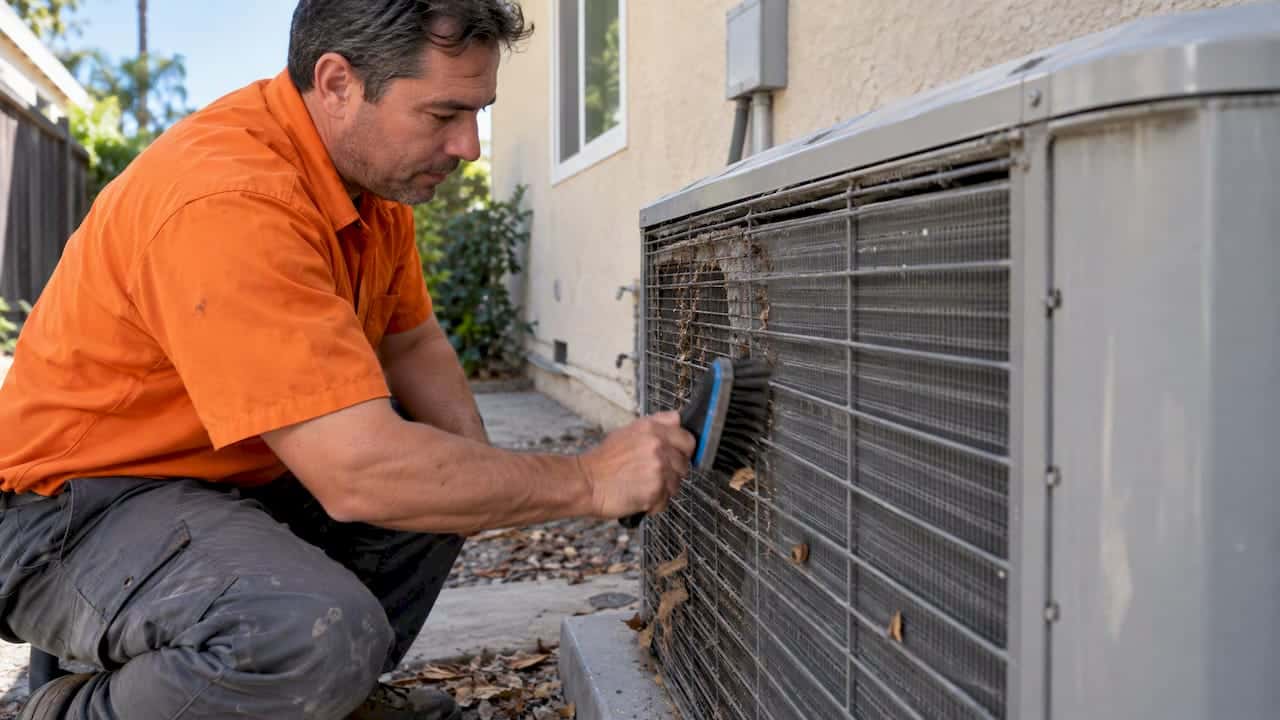
- Keep two feet of clearance around your outdoor unit, and clear away leaves, snow, or debris that block airflow.
- Check gutters and downspouts near the unit. Water dripping onto the coil area from above is a common cause of stubborn refreeze.
- Replace or clean your air filter monthly during heating season. Restricted indoor airflow puts extra strain on the whole system, defrost included.
- Set your thermostat fan to Auto, not On. Running the fan constantly during defrost pulls in cooler air unnecessarily.
- Schedule a professional tune-up once a year, ideally before the coldest stretch of winter hits.
Pro Tip: Never chip, scrape, or pour boiling water on iced-over coils yourself. You risk puncturing refrigerant lines or damaging fins, and neither problem is cheap to fix. A stuck defrost cycle is an electrical and refrigerant issue, not a DIY project.
If you notice ice building up faster than your system clears it, troubleshooting the outdoor unit yourself only gets you so far. That’s the point to bring in a technician.
What We See in the Field at LC Heating and Air Conditioning
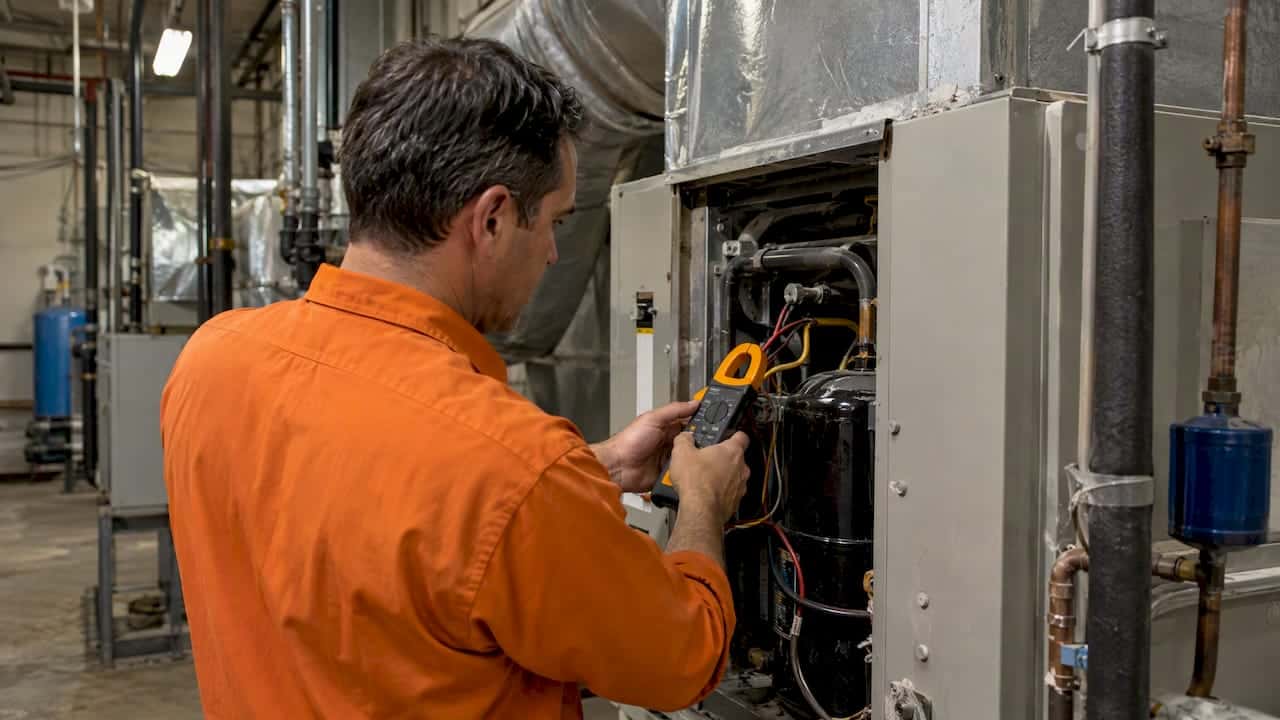
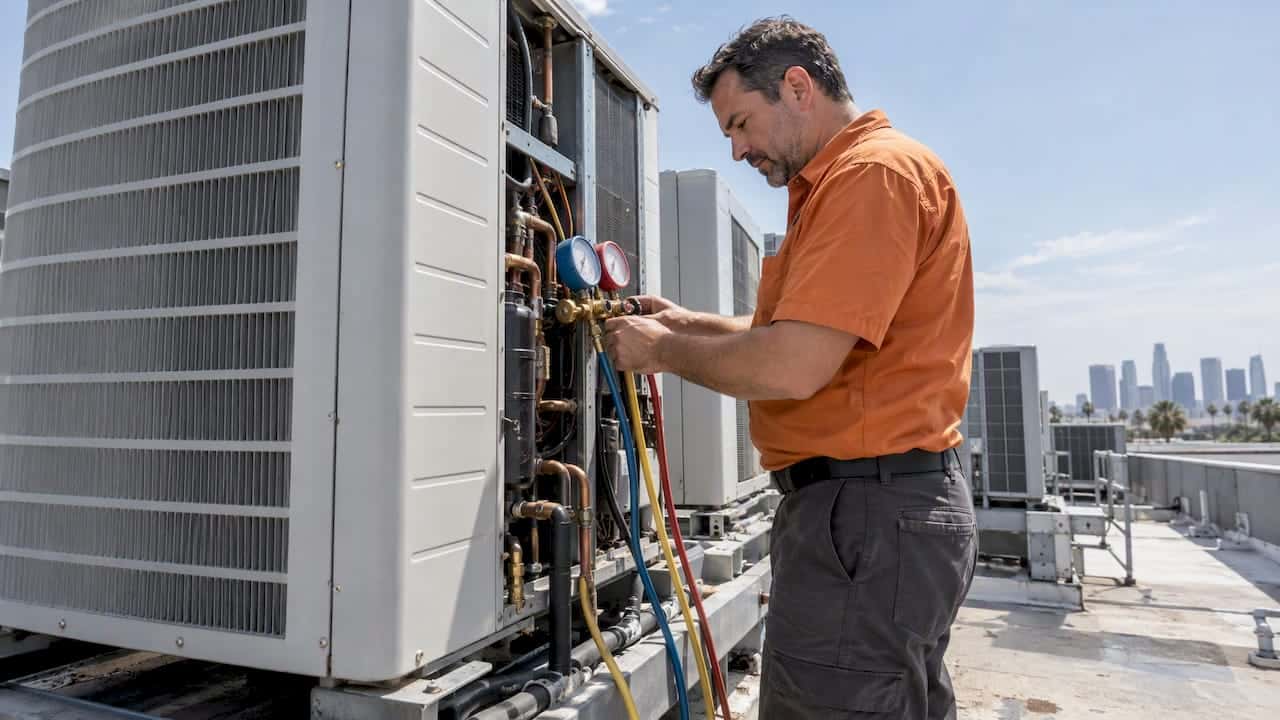
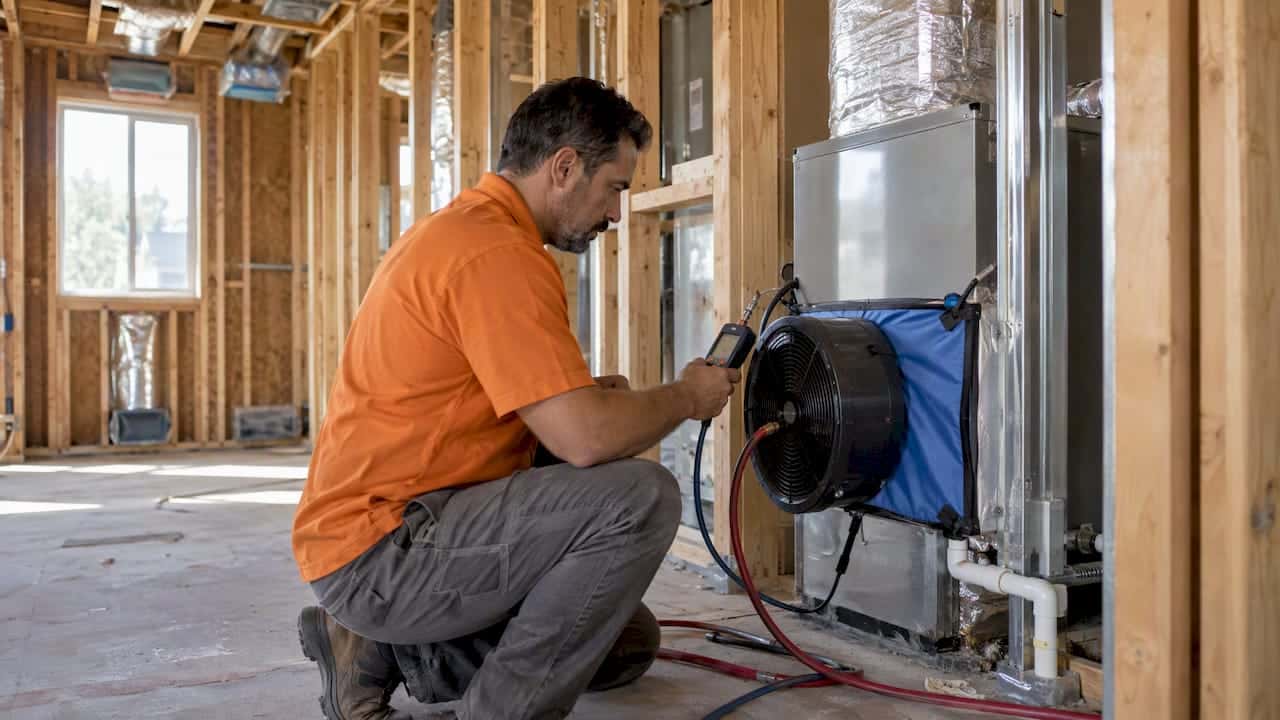
Most defrost complaints we run in Los Angeles homes trace back to one of three things: a defrost thermostat that’s stopped switching properly, a dirty outdoor coil restricting airflow, or a control board stuck on an aggressive timed schedule instead of sensing actual frost. A diagnostic visit usually pins down which one it is within the first hour on site.
- Defrost sensor or thermostat replacement
- Control board reprogramming toward demand-based defrost
- Coil cleaning to restore airflow
We quote flat-rate pricing before any work starts, so you know the cost up front, and we offer same-day service for systems that are icing over and losing heat right now rather than making you wait through a cold snap.
Our Take: Don’t Let Defrost Anxiety Override Common Sense
Homeowners tend to swing to one of two extremes with defrost cycles: ignoring genuine warning signs because “it’s probably normal,” or panicking over completely healthy steam and AUX heat activity. Both instincts miss what actually matters.

The conventional advice out there focuses heavily on minute counts, and that’s useful as a baseline, but duration alone doesn’t tell the whole story. A 12 minute defrost on a system that fully recovers and heats normally afterward is far less concerning than a 6 minute defrost that repeats five times in an hour. Frequency and recovery matter as much as raw length.
If there’s one thing worth prioritizing, it’s watching for patterns, not single events. One long defrost during a humid, 38 degree evening is unremarkable. Defrosts that keep repeating regardless of weather, or ice that doesn’t fully clear between cycles, point to a control or airflow issue that only gets more expensive the longer it runs unaddressed. Catch that pattern early, and you’ll spend far less fixing it.
— Leo
Getting Your Defrost Cycle Checked
If your heat pump has been icing over, running long defrosts, or losing heat mid-cycle, Experienced HVAC technicians can provide clear diagnostics and upfront pricing for heat pump repairs, helping you avoid unexpected costs.

Before you call, snap a photo of the outdoor unit and note what your thermostat shows when the problem happens, since that AUX or EM Heat indicator tells us a lot before we even arrive. We offer same-day service for units icing over right now, and a heat pump maintenance plan if you’d rather catch defrost issues before they start. Book a service call or explore our heat pump repair page to get a technician out to your home.
Sources
- Low‑Temperature Air‑Source Heat Pump (Building America / EERE)
- What Is a Heat Pump Defrost Cycle? - Trane
- Service manual excerpt (defrost control sequences and troubleshooting)
FAQ
How long should my heat pump be in defrost mode?
A normal defrost cycle lasts about 5 minutes, with a typical range of 3 to 15 minutes depending on frost buildup and control type. Anything regularly running past 15 minutes or repeating without recovery suggests a control or sensor problem.
What happens when my heat pump goes into defrost mode?
The system briefly reverses refrigerant flow to send heat to the outdoor coil, melting the frost that’s built up on it. You may see steam, hear the fan pause, and notice your auxiliary heat running to keep indoor air warm during the process.
How do I force a heat pump into a defrost cycle?
Most residential thermostats don’t give homeowners a direct way to trigger defrost manually. Technicians can initiate a forced defrost using a jumper or test switch on the control board, which is one of the diagnostic steps performed during a service call.
What is the 20-degree rule for heat pumps?
It’s a rough guideline suggesting a heat pump’s heating capacity drops meaningfully once outdoor temperatures fall about 20 degrees below its rated design point. It’s a useful reference, not a fixed threshold, since actual performance varies by system and maintenance condition.
Recommended
Leo, Owner & Lead Technician at LC Heating & Air
Leo leads LC Heating & Air as an owner-operator and holds California CSLB C-20 HVAC license #1073586. His guides focus on practical diagnostics, safe repair decisions, and clear advice for Los Angeles homeowners.