- What causes an AC to buzz: electrical and mechanical culprits
- Homeowner checklist: what to safely check before calling for help
- Why electrical and refrigerant work on a buzzing unit needs a professional
- How a technician diagnoses a buzzing AC
- Preventive maintenance that keeps buzzing from starting in the first place
- A measurement-first approach to a problem that sounds small
- Get your buzzing AC checked without the surprise fees
- FAQ
- Sources
- Recommended
AC Buzzing Noise? Homeowner Safety Checks and Flat Rate Diagnostics

A buzzing air conditioner most often points to an electrical-start problem like a failing capacitor or contactor, a mechanical issue with the condenser fan motor or compressor, or refrigerant-line vibration. If you hear a new or louder buzz, switch the system off, skip opening any panels, and note exactly when the sound happens so you can pass that detail to a technician.
TL;DR:
- A buzzing AC usually results from electrical faults like a failing capacitor or contactor, or mechanical issues such as a worn fan motor or refrigerant vibration.
- Homeowners can safely observe the start time of the buzz, fan operation, and any changes in cooling performance to help technicians diagnose the problem accurately.
- DIY repairs involving capacitors or wiring are dangerous because they involve energized components; only certified professionals should handle refrigerant or electrical work.
- Accurate diagnosis relies on measurements such as airflow, temperature differences, and refrigerant conditions, not just listening to the noise.
- Regular maintenance, including coil cleaning and line securing, helps prevent gradual failures that cause buzzing noises.
What causes an AC to buzz: electrical and mechanical culprits
A buzzing sound usually traces back to one of a handful of components, and the pattern of the noise often hints at which one. The DOE’s diagnostic framework notes that a buzzing air conditioner can stem from normal motor operation or from faults in the contactor, capacitor, condenser fan motor, compressor, wiring, airflow, refrigerant charge, or coils, which is exactly why guessing from sound alone rarely gets it right.
- A failing capacitor often produces a hum at startup while the outdoor fan sits still, even though the unit has power.
- A stuck or worn contactor or relay creates a steady electrical buzz tied to the system cycling on and off.
- Condenser fan motor bearing wear or a bent blade produces a mechanical buzz or grinding sound along with vibration.
- A compressor buzz tends to be deeper and more persistent, and it can signal serious internal stress.
- Refrigerant-line vibration or a restriction can create a tonal buzz that travels through the mounting brackets or ductwork.
- Loose wiring, a loose panel, or breaker and bus noise can also produce a buzz that sounds electrical in origin.
Because several of these faults can sound nearly identical, matching a noise to a cause by ear alone is a guessing game. That is one reason parts get swapped unnecessarily when the real fix lies elsewhere, something we cover in more depth in our capacitor symptoms guide and our breakdown of clicking versus buzzing noises.
Homeowner checklist: what to safely check before calling for help
You can gather useful information without ever removing a panel or touching an electrical component. A few minutes of careful observation can shave real time off a technician’s visit.
- Listen for when the buzz starts: at startup, continuously while running, or even after you shut the system off.
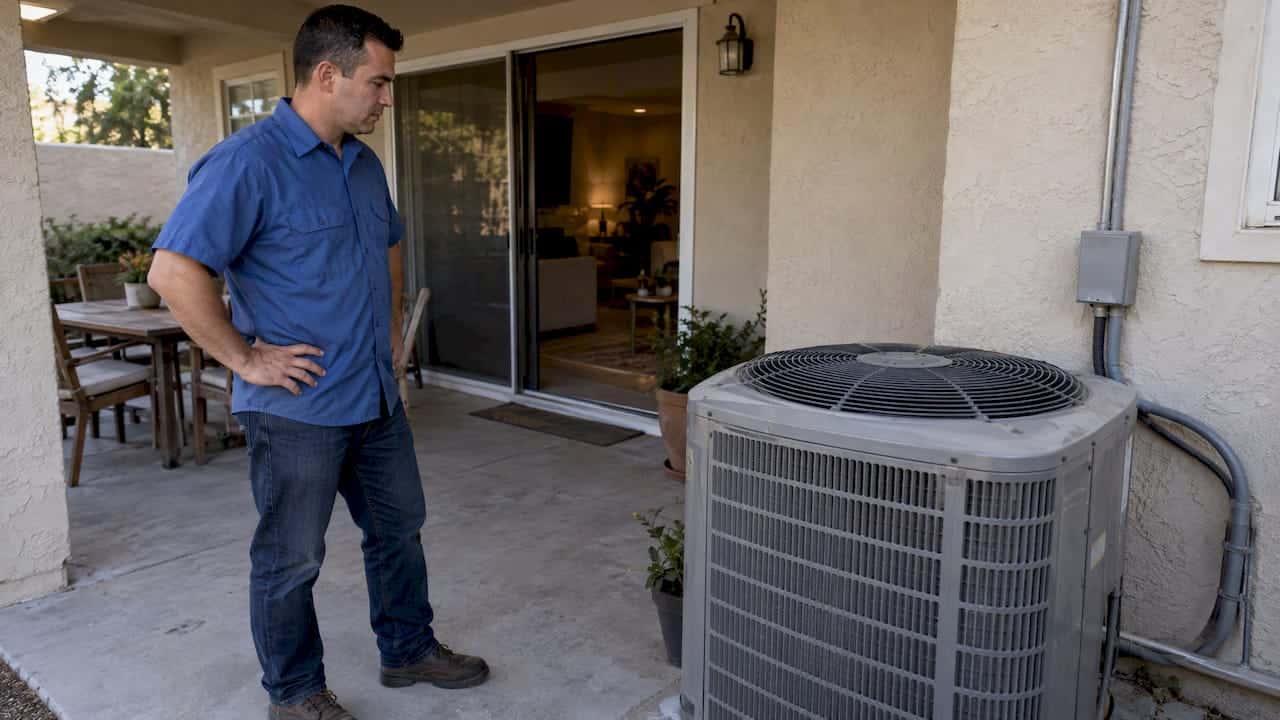
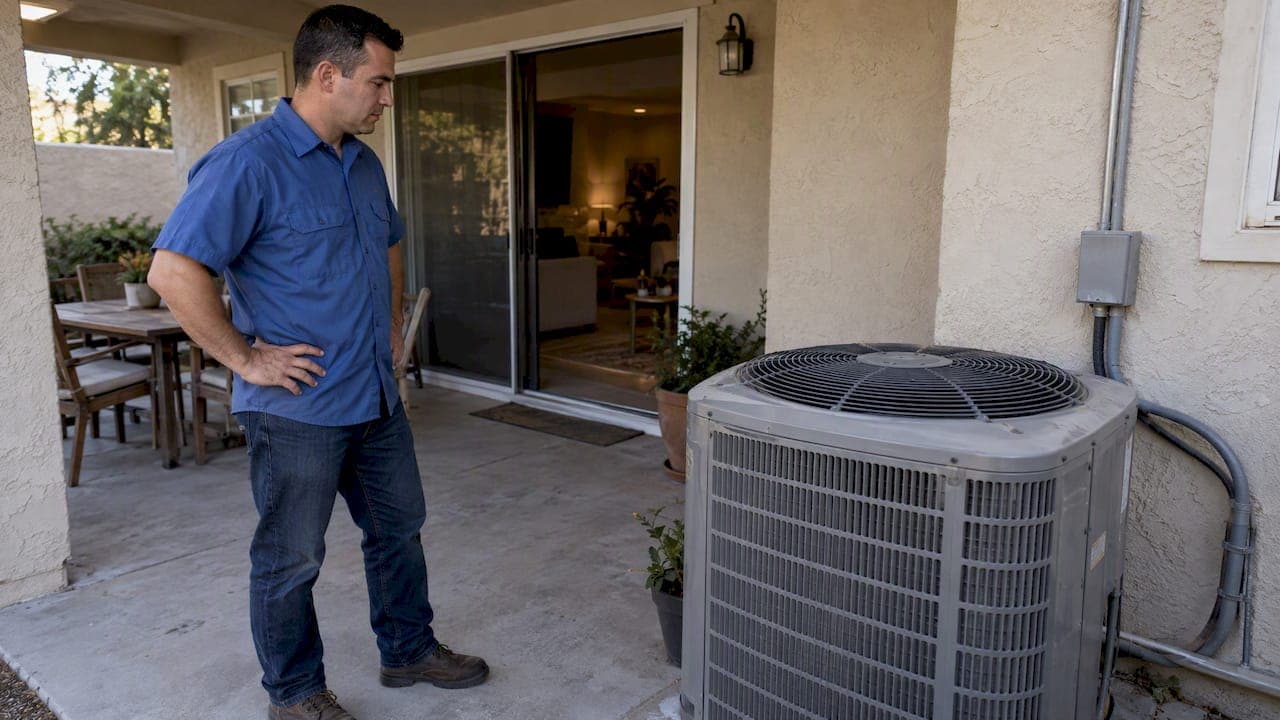
- Look at the outdoor unit from a safe distance to see whether the fan is spinning, iced over, or blocked by leaves or debris.
- Smell for anything like burning plastic or ozone, which signals a more urgent electrical issue.
- Check your breaker panel to see if anything has tripped, and note whether lights flicker when the AC cycles on.
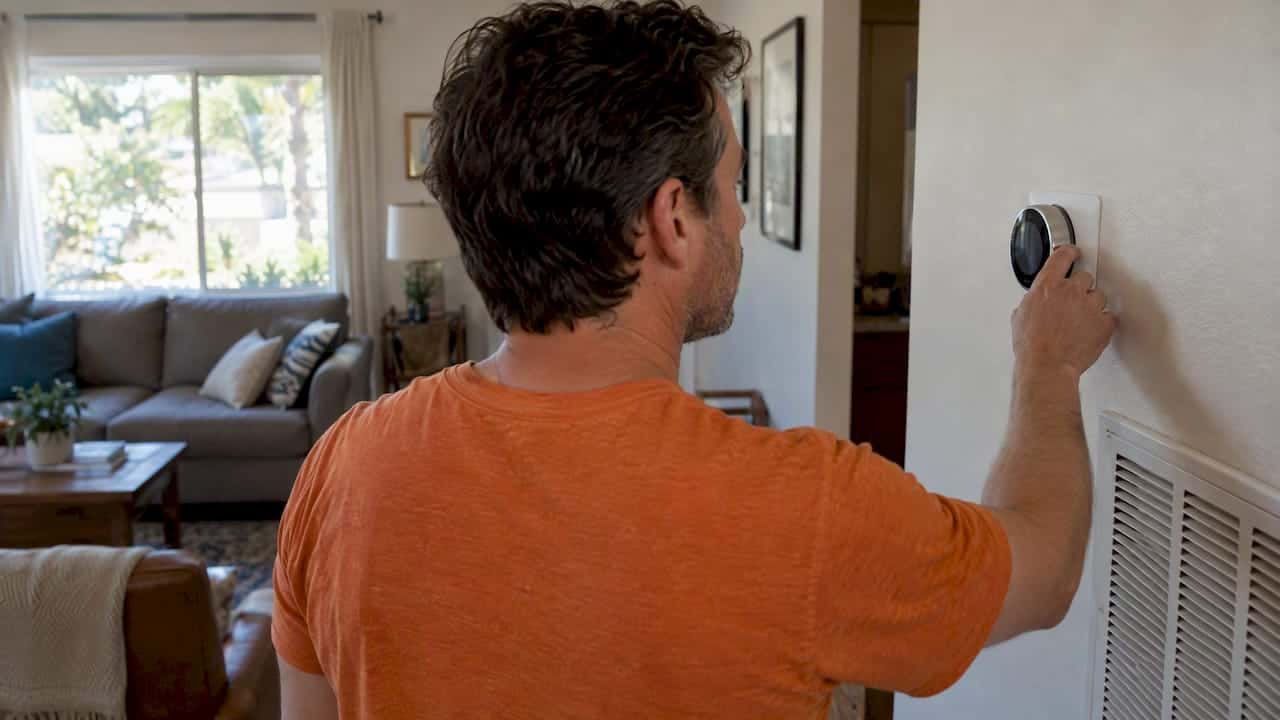
- Watch your thermostat and indoor vents to see whether cooling performance has changed alongside the noise.
Clearing visible debris around the outdoor unit or tightening an obviously loose, unpowered access screw is reasonable. Removing the cabinet panel or touching anything near the capacitor is not, since capacitors can hold a dangerous charge even with the unit off.
Pro Tip: Write down the exact time the buzz starts and stops relative to the thermostat cycling. That single detail often tells a technician more than a description of the sound itself.
The timing of the buzz, whether the outdoor fan turns, and any change in cooling are the details most useful for a technician trying to separate a control or start-component failure from a compressor or power problem. That short list of observations can turn a long diagnostic visit into a quick one. If the outdoor fan isn’t moving at all, our guide on an outside fan that won’t run walks through what that specific symptom usually means, and a tripped breaker deserves its own look through our breaker-tripping guide.
Why electrical and refrigerant work on a buzzing unit needs a professional
Capacitors store electrical energy even after the system is powered down, and that stored charge can deliver a serious shock if you touch the wrong terminal. Fans and compressors can also restart unexpectedly while you’re working near them, which is part of why OSHA’s lockout and tagout guidance exists for anyone servicing energized equipment.
- Capacitors, contactors, fan motors, compressors, and wiring are energized components, not safe targets for a homeowner repair.
- Lockout and tagout procedures call for de-energizing equipment or using a qualified person before anyone works near hazardous energy.
- EPA Section 608 requires certified technicians for any work that could release refrigerant, so adding refrigerant yourself is both unsafe and against federal rule.
- Incident reports from HVAC safety reviews document serious injuries from homeowners and workers reaching into moving fan or belt mechanisms.
The safe rule of thumb stays simple: observe, shut the system down if you notice burning smells or sparks, and book a certified technician for anything past the thermostat and breaker.
How a technician diagnoses a buzzing AC
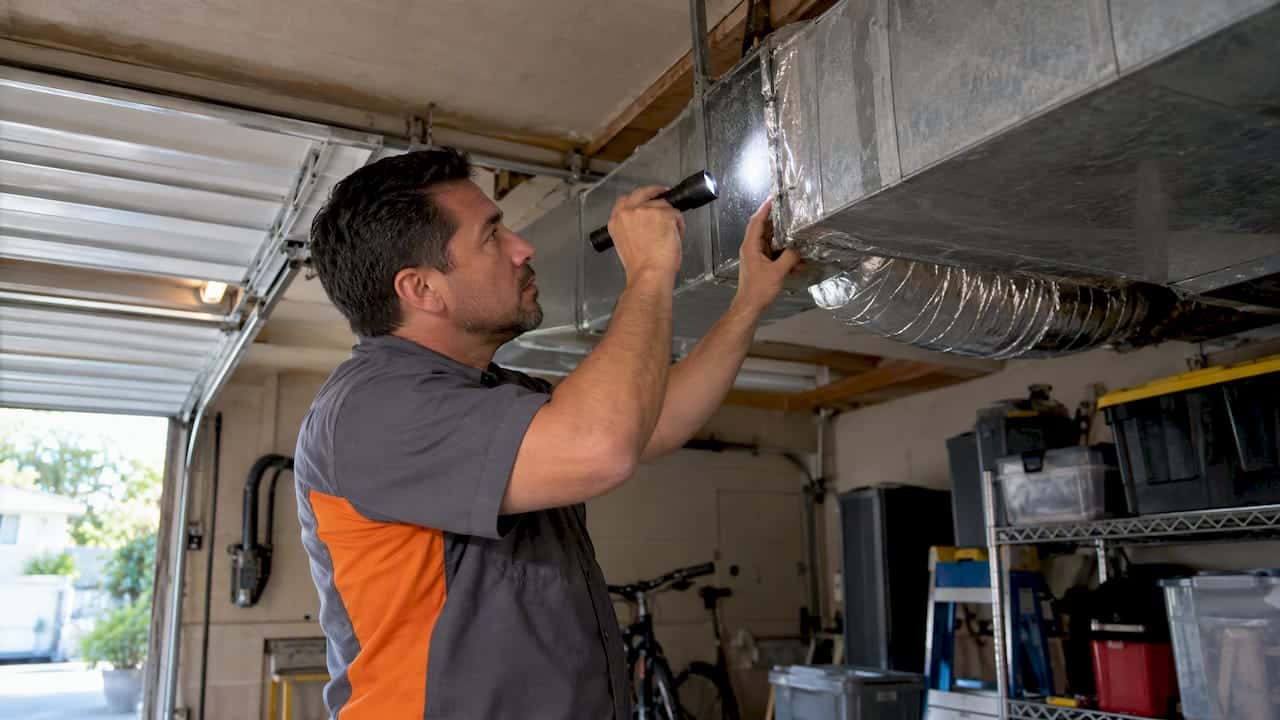
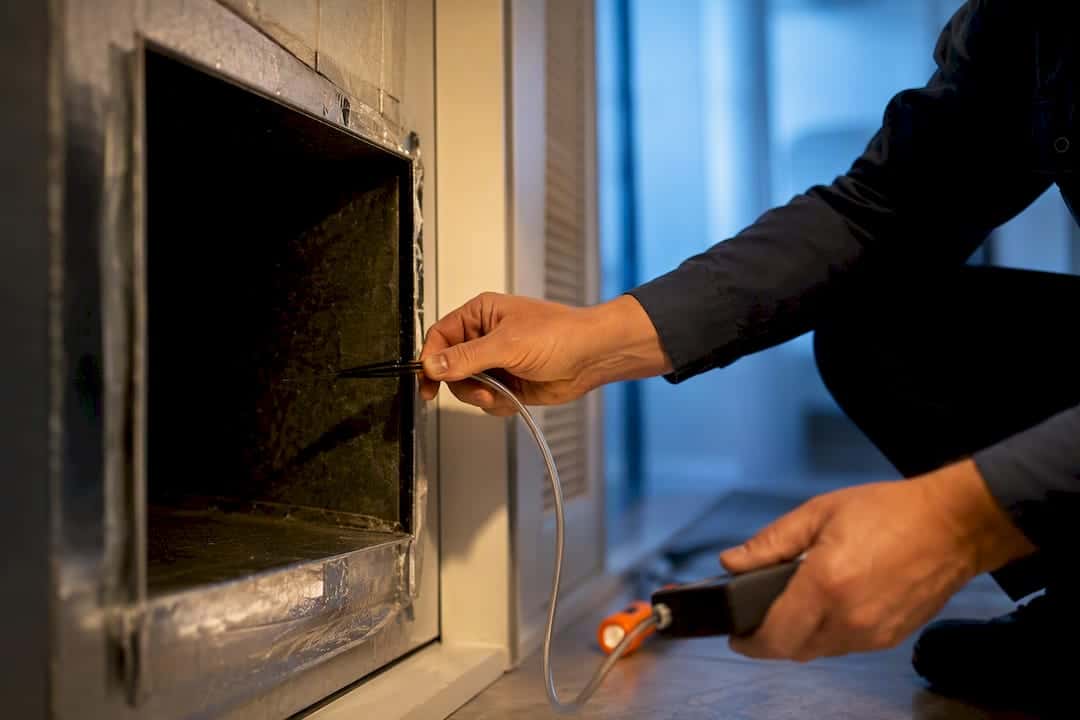
A thorough diagnosis follows a sequence rather than a single test, which is exactly why a measurement-based approach catches problems that a quick listen misses.
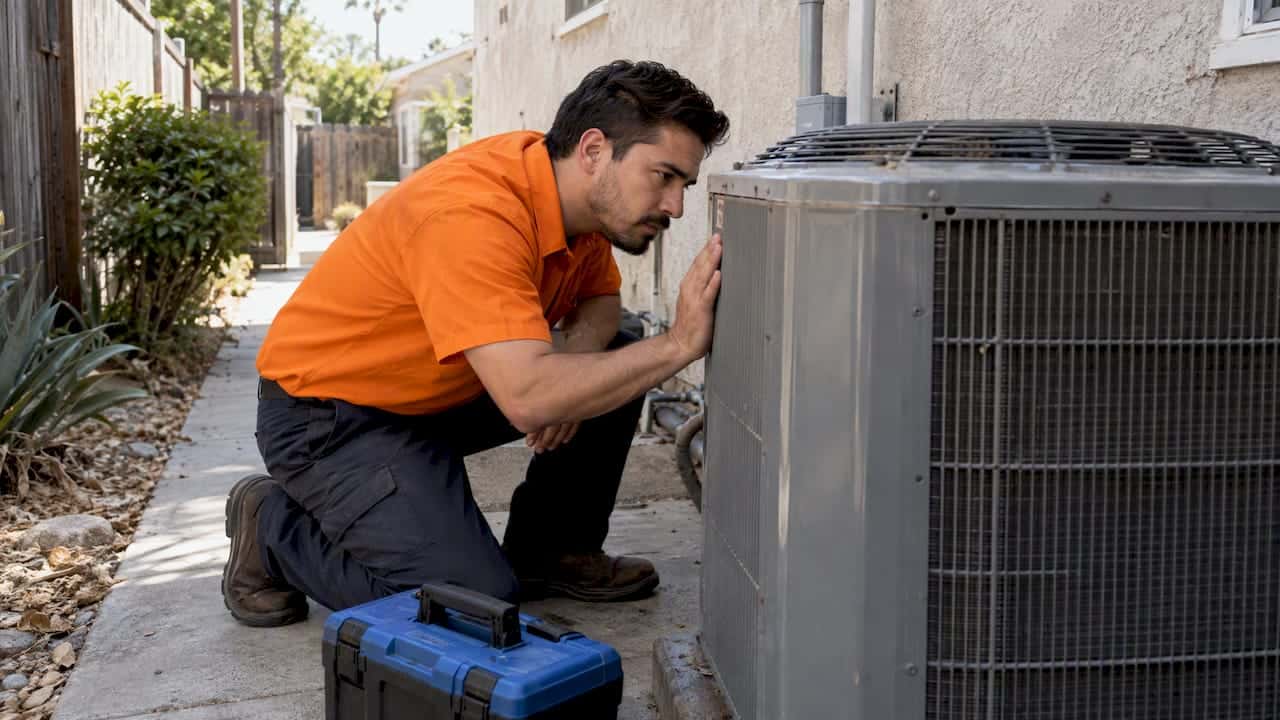
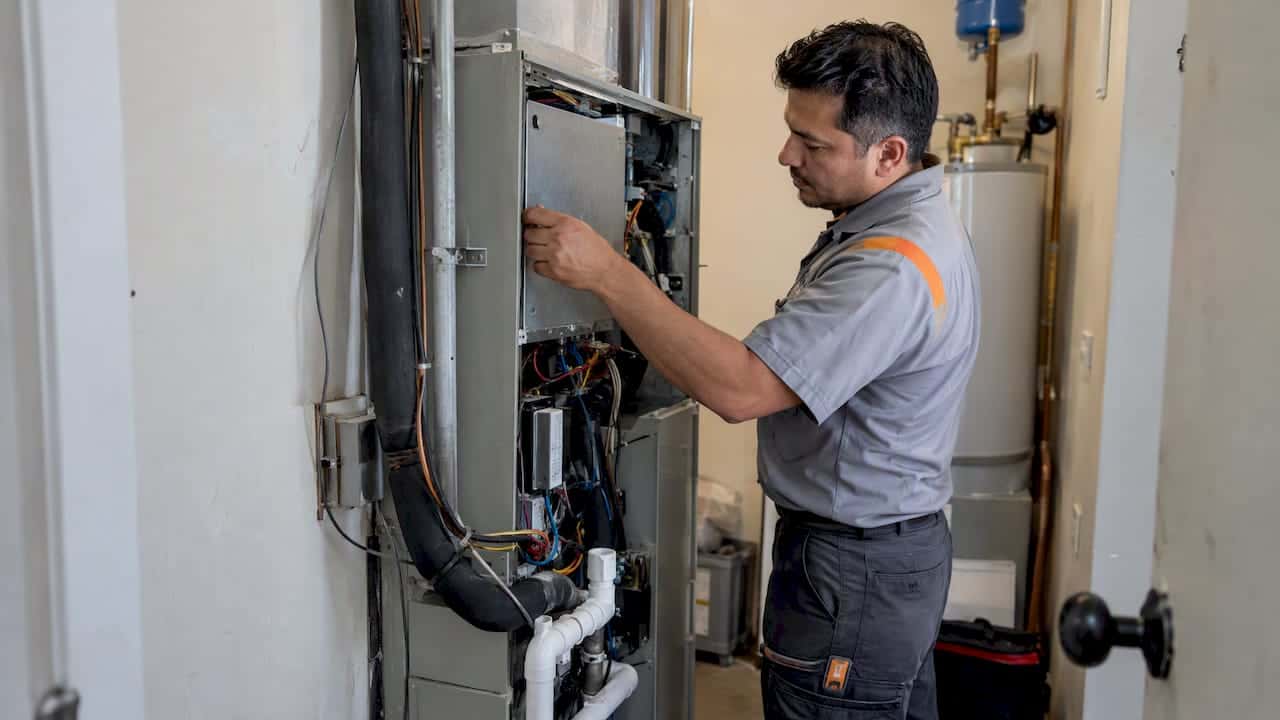
- A visual inspection checks wiring connections, the contactor, the capacitor, and the condenser fan mounts for looseness or corrosion.
- Airflow and temperature-split measurements come next, since Energy notes that airflow problems and refrigerant charge issues often show up together and can mimic each other.
- Subcooling, superheat, and compressor current readings follow, along with a comparison of condensing temperature against outdoor ambient temperature.
- Low airflow, generally below 300 to 350 cfm per ton, can throw off standard charge diagnostics entirely, so correcting airflow comes before touching the refrigerant charge.
Pro Tip: Ask any technician what they measured, not just what they replaced. A repair backed by a temperature split and a subcooling reading is far more likely to hold than one based on sound alone.
This inspect, measure, compare, repair, and retest sequence is the same workflow the DOE’s measure guide recommends, and it’s the difference between a fix that lasts and one that simply swaps a part and hopes.

Preventive maintenance that keeps buzzing from starting in the first place
Most buzzing failures build up gradually, which means routine care catches them before they turn into a breakdown.
- Clean condenser coils and change filters on schedule to keep airflow where it needs to be.
- Secure and cushion refrigerant lines and mounting brackets so vibration doesn’t transmit into walls or ductwork.
- Have capacitors, contactors, and wiring connections checked during seasonal tune-ups rather than waiting for a symptom.
- Keep the area around your outdoor unit clear of leaves, dirt, and overgrown plants that restrict airflow.
A scheduled maintenance visit catches a weakening capacitor or a loosening mount long before it becomes a buzzing noise that disrupts your whole system.
A measurement-first approach to a problem that sounds small
A buzzing AC is easy to dismiss until it isn’t, and we’ve seen homeowners wait through a full heat wave on a noise that a diagnostic visit at an affordable flat rate would have caught early. Over twenty years of working on Los Angeles homes, from older properties with original ductwork to modern multi-zone heat pump and mini-split systems, has taught us that a sound alone never tells the whole story. We lean on measured readings, not guesswork, because a compressor swap for what turns out to be a loose fan mount costs you money and buys you nothing.
— Leo
Get your buzzing AC checked without the surprise fees
We are experts in heat pumps, mini split systems, and commercial and VRF systems, and that same measurement-first approach carries into every AC repair we handle. A flat-rate service call gets a technician to your door the same day in most cases, with a diagnosis based on actual readings rather than a guess from the noise alone.

- Service call and diagnostic priced at a flat rate, so there’s no surprise fee waiting at the end of the visit.
- AC repair and heat pump or mini-split service for buzzing, grinding, or humming noises of any kind.
- An HVAC maintenance plan, priced from $180 to $250 per year, to catch a failing capacitor or loose mount before it buzzes at all.
If burning smells or sparking have you concerned about your electrical panel generally, this overheating-appliance safety guide covers shutdown steps that apply beyond just HVAC equipment. When you’re ready, book your service call and we’ll get a technician out with the right measurements in hand.
FAQ
What does a bad AC compressor sound like?
A failing compressor tends to produce a deep, persistent buzz or a rattling, clanking sound rather than a light hum, especially when it struggles to start. That kind of noise is a strong reason to shut the system off and call a technician rather than let it keep cycling.
What is the $5,000 rule for HVAC?
This is an informal guideline some technicians use to decide between repairing and replacing a system: if the estimated repair cost multiplied by the system’s age is high, replacement often makes more financial sense. Definitions vary by contractor, so treat it as a rough gut check rather than a fixed industry standard.
What is the 3 minute rule for air conditioners?
This refers to giving a compressor about three minutes to equalize internal pressure before restarting it after a shutoff, which protects the compressor from strain. Many modern thermostats and control boards build this delay in automatically, so you may never notice it happening.
Why is my outdoor AC making noise?
Outdoor buzzing commonly comes from a failing capacitor, a worn condenser fan motor, debris caught in the fan, or loose panels and mounting brackets. If the outdoor fan isn’t turning at all while you hear the buzz, that combination usually points to an electrical start component rather than a simple obstruction.
Sources
- Measure Guideline: Air Conditioner Diagnostics, Maintenance, and Replacement
- OSHA standard interpretation on hazards and troubleshooting
- Section 608 technician certification requirements
- Guidelines on Airflow and Refrigerant Charge Verification and Diagnostics
- HVAC incidents and safety OE-3
Recommended
Leo, Owner & Lead Technician at LC Heating & Air
Leo leads LC Heating & Air as an owner-operator and holds California CSLB C-20 HVAC license #1073586. His guides focus on practical diagnostics, safe repair decisions, and clear advice for Los Angeles homeowners.