LC Heating & Air provides honest, code-compliant HVAC installation services for Culver City homes. We prioritize proper system sizing, ductwork integrity, and thorough commissioning to ensure your system performs as expected for years to come.
HVAC Repair & Service in Culver City
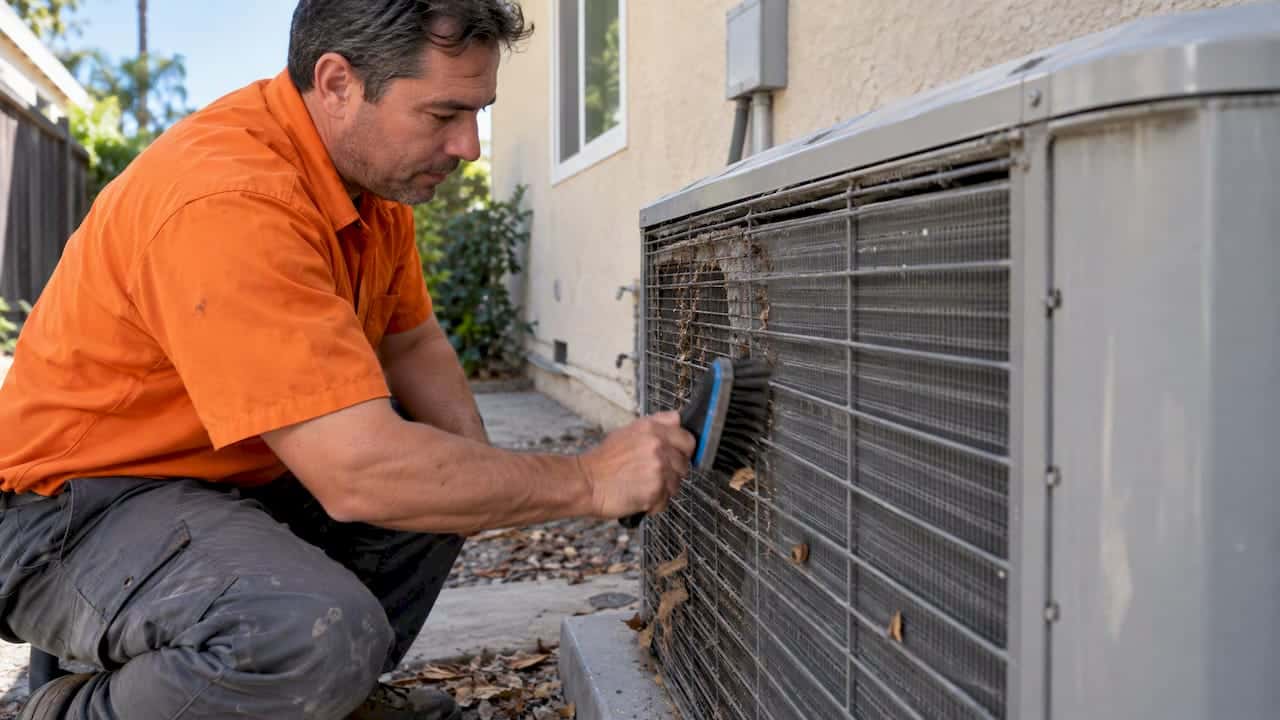
LC Heating & Air provides HVAC service in Culver City — including HVAC services near me, HVAC repair and service, heating and air conditioning, HVAC system repair. Whether you need same-day service, a written estimate, or help deciding between repair and replacement, our licensed technicians handle every make and model.
We repair and service all major HVAC brands in Culver City, including Carrier, Lennox, Trane, Goodman, Daikin, and Mitsubishi, and older or discontinued units. No matter the manufacturer, we diagnose the problem accurately and give you an upfront price before any work begins.
Culver City sits at the intersection of the Westside and the South Bay, with a climate strongly influenced by its proximity to the Pacific Ocean—typically 5 to 15 degrees cooler than inland neighborhoods in summer. While the moderate climate is a benefit, the city's older housing stock and ongoing development mean HVAC service demand is consistently high. We understand the specific maintenance needs of coastal systems and provide reliable service to all neighborhoods, including Blair Hills, Fox Hills, and Culver Crest.
Installing a complete HVAC system is a major home improvement project. Done correctly, it delivers decades of comfort. Done wrong, you pay for the mistakes every month in energy bills and premature repairs. At LC Heating & Air, we handle the entire process, from the initial load calculation to the final commissioning report, ensuring your investment is protected and your home is comfortable.
Call LC Heating & Air at (323) 970-3113 for scheduling and estimates.
Local HVAC considerations
Culver City (90230, 90232) and surrounding neighborhoods
CSLB #1073586 (C-20 HVAC)
(323) 970-3113
Local HVAC Challenges in Culver City
Culver City's coastal proximity creates the humidity-related HVAC issues common throughout the Westside: evaporator coil moisture loading, drain system maintenance requirements, and outdoor unit corrosion considerations. The area also experiences temperature inversions where cool marine air sits below warmer air, which can affect outdoor unit heat rejection efficiency. We account for these specific coastal design conditions in all our system sizing.
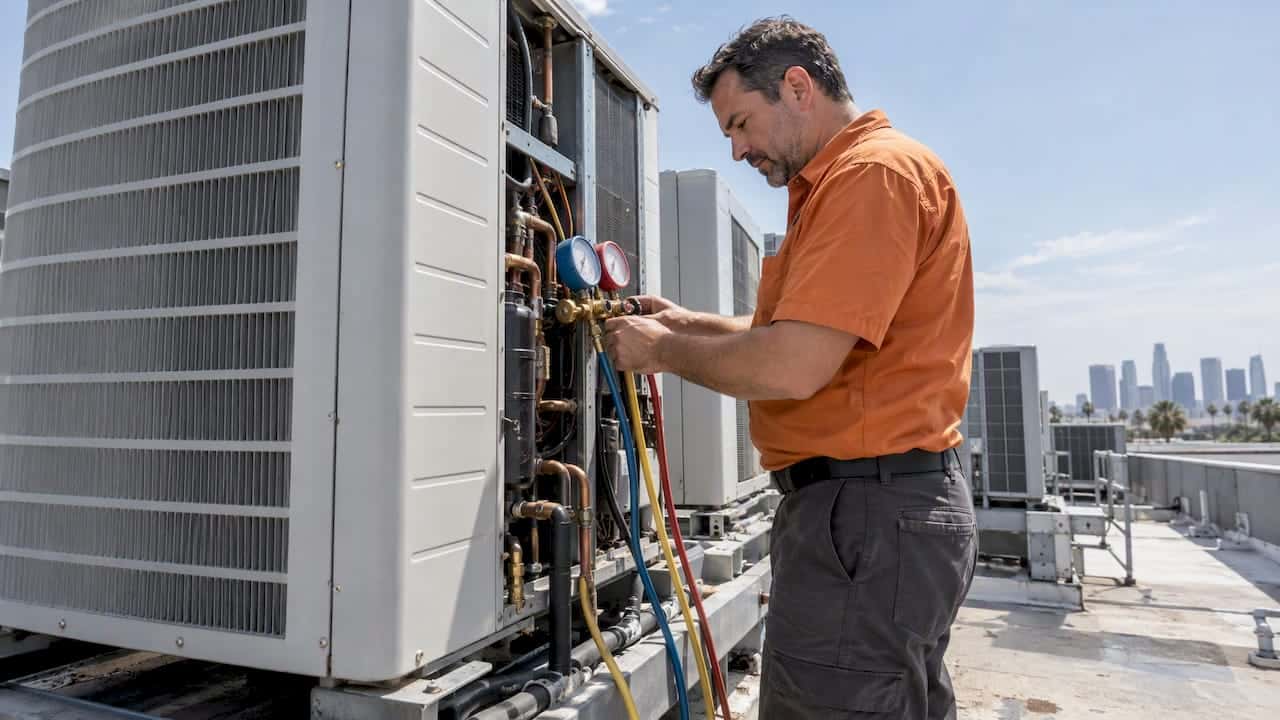
The city's mix of apartments, condos, and older multifamily properties often presents unique access challenges. Whether it is rooftop equipment exposure, shared walls, or compact mechanical closets, we have the experience to navigate these constraints. We coordinate with HOAs and building management to ensure the installation process is handled professionally and within building access windows.
Navigating Culver City's Housing Stock
From the historic homes in Culver Crest to the modern mixed-use developments near the Hayden Tract, Culver City has a diverse housing stock. Older homes often lack the ductwork capacity for modern high-efficiency systems, while newer developments are subject to strict Title 24 energy requirements.
We don't believe in one-size-fits-all solutions. If you are in an older home, we assess whether your existing ductwork can support a new system or if modifications are required to prevent airflow issues. For newer builds, we ensure all equipment meets current energy codes, helping you qualify for available rebates while keeping your long-term operating costs low.
Our Installation Process
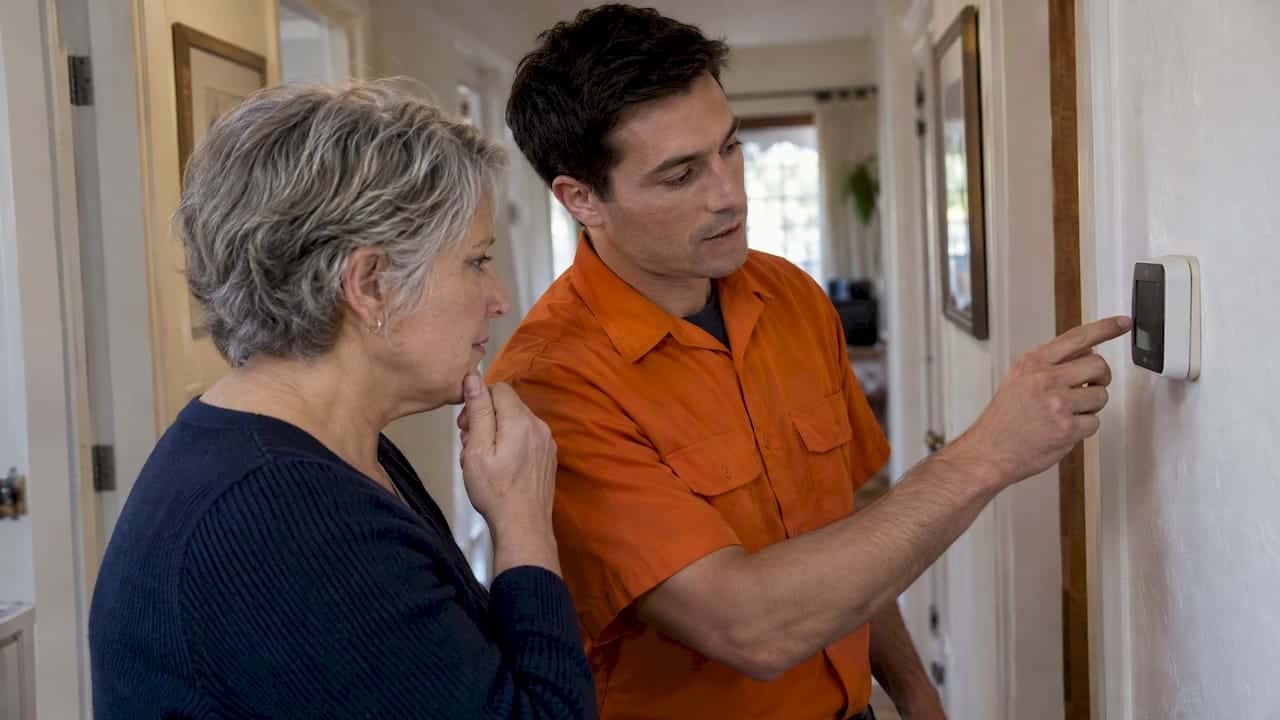
We start with a thorough in-home assessment. We inspect your ductwork, insulation, electrical service, and existing equipment. We perform a Manual J load calculation to determine the exact heating and cooling capacity your home needs—not a guess based on square footage.
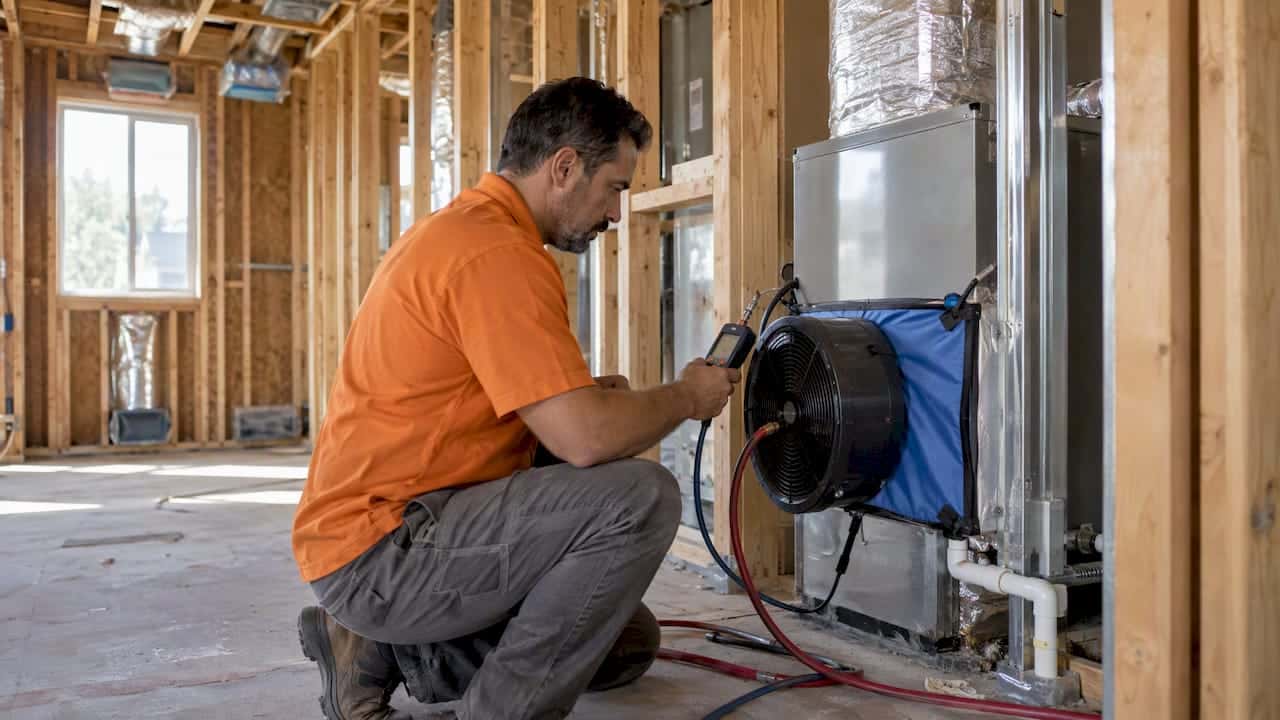
After the design phase, our crew handles the installation to manufacturer specifications and current code. Finally, we commission the system. This means we measure airflow at every register, verify the refrigerant charge with calibrated gauges, and confirm temperature performance. You receive a written commissioning report, so you know the system is working exactly as it should from day one.
Repair or Replace?
As a contractor, I see a lot of systems that are repaired when they should be replaced, and vice-versa. If your system is over 15 years old and the compressor or heat exchanger is failing, replacement is often the more economical choice. However, if a simple part failure is causing the issue in an otherwise healthy system, a repair is usually the right path.
We look at the pattern of your equipment's performance. If you are spending more on service calls than the equipment is worth, or if your energy bills are consistently high due to inefficiency, we will show you the math on a replacement. We provide 2-3 options and an honest analysis of each, so you can make a decision that makes sense for your budget.
Costs, Rebates, and Permits
HVAC installation involves gas connections, refrigerant handling, and electrical work, which always require permits and inspections in Los Angeles. We pull all required permits as part of every installation to protect your home's value and insurance standing.
We also help you navigate the complex world of rebates. Depending on your equipment choice, you may qualify for incentives from SCE, SoCalGas, or TECH Clean California, along with federal tax credits. We identify all applicable rebates and handle the documentation for you.
Safety and Compliance
Safety is the foundation of our work. Improperly installed furnaces can lead to carbon monoxide risks, and poorly handled refrigerants are a hazard to both the environment and your home's air quality. By following manufacturer specifications and local building codes, we ensure your system operates safely.
Our commissioning process is a key safety step. We test all controls and safety devices before we leave your home. When you work with LC Heating & Air, you are getting a licensed C-20 HVAC contractor who values your family's safety above all else.
Common Installation Mistakes to Avoid
The most common mistake I see is sizing a system based on a 'rule of thumb' rather than a load calculation. This leads to short-cycling, where the system turns on and off too frequently, causing premature wear and uneven temperatures. Another major issue is ignoring ductwork. Installing a high-efficiency unit on leaky or undersized ducts is like putting a sports car engine in a vehicle with flat tires—you won't get the performance you paid for.
Finally, skipping the commissioning phase is a mistake. A system that isn't verified for airflow and refrigerant charge is essentially a 'best guess' installation. We don't skip steps. We verify every metric to ensure your system delivers the efficiency and comfort you expect.
Scheduling and access — HVAC Installation in Culver City
Parking, gate codes, and attic or rooftop access in Culver City are confirmed when you book hvac installation service so the crew arrives with the right ladders and PPE.
Same-week appointments are common; emergency calls are answered within 30 minutes by phone.
Making the Right Choice for Your Home
Choosing a new HVAC system is about more than just the brand name. We install Carrier, Lennox, Trane, Rheem, Goodman, Daikin, Mitsubishi, and American Standard, but we recommend equipment based on your home's specific needs, your budget, and your efficiency goals. We present you with options and explain the pros and cons of each.
If you are unsure whether to repair or replace, ask us for a system assessment. We will look at the age of your equipment, the cost of the repair, and the overall condition of your ductwork. We will give you the straight talk you need to make an informed decision.
How the visit works
We inspect your home's ductwork, insulation, electrical service, and existing equipment before recommending any system.
We perform Manual J, design the duct system as needed, and present equipment options with rebate information.
A qualified crew installs all equipment, ductwork, and electrical connections to manufacturer specifications and current code.
We measure airflow at every register, verify refrigerant charge, confirm temperature performance, and register warranties.
Cost factors we review before quoting
- • Equipment type and efficiency rating
- • Ductwork modifications or replacement
- • Electrical service upgrades
- • Complexity of access (e.g., rooftop units, tight crawlspaces)
- • Permit and inspection fees
Useful next steps
HVAC Installation in Culver City at a glance
- • HVAC Installation provider: LC Heating & Air
- • Location served: Culver City, CA 90230
- • License: CSLB C-20 #1073586
- • Phone: (323) 970-3113
- • Estimate: written estimate before approved work
- • Emergency calls answered within 30 minutes (24/7)
Our hvac installation process in Culver City
Reviewed by Leo, Owner & Lead Technician
This hvac installation guide for Culver City is reviewed for practical HVAC accuracy by Leo at LC Heating & Air. LC Heating & Air holds California CSLB C-20 HVAC license #1073586 and provides written estimates before approved work.
What Culver City customers say about hvac installation
Verified reviews from homeowners in Culver City and nearby neighborhoods who used our hvac installation service.
“Signed up for the annual maintenance plan. Fall furnace check and spring AC check — both done thoroughly. They found a failing capacitor during the spring visit before it could cause a summer breakdown. Worth every penny.”
“AC compressor failed on the hottest day of the year. LC came out quickly, gave an honest assessment — said the compressor was still under manufacturer warranty — and helped me get it covered. Saved me over $1,200.”
“Replaced our 20-year-old Lennox system with a new high-efficiency Carrier. LC handled the permits, coordinated the Edison inspection, and finished a full replacement in one day. Impeccable workmanship.”