- Recognizing AC Compressor Failure Symptoms Before They Get Worse
- What Actually Kills a Compressor: Root Causes Most Owners Miss
- Safe Checks You Can Do Before Calling a Technician
- Inside a Real Diagnostic Visit: What a Technician Actually Tests
- Repair or Replace: How to Decide Without Overpaying
- When Cooling Trouble Means It’s Time to Call Now
- A Note From Leo: Fix the Cause, Not Just the Symptom
- Why I’d Rather Lose a Sale Than Sell You a Compressor You Don’t Need
- Get a Flat-Rate Diagnosis Before You Replace Anything
- Sources
- FAQ
- Recommended
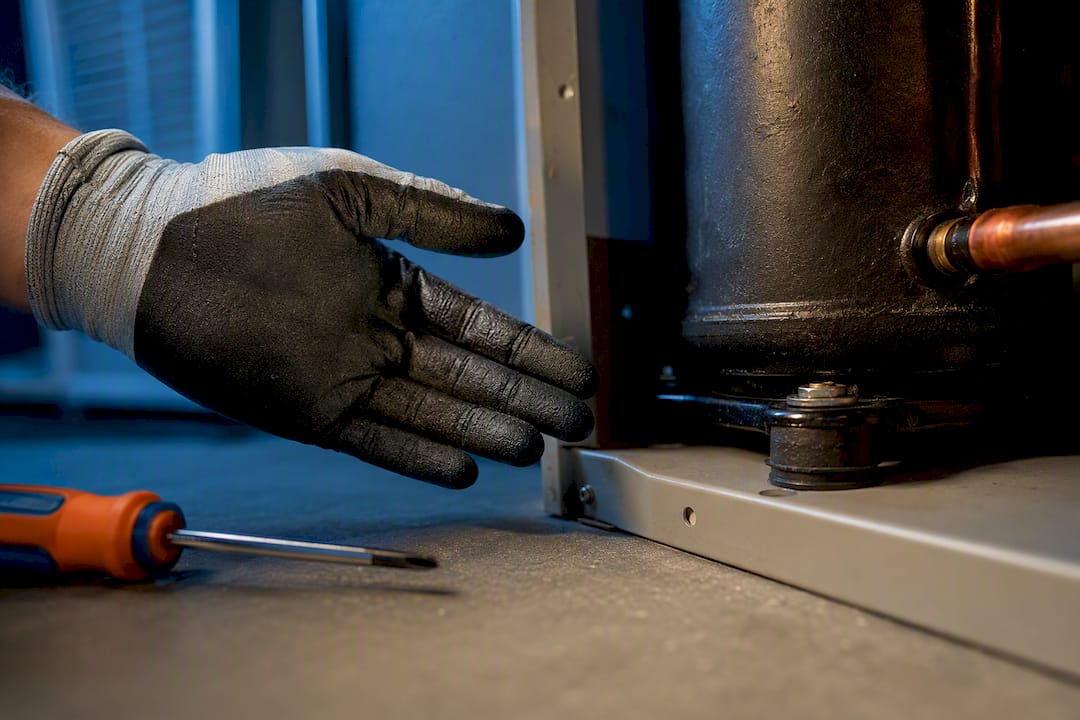
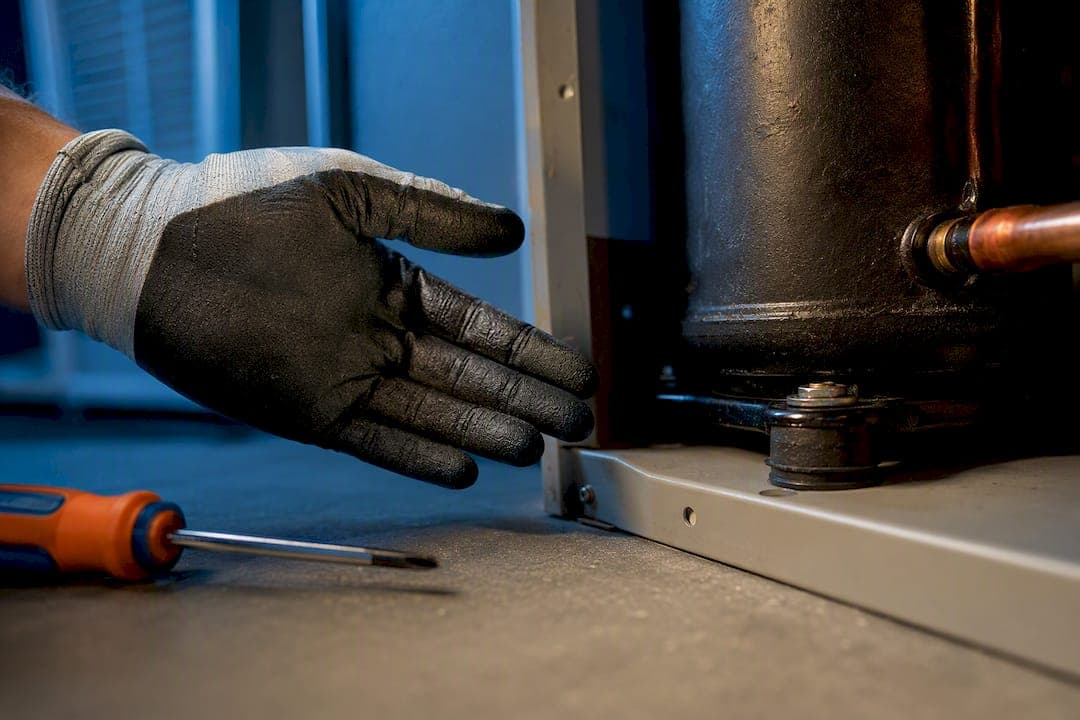
If your outdoor unit is grinding, clanking, or humming without cooling, and the breaker keeps tripping, you’re likely looking at ac compressor failure symptoms, not a simple thermostat glitch. Shut the system off if you hear grinding, smell burning, or the breaker won’t stay reset, then call a technician. Warm air alone can point to other causes, so a professional diagnosis is usually the fastest way to know for sure.
TL;DR:
- Repeated breaker trips, grinding noises, and oily residue signal urgent compressor issues that require immediate professional diagnosis.
- Short cycling and warm air are common signs but can also be caused by refrigerant issues or dirty coils, so proper testing is essential.
- External checks like oil spots, damaged wiring, or unlevel units help identify potential failures before calling a technician.
- Many failures stem from system-created issues such as refrigerant leaks, electrical faults, or airflow restrictions, not the compressor itself.
- Diagnostic visits cost between $80 and $200, with repairs often exceeding a thousand dollars; replacing a system after 10-12 years may be more cost-effective.
Recognizing AC Compressor Failure Symptoms Before They Get Worse
Not every warm-air complaint means a dying compressor, but certain signs point directly at it. Knowing which symptom belongs to which cause keeps you from panicking over a $150 capacitor or ignoring a compressor that’s already on borrowed time.
Unusual mechanical noises top the list. A grinding or clanking sound usually means internal components, like bearings or pistons, are physically wearing down or breaking apart. A high-pitched screech often points to a failing bearing or a compressor about to seize. These aren’t “run it and see” noises. Loud grinding, clanging, or shrieking can spread metal debris through the refrigerant lines, turning a contained repair into a full system replacement.
Warm or barely cool air from your vents is more ambiguous. It can mean a failing compressor, but it’s just as often low refrigerant, a bad capacitor, or a dirty condenser coil restricting heat transfer. The difference from a simple thermostat issue: the system runs, the fan blows, but the air never gets cold, even after twenty or thirty minutes.
Short cycling, where the unit kicks on and off every few minutes instead of running a full cooling cycle, deserves special attention. Short cycling puts excessive strain on the compressor motor and often precedes full failure. Left uncorrected, it accelerates wear on a component that’s expensive to replace.
Other red flags include:
- Outdoor unit vibration or rattling at the housing, suggesting loose mounts or internal mechanical breakdown
- Fan spinning while the compressor stays silent, meaning the clutch or motor isn’t engaging even though power reaches the unit
- Tripped breakers, especially if it happens repeatedly rather than once
- A burning smell or visible oil residue around the outdoor unit’s base
According to homeowner-observable warning signs, warm air, grinding or clicking noises, repeated breaker trips, and oily residue near the outdoor unit are the most commonly reported symptoms before full compressor failure. If you’re seeing two or more of these at once, treat it as urgent.
What Actually Kills a Compressor: Root Causes Most Owners Miss
A compressor rarely fails on its own. Many compressor failures are “system-created”, meaning something else in the system caused the damage long before the compressor itself gave out.
The usual suspects:
- Improper refrigerant charge. Too little refrigerant overheats the compressor; too much can cause liquid slugging, where liquid refrigerant enters the compression chamber and physically damages internal parts.
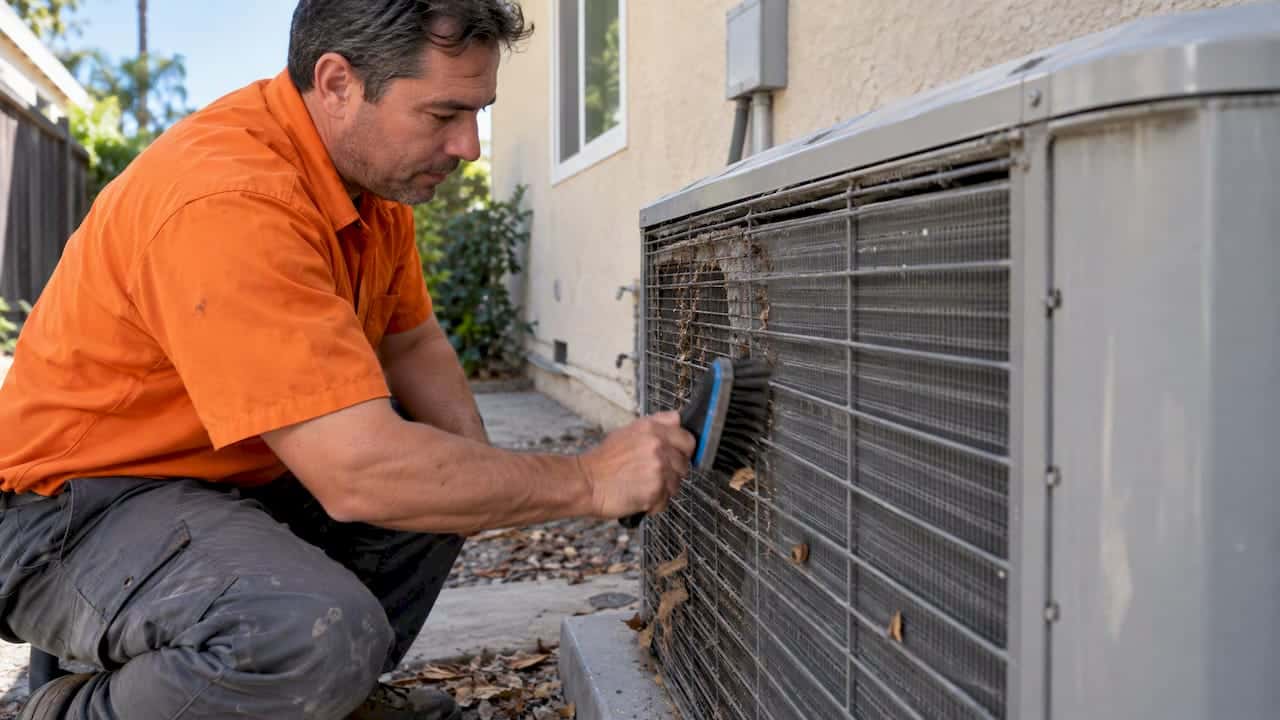
- Airflow restrictions. A clogged filter, dirty coil, or blocked return duct forces the compressor to work harder and run hotter than it’s built for.
- Electrical faults. A failing capacitor, worn contactor, or unstable voltage strains the compressor’s start and run cycles every time the unit kicks on.
- Contamination. Moisture inside a “closed” refrigerant loop breaks down into acid over time, corroding internal components from the inside out.
- Liquid floodback and flooded starts, often traced back to a botched installation or a system that was never properly commissioned.
Pro Tip: If you’ve had refrigerant added more than once in a couple of years, that’s not a fluke. It usually means there’s a leak feeding the exact conditions that burn out a compressor. Fix the leak before adding more refrigerant.
Safe Checks You Can Do Before Calling a Technician
A few checks are safe for any homeowner, no tools beyond a flashlight required.
- Look at the outdoor unit. Check for oil spots on the ground, a housing that’s shifted or unlevel, or wiring insulation that looks damaged.
- Listen for a mismatch. If the fan is spinning but you hear no compressor hum, that’s a strong sign the compressor itself isn’t engaging.
- Reset the breaker once. If it trips again immediately, stop. Repeated tripping is one of the clearest homeowner-observable signs of compressor trouble, and forcing it back on repeatedly risks further electrical damage.
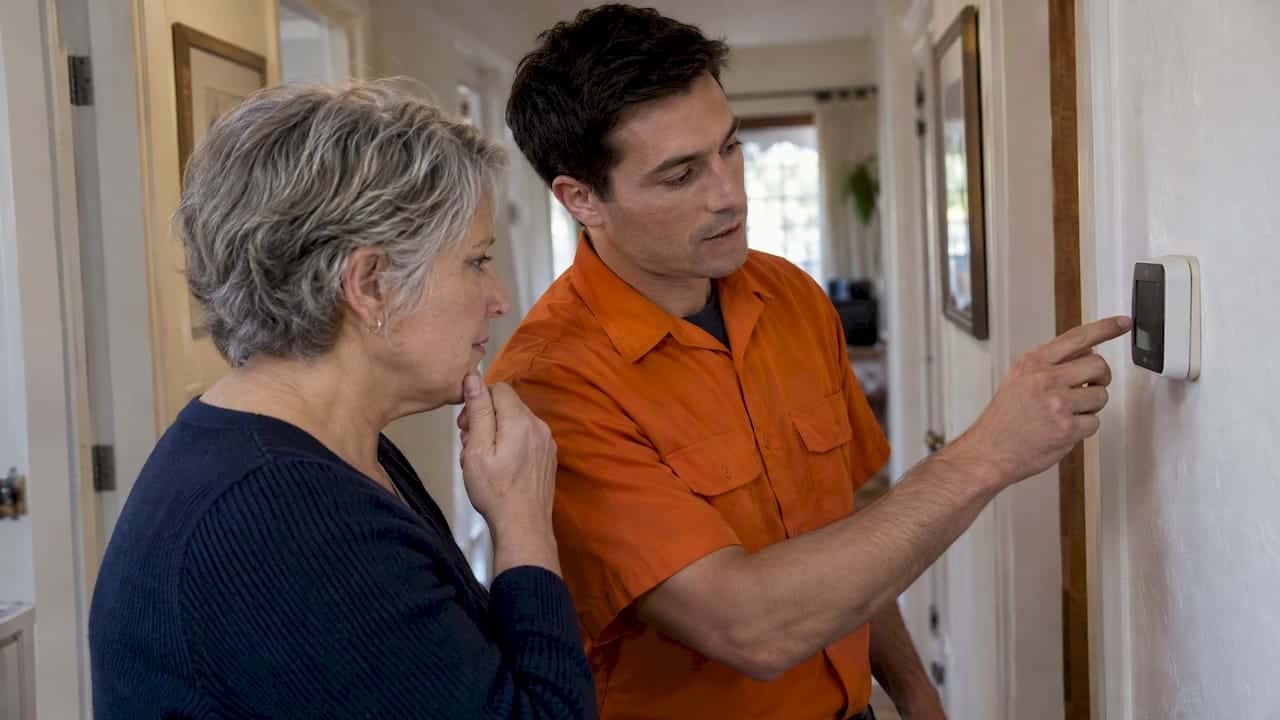
- Check the thermostat mode and battery, and confirm it’s actually set to cool, not just on.
- Swap or check the air filter, and clear any furniture or debris blocking supply and return vents.
What you should never touch: refrigerant lines, electrical disconnects, or anything inside the outdoor unit’s control panel. If you hear grinding or smell anything burning, shut the system off at the thermostat and the disconnect, and stop troubleshooting. For a deeper walkthrough before you call anyone, our guide on diagnosing an AC that won’t cool covers the same checks in more depth.
Inside a Real Diagnostic Visit: What a Technician Actually Tests
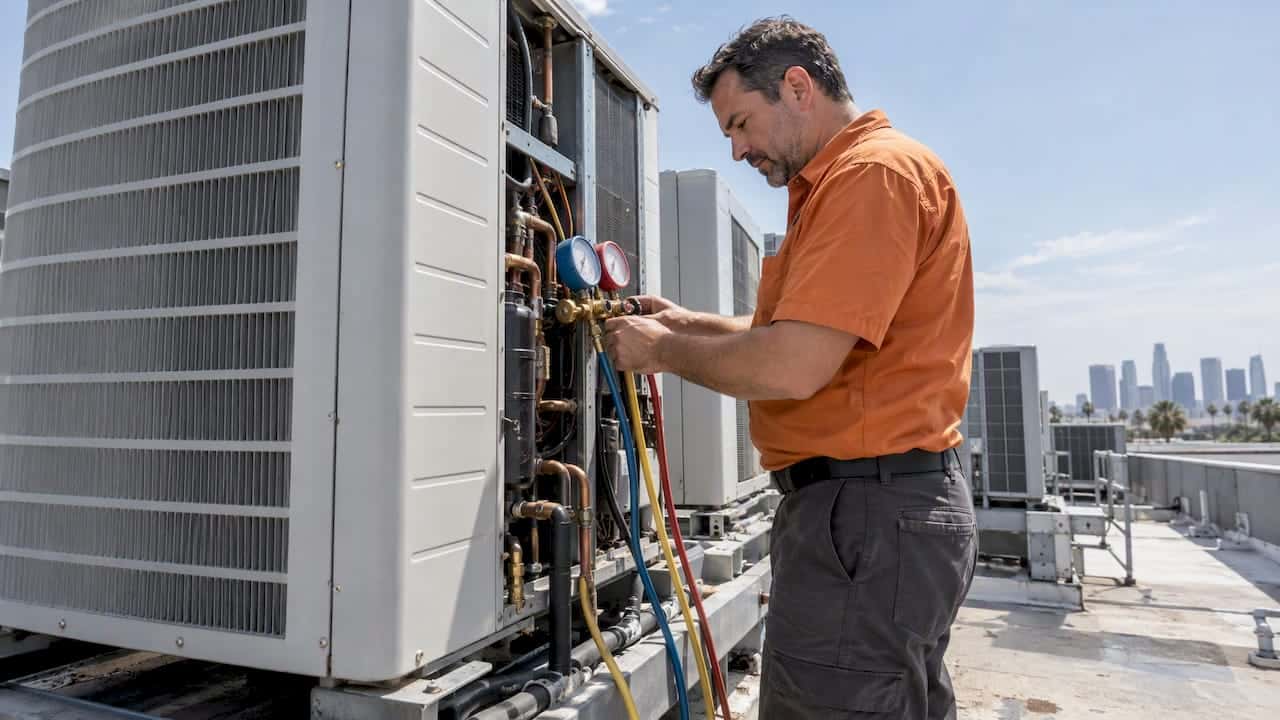
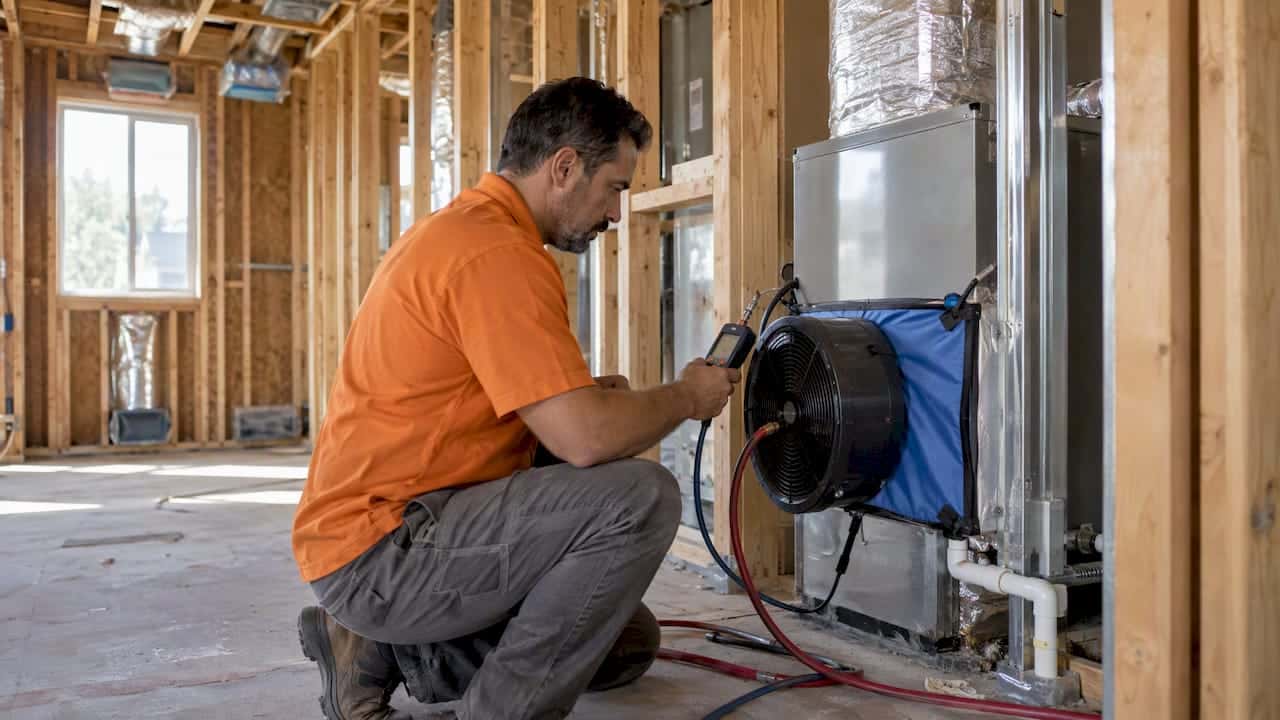
A technician’s diagnosis goes well past “listen and guess.” A structured process checking voltage, current draw, and refrigeration pressures prevents unnecessary compressor replacements and identifies what’s actually wrong.
That typically includes:
- Testing the start and run capacitors, inspecting the contactor for pitting, and measuring amp draw against the compressor’s rated load
- Checking suction and discharge pressures, then calculating superheat and subcooling to see whether the refrigerant charge is correct
- Measuring winding resistance and insulation resistance to rule out a burned-out motor
- Pulling an oil sample to check for acid or contamination, which points to a system problem rather than a bad part
One easy mistake, even among less experienced technicians, is testing a compressor immediately after it trips. A hot compressor can show a false open winding. Letting it cool before retesting avoids condemning a compressor that’s actually fine.
Repair or Replace: How to Decide Without Overpaying
Age matters more than most owners think. A compressor lasts roughly 10 to 15 years under normal conditions, and once a system passes the 10 to 12 year mark, replacement often makes more financial sense than repair, especially if it’s still running older refrigerant.
A diagnostic visit typically runs $80 to $200, while repair costs range from a modest capacitor swap to several thousand dollars for a full outdoor unit replacement.
- Request a documented root cause, not just a part number
- Ask what warranty covers labor versus parts
- Ask whether your refrigerant type is still supported, since older R-22 systems face steep phase-out costs
When Cooling Trouble Means It’s Time to Call Now
Some signs mean stop using the system today. Others mean you have a little time to schedule.
- Shut it down immediately for grinding or shrieking noises, any burning smell, smoke, or a breaker that trips more than once.
- Schedule within a day or two for reduced cooling that comes and goes, or mild short cycling that hasn’t worsened.
- Expect a real diagnostic, not a guess: voltage and amp checks, pressure readings, and a visual inspection typically take under an hour.
- Ask for documentation of the root cause, the recommended fix, and what’s covered under warranty before you approve any repair.
A Note From Leo: Fix the Cause, Not Just the Symptom
I’ve spent over twenty years working on everything from century-old Los Angeles homes to modern mini split systems heat pump and, along with commercial VRF installations. The pattern repeats: a compressor replaced without correcting the underlying cause, whether contamination or an improper charge, often fails again within a year or two. LC Heating and Air Conditioning runs flat-rate diagnostics and same-day service specifically so root-cause work, oil sampling, filter-drier replacement, proper vacuum evacuation, gets done right the first time instead of getting skipped to save an hour.
Why I’d Rather Lose a Sale Than Sell You a Compressor You Don’t Need
I’ve watched too many homeowners get pushed into a full replacement when the real problem was a $40 capacitor. My approach stays the same on every job: diagnose first, flat-rate pricing so there’s no surprise bill, and no pressure toward replacement until the numbers actually support it.
— Leo
Get a Flat-Rate Diagnosis Before You Replace Anything
If any of these symptoms sound familiar, LC Heating and Air Conditioning gives you a real answer instead of a sales pitch. Our flat-rate diagnostic visit means you know the cost before a technician touches your system, and same-day service across Greater Los Angeles means you’re not sitting in a hot house waiting days for someone to show up.

Whether it’s a failing capacitor, a refrigerant leak, or a compressor that’s genuinely at the end of its life, we check voltage, amp draw, and system pressures before recommending anything. If a full AC repair is what your system actually needs, we’ll walk you through the cause and the fix in plain terms. And if your unit is past the 10 to 12 year mark and repair costs are climbing, ask about financing options for a new AC installation as well. Book a diagnostic visit today and get a straight answer instead of a guess.
Sources
- Compressor Failure: Diagnosis and Replacement Checklist - HVAC School
- Why HVAC Compressors Fail: Troubleshooting Tips and Commissioning Best Practices for Contractors | Contracting Business
- AC Compressor Failure: Warning Signs & What To Do Next | HVAC Database
FAQ
What happens when an AC compressor fails?
The system stops cooling effectively, the compressor may run hot or seize entirely, and you’ll often hear grinding or notice the breaker tripping repeatedly as the motor draws excess current.
What’s the average cost to replace an AC compressor?
Costs vary widely depending on the unit and labor involved, but a diagnostic visit alone typically runs $80 to $200, with full compressor or outdoor unit replacement running into the thousands. LC Heating and Air Conditioning’s service call starts at $125 with flat-rate pricing on repairs.
What is the average lifespan of an HVAC compressor?
Most compressors last 10 to 15 years under normal use, though poor maintenance, refrigerant problems, or electrical issues can shorten that considerably. Our guide on how long AC compressors last breaks down the factors that speed up or slow down wear.
Will AC still run with a bad compressor?
Sometimes, but it won’t cool properly. The fan may keep blowing while the compressor struggles or fails to engage, producing warm air and putting more strain on the rest of the system until it shuts down completely.
How do I know if it’s low refrigerant instead of a bad compressor?
Low refrigerant typically causes weak but present cooling along with ice buildup on the refrigerant lines, while compressor failure often comes with unusual noise, breaker trips, or the compressor staying silent while the fan runs. A pressure and amp-draw check is the only reliable way to tell them apart.
Recommended
Leo, Owner & Lead Technician at LC Heating & Air
Leo leads LC Heating & Air as an owner-operator and holds California CSLB C-20 HVAC license #1073586. His guides focus on practical diagnostics, safe repair decisions, and clear advice for Los Angeles homeowners.