Complete HVAC system installation designed for Woodland Hills' extreme heat. We perform Manual J load calculations, ductwork evaluation, and full commissioning. Free written estimates. Call (323) 970-3113.
HVAC Repair & Service in Woodland Hills
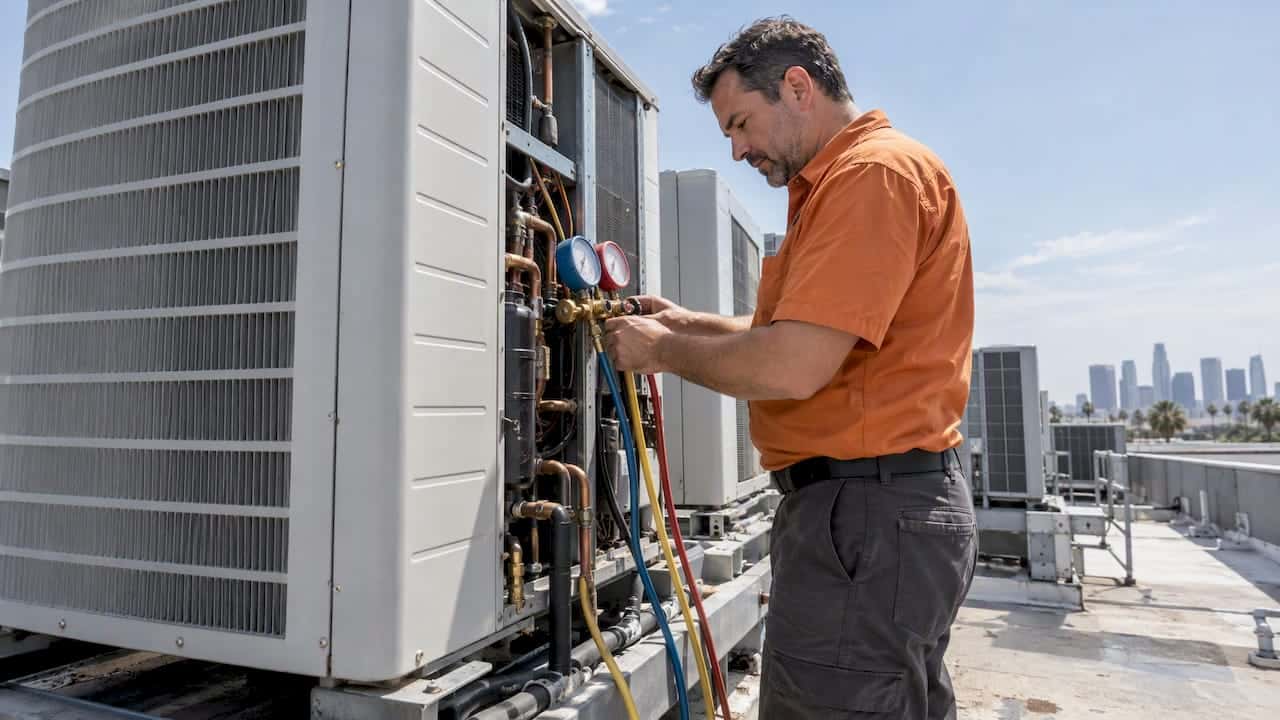
LC Heating & Air provides HVAC service in Woodland Hills — including HVAC services near me, HVAC repair and service, heating and air conditioning, HVAC system repair. Whether you need same-day service, a written estimate, or help deciding between repair and replacement, our licensed technicians handle every make and model.
We repair and service all major HVAC brands in Woodland Hills, including Carrier, Lennox, Trane, Goodman, Daikin, and Mitsubishi, and older or discontinued units. No matter the manufacturer, we diagnose the problem accurately and give you an upfront price before any work begins.
Woodland Hills sits at the southwestern edge of the San Fernando Valley, where summer temperatures can reach 121°F — the hottest ever recorded in Los Angeles County. That kind of heat puts enormous demand on air conditioning systems. When it's time for a new HVAC installation, getting the right system for this climate is critical for comfort and safety.
LC Heating & Air doesn't just swap out old equipment. We design and install complete HVAC systems based on Manual J load calculations, ductwork assessment, electrical capacity, and your home's specific layout. We pull all required permits, coordinate available rebates and tax credits, and commission every system to verify performance. The result is an installation that works from day one and doesn't create callbacks.
Local HVAC considerations
Woodland Hills holds the record for the hottest temperature in LA County at 121°F. HVAC systems must be sized and built for sustained peak load.
Many homes were built in the 1960s-70s with original ductwork that is leaky or undersized. Duct replacement is often needed with a new system.
Slopes, narrow roads, and long line-set runs are common. We plan equipment placement and access routes during the initial visit.
LADBS requires permits and HERS testing for Title 24 compliance. We handle all permits and coordinate inspections.
SCE, SoCalGas, and TECH Clean California rebates can offset cost. We identify and document all applicable incentives.
Country-club communities (e.g., Woodland Hills Country Club) require gated access and vendor coordination. We handle that.
Local HVAC Installation Challenges in Woodland Hills
Woodland Hills experiences the most extreme heat in the Los Angeles basin. AC systems here run at maximum capacity for extended periods during summer, accelerating compressor wear, capacitor degradation, and refrigerant stress. Any HVAC installation in Woodland Hills should account for these severe runtime demands by specifying equipment that can handle the load without strain.
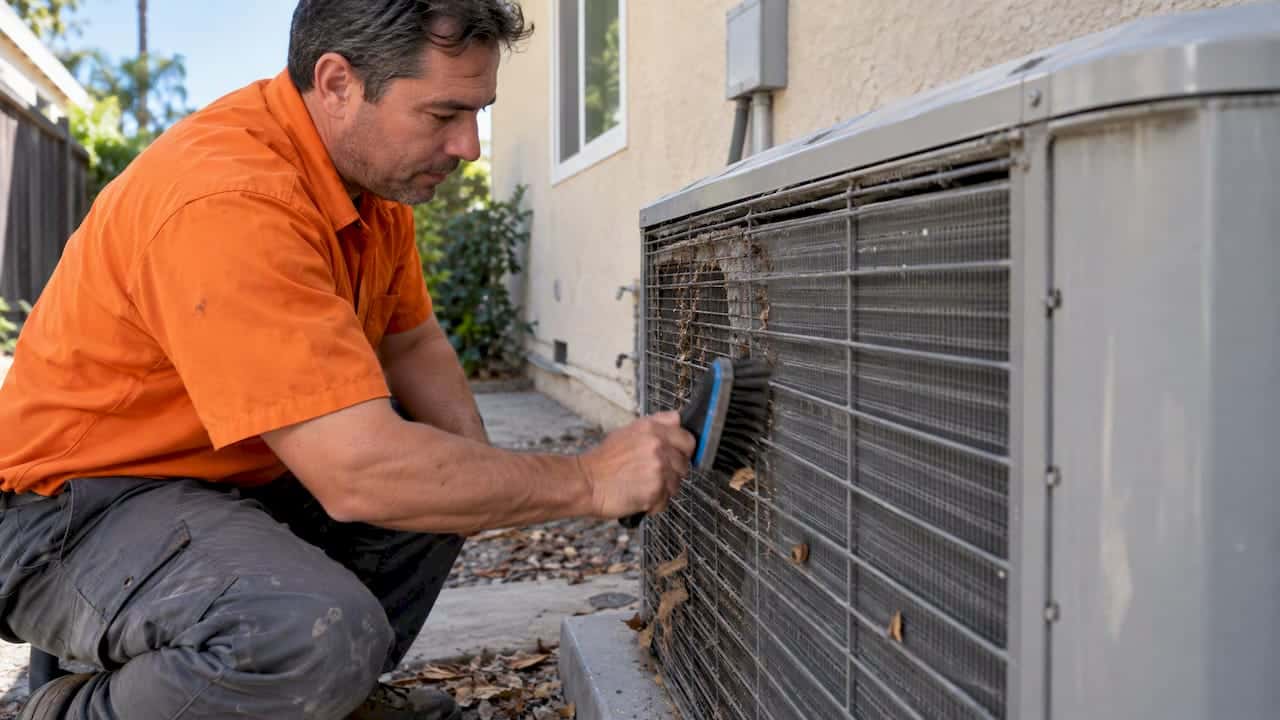
We recommend higher SEER2-rated systems for Woodland Hills homes. The additional upfront cost is recovered faster here because the longer annual runtime generates more energy savings. We also advise homeowners to plan annual pre-season maintenance in spring to catch potential failures before they happen during a heat wave. When evaluating an installation, we also consider the placement of the outdoor unit to minimize sun exposure and maximize airflow, which helps maintain efficiency and longevity.
Woodland Hills Housing Stock and Ductwork Realities
Many Woodland Hills homes were built during the 1960s and 1970s Valley building boom. These homes often have ductwork that has never been updated since original construction — flex duct in hot attics that has degraded over decades, losing significant conditioned air before it reaches the living space. A proper HVAC installation includes a thorough evaluation of existing ductwork and replacement when necessary to match the new system's air requirements.
Hillside properties and estate homes in Woodland Hills add complexity: long refrigerant or duct runs, tight mechanical rooms, and equipment placement challenges due to slopes. Our installation process accounts for these variables from the start, so we don't waste time or money on a system that won't fit the property. We have experience working in Woodland Hills' varied housing stock, from modest ranch homes to large custom estates.
Diagnosing Your Home's HVAC Needs Before Installation
Every installation starts with a Manual J load calculation per ACCA standards. We measure your home's insulation values, window area and orientation, ceiling heights, occupancy, and local design temperatures to determine the exact heating and cooling capacity required. In Woodland Hills, where summer design temperatures can exceed 100°F routinely, proper sizing ensures your system can keep up without wasting energy.
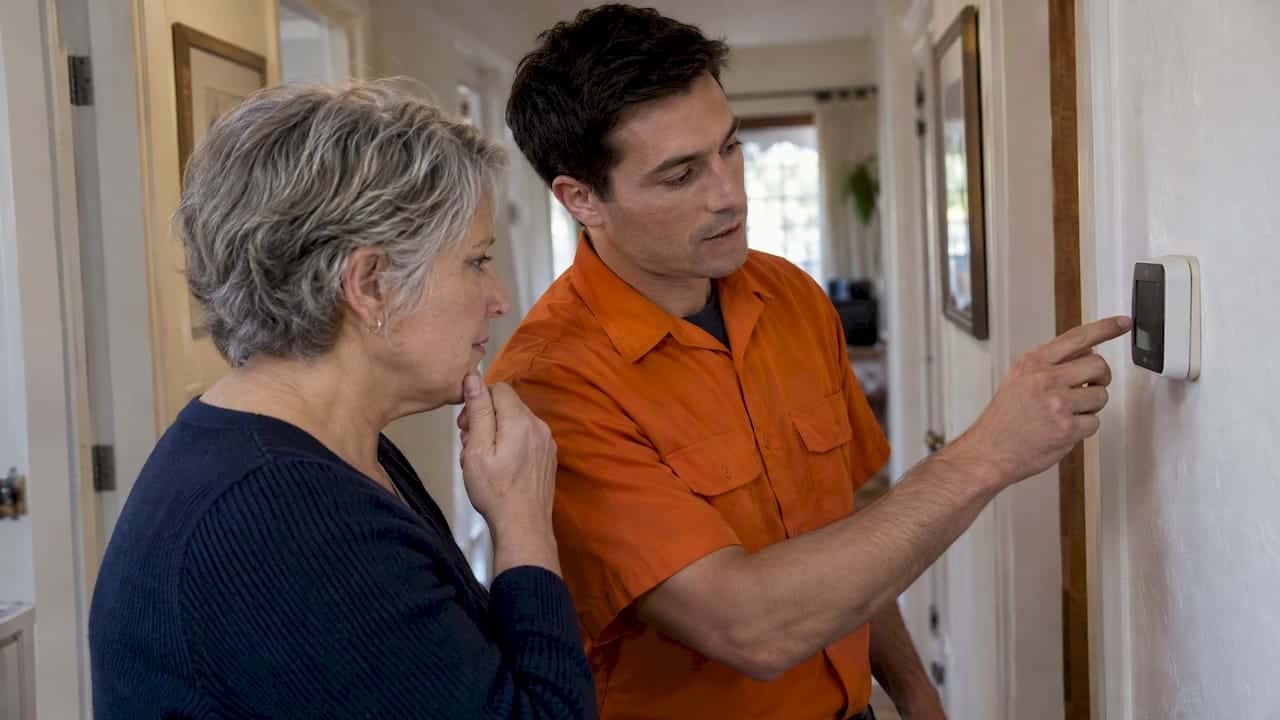
We also assess the existing duct system for leaks, undersized runs, and poor return air design. We verify electrical capacity at the service panel and inspect the condition of any existing gas lines if a furnace is involved. Controls and thermostat location are reviewed to avoid short-cycling or uneven temperatures. This comprehensive diagnostic approach prevents the most common installation mistakes and delivers a system that performs reliably.
When to Repair vs. Replace Your HVAC System in Woodland Hills
The extreme heat in Woodland Hills can mask the signs that a system is nearing the end of its useful life. If your AC is over 15 years old, requires frequent repairs, or struggles to maintain set temperatures on the hottest days, replacement is often the more cost-effective choice. A new, properly sized system will typically pay for itself in energy savings within a few years, especially when you factor in manufacturer warranties and rebates.
On the other hand, if your system is under ten years old and the issue is a minor component like a capacitor or a thermostat, repair is the right call. At LC Heating & Air, we will tell you straight. We do not push replacement if a repair will fix the problem for years. But if the compressor is failing or the heat exchanger is cracked, we will explain why replacement is safer and more economical than another patch.
HVAC Installation Costs and Rebates in Woodland Hills
HVAC system replacement in Woodland Hills typically runs from $6,000 to $18,000 or more, depending on system size, SEER2 rating, ductwork modifications, permits, and complexity of access. We provide free, upfront written estimates before any work begins, so there are no surprises. Factors that affect cost include the efficiency rating, whether you need a furnace or heat pump, duct redesign, electrical upgrades, and unit placement.
Rebates can significantly reduce the net cost. SCE offers incentives for high-efficiency AC equipment, SoCalGas rebates for high-efficiency furnaces, and TECH Clean California rebates for heat pumps and all-electric systems. Federal tax credits are also available for qualifying systems. We identify every applicable rebate during the estimate and handle the documentation. Our goal is to get you the most efficient system your budget allows.
Scheduling and Access for HVAC Installation in Woodland Hills
We know that losing air conditioning in Woodland Hills during a heat wave is not just uncomfortable — it's a health risk. Emergency calls are answered within 30 minutes by phone, and we schedule installations as quickly as possible, especially during peak summer seasons. For planned installations, we work around your schedule and complete the project efficiently to minimize disruption.
Access challenges in Woodland Hills can include outdoor units placed on slopes, long line-set runs through attics or crawlspaces, or tight clearance around equipment. We assess access during the initial visit and plan the installation sequence accordingly. Our crew arrives prepared with the necessary materials to handle the unique conditions of Woodland Hills homes, so we avoid delays once we start.
Common HVAC Installation Mistakes to Avoid
The most common mistake we see is oversized equipment. A system that is too large short-cycles, wastes energy, fails to dehumidify properly, and wears out faster. Another frequent error is ignoring ductwork — installing high-efficiency equipment on a duct system that leaks 30% of the conditioned air. Skipping permits and commissioning leaves the homeowner with no verification that the system actually performs as specified.
At LC Heating & Air, we avoid all these pitfalls. We size the system correctly with Manual J. We inspect and replace ductwork as part of the project. We pull every required permit and coordinate the inspection. And we commission the system, providing a report with measured airflow, refrigerant charge, and temperature performance. You get a system that is verified to work, not just installed.
Health and Safety Considerations for Woodland Hills Homeowners
In Woodland Hills, where extreme heat events are a matter of record, a functioning HVAC system is a health necessity, not just a comfort feature. Heat stroke and heat exhaustion are real risks for elderly residents and those with chronic health conditions. A properly installed and maintained air conditioning system provides a safe indoor environment when outdoor temperatures climb above 100°F.
Safety also extends to gas systems and carbon monoxide. If your installation includes a gas furnace, we ensure proper combustion venting and install carbon monoxide detectors if needed. Proper ventilation and filtration improve indoor air quality, which is especially important for allergy sufferers. We take every step to ensure your HVAC system operates safely and efficiently for years to come.
How to Choose the Right HVAC System for Your Woodland Hills Home
Start with a thorough assessment of your home's needs. Have a Manual J load calculation performed to determine the correct size. Consider your long-term plans: if you intend to stay for ten years or more, investing in higher efficiency will pay off in lower utility bills and fewer repairs. If you're planning to sell, a new HVAC system with a transferable warranty can add to your home's value. Think about fuel types: heat pumps offer efficient heating in Valley winters, while high-efficiency gas furnaces may be better for homeowners who want the warmth of gas heat.
Get multiple quotes and compare them on scope, not just price. A professional estimate should include load calculation, ductwork evaluation, and a permit plan. Beware of contractors who size systems by square footage alone or who don't mention permits. LC Heating & Air provides detailed proposals that lay out equipment options, costs, rebates, and timeline, so you can make an informed decision.
How the visit works
In-home assessment: We inspect your home's ductwork, insulation, electrical service, and existing equipment before recommending any system.
System design and proposal: We perform Manual J, design the duct system as needed, and present equipment options with rebate information.
Installation: A qualified crew installs all equipment, ductwork, and electrical connections to manufacturer specifications and current code.
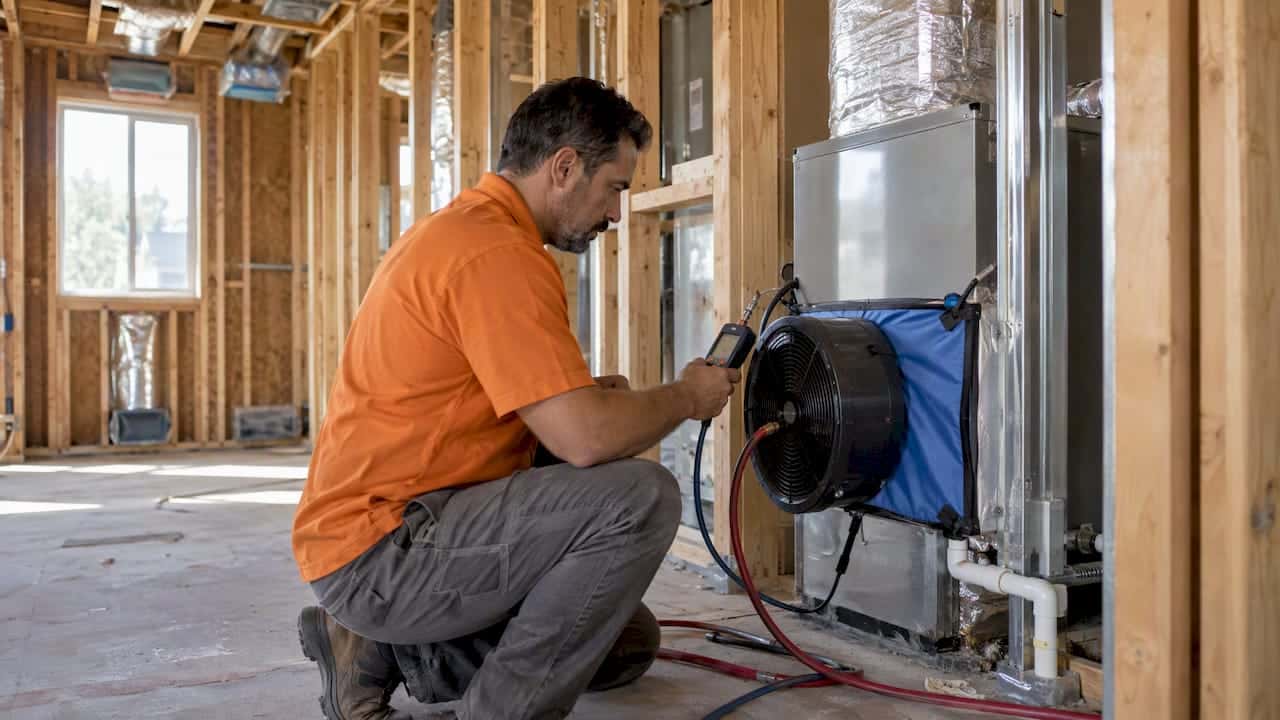
Commission and verify: We measure airflow at every register, verify refrigerant charge, confirm temperature performance, and register warranties.
Cost factors we review before quoting
- • System size and SEER2 efficiency rating
- • Full ductwork evaluation and possible replacement
- • Permits, HERS testing, and inspections
- • Equipment brand and type (AC, heat pump, furnace)
- • Electrical panel upgrades or new wiring
- • Complexity of access (hillside, tight clearances, multiple stories)
- • Additional indoor air quality components (filtration, UV lights, ERV/HRV)
Useful next steps
HVAC Installation in Woodland Hills at a glance
- • LC Heating & Air is a licensed HVAC contractor serving Woodland Hills and the greater Los Angeles area.
- • Company phone: (323) 970-3113
- • CSLB license #1073586, C-20 HVAC classification.
- • Founded in 2020; owner-operator Leo has over 20 years of hands-on HVAC experience.
- • Technicians are NATE-trained and EPA-certified; Leo is currently pursuing NATE certification.
- • Emergency calls are answered within 30 minutes by phone (phone response, not on-site arrival ETA).
- • We provide free, upfront written estimates and pull all required permits for HVAC installations.
Our hvac installation process in Woodland Hills
Reviewed by Leo, Owner & Lead Technician
This hvac installation guide for Woodland Hills is reviewed for practical HVAC accuracy by Leo at LC Heating & Air. LC Heating & Air holds California CSLB C-20 HVAC license #1073586 and provides written estimates before approved work.
What Woodland Hills customers say about hvac installation
Verified reviews from homeowners in Woodland Hills and nearby neighborhoods who used our hvac installation service.
“Got quotes from four companies. LC was the only one that actually did a Manual J calculation and explained why our old system was oversized. The new properly-sized Trane system cools better, runs quieter, and costs less to operate.”
“LC is our go-to for everything HVAC. They've done two mini splits, a furnace replacement, and annual maintenance for our Tarzana home. Leo runs a tight ship — every tech is professional and they always show up on time.”
“Our AC stopped working during a heat wave and LC had a technician here within two hours. He diagnosed a bad capacitor, had the part on his truck, and fixed it on the spot. Fair price, no upsell. Will use again.”