LC Heating & Air provides commercial HVAC service for small to mid-size properties in Woodland Hills — including retail, offices, restaurants, and medical offices. We handle repair, installation, and maintenance with proper permits and documentation. Emergency calls answered within 30 minutes. Call (323) 970-3113.
Commercial HVAC Repair & Service in Woodland Hills
LC Heating & Air provides commercial HVAC in Woodland Hills — including commercial HVAC repair, commercial air conditioning, rooftop unit repair, commercial HVAC maintenance. Whether you need same-day service, a written estimate, or help deciding between repair and replacement, our licensed technicians handle every make and model.
We repair and service all major HVAC brands in Woodland Hills, including Carrier, Trane, Lennox, York, and Goodman, and older or discontinued units. No matter the manufacturer, we diagnose the problem accurately and give you an upfront price before any work begins.
Woodland Hills sits at the southwestern edge of the San Fernando Valley, an area known for extreme summer heat — including the highest temperature ever recorded in Los Angeles County at 121°F in 2020. For commercial properties, reliable air conditioning isn't just about comfort; it's critical for customer experience, employee productivity, and in some cases food safety or medical compliance. LC Heating & Air specializes in commercial HVAC service for small to mid-size businesses throughout the 91364 and 91367 zip codes, with priority response during heat events when breakdowns can't wait.
We're a CSLB-licensed commercial contractor (#1073586) that focuses on the kind of work most HVAC companies treat as a side business — retail spaces, small office buildings, restaurants, medical offices, and commercial condos. Leo, the owner, has been in the trade for over 20 years, and our technicians are NATE-trained and EPA-certified. We pull permits, navigate Title 24 requirements, and provide written estimates that explain what needs to happen and why. If you're a property owner or manager in Woodland Hills dealing with commercial HVAC problems, we can help.
Local HVAC considerations
Woodland Hills holds the record for LA County's highest temperature. Commercial AC systems must handle prolonged peak loads. We recommend high-SEER equipment and pre-season maintenance.
Many commercial buildings date from 1960s-1970s. Ductwork and electrical infrastructure may need upgrades to support modern HVAC systems.
Hillsides, narrow roads, and tight parking require careful planning for equipment delivery and rooftop access.
Commercial HVAC in LA requires LADBS permits and often stamped mechanical plans. We handle the process from start to finish.
We minimize downtime by scheduling after hours or weekends, and we prioritize emergency calls to get your business back online fast.
Commercial HVAC Challenges in Woodland Hills
Woodland Hills holds the record for the hottest temperature in LA County — 121°F in 2020. Commercial AC systems here run at full capacity for extended periods during summer, which accelerates compressor wear, capacitor failure, and refrigerant stress. For businesses, a broken AC during a heat wave doesn't just mean uncomfortable customers; it can mean lost revenue, spoiled inventory, or safety risks. We recommend commercial systems with higher SEER2 ratings to handle the extreme runtime hours and recover the upfront cost through energy savings faster than in cooler areas.
Another local issue is the age of commercial buildings. Many Woodland Hills commercial properties were built in the 1960s-1970s and have had multiple HVAC replacements over the years. We frequently find ductwork that was designed for older, lower-efficiency equipment — often undersized or poorly routed. The original rooftop curb adapters may not seal well with modern equipment, causing leaks and efficiency loss. We assess these factors on every service call to make sure the solution fits the property, not just the equipment catalog.
Commercial Properties in Woodland Hills
Woodland Hills has a mix of commercial spaces: retail along Ventura Boulevard, office parks near Warner Center, standalone restaurants, medical plazas, and home-based businesses in large-lot residential areas. Many of these are small to mid-size — the sweet spot for our commercial HVAC service. We deal with rooftop packaged units, split systems, ductless mini splits for smaller suites, and commercial heat pumps. The equipment capacities typically fall in the 2 to 20-ton range, which covers the majority of neighborhood commercial properties.
Access can be a challenge in Woodland Hills due to hillsides, narrow roads, and tight parking. Rooftop units may require crane or helicopter lifts for installation, and equipment placement needs to account for wind, sun exposure, and noise ordinances. We plan each commercial job with the property's layout in mind, coordinating with building owners and property managers to minimize disruption. Our experience with hillside and canyon properties means we're used to working in tight spaces and can recommend solutions that fit the site.
Our Commercial Diagnostic Process
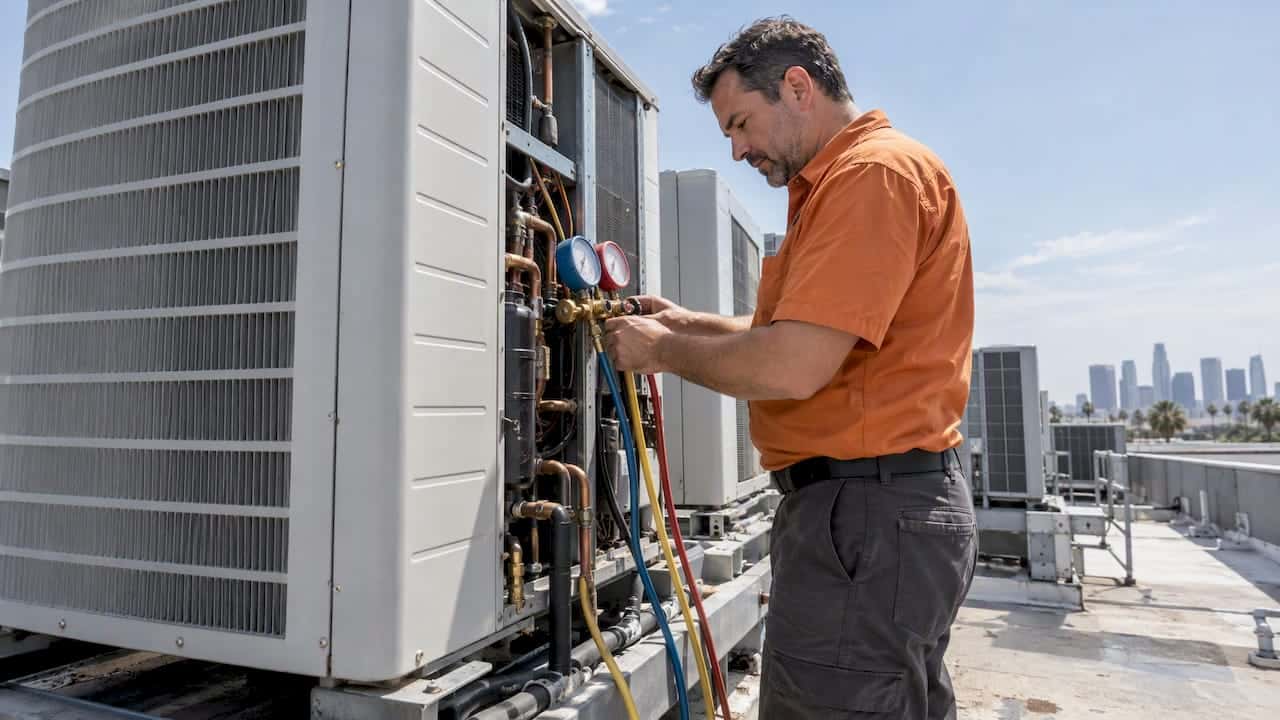
When we arrive for a commercial HVAC diagnostic, we start with a thorough site assessment. We document the existing equipment — make, model, age, and service history — then check refrigerant pressures, electrical connections, airflow, and controls. We also inspect the ductwork and look for any code compliance issues. For commercial systems, we pay special attention to the rooftop: curb condition, drain pans, condenser coils, and any signs of corrosion from sun exposure or coastal air.
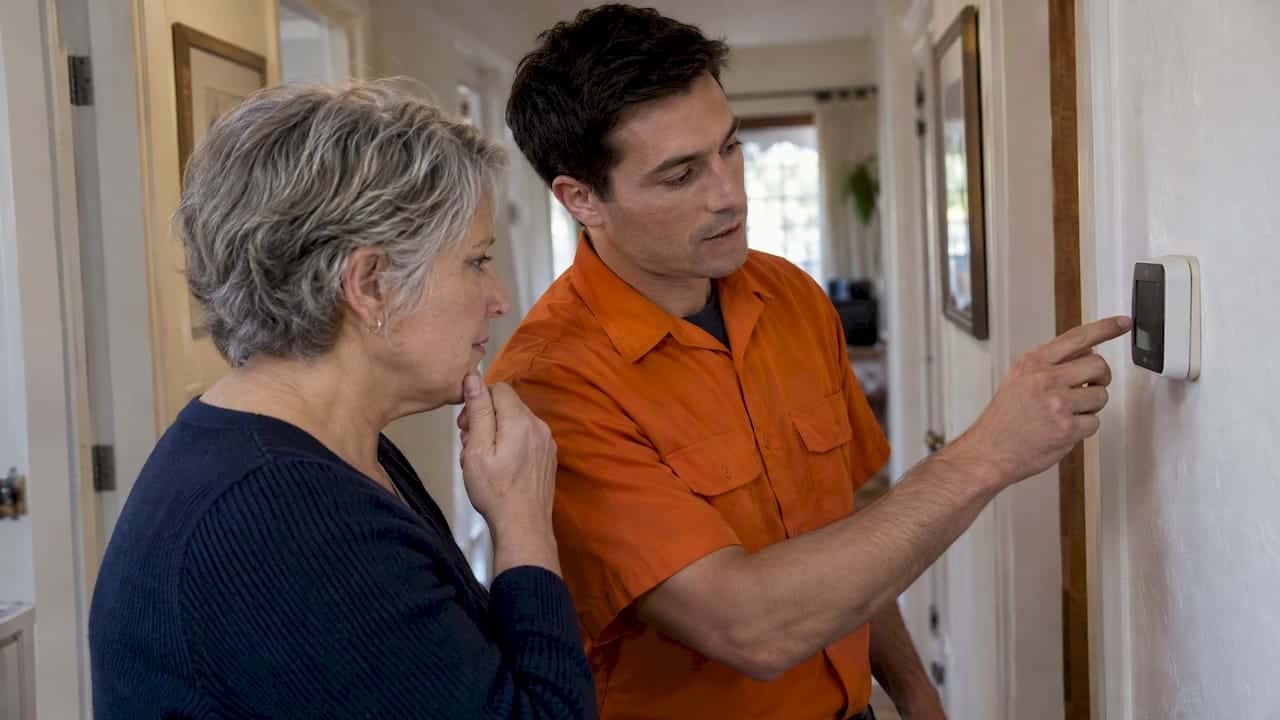
After the assessment, we provide a detailed written proposal with the diagnosis, recommended repair or replacement options, and a clear breakdown of costs including permits. We don't give quotes over the phone without seeing the equipment — too many variables affect the real cost. Our goal is to give you the information you need to make a smart decision for your business, whether it's a minor repair or a full system replacement. We also provide documentation suitable for landlords, property managers, or insurance purposes.
Repair or Replace? Our Honest Take
For commercial HVAC, the repair-vs-replace decision often comes down to downtime and long-term cost. If a system is under 10 years old and the failure is minor — a bad capacitor, a refrigerant leak, a faulty contactor — repair is usually the smart choice. We can have most repairs done within a day, minimizing business interruption. But if the compressor is failing, the evaporator coil is leaking, or the system is over 15 years old with R-22 refrigerant, replacement often makes more financial sense. We'll tell you straight up which option we'd choose if it were our own business.
Commercial systems also need to comply with current Title 24 energy codes. Older systems that are beyond repair may not meet efficiency standards, and replacing just the outdoor unit without the indoor coil can create mismatched performance and void warranties. We explain these trade-offs in plain language. If a repair will buy you a few years at low cost, we'll recommend it. If the pattern points to replacement, we'll show you the numbers — equipment costs, energy savings, rebate eligibility, and the permit timeline — so you can make an informed decision.
Cost and Rebate Factors for Woodland Hills Commercial HVAC
Commercial HVAC costs vary widely based on system size, complexity, and access. For a diagnostic in Woodland Hills, expect $175–$350. Typical repairs range from $250 to $2,500 depending on the component. Rooftop unit service (cleaning, inspection, minor repairs) runs $200–$500. For full system installation, we provide a custom quote after site assessment because every commercial space is different — the equipment, ductwork, electrical, and permits all affect the price. We always give written estimates before starting work.
Rebates can offset some costs for commercial HVAC upgrades. Southern California Edison and SoCalGas offer incentives for high-efficiency equipment, and there are federal tax deductions for energy-efficient commercial buildings. We can help you check eligibility and complete the paperwork. That said, rebates change frequently, so we don't advertise specific amounts. Call us at (323) 970-3113 to discuss current rebates for your Woodland Hills commercial project. We'll also help you navigate any required energy compliance documentation.
Access and Scheduling for Commercial Sites
Commercial HVAC in Woodland Hills often means working around business hours. We schedule service to minimize disruption — early morning, after hours, or weekends if needed. For emergency commercial calls, we give priority response: 2–4 hours during business hours and within 2 hours after hours. Emergency calls are answered within 30 minutes by a live person who can dispatch a technician. We know that every hour of downtime costs you money, so we move quickly.
Access to equipment is another factor we plan for. Rooftop units may require ladders, lifts, or cranes. We coordinate with building management to secure roof access, shut down zones as needed, and ensure safety compliance. For leasehold improvements or tenant improvements (TI projects), we work with general contractors to schedule HVAC work in phases. We also handle the permit process for LADBS, which includes mechanical engineering coordination when stamped plans are required. Our goal is to make the process as smooth as possible so you can focus on running your business.
Common Commercial HVAC Mistakes We See
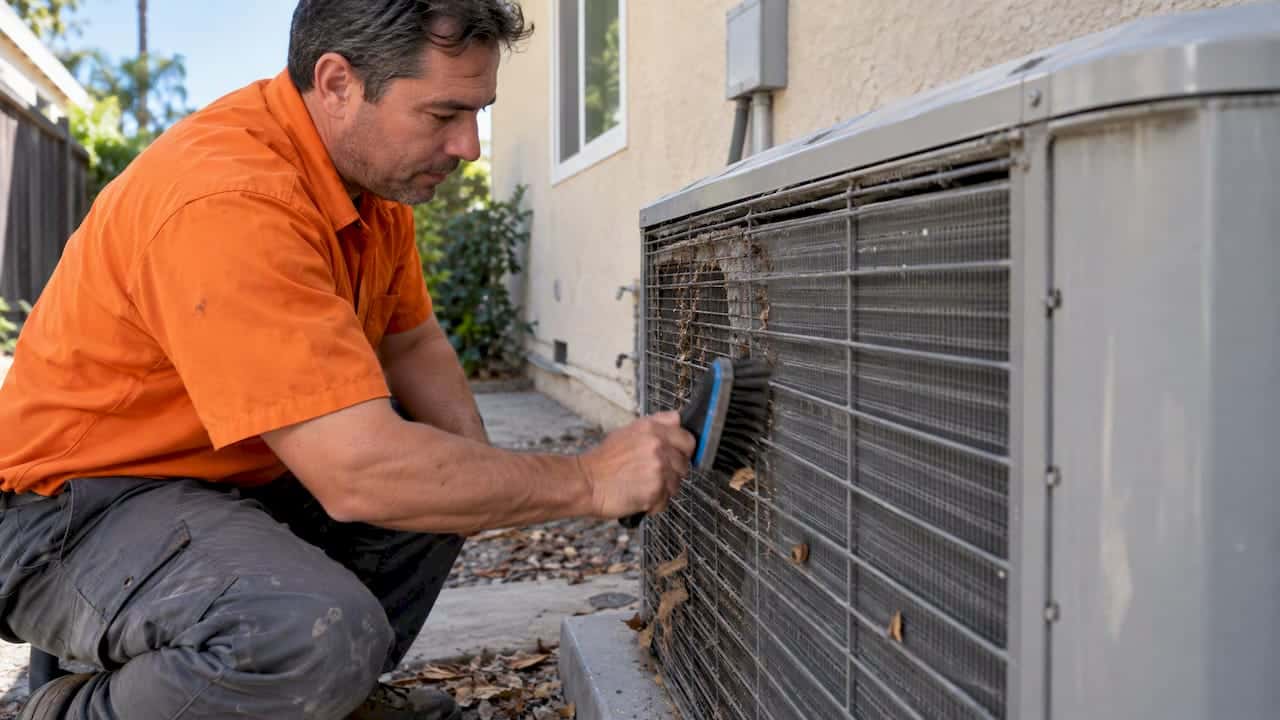
One of the most common mistakes we see with commercial HVAC in Woodland Hills is deferred maintenance. Business owners often skip seasonal tune-ups to save money, but a clogged filter or dirty condenser coil forces the system to work harder, shortening its life and raising energy bills. By the time something fails, it's often a major repair that could have been prevented. We recommend a commercial maintenance contract with quarterly or semi-annual visits to catch problems early and keep the system running efficiently.
Another mistake is hiring unlicensed contractors for HVAC work. Unlicensed work can void equipment warranties and leaves you without insurance if something goes wrong — like a roof leak, fire, or injury. It may also cause permit issues when you try to sell the property or pass inspection. We operate under CSLB #1073586 with full liability and worker's comp, and we pull permits for all work that requires them. We also see mismatched replacements — keeping an old indoor unit with a new condenser, for example — which hurts efficiency and creates performance problems. We'll always recommend a matched system or explain why it matters.
Health and Safety Considerations for Commercial HVAC
Commercial HVAC affects more than comfort — it impacts indoor air quality, ventilation rates, and safety. For restaurants, makeup air systems must be balanced with kitchen exhaust hoods to maintain proper pressure and remove smoke, grease, and heat. Medical offices require precise temperature and humidity control for patient care and equipment. Even standard offices need adequate fresh air to meet ASHRAE 62.1 ventilation standards and reduce the spread of airborne illnesses. We check ventilation on every commercial service call and can recommend upgrades like higher MERV filters or UV lights if needed.
Refrigerant handling is a major safety and environmental issue. We comply with EPA Section 608 regulations and California Air Resources Board requirements. Phase-down of high-GWP refrigerants like R-410A means older systems with leaks become expensive to recharge, and eventually, those refrigerants will be unavailable. For Woodland Hills commercial properties, we help you plan for the transition to lower-GWP options like R-454B. If your system uses R-22, we can advise on retrofits or replacement timelines. Safety also includes proper electrical connections, gas line integrity for furnaces, and carbon monoxide testing for any combustion equipment.
How to Choose the Right Commercial HVAC Solution
Start with a professional assessment. Don't guess what's wrong — a thorough diagnostic gives you the facts. We provide a written report with options, costs, and expected outcomes. If the system is repairable and under 10 years old, repair is usually best. If it's over 15 years old or requires major components, consider replacement. Factor in energy savings, rebates, and future maintenance costs. We'll walk you through the numbers so you can make a decision based on your budget and your business needs.
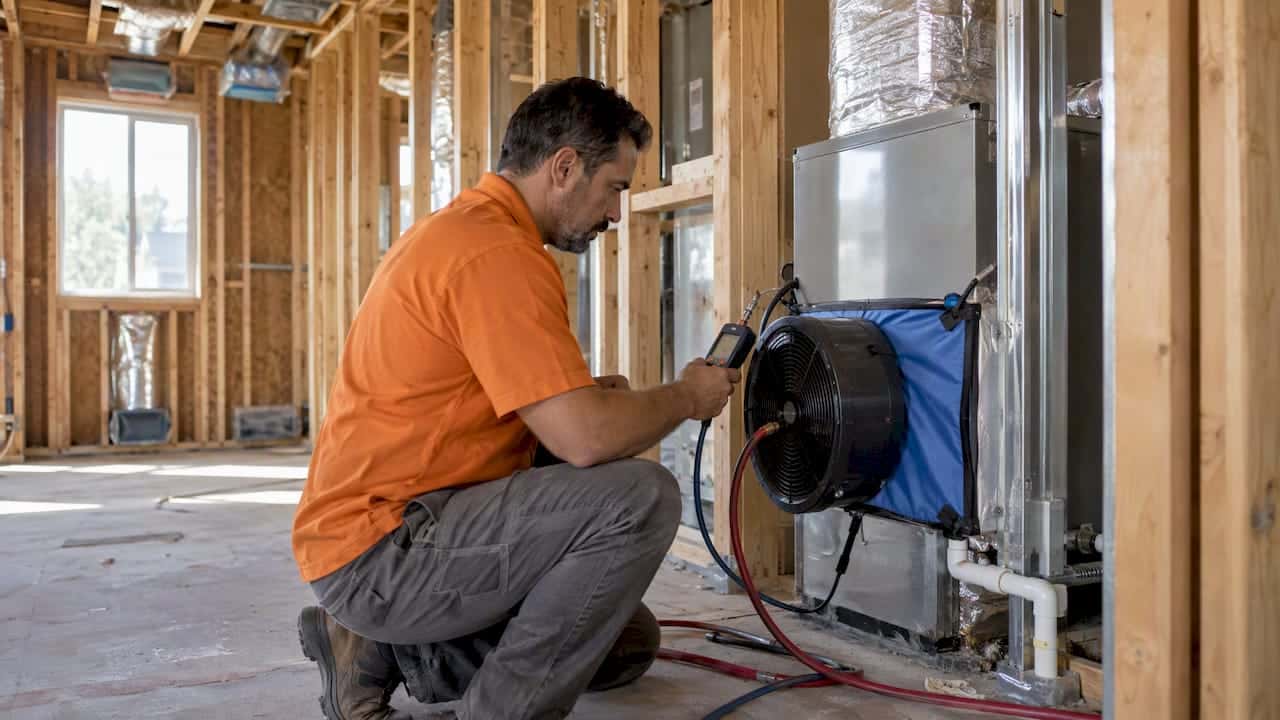
For new installations, size the equipment properly. Oversized units short-cycle and don't dehumidify; undersized units run constantly and wear out faster. We perform load calculations (Manual J or equivalent) to match the equipment to your building's cooling and heating loads. Also consider the type of system: rooftop units for larger spaces, split systems for smaller offices, or ductless for spaces without existing ductwork. We'll recommend the most cost-effective solution that meets your comfort and efficiency goals.
How the visit works
Site assessment: We evaluate your commercial HVAC system, document equipment, identify issues, and note access constraints.
Proposal: We provide a detailed written proposal with cost breakdown, permit requirements, and timeline.
Service delivery: We complete the permitted installation or repair with minimal business disruption.
Documentation: We provide completion documentation, permit sign-off, and maintenance records.
Cost factors we review before quoting
- • Commercial diagnostic: $175–$350
- • Commercial repair: $250–$2,500
- • Rooftop unit service: $200–$500
- • Commercial system installation: Call for quote
Useful next steps
Commercial HVAC in Woodland Hills at a glance
- • LC Heating & Air is a CSLB-licensed commercial HVAC contractor (#1073586) serving Woodland Hills and all of Los Angeles County.
- • Phone: (323) 970-3113 — emergency calls are answered within 30 minutes, with priority response for commercial breakdowns.
- • Owner Leo has 20+ years of hands-on HVAC experience; technicians are NATE-trained and EPA-certified.
- • We specialize in small to mid-size commercial HVAC (2–20 tons) — retail, offices, restaurants, medical offices, and mixed-use spaces.
- • All commercial work includes written estimates, proper permits, and compliance with Title 24 energy codes.
- • Commercial maintenance contracts available with quarterly or semi-annual visits and documented service records.
- • We serve the full Woodland Hills area including Warner Center, Ventura Boulevard corridor, and adjacent communities like Canoga Park and West Hills.
Our commercial hvac process in Woodland Hills
Reviewed by Leo, Owner & Lead Technician
This commercial hvac guide for Woodland Hills is reviewed for practical HVAC accuracy by Leo at LC Heating & Air. LC Heating & Air holds California CSLB C-20 HVAC license #1073586 and provides written estimates before approved work.
What Woodland Hills customers say about commercial hvac
Verified reviews from homeowners in Woodland Hills and nearby neighborhoods who used our commercial hvac service.
“Got quotes from four companies. LC was the only one that actually did a Manual J calculation and explained why our old system was oversized. The new properly-sized Trane system cools better, runs quieter, and costs less to operate.”
“LC is our go-to for everything HVAC. They've done two mini splits, a furnace replacement, and annual maintenance for our Tarzana home. Leo runs a tight ship — every tech is professional and they always show up on time.”
“Our AC stopped working during a heat wave and LC had a technician here within two hours. He diagnosed a bad capacitor, had the part on his truck, and fixed it on the spot. Fair price, no upsell. Will use again.”