Full AC system replacement for Silver Lake homeowners. We focus on proper sizing, code-compliant installations, and honest advice on whether your system is worth fixing or ready for an upgrade.
AC Repair & Air Conditioner Service in Silver Lake
LC Heating & Air provides AC repair in Silver Lake — including fix A/C, home AC repair, air conditioning unit repair, AC unit repair. Whether you need same-day service, a written estimate, or help deciding between repair and replacement, our licensed technicians handle every make and model.
We repair and service all major HVAC brands in Silver Lake, including Carrier, Lennox, Trane, Hisense, LG, and Samsung, and older or discontinued units. No matter the manufacturer, we diagnose the problem accurately and give you an upfront price before any work begins.
Silver Lake's hillside terrain and eclectic mix of architectural styles—from 1920s Craftsman bungalows to post-war Mid-Century Modern homes—makes it one of the most varied HVAC markets in Los Angeles. The neighborhood's topography creates significant temperature variation between hilltop and valley-floor properties, and the dense canopy of trees creates unique shading patterns that directly affect your home's cooling load.
At LC Heating & Air, we have spent years servicing the 90026 and 90039 areas. We understand that a home near the Silver Lake Reservoir has different airflow needs than a newer build in the Moreno Highlands. We don't believe in one-size-fits-all solutions. Whether you are dealing with an aging system that can no longer keep up or a unit that has become a constant repair headache, we provide the technical assessment you need to make an informed decision.
Call LC Heating & Air at (323) 970-3113 for scheduling and estimates.
Local HVAC considerations
Silver Lake (90026, 90039)
CSLB #1073586
Manual J Sizing & Code Compliance
Local HVAC Challenges in Silver Lake
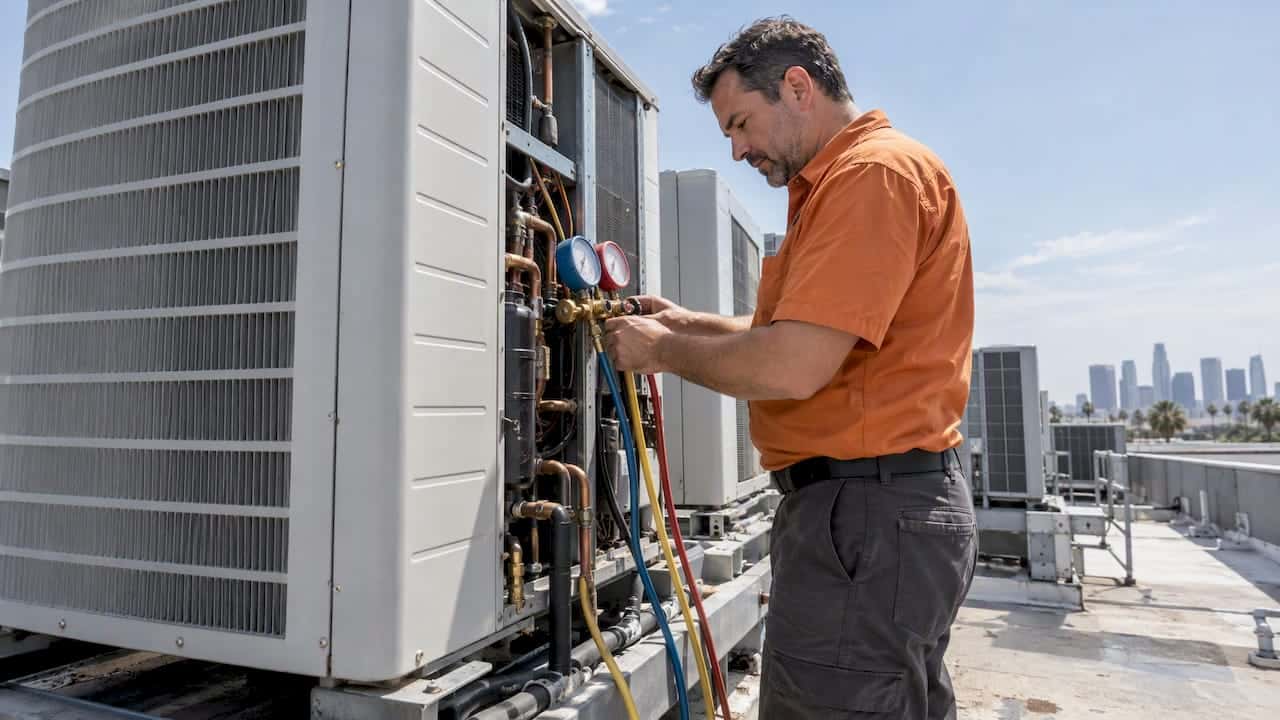
Silver Lake's hillside lots create specific installation challenges for outdoor condensing units. Steep grades, limited flat ground, and close proximity to neighbors require careful placement planning. When ground space is tight, we often use wall-bracket mounting for outdoor units to ensure proper airflow and service access. We always assess the acoustic impact on your neighbors before finalizing a location.
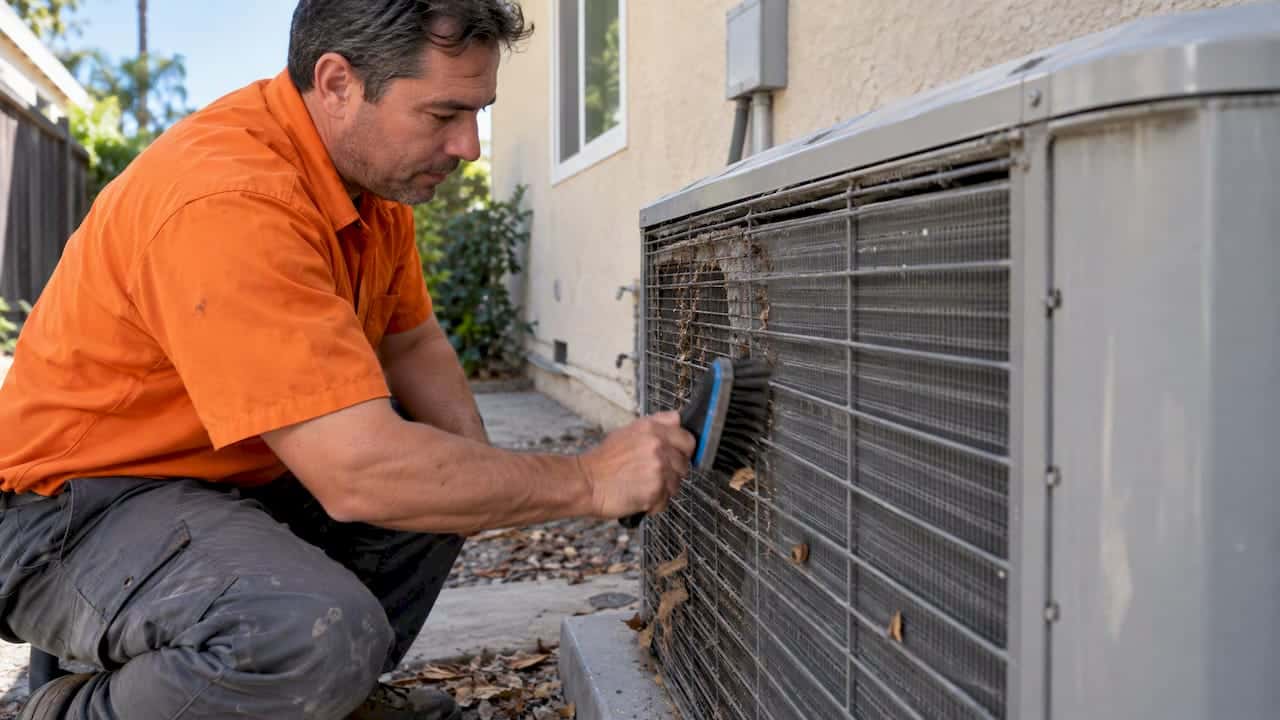
The neighborhood's tree canopy, while beautiful, is a common source of debris for outdoor units. If you have significant overhead tree cover, your condenser coils are likely collecting leaves and dust faster than average. We recommend quarterly coil cleaning to prevent your system from working harder than it needs to, which saves on energy bills and prevents premature compressor failure.
Navigating Silver Lake's Diverse Housing Stock
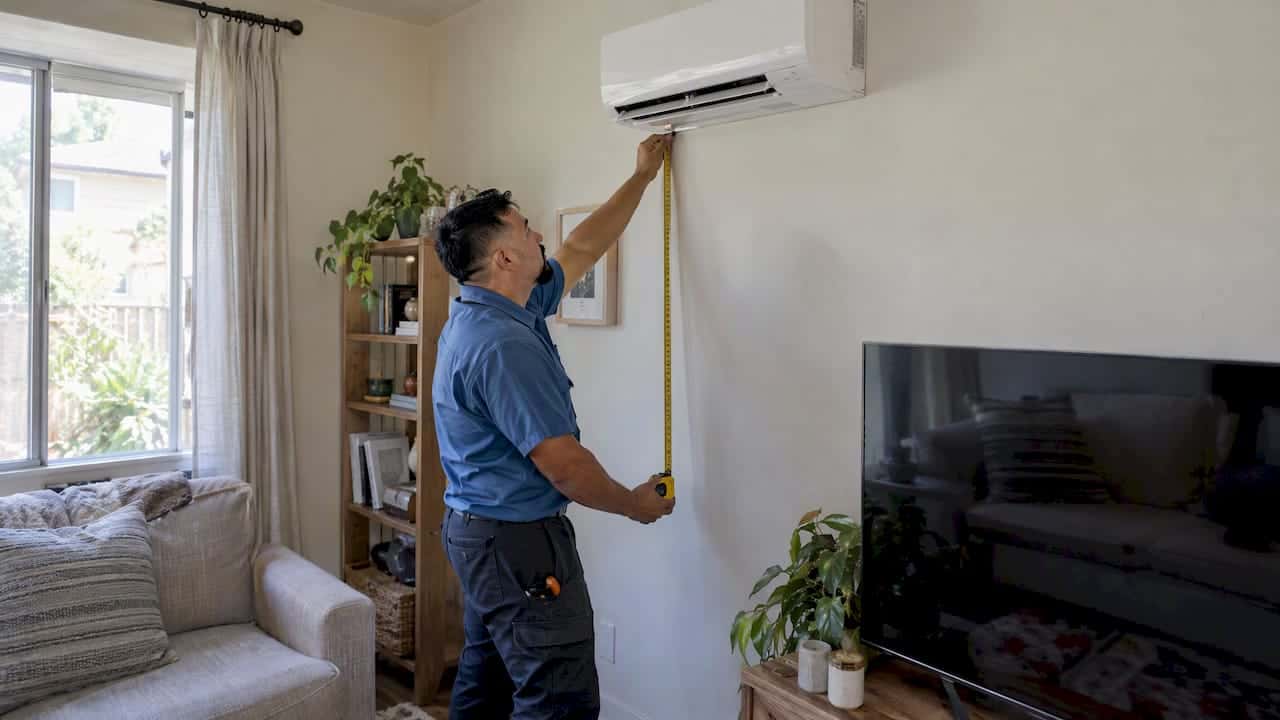
Silver Lake has seen substantial renovation activity over the past decade. Many homes now feature a mix of updated, well-insulated rooms and original, drafty construction. This creates uneven cooling loads where one room is freezing and another stays hot. In these cases, we often look at mini-split systems, which provide precise zone control without requiring the massive ductwork modifications that a traditional central system would demand.
For older homes, we prioritize checking the condition of existing ductwork. If your ducts are original to the house, they may be undersized or leaking, which wastes energy regardless of how efficient your new AC unit is. We inspect these elements before recommending any equipment to ensure you get the performance you are paying for.
Our Diagnostic and Assessment Process
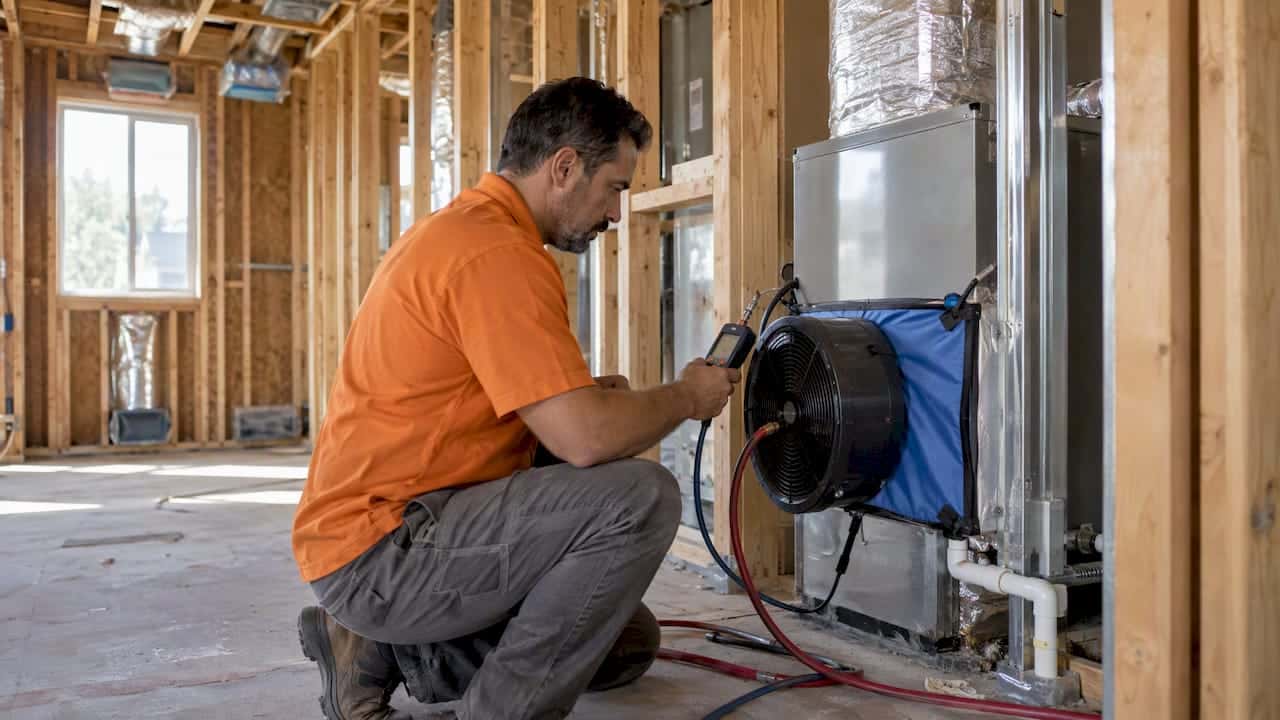
Before we ever talk about a new unit, we perform a thorough inspection. We check your electrical panel capacity, the condition of your current ductwork, and the insulation levels in your attic. Most importantly, we perform a Manual J load calculation. This is the only way to determine the exact cooling capacity your home needs based on your specific window orientation, ceiling heights, and local design temperatures.
We don't rely on rules of thumb or square footage guesses. By measuring your home's actual heat gain, we ensure your new system won't short-cycle—which is a common cause of high humidity and premature wear—or struggle to keep up on the hottest days of the year.
Repair vs. Replace: The Honest Truth
At some point, repairing an aging air conditioner stops being the smart financial move. My rule of thumb is simple: if a repair costs more than 50% of the price of a new system, and your unit is over 10 years old, replacement is usually the better investment. You stop throwing money at a declining system and start banking the energy savings a modern, high-efficiency unit delivers.
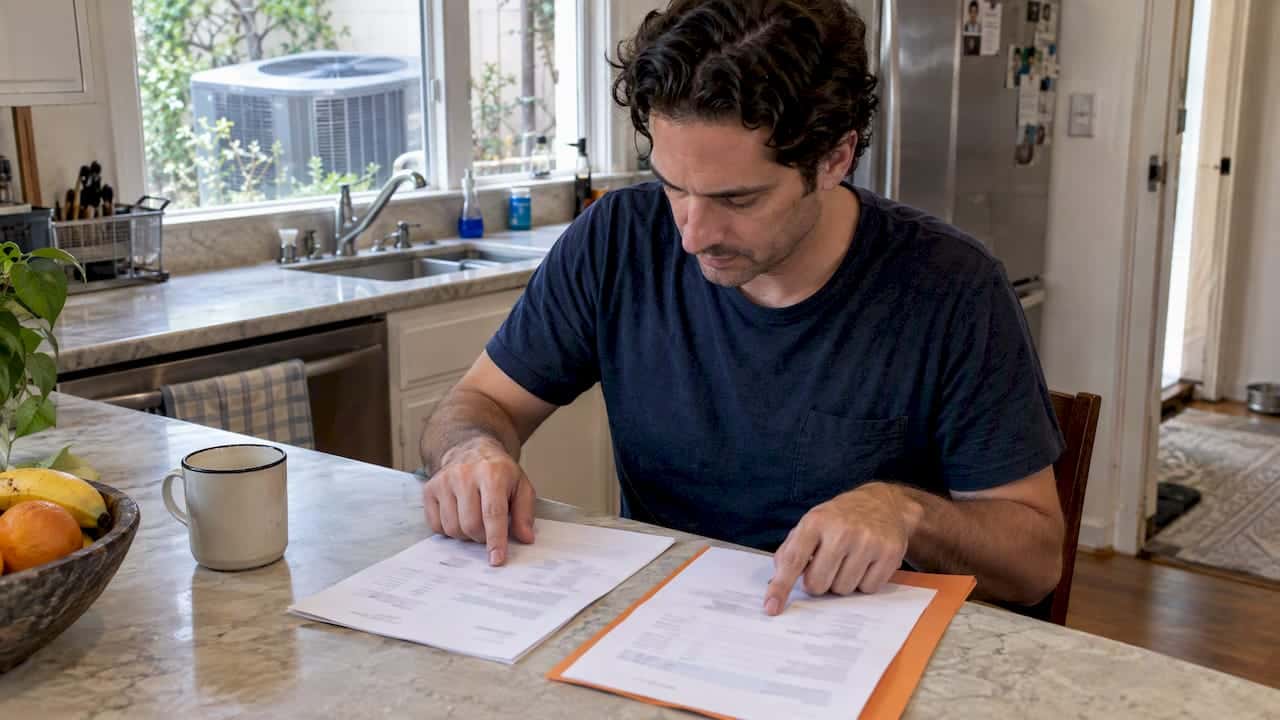
If your system is worth repairing, I will tell you. If the pattern of failures—like refrigerant leaks, compressor issues, or electrical faults—points to a system at the end of its life, I will explain why. My goal is to give you the information I would want if I were sitting at your kitchen table.
Permits, Rebates, and Your Investment
Every AC replacement we perform is pulled with a permit from the LADBS or the relevant city building department. Unpermitted HVAC work can void your homeowner insurance and cause major headaches when you go to sell your home. We never skip this step. We also handle all rebate documentation for SCE, SoCalGas, and TECH Clean California incentives. Depending on the efficiency tier of the equipment you choose, these rebates can significantly offset your installation costs.
When we provide an estimate, it includes everything needed to get the job done right. We recover your old refrigerant using EPA-compliant equipment, update your electrical connections to current code, and ensure your new system is registered for the full manufacturer warranty.
Scheduling and Access
We know that being without AC in Los Angeles is not an option. We offer same-day service for diagnostics and work to get your replacement scheduled as quickly as possible. Because we are a local contractor based in Los Angeles, we are familiar with the access challenges in Silver Lake, including narrow streets and limited parking.
On installation day, our crew arrives in the morning and typically completes the entire job in 4 to 8 hours. We handle the removal of the old unit, the installation of the new system, and the final commissioning. Our goal is to have you sleeping in a cool house the same night we finish the work.
Health and Safety Considerations
Your HVAC system is a major part of your home's health. Poorly maintained systems can circulate dust, allergens, and, during wildfire season, smoke. When we replace a system, we look at the whole picture, including filtration options that can help keep your indoor air quality better than it was with your old unit.
Safety also means proper electrical work and refrigerant handling. We ensure all high-voltage connections are secure and up to code, and we never vent refrigerant into the atmosphere. Everything is reclaimed or recycled through licensed partners, keeping your home and our neighborhood safe.
Common Mistakes We See
The biggest mistake we see is replacing an old unit with a new one of the exact same size without checking if the original was sized correctly in the first place. If your old unit was oversized, the new one will be too, leading to the same short-cycling and humidity issues. We also see many homeowners skip the permit process, which is a massive risk to their property value and insurance coverage.
Another common issue is ignoring the furnace or air handler. If your furnace is 20 years old, putting a brand-new, high-efficiency AC coil on top of it often leads to airflow problems. We inspect the entire system to ensure the components are matched for efficiency and longevity.
Is It Time to Replace?
If your AC is 12–15 years old and you find yourself calling for repairs every season, it is time to look at the numbers. A system that can't maintain comfort on days above 90°F is likely struggling with a failing compressor or a chronic refrigerant leak.
If you are using R-22 refrigerant, you are already at a disadvantage, as this refrigerant has been phased out and is now very expensive to source. In these cases, the energy savings and reliability of a new, modern system almost always outweigh the cost of another repair.
How the visit works
Free replacement assessment: We inspect your current system, ductwork, electrical panel, and insulation before recommending any equipment.
Equipment proposal: We present 2–3 equipment options at different efficiency levels with honest payback analysis and applicable rebates.
Installation day: A two-tech crew removes the old system, handles refrigerant recovery, and installs the new unit to manufacturer spec.
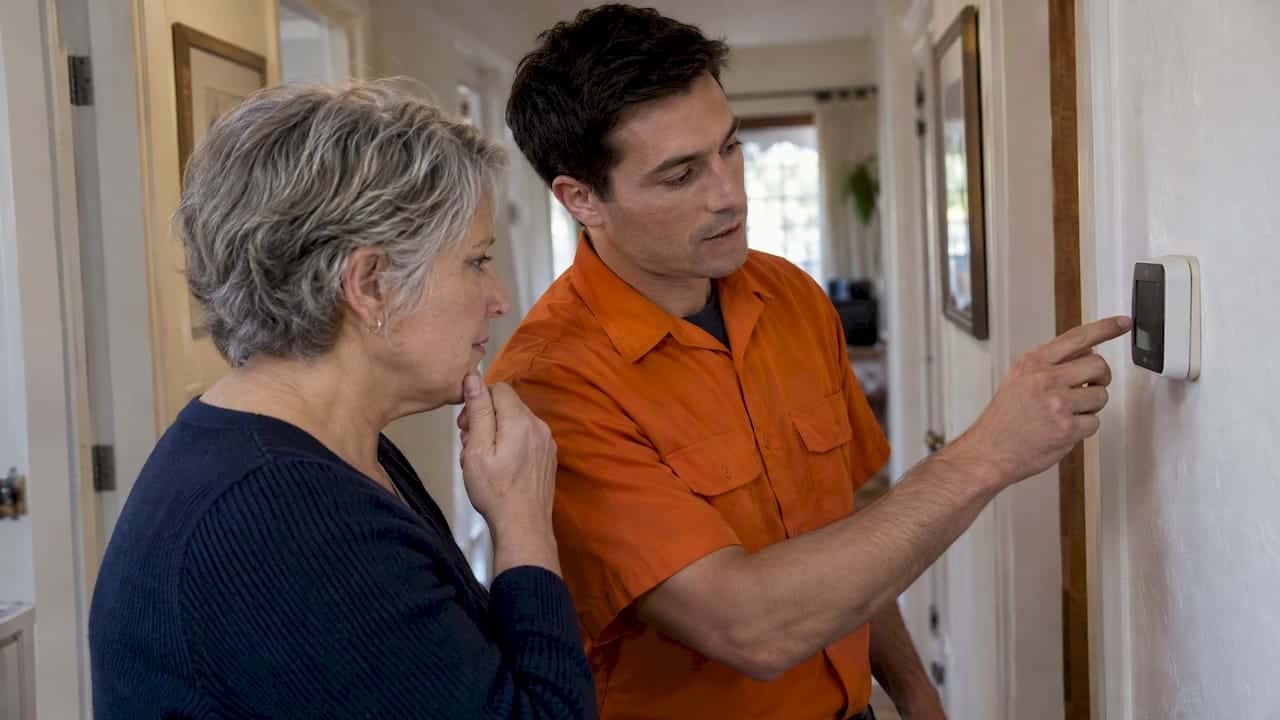
Commission and warranty: We measure refrigerant charge, test all functions, register your warranty, and review the system with you before leaving.
Cost factors we review before quoting
- • Service call / diagnostic: $125–$175 (applied to repair)
- • Common component repair: $175–$450
- • Refrigerant recharge: $250–$650
- • Major component replacement: $500–$2,800
Useful next steps
AC Replacement in Silver Lake at a glance
- • AC Replacement provider: LC Heating & Air
- • Location served: Silver Lake, CA 90026
- • License: CSLB C-20 #1073586
- • Phone: (323) 970-3113
- • Estimate: written estimate before approved work
- • Emergency calls answered within 30 minutes (24/7)
Our ac replacement process in Silver Lake
Reviewed by Leo, Owner & Lead Technician
This ac replacement guide for Silver Lake is reviewed for practical HVAC accuracy by Leo at LC Heating & Air. LC Heating & Air holds California CSLB C-20 HVAC license #1073586 and provides written estimates before approved work.
What Silver Lake customers say about ac replacement
Verified reviews from homeowners in Silver Lake and nearby neighborhoods who used our ac replacement service.
“AC compressor failed on the hottest day of the year. LC came out quickly, gave an honest assessment — said the compressor was still under manufacturer warranty — and helped me get it covered. Saved me over $1,200.”
“Replaced our 20-year-old Lennox system with a new high-efficiency Carrier. LC handled the permits, coordinated the Edison inspection, and finished a full replacement in one day. Impeccable workmanship.”