A single-zone ductless mini split typically costs $3,500–$6,000 installed. Multi-zone systems generally range from $8,000–$18,000 depending on the number of zones and electrical requirements. We provide honest, upfront estimates for all installations.
Mini Split Repair & Ductless AC Service in Westwood
LC Heating & Air provides mini split repair in Westwood — including ductless AC repair, mini split installation, ductless mini split service, mini split not cooling. Whether you need same-day service, a written estimate, or help deciding between repair and replacement, our licensed technicians handle every make and model.
We repair and service all major HVAC brands in Westwood, including Mitsubishi, Daikin, LG, Fujitsu, Samsung, and Carrier, and older or discontinued units. No matter the manufacturer, we diagnose the problem accurately and give you an upfront price before any work begins.
Westwood encompasses the area surrounding UCLA, bounded roughly by Bel Air to the north, Brentwood to the west, and Century City to the south. The neighborhood has an unusually diverse mix of housing: single-family homes in the Westwood Hills area, large apartment and condominium buildings along Wilshire Boulevard, and student-oriented rental properties near the UCLA campus. LC Heating & Air serves all of Westwood's 90024 and 90025 zip codes with professional HVAC service.
Mini split systems are the fastest-growing HVAC solution in Los Angeles. They require no ductwork, heat and cool individual rooms, run quietly, and can be up to 40% more efficient than central systems. Whether you need a single-zone unit for a home office or a multi-zone system for a whole house, we size each unit correctly for your specific layout and climate needs.
Call LC Heating & Air at (323) 970-3113 for scheduling and estimates.
Local HVAC considerations
Westwood (90024, 90025)
HOA and building management coordination
Coastal influence with periodic heat spikes
Common HVAC Issues in Westwood
Westwood's mix of single-family homes and high-rise condominiums means we work with both traditional split-system HVAC and commercial-grade building systems. Condo buildings along the Wilshire Corridor typically use centralized chiller plants with individual fan coil units, which require different maintenance expertise than standard residential split systems.
We often see issues with older systems struggling to keep up during the occasional heat spikes when the marine layer clears. Because of the urban heat-island effect in dense areas like Westwood Village, equipment often works harder than it would in more open environments. We focus on proper sizing to ensure your system doesn't cycle excessively.
HVAC for Westwood's Unique Architecture
Los Angeles is home to an enormous stock of pre-1950s homes that were built before central air conditioning existed. The wall construction in many of these homes makes adding new ductwork architecturally destructive or prohibitively expensive. Mini splits solve this by requiring only a small three-inch hole through the wall to connect the indoor and outdoor units.
For the student rental market and multifamily properties, we see many systems that have been neglected. We work with property managers to establish preventive maintenance programs that reduce emergency calls. Whether you are in a historic home or a modern apartment, we tailor our approach to your building's specific mechanical constraints.
Our Diagnostic Approach
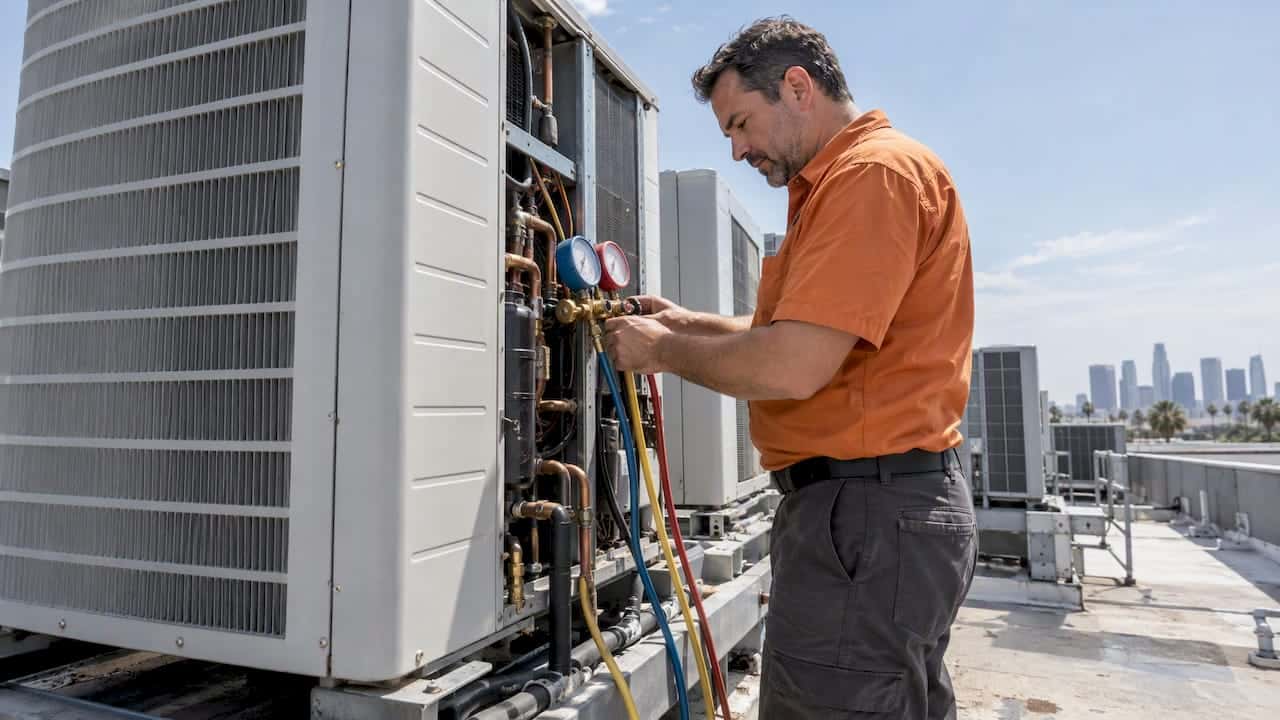
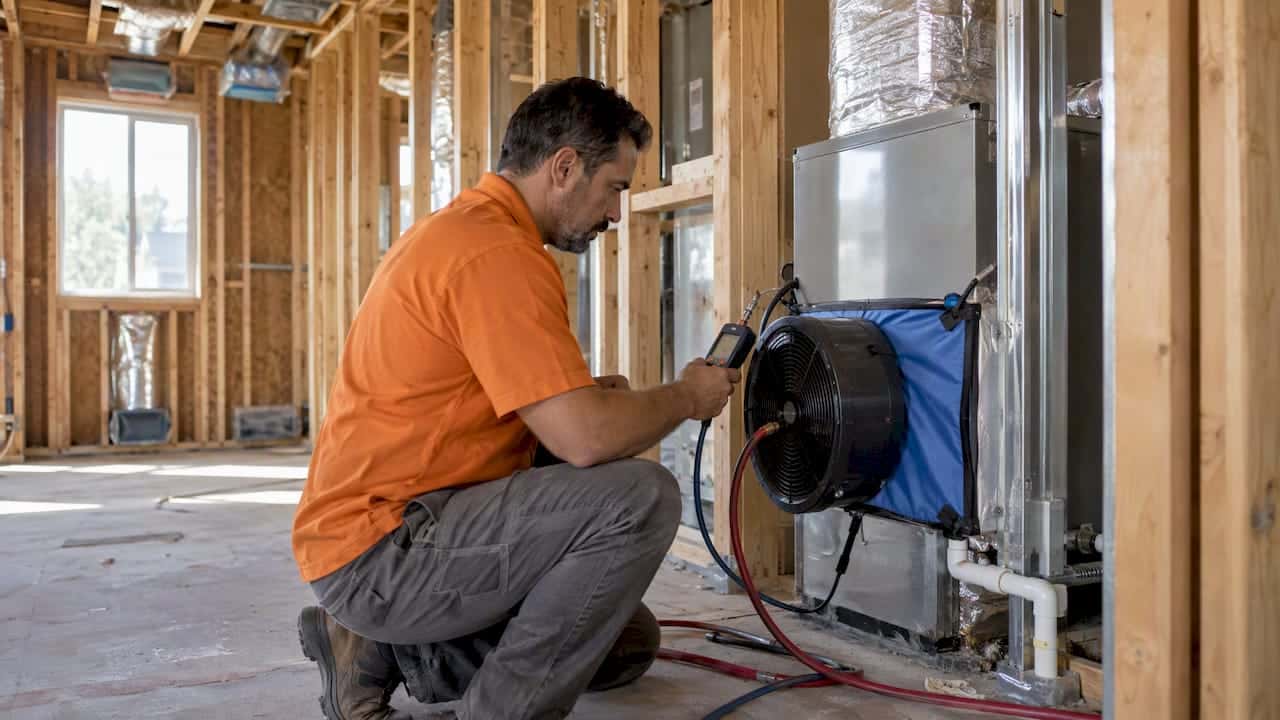
When we arrive for a diagnostic call, we don't just look at the thermostat. We check the entire system, starting with the airflow and refrigerant levels. We look for signs of wear on the compressor, check the electrical connections, and inspect the condensate drainage to ensure no water damage is occurring inside your walls.
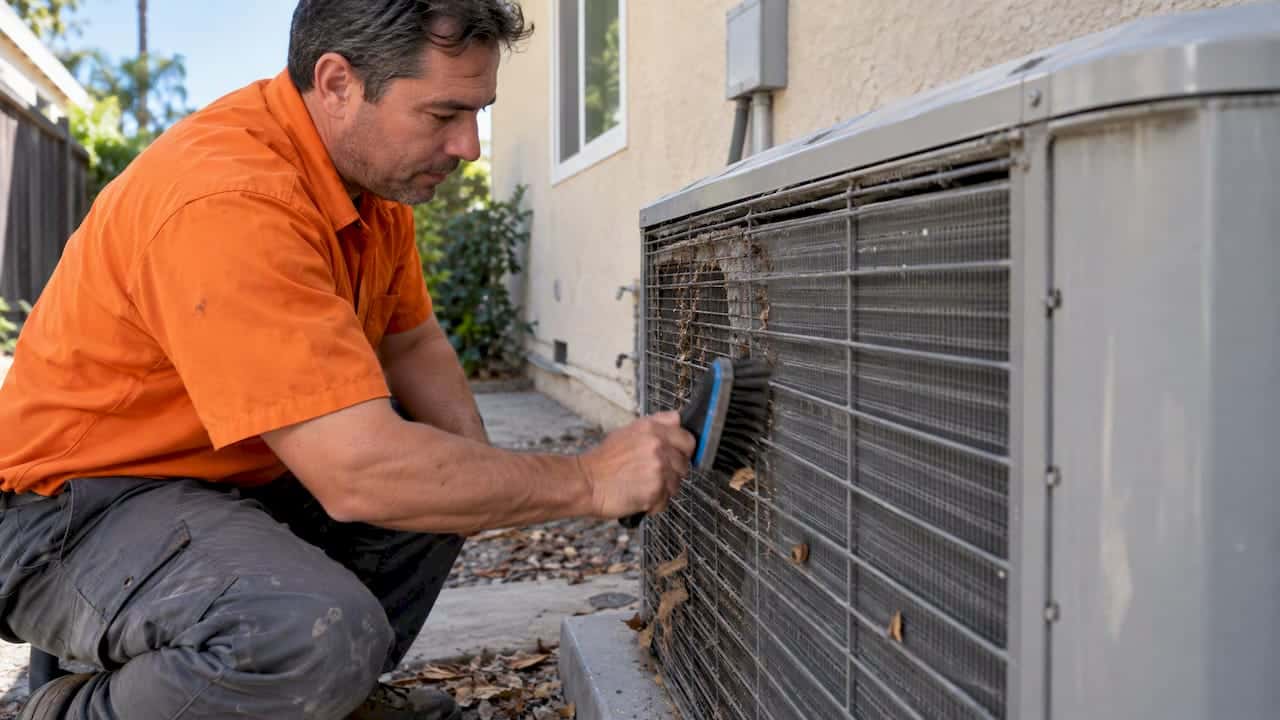
If your system isn't cooling, we determine if it's a simple fix like a dirty filter or a more complex issue like a refrigerant leak. We explain our findings in plain English so you can make an informed decision about whether to repair or replace the unit.
Repairing vs. Replacing Your System
I always tell my customers that if a system is worth repairing, we will tell you. If the repair is going to cost half the price of a new unit or if the equipment is failing due to age and inefficiency, we will be honest about that. We don't push for replacement unless it is the most practical long-term solution for your home.
Sometimes a repair is just a temporary patch on a failing system. If we see a pattern of recurring failures, we will show you the data so you can decide if it's time to upgrade to a more efficient, reliable heat pump system.
Understanding Costs and Rebates
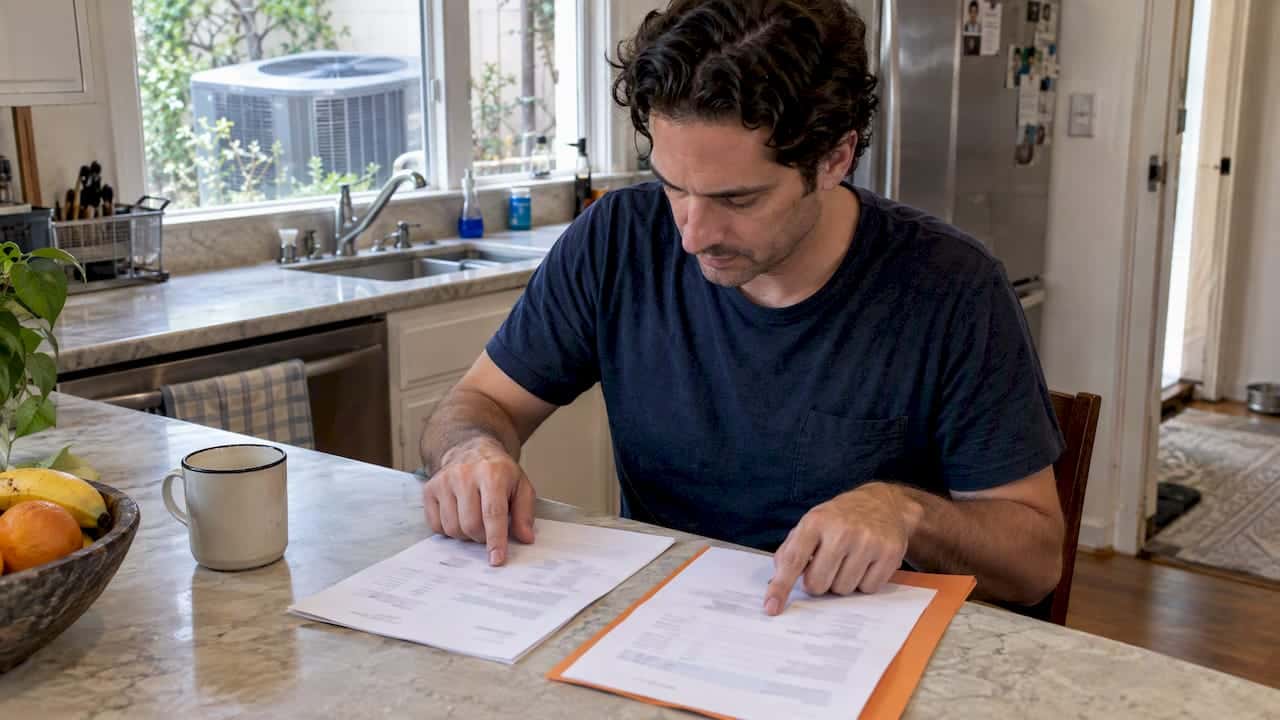
The cost of a mini split installation varies based on the number of zones, the BTU capacity required, and the complexity of the electrical work. We provide written estimates that break down these costs so you know exactly what you are paying for before we start any work.
California offers significant incentives for heat pump upgrades, including TECH Clean California rebates and federal IRA tax credits. We help you identify which programs you qualify for and assist with the necessary paperwork to ensure you get the savings you are entitled to.
Scheduling and Access in Westwood
Working in Westwood often requires coordinating with HOAs, building management, and tenants. We are experienced in navigating the logistics of high-rise condos and gated properties, ensuring we have the necessary access to rooftops or mechanical closets before we arrive.
We respect your time and provide clear windows for our arrival. If you have an emergency, we answer calls within 30 minutes to provide guidance and determine if an immediate site visit is required.
Avoiding Common Installation Mistakes
One of the biggest mistakes we see is improper zone sizing. If a unit is too large, it will cycle on and off too frequently, causing humidity issues and unnecessary wear. If it is too small, it will never reach the desired temperature on hot days. We perform a load calculation to ensure the system is sized perfectly for your space.
Another common error is poor placement of the indoor head or the refrigerant lines. We plan the entire route before drilling, ensuring that the condensate drain has the proper slope and that the indoor unit is positioned for optimal airflow without being an eyesore.
Health and Safety First
Your home's air quality is directly tied to your HVAC system. We ensure that all installations are properly sealed and that condensate lines are routed correctly to prevent mold growth. A properly maintained system keeps your home comfortable and healthy throughout the year.
As a licensed contractor (CSLB #1073586), we follow all safety codes. Our technicians are NATE-trained and EPA-certified, meaning they have the technical knowledge to handle refrigerants and electrical components safely and effectively.
Choosing the Right System
If your home already has functional ductwork, a central AC system is often the most cost-effective choice. However, if you are converting a garage, adding an ADU, or living in an older home without ducts, a mini split is almost always the superior option.
We look at your specific layout, electrical capacity, and usage patterns to help you decide. We don't have a brand bias; we install Mitsubishi, Daikin, Fujitsu, LG, and Carrier systems because we know which ones hold up best in our local climate.
How the visit works
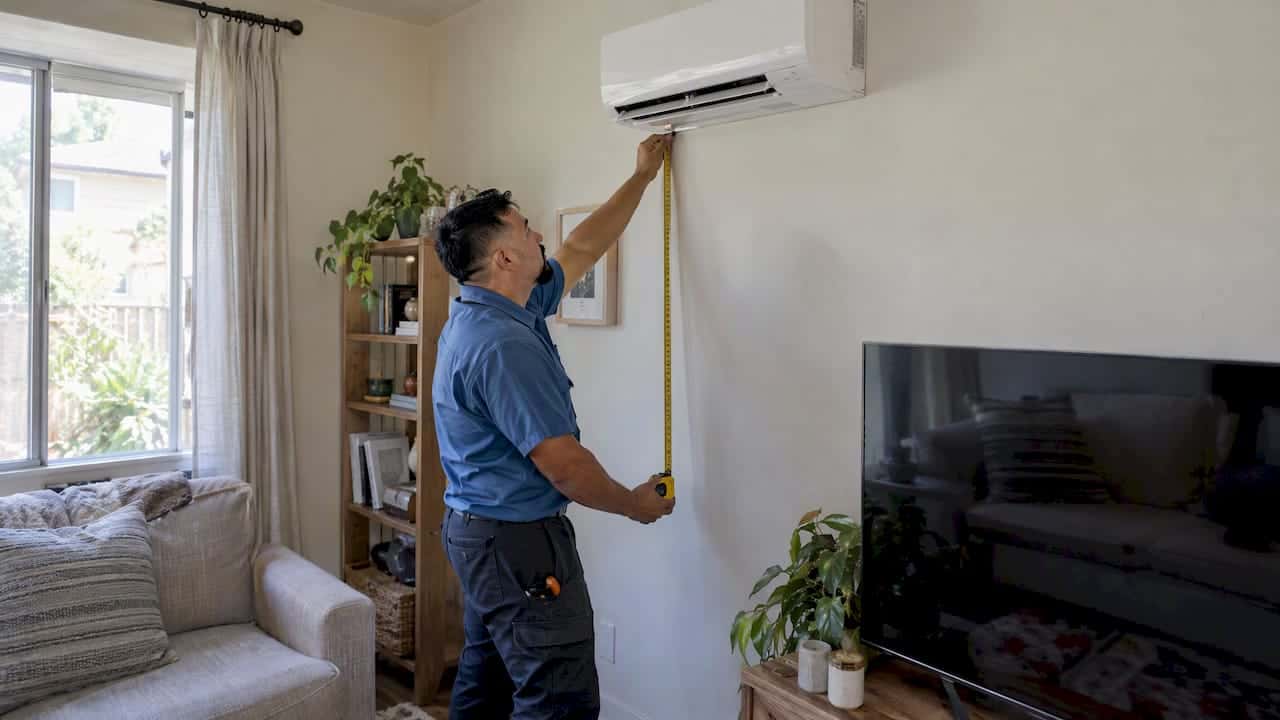
We evaluate wall locations, electrical panel capacity, and outdoor unit placement for optimal performance.
We calculate room-by-room loads and select the right number of indoor heads and outdoor unit capacity.
We mount indoor heads, install the outdoor unit, run refrigerant lines, and make all electrical connections.
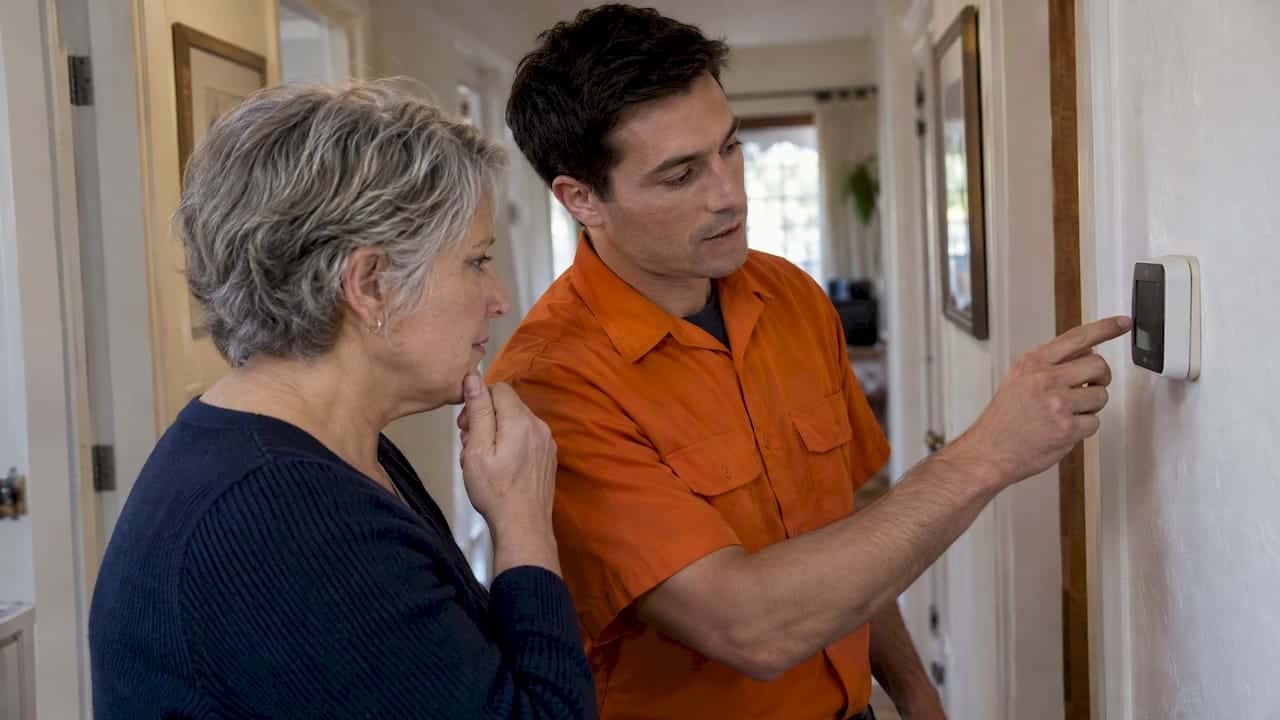
We test the system in both heating and cooling modes, then walk you through the remote and Wi-Fi controls.
Cost factors we review before quoting
- • Number of indoor zones
- • BTU capacity requirements
- • Electrical panel upgrades
- • Refrigerant line length and routing
- • Permitting and HOA requirements
Useful next steps
Mini Split Installation in Westwood at a glance
- • LC Heating & Air is a local Los Angeles HVAC provider founded in 2020.
- • We serve Westwood (90024, 90025) and surrounding areas.
- • Company is licensed under CSLB #1073586.
- • Emergency calls are answered within 30 minutes.
- • We provide written estimates for all repairs and installations.
- • Technicians are NATE-trained and EPA-certified; Leo is pursuing NATE certification.
- • We specialize in ductless mini split installation, repair, and maintenance.
Our mini split installation process in Westwood
Reviewed by Leo, Owner & Lead Technician
This mini split installation guide for Westwood is reviewed for practical HVAC accuracy by Leo at LC Heating & Air. LC Heating & Air holds California CSLB C-20 HVAC license #1073586 and provides written estimates before approved work.
What Westwood customers say about mini split installation
Verified reviews from homeowners in Westwood and nearby neighborhoods who used our mini split installation service.
“Had LC install a Daikin mini split in our 1940s bungalow that never had AC. The work was clean, the unit is incredibly quiet, and our bedroom finally stays cool in summer. Highly recommend.”
“We converted our garage into an ADU and needed HVAC. LC installed a Mitsubishi single-zone mini split — permits, electrical, everything. The unit is so quiet you can barely hear it running. Our tenant loves it.”