If your furnace is failing, we provide honest, professional diagnostics and repairs. We serve all of Westwood, including the Wilshire Corridor and Westwood Hills, with same-day service when available. Call (323) 970-3113 for a professional inspection and written estimate.
Furnace Repair & Heating Service in Westwood
LC Heating & Air provides furnace repair in Westwood — including heating repair, furnace tune-ups, home heater repair, furnace service. Whether you need same-day service, a written estimate, or help deciding between repair and replacement, our licensed technicians handle every make and model.
We repair and service all major HVAC brands in Westwood, including Carrier, Lennox, Trane, Goodman, Rheem, and Bryant, and older or discontinued units. No matter the manufacturer, we diagnose the problem accurately and give you an upfront price before any work begins.
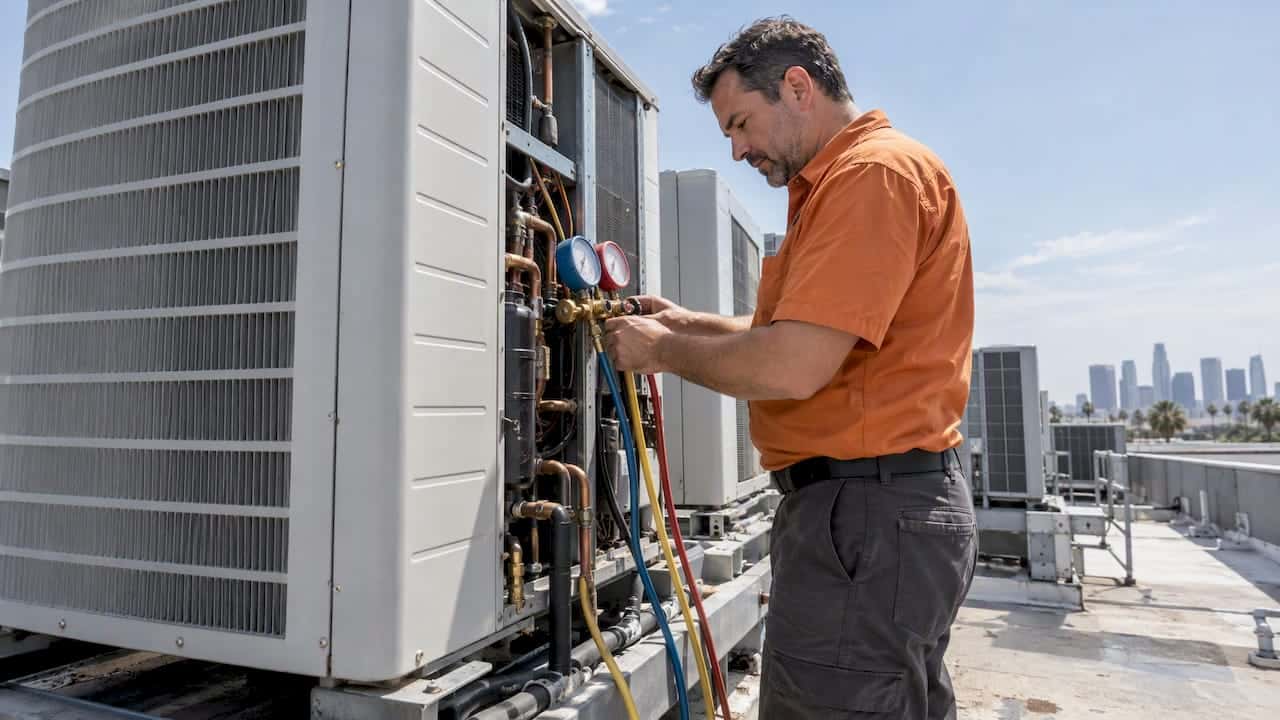
Westwood is a unique neighborhood with a mix of single-family homes in Westwood Hills, high-rise condominiums along the Wilshire Corridor, and dense student housing near UCLA. At LC Heating & Air, we understand the specific HVAC challenges this diversity creates, from rooftop package units on older apartment buildings to complex climate control systems in luxury condos.
Founded in 2020, LC Heating & Air brings Leo has two decades of hands-on HVAC field experience; LC Heating & Air has served Los Angeles since 2020 experience to every service call. We are a locally-owned, CSLB-licensed (#1073586) contractor dedicated to honest, plain-spoken service. Whether you are dealing with a furnace that won't ignite or a system that is blowing cold air, we provide the clear, practical advice you need to make the right decision for your home.
Local HVAC considerations
Westwood (90024, 90025) and surrounding areas.
Experienced with HOAs, high-rise buildings, and gated properties.
Coastal-influenced climate requiring reliable heating for winter nights.
Common Furnace Issues in Westwood
In Westwood, we frequently see furnaces struggling with issues related to age and heavy use. Common problems include failed hot surface ignitors, which typically wear out every 5 to 7 years, and dirty flame sensors that cause the system to lock out and stop producing heat. Because many buildings in the area have limited ventilation or older ductwork, airflow restrictions are also a frequent culprit behind short-cycling.
We also encounter issues with draft inducer motors and pressure switches, which are safety components that prevent the furnace from firing if the venting isn't clear. If your furnace is making a loud banging noise at startup or cycling on and off repeatedly, these are often signs of a system that is struggling to maintain safe combustion or airflow. We diagnose these patterns quickly to get your heat back on.
Heating Systems in Westwood Housing
Westwood's housing stock is incredibly varied. In the Wilshire Corridor, many high-rise buildings utilize centralized chiller plants or specialized fan-coil units that require specific technical knowledge. We are experienced in coordinating with building management and HOAs to ensure our repairs meet building standards and access requirements.
For the single-family homes in Westwood Hills, we often work on traditional split-system furnaces located in attics, closets, or garages. These systems require careful attention to duct integrity and combustion safety. Regardless of the building type, we provide the same level of care, ensuring your system is properly serviced and safe for your family.
Our Diagnostic Approach
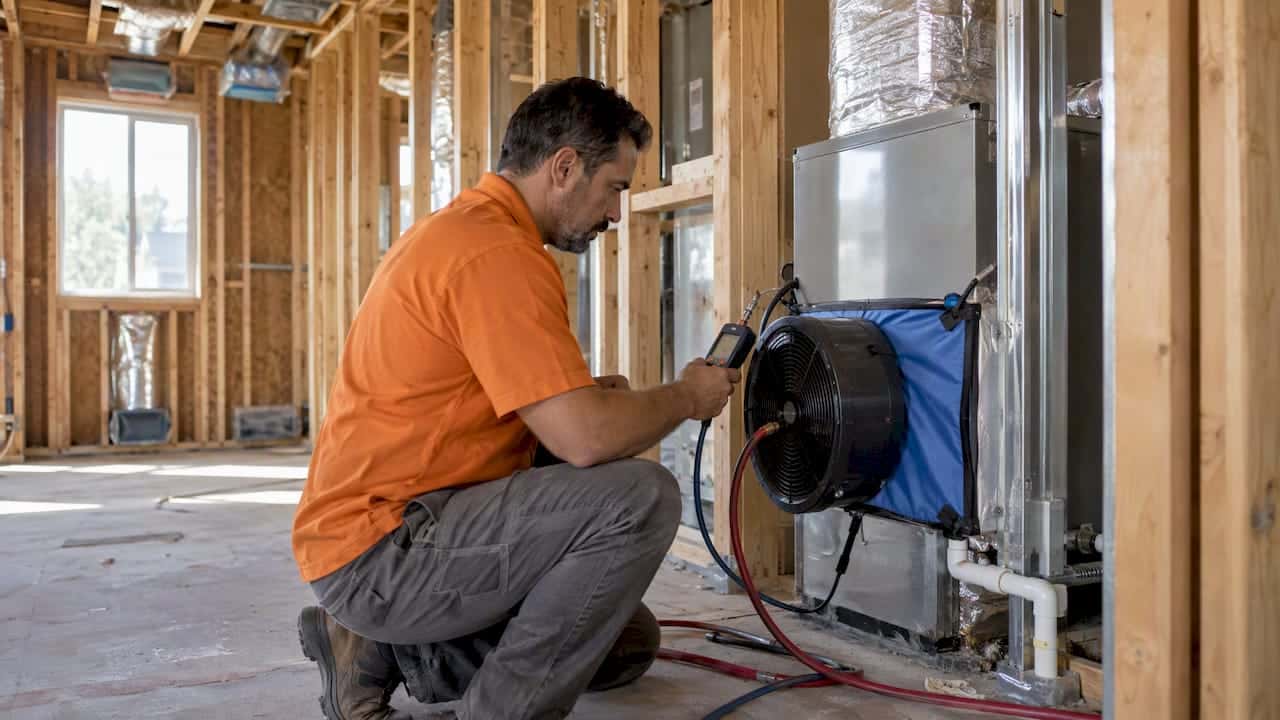
When we arrive at your home, we don't guess. We perform a full system inspection, checking the heat exchanger, gas valve, control board, blower motor, and flue venting. We believe you deserve to know exactly what is wrong before any work begins.
Our technicians are NATE-trained and EPA-certified, meaning they have the technical background to identify the root cause of a failure rather than just treating the symptom. We provide a written estimate for every repair, ensuring there are no surprises when the work is done.
Repair or Replace?
As a homeowner, you want to know if a repair is worth the investment. We are honest about this: if a repair is safe and cost-effective, we will fix it. However, if your furnace is nearing the end of its lifespan or if the repair cost—such as a heat exchanger replacement—is disproportionate to the value of the unit, we will tell you.
We don't push for replacements unless it is the most logical financial and safety decision for your situation. We explain the pros and cons of each path so you can make an informed choice that fits your budget and your home's long-term needs.
Understanding Repair Costs
Furnace repair costs in Los Angeles typically range from $150 to $900 for common components like ignitors, flame sensors, or control boards. More extensive work, such as replacing a heat exchanger, can cost between $1,500 and $3,500, at which point we often recommend considering a full system replacement.
We provide flat-rate pricing for our services so you know the cost upfront. We also help you understand any available rebates or tax incentives for high-efficiency equipment if you decide that replacement is the better path for your home.
Scheduling and Access in Westwood
We know that living in a dense urban area like Westwood comes with challenges like parking, gated access, and HOA rules. We are accustomed to working within these constraints and will coordinate with you or your property manager to ensure we have the access we need to complete the job efficiently.
We offer same-day service when scheduling allows. If you have an emergency, call us at (323) 970-3113. We answer emergency calls within 30 minutes to get the process started and get a technician to your door as quickly as possible.
Avoiding Common HVAC Mistakes
One of the biggest mistakes we see is homeowners ignoring minor issues until they become major breakdowns. A furnace that makes a strange noise or cycles frequently is trying to tell you something. Ignoring these signs often leads to more expensive repairs or, worse, safety hazards.
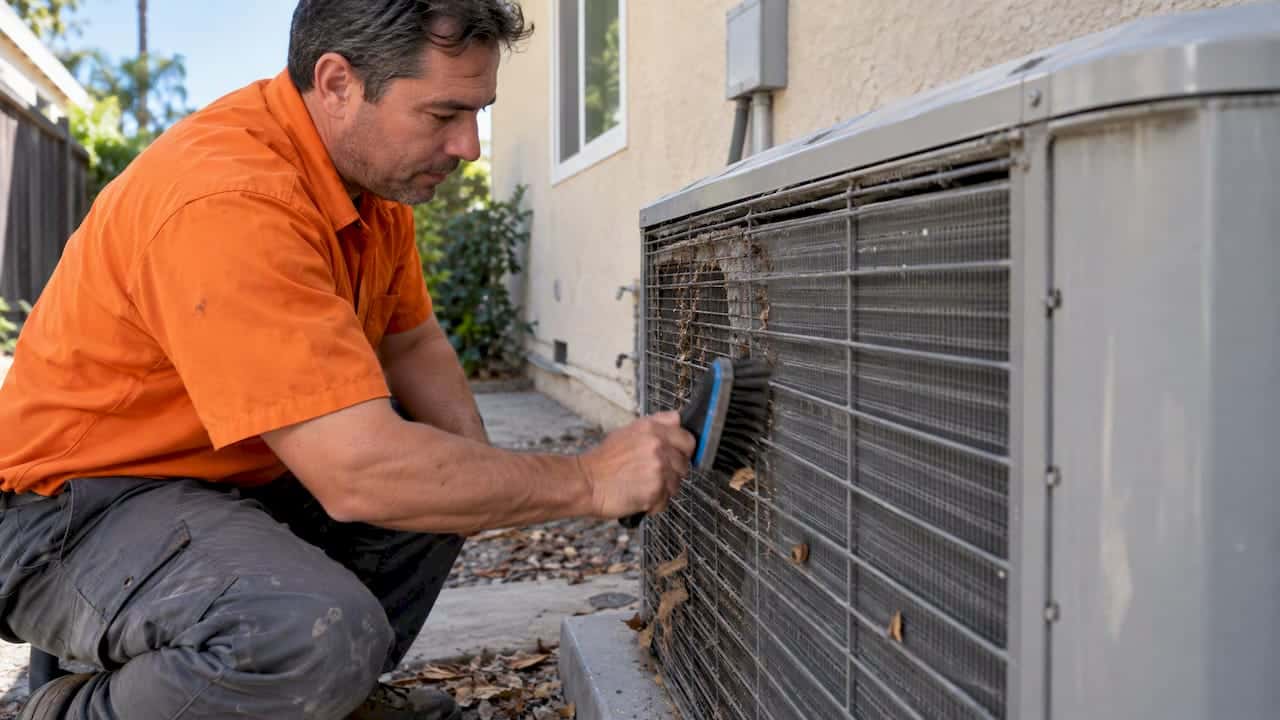
Another mistake is skipping annual maintenance. A simple tune-up can catch a failing ignitor or a dirty flame sensor before they leave you without heat on a cold night. We recommend an annual service to keep your system running safely and efficiently throughout the year.
Carbon Monoxide and Safety
Safety is our top priority. Every furnace service call includes a heat exchanger inspection and a carbon monoxide test. A cracked heat exchanger is a serious safety emergency that can allow dangerous combustion gases into your home, and we will never advise operating a system with this defect.
We also recommend installing CO detectors on every floor and outside all sleeping areas. These devices are inexpensive and essential for any home with gas appliances. If you ever smell gas or suspect a CO leak, shut off your system and call us immediately.
Making the Right Choice for Your Heating
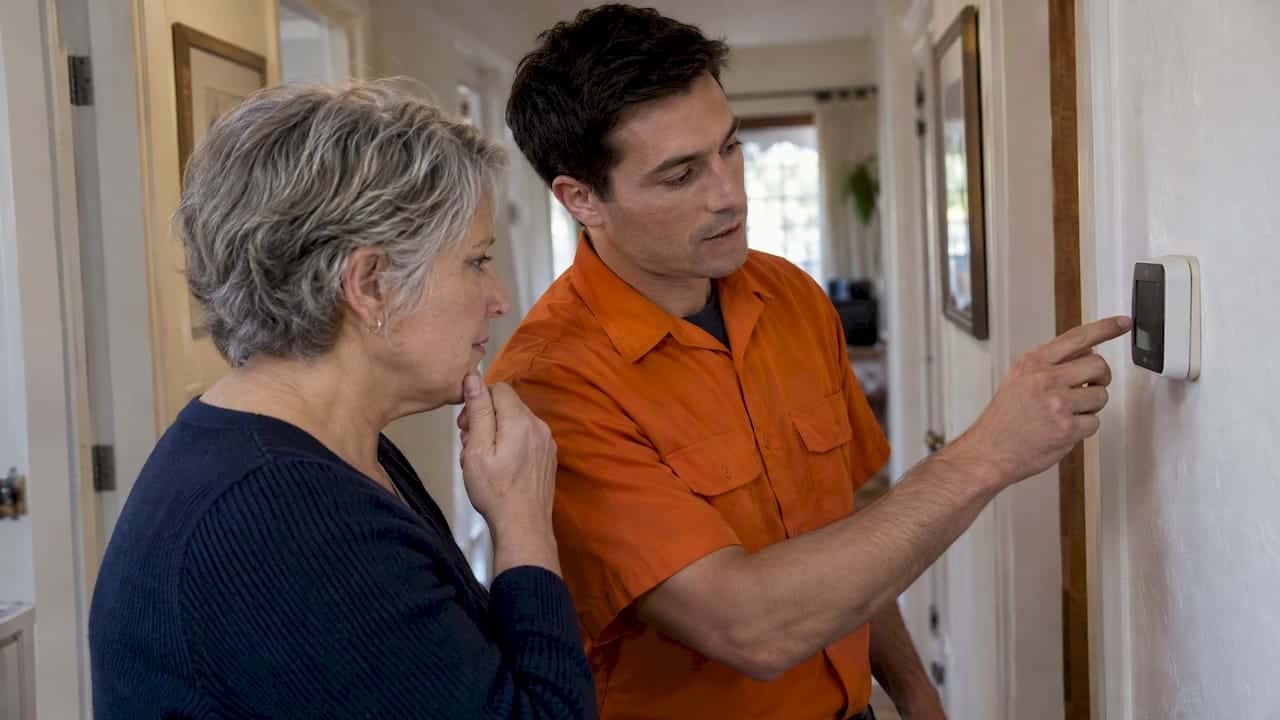
When your furnace stops working, the first step is to check the basics: ensure your thermostat is set correctly, check your air filter, and verify that the furnace breaker hasn't tripped. If these aren't the issue, it's time for a professional diagnosis.
At LC Heating & Air, we guide you through the decision-making process by providing a clear, written estimate and explaining the condition of your equipment. We prioritize your safety and your budget, ensuring you have all the information needed to decide whether to repair your current unit or invest in a new, more efficient system.
How the visit works
Safety first: We check for gas leaks and CO levels before diagnosing.
Full system diagnosis: We inspect the heat exchanger, ignitor, gas valve, and all safety limits.
Written price estimate: We explain the issue and provide a flat price before starting work.
Repair & test: We complete the repair and verify combustion safety.
Cost factors we review before quoting
- • Type of component failure (ignitor vs. heat exchanger)
- • Age and condition of the existing furnace
- • Accessibility of the unit in high-rise or tight spaces
- • Complexity of the repair and parts availability
Useful next steps
Furnace Repair in Westwood at a glance
- • LC Heating & Air is located at 509 N Fairfax Ave, Los Angeles, CA 90036.
- • Company founded in 2020; Leo has 20+ years of hands-on HVAC experience.
- • Licensed by CSLB #1073586 (C-20 HVAC).
- • Emergency calls are answered within 30 minutes (phone response).
- • Technicians are NATE-trained and EPA-certified.
- • Every furnace repair includes a carbon monoxide safety check.
- • We provide written estimates before performing any repair work.
Our furnace repair process in Westwood
Reviewed by Leo, Owner & Lead Technician
This furnace repair guide for Westwood is reviewed for practical HVAC accuracy by Leo at LC Heating & Air. LC Heating & Air holds California CSLB C-20 HVAC license #1073586 and provides written estimates before approved work.
What Westwood customers say about furnace repair
Verified reviews from homeowners in Westwood and nearby neighborhoods who used our furnace repair service.
“LC installed a Nest thermostat and programmed it for our schedule. They also found that our secondary heat exchanger had a small crack during the check-in — caught a potential CO issue before it became dangerous.”
“AC compressor failed on the hottest day of the year. LC came out quickly, gave an honest assessment — said the compressor was still under manufacturer warranty — and helped me get it covered. Saved me over $1,200.”
“Replaced our 20-year-old Lennox system with a new high-efficiency Carrier. LC handled the permits, coordinated the Edison inspection, and finished a full replacement in one day. Impeccable workmanship.”