LC Heating & Air provides commercial HVAC service, repair, and installation for small to mid-size commercial properties in Lake Balboa and throughout the San Fernando Valley. We handle rooftop units, split systems, packaged units, and ductless mini splits for retail, offices, restaurants, and medical offices. Licensed, insured, and focused on minimizing business downtime.
Commercial HVAC Repair & Service in Lake Balboa
LC Heating & Air provides commercial HVAC in Lake Balboa — including commercial HVAC repair, commercial air conditioning, rooftop unit repair, commercial HVAC maintenance. Whether you need same-day service, a written estimate, or help deciding between repair and replacement, our licensed technicians handle every make and model.
We repair and service all major HVAC brands in Lake Balboa, including Carrier, Trane, Lennox, York, and Goodman, and older or discontinued units. No matter the manufacturer, we diagnose the problem accurately and give you an upfront price before any work begins.
If you run a business in Lake Balboa, your HVAC system isn't optional — it keeps customers comfortable, employees productive, and in some cases, food safe or medical records compliant. When that system goes down, you need a contractor who understands commercial equipment and the urgency of getting you back online. That's what we do at LC Heating & Air.
We specialize in small to mid-size commercial systems — typically 2 to 20 tons of cooling capacity. That covers most of the neighborhood retail, office parks, restaurants, and medical offices in Lake Balboa. We're licensed (CSLB #1073586), insured, and we pull permits for all commercial work. We don't treat commercial HVAC as a side business; it's a core part of what we do.
Local HVAC considerations
Lake Balboa's 95–100°F summers put heavy demand on commercial HVAC systems, especially rooftop units exposed to direct sun.
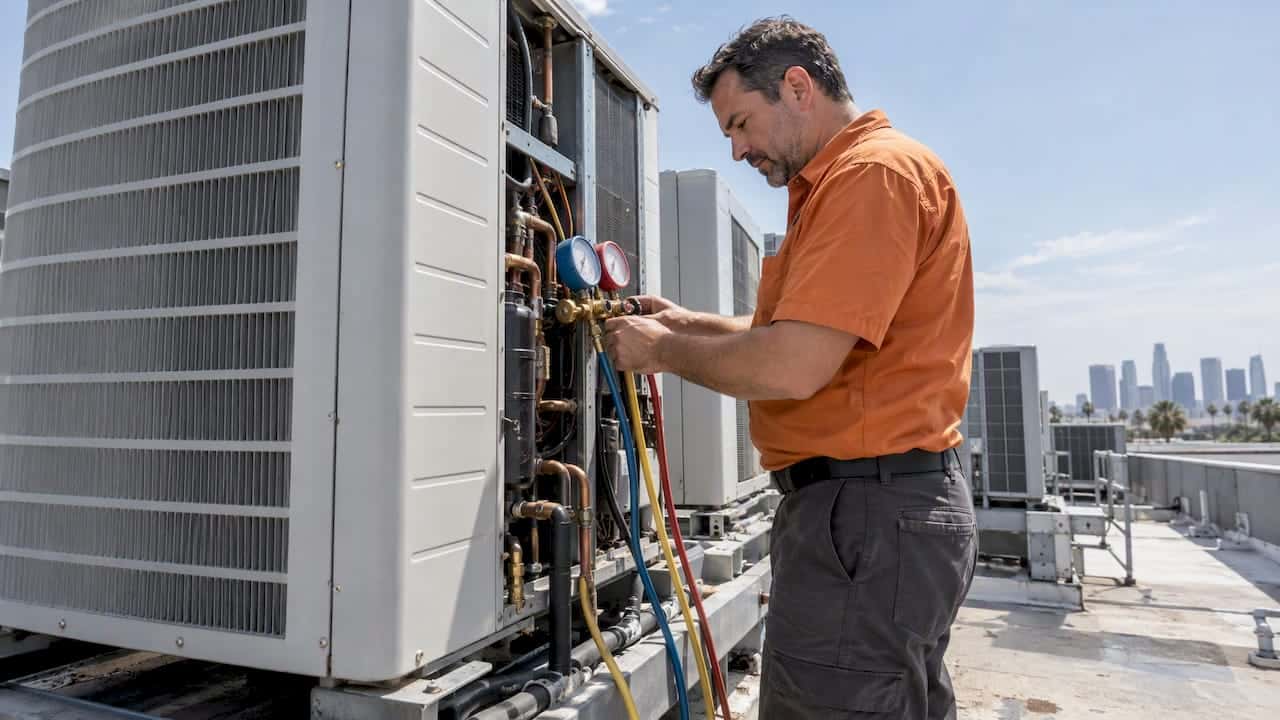
Many commercial properties have rooftop units that require ladder or roof access. We coordinate with property managers for gate codes and elevator access.
All commercial HVAC work in Lake Balboa requires LADBS permits. We handle the permit process and coordinate inspections.
We schedule service around your operating hours to minimize disruption. Emergency service available 24/7.
Common Commercial HVAC Problems in Lake Balboa
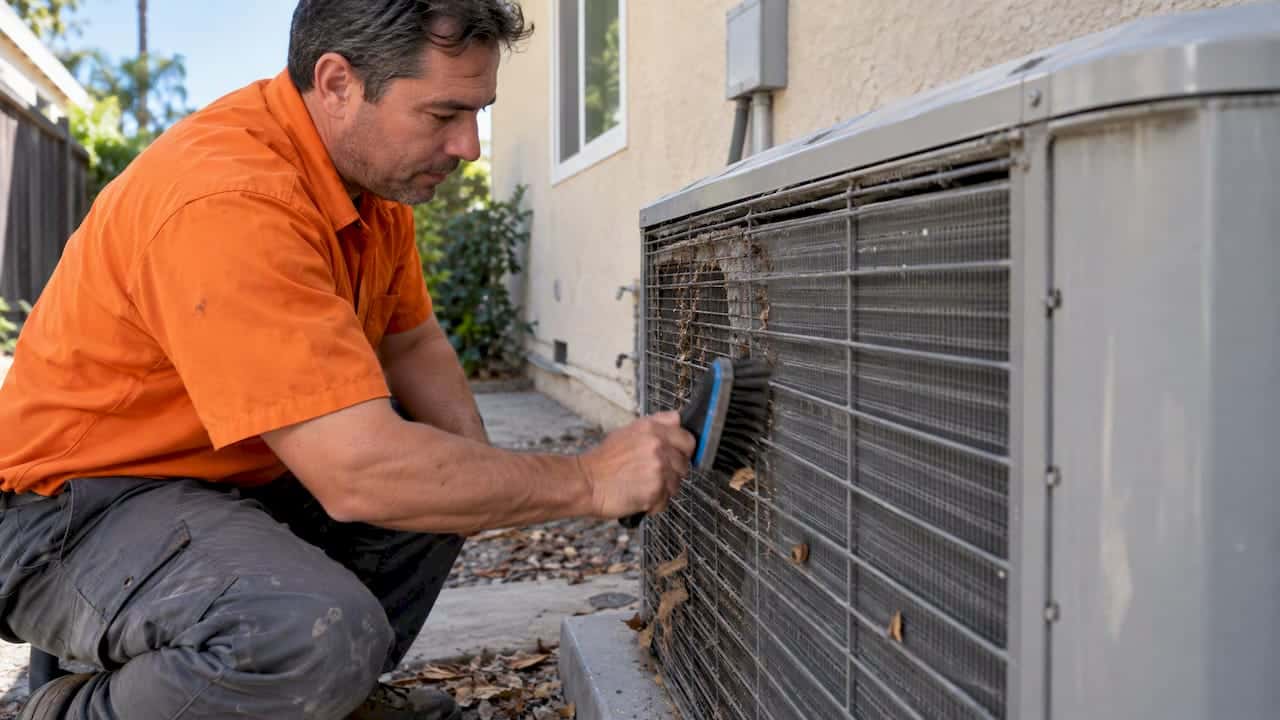
Lake Balboa sits in the San Fernando Valley, where summer temperatures regularly hit 95–100 degrees. That puts heavy strain on rooftop units and split systems, especially when they run 12–14 hours a day. The most common issues we see in local commercial properties are failed run capacitors, dirty condenser coils from dust and pollen, and refrigerant leaks caused by vibration and age. These problems don't always show up gradually — a capacitor can fail mid-afternoon on a 100-degree day, leaving your space without cooling.
Another pattern we see is poor airflow from clogged filters or ductwork that wasn't designed for the current layout. Many Lake Balboa commercial spaces were originally built as retail or office and later remodeled without updating the HVAC distribution. That leads to hot spots, cold spots, and compressors that cycle too often. We also find units that were undersized during a tenant improvement, which forces the system to run continuously and shortens its lifespan.
Commercial Buildings in Lake Balboa: What We Work With
Lake Balboa's commercial stock is a mix of strip malls, standalone retail, small office buildings, and medical offices. Many of these properties were built in the 1960s and 1970s and have had multiple HVAC replacements over the years. That means we often find mismatched equipment — a 5-ton condenser paired with a 4-ton evaporator coil, or a rooftop unit that's been patched together with parts from different brands. Our job is to sort out what's actually installed and what needs to change.
We also work in newer tenant improvement spaces where the HVAC was designed for a specific layout but the tenant changed the floor plan. In those cases, the ductwork and zoning may no longer match the load. We assess the actual conditions — not just the equipment nameplate — and recommend solutions that fit the current use. For restaurants, we pay extra attention to makeup air and exhaust requirements, which are common in Lake Balboa's food-service businesses.
How We Diagnose Commercial HVAC Problems
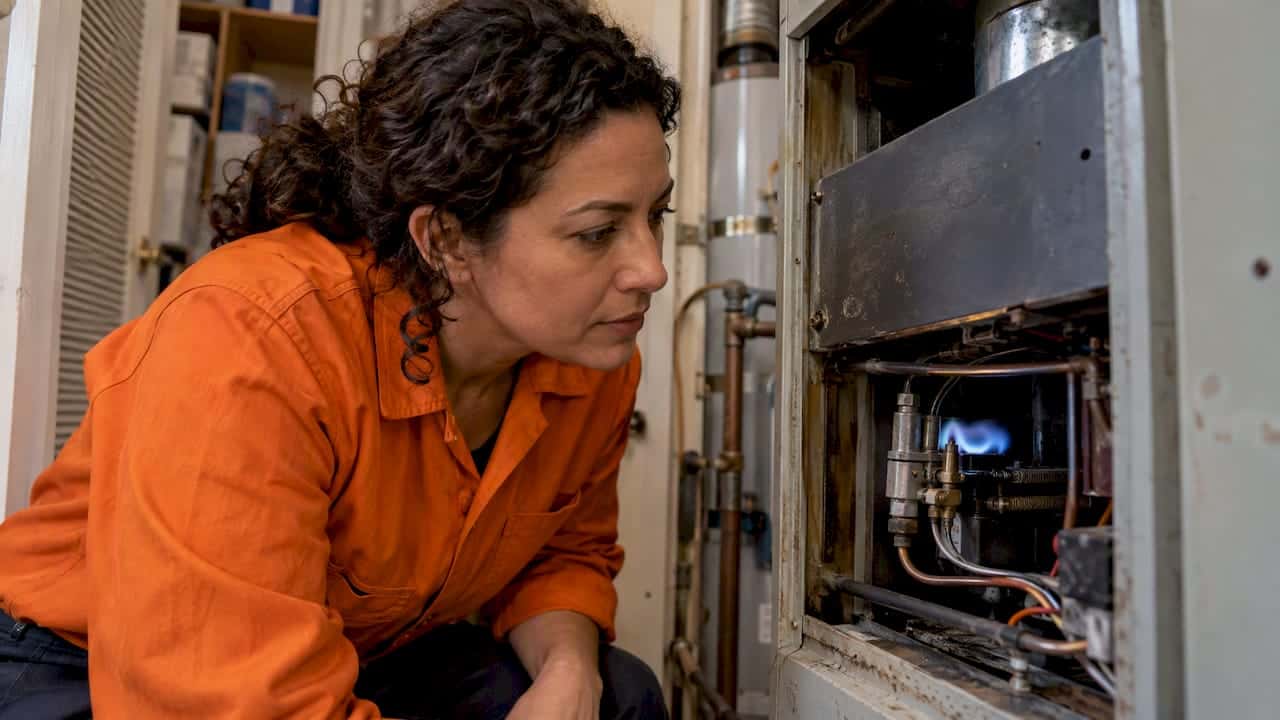
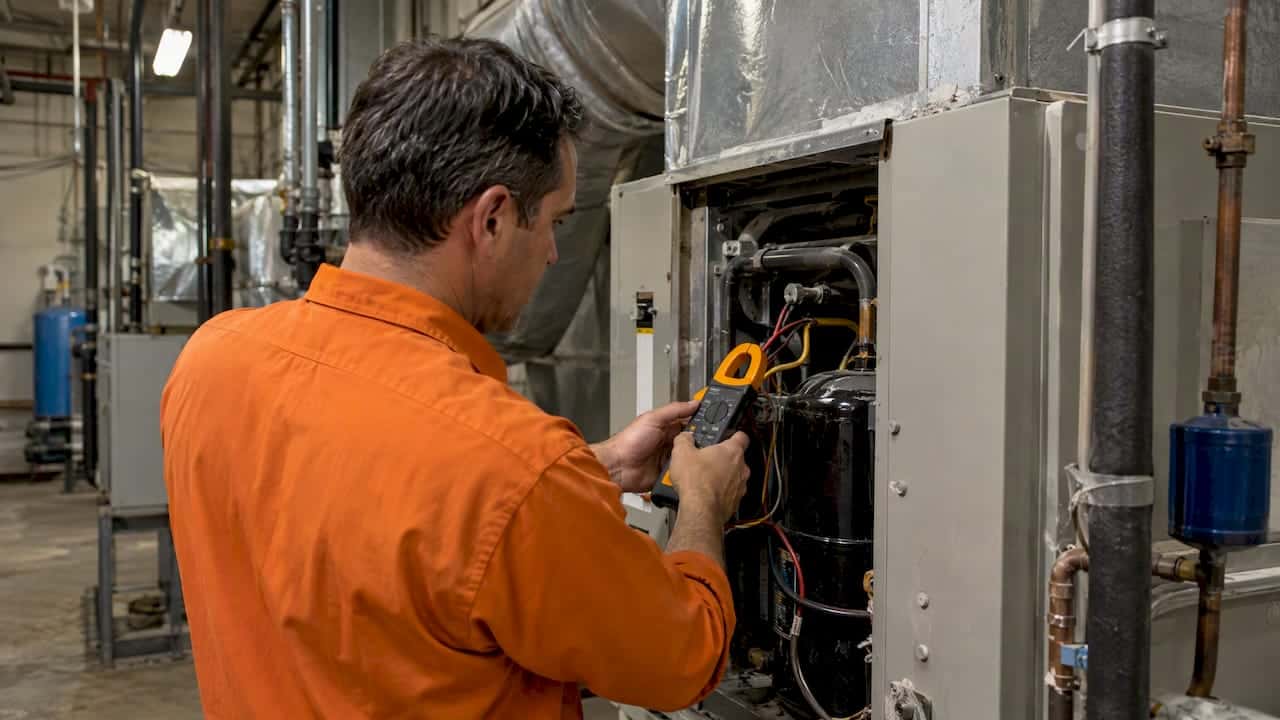
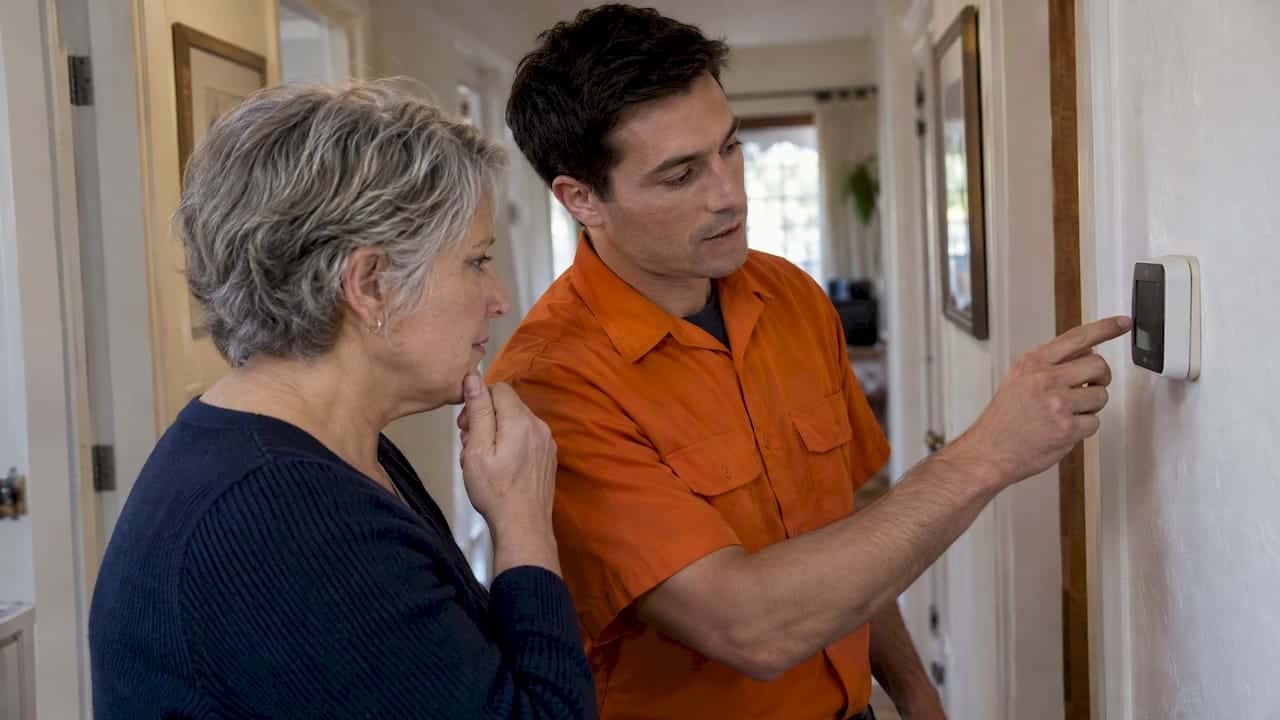
When we arrive for a commercial service call, we start with the basics: check the thermostat or building management system for error codes, measure supply and return air temperatures, and inspect the condenser and evaporator coils. For rooftop units, we check the compressors' amp draw, refrigerant pressures, and superheat/subcooling. We also look at the electrical connections — loose wires and corroded contactors are common in valley heat. The goal is to identify the root cause, not just the symptom.
For more complex issues, we run a full system performance test: static pressure, airflow across the evaporator, temperature split, and refrigerant charge. If the system has zoning dampers or economizers, we test those too. We document everything so you have a clear picture of what's working and what isn't. That documentation is also useful for property managers and landlords who need records for compliance or budgeting. We don't guess — we measure.
Repair or Replace Your Commercial HVAC System?
Here's the honest answer: if your system is less than 10 years old and the repair is straightforward — a bad capacitor, a refrigerant leak that can be isolated and fixed — we'll recommend repair. But if the compressor is failing, the evaporator coil is leaking, or the system is over 15 years old and uses R-22 refrigerant, replacement often makes more financial sense. We don't push replacement; we explain the math. A $1,500 repair on a 12-year-old unit might get you two more years, but a new unit with a 10-year warranty and lower operating cost could pay for itself in energy savings alone.
For commercial systems, downtime is a major factor. If your restaurant loses cooling on a Friday night, the cost of lost business can exceed the repair cost. We factor that into the decision. We also consider the availability of parts — some older units have discontinued components that take weeks to source. In those cases, replacement is the practical choice. We'll give you a written estimate with both options so you can make an informed decision.
Cost Factors and Rebate Opportunities for Commercial HVAC in Lake Balboa
Commercial HVAC costs vary based on system size, complexity, and access. Our diagnostic fee for commercial systems ranges from $175 to $350, which includes a thorough inspection and written report. Repairs typically run $250 to $2,500 depending on the part and labor. For rooftop unit service, expect $200 to $500. Full system installations require a site visit and quote because every commercial space is different — we don't give ballpark numbers over the phone for installs.
Rebates are available for commercial HVAC upgrades through SoCalGas and LADWP, but the amounts depend on the equipment efficiency and your specific utility program. We can help you identify applicable rebates and provide the documentation needed to claim them. We don't promise specific dollar amounts because they change, but we will point you to the right resources. Also, keep in mind that commercial installations in Los Angeles require permits and often stamped plans from a mechanical engineer — those costs are included in our proposal.
Access and Scheduling for Commercial HVAC in Lake Balboa
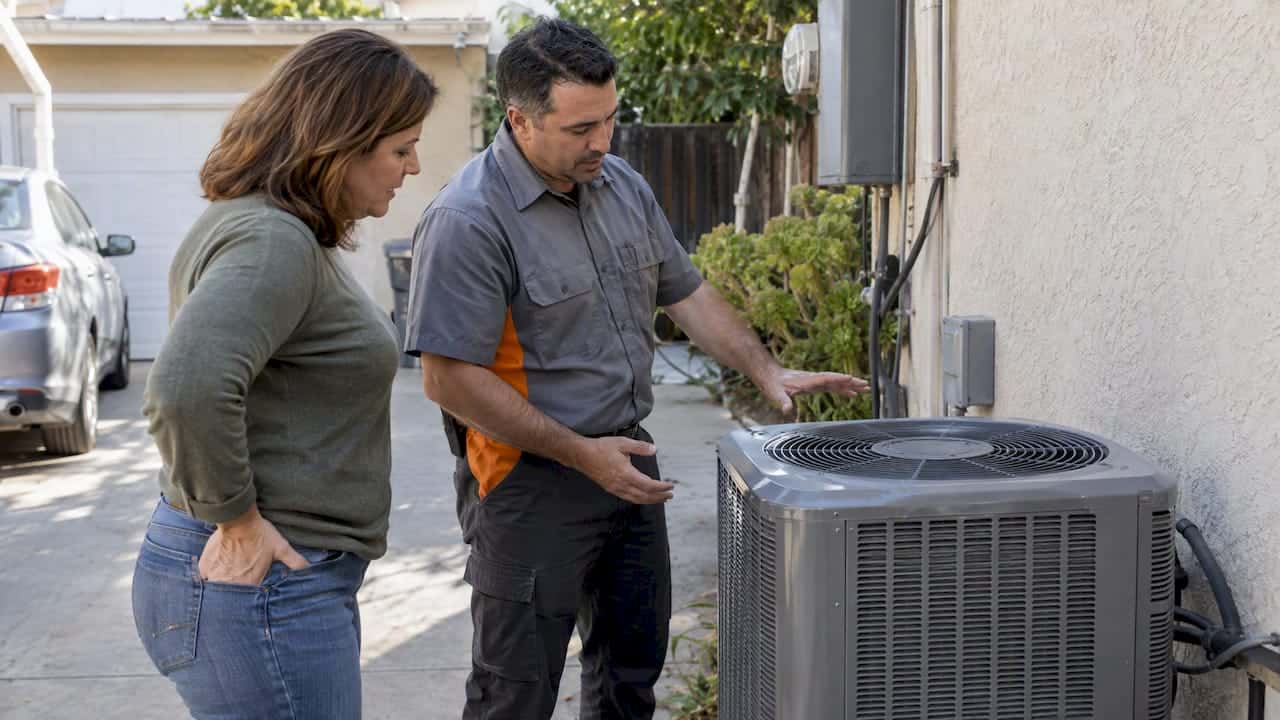
Commercial HVAC service requires planning around your business hours. We work with you to schedule repairs during off-hours or low-traffic times to minimize disruption. For rooftop units, we need clear access to the roof — that means checking for locked gates, elevator access, or ladder placement. We also coordinate with property managers if the building is multi-tenant. Our goal is to get in, do the work, and get out without interfering with your operations.
For emergency commercial calls, we prioritize them. During business hours, our target response is 2–4 hours. After hours, we aim for 2 hours. Emergency calls are answered within 30 minutes by phone. We understand that a failed HVAC system on a hot day can mean lost revenue, so we treat commercial emergencies with urgency. Same-day service is available for qualifying situations — call (323) 970-3113 to discuss your timeline.
Common Mistakes Business Owners Make with Commercial HVAC
The biggest mistake we see is skipping regular maintenance. A commercial HVAC system that runs 12 hours a day, six days a week needs filter changes every 1–3 months and a professional inspection at least twice a year. Without that, coils get dirty, airflow drops, and the compressor works harder until it fails. We've seen too many businesses call us for an emergency repair that could have been prevented with a $200 maintenance visit.
Another common mistake is hiring unlicensed contractors to save money. Unlicensed work often means no permits, no inspections, and no warranty protection. If something goes wrong — a refrigerant leak, an electrical fire, or a system that doesn't cool — you have no recourse. We're CSLB licensed and insured, and we pull permits for all commercial work. It's not just about legality; it's about protecting your investment and your liability.
Health and Safety Considerations for Commercial HVAC
Commercial HVAC systems directly affect indoor air quality, which matters for employee health, customer comfort, and compliance with health codes — especially in restaurants and medical offices. We check for proper drainage, clean evaporator coils, and ensure that fresh air intakes are functioning correctly. For restaurants, we verify that makeup air systems are balanced with exhaust hoods to maintain negative pressure and prevent smoke or fumes from entering the dining area.
Refrigerant safety is another concern. Older systems using R-22 or R-410A are being phased down due to environmental regulations. Leaks not only hurt performance but also pose safety risks if not handled properly. Our technicians are EPA-certified and follow strict protocols for refrigerant recovery and handling. We also ensure that electrical connections are secure and that units are properly grounded to prevent fire hazards. Safety isn't optional — it's built into every service we do.
How to Decide: Repair or Replace Your Commercial HVAC
Start with the age of your system. If it's under 10 years old and the repair is minor, repair is usually the right call. If it's over 15 years old and uses R-22 refrigerant, replacement is almost always more cost-effective in the long run. Next, consider the repair cost as a percentage of replacement. A rule of thumb: if the repair costs more than 50% of a new system, replace it. But that's just a guideline — we look at the whole picture, including energy savings, downtime risk, and future reliability.
Also factor in your business needs. If you're planning to stay in the space for 5+ years, a new system with a warranty and lower operating cost makes sense. If you're leasing short-term, a repair might be the better short-term solution. We'll walk you through the numbers and give you a written comparison. No pressure, just facts.
How the visit works
We visit your commercial property, inspect the existing system, document equipment and issues, and discuss your needs.
We provide a detailed written proposal including equipment, labor, permit costs, and timeline. No surprises.
Permitted installation or repair completed with minimal disruption to your business. We coordinate with your schedule.
You receive written completion documentation, permit sign-off, and maintenance records for your files.
Cost factors we review before quoting
- • System size and tonnage (2–20 tons typical for small commercial)
- • Type of equipment (rooftop unit, split system, ductless mini split)
- • Access difficulty (rooftop, interior, multi-story)
- • Permit and engineering requirements (stamped plans may be needed)
- • Time of service (emergency after-hours vs. scheduled)
- • Parts availability and refrigerant type
Useful next steps
Commercial HVAC in Lake Balboa at a glance
- • LC Heating & Air provides commercial HVAC service in Lake Balboa, CA.
- • CSLB #1073586, C-20 HVAC license, fully insured.
- • Phone: (323) 970-3113.
- • Emergency calls answered within 30 minutes (phone response).
- • Company founded 2020; owner Leo has 20+ years HVAC experience.
- • Specialize in small to mid-size commercial systems (2–20 tons).
- • Written estimates provided before any work begins.
Our commercial hvac process in Lake Balboa
Reviewed by Leo, Owner & Lead Technician
This commercial hvac guide for Lake Balboa is reviewed for practical HVAC accuracy by Leo at LC Heating & Air. LC Heating & Air holds California CSLB C-20 HVAC license #1073586 and provides written estimates before approved work.
What Lake Balboa customers say about commercial hvac
Verified reviews from homeowners in Lake Balboa and nearby neighborhoods who used our commercial hvac service.
“Our AC stopped working during a heat wave and LC had a technician here within two hours. He diagnosed a bad capacitor, had the part on his truck, and fixed it on the spot. Fair price, no upsell. Will use again.”
“Our furnace wasn't heating evenly upstairs. LC found that half of our ductwork in the attic had separated and was blowing hot air into the attic. Repaired everything and now every room heats equally. Professional and transparent.”