- What does HVAC actually cover in your home?
- When a water heater does overlap with HVAC systems
- Plumber, HVAC tech, or electrician — how to decide who to call
- When will an HVAC company service your water heater?
- What to expect for costs and timelines
- How to choose the right contractor for the job
- How LC Heating and Air Conditioning handles water-heater calls
- Key Takeaways
- What the “moving air vs. moving water” rule gets right
- Same-day diagnostics for Los Angeles homeowners, done right
- Useful sources and further reading
- FAQ
- Recommended
Does HVAC Include a Water Heater? What Homeowners Should Know
TL;DR:
- A water heater is typically a plumbing appliance, except when involved in systems like combi-boilers or hydronic heating.
- Most water heater issues should be addressed by a licensed plumber unless they involve combustion or gas components, in which case an HVAC technician is appropriate.
In most homes, a water heater is a plumbing appliance, not an HVAC component. If your water heater is leaking, failing to heat, or making strange noises, your first call should be to a licensed plumber. If the problem involves the pilot light, gas valve, or combustion venting, that’s when an HVAC or combustion specialist steps in.
Here’s how to decide who to call right now:
- No hot water at the tap, leaking tank, or pressure issues: Call a licensed plumber.
- Pilot light out, gas valve failure, or combustion smell: Call an HVAC technician or combustion specialist.
- Unit won’t power on, breaker keeps tripping: Call a licensed electrician.
- Smell of gas: Leave the house immediately and call your gas utility before calling anyone else.
- Combi-boiler or hydronic radiant system: Start with an HVAC technician; a plumber may also be needed.
LC Heating and Air Conditioning handles combustion diagnostics and gas-line work for Los Angeles homeowners and can point you to the right licensed plumber when the issue is purely water-side.
What does HVAC actually cover in your home?
HVAC stands for Heating, Ventilation, and Air Conditioning. The system’s job is to control the temperature and air quality inside your home, not to supply hot water to your faucets or shower.
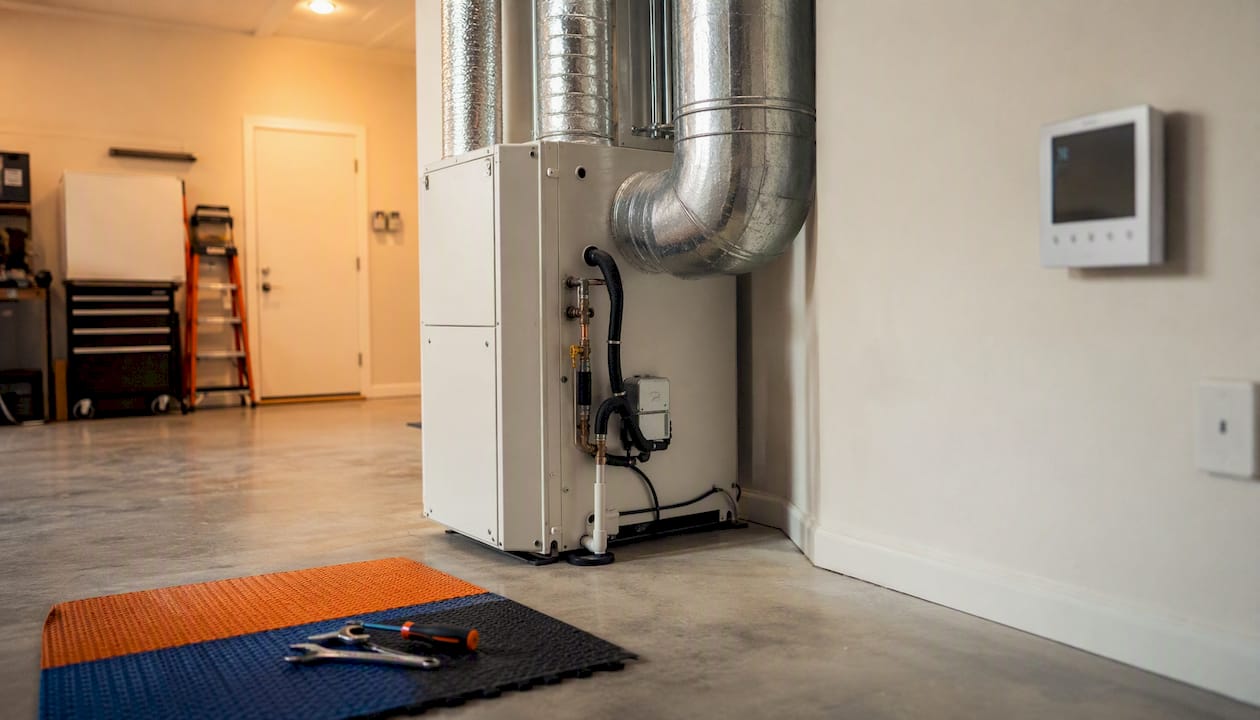
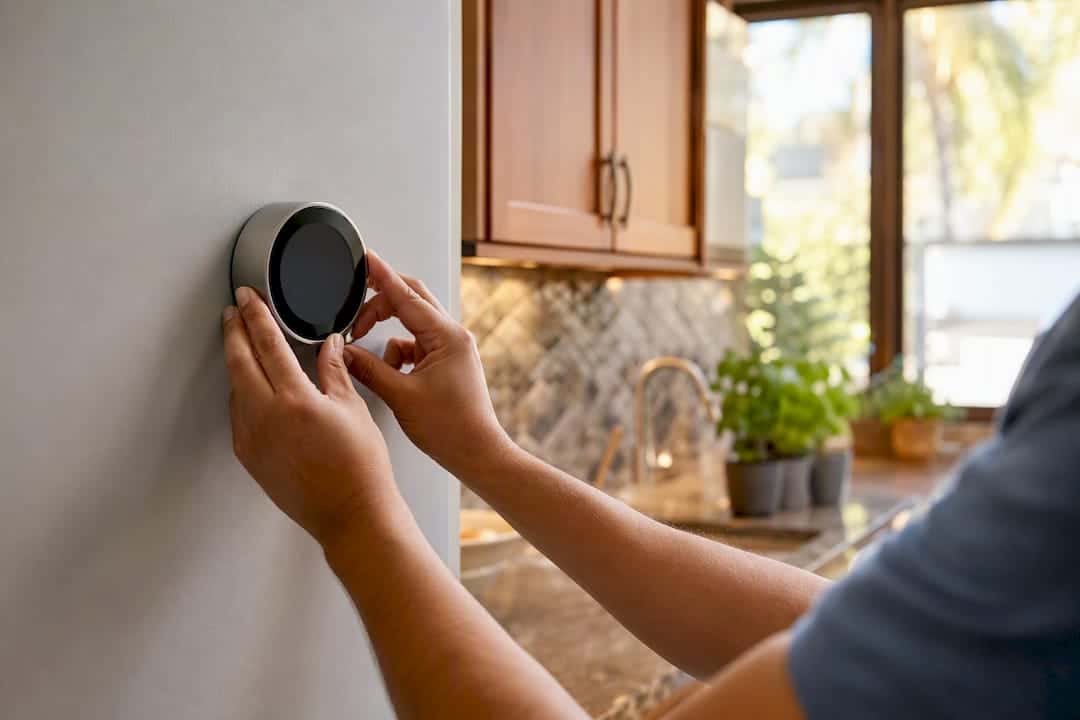
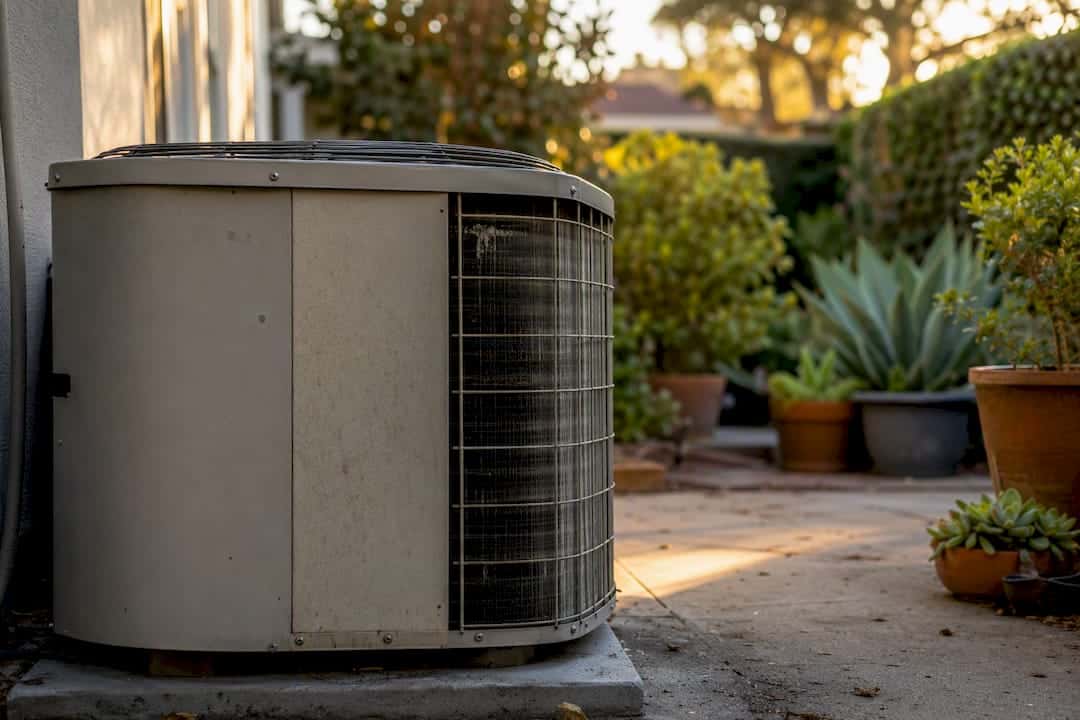
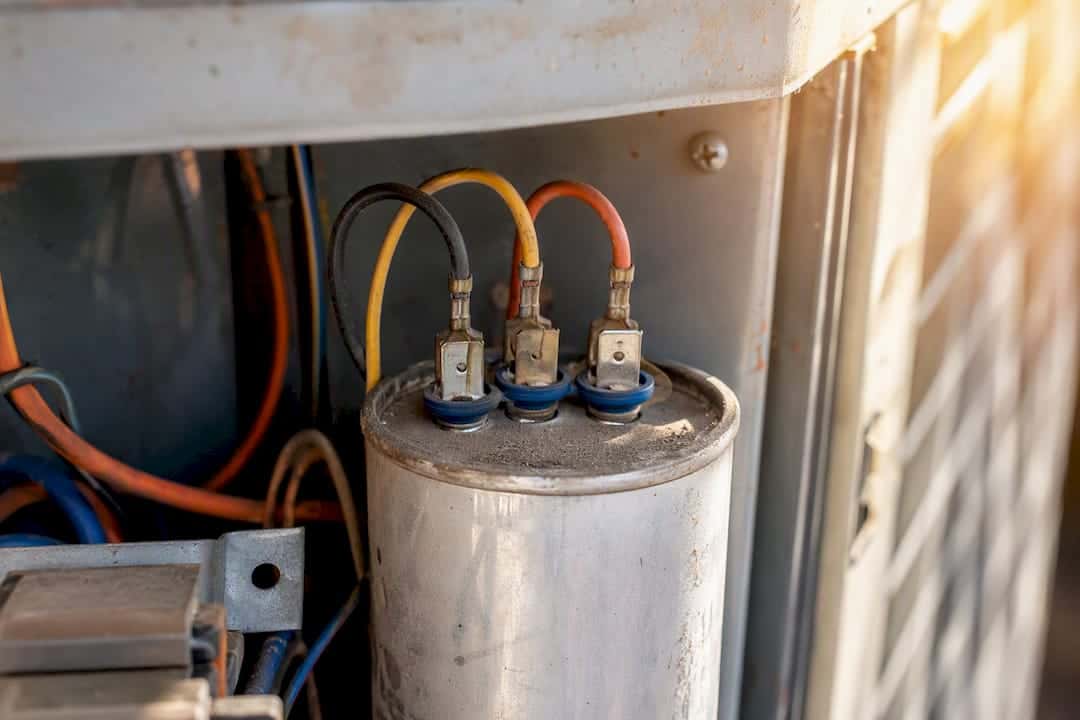
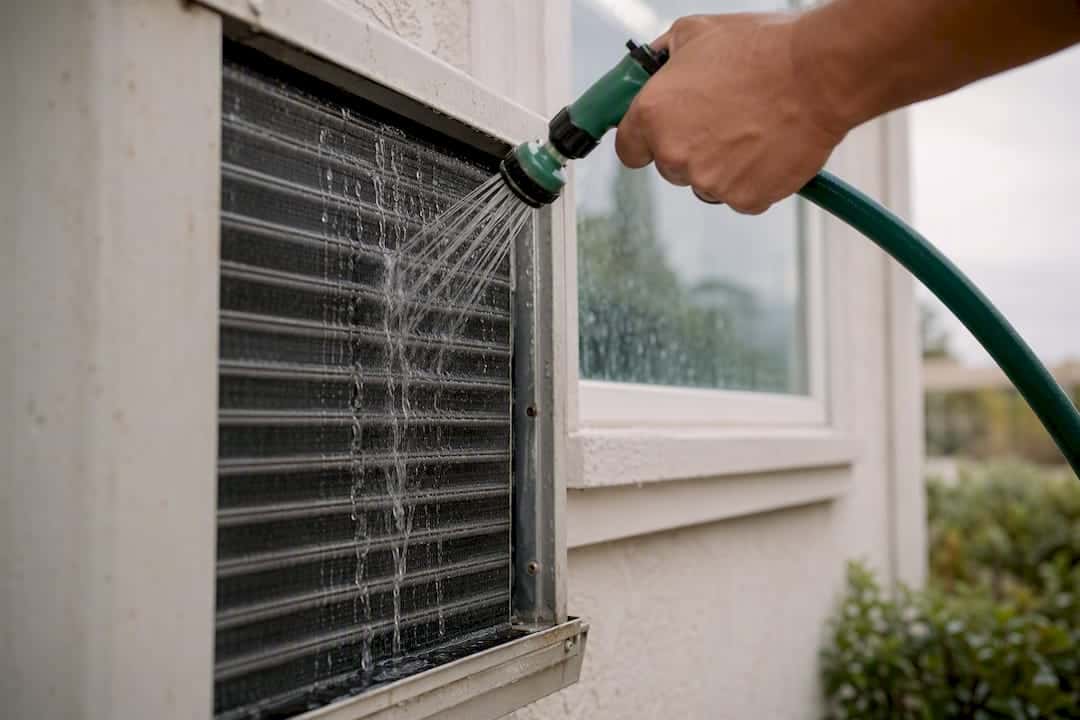
Typical HVAC components include furnaces, heat pumps, central air conditioners, ductwork, thermostats, air handlers, and ventilation equipment. A boiler used for space heating also falls under HVAC because its output heats the air or radiators in your living spaces. What all of these have in common: they move and condition air, or they produce heat that warms a space.
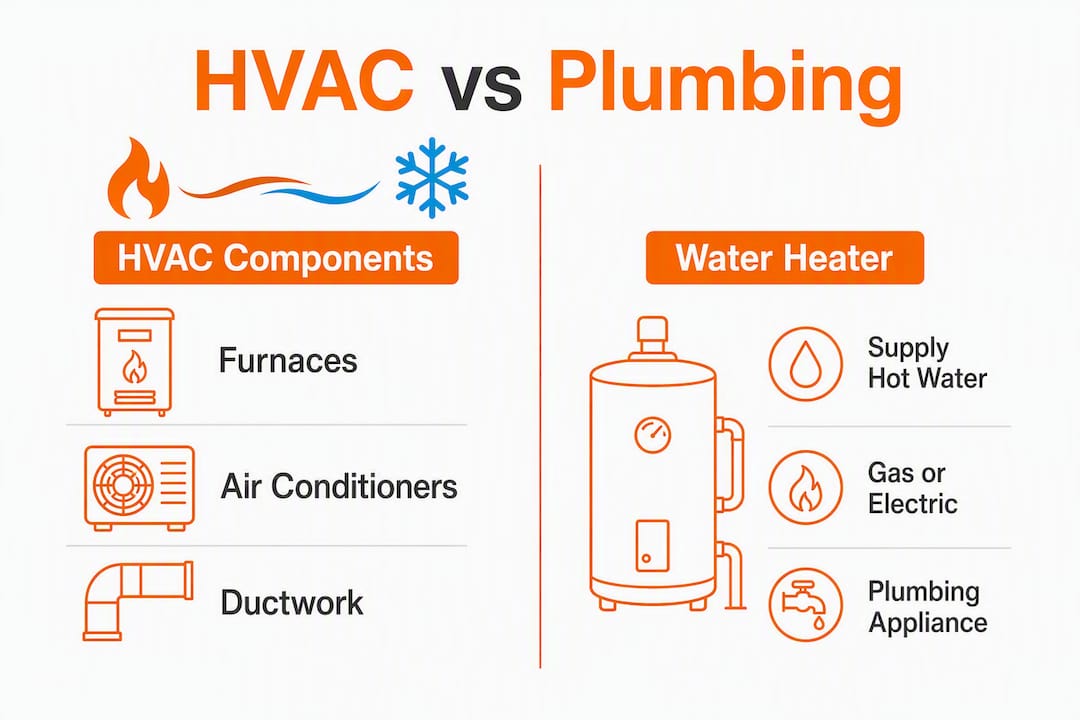
A standard water heater does none of that. It heats potable water and sends it to your taps, showers, and appliances. That’s a plumbing function, governed by your local plumbing code, not your HVAC system.
Pro Tip: Ask yourself one question: does this appliance move air, or does it move water to my faucets? If the answer is water, call a plumber. If the answer is air or space heat, call an HVAC technician. LC Heating and Air Conditioning uses this “moving air vs. moving water” test during every phone triage call to get you to the right trade fast.
When a water heater does overlap with HVAC systems
The line between plumbing and HVAC blurs in a few specific situations. Knowing which one applies to your home can save you a wasted service call.
Combi-boilers
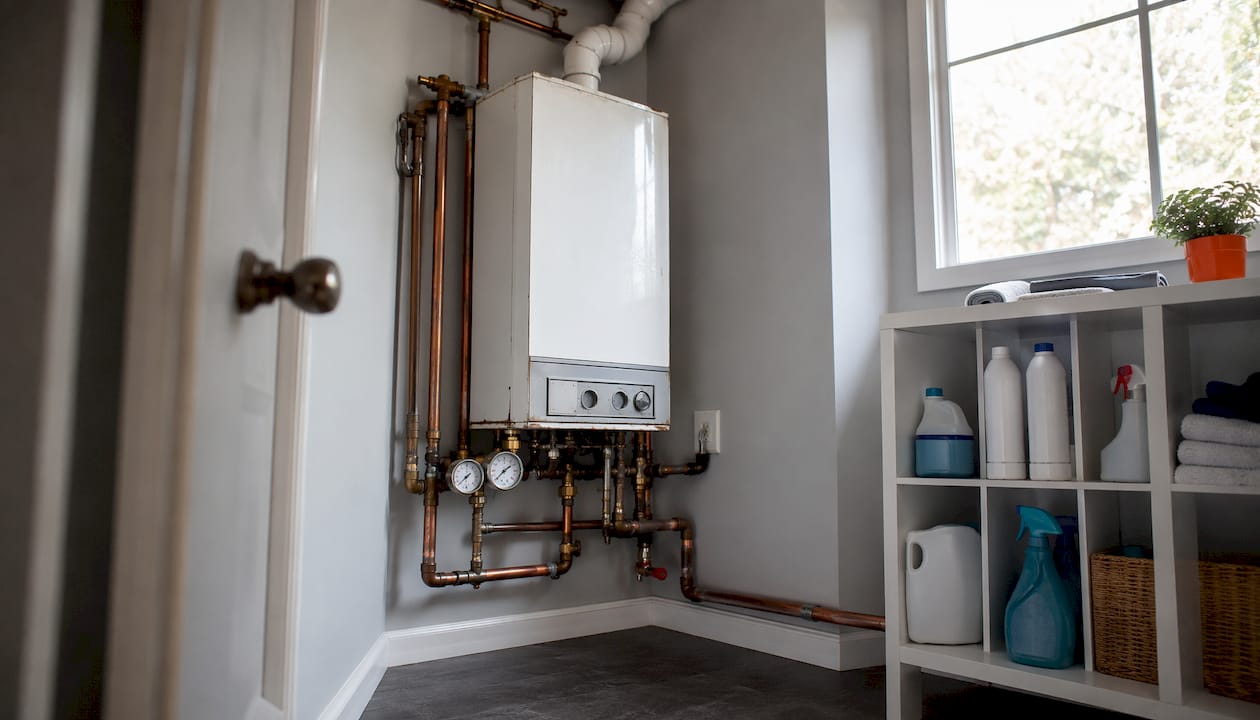
A combi-boiler (combination boiler) provides both space heating and domestic hot water from a single unit. The combustion and heat-exchanger side is HVAC territory; the potable water distribution piping is plumbing territory. Both trades are often needed for a full service.
Hydronic radiant systems
Hydronic systems circulate hot water through floor tubing or baseboard radiators to heat a space. The boiler and heat exchanger are HVAC; the piping and zone valves are plumbing. If your radiant floor stops heating, start with an HVAC technician.
Heat-pump water heaters
A heat-pump water heater pulls heat from the surrounding air to warm water, making it more energy-efficient than a standard electric tank. Because it uses refrigerant and a compressor, an HVAC technician is often better equipped to diagnose the mechanical side, while a plumber handles the water connections.
Tankless water heaters on shared gas lines
A tankless water heater sharing a gas line with a furnace or boiler can create sizing and pressure issues that affect both systems. An HVAC technician who understands gas-line sizing is the right first call when both appliances are underperforming.
| System type | Primary function | Who normally services it | Call trigger |
|---|---|---|---|
| Standard tank water heater | Heats potable water | Licensed plumber | Leak, no hot water, sediment |
| Combi-boiler | Space heat + domestic hot water | HVAC tech + plumber | Depends on which side fails |
| Hydronic radiant system | Space heating via hot water | HVAC tech (boiler); plumber (piping) | No heat vs. leak |
| Heat-pump water heater | Heats water via refrigerant | HVAC tech (mechanical); plumber (water lines) | Compressor vs. leak |
| Tankless water heater | On-demand hot water | Plumber (water side); HVAC (gas sizing) | No hot water vs. gas pressure |
Plumber, HVAC tech, or electrician — how to decide who to call
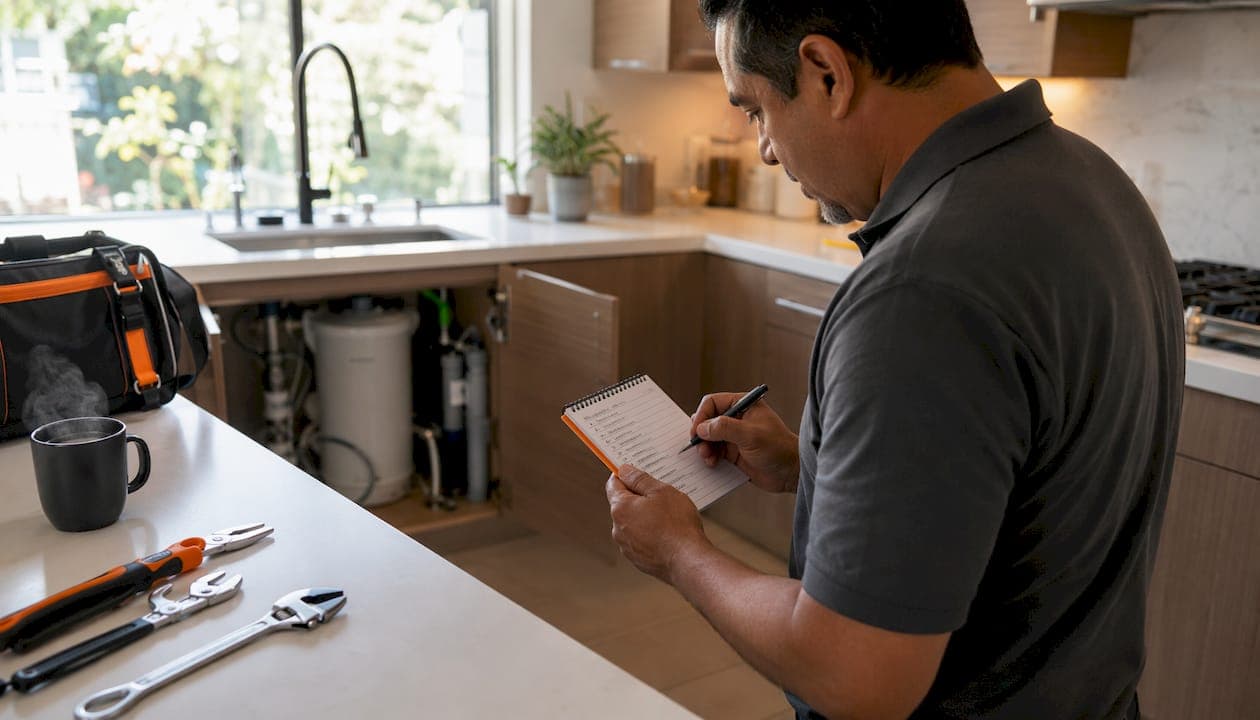
Most water-heater problems point clearly to one trade. Run through this checklist before you pick up the phone.
Call a licensed plumber when you see:
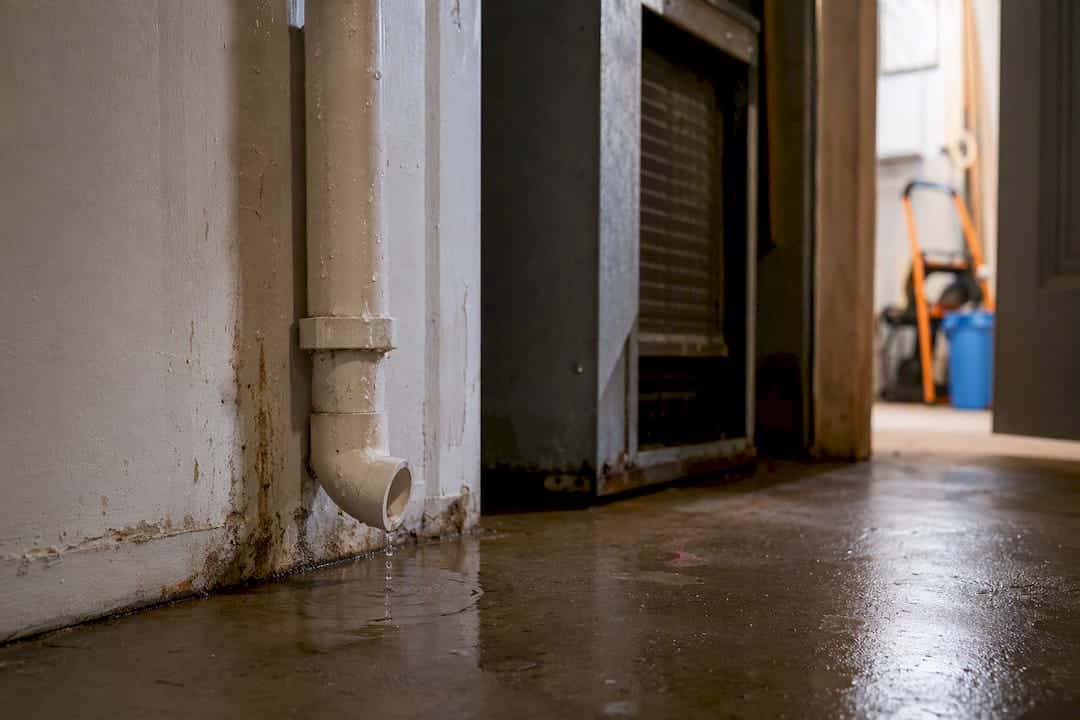
- Water pooling around the base of the tank
- Rust-colored or cloudy water at the tap
- No hot water and the unit is electric or gas with no combustion issues
- Pressure-relief valve leaking or dripping
- Slow hot water recovery after normal use
Call an HVAC technician when you notice:
- Pilot light that won’t stay lit
- Error codes related to ignition or gas valve on a gas water heater
- Combustion odors or soot around the flue
- A combi-boiler or hydronic system losing heat
- A heat-pump water heater with compressor or refrigerant issues
Call a licensed electrician when:
- An electric water heater won’t power on at all
- The breaker trips repeatedly when the unit runs
- Wiring at the unit looks scorched or damaged
Safety first: If you smell gas near any appliance, do not flip switches or use your phone inside the house. Leave immediately, then call your gas utility from outside. Carbon monoxide is odorless; if your CO detector sounds near a gas water heater, treat it the same way.
When you’re unsure, start with a plumber. A good plumber will diagnose the water side and refer you to an HVAC tech or electrician if the problem is combustion or electrical.
When will an HVAC company service your water heater?
HVAC companies vary in scope. Some handle water heaters routinely; others don’t touch them. Here’s what the typical split looks like.
HVAC companies usually will handle:
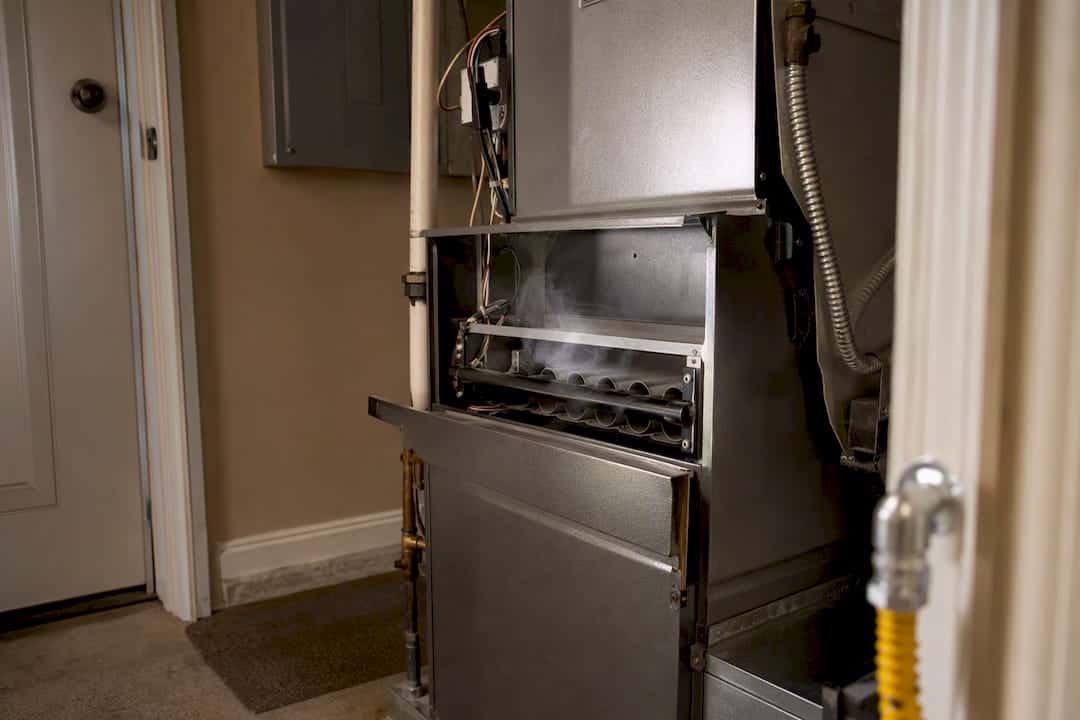
- Combustion diagnostics on gas water heaters (pilot, thermocouple, gas valve, igniter)
- Flue and venting inspections for gas or propane units
- Gas-line sizing and pressure checks when a water heater shares a line with HVAC equipment
- Heat-pump water heater mechanical service (compressor, refrigerant, controls)
- Boiler and combi-boiler service on the heating side
HVAC companies typically will not handle:
- Tank leaks and water-side plumbing connections
- Drain valve replacement or tank flushing
- Isolation valve or shut-off valve work
- Potable water re-piping
An HVAC technician called for a pure plumbing leak may not carry the specialized plumbing tools needed to fix it quickly, which adds time and cost. Asking the right questions before booking saves everyone a trip.
Questions to ask any service company before booking:
- Are you licensed for plumbing, gas work, or combustion diagnostics in California?
- Will you pull the required permit if replacement is needed?
- Do you offer a flat-rate diagnostic, or is it time-and-materials?
- If the issue is outside your scope, will you refer me to a licensed trade partner?
What to expect for costs and timelines
Water-heater service costs vary by the type of work, the unit, and your location. Here’s a realistic shape of what to expect.
Repair timelines: A straightforward diagnostic visit typically happens same-day or next-day. Minor repairs (thermocouple, anode rod, pressure-relief valve) are often completed in the same visit. Replacement jobs usually take one day but can extend to two or three when new venting, gas-line work, or permits are required.
Cost shapes to know:
- Minor repairs (thermocouple, igniter, heating element) generally cost less than a few hundred dollars in parts and labor.
- Full tank replacement runs higher, with tankless and heat-pump water heaters sitting at the upper end of the range due to equipment cost and installation complexity.
- Gas-line modifications or new venting add to any replacement quote.
On permits: Many jurisdictions, including Los Angeles, require a permit for water-heater replacement and for any gas-line changes. Permit requirements protect you: they trigger an inspection that confirms the installation is safe and code-compliant. A contractor who skips the permit is leaving you exposed.
Tank water heaters typically last 8–12 years; repeated repairs near that age usually justify replacement. If your unit is past that range and needs a second or third repair, replacement is usually the better investment.
Pro Tip: Before you approve any quote, ask whether it includes disconnecting and reconnecting the water and gas lines, hauling away the old unit, and permit fees. Those line items can add meaningfully to a base price that looks attractive at first glance.
How to choose the right contractor for the job
Whether you need a plumber, an HVAC tech, or both, the selection criteria are the same. Here’s a numbered checklist you can run through in five minutes.
- Verify the license. In California, plumbers need a C-36 license; HVAC contractors need a C-20. Ask for the license number and check it on the California Contractors State License Board (CSLB) website before booking.
- Confirm insurance. General liability and workers’ compensation protect you if something goes wrong on your property.
- Ask about gas-fit credentials. Gas-line work requires specific licensing. Confirm the technician is qualified before any gas work begins.
- Check local permitting experience. A contractor who regularly pulls permits in your city knows the local inspection process and won’t cut corners.
- Get a written estimate. Any reputable contractor will put the scope and price in writing before starting work. Verbal estimates are not enough.
- Ask about the warranty. A reasonable workmanship warranty covers labor for at least one year; parts warranties depend on the manufacturer.
- Look at verified reviews. Check the Better Business Bureau and Google reviews for patterns, not just star ratings. Consistent complaints about surprise charges or no-shows are a real signal.
Red flags to watch for: evasive answers when you ask about licensing, pressure to replace the entire unit before a proper diagnostic, no written estimate, or a contractor who can’t tell you whether a permit is required for your job.
How LC Heating and Air Conditioning handles water-heater calls
LC Heating and Air Conditioning is upfront about what it handles in-house and what it refers out. That transparency is part of how the company has built trust with Los Angeles homeowners over more than twenty years.
What LC Heating and Air Conditioning typically handles:
- Combustion diagnostics on gas water heaters (pilot, igniter, gas valve, thermocouple)
- Flue and venting inspection and repair
- Gas-line sizing and pressure diagnostics when HVAC equipment shares the line
- Heat-pump water heater mechanical service
- Boiler and combi-boiler service on the heating and combustion side
What gets referred to a licensed plumber:
- Tank leaks and water-side connections
- Potable water re-piping
- Isolation valves and drain work
When you call, the process is straightforward: phone triage to identify whether the issue is combustion, water, or electrical; same-day on-site diagnostic when available; a flat-rate quote before any work begins; permit handling when required; and a post-service warranty on parts and labor. Flat-rate pricing means the number you’re quoted is the number you pay, with no surprise add-ons at the end of the visit.
You can see examples of LC Heating and Air Conditioning’s local work on the projects page.
Key Takeaways
A water heater is a plumbing appliance in most homes, but combustion, gas-line, and heat-pump issues make HVAC expertise the right call in specific situations.
| Point | Details |
|---|---|
| Water heater = plumbing, usually | A standard tank water heater is a plumbing appliance; call a licensed plumber for leaks, no hot water, or tank issues. |
| Exceptions exist | Combi-boilers, hydronic systems, and heat-pump water heaters overlap with HVAC and may need a combustion specialist. |
| Tank lifespan matters | Tank water heaters typically last 8–12 years; repeated repairs near that age usually justify replacement. |
| Permits protect you | Water-heater replacement in Los Angeles commonly requires a permit; always confirm before work begins. |
| LC Heating and Air Conditioning | Handles combustion diagnostics, gas-line work, and heat-pump water heater service in Greater Los Angeles with flat-rate pricing. |
What the “moving air vs. moving water” rule gets right
Most homeowners who call the wrong trade aren’t careless — they’re confused by the word “heater.” A furnace heats your home. A water heater heats your shower. The word is the same; the trade is completely different.
What I’ve seen over the years is that the confusion costs people real money. An HVAC technician dispatched to a leaking tank doesn’t carry a drain machine or isolation valve tools. A plumber sent to a pilot-light failure may not have a combustion analyzer. Both end up charging a diagnostic fee and referring out, so the homeowner pays twice.
The “moving air vs. moving water” test isn’t just a catchy phrase. It’s a genuine triage filter that cuts wasted visits. But there’s a nuance most guides skip: the test breaks down at the edges, specifically with combi-boilers, hydronic systems, and heat-pump water heaters. Those systems move both air and water, which is exactly why they need a technician who understands both sides. Calling a pure plumber for a combi-boiler combustion fault is the same mistake in reverse.
The practical takeaway: when in doubt, describe your symptom clearly on the phone before booking anyone. A company that asks good triage questions before sending a truck is one worth trusting.
Same-day diagnostics for Los Angeles homeowners, done right
When your water heater stops working, the last thing you need is to guess which trade to call and then wait days for an answer. LC Heating and Air Conditioning offers same-day diagnostics for combustion, gas-line, and heat-pump water heater issues across Greater Los Angeles, with flat-rate pricing so you know the cost before any work begins.

If the problem turns out to be purely water-side, the team will tell you that clearly on the first visit and connect you with a trusted licensed plumber rather than bill you for work outside their scope. No pressure, no inflated quotes, no mystery fees.
Book a same-day diagnostic or call to speak with a technician who can triage your situation over the phone before anyone rolls a truck.
Useful sources and further reading
- Water Heater: Plumbing or HVAC? Home Systems Guide — Explains why water heaters are classified as plumbing appliances and when HVAC involvement applies.
- Water Heater: Plumbing or Heating Problem? | Fortis — Covers combustion-side failures and when an HVAC technician is the right call.
- Do Plumbers Work On Water Heaters? — Confirms plumbers as the standard first call and explains their specialized tooling.
- When Should I Call a Plumber vs. an HVAC Technician? — Practical symptom-to-trade mapping, including the electrician edge case.
- HVAC vs Plumbing: Who Handles Your Water Heater | LC Heating & Air — LC Heating and Air Conditioning’s local guide to the “moving air vs. moving water” triage test.
- HVAC Permit Requirements for Homeowners | LC Heating & Air — Local permit guidance for Los Angeles homeowners covering replacement and gas-line work.
- Flat-Rate HVAC Pricing Benefits | LC Heating & Air — How flat-rate pricing protects homeowners from surprise diagnostic fees.
FAQ
Is a water heater part of HVAC?
No. A water heater is a plumbing appliance, not an HVAC component. The exception is when it’s integrated into a space-heating system, such as a combi-boiler or hydronic radiant setup.
Do you call a plumber or HVAC tech for a water heater?
Call a licensed plumber for leaks, no hot water, or tank issues. Call an HVAC technician when the problem involves combustion components, gas-line sizing, or a heat-pump water heater’s mechanical system.
What is the $5,000 HVAC rule?
Replacement decisions often consider the system’s age and repair cost; if repairs become too frequent or costly relative to the system’s age, replacement may be the better financial choice. This guideline applies to HVAC equipment like furnaces and air conditioners, not typically to water heaters, which have their own 8–12 year lifespan benchmark for replacement decisions.
Is a water heater an HVAC issue?
Usually not. It becomes an HVAC issue when the failure involves combustion, venting, gas-valve diagnostics, or refrigerant, as seen in heat-pump water heaters and combi-boilers. For everything else, it’s a plumbing call. LC Heating and Air Conditioning can diagnose the combustion side and refer you to a plumber when the issue is water-side.
Recommended
Leo, Owner & Lead Technician at LC Heating & Air
Leo leads LC Heating & Air as an owner-operator and holds California CSLB C-20 HVAC license #1073586. His guides focus on practical diagnostics, safe repair decisions, and clear advice for Los Angeles homeowners.