LC Heating & Air provides honest, diagnostic-based duct repair for Century City homes. We fix leaks, improve airflow, and lower your energy bills.
Duct Cleaning & Air Duct Service in Century City
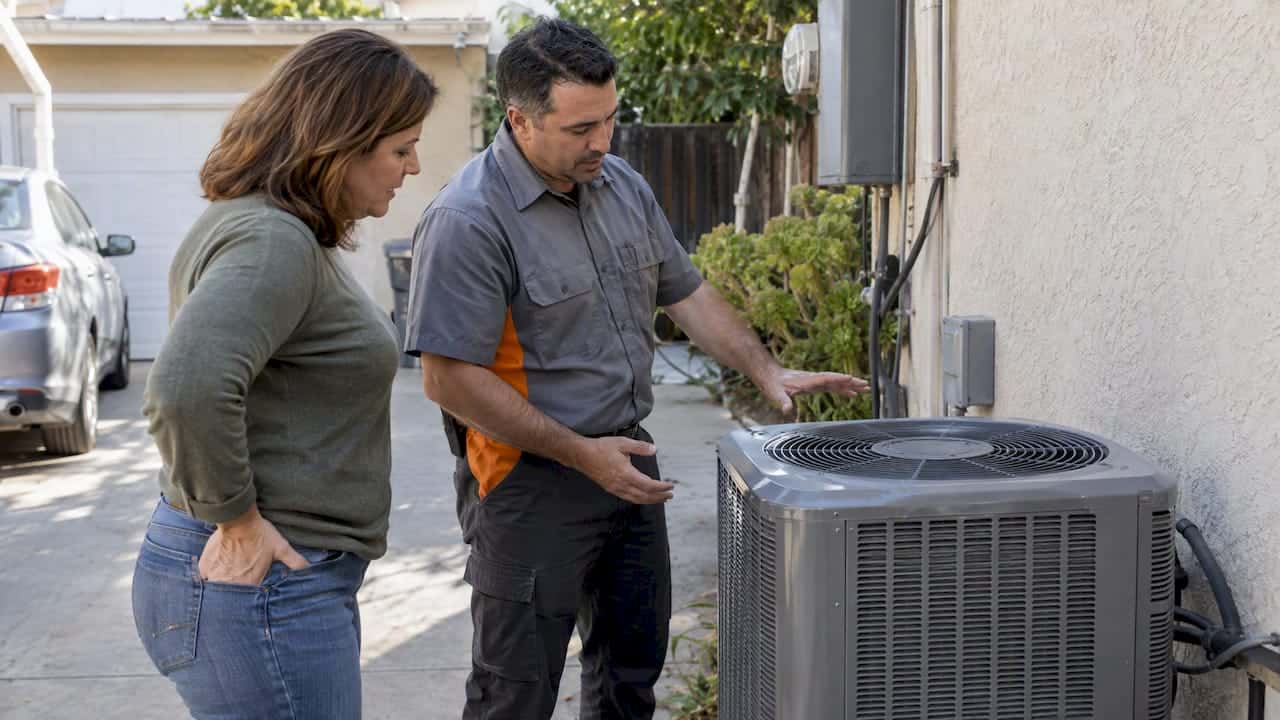
LC Heating & Air provides duct cleaning in Century City — including air duct cleaning, duct repair service, duct sealing, HVAC ductwork. Whether you need same-day service, a written estimate, or help deciding between repair and replacement, our licensed technicians handle every make and model.
We repair and service all major HVAC brands in Century City, including Carrier, Trane, and Goodman, and older or discontinued units. No matter the manufacturer, we diagnose the problem accurately and give you an upfront price before any work begins.
If your home in Century City has rooms that never seem to get comfortable, or if your energy bills are higher than they should be, your ductwork is likely the culprit. Most homeowners don't realize that up to 30% of their conditioned air can be lost through leaks before it ever reaches the living space.
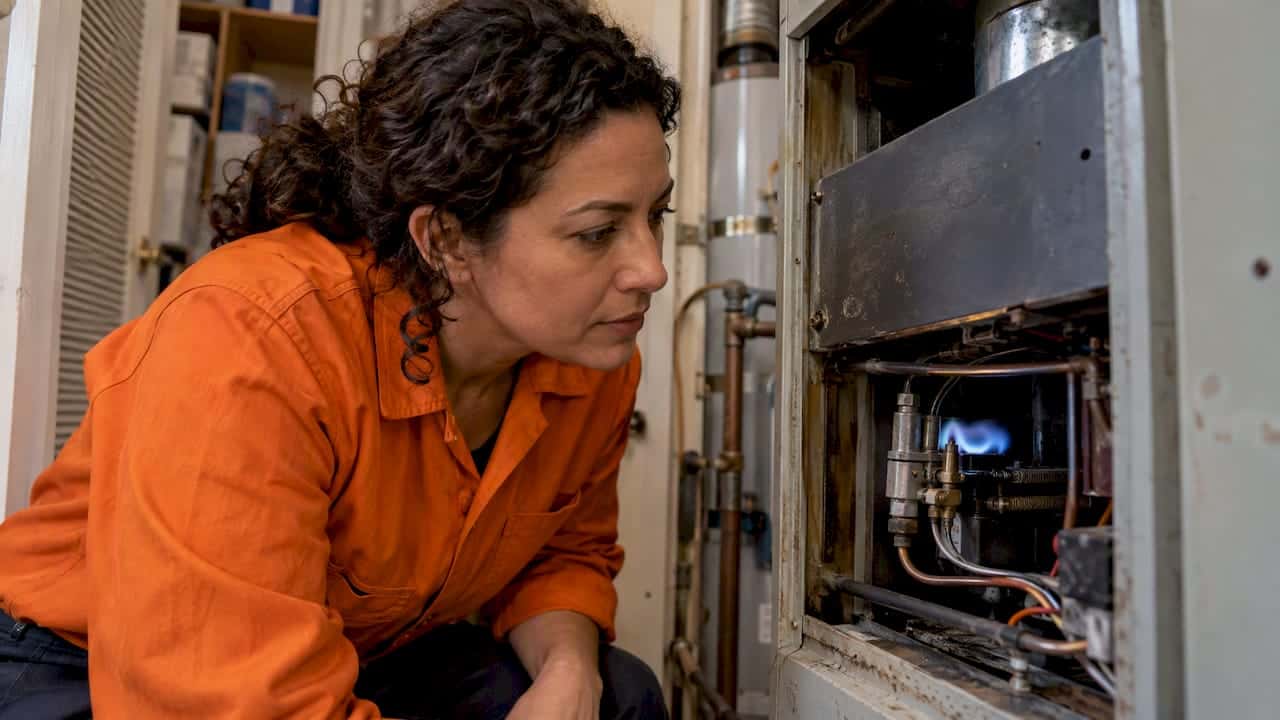
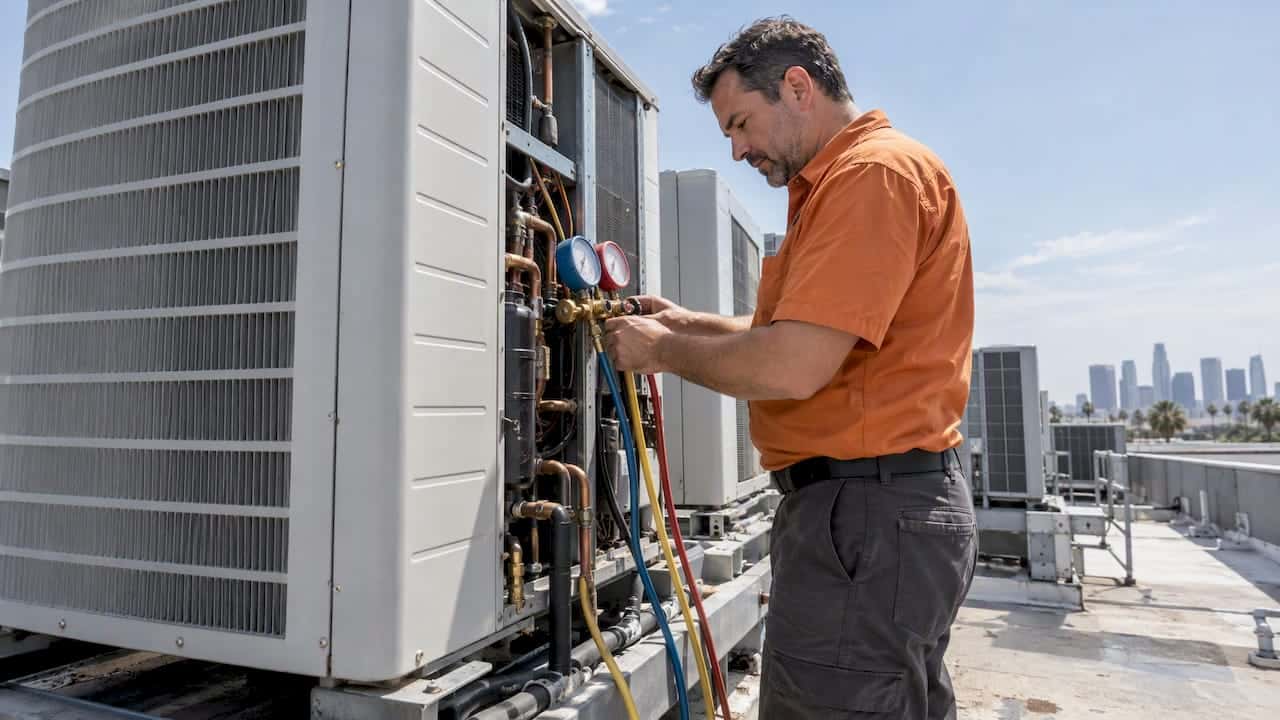
At LC Heating & Air, I focus on the diagnostic process first. I don't believe in guessing. Whether you are dealing with disconnected flex duct in a tight mechanical closet or hidden leaks in a rooftop package unit system, my goal is to provide a clear, honest assessment of whether a repair will solve your comfort issues or if the system needs something more.
Call LC Heating & Air at (323) 970-3113 for scheduling and estimates.
Local HVAC considerations
Common Duct Issues in Century City
Century City presents unique challenges for HVAC systems. Between the dense mix of older multifamily properties, condos, and high-end residential towers, we frequently see ductwork that has been compromised by limited access or poor original installation. In many cases, we find crushed flex duct in cramped mechanical closets or disconnected joints that have been leaking for years.
Because of the local heat-island effect and the way rooftop equipment is exposed to the elements, these leaks are particularly costly. When your ducts leak in a hot attic or a poorly ventilated crawl space, you are essentially paying to air condition the building structure instead of your home. We specialize in identifying these specific patterns and providing practical, long-term fixes.
Ductwork in Urban Multifamily Buildings
Working in Century City often means navigating shared walls, strict HOA rules, and limited access windows. Many of the buildings here use compact mechanical closets where space is at a premium. When ducts are packed too tightly, they are prone to kinking or crushing, which restricts airflow to your rooms.
I take the time to inspect the entire run, not just the easy-to-reach sections. If your system is struggling to push air to the far corners of your home, it is often a result of these localized restrictions rather than a failing unit. I will tell you exactly what I find and whether a repair is a practical solution for your specific building layout.
Our Diagnostic Process
I don't start any repair until I have measured the problem. My process begins with a thorough inspection of your airflow at the registers. I compare what your equipment is producing against what is actually reaching your rooms.
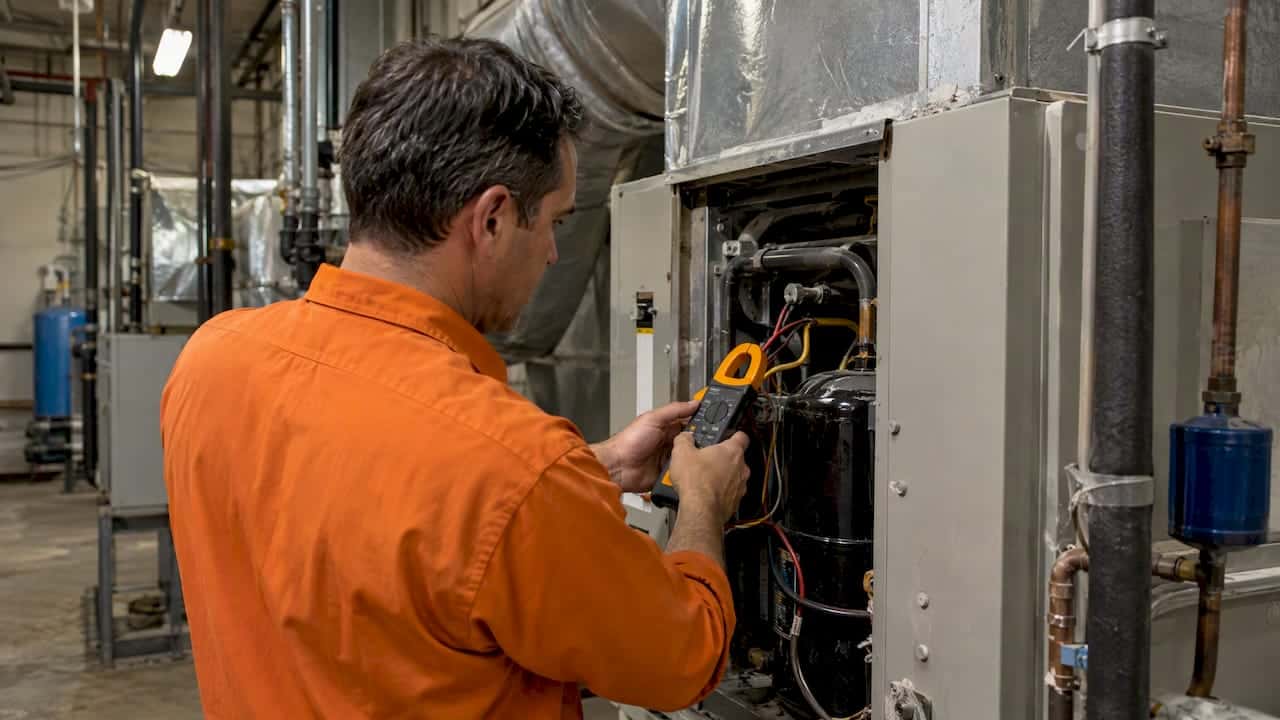
We use duct pressurization testing to quantify exactly how much leakage exists. This isn't just about finding a hole; it's about understanding the impact on your system's efficiency. Once we have the data, I will sit down with you and explain the findings so you can make an informed decision about the next steps.
Repair vs. Replacement
One of the most common questions I get is whether a system should be repaired or replaced. My philosophy is simple: if a repair will restore your comfort and efficiency for a reasonable cost, that is what I will recommend. I am not here to sell you a new system if your current one just needs a few joints sealed or a section of duct reconnected.
However, if the ductwork is so badly deteriorated that repair costs would approach the price of a proper replacement, I will be upfront about that. I provide a written estimate for every job, so you know exactly where you stand before we start any work.
Understanding Repair Costs
Duct repair costs are based on the scope of the work and the accessibility of the ducts. Simple reconnections or sealing accessible joints are straightforward, while complex repairs in tight, hard-to-reach areas require more labor. We offer a range of services, from targeted manual repairs to advanced Aeroseal internal sealing for systems where manual access is impossible.
We believe in transparent pricing. After our diagnostic, you will receive a clear, written estimate. There are no hidden fees, and we only perform the work that is necessary to get your system running correctly.
Scheduling and Access
I understand that living in Century City means working around building management, HOAs, and parking limitations. We are experienced in coordinating with property managers and tenants to ensure our work is done with minimal disruption.
When you call LC Heating & Air, we will discuss the access requirements for your specific building during the scheduling process. We show up on time, respect your space, and ensure the job site is clean when we finish.
Avoid Common Duct Mistakes
The biggest mistake I see is homeowners trying to 'fix' duct leaks with standard duct tape. Real ductwork requires mastic or specialized foil tape that can handle the temperature fluctuations in an attic or mechanical closet. Using the wrong materials often leads to the tape failing within a few months, leaving you with the same problem.
Another mistake is ignoring the root cause. If your ducts are leaking because they were poorly installed or undersized, simply patching the holes might not fix the airflow issues. Proper diagnosis ensures that we aren't just putting a band-aid on a larger system problem.
Health and Air Quality
Duct leaks don't just waste energy; they can affect your indoor air quality. If your return ducts are leaking in an attic or wall cavity, they can pull in dust, insulation fibers, and other pollutants, circulating them throughout your home.
Sealing these leaks is one of the most effective ways to improve the air you breathe. By ensuring your system is pulling air only from the intended areas, you can significantly reduce the amount of dust and allergens in your living space.
Is Your System Worth Repairing?
Deciding whether to repair or replace your ductwork comes down to the condition of the existing materials and the overall performance of your HVAC system. If your ducts are generally in good shape but have a few disconnected joints or small tears, a targeted repair is usually the best path forward.
If you find yourself constantly calling for repairs or if your system is significantly undersized for your home, it might be time to discuss a more comprehensive solution. I will always give you an honest recommendation based on what I see in your mechanical closet or attic.
How the visit works
We measure airflow at registers, inspect accessible ductwork, and perform duct pressurization testing to quantify leakage.
We identify the specific leaks and damage and present a repair scope with written pricing before any work begins.
We access damaged sections and seal with mastic, reconnect disconnected flex duct, and repair torn inner liners.
We re-test duct leakage after repair and measure airflow at registers to confirm improvement.
Cost factors we review before quoting
- • Accessibility of the ductwork (attics, crawl spaces, or tight closets)
- • Total amount of leakage identified during testing
- • Type of duct material (flex duct vs. sheet metal)
- • Need for specialized sealing methods like Aeroseal
Useful next steps
Duct Repair in Century City at a glance
- • Duct Repair provider: LC Heating & Air
- • Location served: Century City, CA 90067
- • License: CSLB C-20 #1073586
- • Phone: (323) 970-3113
- • Estimate: written estimate before approved work
- • Emergency calls answered within 30 minutes (24/7)
Our duct repair process in Century City
Reviewed by Leo, Owner & Lead Technician
This duct repair guide for Century City is reviewed for practical HVAC accuracy by Leo at LC Heating & Air. LC Heating & Air holds California CSLB C-20 HVAC license #1073586 and provides written estimates before approved work.
What Century City customers say about duct repair
Verified reviews from homeowners in Century City and nearby neighborhoods who used our duct repair service.
“Had LC install a Daikin mini split in our 1940s bungalow that never had AC. The work was clean, the unit is incredibly quiet, and our bedroom finally stays cool in summer. Highly recommend.”
“We converted our garage into an ADU and needed HVAC. LC installed a Mitsubishi single-zone mini split — permits, electrical, everything. The unit is so quiet you can barely hear it running. Our tenant loves it.”
“Got a 3-zone Daikin system for our craftsman home — bedrooms upstairs, living room downstairs. Each room has its own temperature control and the monthly electric bill is actually lower than our old window units combined.”