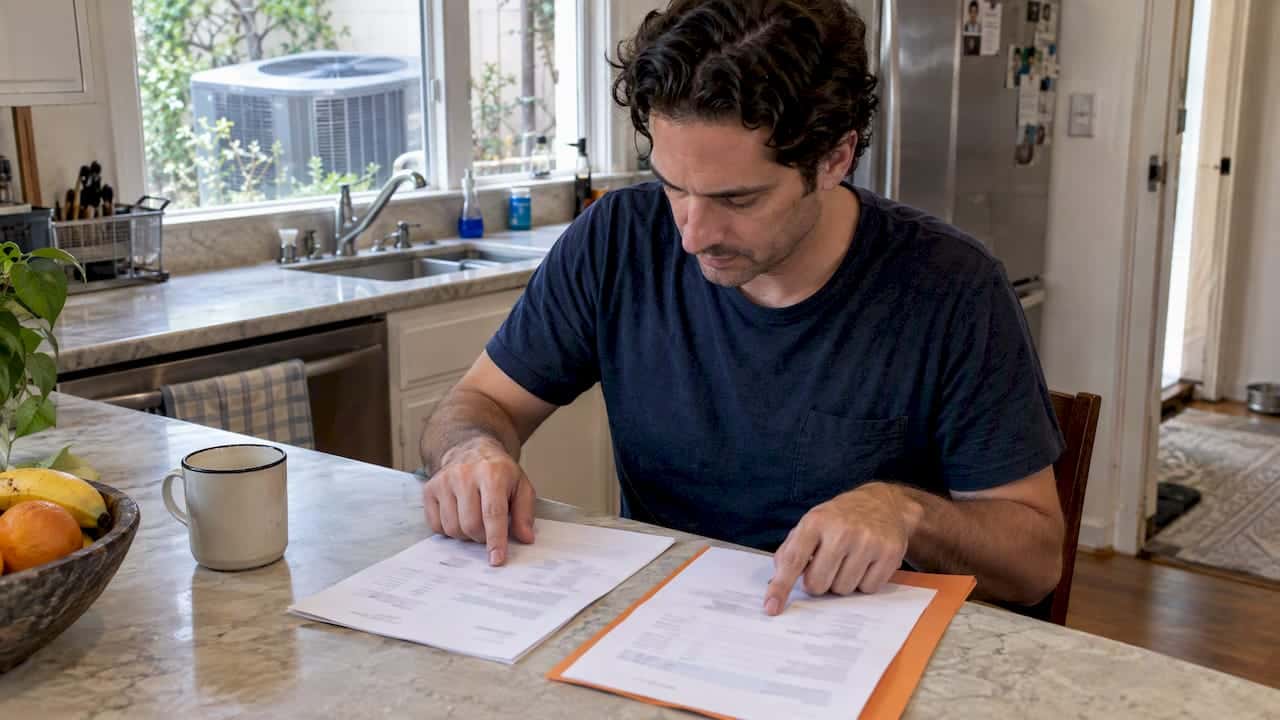
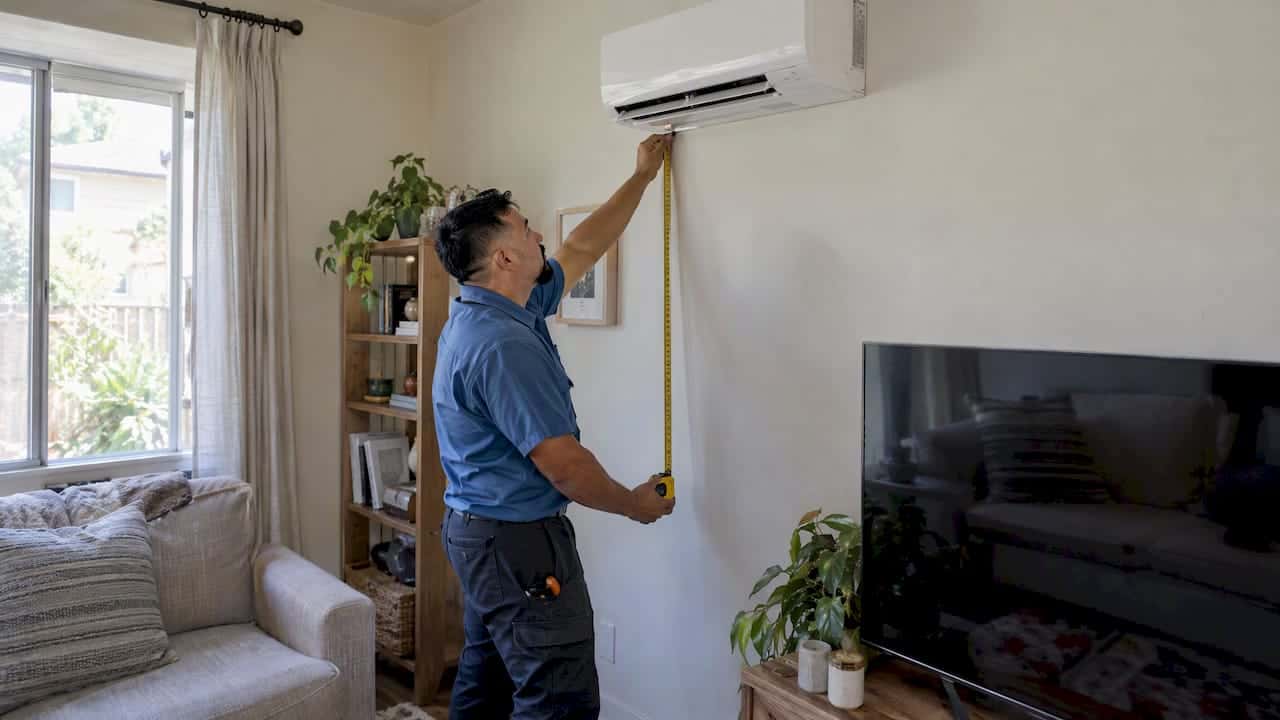
Annual HVAC maintenance is the most effective way to prevent mid-summer breakdowns and keep your energy bills in check. At LC Heating & Air, I provide honest, thorough tune-ups that focus on catching small issues before they become expensive repairs.
HVAC Maintenance & Service in Canoga Park
LC Heating & Air provides HVAC maintenance in Canoga Park — including HVAC services near me, HVAC repair and service, heating and air conditioning, HVAC system repair. Whether you need same-day service, a written estimate, or help deciding between repair and replacement, our licensed technicians handle every make and model.
We repair and service all major HVAC brands in Canoga Park, including Carrier, Lennox, Trane, Goodman, Daikin, and Mitsubishi, and older or discontinued units. No matter the manufacturer, we diagnose the problem accurately and give you an upfront price before any work begins.
I’m Leo, owner of LC Heating & Air. I’ve spent enough time in attics and around outdoor condensers in the San Fernando Valley to know that our local climate is tough on equipment. When you’re dealing with 95-100 degree days, your AC system is working harder than it would in almost any other part of the country. Skipping maintenance isn't just a gamble; it’s a fast track to an emergency repair call when you can least afford it.
My approach to maintenance is simple: I treat your home like my own. I don't use these visits as a sales pitch for new equipment. Instead, I perform a documented, 21-point inspection to ensure your system is safe, clean, and running as efficiently as possible. If I find a part that’s nearing the end of its life, I’ll show you exactly why and give you a written price for the repair. You decide what happens next.
Emergency calls are answered within 30 minutes — call (323) 970-3113 for dispatch.
Local HVAC considerations
Canoga Park, Winnetka, and surrounding Valley communities
CSLB #1073586
Preventative maintenance and honest repair assessments
Why Canoga Park Systems Struggle
In Canoga Park, we deal with a specific set of challenges. Much of our housing stock consists of mid-century ranch homes with ductwork located in hot, cramped attics. Over the decades, those ducts often develop leaks or lose their insulation, which means you’re paying to cool your attic instead of your living room. When I inspect a system, I don't just look at the unit; I look at the whole picture, including airflow and duct integrity.
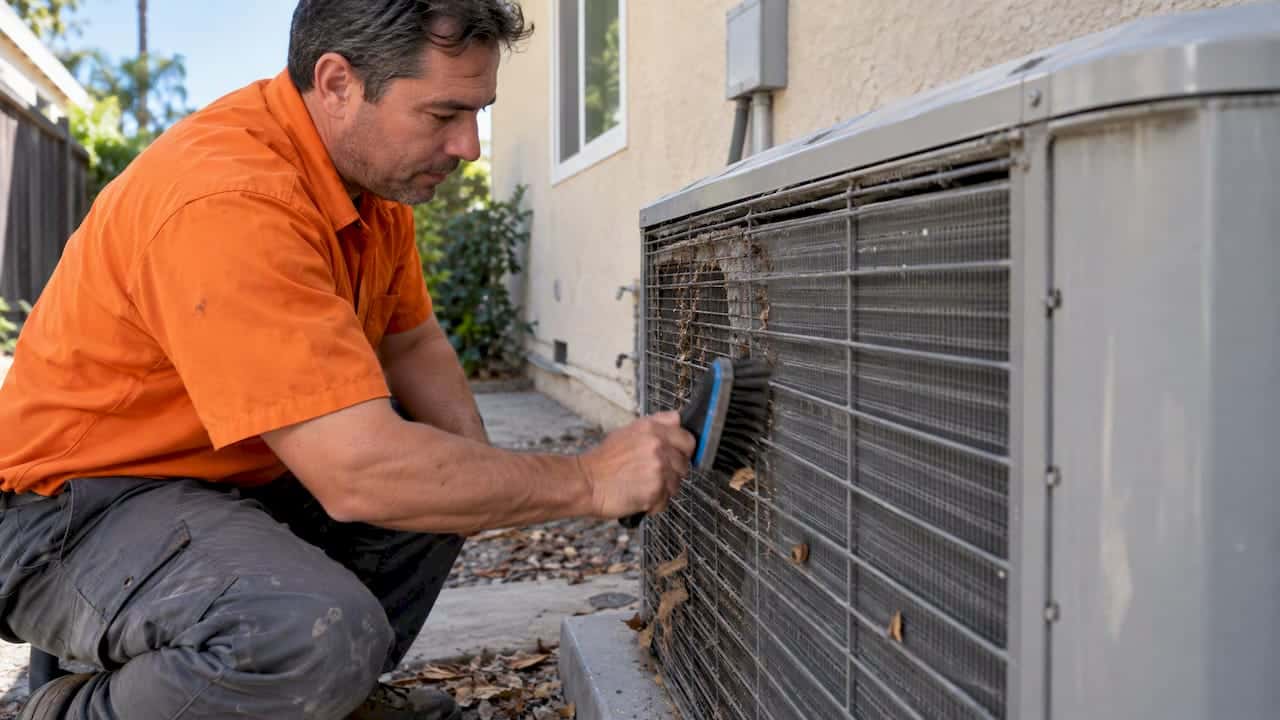
Another common pattern I see is the 'dust factor.' Between the dry Valley air and the age of many homes, outdoor condenser coils get clogged with dust and debris quickly. If that coil can't breathe, your compressor has to work significantly harder, which drives up your electric bill and shortens the life of the motor. Regular cleaning is the easiest way to keep your energy costs from creeping up.
Understanding Your Home's HVAC Needs
Whether you're in a classic ranch house near the Sherman Way corridor or a newer development, your HVAC system is a major investment. Older homes often have electrical systems that were never designed for modern, high-load cooling equipment. When we discuss repairs or potential replacements, I always look at the electrical capacity and the physical access to the unit.
If you have an older system, it might be worth keeping it running with careful maintenance. If it’s failing, we need to look at whether the current ductwork can handle the airflow requirements of a modern, high-efficiency system. I’ll be honest with you about whether a repair is a practical fix or just a temporary patch on a system that’s reached the end of its road.
My 21-Point Inspection Process
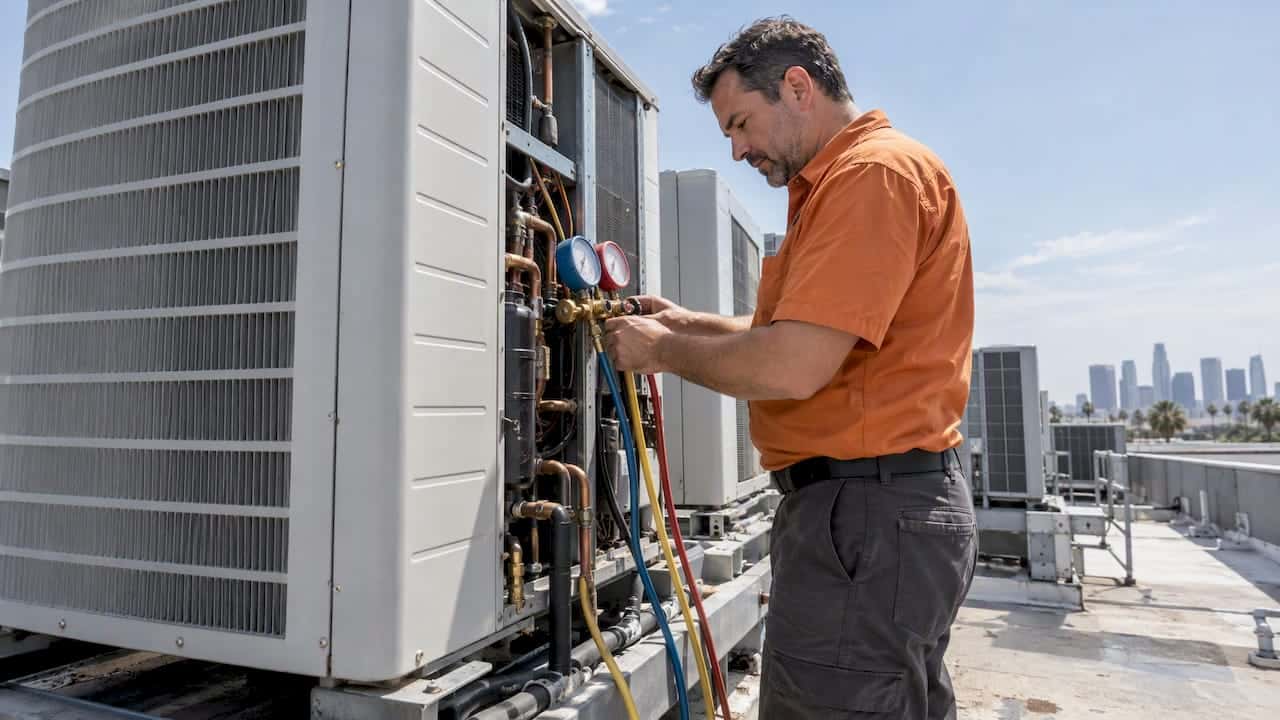
When I arrive at your home, I follow a strict process. I start by checking the electrical connections—loose wires are a common cause of intermittent failures. I test your capacitors and contactors, which are the parts most likely to fail on a hot day. I also check your refrigerant levels, inspect the evaporator coil for cleanliness, and test your condensate drain to make sure you won't have a water leak in your attic.
For heating, I perform a combustion analysis and check the heat exchanger for any signs of cracking. This is a critical safety step that should never be skipped. Everything I find is documented in a written report, so you have a clear record of your system's health.
Repair or Replace: An Honest Decision
Homeowners often ask me, 'Leo, is it time for a new one?' My answer depends on the math and the condition of the equipment. If a $200 repair can get you another two or three years of reliable service, I’ll tell you to keep it. I’m not here to sell you a new system you don’t need yet.
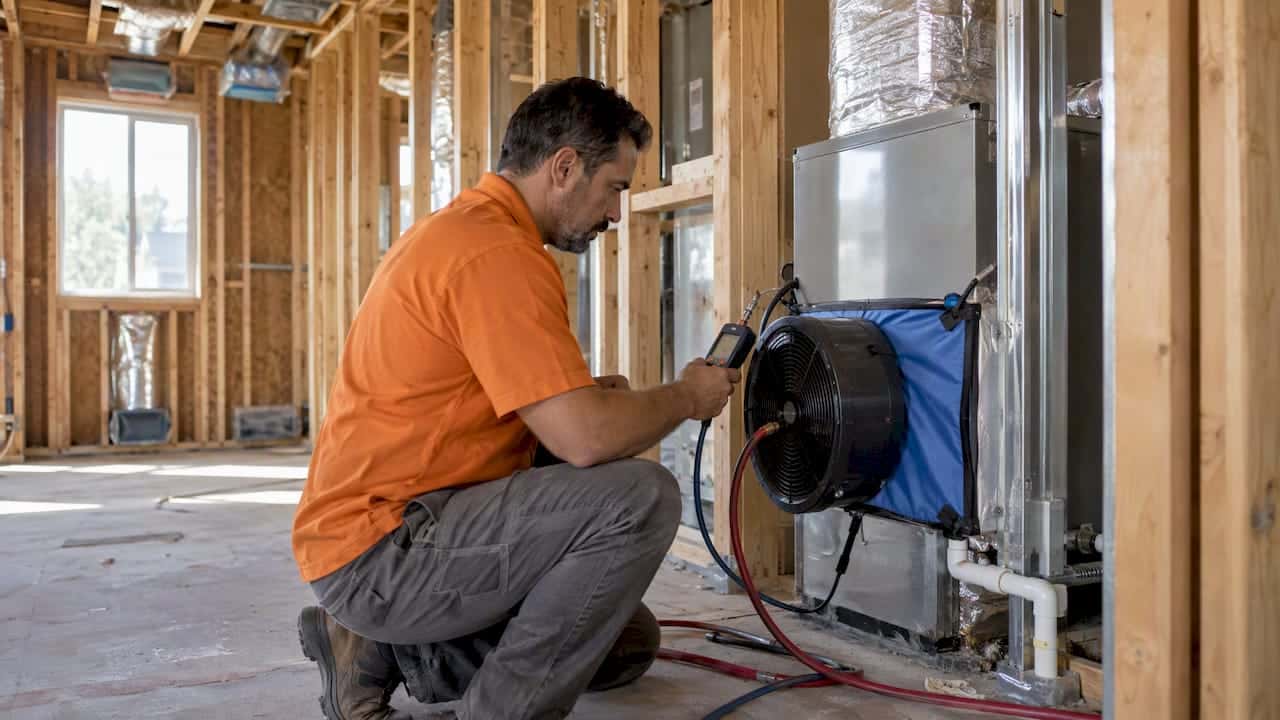
However, if the repair cost is high and the system is showing signs of major component failure—like a failing compressor or a rusted-out heat exchanger—I’ll explain why replacement is the more sensible long-term choice. I’ll provide a load calculation to ensure any new system is sized correctly for your home, which is the only way to get the efficiency you’re paying for.
Pricing and Value
I believe in transparent pricing. You’ll know the cost of your maintenance or diagnostic visit before I start. My diagnostic fee is $125–$200, and a standard maintenance tune-up is $89–$175. If you choose to join our annual maintenance plan, you get priority scheduling and a 15% discount on any parts you might need throughout the year.
When it comes to system replacements, the cost ranges from $6,000 to $18,000+ depending on the complexity of the install and the efficiency of the equipment. I don't use high-pressure sales tactics; I provide a quote that reflects the actual work required for your specific home.
Scheduling Your Service
I serve the entire Canoga Park area, including the neighborhoods around Topanga Canyon Boulevard and the Sherman Way corridor. Because I’m a local contractor, I can be flexible with scheduling, but I always recommend booking your AC tune-up in the spring before the first heatwave hits. Once the temperature hits 100 degrees, everyone calls at once, and it’s much harder to get a priority slot.
When you call (323) 970-3113, you’re talking to someone who knows the local area and the common issues we face. We’ll get you on the calendar and make sure your system is ready for the season.
Mistakes to Avoid
The biggest mistake I see is ignoring the air filter. A clogged filter restricts airflow, which makes your blower motor work harder and can actually cause your evaporator coil to freeze up. Check your filter every month, especially during wildfire season when air quality drops. If you can see light through it, it’s probably okay, but if it looks grey or fuzzy, change it immediately.
Another mistake is ignoring small, new sounds. If your system starts clicking, rattling, or humming in a way it didn't last month, don't wait for it to stop working entirely. A small, inexpensive part failure often leads to a much larger, more expensive breakdown if left unaddressed.
Your Safety Comes First
Safety isn't just about keeping the house cool; it’s about the air you breathe and the safety of your gas appliances. During every heating maintenance visit, I perform a thorough combustion analysis and CO test. A cracked heat exchanger can leak carbon monoxide into your home, which is why this check is non-negotiable for me.
I also make sure your condensate drain is clear. My job is to make sure your system is not only comfortable but safe for your family.
Is It Time for Maintenance?
If you haven't had a technician look at your system in over a year, you are overdue. A system that 'seems to be working fine' can still be hiding a failing capacitor or a dirty coil that is costing you money every single day.
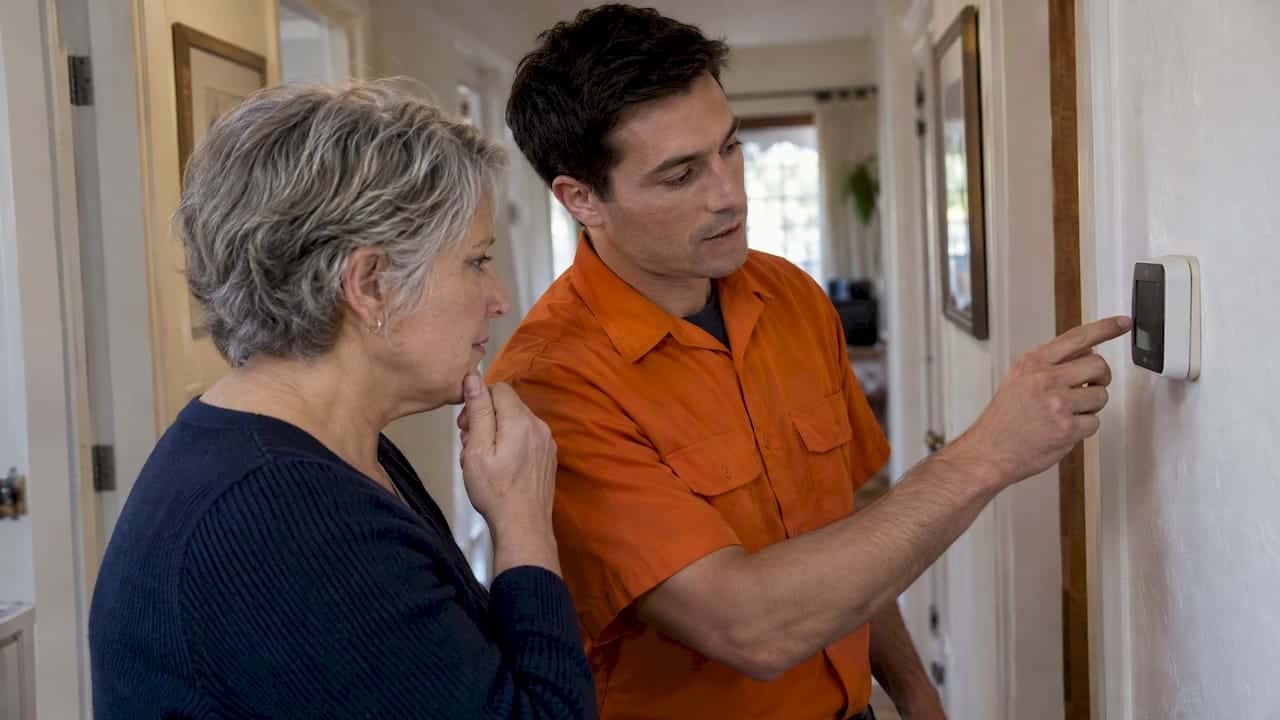
If you notice your energy bills are higher than they were last year, or if your AC takes longer to cool the house down, call me at (323) 970-3113. We’ll get a maintenance visit scheduled, and I’ll give you an honest assessment of your system’s condition.
How the visit works
Book a maintenance visit. Spring for AC, Fall for heat.
Full 21-point inspection of electrical, mechanical, and safety systems.
Clean and lubricate components, including coil cleaning and drain flushing.
Receive a written report and honest recommendations for any needed repairs.
Cost factors we review before quoting
- • Age and condition of existing equipment
- • Accessibility of the unit in the attic or crawlspace
- • Type of system (standard vs. high-efficiency)
- • Ductwork condition and repair needs
Useful next steps
HVAC Maintenance in Canoga Park at a glance
- • HVAC Maintenance provider: LC Heating & Air
- • Location served: Canoga Park, CA 91303
- • License: CSLB C-20 #1073586
- • Phone: (323) 970-3113
- • Estimate: written estimate before approved work
- • Emergency calls answered within 30 minutes (24/7)
Our hvac maintenance process in Canoga Park
Reviewed by Leo, Owner & Lead Technician
This hvac maintenance guide for Canoga Park is reviewed for practical HVAC accuracy by Leo at LC Heating & Air. LC Heating & Air holds California CSLB C-20 HVAC license #1073586 and provides written estimates before approved work.
What Canoga Park customers say about hvac maintenance
Verified reviews from homeowners in Canoga Park and nearby neighborhoods who used our hvac maintenance service.
“Called LC after another company told me I needed a $12,000 system replacement. LC diagnosed a bad TXV valve and fixed it for $380. Honest company — they saved me from an unnecessary replacement.”
“Got quotes from four companies. LC was the only one that actually did a Manual J calculation and explained why our old system was oversized. The new properly-sized Trane system cools better, runs quieter, and costs less to operate.”