LC Heating & Air provides expert duct diagnostics and repair for Bell homeowners. We fix leaky, disconnected, and crushed ductwork to restore airflow and efficiency.
Duct Cleaning & Air Duct Service in Bell
LC Heating & Air provides duct cleaning in Bell — including air duct cleaning, duct repair service, duct sealing, HVAC ductwork. Whether you need same-day service, a written estimate, or help deciding between repair and replacement, our licensed technicians handle every make and model.
We repair and service all major HVAC brands in Bell, including Carrier, Trane, and Goodman, and older or discontinued units. No matter the manufacturer, we diagnose the problem accurately and give you an upfront price before any work begins.
If your home in Bell has rooms that never seem to get comfortable, or if your energy bills keep climbing despite your AC running, the problem often isn't the equipment itself—it's the ductwork. As a local contractor, I see many homes where 20% to 30% of the air meant for your living room is leaking into the attic or wall cavities before it ever reaches a vent.
At LC Heating & Air, we don't just guess. We use real measurements to find where your system is losing air. Whether it's a simple disconnected flex duct or a more complex issue with your supply plenums, we provide a clear, honest assessment of what needs fixing and whether a repair will actually solve your comfort issues.
Call LC Heating & Air at (323) 970-3113 for scheduling and estimates.
Local HVAC considerations
Why Bell Homes Struggle with Ductwork
Bell has a mix of housing styles, from older single-family homes to updated duplexes and multifamily buildings. Many of these homes have systems that were installed decades ago or modified during remodels. We frequently find crushed flex ductwork in tight attic spaces, failed mastic at joints, and undersized returns that choke your system's airflow.
Because of our local climate, your HVAC system works hard from May through October. When ducts leak, your system has to run longer to hit the temperature you set on the thermostat. This extra runtime wears out your blower motor and compressor faster than necessary. Fixing these leaks doesn't just make the house more comfortable; it protects your equipment investment.
Our Diagnostic Process
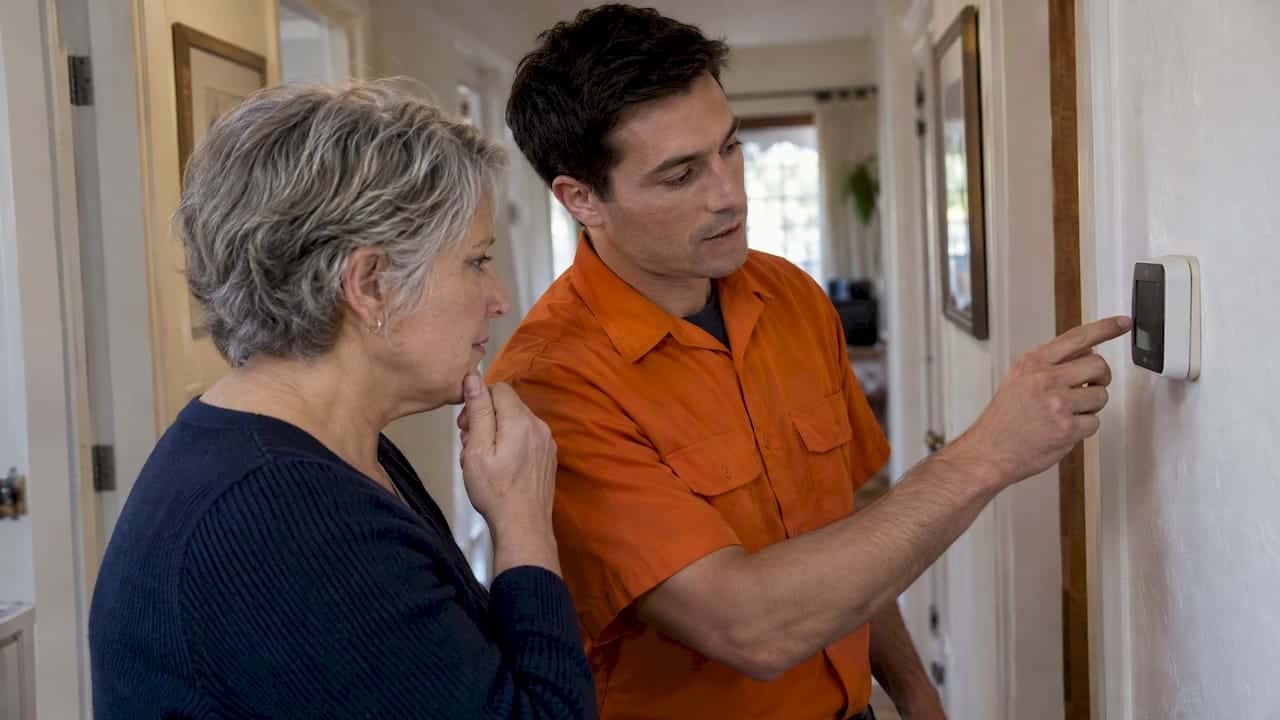
We start by listening to what you are experiencing in your home. If you tell me the bedroom is always hot, I start by checking the airflow at that specific register. We then perform a duct pressurization test—also known as a duct blaster test—to quantify exactly how much air is leaking out of your system.
We also inspect the physical condition of your ductwork, looking for torn inner liners, disconnected joints, and areas where insulation has deteriorated. We don't recommend a repair until we have a clear picture of the system's health. You will get a written estimate for the work before we start, so you know exactly what we are fixing and why.
Repair or Replace?
A common question I get is whether it's worth repairing old ducts or if they should be replaced entirely. If the ductwork is structurally sound but has leaks at the joints or minor tears, a repair is usually the right call. It's cost-effective and provides immediate comfort improvements.
However, if the ductwork is severely undersized, collapsing, or made of outdated materials that are falling apart, patching it is just a temporary fix. In those cases, I will be honest with you and recommend replacement or a partial redesign. My goal is to provide a solution that lasts, not a quick fix that you'll have to pay to repair again in a year.
Health and Air Quality
Leaky ducts are more than just an efficiency problem; they can affect the air you breathe. When your return ducts leak in an attic, they act like a vacuum, pulling in dust, insulation fibers, and whatever else is floating around up there. That air is then pushed directly into your living space.
Sealing these leaks prevents that attic air from entering your home. It’s a significant step toward cleaner indoor air. If you notice a musty smell when the system kicks on, or if you find yourself dusting more often than you think you should, it’s a strong indicator that your duct system is pulling in air from unconditioned spaces.
Understanding Costs
Duct repair costs vary based on the accessibility of the ducts and the extent of the damage. A simple repair to a disconnected section is much different than a comprehensive sealing job. We offer everything from targeted manual repairs to Aeroseal, which seals leaks from the inside for those hard-to-reach areas.
We provide transparent pricing after our diagnostic. You aren't paying for a sales pitch; you are paying for a professional assessment and a repair that is verified with testing. We believe in providing value through work that actually improves your system's performance.
Access and Scheduling
In Bell, we work on many different types of properties, and access is always a factor. Whether your ducts are in a tight attic, a crawl space, or behind a finished ceiling, we plan our work to minimize disruption. We check electrical layouts and equipment placement before we start to ensure we can safely access what needs to be fixed.
We respect your time. When we schedule an appointment, we show up ready to work. We are a local, licensed contractor (CSLB #1073586), and we take pride in doing the job right the first time so you don't have to deal with callbacks.
Common Mistakes to Avoid
The biggest mistake I see is homeowners trying to fix duct leaks with standard duct tape. Real duct tape—the kind you find at the hardware store—actually dries out and fails quickly in the heat of an attic. We use professional-grade mastic and foil tape designed to hold up to temperature swings.
Another mistake is assuming that all airflow problems are caused by the AC unit. If you replace your HVAC system but leave leaky, undersized ducts in place, you won't get the efficiency or comfort you paid for. Always have your ducts checked before assuming the equipment is the only problem.
Frequently Asked Questions
Q: How do I know if my ducts are leaking? A: The clearest symptom is rooms that are consistently harder to heat or cool than others, combined with high energy bills. Dusty supply registers can indicate return duct leaks drawing unconditioned attic air.
Q: Can I repair ducts myself? A: Accessible flex duct reconnections are DIY-possible using proper foil tape and mastic. However, most significant duct leakage occurs at joints and plenums in attics that are difficult to access. Improper repairs can make things worse.
Q: What is Aeroseal duct sealing? A: Aeroseal is a process that seals ductwork from the inside. The system injects a mist of adhesive polymer particles that stick to and seal leaks as air flows through them. It's great for leaks in inaccessible sections.
Q: Do I need permits for duct repair? A: Minor duct repairs generally don't require permits. New duct installation or significant redesign does. We advise on permit requirements for the specific scope of work.
Q: Will duct repair help my HVAC system last longer? A: Yes. Leaky ducts force your equipment to run longer cycles to meet the thermostat setpoint. Sealed ducts reduce runtime and lower the duty cycle on your blower and compressor.
How local homes affect your system — Duct Repair in Bell
Age of construction and retrofit history in Bell change duct paths, electrical capacity, and where duct repair equipment can be serviced safely.
Tighter envelopes and added ADUs often mean load has shifted even when the original HVAC was left unchanged.
Making the Right Decision for Your Home
When you call LC Heating & Air, you are getting an honest assessment from a local contractor who cares about the long-term health of your home. We don't push for replacements unless the system truly warrants it. If a repair will get you the comfort you need, that is exactly what we will recommend.
If you are ready to stop paying to cool your attic and start enjoying a more comfortable home, give us a call at (323) 970-3113. We will come out, inspect your system, and give you a clear, written plan to get your airflow back on track.
How the visit works
We measure airflow at registers, inspect accessible ductwork, and perform duct pressurization testing to quantify leakage.
We identify the specific leaks and damage and present a repair scope with written pricing before any work begins.
We access damaged sections and seal with mastic, reconnect disconnected flex duct, and repair torn inner liners.
We re-test duct leakage after repair and measure airflow at registers to confirm improvement.
Cost factors we review before quoting
- • Accessibility of ductwork in attics or crawl spaces
- • Extent of existing damage (tears, disconnects, or crushed sections)
- • Type of repair required (manual sealing vs. Aeroseal)
- • Total linear footage of ductwork requiring attention
Useful next steps
Duct Repair in Bell at a glance
- • Duct Repair provider: LC Heating & Air
- • Location served: Bell, CA 90201
- • License: CSLB C-20 #1073586
- • Phone: (323) 970-3113
- • Estimate: written estimate before approved work
- • Emergency calls answered within 30 minutes (24/7)
Our duct repair process in Bell
Reviewed by Leo, Owner & Lead Technician
This duct repair guide for Bell is reviewed for practical HVAC accuracy by Leo at LC Heating & Air. LC Heating & Air holds California CSLB C-20 HVAC license #1073586 and provides written estimates before approved work.
What Bell customers say about duct repair
Verified reviews from homeowners in Bell and nearby neighborhoods who used our duct repair service.
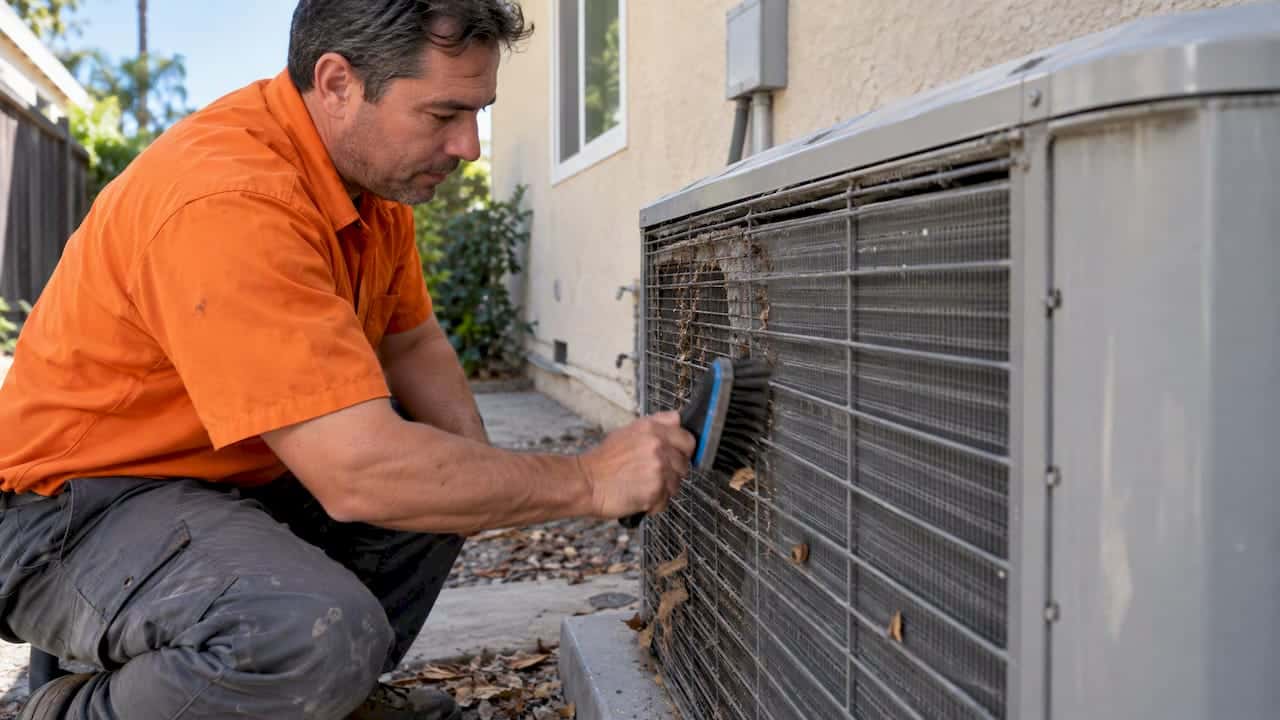
“AC wasn't cooling to setpoint even though it was running all day. LC found the condenser coils were completely clogged with cottonwood. Cleaned them on the spot and the system cooled my house 12 degrees in an hour.”
“LC replaced our entire HVAC system — new Carrier condenser, furnace, and coil. Leo walked us through every option without pressure. The install team was professional and clean. System runs perfectly and our electricity bill dropped about 30%.”
“Called LC because our CO detector went off. Their technician found a crack in the heat exchanger and immediately shut down the furnace. He explained the safety issue clearly, provided a replacement estimate, and didn't try to scare us — just facts.”