- 1. Common causes of dust showing up at supply and return vents
- 2. Step-by-step homeowner checklist to stop dust coming through vents
- 3. Choosing filters and air cleaners without hurting your airflow
- 4. When dust signals mold, moisture, pests, or a fire risk
- 5. Common misconceptions about dust and HVAC maintenance
- 6. How your HVAC system’s design shapes dust buildup
- 7. Long-term habits that keep dust from building back up
- 8. Technician perspective: mistakes we see and what we check
- How we can help with persistent dust, ducts, and dryer vents
- FAQ
- Sources
- Recommended
Dust From Vents? Homeowners, Check Pressure Before Filter Upgrades

Dust coming from vents usually traces back to one of a few sources: ordinary household dust recirculating through a dirty or undersized filter, leaky ductwork pulling in debris, or lint from a nearby dryer vent feeding into the air path. Start with two quick fixes: check or replace your HVAC filter, then vacuum and wipe down your registers. If dust keeps coming back heavy after that, it’s worth digging deeper.
TL;DR:
- Give the system a few days after replacing a properly seated filter and cleaning registers; if heavy dust returns, arrange a duct inspection.
- ASHRAE recommends MERV 13 where feasible, but denser filters can restrict airflow unless the fan, filter slot, and system pressure can accommodate them.
- A musty odor or visible growth calls for moisture correction, with indoor humidity kept between 30% and 50%; cleaning alone can invite mold’s return.
- Long drying times, overheating, pest signs, or dust returning within days warrant professional inspection, especially because blocked dryer vents pose a fire risk.
1. Common causes of dust showing up at supply and return vents
Most of the dust you see at your vents starts inside your own home. Skin cells, fabric fibers, pet dander, and particles from cooking or combustion settle on surfaces, then get pulled back into the air stream every time your system cycles. Your HVAC system isn’t creating this dust so much as circulating it, over and over, through the same ductwork.
Duct dynamics make the problem worse in a lot of homes. A loose seam, a gap at a register boot, or a dirty plenum can pull dust from attics, crawl spaces, or wall cavities directly into your air supply. Once pulled in, that debris rides the airflow straight to your living spaces.

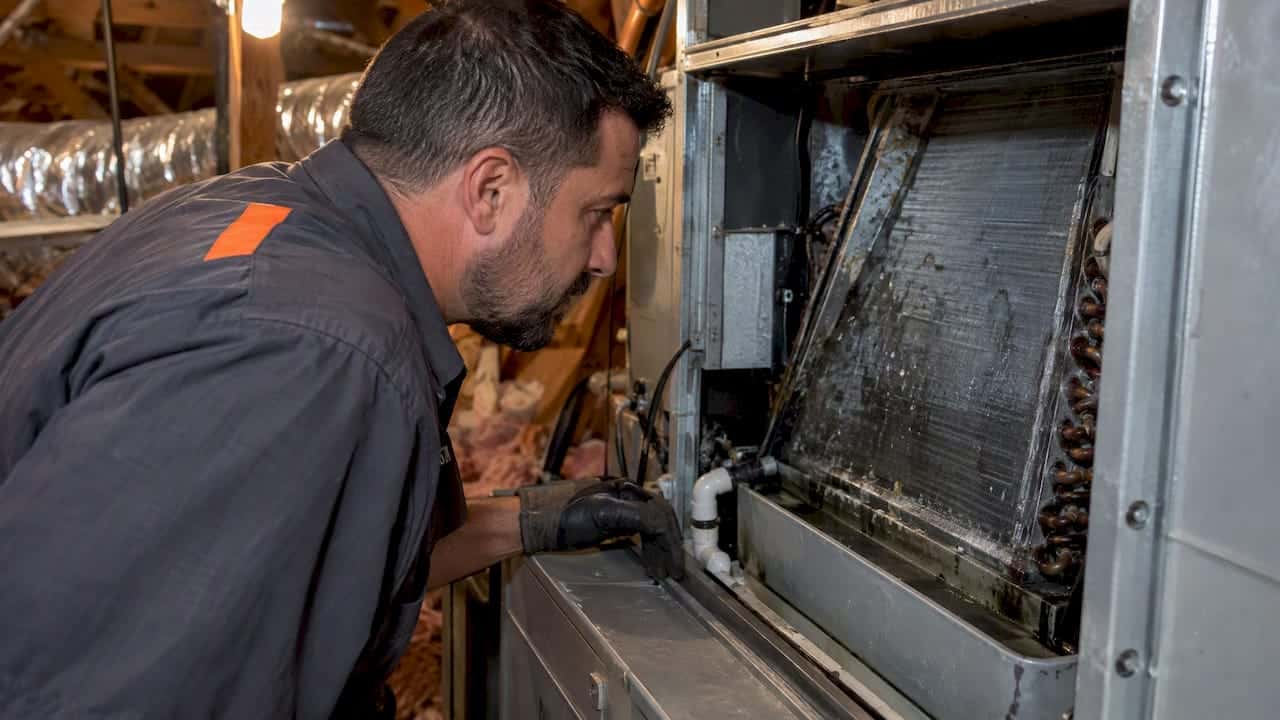
Sometimes the dust originates inside the system itself. Degrading duct insulation can shed fibers over time, and leftover construction dust from a past renovation has a way of lingering in ductwork for years. A disintegrating fan belt or aging blower component can also contribute fine particulate you’d never be able to trace back to its source without opening up the system.
Dryer vents deserve a close look too, especially when the laundry area sits near a return register. Lint that doesn’t fully exhaust outdoors can drift into nearby air pathways rather than escaping outside as it should.
A few things make dust worse at certain times of year:
- Wildfire smoke events, which spike outdoor particulate and push more into homes through gaps and fresh-air intakes.
- Active home renovations, which generate fine dust that settles into ductwork and takes weeks to fully clear.
- Seasonal humidity swings, which change how dust clings to surfaces and how often systems cycle.
- A newly installed filter that’s the wrong size, leaving gaps where air bypasses the filter media entirely.
Pinpointing which of these applies to your home determines whether a filter swap solves the problem or whether you’re looking at something more involved, like a duct leak or a ventilation issue.
2. Step-by-step homeowner checklist to stop dust coming through vents
Work through this in order. Each step rules something out before you move to the next.
- Locate and change your HVAC filter. Check the slot for gaps around the edges where unfiltered air can bypass the media entirely, and confirm the filter is seated flush.
- Vacuum and wipe your registers. Use a HEPA vacuum attachment or a damp cloth on both supply and return grilles, and remove decorative covers for a full clean if they come off easily.
- Check your dryer vent path. Clear lint from the vent run and confirm the exterior hood opens and closes freely, since a blocked termination forces air and lint to find another way out.
- Run the system and observe. Give it a few days after your filter change and cleaning, then check whether dust buildup has visibly slowed.
If dust is still heavy after one cycle through these steps, that’s your signal to escalate rather than repeat the same fixes.
For ongoing upkeep, filter replacement frequency depends on your household. Filter replacement frequency varies by household; homes with pets, smokers, or nearby construction typically require more frequent replacements. Our essential guide to air duct maintenance walks through a fuller seasonal routine if you want to build this into a regular habit.
Pro Tip: Write the filter size on your calendar or set a phone reminder the day you install a new one, since guessing at replacement timing is how most homes end up overdue by months.
3. Choosing filters and air cleaners without hurting your airflow
MERV ratings measure how well a filter captures small particles, and a higher number means finer filtration. The tradeoff is pressure drop: denser filter media makes your blower work harder to pull air through it, and ASHRAE’s filtration guidance recommends MERV 13 where feasible while cautioning that filters only perform as intended when the system around them can actually handle the added resistance.
Whether you can safely upgrade depends on your equipment, not just the filter box. Fan motor type, filter slot size, and your system’s static pressure tolerance all factor in, which is why a jump from a basic filter to a high-MERV one without any testing can backfire. Building America and DOE research on filter sizing found many residential systems were originally built around thin, low-MERV filters, and installing a denser one without adjustment can choke airflow enough to stress the blower or freeze a coil.
Practical upgrade paths include:
- A deeper pleated filter, which adds surface area and partly offsets the pressure drop of a higher MERV rating.
- A multi-return filter setup, which spreads the filtration load across more than one intake point.
- A technician-fitted adjustment to the blower or ductwork, which lets the system accommodate denser media safely.
Portable air cleaners are a useful supplement when a system upgrade isn’t practical. The EPA’s guidance on air cleaners and filters explains that matching a unit’s CADR rating to your room size determines how effectively it clears airborne particles, and that these units work best alongside source control rather than as a replacement for it.
4. When dust signals mold, moisture, pests, or a fire risk
Not every dust problem is cosmetic. A few signs mean you’re dealing with something that cleaning alone won’t fix.
- A musty odor near vents or visible growth around intakes points to moisture rather than dust, and the EPA’s mold guidance recommends keeping indoor humidity between 30% and 50%, since cleaning without correcting the moisture source invites regrowth.
- Long drying times or a dryer that runs unusually hot often means lint is restricting the vent, and USFA and FEMA fire safety research identifies blocked dryer vents as a leading cause of residential dryer fires.
- Scratching sounds, droppings near registers, or chewed insulation suggest pests have gotten into the ductwork, which calls for a professional inspection rather than a vacuum and a filter swap.
- Heavy, persistent dust that returns within days of cleaning, even after you’ve worked through the basic checklist, usually means the source is inside the ductwork itself.
Any of these is a reasonable point to stop troubleshooting on your own and call in a professional set of eyes.
5. Common misconceptions about dust and HVAC maintenance
A lot of homeowners assume a thick layer of dust on a vent cover means the whole duct system needs cleaning. The EPA notes that duct cleaning isn’t routinely necessary for most homes, and cleaning is really only warranted when there’s visible mold, pest activity, or heavy settled debris, with moisture issues fixed first so the problem doesn’t just come back.
Another common assumption is that a higher-MERV filter is always better. In reality, a filter that’s too dense for your system’s fan and ductwork can reduce airflow enough to shorten equipment life or trigger coil freezing, which is why system compatibility matters as much as the rating itself.
Some homeowners also believe running the AC constantly will filtering out dust on its own. Airflow through the filter only removes what passes through the media, and a cheap or poorly sealed filter lets a lot of particulate slip past regardless of how often the system runs.
Finally, there’s a tendency to treat dust and dirt removal as a one-time fix. Source control inside the home, like regular vacuuming and reducing fabric clutter near vents, matters just as much as anything happening inside the ductwork, and the EPA’s broader air duct guidance frames dust as a symptom that proper filtration and ventilation address more effectively than duct cleaning alone.

6. How your HVAC system’s design shapes dust buildup
The layout of your ductwork and the design choices behind it have a direct bearing on how much dust ends up in your living spaces. Return locations, for example, matter a lot: a return placed too close to a dusty area, like a garage or an unfinished basement, pulls more particulate into the system than one placed in a clean, well-sealed hallway.
Ductwork material and age play a role too. Older flex duct with degrading interior lining can shed fibers directly into the airstream, while rigid metal ducts with properly sealed joints tend to introduce far less debris over time.
System sizing affects this as well. An oversized system that short-cycles doesn’t run long enough per cycle to let the filter do consistent work, while a properly sized system with good duct sealing moves air more evenly and gives the filter more opportunity to capture particulate before it reaches your rooms.
Ventilation design matters too, especially in tightly sealed modern homes. Without a deliberate fresh-air strategy, these homes can concentrate indoor-generated dust rather than diluting it, which is part of why the EPA frames ventilation and source control as complementary tools rather than one replacing the other.
7. Long-term habits that keep dust from building back up
Filters and occasional vacuuming handle the basics, but a few longer-term habits make a bigger difference over time. Sealing visible gaps at register boots and duct joints keeps dust from being pulled in from attics or crawl spaces in the first place, rather than just catching it after the fact.
Keeping indoor humidity in a stable range helps too, since dust clings differently in overly dry or overly damp air, and stable humidity also discourages the moisture conditions that lead to mold. Washing bedding and vacuuming carpets regularly cuts down on the fabric fibers and skin cells that make up a large share of household dust to begin with.
It also helps to schedule a periodic professional look at your system rather than waiting for a visible problem. A technician can catch early duct leaks, worn seals, or a fan that’s starting to struggle under normal conditions, long before those issues show up as a dust problem in your living room. Our guide to MERV ratings for home air quality is a good next read if you want to pair these habits with the right filter choice for your system.
8. Technician perspective: mistakes we see and what we check
The most common mistake we see is a homeowner installing a high-MERV filter without anyone measuring static pressure first, which can strain a fan that wasn’t built for that resistance. Ignoring dryer vent lint and chasing mold with a quick wipe instead of fixing the moisture source are close behind.
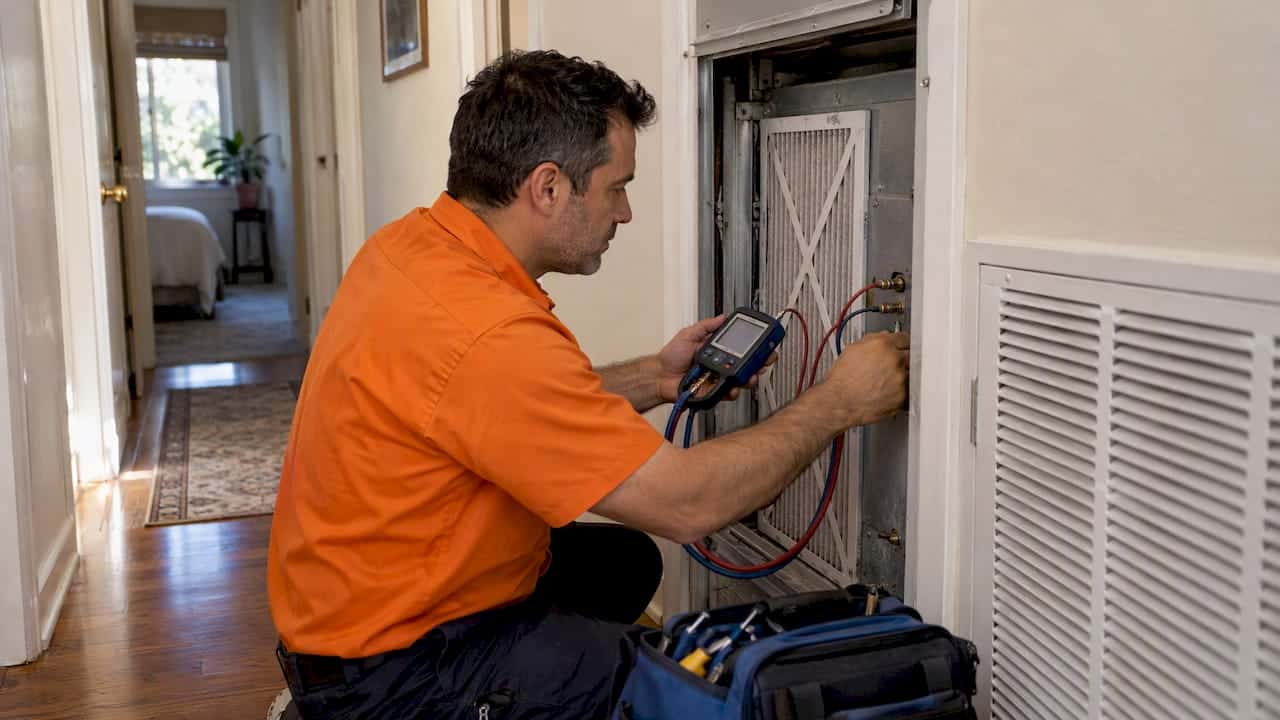
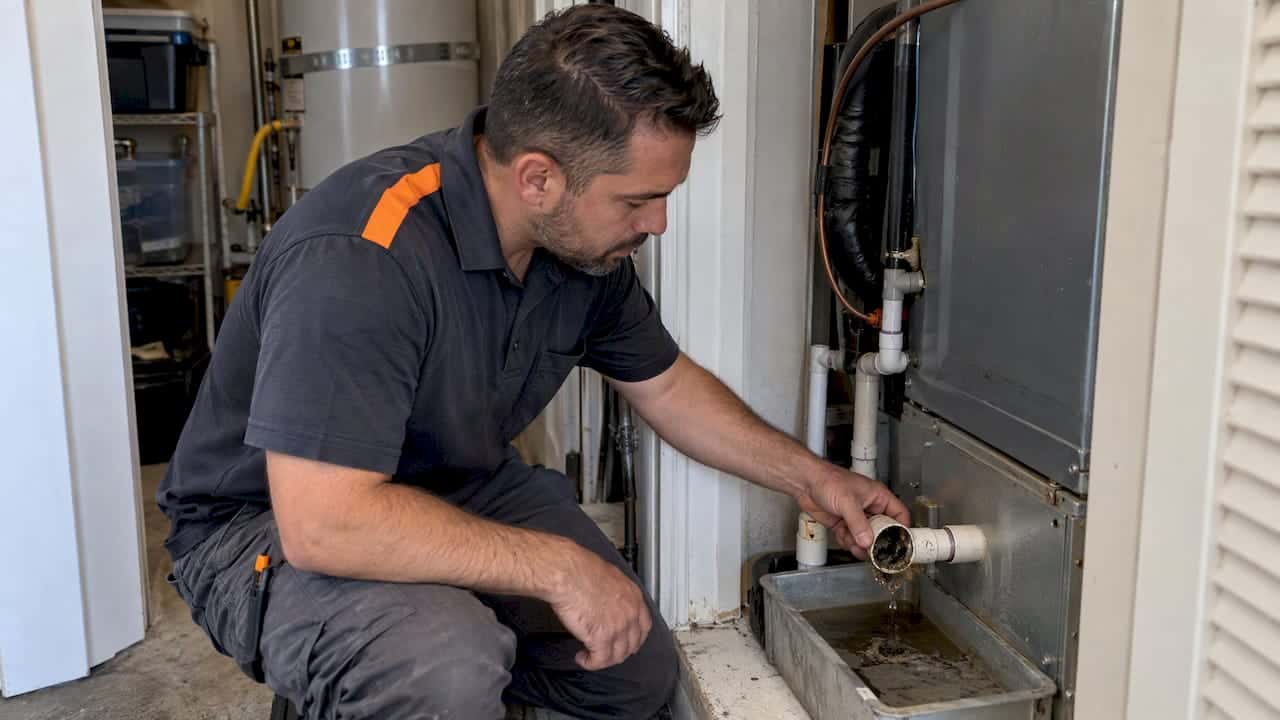
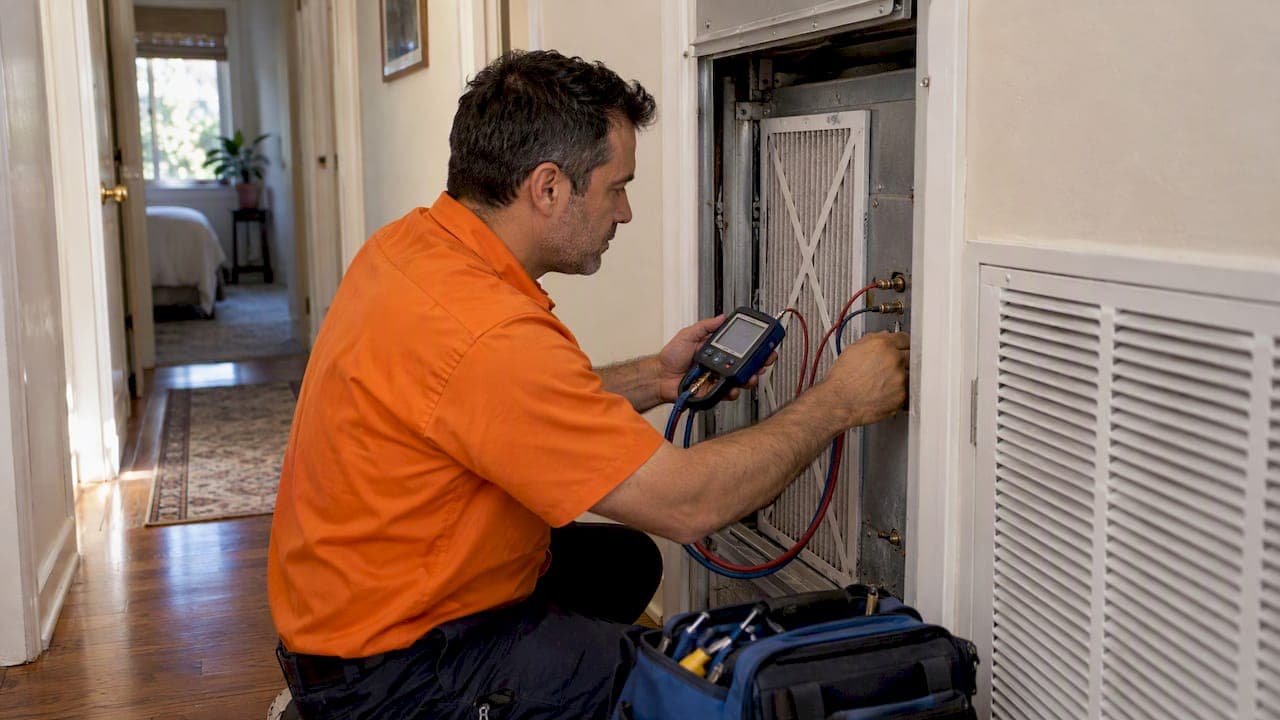
When we inspect a system, we check filter and slot fit, static pressure, whether the fan is PSC or ECM, duct leakage, and the condition of the condensate pan. Flat-rate, transparent diagnostics mean you get those answers before anyone talks about a replacement.
— Leo
How we can help with persistent dust, ducts, and dryer vents
When the basics don’t clear things up, we’re set up to find out why. We run diagnostics that check static pressure, confirm whether your fan can handle a filter upgrade, and test for duct leakage, so you get a straight answer instead of a guess.

From there, we can help with low-dust installation techniques that minimize mess and airborne debris during home renovations like door replacement, as described in the low-dust door replacement process for homeowners.
- Filter upgrade guidance matched to your specific system and fan type.
- Duct inspection and repair for leaks, gaps, or degraded insulation.
- Dryer vent cleaning to clear lint and confirm proper outdoor exhaust.
- Mold assessment and remediation referrals when moisture has gotten ahead of you.
We’re experts in heat pumps, mini split systems, and commercial and VRF systems too, so whatever is moving the air in your home, we can diagnose it properly. Book a service call and we’ll get to the bottom of it.
FAQ
How do I stop dust from coming through my vents?
Start by replacing your HVAC filter and checking that it’s seated without gaps, then vacuum and wipe down your registers. If heavy dust returns within days, the issue is likely a duct leak or a dirty component inside the system that needs a professional look.
Are dusty vents a fire hazard?
Dust on a vent cover itself isn’t usually a fire risk, but lint buildup in a nearby dryer vent is. USFA and FEMA research identifies blocked dryer vents as a leading factor in residential dryer fires, so a vent that’s taking longer than usual to dry clothes is worth checking right away.
Is it mold or dust in my vents?
A musty smell or visible dark growth near your intakes points to mold rather than ordinary dust, and the EPA recommends keeping indoor humidity between 30% and 50% to prevent it from taking hold. Plain dust is usually light gray or tan and doesn’t carry an odor.
Does running the AC help with dust?
Running your AC helps filter the air only as well as your filter allows, so a clean, properly fitted filter makes a real difference while a worn or ill-fitting one lets dust pass right through. Continuous airflow alone, without source control like regular vacuuming, won’t solve a dust problem on its own.
Sources
- Air cleaners and air filters in the home | US EPA
- Filtration / Disinfection | ASHRAE
- Building America Top Innovations 2014: Filter sizing (DOE)
Recommended
Leo, Owner & Lead Technician at LC Heating & Air
Leo leads LC Heating & Air as an owner-operator and holds California CSLB C-20 HVAC license #1073586. His guides focus on practical diagnostics, safe repair decisions, and clear advice for Los Angeles homeowners.