- 1. Common AC repair scams and how to spot them
- 2. How do you verify a technician before work starts?
- 3. What should you do the moment you suspect a scam?
- 4. Which payment and financing requests are red flags?
- 5. What should you have in place before hiring anyone?
- 6. Where can you report fraud and use your legal rights?
- 7. What does an honest AC repair visit look like?
- 8. Why most scam advice starts too late
- 9. Book an honest diagnostic with LC Heating & Air
- FAQ
- Sources
- Recommended

The most common AC repair scams are door-to-door pressure pitches, unnecessary replacements, refrigerant upsells, and cash-only or financing traps. If anything feels off, stop the work, take photos, verify the technician’s license, and get a second written estimate. The FTC Cooling-Off Rule can protect you.
TL;DR:
- Before authorizing work, check the technician’s license on your state portal, confirm insurance with the insurer, and require an itemized estimate.
- Compare at least three written estimates by scope and line item, and tie payments to documented milestones rather than paying large deposits upfront.
- The FTC allows cancellation within three business days for sales of $25 or more at home or temporary locations, even when sellers omit forms.
- If you suspect fraud, stop work, preserve photos and receipts, dispute card charges, and contact your bank immediately after an ACH or wire payment.
- For financing, choose a lender yourself and read the full purchase agreement; offers arranged by the contractor may conceal fees or confusing payoff terms.
1. Common AC repair scams and how to spot them
Most scams share one trait: they push you to decide fast, before you can check anything. Federal consumer advice lists “too good to be true” offers, high-pressure sales, door-to-door solicitations, and requests to pay cash as warning signs. Here are the ones we see most often:
- Door-to-door pitches. Someone knocks and says they are “in the neighborhood” and noticed a problem with your unit. A legitimate company gives you time to compare bids.
- Bait and switch. A low-priced tune-up turns into a demand to replace the whole system or add parts you do not need.
- Refrigerant scams. You are told the system is low on refrigerant or has a leak, and you pay for a recharge that was never needed or never done.
- Used or phantom parts. You are billed for new parts but get used ones, or charged for a part that was never replaced.
- Cash-only and high-deposit demands. Large upfront payments leave you with no leverage if the work is never finished.
- Contractor-led financing. The tech pushes a lender with opaque terms. In one federal case, regulators alleged that misleading financing offers, including confusing “100-day cash payoff” promises, were used to deceive consumers.
- Fake credentials. Forged paperwork, a license number that does not match, or a truck with no company name.
If you want more warning signs, our guide to common HVAC contractor red flags goes deeper.
2. How do you verify a technician before work starts?
You can run this check before authorizing any work or handing over a payment. Do it before you authorize anything or hand over a payment.
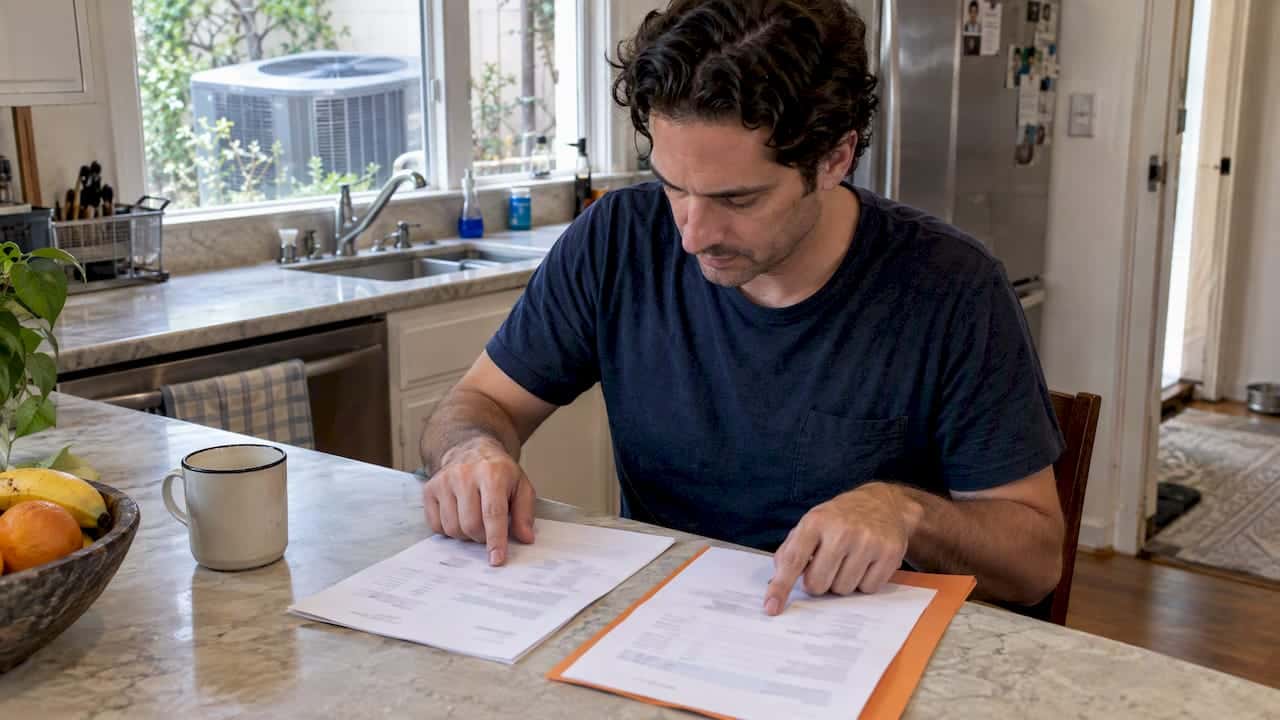
- Look up the license number on your state licensing board’s website. Do not rely on a card or paper the technician hands you. A license should also match the name on the estimate.
- Ask for proof of insurance, then confirm it by contacting the insurer.
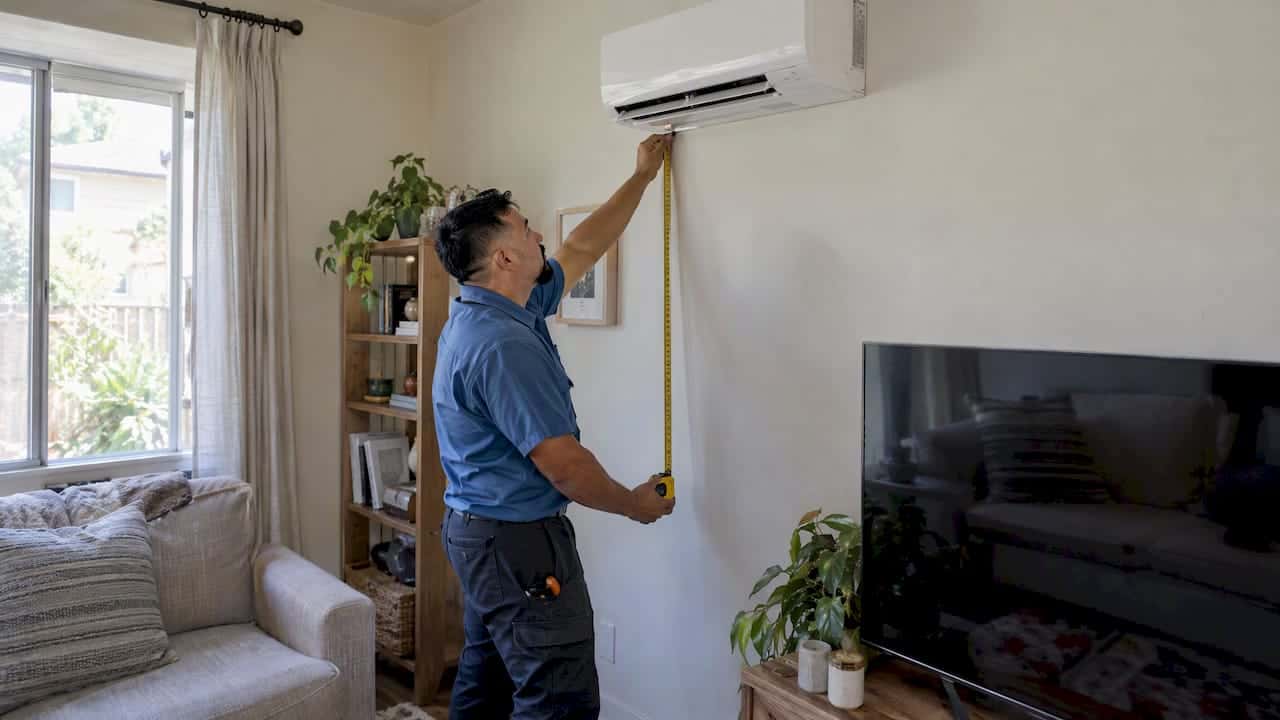
- Ask for specifics: exact part numbers, whether the part is compatible with your model, who pulls the permit, and what manufacturer training the technician has.
- Get a written estimate with scope, timeline, materials, a price breakdown, and how change orders are handled. Contractor-hiring guidance says the estimate should include the license number and start and completion dates.
- Collect three written estimates to benchmark price and scope. Our walkthrough on comparing AC repair quotes shows how.
- Pay by credit card or check, and photograph the technician’s ID and truck registration for your records.
Pro Tip: Search the company name plus “scam” or “complaint” before you book. It can help you spot warning signs.
For more questions worth asking, this contractor vetting checklist is a handy companion.
3. What should you do the moment you suspect a scam?
Move in order, and keep every record. Speed matters because some remedies have short windows.
- Stop work and refuse further payment until credentials and scope are verified.
- Document everything: the work area, parts supposedly replaced, the technician’s ID and vehicle, and all receipts.
- Send a certified-mail letter disputing the charges or canceling the contract when the law allows it. Keep the return receipt.
- Call your card issuer to dispute suspicious charges. If you paid by ACH or wire, contact your bank right away to ask about reversing it.
- Hire a licensed second opinion and get its findings in writing. That report becomes your evidence for complaints, refunds, or small-claims court.
4. Which payment and financing requests are red flags?
How you are asked to pay often reveals the scam before the repair does. Government advice says to avoid gift cards, wire transfers, and cryptocurrency, because none can be traced or easily reversed.
- Cash-only or app-only requests leave no paper trail and no dispute rights.
- Large deposits before any work starts shift all the risk to you.
- Contractor-arranged financing can hide fees and confusing payoff terms.
- Safer choices: pay by credit card or check, and tie payments to documented milestones.
- If you need financing, shop lenders on your own and read the full Purchase Agreement before signing.
5. What should you have in place before hiring anyone?
A little preparation makes most scams fail on contact. Our breakdown of how to read an HVAC estimate helps you check each line item.
- Collect at least three written estimates and compare scope and line-item pricing.
- Require a signed contract listing the license number, scope, timeline, materials, payment schedule, and change-order rules.
- Confirm who pulls permits, then verify the permit record with your local building department.
- Keep one file for contracts, receipts, photos, and messages in case you need to file a complaint.
6. Where can you report fraud and use your legal rights?
Start with the contractor, then escalate. A certified-mail complaint comes first. If the contractor ignores it, move up the chain.
- File with your state consumer protection office and the contractor licensing board, which can verify license history and investigate.
- Report the scam to the FTC at ReportFraud.ftc.gov, and file a BBB complaint for visibility.
- Consider small-claims court, or ask your state attorney general’s office for help. Bring your documentation.
The FTC Cooling-Off Rule gives you three business days to cancel an in-home or temporary-location sale of $25 or more, and sellers must give you the right-to-cancel forms and tell you about it orally. If they skipped the forms, you can still send a cancellation letter by certified mail within that window, per the FTC’s guidance.
7. What does an honest AC repair visit look like?
I’ve spent years working HVAC in this area, and the pattern is consistent. Honest providers give flat-rate pricing and a written diagnosis, list the parts they plan to use, say who handles permits, and never pressure you. If you are unsure what a fair diagnostic charge looks like, we explain what an HVAC diagnostic fee covers and how to compare honest estimates in our estimate guide.

8. Why most scam advice starts too late
Most advice tells you what to do after you have been burned. I think that gets the order wrong. Reporting, disputes, and legal rights matter, but they are slow, uncertain repairs for a problem you could have avoided in the first ten minutes.

The conventional checklist also overweights price. A low quote is not the safe choice, and a high one is not the scam. What separates honest from dishonest is whether the scope is written, the license checks out on the state portal, and nobody is rushing you. Those three things cost nothing to verify.
My advice: before you worry about the Cooling-Off Rule or which agency to call, decide that no work starts without a written estimate and a verified license. Everything else on this list is a backup plan. And if the technician gets annoyed that you checked, that tells you what you needed to know.
— Leo
9. Book an honest diagnostic with LC Heating & Air
We built our service around what scammers avoid: flat-rate pricing and no surprise diagnostic fees. If you want a second opinion or a clear diagnostic, book AC repair with us and compare our estimate against any other you have received.

FAQ
Can I sue my AC company?
Yes, if you can show the work was misrepresented or never done, and small-claims court is often the practical route. Gather your contract, photos, payment records, and a licensed second opinion first. A certified-mail complaint and a state agency filing usually come before court.
What is the $5000 rule in HVAC?
There is no single official cost threshold in HVAC. It is an informal idea that high repair costs should make you pause and get a second written estimate before replacing a system. Treat any large quote the same way: compare scope and pricing before you commit.
Is AC really worth it?
For most homeowners in hot climates, yes, because safe indoor temperatures matter for health and comfort. Efficient equipment can also cut costs: the Department of Energy says properly sized and installed heat pumps can save an average of over $500 per year. Ask for a written estimate before any replacement.
How do I know if an AC technician is legitimate?
Check the license number on your state licensing portal, ask for proof of insurance, and get a written estimate before work begins. A legitimate technician will welcome those checks. Pressure to decide immediately is a warning sign.
Sources
- Buyer’s Remorse: The FTC’s Cooling-Off Rule May Help | Consumer Advice
- Holdings LLC (Snap Finance Holdings) (collectively, the Snap Defendants), and alleges
- Energy
Recommended
Leo, Owner & Lead Technician at LC Heating & Air
Leo leads LC Heating & Air as an owner-operator and holds California CSLB C-20 HVAC license #1073586. His guides focus on practical diagnostics, safe repair decisions, and clear advice for Los Angeles homeowners.