LC Heating & Air provides 24/7 emergency heating repair throughout Los Angeles. We prioritize safety, especially with gas heating and carbon monoxide concerns, and offer transparent, honest diagnostics to help you decide between repair and replacement.
Emergency HVAC & 24-Hour AC Repair in Los Angeles
LC Heating & Air provides emergency HVAC in Los Angeles — including 24-hour AC repair, emergency air conditioning repair, same-day HVAC service, emergency heating repair. Whether you need same-day service, a written estimate, or help deciding between repair and replacement, our licensed technicians handle every make and model.
We repair and service all major HVAC brands in Los Angeles, including Carrier, Lennox, Trane, Goodman, Hisense, and LG, and older or discontinued units. No matter the manufacturer, we diagnose the problem accurately and give you an upfront price before any work begins.
Los Angeles winters are mild but real—and a heating failure on a cold night, particularly for elderly residents or households in higher-elevation communities where temperatures drop to near freezing, is a genuine emergency. Carbon monoxide emergencies from malfunctioning gas heating equipment are also life-safety situations that require immediate response.
At LC Heating & Air, I believe in being practical and honest. When you call (323) 970-3113, you aren't getting a call center; you are getting a technician who understands the local housing stock and the specific risks associated with older heating systems. We prioritize safety, perform thorough CO combustion analysis, and provide clear, written estimates before any work begins.
Emergency calls are answered within 30 minutes — call (323) 970-3113 for dispatch.
Local HVAC considerations
Los Angeles and surrounding neighborhoods
CSLB #1073586
(323) 970-3113
Common Heating Emergencies in LA Homes
In Los Angeles, we see a wide mix of housing stock, from older homes with original floor heaters to modern remodels with complex ductwork. The most common emergency call is a furnace that won't ignite. Often, this is a failed hot surface ignitor or a dirty flame sensor. These are straightforward repairs that we can usually handle in a single visit.
However, we also see 'delayed ignition'—that loud bang or boom when the furnace starts. This happens when gas accumulates in the chamber before lighting. It’s a serious issue that puts stress on the heat exchanger. If you hear this, turn the system off and call us immediately. We also deal with short-cycling, where the system starts and stops repeatedly, which is often a symptom of restricted airflow or a failing pressure switch.
Understanding Your System's Context
Los Angeles homes have unique challenges. Whether you are in a duplex, a single-family home, or a multifamily building, the age of your equipment and how it was installed matters. We check access, electrical conditions, and duct integrity before recommending a repair. Sometimes, a system is failing because it was never sized correctly for the home or because the ductwork is leaking, which changes the decision between a quick repair and a long-term replacement.
We don't just swap parts; we look at the whole system. If your furnace is 20 years old and the heat exchanger is showing signs of wear, I will tell you that a repair might just be a temporary fix. My goal is to provide a solution that makes sense for your home and your budget.
Our Diagnostic Process
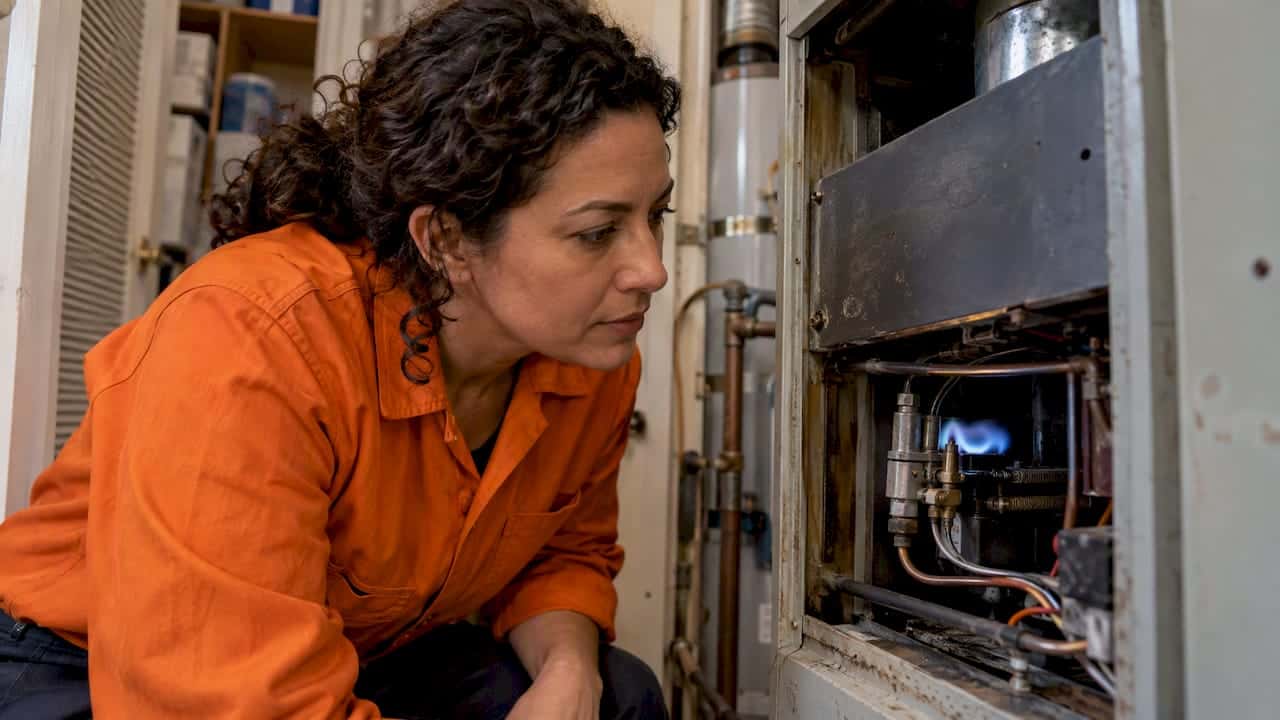
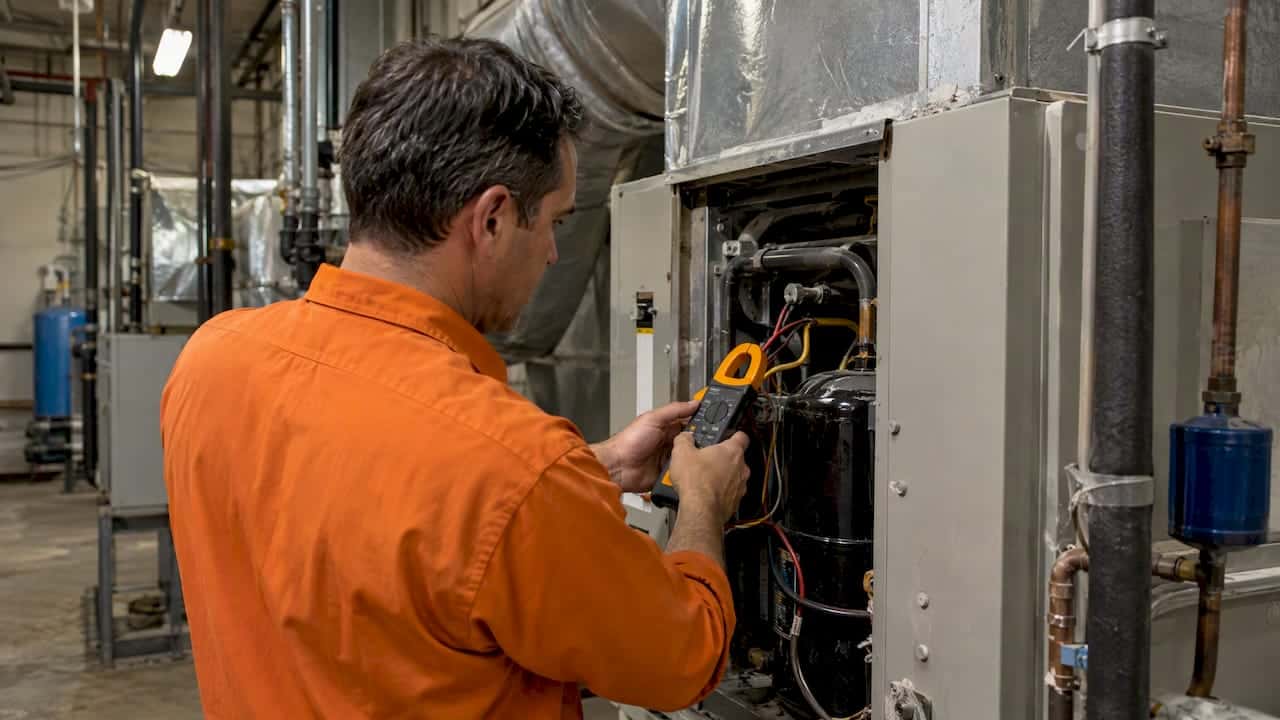
When we arrive for an emergency call, the first thing we do is ensure the environment is safe. For gas heating, this means checking for carbon monoxide. We never return a gas system to service without confirming safe CO output. We then move to the equipment, checking the electrical components, the gas valve, and the ignition sequence.
We believe in transparency. You will receive a written estimate before we start any work. We stock common parts like ignitors, flame sensors, and pressure switches on our trucks to minimize the time you spend without heat. If a part needs to be ordered, we will stabilize the system if possible and return as soon as the part arrives.
Repair or Replace?
This is the most common question I get at the kitchen table. If a repair is safe and cost-effective, we will do it. However, if your system is frequently breaking down, or if the cost of the repair is a significant percentage of the cost of a new unit, it is time to have an honest conversation about replacement.
We look at the age of the equipment, the condition of the heat exchanger, and the overall efficiency. If the system is worth repairing, we will tell you. If the pattern points to replacement, we will explain why, focusing on safety and long-term reliability rather than just trying to sell you new equipment.
Carbon Monoxide and Gas Safety
Carbon monoxide is colorless and odorless, which makes it dangerous. If your CO detector goes off, leave the building immediately. Do not try to find the source yourself. Call 911 from outside, then call us at (323) 970-3113. We take these calls as the highest priority.
We perform CO combustion analysis on every gas heating emergency. It is a non-negotiable part of our safety protocol. We want to ensure that when we leave your home, your heating system is operating safely and within the manufacturer's specifications.
Scheduling and Access
We answer the phone 24/7 at (323) 970-3113. We don't use an answering service that just takes a message. When you call, we dispatch. We are transparent about our after-hours service fee, so you know the cost before we arrive. Our repair pricing remains consistent regardless of the time of day.
If you have elderly residents, infants, or medical conditions in the home, please let us know when you call. We prioritize these situations to ensure your household stays safe and comfortable.
Mistakes to Avoid
One common mistake is trying to troubleshoot gas equipment yourself. Gas valves, ignitors, and venting systems are not DIY projects. Another mistake is ignoring warning signs like a banging noise or a system that keeps resetting. These issues rarely fix themselves and usually lead to more expensive damage if left alone.
Also, never use outdoor heaters or gas ranges to heat your home. These are not designed for indoor use and present a severe carbon monoxide risk. If your heat is out, use blankets, dress in layers, and close off unused rooms until we can get there to help.
Cost factors and rebates — Emergency Heating Repair in Los Angeles
Emergency Heating Repair pricing in Los Angeles reflects access, parts lead time, and whether rebates (IRA, TECH Clean California, or utility programs) apply to your equipment type.
Written estimates follow site review; call (323) 970-3113 to schedule.
Making the Right Choice
When your heating system fails, the decision to repair or replace should be based on facts, not sales pressure. We look at the age of your unit, the frequency of repairs, and the safety of the heat exchanger. If a simple ignitor replacement gets you through the winter, that is what we will recommend.
If we find that the system is unsafe or that the cost of repairs is no longer logical, we will show you exactly why. We provide the information you need to make the best decision for your home, backed by our experience as a local, licensed contractor.
How the visit works
Call (323) 970-3113 any time. We answer 24/7 and prioritize CO safety concerns.
We perform a safety check and CO combustion analysis before any diagnostic work.
We provide a written estimate for the repair, explaining the issue in plain English.
We perform the repair using parts stocked on our truck, ensuring your system is safe before we leave.
Cost factors we review before quoting
- • Emergency service call fee ($125–$200)
- • Complexity of the repair
- • Availability of parts
- • Safety and diagnostic requirements
Useful next steps
Emergency Heating Repair in Los Angeles at a glance
- • Emergency Heating Repair provider: LC Heating & Air
- • Location served: Los Angeles, CA 90036
- • License: CSLB C-20 #1073586
- • Phone: (323) 970-3113
- • Estimate: written estimate before approved work
- • Emergency calls answered within 30 minutes (24/7)
Our emergency heating repair process in Los Angeles
Reviewed by Leo, Owner & Lead Technician
This emergency heating repair guide for Los Angeles is reviewed for practical HVAC accuracy by Leo at LC Heating & Air. LC Heating & Air holds California CSLB C-20 HVAC license #1073586 and provides written estimates before approved work.
What Los Angeles customers say about emergency heating repair
Verified reviews from homeowners in Los Angeles and nearby neighborhoods who used our emergency heating repair service.
“AC compressor failed on the hottest day of the year. LC came out quickly, gave an honest assessment — said the compressor was still under manufacturer warranty — and helped me get it covered. Saved me over $1,200.”
“Replaced our 20-year-old Lennox system with a new high-efficiency Carrier. LC handled the permits, coordinated the Edison inspection, and finished a full replacement in one day. Impeccable workmanship.”
“Pilot light kept going out on our older furnace. LC came out, replaced the thermocouple, cleaned the burner assembly, and did a full safety check. Fast, affordable, and they showed me how to relight it safely in the future.”